

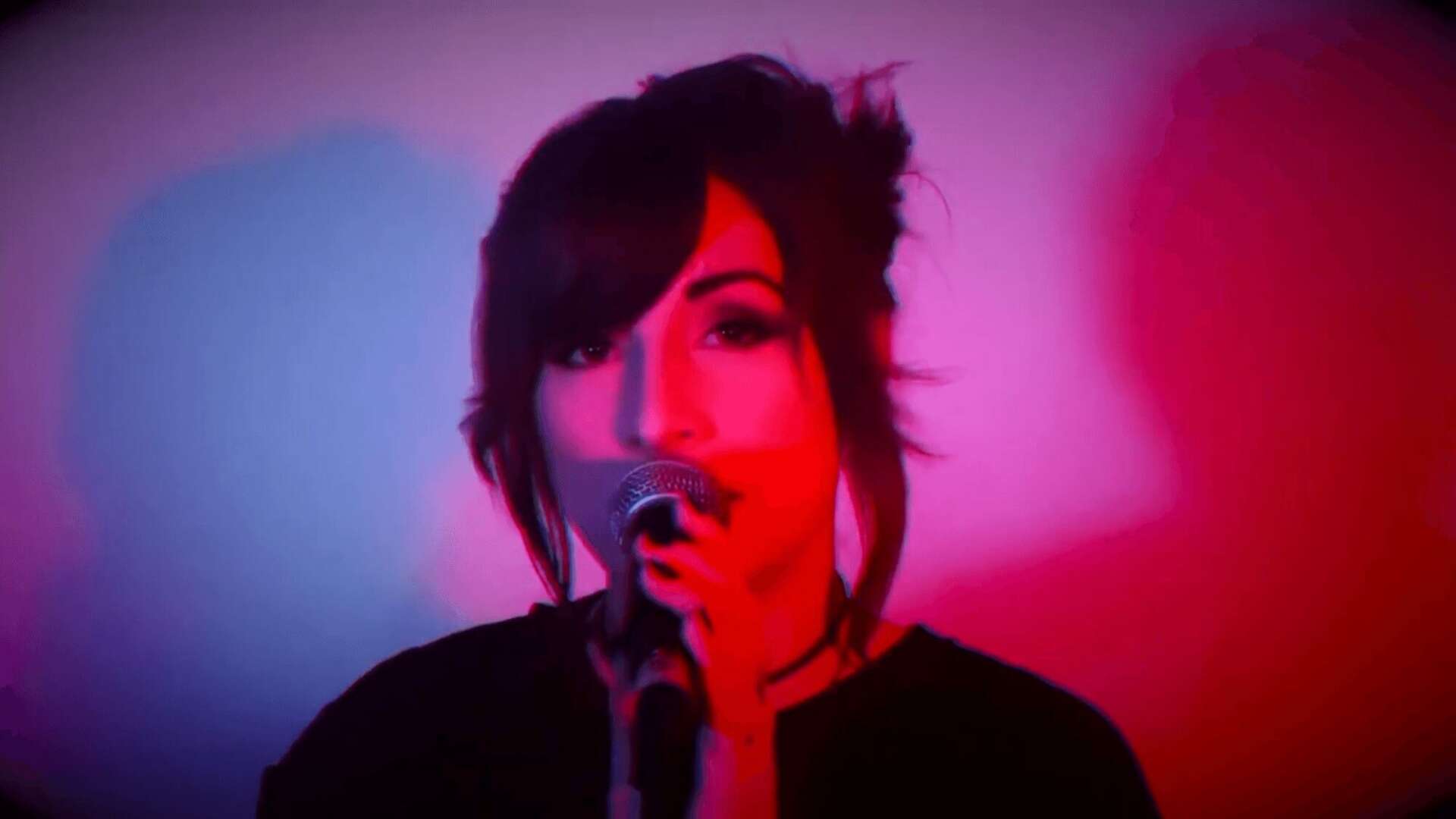

Alright – so today we’ve got the honor of introducing you to JKITTEN. We think you’ll enjoy our conversation, we’ve shared it below.
Hi JKITTEN, thanks for joining us today. How did you learn to do what you do? Knowing what you know now, what could you have done to speed up your learning process? What skills do you think were most essential? What obstacles stood in the way of learning more?
How did you learn to do what you do?
I don’t have any formal music training, I cut my teeth playing in DIY punk and garage bands in the late 90’s and into the early 2000’s. Then I started working solo and experimenting with recording and sampling on primitive DAWs. That eventually led me to an audio engineering program at the Conservatory of Recording Arts & Sciences. The focus of that vocational program was on engineering, not music. I learned to navigate audio gear and manipulate sound waves, but my music still wasn’t where I wanted it to be.
For a long time music was a mystery, and my mind needed to understand it. There’s always more to learn, but it turns out spending years working on it accumulated into a knowledge base and skillset that helped demystify quite a bit.
When smartphones came around my workflow changed. Suddenly, I had a mobile studio in my pocket with access to sounds and gear that had been previously unavailable to me. Then I took a handful of singing lesson with a vocal coach, Jasmine Pritchard, she showed me techniques to start properly singing. That really took out a lot of guess work.
I learned to do what I do mostly by keeping at it. For a long time, when I played my music for people the feedback they gave was completely discouraging. That was heartbreaking, and there were times I put music on a back burner. I’d take some time away, but eventually, I’d be like “Okay, what’s not working? How do I fix it?” And if I couldn’t fix it how do I avoid it on the next track? A lot of experimentation, a lot of trial and error, a lot of learning from failure, over a decade spent at it, and eventually people would hear something I was working on and they would go, “This is you? You did all of this? This is dope.”
Knowing what you know now, what could you have done to speed up your learning process?
There’s a story of a master cellist. He’s 90 years old and still practices for hours everyday, and one day a student asks him, “At your status and skill level why do you still practice so much?” The master cellist replies, “Because lately, I’ve begun to hear a little bit of improvement.”
I don’t know if there’s anything I could’ve done to speed up the learning process. It takes the time it takes, it’s hard won, but nothing in life that’s worth doing comes easy.
What skills do you think were most essential?
In my experience, skills all build on each other. They’re all interconnected. So it’s hard to say one is more important than another. But none of it would’ve started to coalesce without that internal drive to try to understand it. That need to understand the mystery. Which isn’t skill its more determination.
When I was young my motivation to make music was external validation. I wanted to “make it”, I wanted to be seen and heard and loved for my musical contribution. But that wasn’t enough to keep me going because eventually I realized external validation is nice but it will never be enough. My worth had to come from within me, and once I could provide myself with internal validation, external validation wasn’t a motivator anymore.
Then I had to ask myself, “Why am I doing this? Maybe I’ve done all I’m gonna do; maybe I’m done.” I walked away a few times, but then that itch would start up again. I’d be up in the middle of the nite mixing and trying to figure out what a relative key is. So I took all the pressure off it, I tried to just have fun with it. It didn’t need to be for anyone but me. For years I didn’t show anyone what I was working on. People didn’t even know I made music. I let it be just a hobby; it became a creative meditation.
Giving it that space and taking the time to understand myself, knowing that I make music because I enjoy the process was a complete game changer. That was the essential thing. Understanding what drove me to make music, it was my enjoyment of the creative flow that the songwriting process put me in. Some people play video games, some run marathons, some people probably write Property Brothers erotic fan fiction. I make music.
What obstacles stood in the way of learning more?
Money and access. When I started playing guitar I couldn’t afford music lessons. I didn’t learn any basics or theory or how to read music because that cost money and tabs are free. I didn’t have access to music classes in school until I was in high school, and when I tried to join band freshman year the teacher was like “Well, you don’t know how to read music and it’s too late to teach you.” So that was that, no music education for me.
I’m so grateful video tutorials and all these different online resources came along, otherwise I may never have gotten access to that knowledge.
As always, we appreciate you sharing your insights and we’ve got a few more questions for you, but before we get to all of that can you take a minute to introduce yourself and give our readers some of your back background and context?
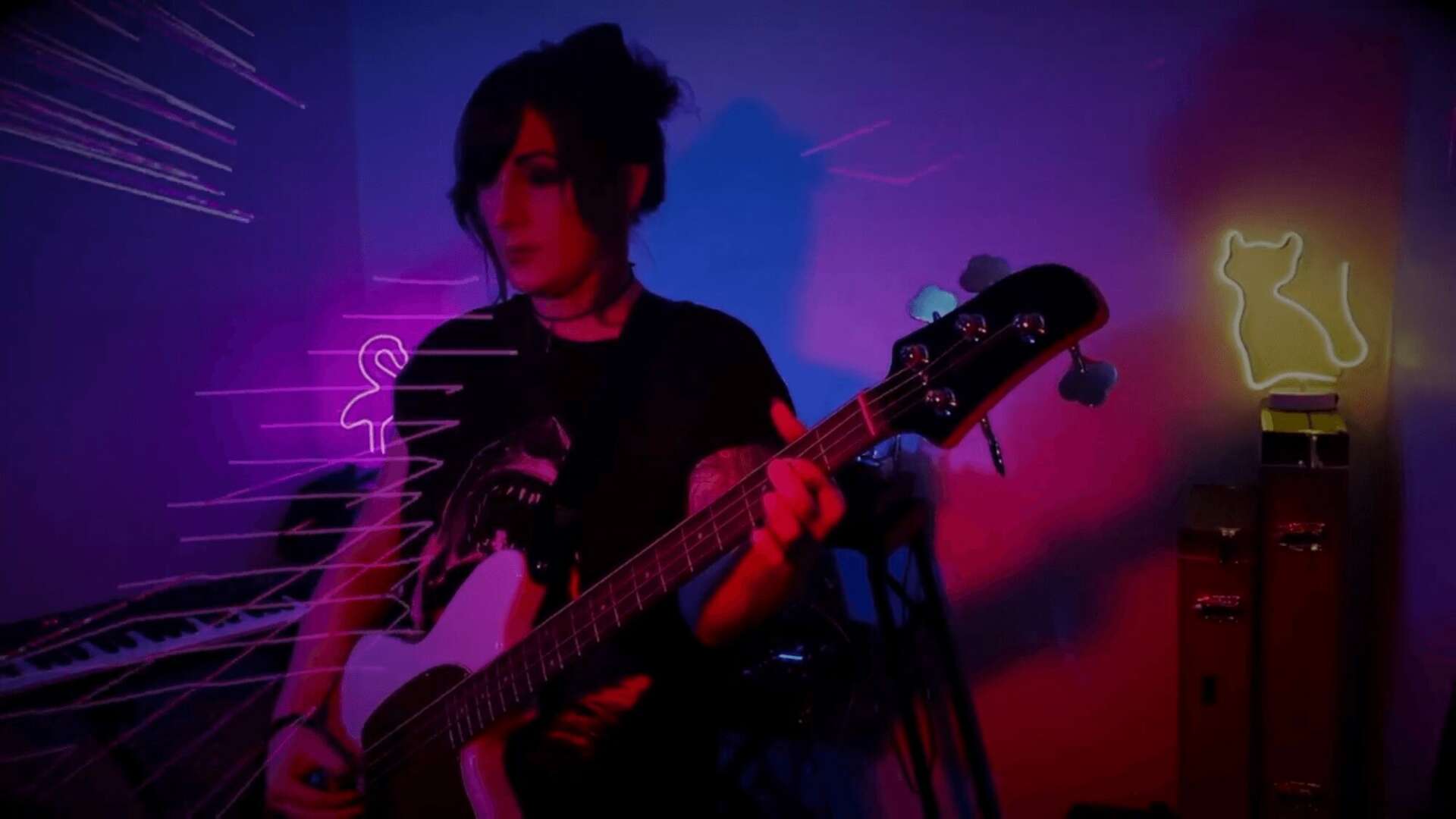
I’m JKITTEN, a music artist. I write, record, produce, and engineer all of my music. You can find me on all the streaming platforms Spotify, Apple Music, Bandcamp, YouTube, TikTok, FibFob, Blerkn. Okay, I made those last two up, but seriously anywhere you can stream, download, or link music I’m probably on there.
I also work with a friend and fellow producer Ryan Watts, also known as Akira Film Script, on a project call Old Drugs. Very experimental electronica vibes. We put out an album last year and we have some singles and remixes in the pipeline right now.
Ryan is a huge part of JKITTEN’s history as well. We met in 2013 and he heard some of my stuff and right away he was such a huge supporter. He put out a JKITTEN EP on his record label Green Chair Music. During the pandemic he pushed me to distribute my music further, and he helped guide me over some industry hurdles that were preventing my audience from growing. He’s been a great friend and incredible collaborator.
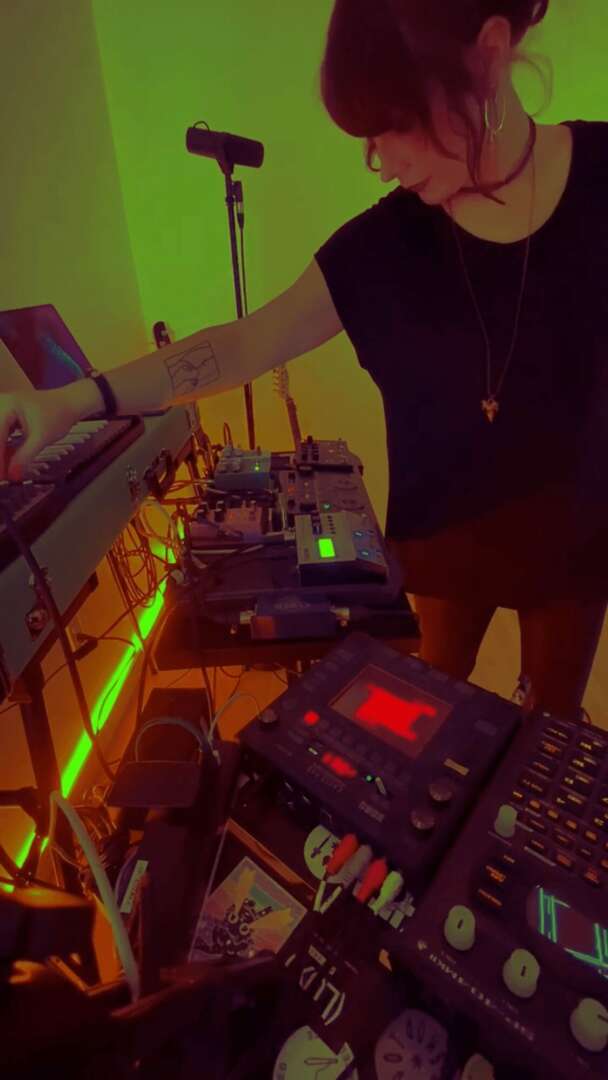
I’m currently laying down vocals on my next JKITTEN release. I have a lot of tracks that are nearing completion and I can’t wait to start getting them out there. I’m really excited about the evolution of my process and the blending of analog and digital sounds on this next one. Also got some plans for some physical media and merch coming up which is exciting.
I make the music I make because it’s the sounds and textures and instrumentation that appeal to me, and sonically it’s what I want to play with. My music isn’t for everyone, if it’s for anyone it’s for queers, sluts, and thieves. The be-gay-do-crimes crowd. In my life and in my music I’m trying to be as authentic as I can be. And who I am at this stage in my life is a lo-fi, hi-femme, mid-life transsexual with a possible over exposure to sad, weird, indie music and science fiction.
We’d love to hear a story of resilience from your journey.
There was abuse, neglect, bullying, suicides, and a lot of toxicity in the environments I grew up in. People love to romanticize the 90’s now, but it was a very misogynistic and homophobic time. And the more rural and conservative and religious you got the more intense all that hatred became. Back then I didn’t know how to even begin to understand what I was going thru. There was no such thing as “trans” people, it was just “those freaks” on Jerry Springer. So I internalized everything, and I developed social anxiety and suicidal depression.
I had no one to talk to without receiving violence, ridicule, shame, or an earful of Jesus nonsense. I started becoming a very unsavory person lashing out at everything. Music became the only thing I could hold onto. If I didn’t have the DIY punk scene during high school I wouldn’t be here today.
At 21 I had a mental breakdown, and I almost killed myself. After surviving that I went to therapy for a little while, and then I realized I needed to start unlearning everything I knew. It took a few years but I was able to start discarding the toxic beliefs and indoctrination that had been fucking me up. At 23 I finally had the resources and language to understand and communicate I was trans and queer and I started coming out.
A couple years later I met someone that held space for me. I was able to start discovering who I truly was for the first time without judgement. I started to experience gender euphoria. Then I started to meet more and more people that became my community and chosen family. It wasn’t all rainbows and kittens, transitioning is incredibly difficult. But I started living a beautiful, authentic life. And then my music began to flourish. I don’t think that’s a total coincidence.
It’s very easy to let trauma and adversity become the guests of honor at the pity party. Where we fixate on pointing to those things that hurt us instead of moving forward. I did that for awhile, I think a lot of people do, it seems to be a very human response. Music helped me move forward. It was something ethereal yet tangible, but something that required action from me. It’s a place I can channel my emotions and ideas. It’s something I can always work on and improve, and I find that very hopeful and enriching. It helps me process life and my experiences. I’m so grateful to have that outlet and practice, its made me a better person.
I recently heard the expression: if art is how we decorate space, then music is how we decorate time. To me, that’s the essence of recording. Capturing a moment of time. When I think of it in those terms I can look back on every song I ever played, wrote, recorded, or released and see where I was at mentally and emotionally. Like any artist I went thru different periods of expression. I wouldn’t be the person I am today if I hadn’t.
Is there something you think non-creatives will struggle to understand about your journey as a creative? Maybe you can provide some insight – you never know who might benefit from the enlightenment.
To me creativity is not an identity, it’s an action. Anyone can create, but that idea gets beaten out of some of us pretty early on. When I was a child I loved to draw and make up stories, and pretty quickly I received the message that those were childish activities, that I needed to grow up and leave childish things behind. I received the message that art and music and creativity was not a real or respectable life. That it’s not worth pursuing and I’ll never make a living from it. I foolishly listened and for a long time I didn’t consider myself an artist or creative. I tried to pursue respectable technical trades because I believed I wasn’t good enough to pursue my art. But I also couldn’t let it go and I’m so glad I didn’t.
In my experience the absence of creativity lead to destruction. Sometimes destruction is necessary, but it has to be balanced. I think creation and destruction are two sides of the same coin. Finding that balance, knowing when to build and when to deconstruct is tricky but it’s essential.
If someone thinks of themselves as a non-creative I would lovingly push them to try any creative activity. You don’t have to be any good at it. No one starts off good at anything, and if you magically start off as a prodigy on the oboe then great, try rug tufting. Challenge yourself. Nothing interesting happens in a comfort zone. Take the call to action, cross the threshold, get your hands dirty and dig for it, and once you have it there will be a cost you never saw coming. Nothing worthwhile comes easy, but in my experience if you are being true to yourself it will be worth your time. It’s never too late. There’s a saying my wife taught me, “the best time to plant a tree is 20 years ago, the second best time is today.”
Contact Info:
- Website: https://jkitten.bandcamp.com/music
- Instagram: https://www.instagram.com/jkittenz/
- Youtube: https://www.youtube.com/@jkittenz
- Soundcloud: https://soundcloud.com/jkitten
- Other: https://linktr.ee/jkitten
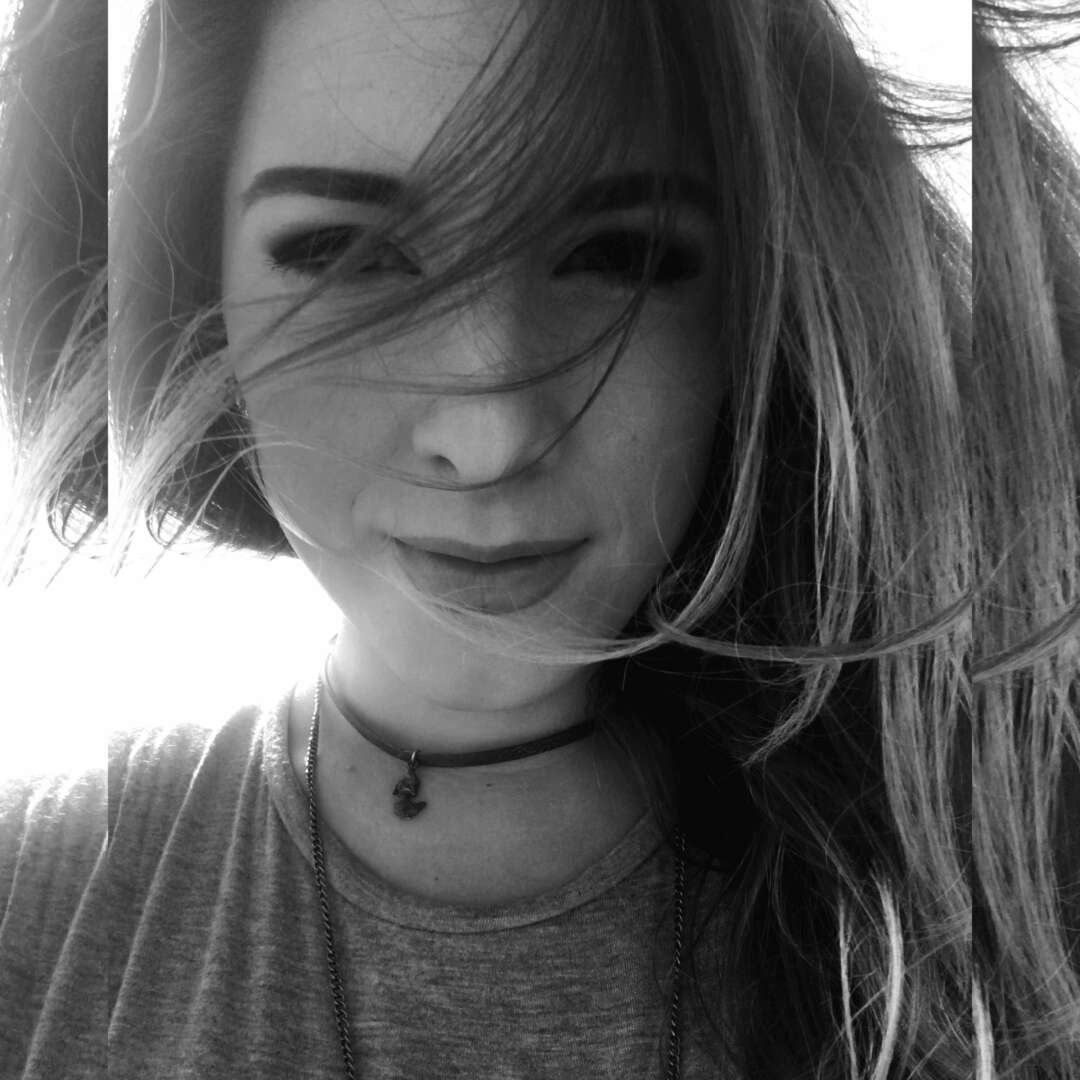
Image Credits
Sarah Sloane