

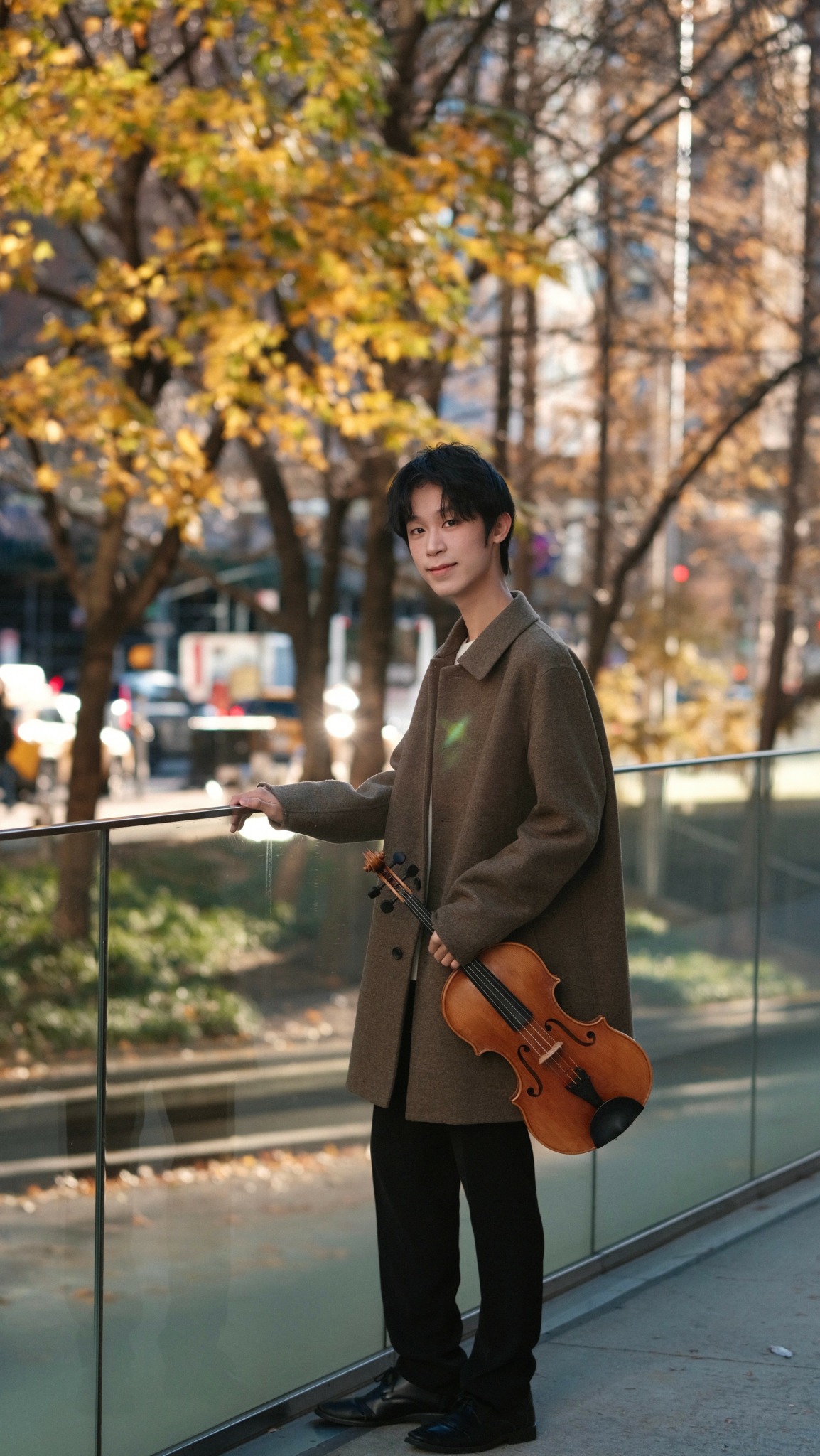

Alright – so today we’ve got the honor of introducing you to Jinglin Zhou. We think you’ll enjoy our conversation, we’ve shared it below.
Jinglin, looking forward to hearing all of your stories today. Can you open up about a risk you’ve taken – what it was like taking that risk, why you took the risk and how it turned out?
One of the biggest risks I’ve taken in my life was deciding to pursue music seriously, despite starting later than most musicians.
I only began violin at the age of ten—quite late compared to my peers who typically start as young children. I studied with a kind, elderly teacher and made steady progress, but eventually I became frustrated with practice and even stopped playing for three years during middle school. During that break, I turned to singing and discovered a passion for vocal music, but when my voice changed, that path became uncertain.
At the end of middle school, I faced an important decision: my city’s top high school offered special admission for students with musical talent. The problem was, I hadn’t touched the viola in years. Choosing to audition meant taking a huge risk—I would be competing against students who had trained nonstop since childhood, while I had to rebuild my fundamentals almost from scratch.
So I took the leap. Every night after homework, I spent hours practicing, often exhausted, often doubting myself. But I kept going. Against the odds, I passed the audition and entered high school as a music student. At first, I struggled tremendously in the school orchestra, but over time I discovered a new love for the viola. It was no longer a burden—it became my voice.
When it came time to choose my future, I faced another crossroads. My parents wanted me to focus on academics, believing music was too risky a career, especially for someone who started late. But I couldn’t ignore what I truly loved. After long debates, I convinced them, and chose to pursue music as my path.
That decision changed everything. I went on to earn admission to the Shanghai Conservatory of Music—one of the best in China—something many thought impossible for someone with my background. Later, I received a full scholarship to The Juilliard School for graduate studies. And just recently, I qualified for my first major international viola competition.
Looking back, none of this would have been possible if I hadn’t dared to take that first risk: picking up the viola again when the odds were stacked against me. Music has taught me that risk is not about recklessness—it’s about courage, persistence, and faith in what you love.
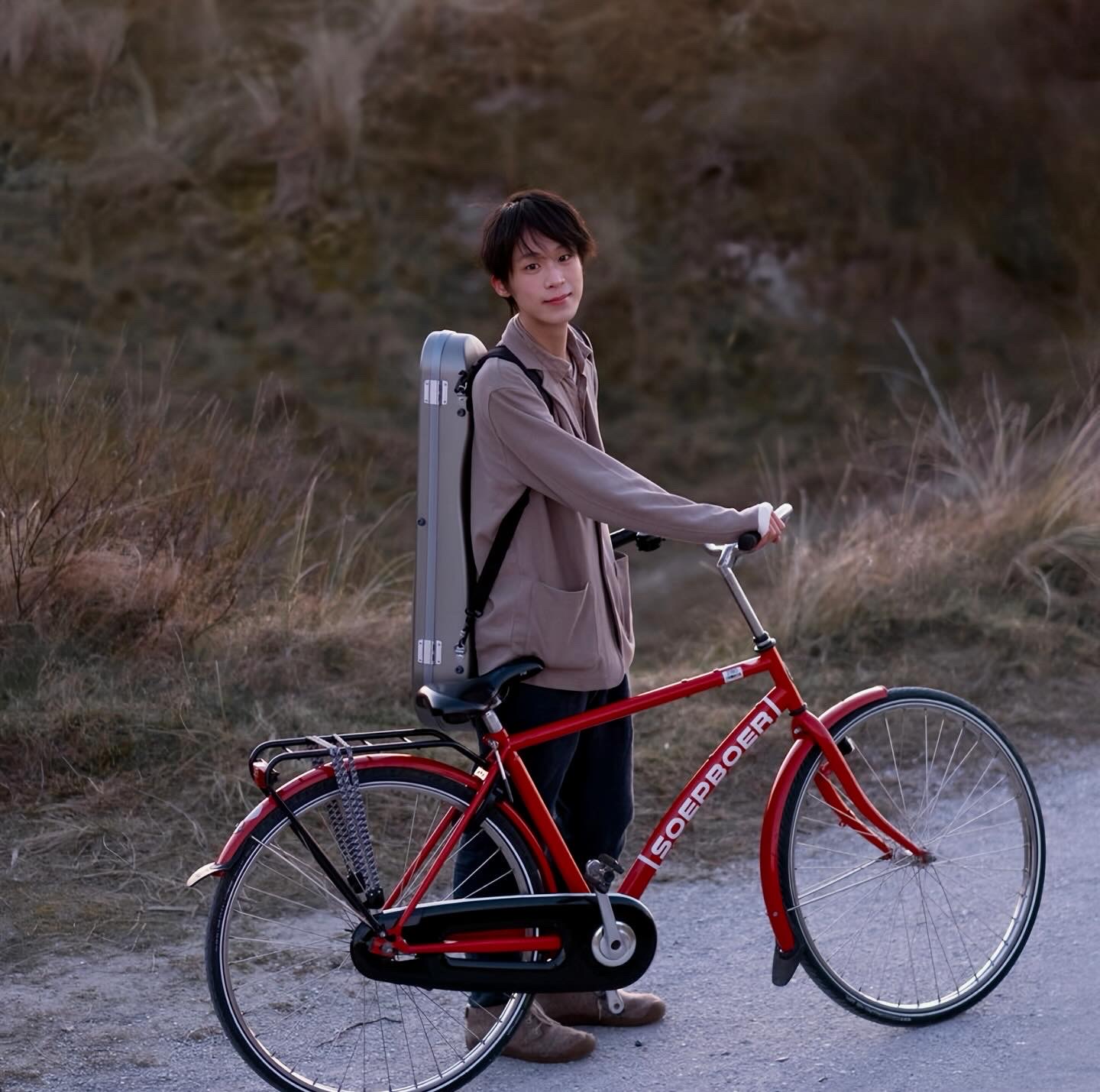
Great, appreciate you sharing that with us. Before we ask you to share more of your insights, can you take a moment to introduce yourself and how you got to where you are today to our readers.
I’m a violist and musician currently pursuing my graduate studies at The Juilliard School, after completing my undergraduate degree at the Shanghai Conservatory of Music. My journey into music was not a straightforward one—I actually started relatively late, first learning violin at the age of ten, then pausing for several years, and only seriously committing to viola in high school. Choosing to take that risk—to start over when most of my peers already had years of training behind them—has shaped the way I approach music today.
What sets me apart, I think, is this nontraditional path. Because I didn’t grow up with a “perfect” foundation, I’ve had to be endlessly curious, resourceful, and determined in order to catch up. This gave me a deep appreciation for learning, resilience, and the emotional side of music-making. I don’t take my craft for granted, and I try to bring that sense of discovery and authenticity to my performances.
My creative work centers on performance, primarily as a violist in solo and chamber music settings. Through music, I aim to offer audiences something more than entertainment—I want to create moments of connection, reflection, and emotional resonance that words often can’t capture. I also believe strongly in sharing the value of classical music with younger generations and with people who may not be familiar with it, so part of my work has included teaching and outreach.
I’m most proud of the fact that, despite the odds, I’ve been able to transform what once seemed like a disadvantage—starting late—into a source of strength. That perseverance has led me to opportunities such as studying with world-class mentors, performing internationally, and most recently, entering a major international viola competition.
What I hope people take away from my story and my music is this: that it’s never too late to follow what you truly love, and that music has the power to move people beyond cultural or linguistic boundaries. My “brand,” if you will, is built on authenticity, courage, and the belief that music speaks where words cannot.
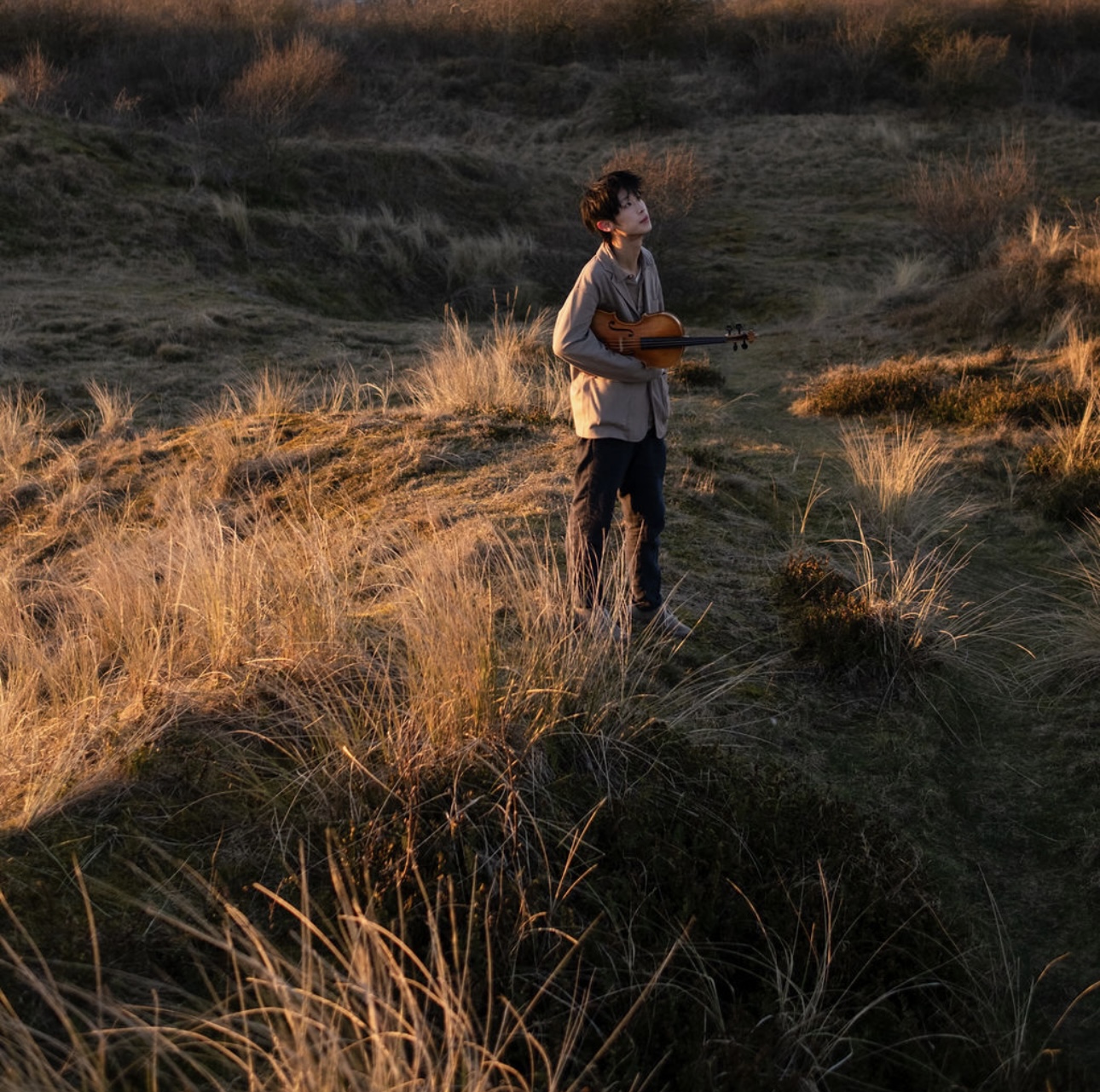
What do you think is the goal or mission that drives your creative journey?
There’s a saying I deeply resonate with: “When words fail, music speaks.” For me, music has always felt transcendent—something noble and profound. Unlike repetitive or mechanical work, music is deeply personal. It allows us to express who we are, to connect with others, to offer strength, warmth, and spiritual nourishment.
Even before I consciously chose this path, I think I already felt its call on a subconscious level. Music didn’t require me to rationalize or overthink—it simply moved me, transformed me, and ultimately guided me to make the decision to devote myself to it.
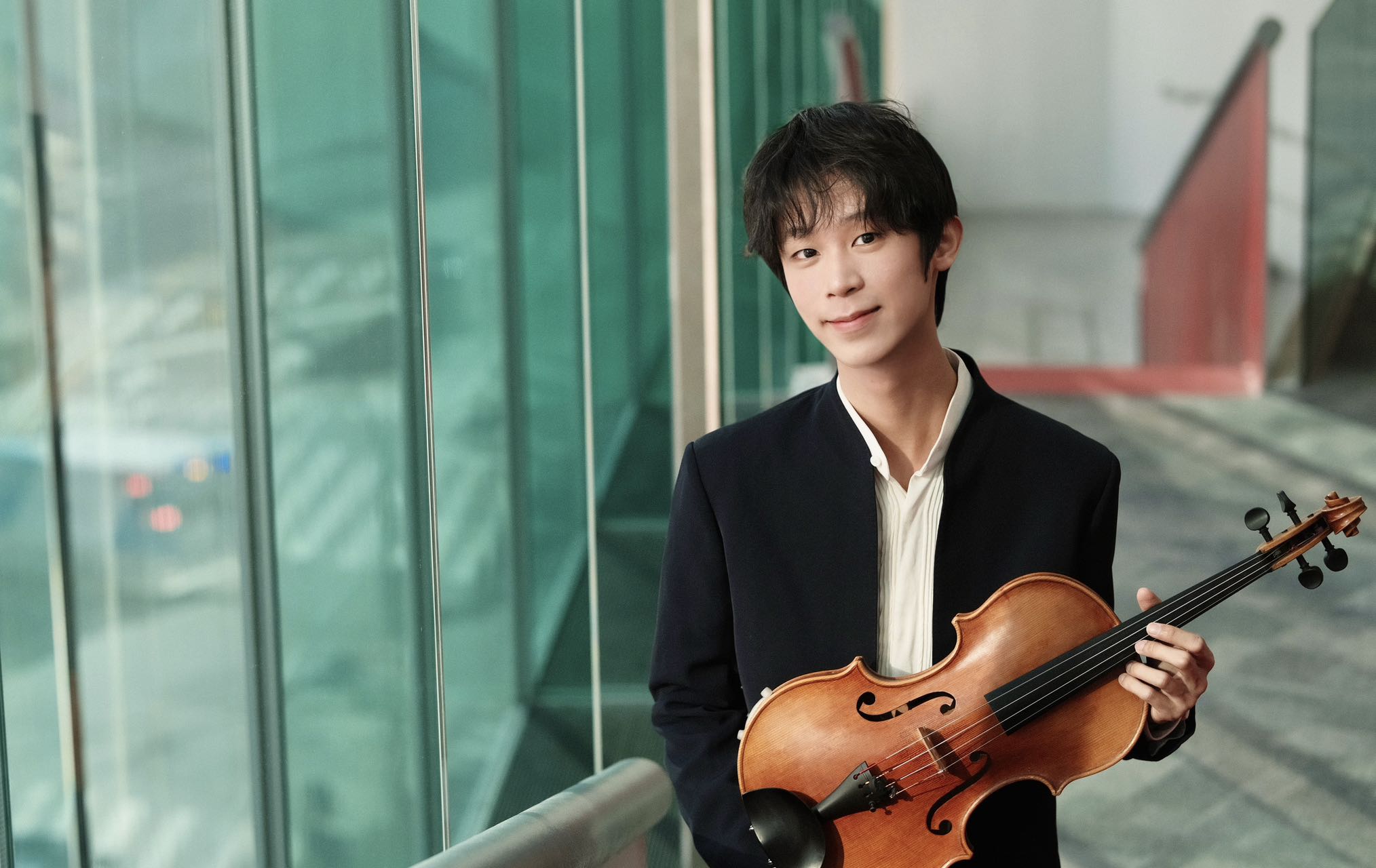
Can you share a story from your journey that illustrates your resilience?
My resilience has been tested many times throughout my journey. When I first decided to pursue music professionally, my family resisted the idea, believing it was too uncertain. Later, even my teachers warned me that because I lacked the “childhood training” many musicians have, it would be difficult for me to reach the highest levels. And when I left my hometown to study, people told me it would be enough to settle for a teaching job at an ordinary school.
But I’ve always wanted more. I knew deep down what I truly wanted—to push myself further in music, to keep pursuing it no matter how difficult. That refusal to accept limits, that unwillingness to give up, became the core of my resilience.
Today, after years of persistence, I’ve reached milestones I once thought impossible, including qualifying for my first major international viola competition. For me, resilience comes from sincerity and love—the pure conviction that if your heart is true, you can overcome every obstacle.
Contact Info:
- Website: https://www.jinglinzhou.com
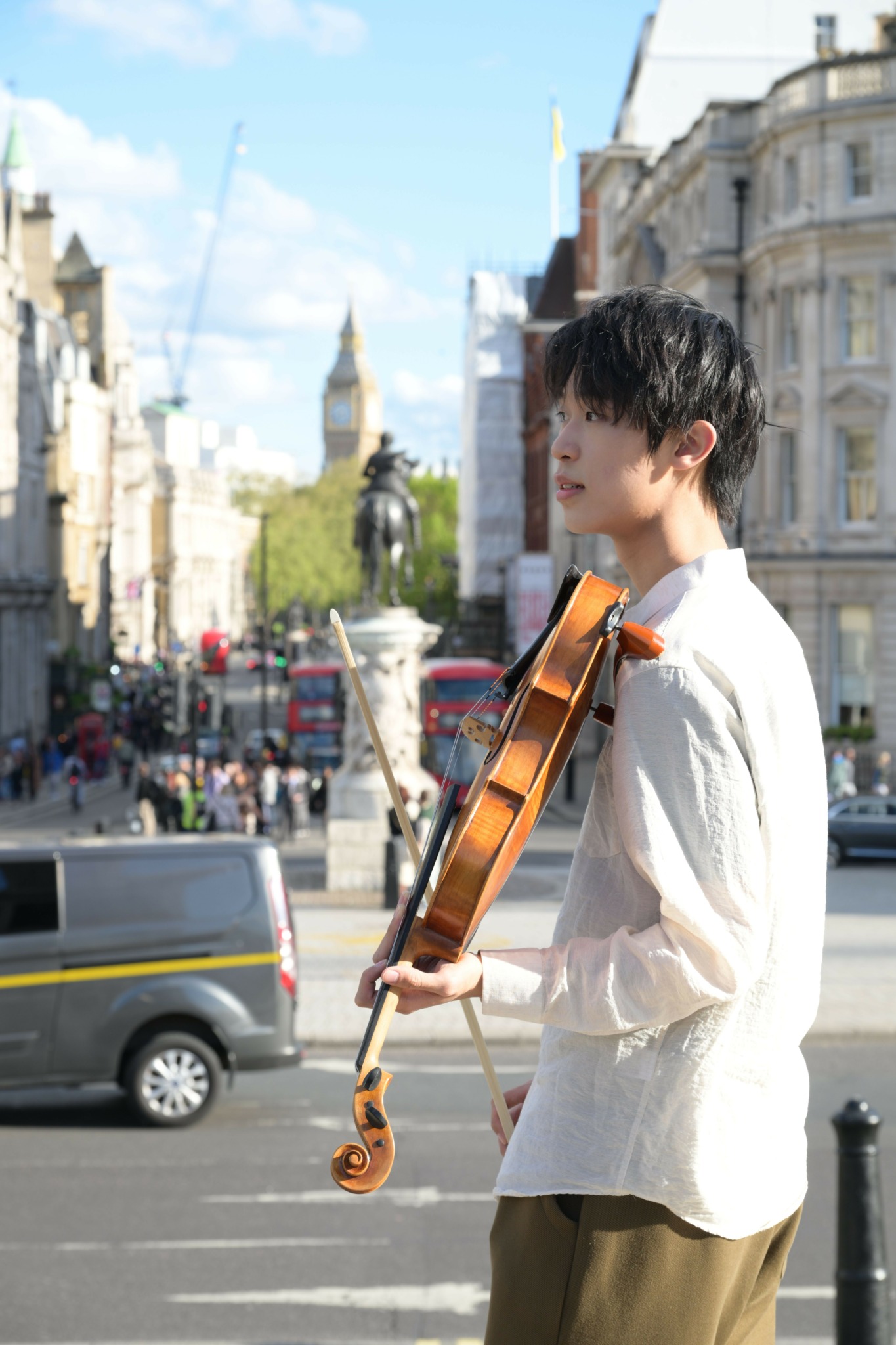
Image Credits
Nienke Maat