

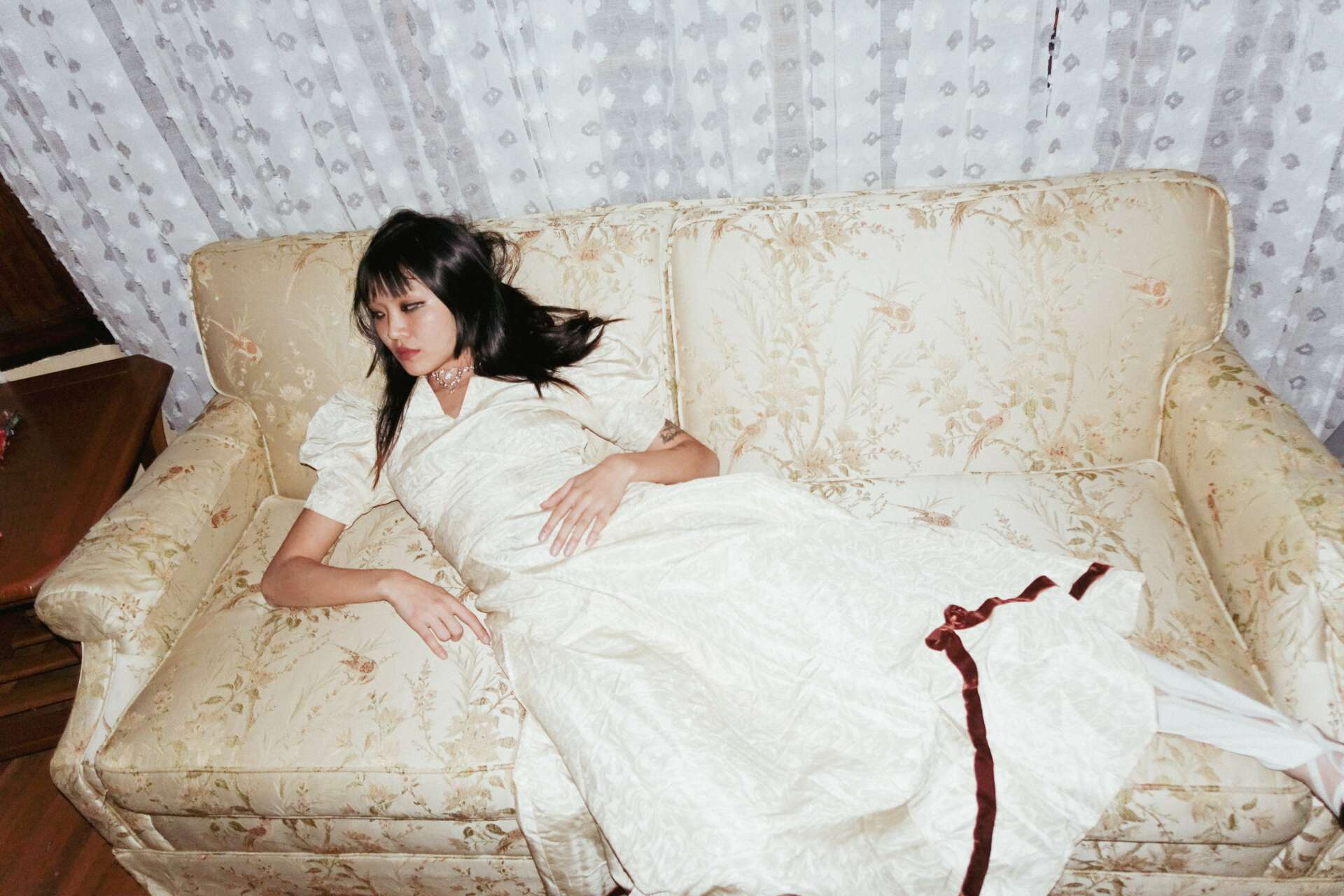

We recently connected with Jing Feng and have shared our conversation below.
Alright, Jing thanks for taking the time to share your stories and insights with us today. Owning a business isn’t always glamorous and so most business owners we’ve connected with have shared that on tough days they sometimes wonder what it would have been like to have just had a regular job instead of all the responsibility of running a business. Have you ever felt that way?
I think about this very frequently, and in many ways the tension between being a business owner and being employed by someone else (whether it’s in a creative field or not) holds a significant presence in my everyday life. Operating, and being able to be creative within a business, has brought a great deal of joy, meaning, and fulfillment to my life. Harlot Hands started in the beginning of my junior year as a fine art major in college. At the time I was filled with fear and uncertainty about my future, and wasn’t sure about the avenue best suited for me in the creative industry. I never imagined that I would start a business, and I had little to no idea of how to navigate it. I feel so grateful that it has come this far, and it has brought so much to my life: familiarity and confidence about what I want to make, communities to be a part of, opportunities to challenge myself and learn (both creatively and logistically), a way to turn what I love into what I do for a living, self-growth, agency, and much more. It was a miracle to me, this thing that allowed me to express myself and engage myself with my interests, ideas, and sensibilities in art and fashion. And to think, people being interested in and allowing me to continue to share the things I make, that changed my life in so many ways! But there are also great lengths of difficulty and conflict in terms of stability, mobility, and freedom. It’s a strange phenomenon, the emergence of creative social media-spurred businesses. The commercial nature clashes heavily with the creative aspect, and it can be isolating and all consuming. Configuring an appropriate framework of a sustainable business model, healthy work/life separation, models of algorithmic marketing, building and nurturing networks, administrative procedures—these are just some of the growing list of things we’ve just needed to learn as we go. Basically— learning a specific business-language of your own to fit into the industry of things.
You have to take on so many roles at once that aren’t artistically-related all, while attempting to cultivate, honor, and grow your creative ethos. Often it is difficult to know the right decisions to make, and sometimes it gets so muddled that the mental fatigue makes me want to take a break, but I cannot. In the nascent stages of Harlot Hands, everything felt incredibly intuitive and natural. I still feel that way about designing, but as the business side of things have developed and taken a bigger presence, I begin to notice phases of feeling burnt out and confused. So sometimes I wonder if I have compromised creativity with business, or if I’ve compromised business by my own insight, or lack thereof. When I feel frustrated about how to engage with and keep my audience engaged, or if I’m growing or limiting myself in my design process, or how to fill out a specific form, or bouncing back and forth a seemingly endless amount of tasks and communications— I wonder if I would be “happier” to work a “regular job”, and reclaim more creative freedom that way. These kinds of inquiries make me contemplate what is most important to me, and how the nature of who I am takes form. I’m still figuring it out. It’s entirely possible I would be happier in a different situation. But I’m very attached to and proud of what I’ve built, and how it has built me. The business is still young, and so am I. Our moods are in flux with each other and I’m just interested to see what more I can feel and learn. There are endless shapes that it can take on, and I’m not against my role changing within it, if the time or circumstance is ever right. There’s a certain amorphous beauty and harmony to when business and creative production/expression clicks together, flush into place. It’s just always shifting, and I feel really lucky that these are the kinds of challenges I get to take on right now.
Great, appreciate you sharing that with us. Before we ask you to share more of your insights, can you take a moment to introduce yourself and how you got to where you are today to our readers.
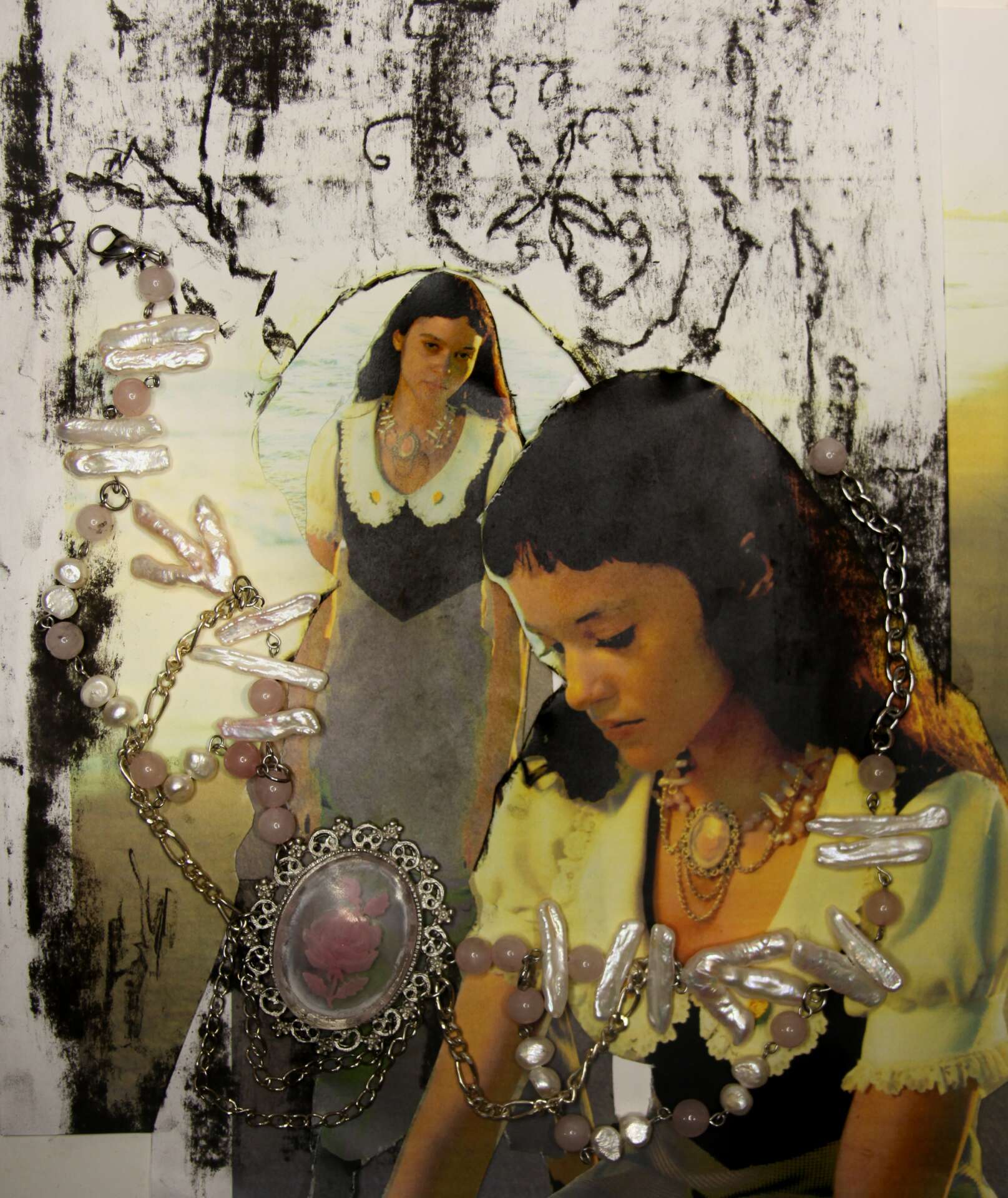
Hailing from Ohio and currently based in New York City, I studied Fine Arts at the University of Southern California and graduated last year (2022). Harlot Hands began in October of 2020, shortly after I began making jewelry as a hobby during the summer of the same year. The surge of arts and crafts during the pandemic was in its nascent stages then, and the handmade jewelry pocket of Instagram was full of possibility. My initial inspiration was An Nguyen, the designer of Sweaty Pigeon, one of the first handmade jewelry brands in that realm that I had ever known of. I had a fixed perception of jewelry until I saw her designs, which were more of a sculptural and experimental approach to assembling chains, beads, and various vintage components than other handmade jewelry I had seen. In my fine art practice, I take on sculptural sensibilities of collaging, embellishing, and assembling. Realizing that I could translate this tactile language to various materials to create jewelry, I became obsessed with the search for vintage objects and special beads. I could illustrate different imaginary personas, histories, and stories from combining different components together. It was a collage, a composition. My style developed as I continued to express themes and ideas, accompanying my tendency to embellish. Necklaces became expressive silhouettes and compositions, chains and beads formed relationships, asymmetry was beguiling and mysterious. This approach fused well with my enamorment for ideas about fantasy, myth, magic, weaponry, relics, artifacts, and the grotesque. It allowed creating jewelry to become exceptionally narrative, indulging in the potential and sacredness between an object and it’s wearer/owner. When I starting making my own metal pendants and rings, it was natural to create my own interpretations and depictions of creatures, characters, and objects of totemic, sacred significance. The visual language of my jewelry has changed and developed over time, but these are all signature qualities that will always define the brand. During the pandemic, the attraction to themes of whimsicalness and magic increased significantly, especially among chronically-online, fashion and art interested people. I think that this partially had to do with our warped perception of reality, and the uncertainty of our futures. Things like myths, legends, and magical creatures have always acted as vehicles to creating sense, purpose, and reason— illuminating truths of human nature and their relationship to the world around them. We were operating in a reality defined by hybridity and metamorphosis. This manifested in many different ways in visual social media culture and craft practices across different makers. I was trying to express these ideas in my own way, both conceptually and physically creating fragments to build a universe that is rich with its own stories and lore. The brand became a medium for me to understand myself and my own style, and a lot of the themes expressed in the jewelry runs concurrent with what I make in my fine art practice. There is a larger thread across contemporary craft, design, tattooing, fashion, and art practices that engages with duplicity and ideas about the ancient, and ornament plays an enormous role in that. Somewhere along the way of creating a casual Instagram to share pieces, my posts began to gain traction and my audience grew. There are definitely formal qualities and process-based elements that are signature and unique to the brand, but I’m definitely proud of the way that I built and developed the world which lives through my jewelry pieces and the way they live in that world. It’s a diachronic relationship that continuously builds its own lore. It was amazing to see that people were interested in what I was doing, so I created a store on Shopify and started to have weekly drops. This continued for a while, but it was very difficult to maintain the workload as my audience grew and I was still managing school. It was challenging to figure out how I would refine my brand and restructure it to be more sustainable as it was built on the model of one off pieces with one of a kind found vintage pendants and components. I started releasing seasonal jewelry collections eventually, which was much more sustainable to operate as a workload, and gave space to other aspects of the business to develop. If I had ever thought about starting a business in the past, I would not have conceptualized that it would take this shape. There were and are endless challenges to navigate for such a strange and unexpected foray into building this business.
Any stories or insights that might help us understand how you’ve built such a strong reputation?
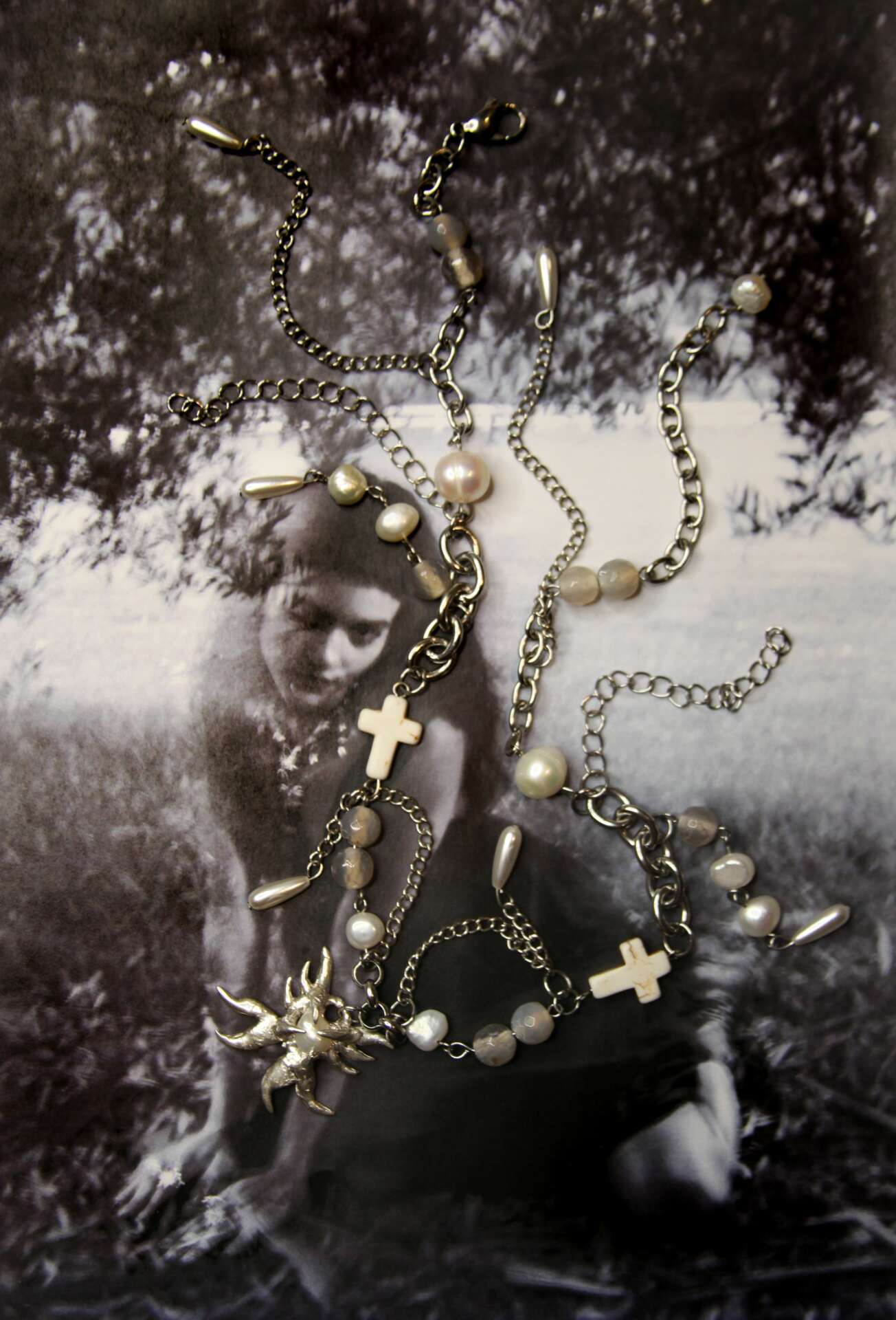
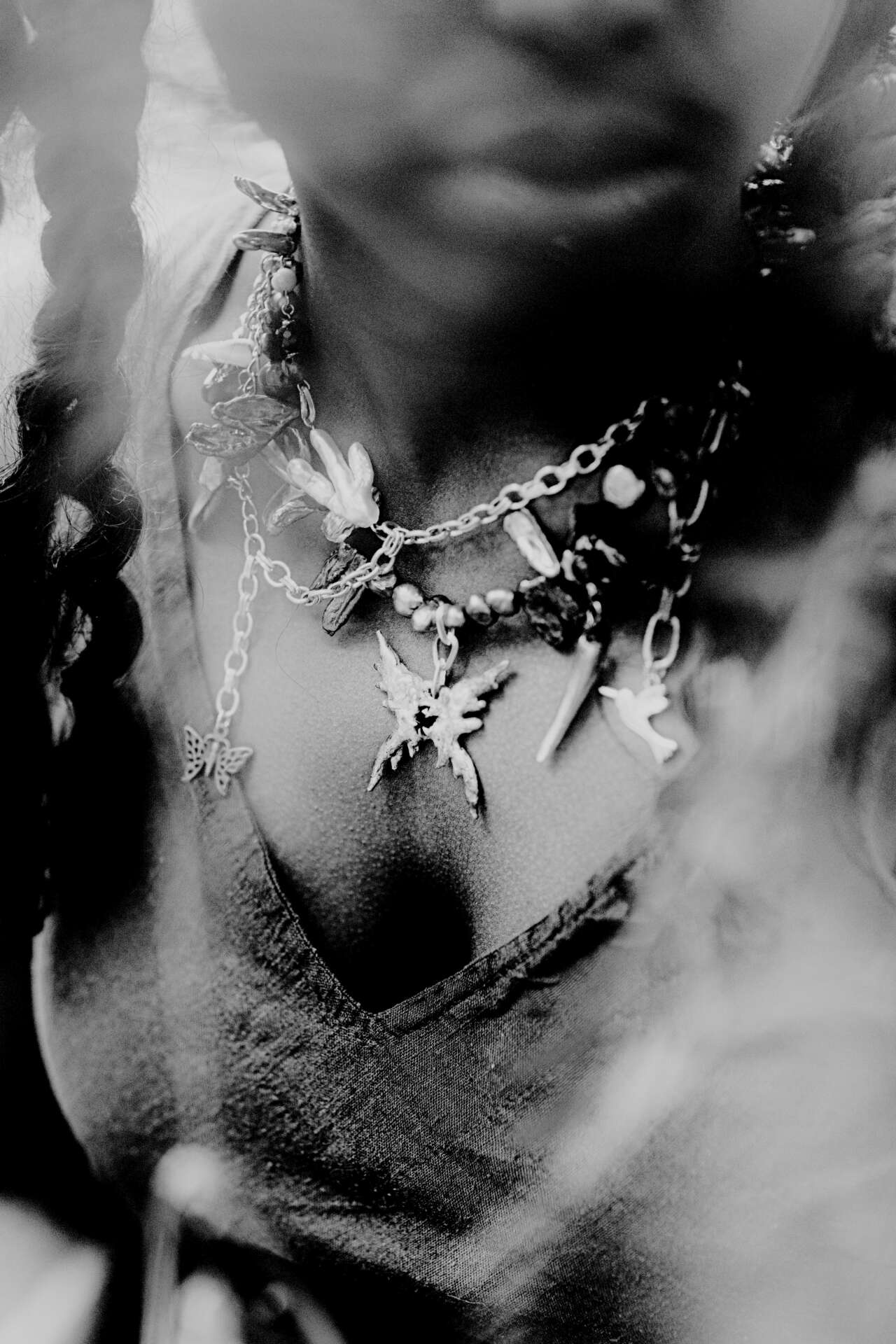
There are a lot of important characteristics to the brand that have shaped its own distinct style that I touched upon earlier. I think that at the time that I experienced the most growth, people were taking a liking to the way that I was composing my necklace silhouettes, and how I combined them with varying themes of fantasy, elegance, and playfulness to create nontraditional handmade necklaces. I always tried to experiment and create dynamism in my pieces, but over time I built a knack for embellishing that resulted in a very maximalist, complex type of necklace that was quite distinctive. As my personal style and the business has developed and changed throughout time, this shape has taken a bit of a smaller role. Creating those types of designs took up exorbitant amounts of time and was difficult to recreate in a seasonal context, but it’s an important aspect of Harlot Hands that I still try to channel.
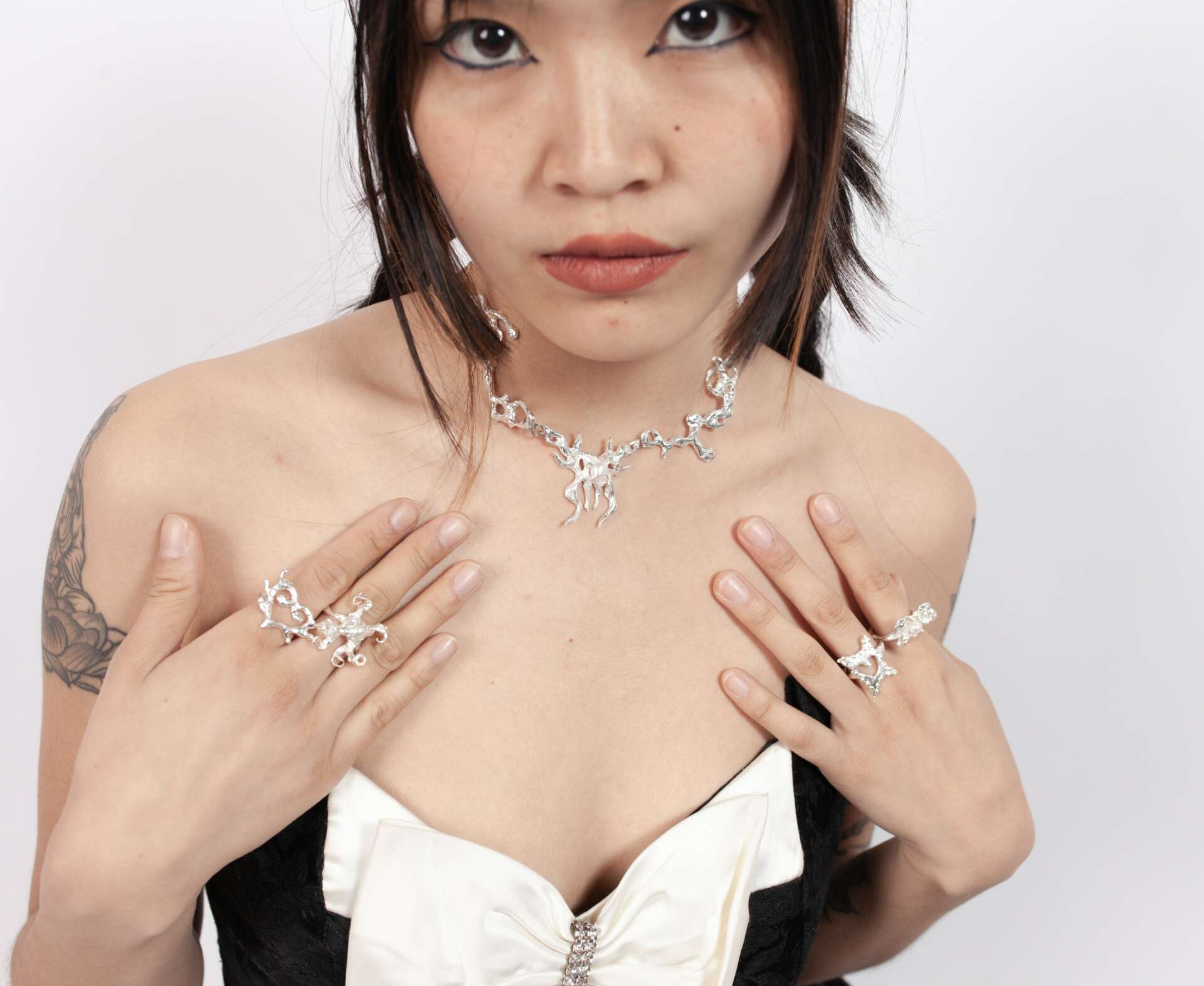
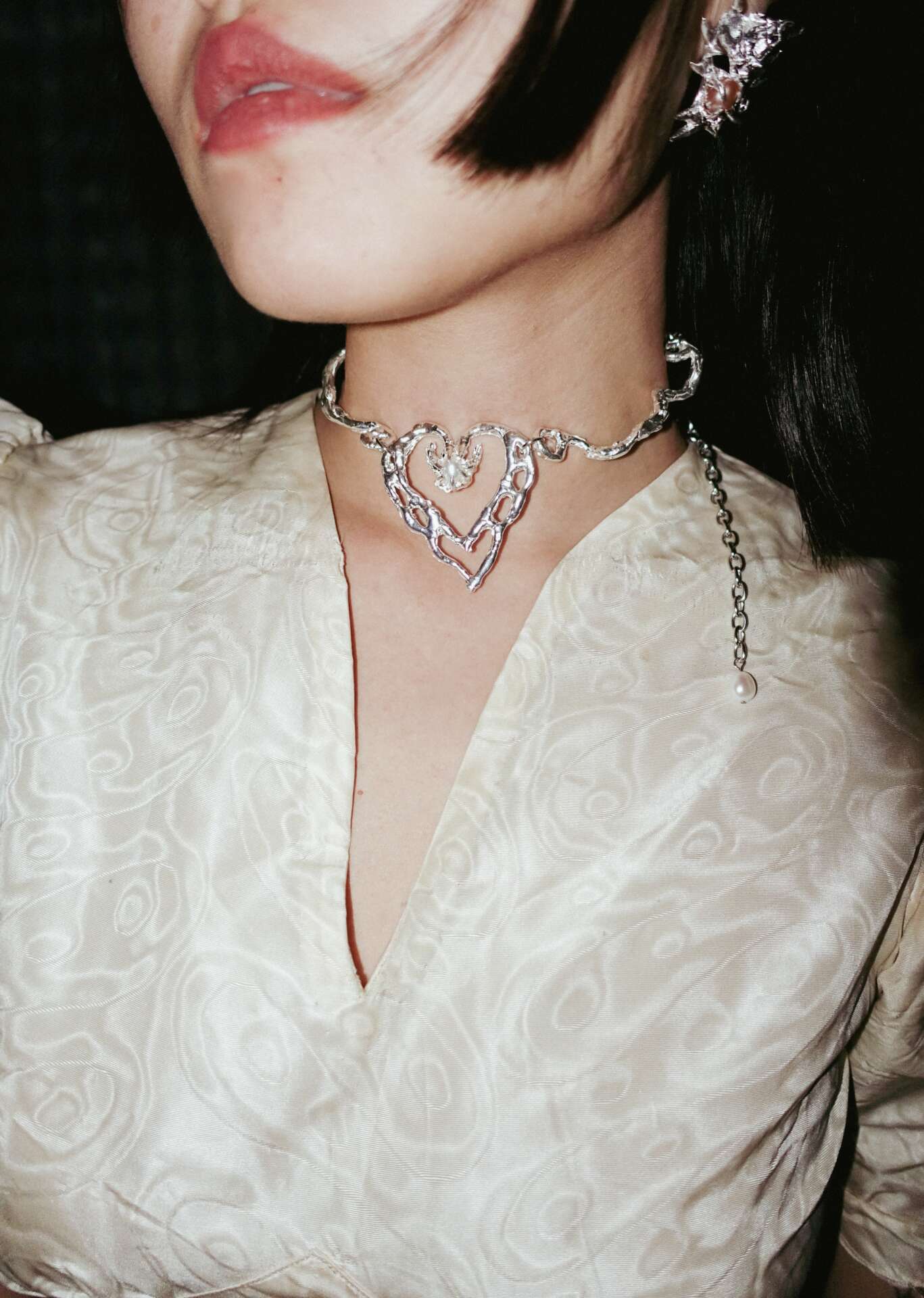
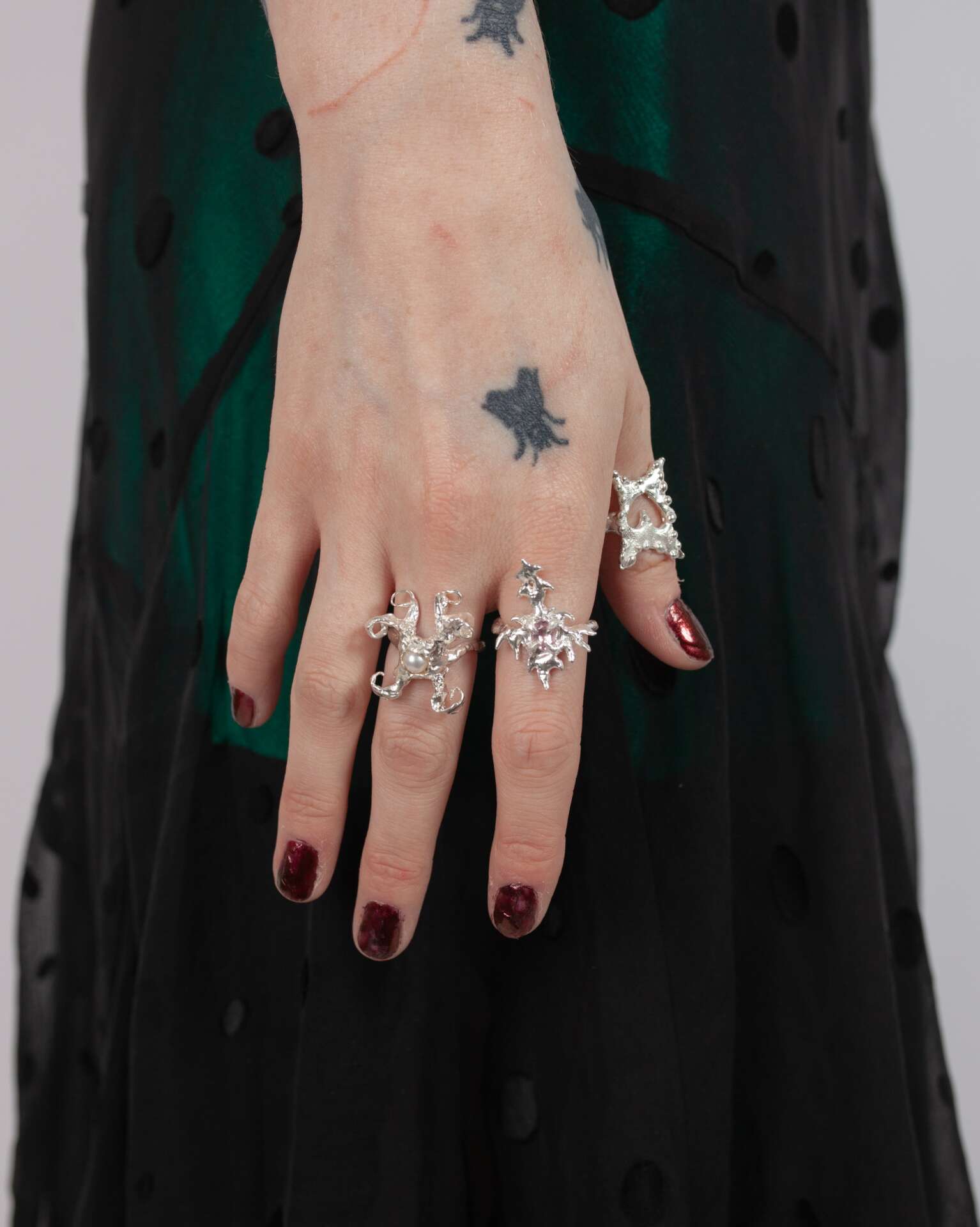
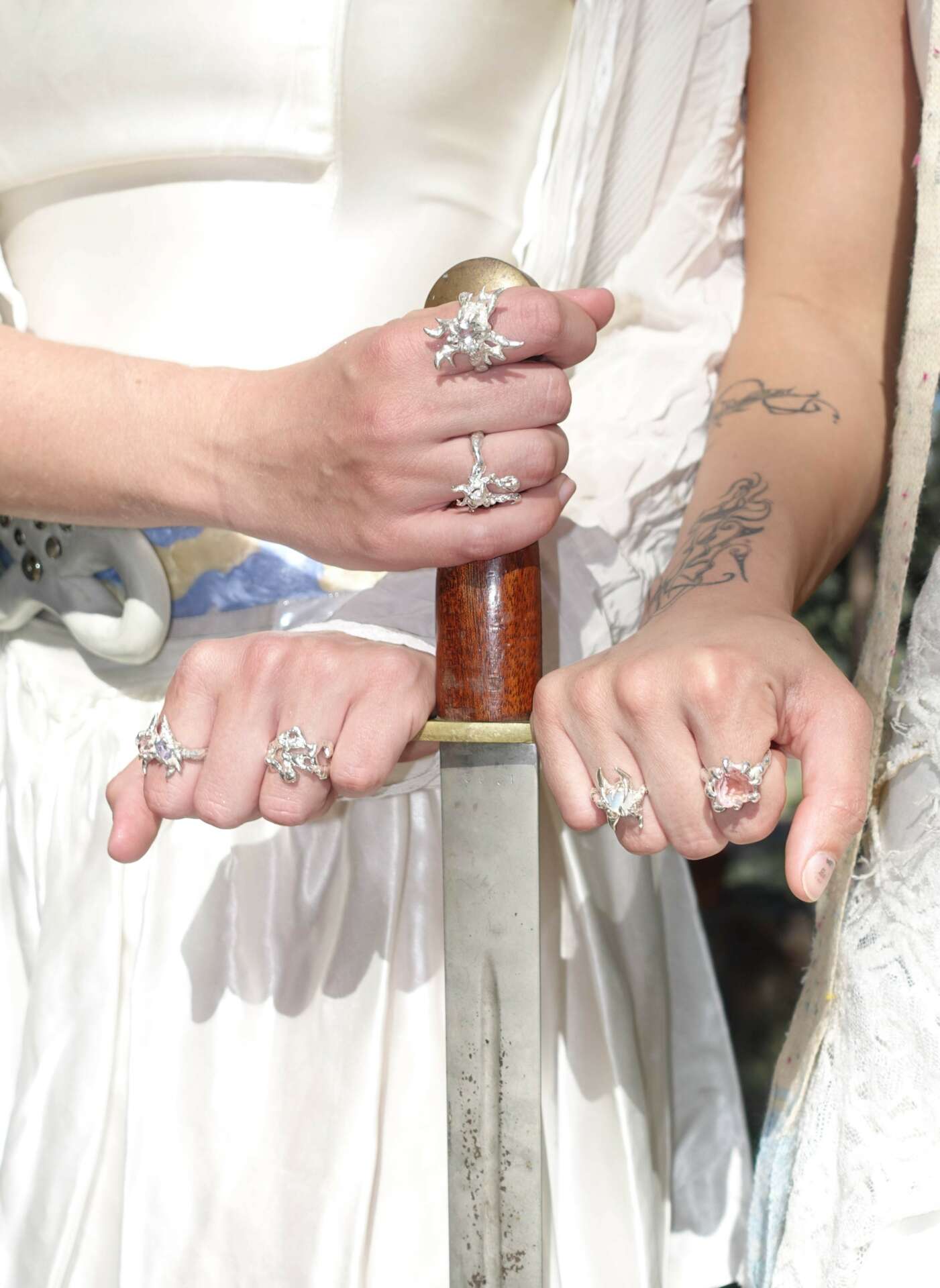
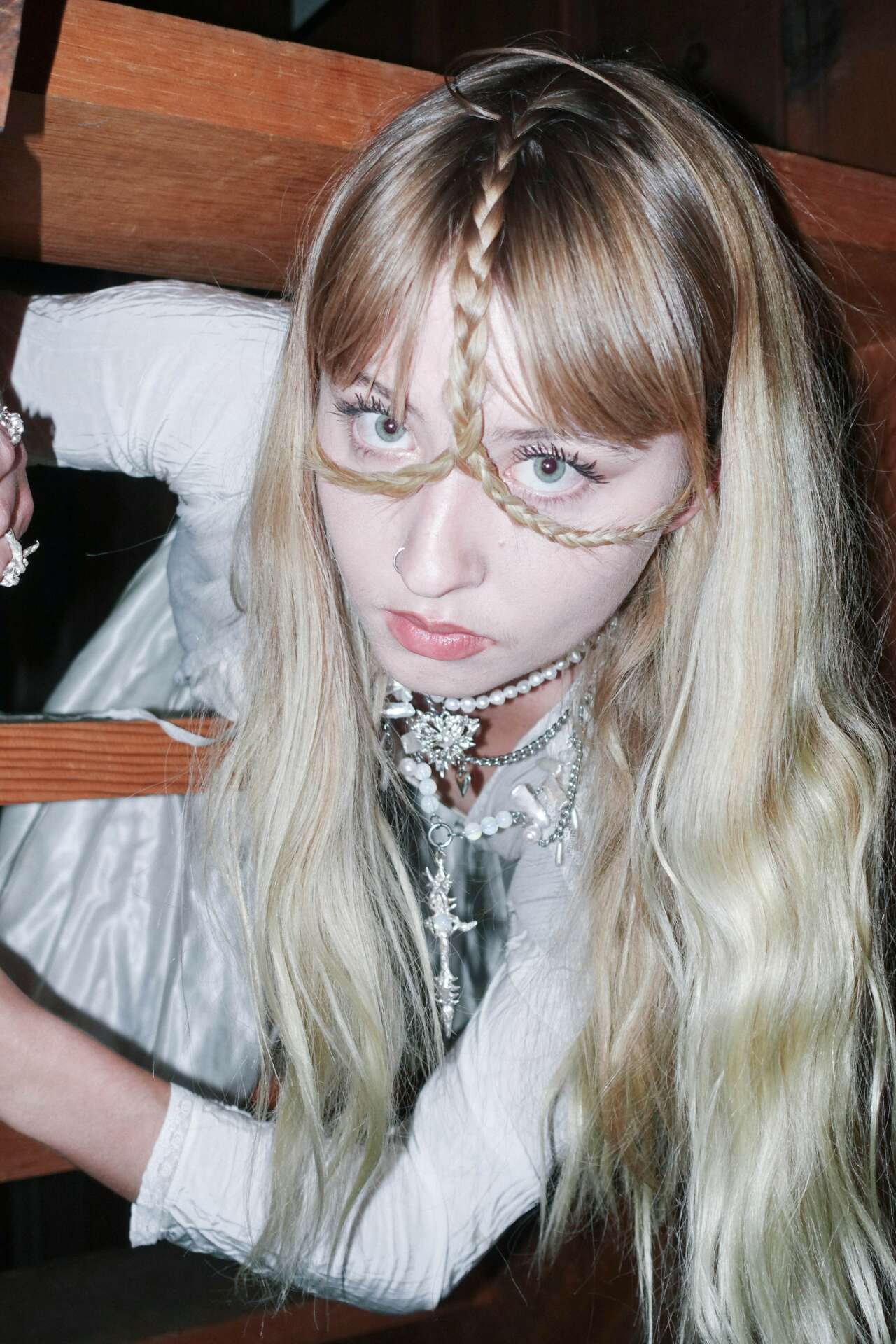
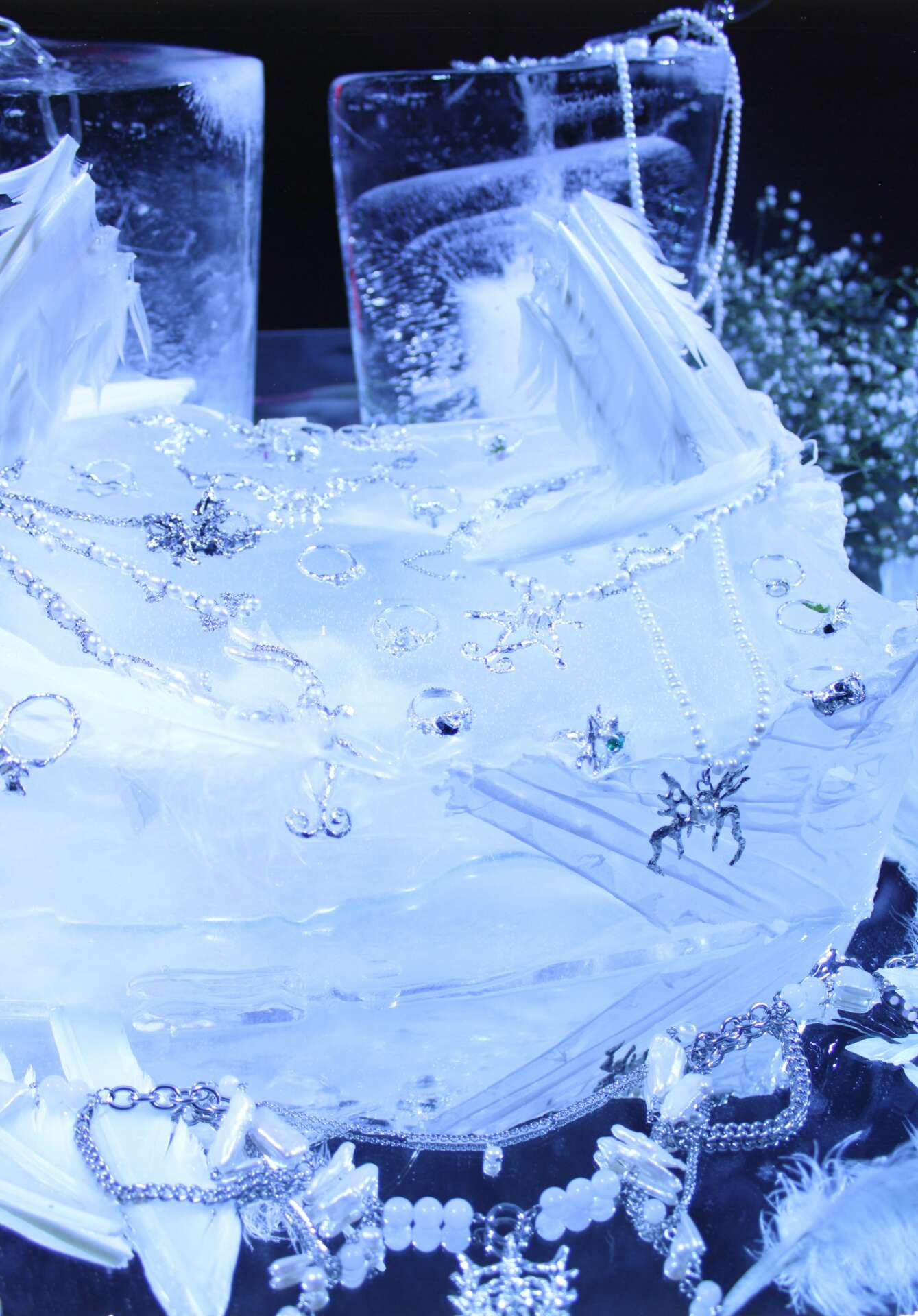
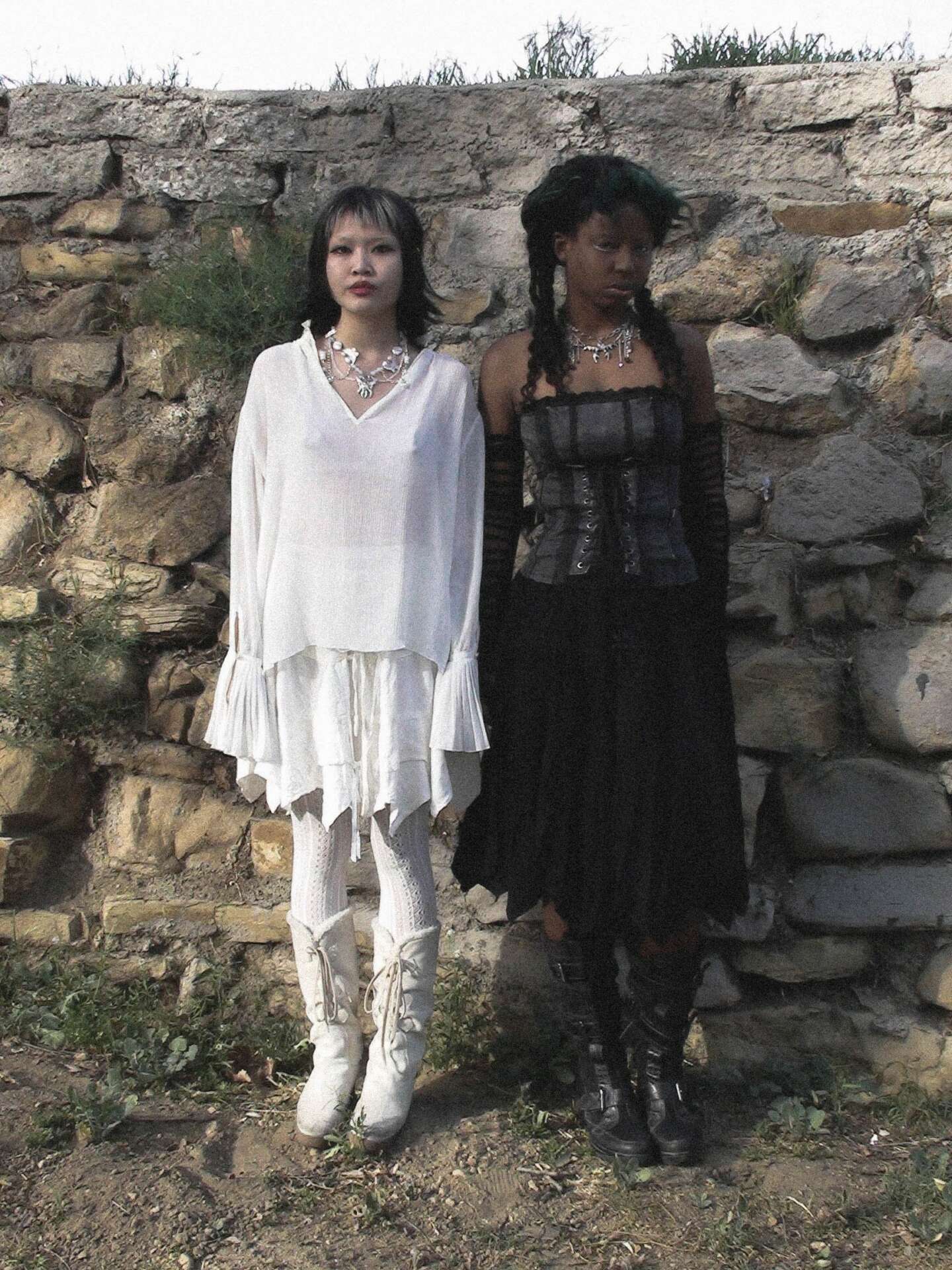
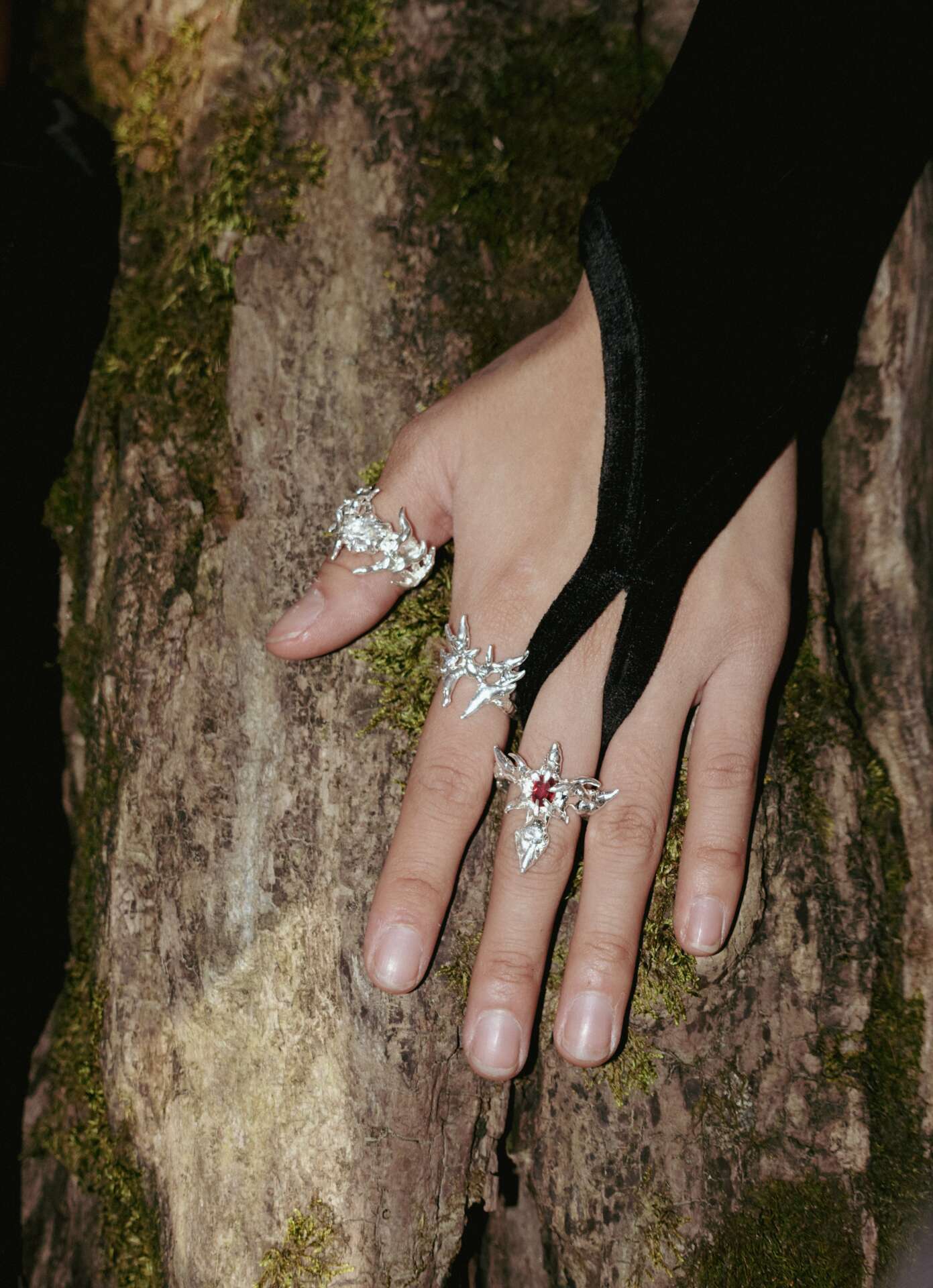
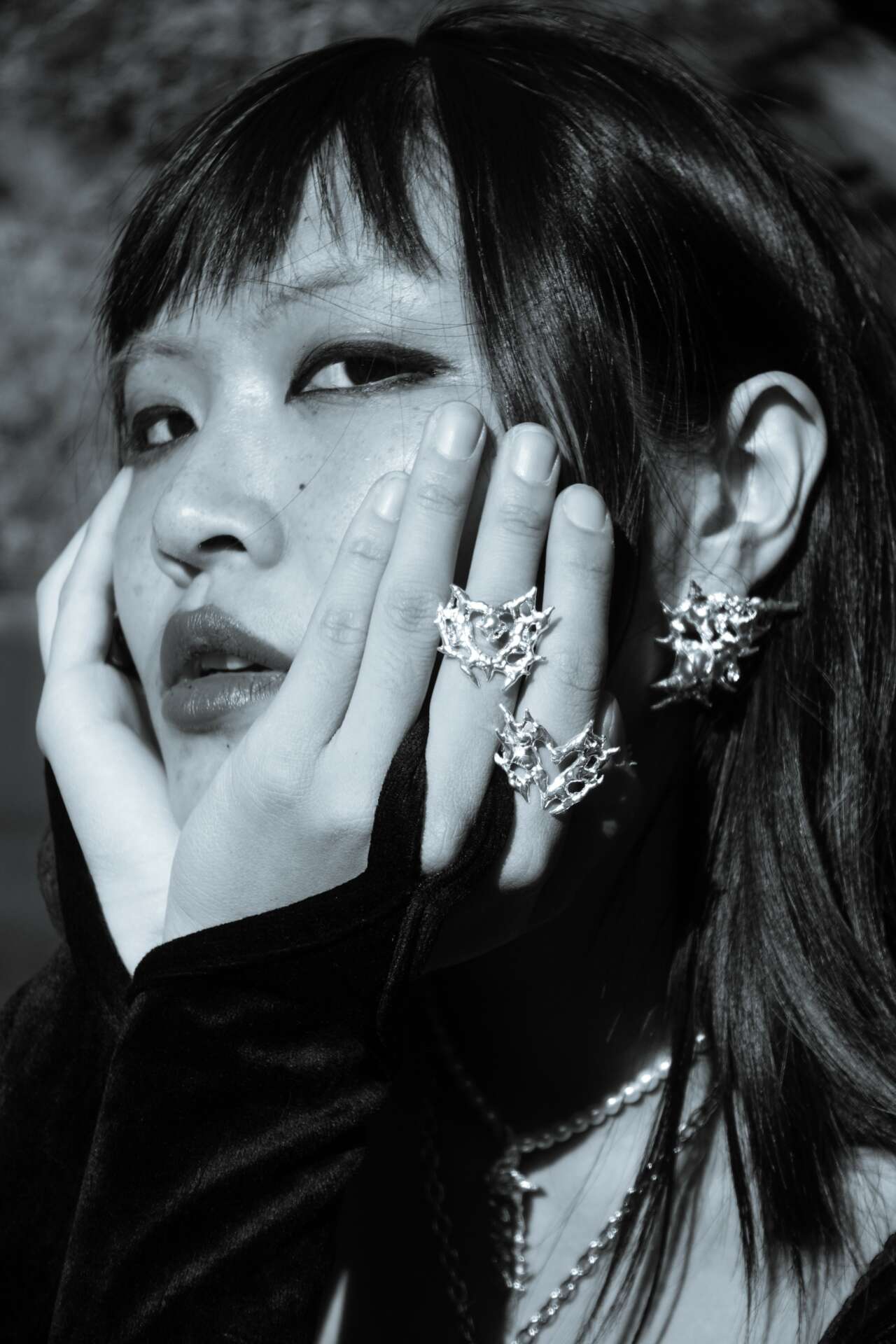
Out of everything, however, the characteristic, or quality of the brand I consider to be quite important is the process, technique, and use of a certain material: solder. Solder is a defining component to the spiky, futuristic yet organic jewelry style that has rose to prominence in the craft-experimental jewelry sphere. I began experimenting with solder in November of 2020, following the desire to accompany my handmade jewelry hobby with original metal designs. Magical themes accompanied with organic textured fine jewelry was an already existing and tantalizing world of select jewelers and silversmiths in the online sphere. In my previous understanding of jewelry, it was this thing that had a fixed standard of immaculate form, royal-polishedness, and smooth, discernible shapes. I realized that the nontraditional, organic finishes and forms in jewelry suggesting ruggedness, imperfection, and alterity were perfect for depicting objects as history and treasure. As I had been building my own visual world driven by myth, creatures, and weaponry, I wanted to translate them to physical pieces— spikiness was a defining feature of this, and an important part of the reputation of the brand. For Harlot Hands, the most signature visual feature is probably the language of abstract, spiky butterfly pendants and rings with gemstones and pearls.
At the time I didn’t understand anything about silversmithing and creating objects out of metal. I could only glean that the most accessible way of working with metal was with soft soldering, which paired well with the melted metal style. To learn silversmithing takes a lot of time, resources, and training, which I lacked both an understanding and discipline for, especially for my more craft-like intentions at the time. Of course, there is a history of soft soldered jewelry— most prominently solder was used to act as a frame for things like glass, broken china, gemstones, printed imagery, and so on, mostly to create jewelry pendants. It was the most prominent soldering jewelry technique, called the Tiffany technique. This was the process of using copper foil to wrap and connect pieces of glass (or otherwise) together. There weren’t any guidelines, instructions, or previous examples I could find to create metal pieces out of the medium that wasn’t just utilizing solder and copper tape to frame objects. I watched as many videos as I could on what already existed about soft soldered jewelry, and tried to turn what I learned into getting the results that I wanted. I had no idea what I was doing, I just knew that the material I was using was not a precious metal and that I was using methods that were, what I considered at the time— wrong. I withheld from explicitly sharing the medium because at the time I was embarrassed to be working in such a way that deviated from real jewelry making, but eventually I became protective of it as I realized it was a less well known process to produce such results. The origins of the company starting in LA is important, because the jewelry material supply there was varied and plenty. I was such a regular and enjoyed creating relationships with the shop owners there. A major element of the brand is a vintage findings store that I fell in love with, which is where almost all of the gemstones that I use come from. I would peruse the walls of vintage items there and imagine the things I could make with them. The shop was owned by a sweet couple that became very encouraging and supportive of us. As I started to sell these products, ring designs with full, textured bands, pendant designs and shapes made out of metal rather than just a framed object— I had to discern what it was I was selling! I remember being so frustrated about the lack of information online as I was trying to write instructions for jewelry care and describe what exactly the material was. I didn’t know the way that it would age long term or interact with the wearer. I called several companies and asked them these things in the context of jewelry making and they had little to no answers. Eventually I devised care instructions based on what I knew, and I’m glad it worked out. The technique and works of mine derived from this medium have come such a long way as I have come to hone, develop, and perfect it. In the beginning I was using ring bases and copper tape in what I would now call ineffectual ways to create my pieces; but these were essential soft soldering jewelry materials from what I understood at the time from the limited content of tutorials online. Over time I developed my own array of materials, tools, and techniques to create pieces entirely out of this metal without any underlying bases. As the brand progressed and I wanted my work to move into a more refined context, we began casting pieces in sterling silver. In a lot of ways, I feel like I’m learning backwards. But it’s really exciting, and also funny to reflect on my beginnings. I’m now quite proud of the inventive and experimental ways I handled this medium to create what I wanted out of it. I think the technique and my adaption of it to illustrate my own visual language is an important part of the reputation of the brand.
As far as I know, I was one of, if not the first to try to emulate the sensibility and product of actual silversmithing out of soft solder, and combine them with magical themes for a signature spiky look. This was a complete accident and based off of a lack of knowledge for silversmithing. I remember that when I started, I was living in a work zoned warehouse, soldering in a room without ventilation, neck craned for hours and frustrated constantly about the problems I would run into. My friend Shayla had been hanging around the warehouse that I was in, and I knew that she was a great artist and illustrator. I suggested to her to combine this medium with her drawings, and the work that came out of her brand, Miss my Metal, was essential to the formation and popularity of solder framed, spiked imagery. Although I carved out my own visual language that is very intimate with this medium, the ideas and forms taken on are bigger than myself and part of a sentiment I believe to be inhabited by a lot of the current generation of artists and designers. The timing and circumstance of the brands emergence was a specific and serendipitous occurrence, and I feel lucky to have played this role in the bigger picture in the way it happened. There are artists working with this medium now that are creating exceptional work, and it’s important that one hones and uncovers the secrets of it for themselves as it become stylistically unique to them. The spiky quality of this kind of jewelry actually occurs quite naturally with the process of soft soldering, which is why as the technique was adapted increasingly over time, this characteristic remained constant in one way or another. Previous histories of soft soldered jewelry had more simple characteristics, and were still somewhat tied to the idea of smooth and immaculate qualities. I’m still learning and trying to continuously evolve and advance my own process and work, and there are endless problems to solve along the way both creatively and logistically. I believe that what ever sphere I inhabited and how it’s developed in the craft-jewelry world is significant to the evolution of jewelry as a whole, and I’m grateful to be a part of it. I’m trying now to deviate a little more from craft aesthetics and express my ideas in more refined and luxury context, while maintaining core characteristics and defining themes. I’m not actually sure if people are aware of the history of this medium that weren’t directly involved in the timeline of its emergence, but I think it’s important because it illustrated the inventiveness and flexibility of our current movement of jewelry makers.
We’d love to hear about how you met your business partner.
During the pandemic and the beginning of Harlot Hands, I was living with my boyfriend Andrew. He had a good amount of experience in managing e-commerce operations and general business skills that were self-taught. He is a painter and sculptor, and as an artist myself, we built a good repertoire of indulging in each others ideas and helped each other develop along the years in our artistic practices. He was extremely supportive throughout the entire process, from accompanying me on my frenzied jewelry material sourcing journeys in the beginnings of business to taking now a vital operations role in the business. This was another element of the story that illustrates how unexpectedly everything fell together, but also how naturally it came about. Any doubt, conflict, or contemplation I held along the way of building the business was a lesson of problem solving we took on together. As the audience grew and the workload, degrees of labor, and avenues of production increased, I could no longer manage everything myself. From finding and developing relationships with our casting foundries, managing taxes and LLC, solving administrative problems, website and e-commerce configuration, assembling brand content and campaigns, making calls and setting up meetings with anything from the post office to manufacturers, communicating with stockists, handling almost all of the polishing, finishing, and setting of the jewelry, and so much more— he has become the other half of Harlot Hands, and it could not have come this far without him. Our roles balanced each other out. We both had adequate mental acuity and shrewdness, but we both had limited experience and had to figure out everything on our own along the way. I had never taken a jewelry class and no one in our families or networks were versed in business, or more specifically the fashion/arts industry. Having his support and determination to develop his own expertise in this field and craft has carried us through the most difficult of times. Harlot Hands has existed with us together in four places— from our first warehouse that we lived in together, to our following live work studio (both in LA), to my hometown attic in Lakewood, Ohio, and now in New York City, where we finally have a separate office. Each place almost exists as a chapter and transformation of how much we have learned and grown. None of these moves and the logistical difficulties that came with them would have been able to be managed by me alone. Developing the business and our own practices has been so unique and specific to the nature of the brand and it’s origins, and it’s really hard to communicate and explain these things to other people if we were to adapt new roles into the business. Having someone from the beginning be so intertwined with and essential to how the business has developed along its ethos, ideologies, structure, and operations is a major facet of its success and continuation. What we lacked in resources, connections, and insight was made up in the bond and resilience of us as two young adults just trying to move forward with what we believed in. We are still figuring things out, and it’s never easy. Implementing concrete systems in our business is difficult because things are always changing. After over two years of creating the brand, we run into new problems and difficulties that come with bouts of change and transformation in culture and the economy, as well as ourselves. As the designer, I now feel that the brand has a defining clarity in its design style and identity. But now I have to take this orb of what I have created, and keep pushing it and pushing it to avoid stagnancy. This is almost even more challenging than having a clean slate, because now there are other expectations to think about other than my own. But to be able to indulge in my own fascinations to translate my interpretations into wearable objects is the core of everything, everything else dissolves when I’m in that world. Having someone there along the way to share that with me and understand what it all means to me, is a great blessing. Without Andrew as a business partner and vital limb of Harlot Hands, I would have much less time and space for continued creative development. There is so much more for us to figure out, but we have a lot of faith, love, and commitment to what we do. As we continue to work and problem solve, we are determined to find new solutions; we hope that what ever it is that the business needs to become what it’s meant to will emerge from our efforts.
Contact Info:
- Website: https://harlothands.com/
- Instagram: https://www.instagram.com/harlothands/
Image Credits
Ashley Zhang Leila Simpson Tài Kane Huynh Saul Singleton Andrew Hunczak