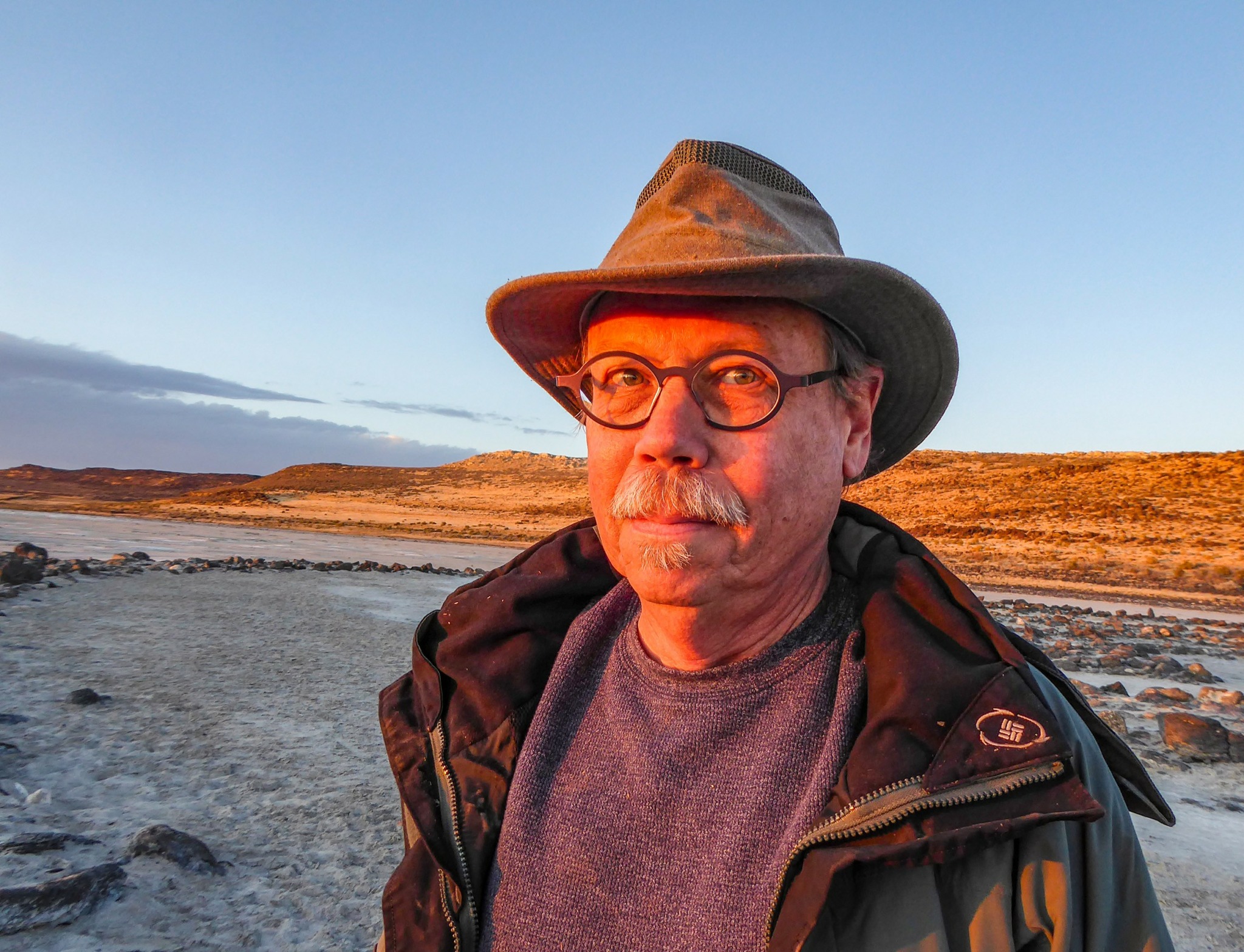

We’re excited to introduce you to the always interesting and insightful Jim Frazer. We hope you’ll enjoy our conversation with Jim below.
Alright, Jim thanks for taking the time to share your stories and insights with us today. Can you talk to us about how you learned to do what you do?
I have found that learning to do what I do is a continuous process that will keep going as long as I do. I first started to learn photography while working a summer job at a science lab. When I got back to school in the fall, I found that there were no photography courses offered. There was a student group that had a darkroom and I learned a lot from those that were using the darkroom. I sought out teachers at other schools nearby who did offer photo courses. I did everything I could to immerse myself in the world of art and photography so that several years later when it was time to apply to grad school for photography, I was ready.
The most essential skills I have found are:
1)Learning how to identify your own particular artistic purposes. That is, figuring out what unique contribution to the field you can make and defining that in the clearest way possible. Starting here will save a lot of time. You may need to do some wandering, but wander with a purpose.
2)Learning how to evaluate your own work. There is no better way to learn this than in critique sessions with your peers such as are found in art schools. If art school isn’t an option, seek out those you respect and ask for their opinions. Look everywhere for feedback and listen to as much as you can.
3) Learning to identify who you want to see your work. If your work is good, then getting recognized for it depends on getting it seen by people who are in a position to help. Identify those people. Research the work of jurors and curators for exhibits, find ones whose work resonates with yours, then do what it takes to be seen by them. Don’t be intimidated by approaching institutions or well-known figures. Reach out, ask, you may get more help than you would expect. Be targeted in your efforts. It might feel great to be liked by your friends on Instagram, but be sure you’re spending your greatest energy where it counts the most.
4) Learning craft by doing. Whether you go to art school or not, you simply must put in the time to gain skill. When you are doing something that requires hand skills, then you must train your hands. When you are doing something that requires a discerning eye, train your eye. There are no end of learning resources, especially online, to provide instruction – I use these almost every day. Seek out people who have experience and learn from them. It is no coincidence that what artists do is called artistic practice. You must continually practice.
5) Learning your place in the world of artists by associating with other artists and seeing their work. Go to exhibits, preferably in person. Listen to artists speak about their work – this can be done both in person and online. Look at books and catalogs and read the essays in them.
Learning that there are no shortcuts, realizing that you will always be learning something new, and that you will always be reaching out for something just ahead.
Jim, before we move on to more of these sorts of questions, can you take some time to bring our readers up to speed on you and what you do?
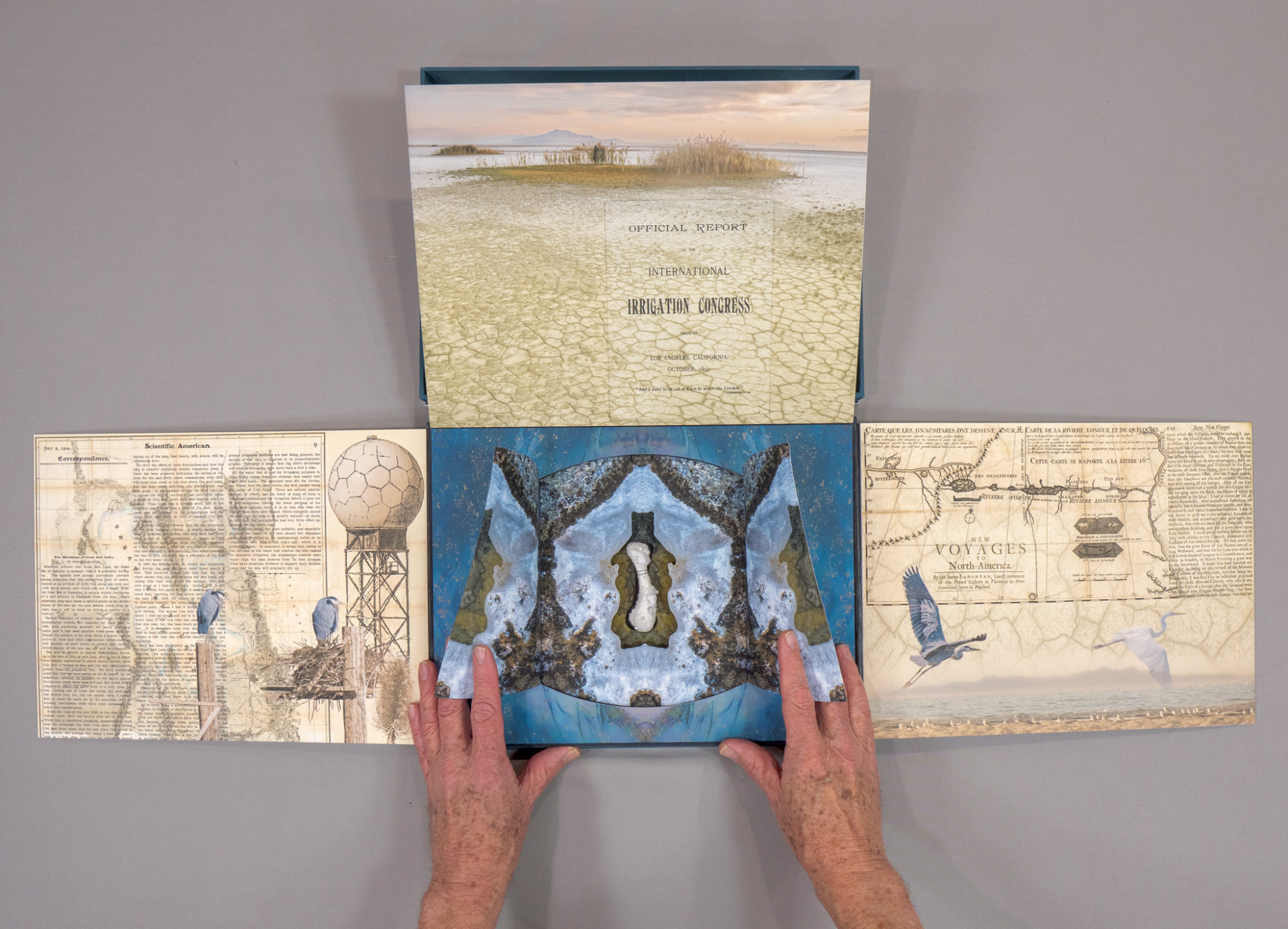
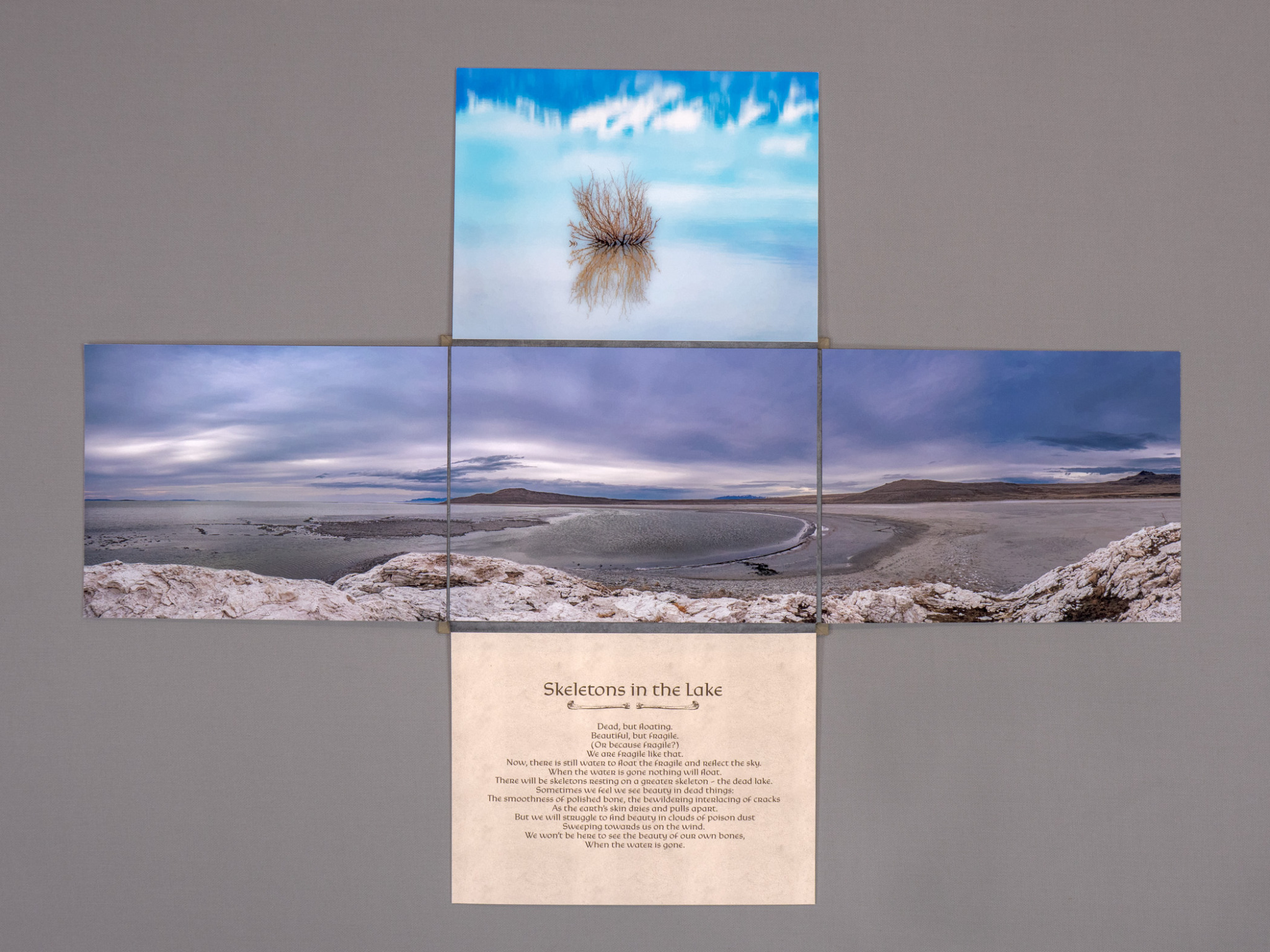
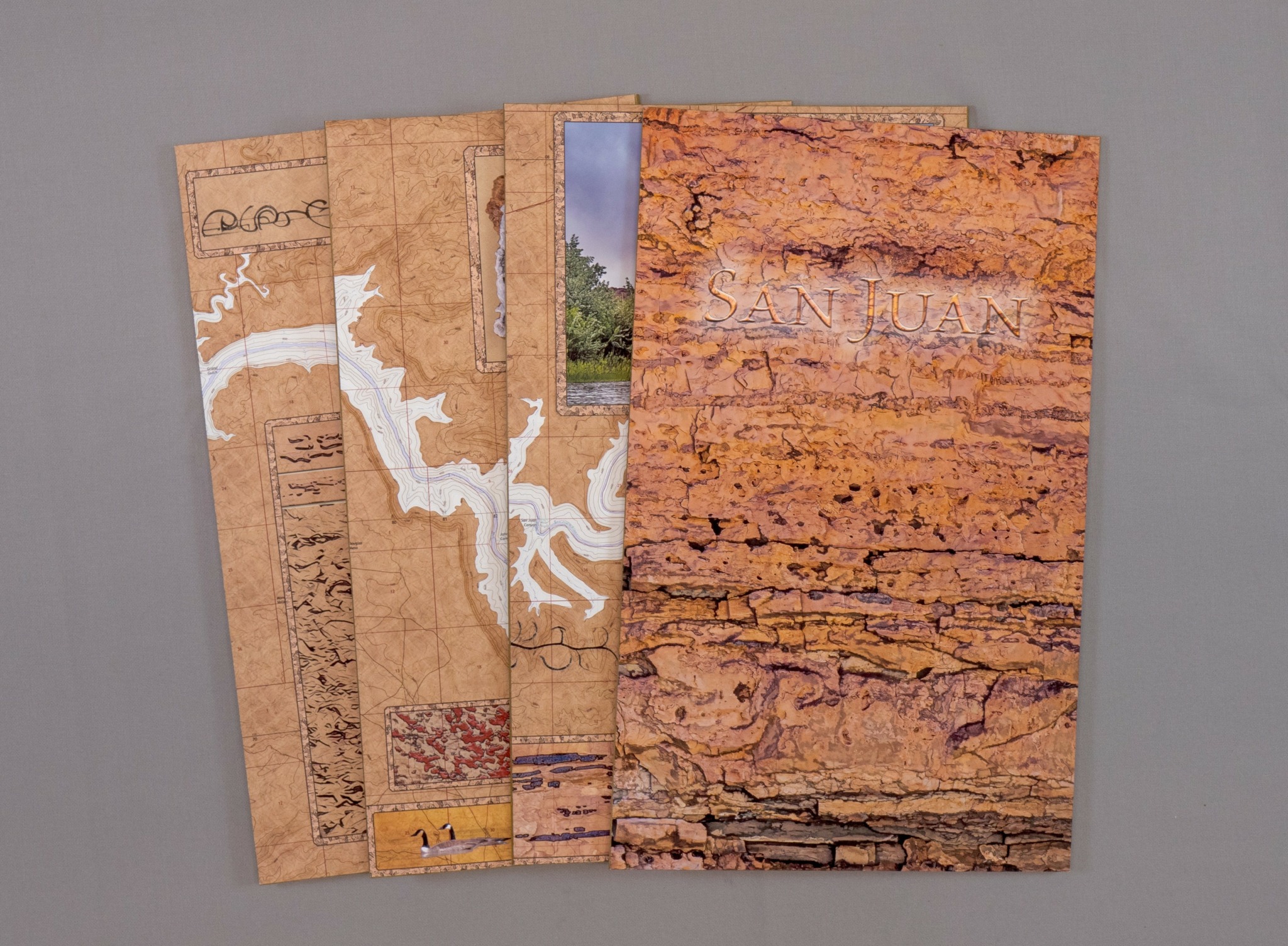
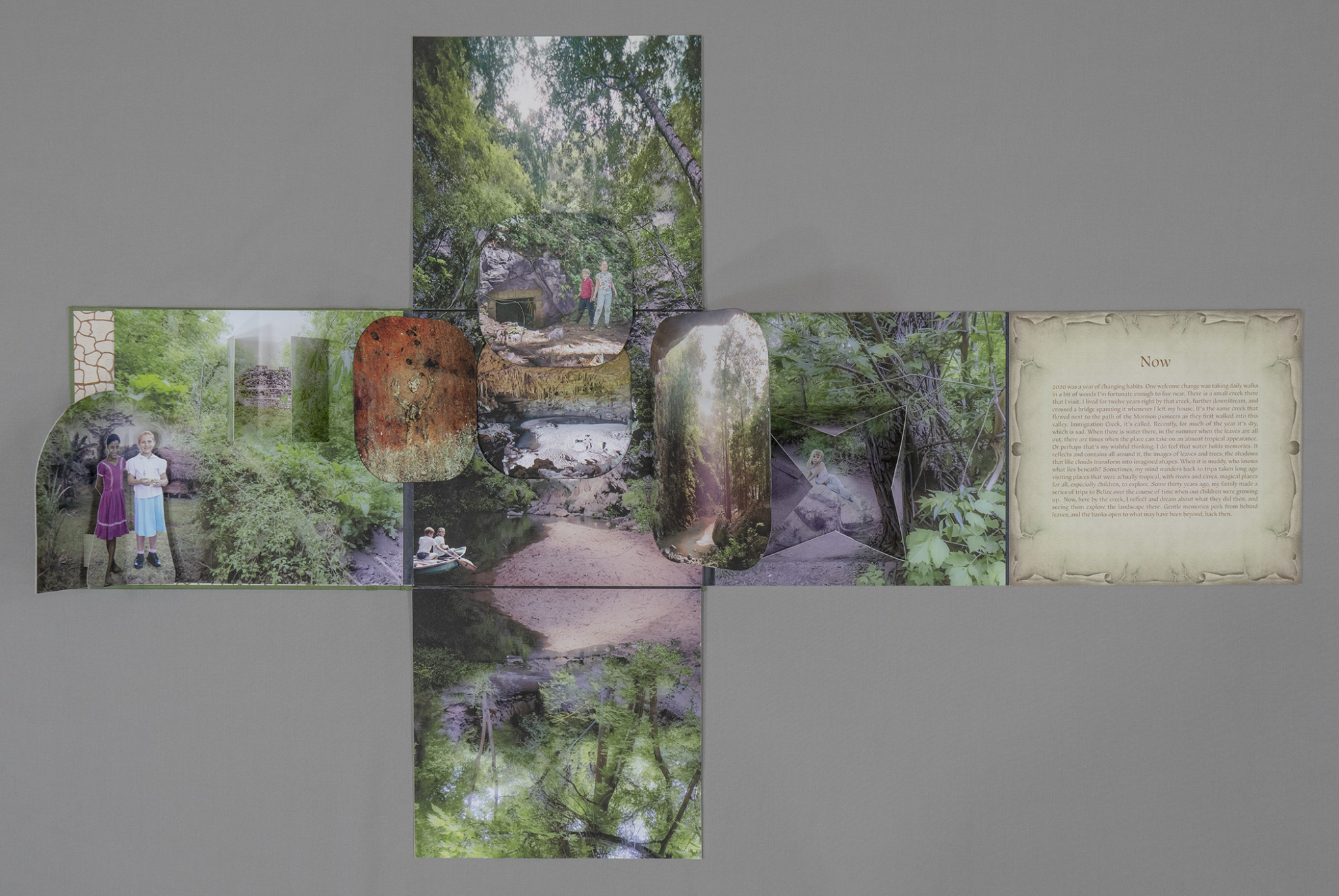
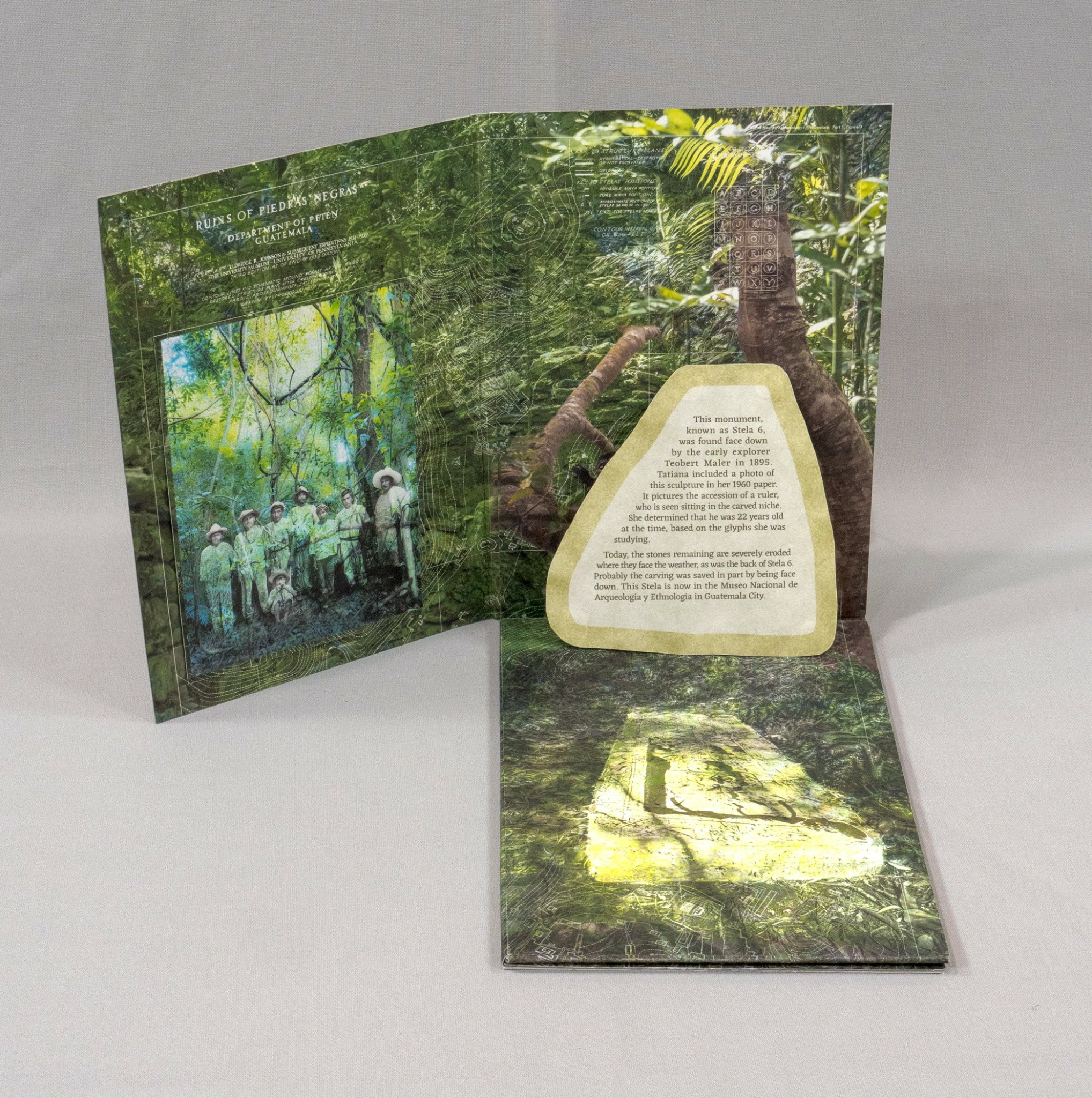
I have been an artist making photo-based work about the landscape and our natural environment for about fifty years. My early work was made using the process of hand-coloring silver gelatin prints with transparent oil colors. The 1980’s were a time of great growth in the Atlanta area where I lived. Companies were building their regional headquarters there and my work was in many of those buildings such as Prudential Life Insurance, Chase Manhattan Bank, Georgia Power Company, Mc Donald’s Corporation, and Coca-Cola USA among many others. I did large installations for the Southern Bell Center and the Veterans Administration Medical Center then being built in Atlanta. This landscape work was the subject of a solo exhibit at the High Museum and was collected by a number of museums around the country. When I moved to Salt Lake City I branched out and began working with a variety of media and materials. Most recently, I have been making artists books which translate digital imagery of the natural environment into print and mixed media sculptural forms that the reader/viewer can interact with. Written texts based on historical research are an essential component of these books. My writing had been published a number of times in magazines, but these texts are combined more intimately with the images to create an integrated whole. These artists books are represented in the collections of a number of university libraries. What is most important to me is to keep learning new things. My current projects involve integrating artificial intelligence into my practice and I look forward to expanding my craft both physically and digitally.
Is there mission driving your creative journey?
My goal has always been to just keep going and not give up. I believe that what I’m doing is worthwhile, and that people will benefit by interacting with my work. There are two aspects to my work. The first is simply that it provides visual interest and engagement. The second, perhaps more important, is that it gives the viewer something worthwhile, new to them, to think about. This second part requires a bit more work than the first, but what I’m trying to do – my mission – is to encourage people to think in a way that they perhaps have not before; to provide them with a new way of encountering the world around us.
For you, what’s the most rewarding aspect of being a creative?
The most rewarding aspect of being an artist is to be able to continually learn, and to present this experience to others. My favorite definition of what it means to be an artist comes from filmmaker James Benning, “An artist is someone who pays attention, and reports back.” I am reporting back for the purpose of helping and encouraging others to pay attention, which I feel is incredibly important.
Contact Info:
- Website: https://jimfrazer.com
- Instagram: @frazer.jim