

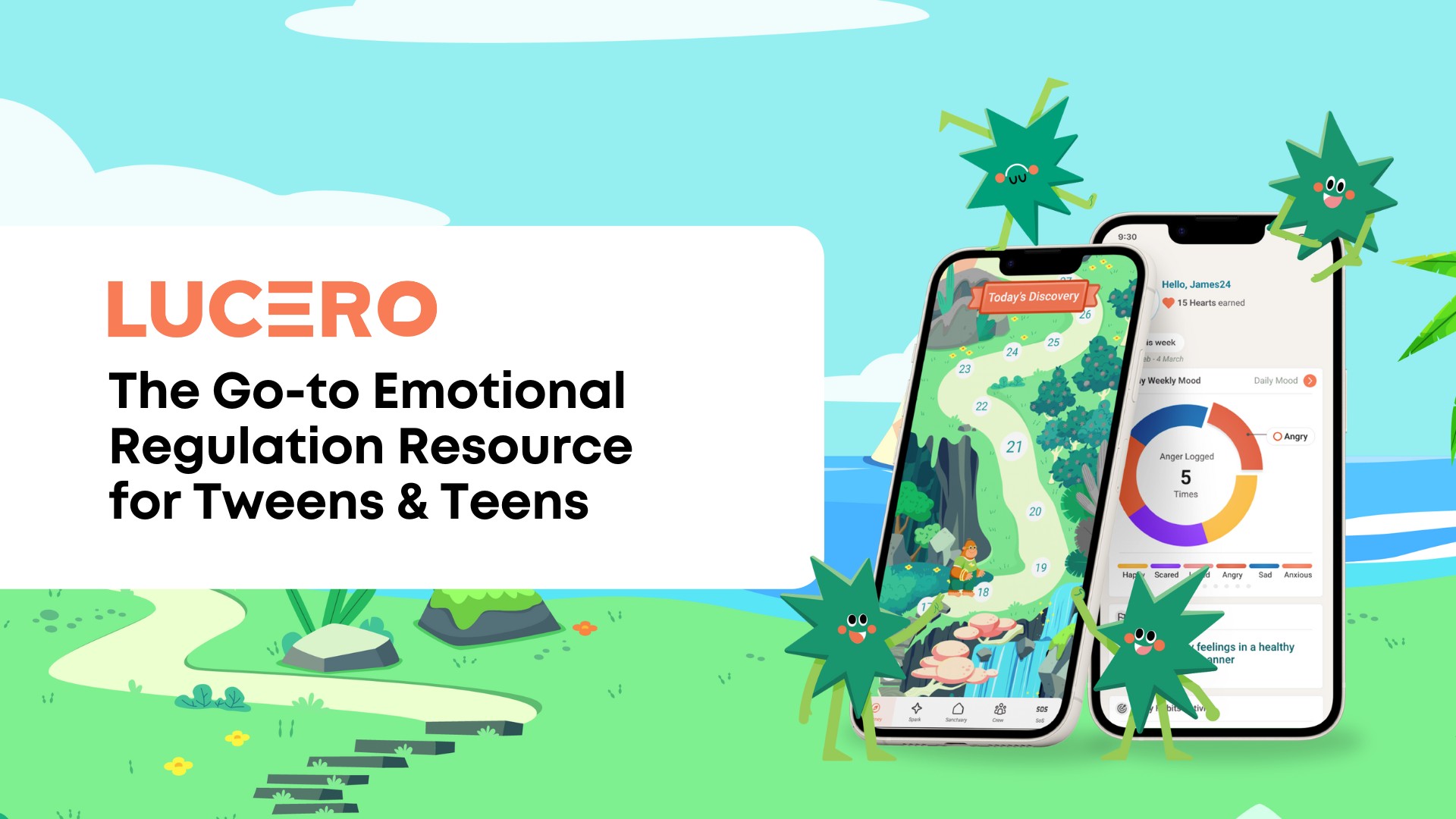

We were lucky to catch up with Jillian Domingue recently and have shared our conversation below.
Jillian , looking forward to hearing all of your stories today. Coming up with the idea is so exciting, but then comes the hard part – executing. Too often the media ignores the execution part and goes from idea to success, skipping over the nitty, gritty details of executing in the early days. We think that’s a disservice both to the entrepreneurs who built something amazing as well as the public who isn’t getting a realistic picture of what it takes to succeed. So, we’d really appreciate if you could open up about your execution story – how did you go from idea to execution?
Under a tree one evening, three successful entrepreneurs were reflecting back on their lives. They were discussing the most impactful turning points and all realized that what had profoundly impacted their lives and careers was learning about the Mind, Body, and Spirit connection. What they collectively noticed is that for each of them, these concepts had not entered their world until they were much older. This sparked a question for Jeff, Jim, and Tom — What would the world look like if youth were introduced to these concepts way earlier in life?
Being entrepreneurs, they immediately wanted to dig in and explore this question more.
They hired on a team to do multiple years of research and prototyping to:
– Confirm there was a need,
– Identify the ideal time frame in a youth’s life is for introducing these concepts,
– Learn what leading research was showing about the impact of Mind, Body, and Spirit connection within your life,
– And explore the best methods for bringing these concepts to youth.
Those years were full of curiosity and brought forward a collection of learnings:
– There is a huge gap between what information is available and making it accessible for youth,
– Adolescence is the second big moment for rapid brain development,
-The connection to spirit can actually change the structure and activation of your brain,
– And that youth are in a digital age. They spend hours on their phones independently searching for answers. If there was going to be a successful resource that was widely scaleable, we needed to look digital.
On top of this, news began coming out about the increasing youth mental health crisis. The time for taking these ideas to execution– was now.
This was when I entered their world. As a consultant, former founder, and very connected to the mission, I began reading all that they had uncovered, tested, learned, dug into their broader visions, and learned as much as I could to build a roadmap forward. We became very intrigued by the converging technologies of AI/VR and how these could create learning pathways for youth that had never existed before.
A few months later, we had our first interactive prototype. An AI Chatbot designed to be a guide for youth. “A mentor in your pocket for all of life’s moments.” We secured our first investor and began our path of bringing Lucero to life. That’s when everything evolved.
We had an advisor and peer founder encourage us to spend the next 100 – 200 hours talking to youth before you write a single line of code. These 100+ hours are what led to the Lucero app you see today. Although leveraging AI and VR remains in our product vision as safety issues are addressed, we leaned into game-based, avatars, and making complex topics bite-sized and engaging. Bringing in a team of therapists to guide our care model every step of the way.
To this day I am beyond inspired by our youth advisors who are open about the pains they are experiencing, incredibly creative around building solutions that would help, and totally open with direct feedback on what they like and don’t like. I genuinely believe that the path to the best solutions for addressing the current mental health crisis will be driven by youth voices.
With youth voices leading the way, Lucero is now a science-based emotional regulation app that’s helping youth and families navigate the complex world of emotions in a safe and supportive environment.
Though the app has evolved, we still hold true to our beginnings with Mind, Body, and Spirit (Heart) principles woven into the entire app. We know that for many, Heart is the first step towards action – knowing that your life has meaning and there’s an active role for you to play in it.
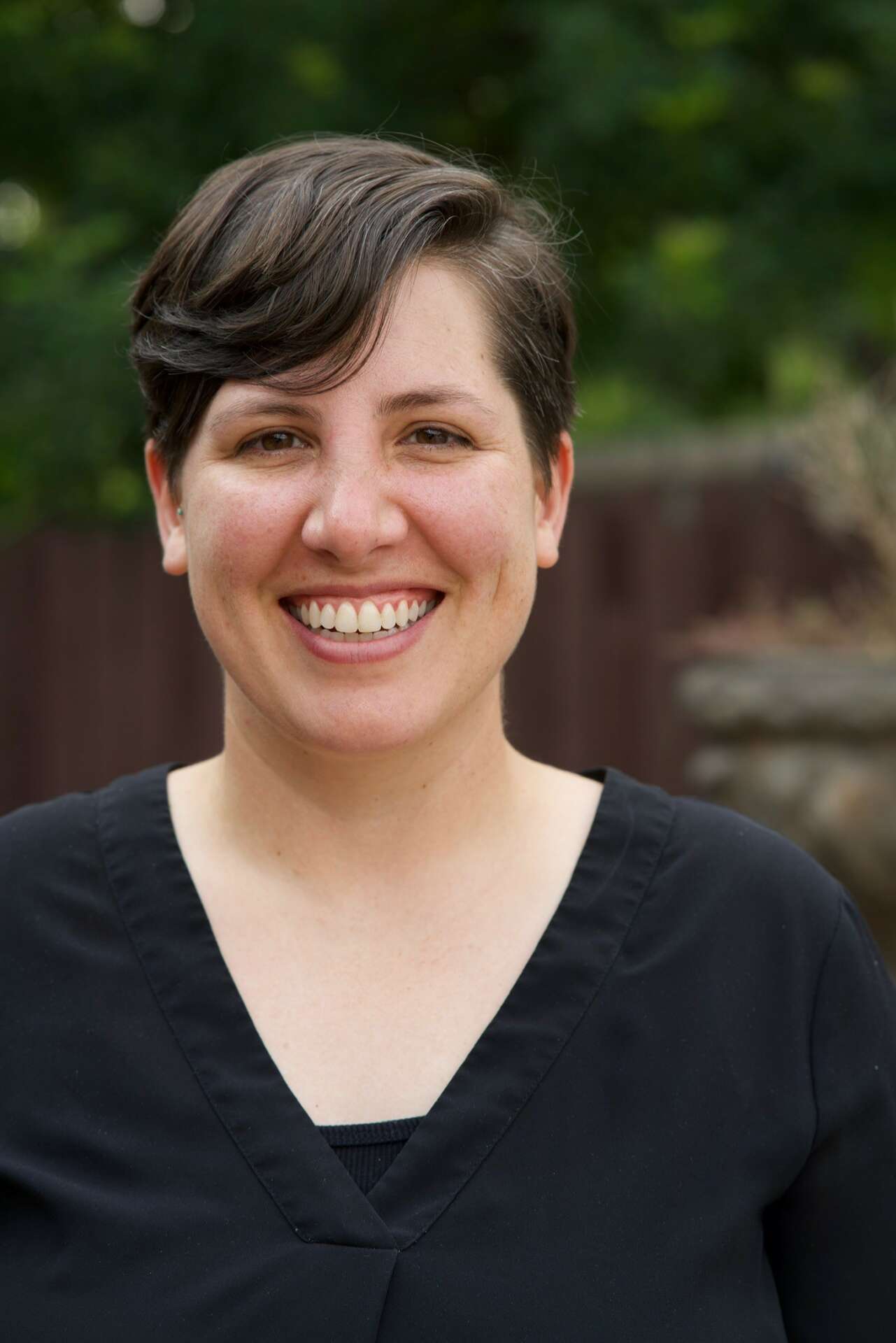
Awesome – so before we get into the rest of our questions, can you briefly introduce yourself to our readers.
What drives me to build Lucero to life each and every day comes from my experiences as a foster parent. Through a mental health crisis, I saw first hand the reality of what it’s like trying to navigate finding support and resources as a parent. I also saw the very real reality of what happens when youth and families lack the language, skills, and tools to talk about mental health and wellness. As an entrepreneur, having lived the problem, I knew I wanted to be a part of the solution.
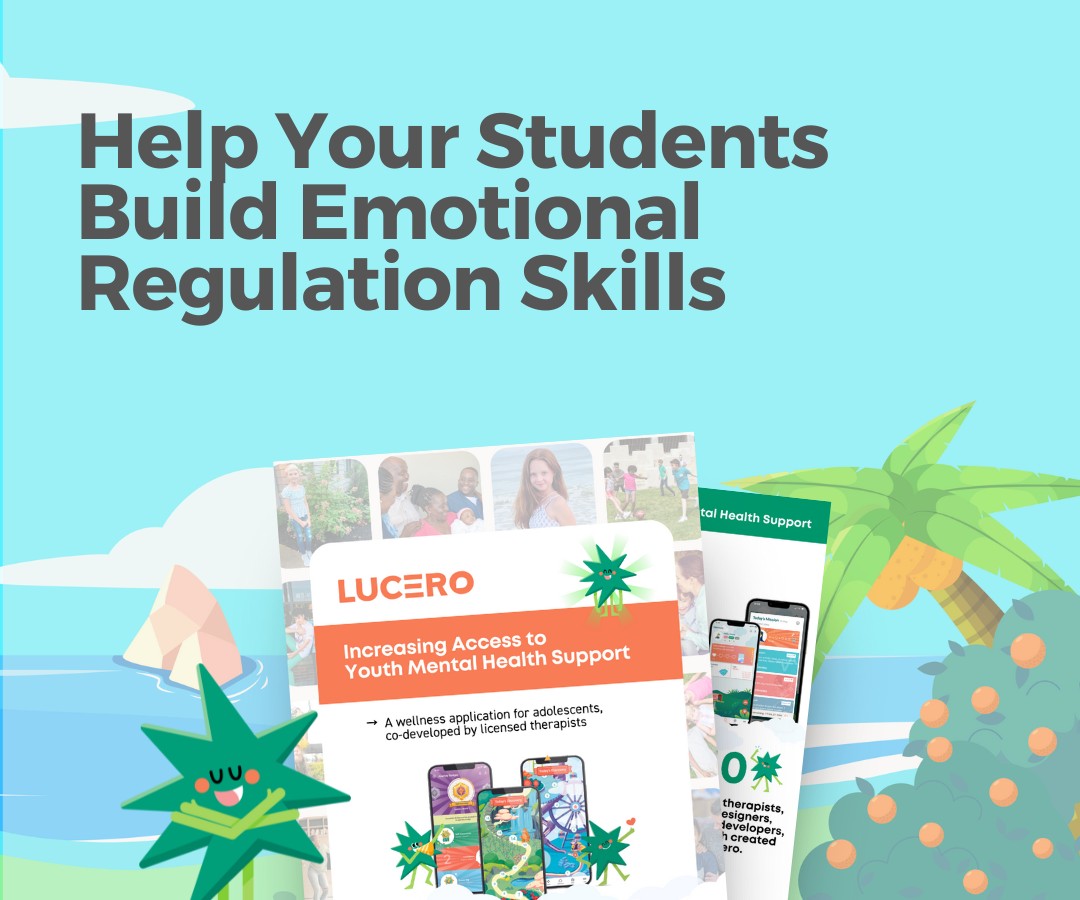
Working with a team of therapist and game designers, our approach takes leading brain science and makes it bite-sized, engaging, and accessible for youth. We go back to the basics that so many lack youth and adults lack. The ability to recognize and name your emotions, make a healthy choices, and connect with those around you.
I am incredibly proud of the team of youth, therapists, developers, and designers who have made Lucero possible.
Have any books or other resources had a big impact on you?
If you are new to starting a business, these are my top recommendations:
– Business Model Generation by Alexander Osterwalder & Yves Pigneur
– Running Lean by Ask Maurya
– Traction by Gino Wickman
– and Predictable Revenue by Aaron Ross & Marylou Tyler
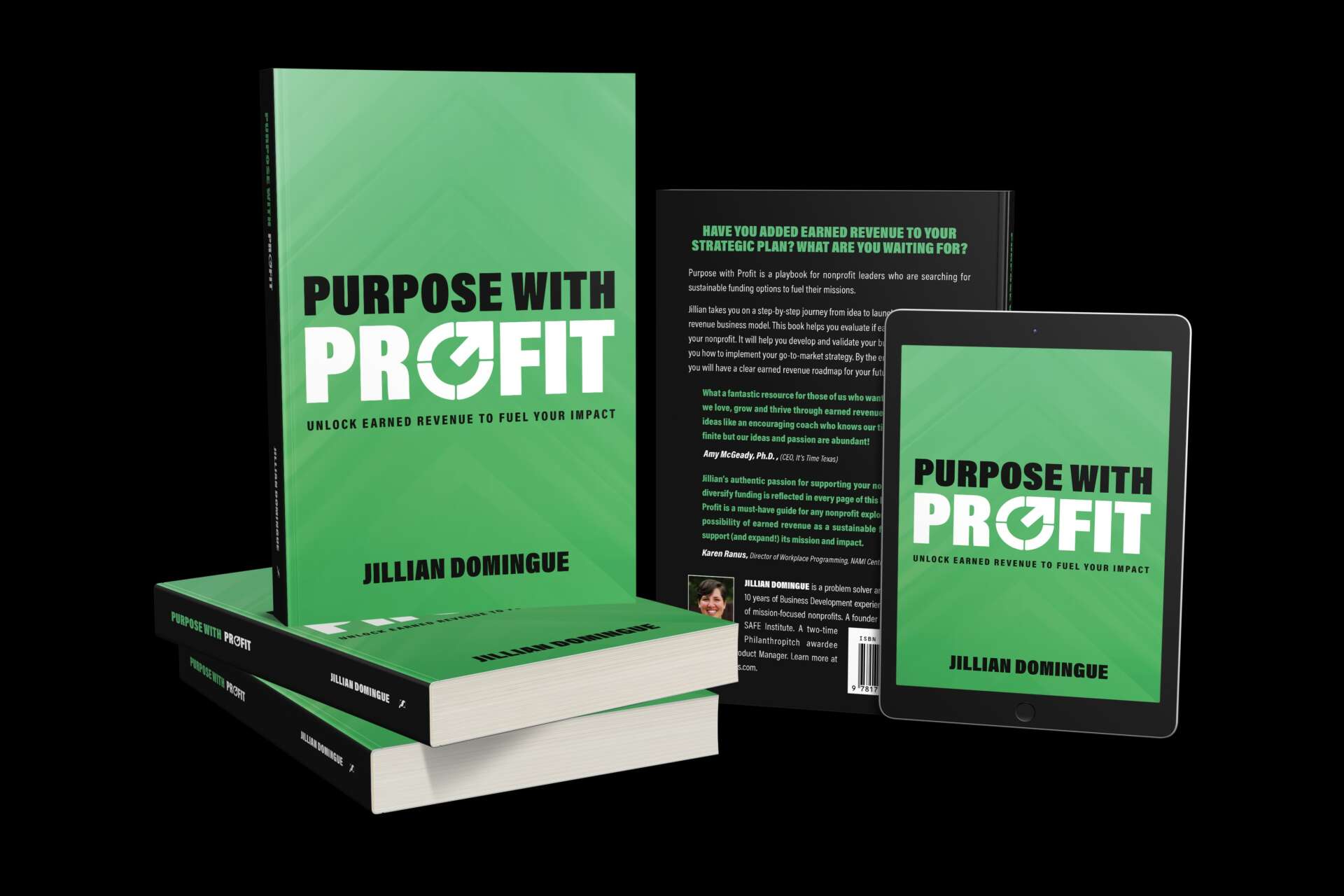
If you happen to be in a nonprofit and are looking to diversify your streams of funding, I packed a decade plus of my experiences into a book to hopefully save entrepreneurs a lot of time and headaches. Purpose with Profit: Unlock Earned Revenue to Fuel Your Impact is an A to Z roadmap for how to go from idea to market. Available on Amazon.
Have you ever had to pivot?
My career path has been a series of pivots. I launched a nonprofit out of my apartment my senior year of college after losing 3 friends to cancer. My world was shaken and I needed to do something. I grew CareBox Program from an idea to a team of 5 delivering free care supplies to cancer patients all over Central Texas. We lived off the $20 donor and I learned so much from this experience. And like every founder, I had reached a point (one might call it burnout) where I knew it was time for it to be handed off to new leadership.
Leaving ‘my baby’ was a very hard process and when that final day came, I had absolutely no clue what to do next. Having started something, I was running the full range of do I want to start something else, go to law school, go get an MBA, become a barista? I was lost. I looked across the Austin, TX landscape for nonprofits and being a foster parent chose the one I could find that I was very mission-aligned with. I applied for a generic fundraising position and was ready to jump back into the fundraising hustle. One thing led to another and I didn’t take that job. Instead, I was hired on at that company to build out their first ever earned revenue division. A challenge that I loved and fueled every bit of my entrepreneurial spirit.
I built SAFE Institute and again decided it was time to hand it off to new leadership. This time before I reached full on burnout.
That was the week the world shut down due to covid.
To fill my time and use my brain, I took an online Product Manager course. Not quite sure where it would lead me. Then I began providing operation consulting to for profit start-ups. I loved every minute of this experience, but knew I wanted to get back into mission-driven work. I saw a youtube video one day that said, “Write a book in 5 days.” Next thing I knew, I was writing a book that combined my nonprofit, earned revenue, and for profit experience into a roadmap to help other mission-driven founders bring their ideas to life. My goal was to set up a consulting business and work with nonprofits from idea to execution.
I laugh and call myself a “failed consultant” because after my first two clients, I once again found myself in the entrepreneur seat as CEO of Lucero- A for profit that was launched alongside one of my nonprofit clients.
Contact Info:
- Website: https://lucerospeaks.com/
- Instagram: https://www.instagram.com/meetlucero/
- Linkedin: https://www.linkedin.com/in/jillian-domingue/