


We caught up with the brilliant and insightful Jill Martin a few weeks ago and have shared our conversation below.
Alright, Jill thanks for taking the time to share your stories and insights with us today. Can you open up about a risk you’ve taken – what it was like taking that risk, why you took the risk and how it turned out?
Despite being a self-proclaimed morning person with an optimistic outlook, the mornings of the last years of my forties were often cloaked in dread. After working as an attorney for almost two decades, waking up to looming legal deadlines had become increasingly intolerable. Though I had realized early on in my legal career that my conflict-laden profession was a dispositional mismatch, many real and imagined factors kept me trudging along as an attorney. A few years into practicing law, to balance out what felt like a progressively unbalanced life, I started teaching a few yoga classes on the side. As the years passed, the contrast in how each of my respective jobs left me feeling became increasingly stark.
As life is apt to do, a cluster of events conspired to force a change. A dear friend died too young. A global pandemic emerged. Work became unbearably stressful. In such a short period, the world offered ample evidence of what we all already know to be true: life waits for no one. One day, bucking every cautious cell in my body, I pulled the ripcord and hung up my shingle, not entirely sure what the next chapter would look like.
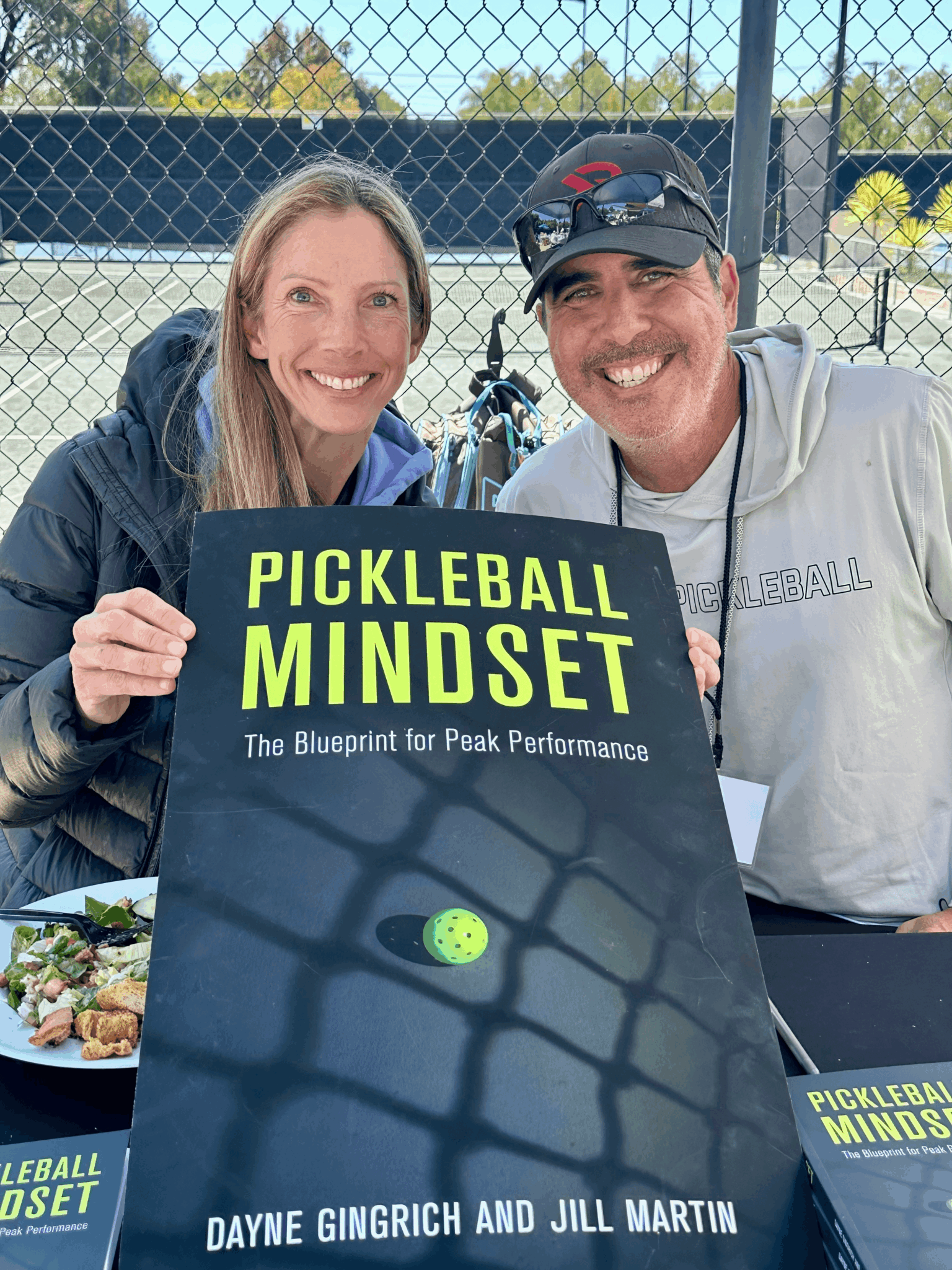
It was time to take a deeper dive into what I had always loved—helping people move and feel better in their bodies. At the same time as I was launching a second career as a personal trainer and yoga instructor, I stumbled upon a new passion: pickleball. During this crossroad, I met a professional pickleball player and well-regarded mental performance coach, Dayne Gingrich. Dayne wanted to move better. I wanted to play pickleball better and, more importantly, think better, on and off the court. Each needing something the other had to offer, we started training each other. It was in those sessions that the seedlings of our best-selling book, Pickleball Mindset, were planted.
Helping Dayne build confidence in his movement patterns was the easy part of the bargain for me. Absorbing and applying Dayne’s mental performance coaching was far more challenging. As Dayne pushed me to think differently about risks, fears, and challenges, my brain was often working on two problems simultaneously: how these strategies would play out on the pickleball court and what they meant for how I would navigate the next stage of my life off the court. I’d frequently leave our conversations with a plan for how to combat tournament nerves only to realize that I was really practicing skills to manage the jungle of unknowns that had grown when I left the safety net of my law practice. Pickleball had become the playground on which I’d chosen to learn to improve my human performance.
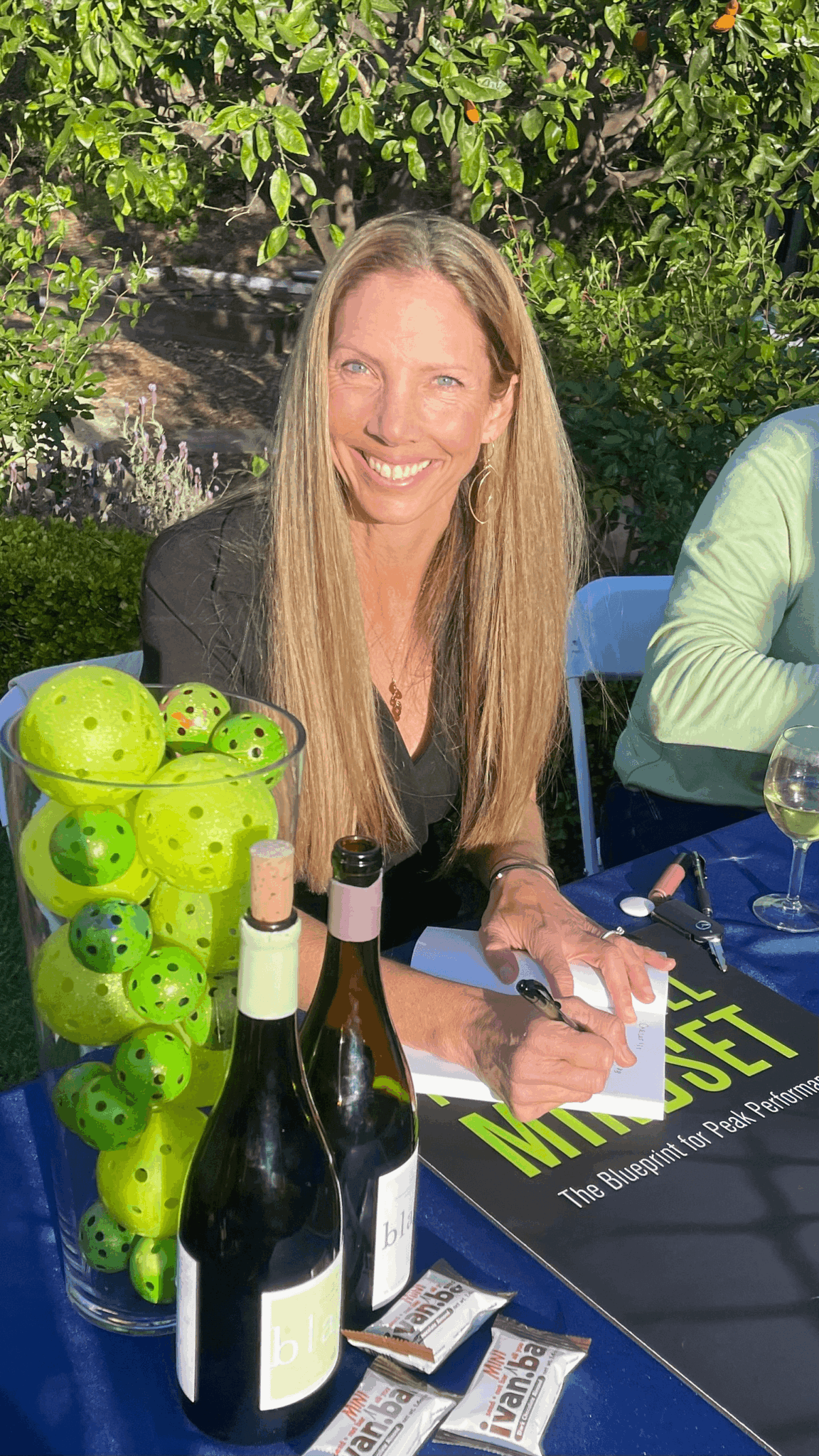
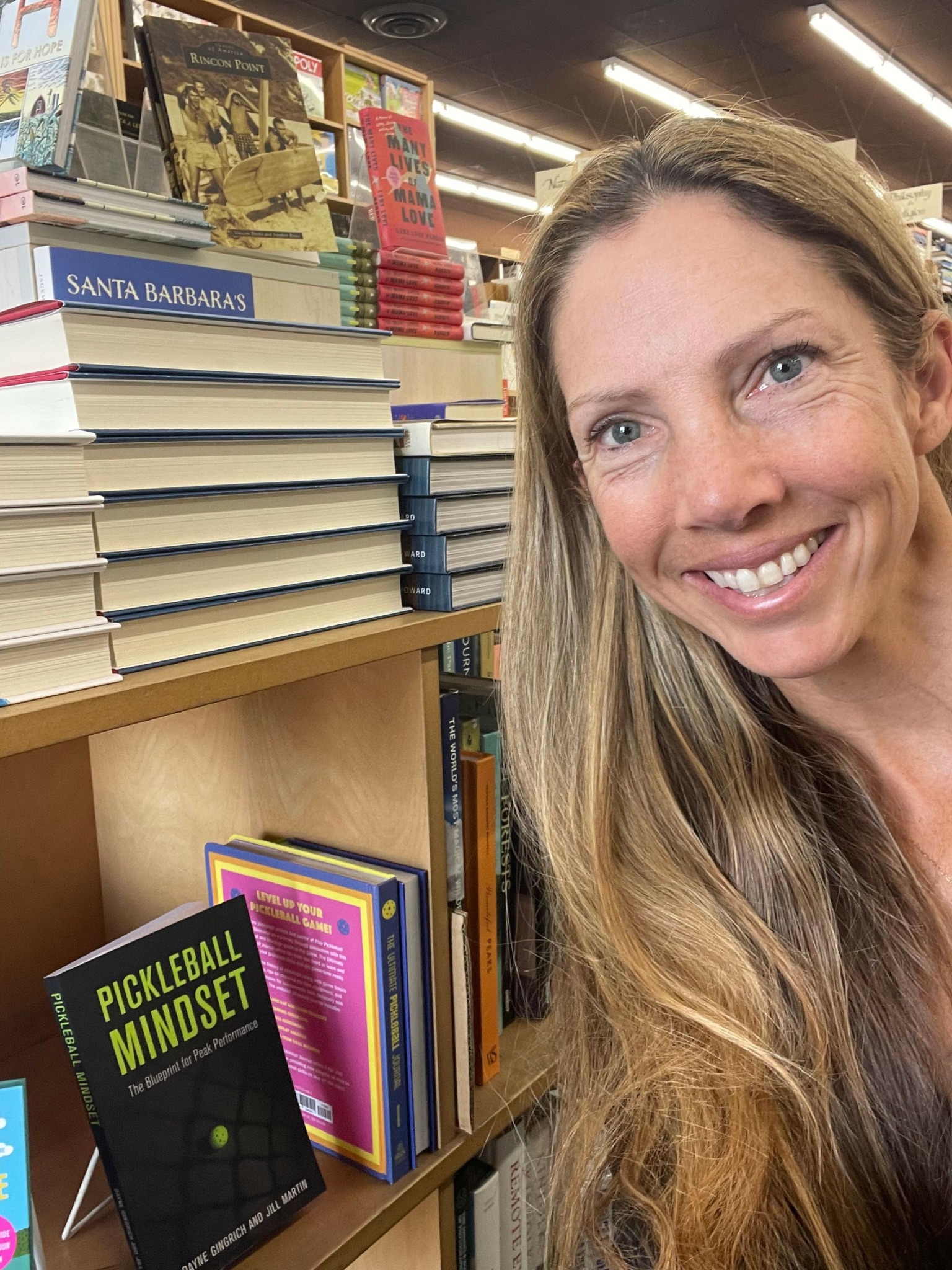
By my nature and profession, I have never been shy about asking questions when I don’t understand something. The more I viewed pickleball as a way to work through mental habits that had held me up on and off the court, the more I pressed Dayne for a deeper understanding of his mental performance strategies. At some point after my seven millionth text message demanding clarification, I texted back, We should write a book. Two years later, we published Pickleball Mindset, which explores how to think on the court and grow a confident mindset through the turbulent journey we all encounter as athletes and humans.
Since publishing Pickleball Mindset, Dayne and I have continued to combine our skills to offer mental and physical performance training for pickleball players. When not on book tour, I dedicate my time to training professional and amateur pickleball players to move better, mitigate injury risk, and optimize performance. Always one for a good side hustle, I’ve also continued to write for myself and others, primarily exploring how we each navigate the complexity of being human.
Training and knowledge matter of course, but beyond that what do you think matters most in terms of succeeding in your field?
Developing trust and connection with athletes can be as important as a movement professional’s technical know-how. What a client tells a personal trainer about their embodied experience is often an incomplete picture—not by purposeful omission—but because communicating about the pain we may experience, the goals we have struggled to meet, or the self-doubts that plague us, is a complicated, vulnerable endeavor. While solid programming is a prerequisite to successful training, an equally important piece of the puzzle to helping clients reach their objectives is understanding what motivates them or holds them back. The best trainers are undercover detectives, quietly gathering information about their client’s bodies and minds during the silences, soliloquies, moments of stillness, and bursts of movement. They watch not only how their client moves, but how they show up to move. They ask questions, listen intently, and build a program as individual and unique as each client. Feeling better and stronger in our bodies often translates into greater self-confidence. Ultimately, the best trainers not only are technically proficient, but empower their clients to feel capable of meeting their goals, both inside and outside the gym.
Contact Info:
- Instagram: @pickleballyogi
- Facebook: Pickleball Yogi
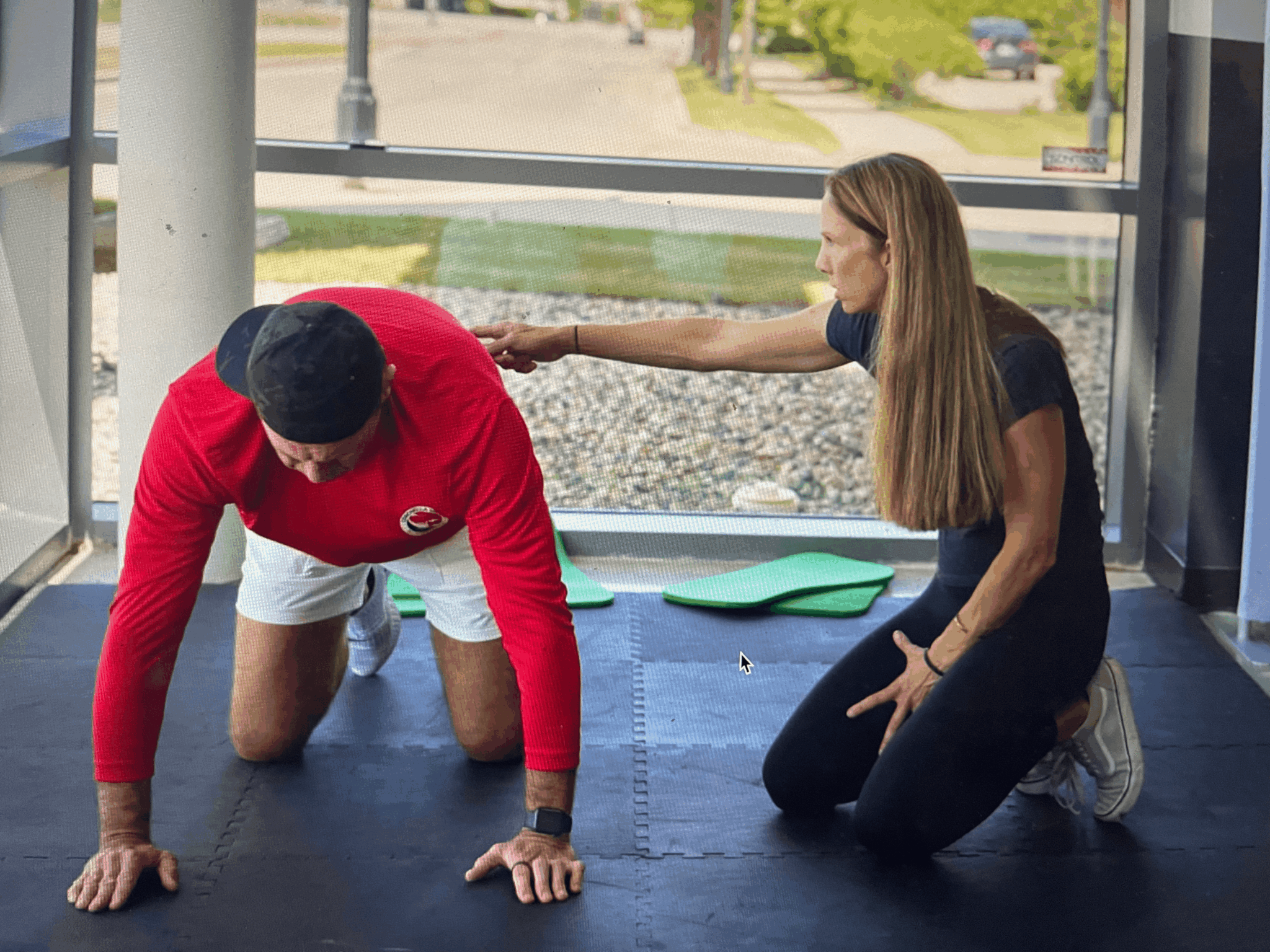
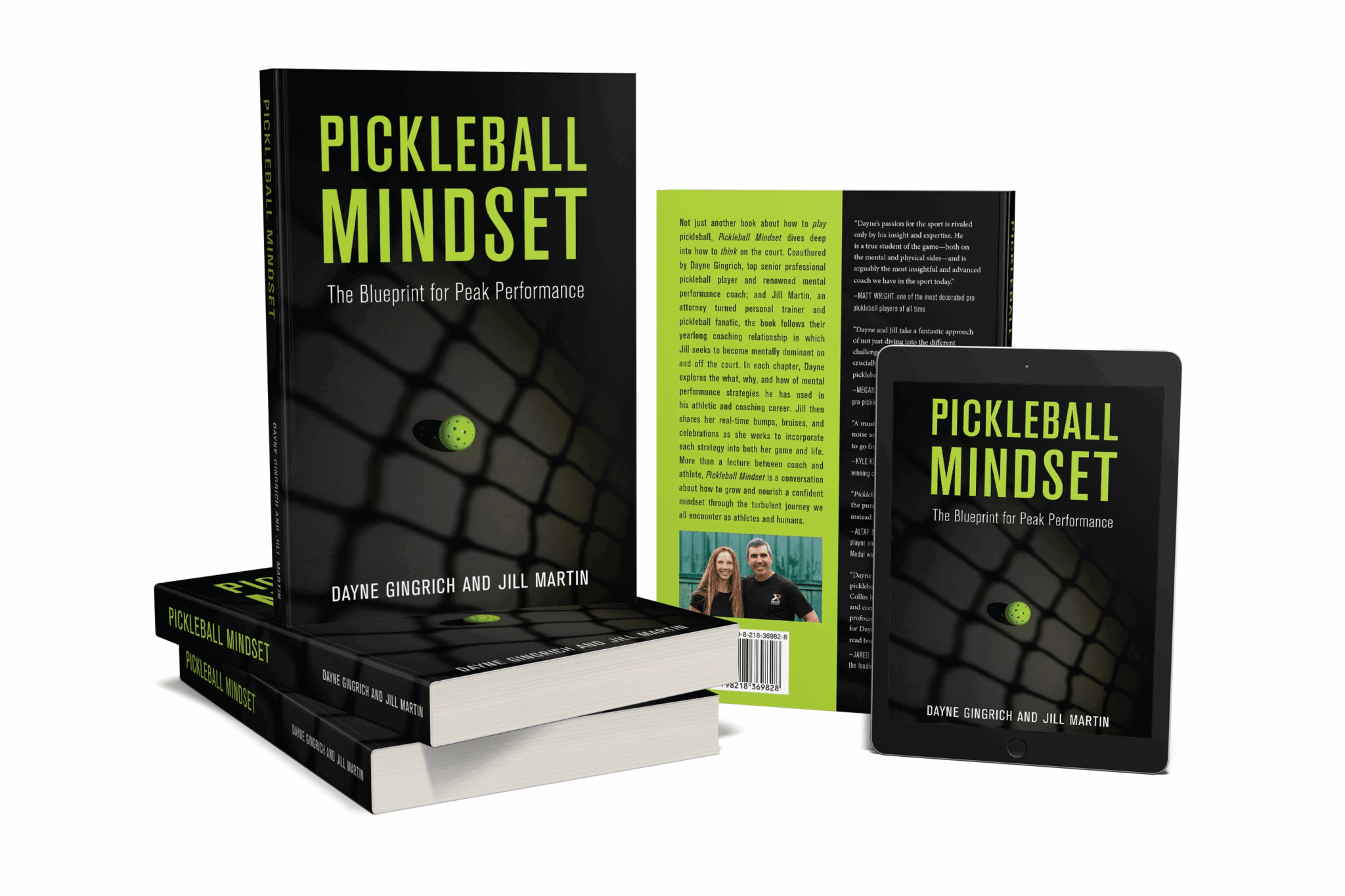
Image Credits
For the photo of me helping a gentleman who is o his hands and knees, photo credit to John Riedy Photography.
For the photo of me and Dayne Gingrich (my coauthor) in front of a teal background, photo credit to Ivan and Polly Pelly