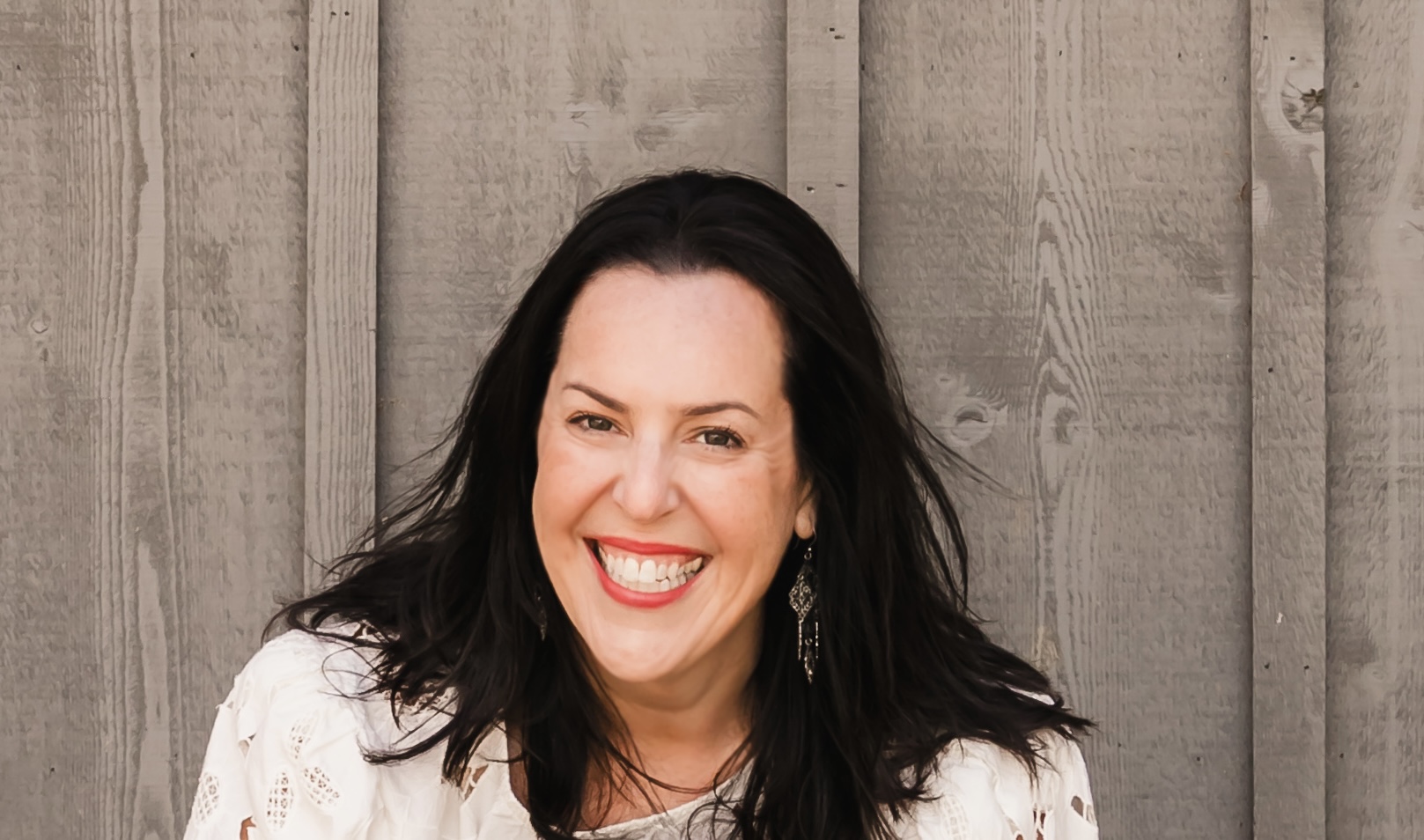

We caught up with the brilliant and insightful Jill Lewis a few weeks ago and have shared our conversation below.
Jill, appreciate you joining us today. Setting up an independent practice is a daunting endeavor. Can you talk to us about what it was like for you – what were some of the main steps, challenges, etc.
I always knew I wanted to be in private practice—working one on one and in small groups, building meaningful relationships, and having the flexibility to practice in a way that felt human. I began my career at a well-known eating disorder treatment center, where I received excellent training and developed a strong clinical foundation. I’m deeply grateful for that experience, but despite the learning, it all felt sterile and too corporate. I could sense early on that I wanted something different: a practice that felt personal, relational, and aligned with my values.
In 2012, I took a leap of faith and started my own practice. At the time, it felt both exhilarating and terrifying. The early days were all about laying the groundwork—finding office space, setting up the business side of things, navigating insurance and billing, and learning how to market myself, something most clinicians are never formally taught. I quickly realized that being a good therapist wasn’t enough; if I wanted to survive and grow, I had to become my own PR person.
One of the most important lessons I learned early on was that I couldn’t be everything to everyone. Instead of trying to treat every client who came my way, I focused on the clients I knew I could truly help and referred the rest out. Staying in my lane allowed me to do better work, avoid burnout, and build a reputation for quality and integrity. That focus ultimately became one of the strongest foundations of my practice.
I also networked relentlessly. I sent cookies to treatment centers and donuts to dietitians and psychiatry practices. I wrote letters to providers, made cold calls, and scheduled countless coffees and lunches. I showed up on listservs not just as a name, but as a real person—engaged, thoughtful, and consistent. In the therapy field, referrals are built on trust and familiarity, and I worked hard to be memorable in an authentic way.
That effort paid off. Before long, my practice was overly full. Within two years, I took on my first associate, and from there the practice continued to grow. Eventually, I found myself not only seeing clients but also training and mentoring the next generation of therapists—something I hadn’t initially imagined but now find incredibly meaningful.
Looking back, I don’t think I would have done much differently. The long hours, the uncertainty, the trial and error—all of it shaped the practice I have today. I’m proud of where I started and where I am now.
For a young professional considering starting their own practice, my advice is this: be clear about who you are and the work you want to do. Focus rather than overextend. Build real relationships, not just a brand. Be willing to put yourself out there, even when it feels uncomfortable. And trust that if you stay aligned with your values and your strengths, growth will follow—often in ways you never expected.
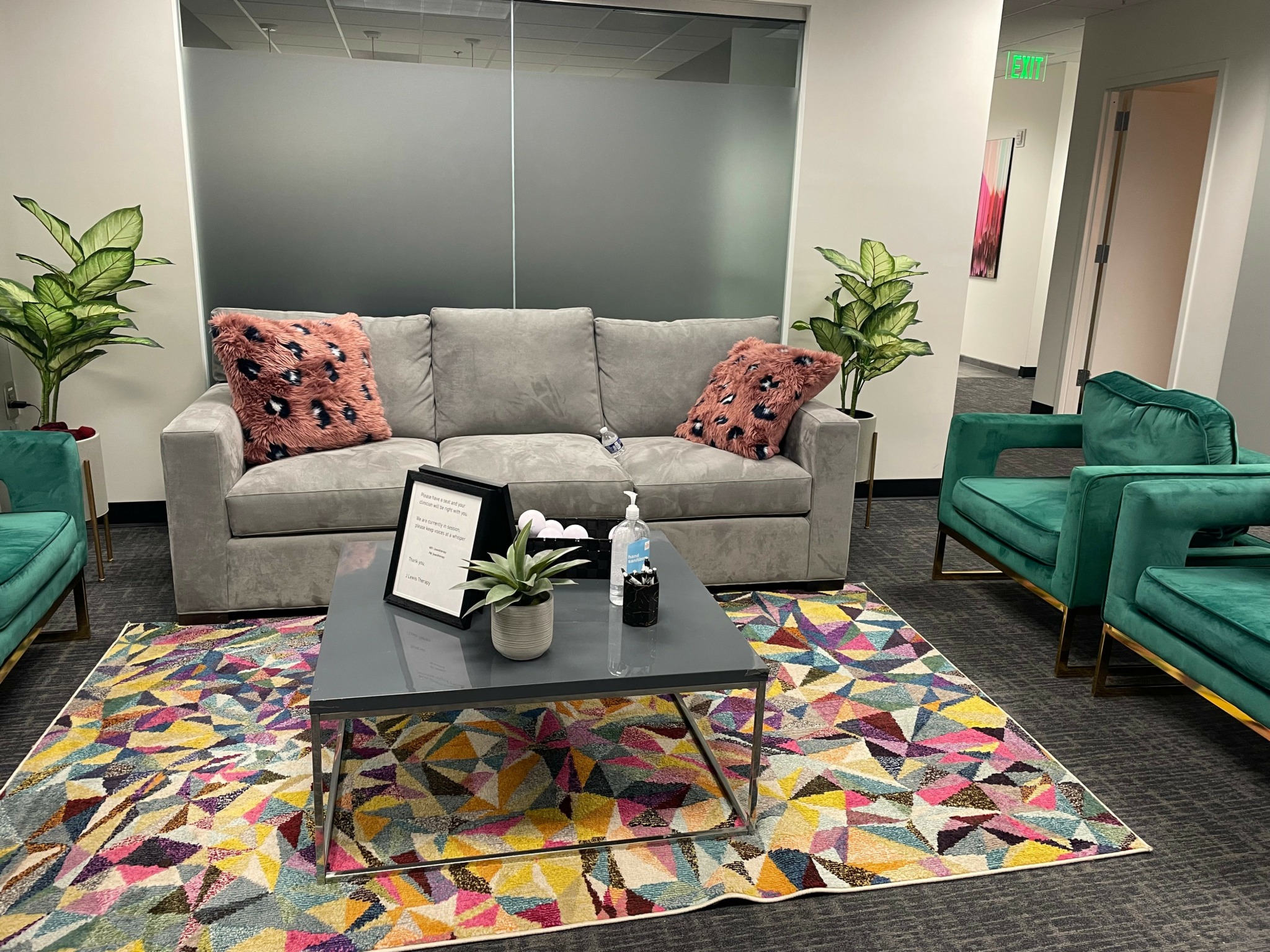
As always, we appreciate you sharing your insights and we’ve got a few more questions for you, but before we get to all of that can you take a minute to introduce yourself and give our readers some of your back background and context?
I’m a psychotherapist in private practice, and at the core of my work is a deep belief in the power of relationships to heal, challenge, and transform us. I work with individuals, couples, families, and groups, offering therapy that is relational, engaged, and grounded in authenticity. I don’t sit behind a clinical mask—I bring my whole self into the room, because real change happens through real connection.
For much of my career, I worked primarily in the eating disorder world, helping clients heal their relationships with food and their bodies. That work shaped me profoundly as a clinician. It taught me how complex and layered suffering can be, and how deeply shame, control, and disconnection can live beneath the surface. Over time, though, I began to feel burned out and recognized that my interests—and my energy—were shifting. Listening to that inner signal was an important turning point in my professional life.
Today, my focus is largely on group work and on working with clients in midlife. I find this population incredibly energizing. Many of the people I work with have spent decades being everything to everyone else—partners, parents, professionals, caregivers—and are finally arriving at a moment where they can ask, often for the first time, “What actually makes me happy?” I help clients explore identity, relationships, boundaries, desire, and meaning, and support them as they begin to make changes that feel both scary and deeply freeing.
A significant part of my practice is running multiple interpersonal process groups. This is some of the work I’m most passionate about. I love watching clients become aware of their relational patterns in real time—seeing how they show up, where they get stuck, how they protect themselves, and what gets in the way of connection. There is something incredibly powerful about witnessing people take risks, receive honest feedback, and shift long-standing patterns right in front of your eyes.
I work in person in Atlanta, Georgia, and also offer telehealth, which allows me to work with a broader range of clients. In addition to client work, I’m deeply invested in supporting other clinicians. I love working with therapists who are navigating burnout, trying to find their clinical voice, or building and growing their own private practices. Helping clinicians reconnect with why they entered this field—and watching them step into their confidence—is work I find just as meaningful as sitting with clients.
What sets my work apart is my relational approach and my willingness to be fully present and human in the room. I value depth over quick fixes, curiosity over certainty, and connection over perfection. I’m most proud of building a practice that reflects who I am—one that prioritizes integrity, growth, and real change. What I want potential clients and collaborators to know is that this is a space where you don’t have to perform, have it all figured out, or be “fixed.” You just have to be willing to show up, be curious, and engage in the process.

We’d love to hear a story of resilience from your journey.
Resilience has been a defining thread in my professional journey, even when it didn’t feel heroic in the moment. One of the clearest examples of that came through the decision to both build—and then rebuild—my private practice.
I originally started my practice in New York City, which is widely known as one of the most challenging places to grow a private practice. The market is saturated, the pace is relentless, and standing out takes constant effort. Still, I did it. Over time, I built a thriving, fulfilling practice and a strong professional identity. I was known, respected, and deeply rooted in my work there.
A few years into that success, I made the deeply personal decision to move back to Atlanta, Georgia—my hometown. It was the right choice for my life, but professionally it meant starting over entirely. I went from being established and recognized to being unknown. I had to reintroduce myself as a clinician, rebuild trust, and show a new community what I brought to the table. It was humbling and, at times, discouraging. I often describe it as going from being a big fish in a familiar pond to a small fish in a brand-new one.
I had to tap into the same resilience I used years earlier. I networked relentlessly, showed up consistently, and trusted that my experience and integrity would eventually speak for themselves. I met with providers, re-built referral relationships, and put myself out there again and again—without the immediate reinforcement I’d once had. It took about a solid year to feel established, but slowly and steadily, the practice grew.
What I’m most proud of is that I didn’t give up when it would have been easy to doubt myself. I stayed committed, pushed through the discomfort, and trusted the process. Looking back now, I can say without hesitation that the other side has been better than I could have imagined. The practice I’ve built in Atlanta feels deeply aligned, grounded, and meaningful—and it exists because I was willing to start over and keep going.
That experience taught me that resilience isn’t about never struggling; it’s about continuing to move forward even when your confidence is shaken and the outcome isn’t guaranteed. And sometimes, the hardest chapters end up leading to the most rewarding ones.
Is this conversation helpful so far?

If you could go back in time, do you think you would have chosen a different profession or specialty?
Absolutely—I would choose the same profession and path again without hesitation. I genuinely feel that this field aligns with who I am at my core. I’m deeply interpersonal, I understand emotions intuitively, and I lead with strong empathy. At the same time, I’m also a strong businesswoman who knows herself well and maintains clear, healthy boundaries. That combination has allowed me not only to be effective clinically, but also to build a sustainable and fulfilling career.
Burnout is real in this profession, and I’ve certainly encountered it along the way. But I’ve learned how to care for myself, recognize my limits, and make adjustments when needed. Self-care isn’t an afterthought for me—it’s an essential part of how I stay grounded and present in my work.
I feel incredibly lucky to love what I do, to be paid for it, and to find it genuinely fulfilling. There is something profoundly meaningful about work that feels both purposeful and aligned with your values. I also love being my own boss. The autonomy, creativity, and ownership that come with running my own practice are things I can’t imagine giving up. I truly can’t see myself working for anyone else.
Looking back, this profession hasn’t just been a career—it’s been a calling. And if given the chance to start over, I would choose it again every time.
Contact Info:
- Website: https://jlewistherapy.com/
- Instagram: Jlewistherapy
- Facebook: Jlewistherapy
- Linkedin: Jill Lewis, MA, LCSW
- Yelp: J Lewis Therapy