


We were lucky to catch up with Jill Enfield recently and have shared our conversation below.
Jill, thanks for joining us, excited to have you contributing your stories and insights. What’s been the most meaningful project you’ve worked on?
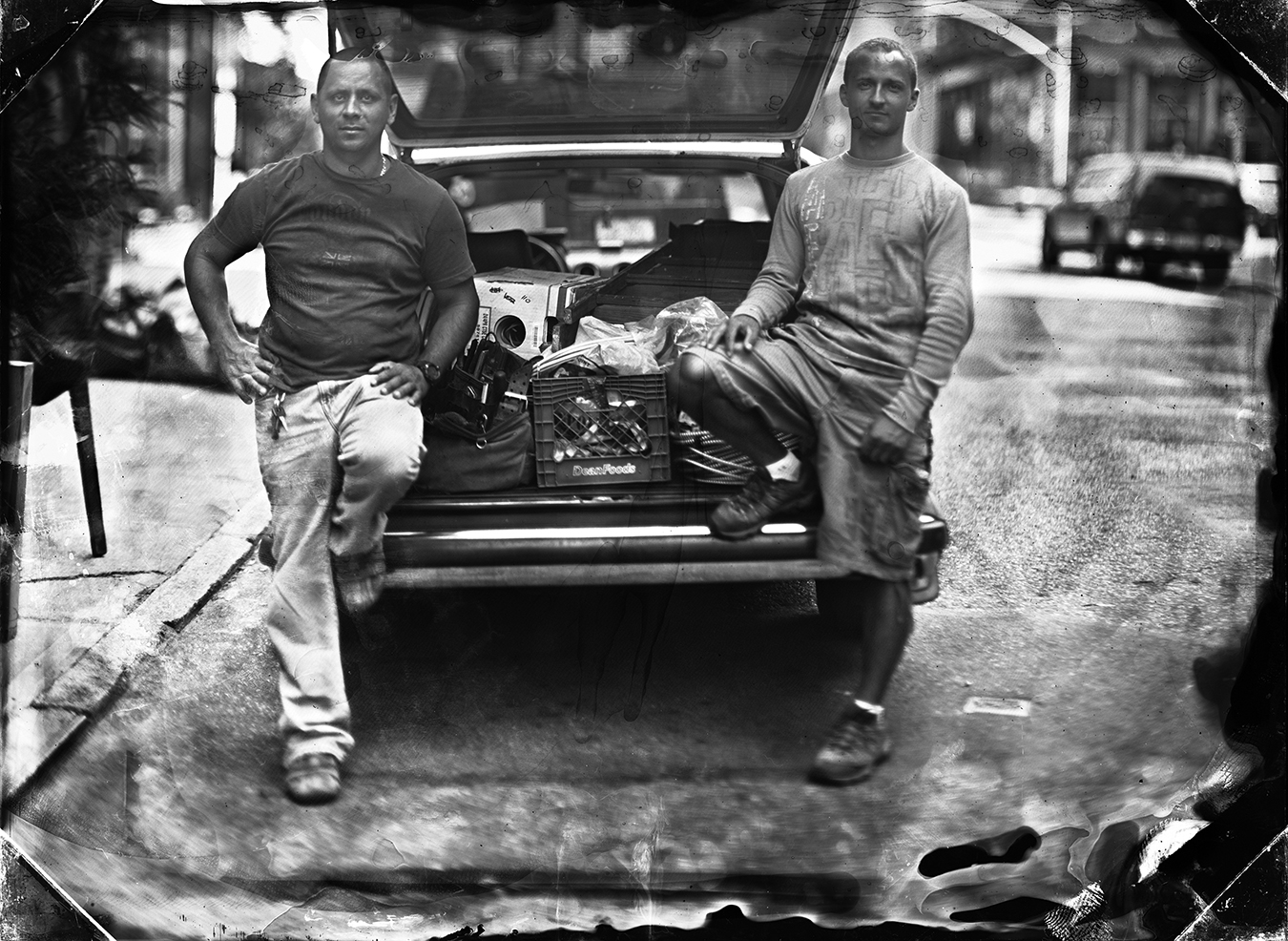
My background has had a very big influence on me. When I started photographing using wet plate collodion (2006), I needed to figure out what I wanted to do with it. After thinking about it for awhile, and discussing things with my husband and friends, I decided to concentrate on people that had wanted to come to this country by choice, instead of being forced to immigrate and always feeling a loss of home and belonging like my family did.
I started photographing and interviewing people around my neighborhood in NYC, then they would introduce me to others, and a large series was on it’s way. I sent a proposal to Ellis Island curators and they offered me a 6-gallery show.
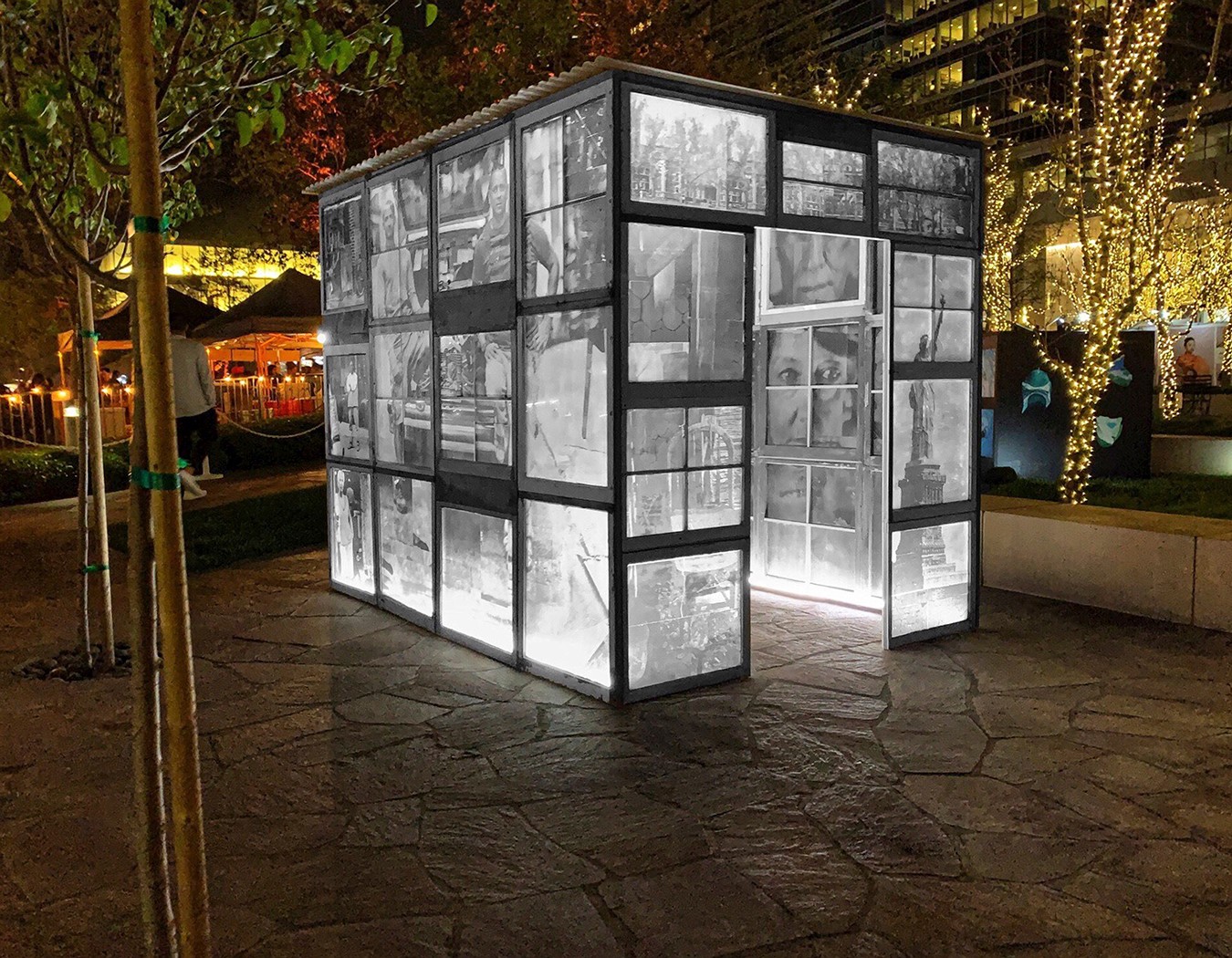
In the meantime, we moved out of NYC to the Hudson Valley, and I had more space to work. I started collecting windows that people were throwing out and found a carpenter that could build a greenhouse like sculpture for me. I transferred my images onto the house and spoke about how we are all immigrants and “those in glass houses should not throw stones”. The house and prints have now traveled around the country and I am trying to find a place for the glass house to live.
Jill, before we move on to more of these sorts of questions, can you take some time to bring our readers up to speed on you and what you do?
I had no idea what I wanted to do when I first went to college at 18. I wasn’t ready to be there and soon dropped out and started to go to photo workshops to see if I could learn enough to call myself a photographer. I went back to get my BFA from NYU at 28 after deciding I really wanted to do this. At the time, if you went into commercial work, we were taught that was a sell out. If you wanted to be an “artist” you would teach and do you art work. I worked as a medical photographer to pay for myself to get through school and then got a job teaching at a private girls school on the Upper East side of Manhattan. After a few years, I got a job teaching at the New School and Parsons.
I was very naive and thought by going to see an Art Buyer, it meant that they would by my photographs! Instead I met a few that didn’t make fun of me and actually asked if I wanted to do some commercial work. It was better money than teaching, but I enjoyed teaching more, so while I did manage to get a rep to help me get commercial work, I never quit teaching to go for it full time. I wanted to do commercial work that was not far from what I did on my own, so a lot of the editorial work allowed me to stay pretty true to my art – black and white infrared film and hand painting the prints. I think that is what set me apart from other commercial photographers.
We’d love to hear a story of resilience from your journey.
When I first dropped out of college, I began exploring the world of photography by attending various workshops. It was during these sessions, particularly in the darkroom, that I fell deeply in love with the tactile nature of the medium. Despite this newfound passion, I struggled with a clear vision for my work and direction for my career.
One of the pivotal moments in my journey was attending a particularly intense school where I was one of the youngest participants. I felt overwhelmed and unsure of my place. During one of our monthly reviews, I faced harsh criticism from my advisor, who told me that I lacked talent and would never succeed as a photographer. This experience was devastating and left me disheartened. I remember vividly collecting my work and leaving the classroom, feeling a profound sense of failure.
In the aftermath, I paused my photography practice and pursued a program in medical photography. While this path allowed me to stay within the field, it didn’t bring the fulfillment I had hoped for. However, moving to New York City and finding a job as a medical photographer allowed me to enroll at NYU, which was a turning point. It was there that I regained my confidence and honed my skills further.
Reflecting on these experiences, I realize that the initial criticism I faced, while painful, ultimately contributed to my growth as a teacher and a photographer. My advice to my students and anyone pursuing a creative endeavor is to never give up. There will always be people who appreciate your work and those who offer criticism. The key is to persist through both the praise and the critique.
I would say that most people face many ups and downs, but perseverance is crucial. Embrace the challenges, learn from them, and continue to pursue your passion. Everyone has the ability to overcome obstacles to achieve their goals.
What’s the most rewarding aspect of being a creative in your experience?
There is a unique thrill that comes with hearing people speak about experiencing my glasshouse or attending my various shows. Knowing that my creations have transcended the confines of my studio and are being enjoyed by others is profoundly rewarding. It’s incredibly gratifying to hear about my books being used in classrooms, contributing to the education and inspiration of students. This sense of impact, where my work resonates with others and becomes part of their lives, adds a layer of fulfillment that extends far beyond the act of creation itself.
Working as an artist often means spending significant time alone in the studio, immersed in the solitary process of crafting and creation. Yet, the true joy of being an artist comes when that work moves beyond the solitude and connects with the outside world. It’s in these moments—when someone engages with my work, reflects upon it, or finds meaning in it—that I feel a profound sense of accomplishment. This connection with others, despite the solitary nature of the work, is what makes the effort worthwhile.
Balancing the demands of art, teaching, and family life is a constant challenge. Each role requires dedication and time, and maintaining this balance is essential to my well-being and effectiveness in all areas of my life. Staying focused and ensuring that I allocate time for each aspect of my life is not just a necessity but a reward in itself. The ability to navigate these challenges while continuing to create and teach is a testament to the passion and commitment that drive me.
Ultimately, the rewards of being an artist are found not only in the creations themselves but in the experiences and connections they foster.
Contact Info:
- Website: https://www.jillenfield.com
- Instagram: @jillenfield
- Facebook: https://www.facebook.com/jill.enfield.9/
- Linkedin: https://www.linkedin.com/in/jill-enfield-6227279/
- Youtube: https://www.youtube.com/@jillenfield4942
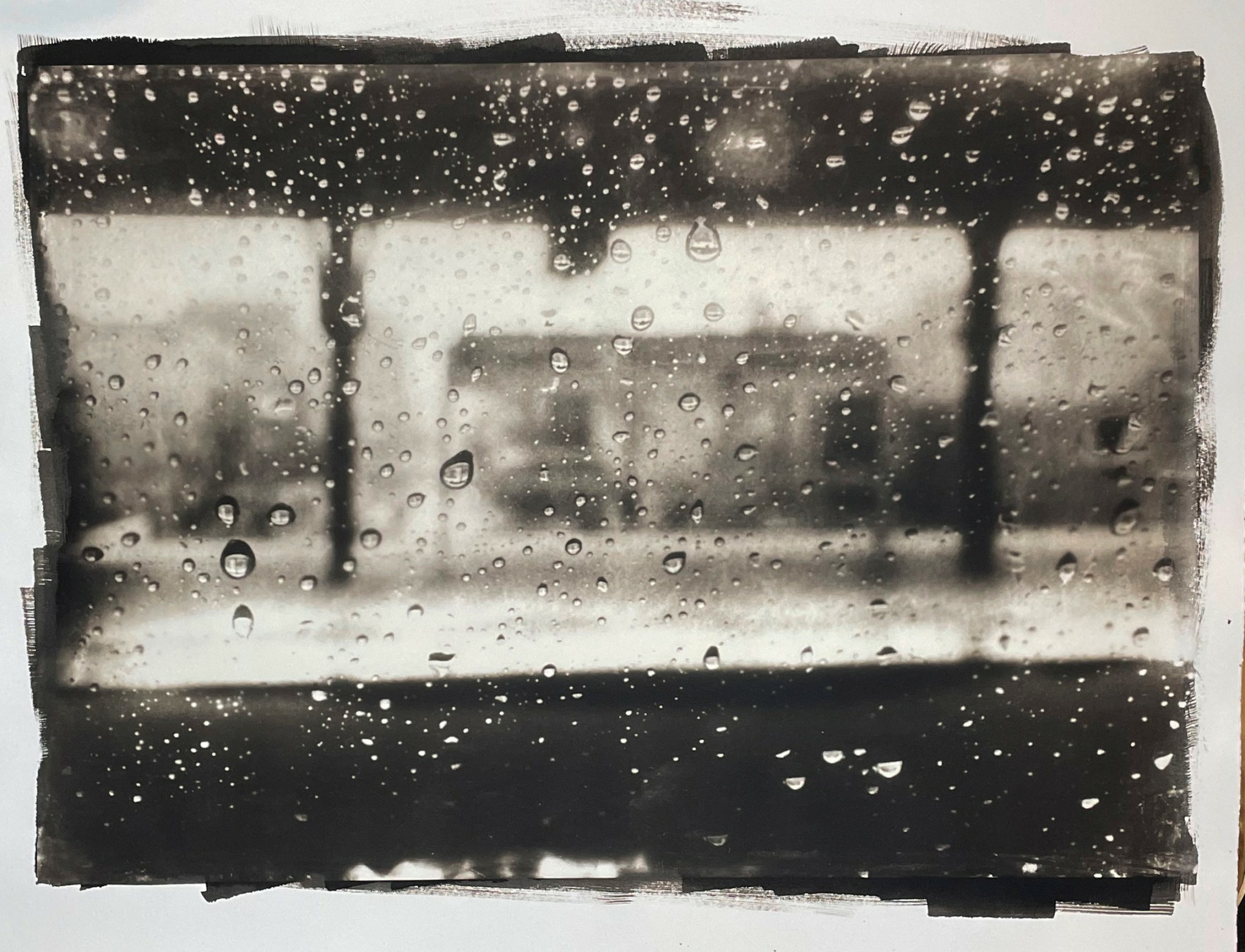
Image Credits
glasshouse: ©Stephen Levey
others: ©Jill Enfield