

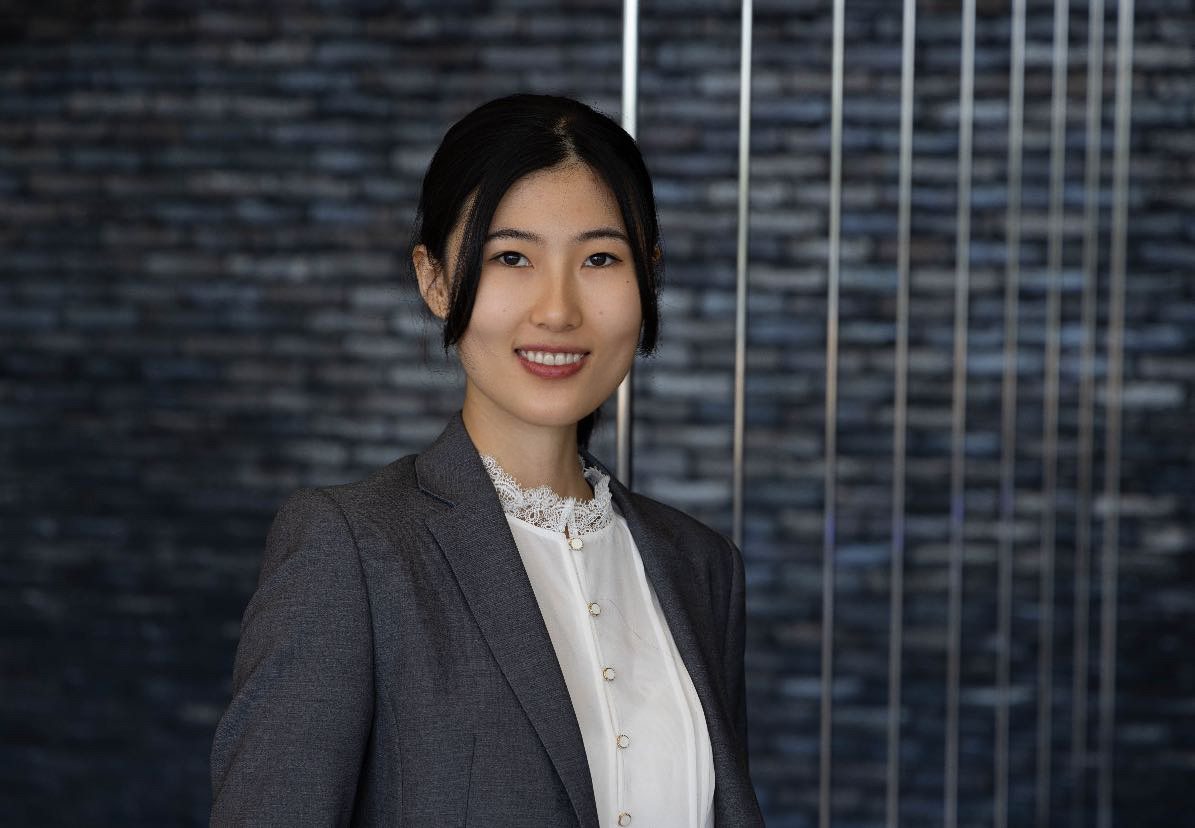

Alright – so today we’ve got the honor of introducing you to Jiayu(lorraine) Liu. We think you’ll enjoy our conversation, we’ve shared it below.
Jiayu(Lorraine), appreciate you joining us today. We’d love to start by getting your thoughts on what you are seeing as some the biggest trends emerging in your industry.
The automotive industry has undergone significant transformation in recent years. We’ve witnessed a surge of new OEMs revolutionizing the market with groundbreaking innovations and daring approaches, propelling the industry forward with remarkable designs. The rise of electric vehicles, advancements in in-vehicle interaction, and rapid progress in autonomous driving technology are reshaping the landscape.
However, one of the most pivotal changes, from my perspective, is the evolving relationship between humans and vehicles driven by autonomous technology. This is not merely a technical shift but a profound philosophical transformation that will fundamentally alter the industry. As policies and technologies for autonomous vehicles mature, our focus will shift from “how we drive the car” to “how the car drives us.” This shift represents a significant change in user expectations. Instead of concentrating on the mechanics of braking and accelerating, our emphasis will increasingly be on how effectively the vehicle makes decisions on the road. This evolution will undoubtedly usher in a new era for the automotive industry.
Moreover, for those who rely on driving for their livelihood, such as taxi drivers, this transformation presents undeniable challenges. The deployment of autonomous taxis is already a reality, with services like Waymo providing passenger rides comparable to traditional cab drivers. Having experienced this firsthand, I can attest to the impressive nature of the technology. Nevertheless, this advancement raises critical questions about the future of driving-related professions. How will we address the structural changes required to adapt to this new business environment?
Jiayu(Lorraine), before we move on to more of these sorts of questions, can you take some time to bring our readers up to speed on you and what you do?
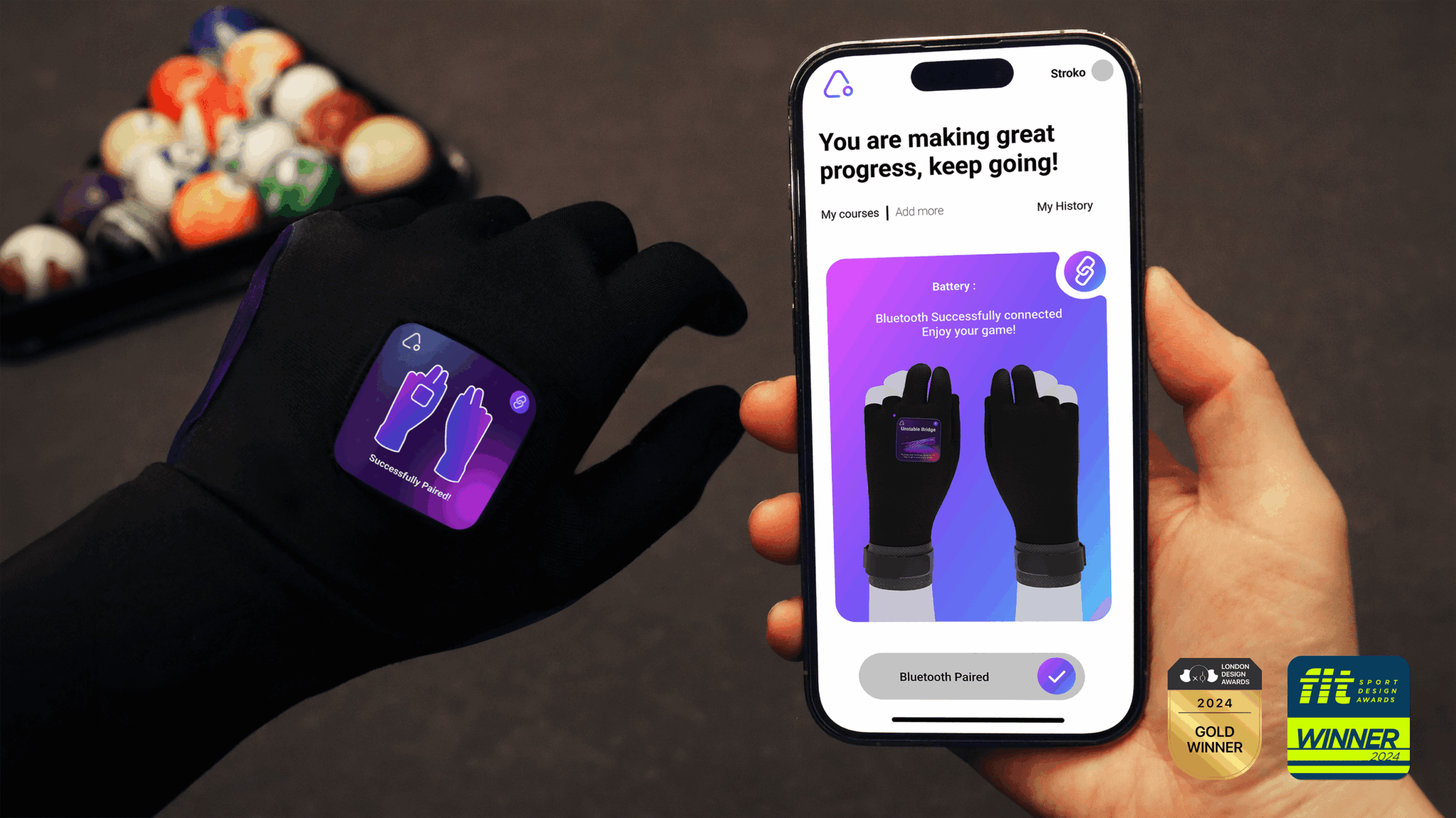
Currently, the content I design mainly involves in-car interaction systems, encompassing software, component interaction, lighting, and more. This requires designers to have knowledge in various areas, including but not limited to interior and exterior design, component design, UI/UX interaction design, and human factors design, making it a highly challenging field. As consumers increasingly focus on in-car interaction design and technological advancements, especially in AI and autonomous driving, drive this trend, I believe this industry undoubtedly has great potential. Moreover, in-car interaction is becoming increasingly broad, extending beyond just two-dimensional screen interactions and physical controls to include voice, gestures, eye movements, and even emotions as input methods.
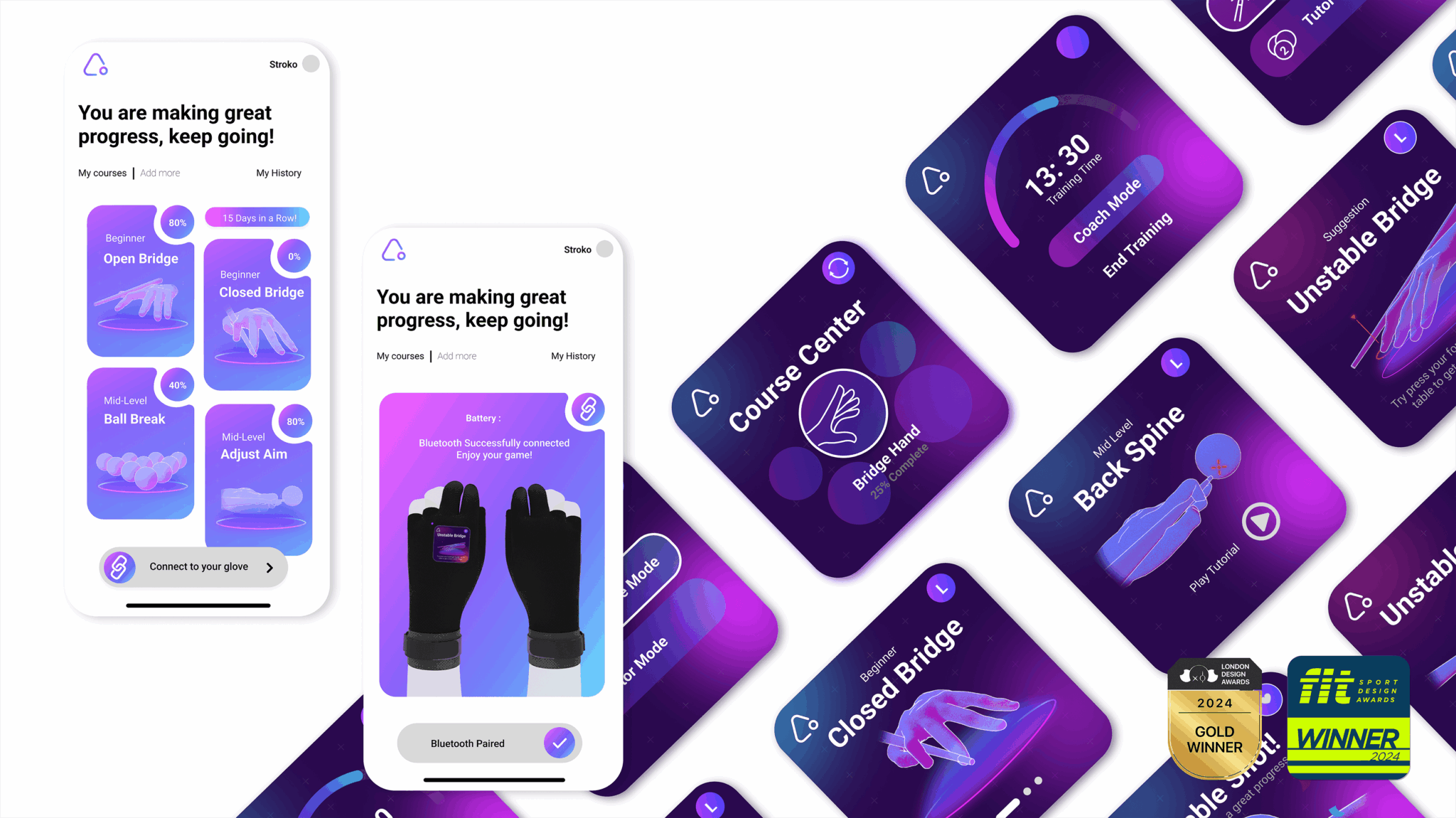
I believe the uniqueness of my design lies in my more systematic thinking, which stems from my graduate studies in transportation systems and design. Unlike traditional industrial design that focuses on specific products, system design involves reflecting on and reconstructing broader systems. Many inconveniences in our lives are caused by inefficient systems, and it is difficult to truly solve these issues with micro-level designs, such as a new product. System design addresses these pain points by reflecting on what systemic issues caused them and then reconstructing the rules from a systems perspective. This involves extensive research, connecting and reasoning with large amounts of data and information. The real challenge in system design is that at the beginning, the designer does not know specifically what to design. Designers must objectively evaluate the “solutions” they come up with and not create a product just for the sake of making one.
How about pivoting – can you share the story of a time you’ve had to pivot?
Throughout my professional journey, I have traversed diverse career paths, each marked by its own challenges and opportunities for growth. Initially, my academic pursuits led me to obtain a bachelor’s degree in Industrial Design & Mechanical Engineering. However, despite my initial enthusiasm, I was struggling to keep passionate in this field.
It was during this period of self-reflection that the emergence of electric vehicles ignited a spark within me, propelling me towards a newfound interest in car design. Despite my limited experience in sketching and rendering, I embarked on this uncharted territory with determination and resolve. Initially, my lack of proficiency in sketching placed me at a disadvantage, rendering me one of the least skilled students in my class.
However, through unwavering dedication and the invaluable support of my family, friends, and mentors, I confronted my insecurities and embraced the uncertainties of this new path. This helped me landed an internship opportunity as an interior designer at Didi Chuxing, a mobility service company in China.
Subsequently, while immersed in the realm of car design, I recognized the vast potential within the field of automotive user experience (UX) design. Driven by a profound interest in UX design and research, I made the pivotal decision to pivot once more, transitioning my career trajectory to specialize as an automotive UX designer. This transition led me to General Motors, where I embarked on a fulfilling career journey in automotive UX design.
Navigating these career transitions was very challenging. The prospect of starting anew and the inherent risks involved often left me grappling with feelings of overwhelming anxiety. Conquering the fear of failure became a central theme in my life, as I grappled with the uncertainty of embarking on unfamiliar paths. Yet, amidst these uncertainties, I came to realize the importance of confronting pivotal moments with optimism and trust in my intuition. While the future remains unpredictable, I learned to place greater emphasis on embracing the present moment and wholeheartedly believing in the choices I make.
Moreover, I gradually came to appreciate how my diverse background spanning multiple industries enriched my knowledge and imbued me with unique perspectives in my work. Far from being a liability, my varied experiences became a cornerstone of my professional identity, setting me apart and endowing me with invaluable insights that continue to shape my contributions to the industry.

What’s the most rewarding aspect of being a creative in your experience?
It is definitely when your works been produced or credited. One notable experience was when I was working for Fruit Technology, where I was one of the primary designers involved in the development and production of the first-generation Smart Posture Corrector. This was my first project where I participated in the entire process from hand-drawn sketches to modeling and prototype development, making this work profoundly significant to me. What left a particularly strong impression was that it was my first real understanding of the details a designer needs to consider and manage for a mass-produced product.
The Smart Posture Corrector is designed to help people who sit for extended periods, including children, correct their posture and prevent issues such as cervical and lumbar spine problems and vision issues caused by prolonged poor posture. It works through a wearable device that detects and records sitting posture and duration. If it detects prolonged sitting or incorrect posture, it alerts the user through vibrations. The product received widespread attention and acclaim upon release and has sold approximately 500,000 units to date. I was genuinely delighted to discover that this product is even available for sale globally when I happened to browse the international Amazon site.
Designing from the user’s perspective and implementing details at every step was an important lesson I learned from this experience. The design and development of this product helped me transition from a design student’s mindset to that of a professional designer. For instance, the design team tested various silicone materials to find the most suitable one for wearability, ensuring comfort while minimizing deformation. To prevent the hardware from becoming too warm during prolonged skin contact, we designed a unique wave pattern on its back to reduce the contact area and assist with sweat dissipation. This small product encapsulates the design team’s extensive human-centered considerations. For me, design is no longer just about creating cool shapes but about feeling the warmth and dedication of a designer who puts people first through every small detail.
Contact Info:
- Website: https://lorrainejade.github.io
- Instagram: https://www.instagram.com/jiayuliu_design?igsh=OGQ5ZDc2ODk2ZA%3D%3D&utm_source=qr
- Linkedin: https://www.linkedin.com/in/jiayu-liu-8456731b3/
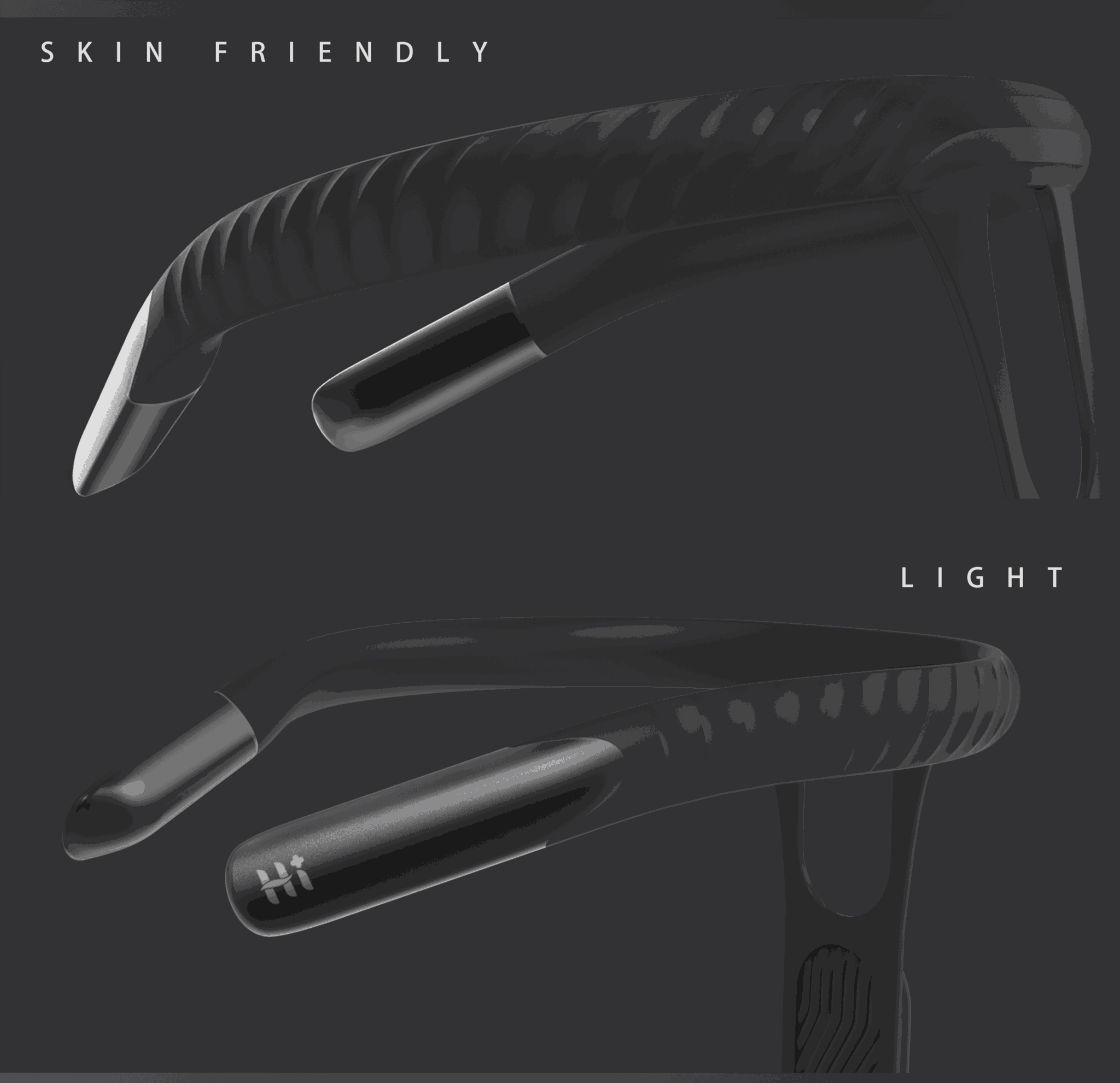
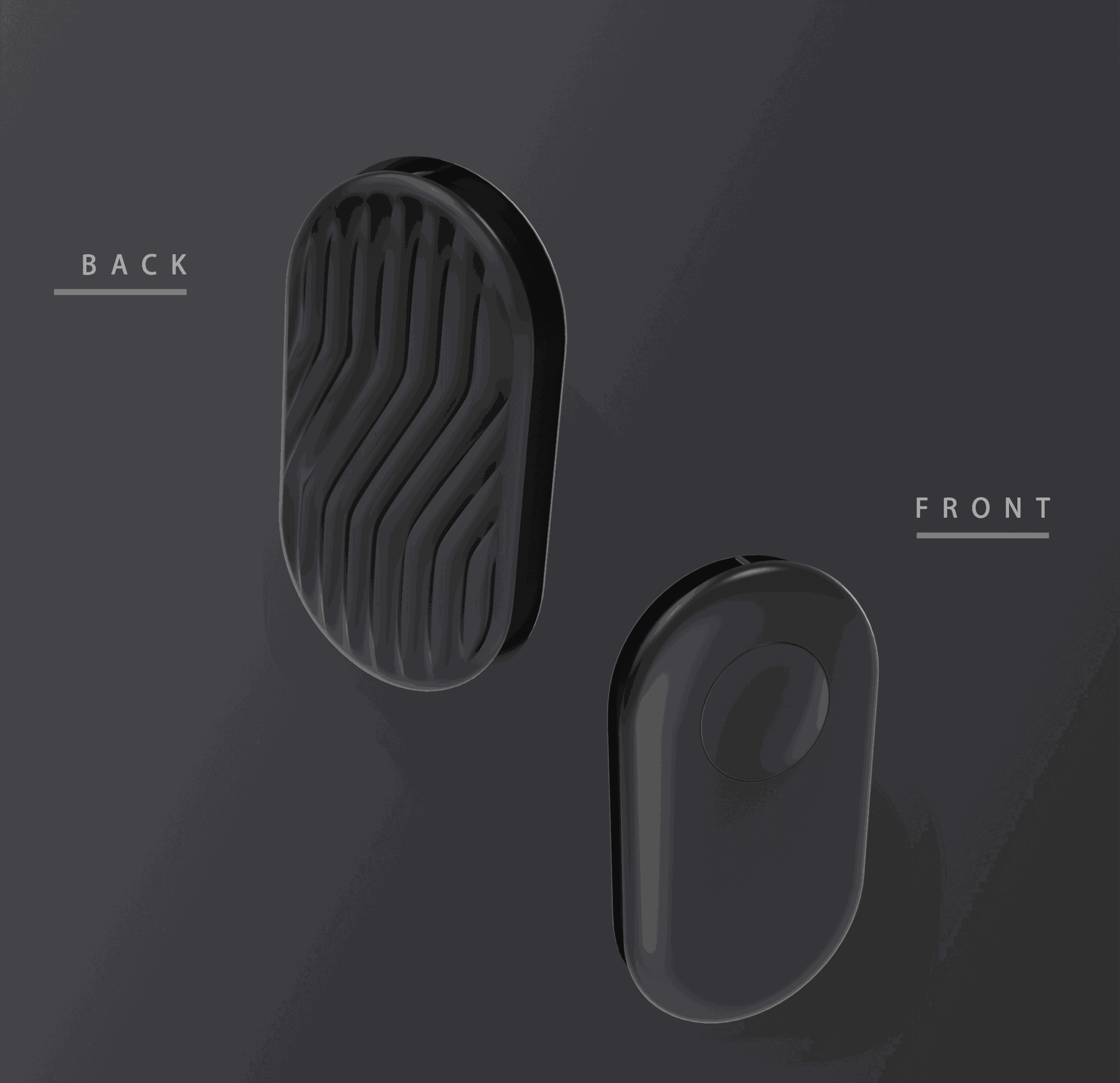
Image Credits
– Yu Ma
– Benze Chen
– Jingyi Zhu
– Jie Yan
– Youtian Duan