


We caught up with the brilliant and insightful Jey Tran a few weeks ago and have shared our conversation below.
Jey, looking forward to hearing all of your stories today. Looking back, what’s an important lesson you learned at a prior job?
When I first became certified as a personal trainer, I started my career in corporate gyms like 24 Hour Fitness, Frog’s, and LA Fitness. I actually think corporate gyms are a great place to begin — they give you experience, exposure, and help you get your foot in the door.
After a few years, however, I began to truly understand the meaning of “Corporate America.” I noticed that I was investing an incredible amount of passion, energy, and time into my work, but the return wasn’t equal. This isn’t unique to gyms — it applies to many corporate environments.
Early in my career, I wanted to prove myself. Like many young professionals, I worked harder, stayed longer, and sacrificed personal time to show my value. Sometimes it led to promotions, but the grind never stopped. I remember being told I needed to sell $2,000 a month in training packages. Once I hit that goal, the target moved to $2,500… then higher. It never ended.
That experience taught me a powerful lesson: if you’re going to work that hard, you might as well work for yourself. When you own the business, everything you put in comes back to you — not just financially, but in freedom, growth, and purpose.
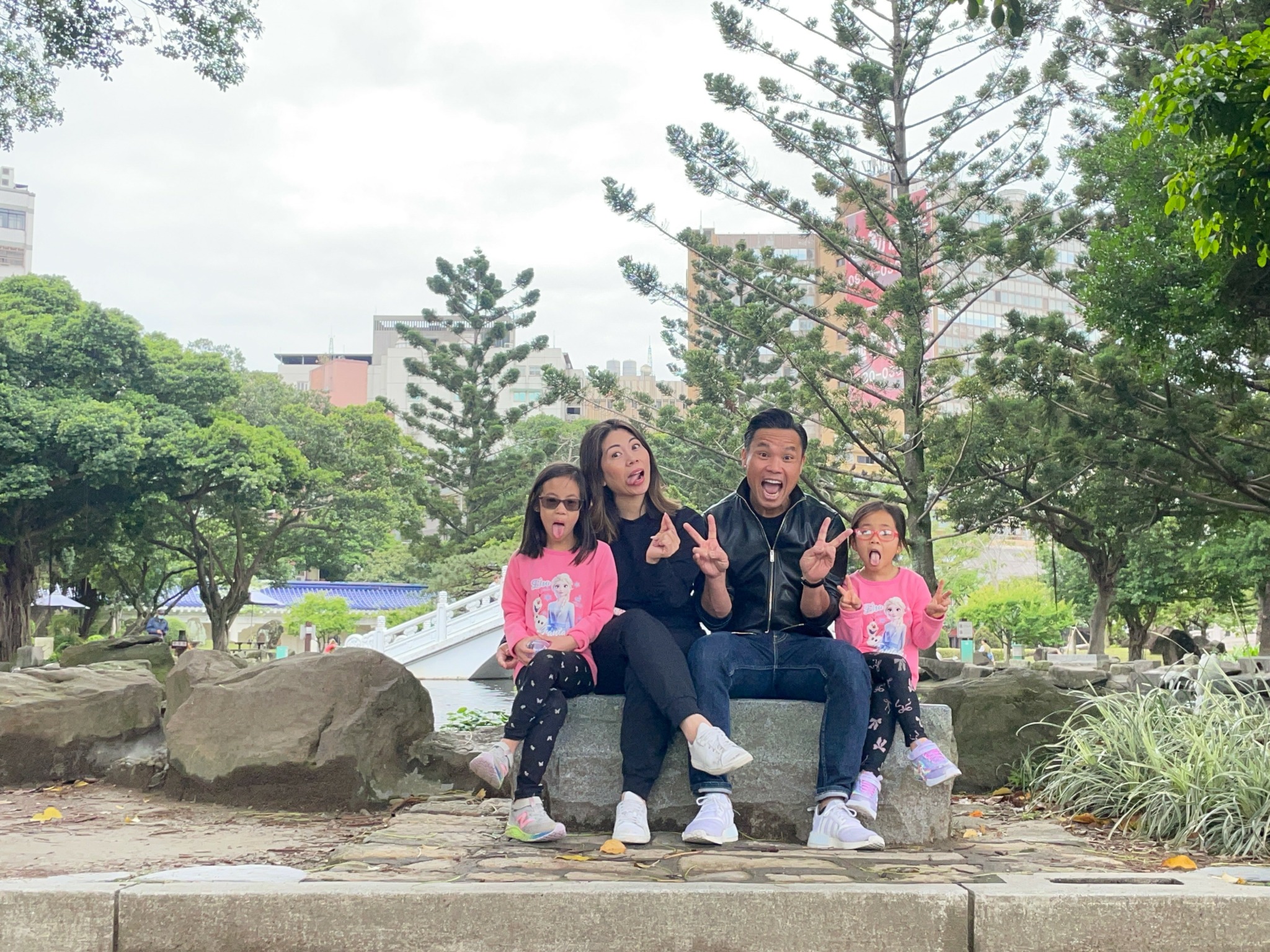
After eight years in corporate gyms, I started my own business, JeyFit, and poured my time and passion into building it. But I also learned something just as important — balance. I have a wonderful wife and two beautiful daughters, and I want to be present for them. That’s why one of the core philosophies I share with my clients is balancing work, health, and family life.
I’ve seen too many people — especially young professionals — sacrifice family time and personal well-being, only to burn out years later. At the end of the day, when you work for a corporation, you’re working for someone else’s dream. And when it no longer serves them, they won’t hesitate to move on.
The lesson:
Do your work with love and passion — but protect your time. Don’t sacrifice your health, your family, or your relationships for a job. Don’t take work home with you if it can wait. Success means nothing if you don’t have the life and people you’re working for.
Great, appreciate you sharing that with us. Before we ask you to share more of your insights, can you take a moment to introduce yourself and how you got to where you are today to our readers.
For those who may not be familiar with my story, my path into fitness and entrepreneurship didn’t start in a gym — it started in education.
After college, I began my career as a special education teacher. I loved working with kids and helping them navigate the world with confidence and independence. One of the most impactful classes I taught focused on real-life skills, such as using public transportation to get to work or run errands. We would first practice in the classroom, then transition to riding the bus in real-world settings once the students were ready. Watching them gain independence was incredibly meaningful to me.
Everything changed when my father passed away suddenly at the age of 53. I was only 27 at the time, and his loss deeply affected me. I felt lost, disconnected, and struggled to find the same passion I once had for teaching. During that period, one thing remained constant — fitness.
I started working out during my second year of college and quickly fell in love with the process: the discipline, the grind, and the results. Fitness gave me confidence not only physically, but mentally and emotionally. It became my anchor. That’s when I decided to enroll in a one-year Fitness Specialist program at a community college in San Diego.
On the first night of class, there were 77 students. I almost walked out, thinking I’d wait for the next session, but that would have delayed my program. The professor told me, “Just give it a few weeks — people will drop.” He was right. After three weeks, the class dropped to about 50. By the end of the year, only 12 students completed the program — and I was one of them. That experience reinforced something I already believed in deeply: consistency and commitment matter more than talent.
From the beginning, I knew I didn’t want to be a cookie-cutter trainer. I brought creativity into my programming, designing workouts that were functional, engaging, and tailored to each individual. I also applied those principles to my own training, because I believe if you don’t believe in the program yourself, you shouldn’t ask others to follow it.
My philosophy is simple but effective: consistency in movement and moderation in nutrition create a sustainable lifestyle. I’ve lived by this approach since 2001, and I’m still going strong. I don’t believe in extremes, restrictions, or quick fixes.
In 2010, I founded JeyFit, and since then I’ve worked with clients from all walks of life. What sets me apart is the relationship I build with my clients. I often tell them, “Once a client, always a friend.” I don’t want to see them only during scheduled sessions. If they’re traveling, I want them to reach out so I can help design workouts using a hotel gym or limited equipment. If they’re out at a restaurant and struggling with food choices, I want them to text me. My goal is long-term success, not short-term results.
I also believe in giving credit where it’s due. When my clients reach their goals, I tell them the success is theirs. I give myself 10% and them 90% — because showing up, committing, and taking that first step takes real determination.
I don’t tell people what they can’t eat. Life includes family, friends, and social gatherings. Avoiding those moments out of fear isn’t healthy. If you crave something, enjoy a little — then do something about it. Go for a walk, hike, or workout. Fitness should support your life, not limit it.
I take pride in being genuine. In an industry where many trainers and influencers chase clicks and quick money, I’ve always believed that if you treat people right, the rest will follow. I only promote what I truly believe in. People can sense authenticity over time, and staying true to yourself means you’ll sleep better at night.
What I’m most proud of is not just building a business, but building trust, relationships, and a brand rooted in integrity, balance, and purpose. Whether through JeyFit or my writing, my goal is to help people live stronger, healthier, and more meaningful lives — physically, mentally, and emotionally.
Can you share a story from your journey that illustrates your resilience?
My story of resilience began like that of many immigrants.
I grew up in a war-torn Vietnam where my father wanted more for his children than survival. After the Vietnam War, life was harsh and opportunities were scarce. I lived in a small village called Thọ An, Nam Thọ, near the city of Đà Nẵng. If I stayed, my future had only two paths: becoming a farmer or a fisherman. My father knew that was not the life he wanted for us.
After escaping from prison and returning home, my father made the hardest decision of his life. On the night of July 13, 1982, he took my older sister and me on a perilous journey aboard my uncle’s tiny fishing boat. There were 28 people total packed onto that boat as we headed into the South China Sea, with Hong Kong as our destination. That night changed my life forever.
Because the journey was so dangerous, my parents decided my father would take only the two older children, while my mother stayed behind with my two younger siblings. The risk was simply too high for all of us to go together. We left Vietnam with hope, fear, and uncertainty, all for the chance at a better future.
After the Vietnam War, over two million people attempted to escape Vietnam. It is estimated that 200,000 to 400,000 lost their lives at sea. The stories of the Vietnamese Boat People—and their resilience—are rarely told, which is why it is so important to me to share both my story and theirs.
Resilience, I believe, is not something you are born with—it is something you build.
On that boat, we endured hunger, fear, and constant uncertainty. There were days when we had nothing to eat. We worried about pirates, storms, and whether our boat would sink beneath us. Yet, through the kindness and compassion of complete strangers, we survived and eventually made it to Hong Kong, then under British rule.
Even after reaching land, the challenges did not end. The number of Vietnamese refugees arriving in Hong Kong during the late 1970s and early 1980s was overwhelming. The government responded by opening detention facilities—prisons reclassified as “refugee camps.” Life there was rigid, restricted, and harsh. But those experiences, too, strengthened my resilience.
With the help of an American sponsor Jeri, my family of three passed our resettlement interviews. On April 16, 1984, we arrived in the United States.
America brought new struggles—language barriers, cultural differences, and the challenge of fitting in at school. But I adapted, worked hard, and eventually excelled academically. I promised myself that I would take advantage of every opportunity available to me, not only for myself, but so I could one day reunite my family. My mother and siblings remained behind, and we would not be together again for 15 years.
I don’t believe my story is worse than anyone else’s. Everyone carries their own struggles. But I do believe that if we choose to use our hardships as stepping stones instead of obstacles, they can lead us toward a better future.
Life does not wait. If you want something, you have to go after it.
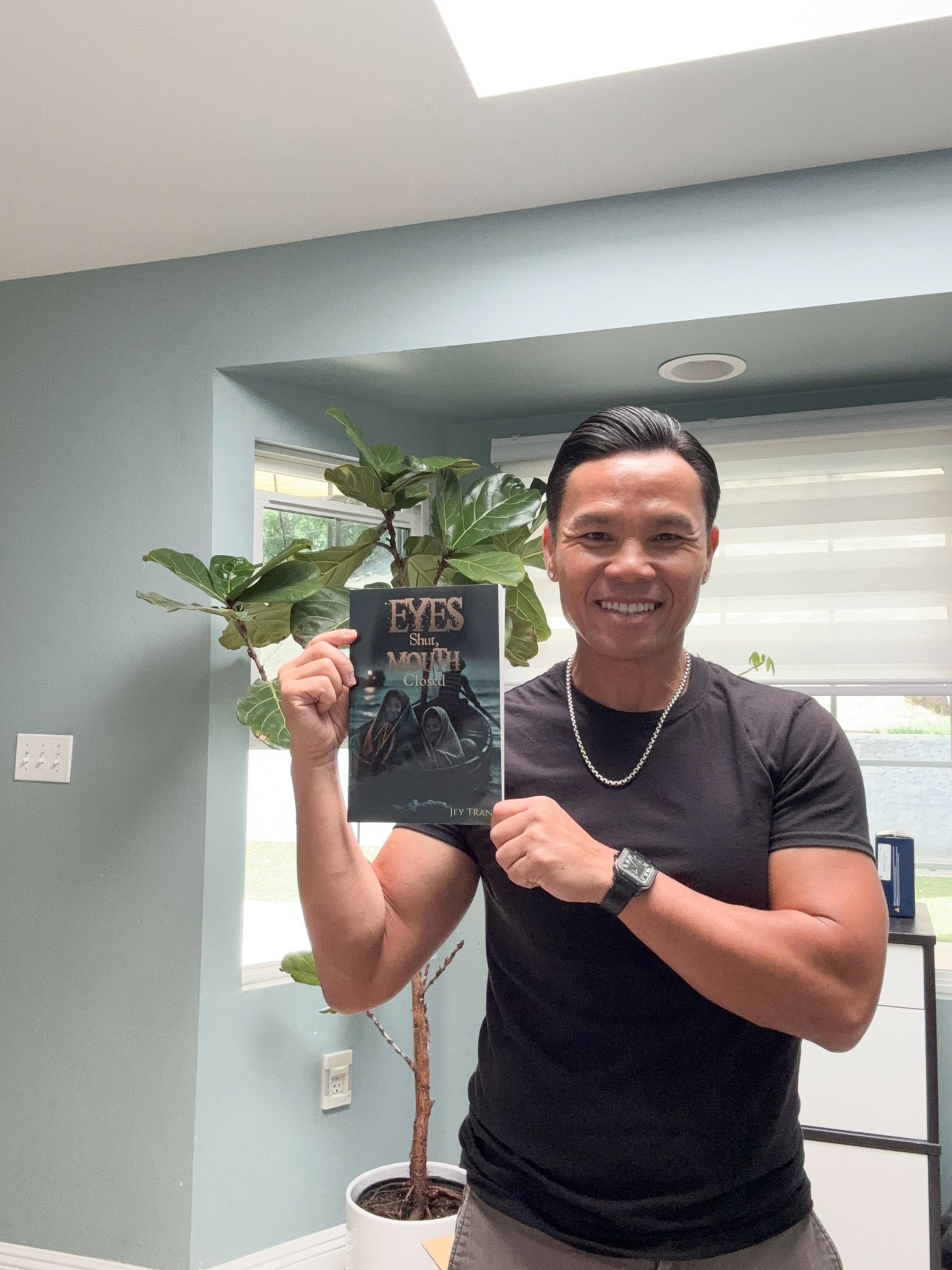
Two years ago, I decided to put my journey into words. Eyes Shut, Mouth Closed, published by Macauley Austin Publishing on November 7, 2025, chronicles my two-year journey from Vietnam to America. Writing it forced me to relive my struggles—but it also reminded me how those experiences shaped the person I am today.
If we share our stories not for sympathy, but to inspire others, we create understanding, compassion, and hope. And I truly believe that if more stories of resilience were told, the world would be a better place.

Can you tell us about what’s worked well for you in terms of growing your clientele?
One of the most effective strategies for growing my clientele has been staying true to myself and my philosophy. I don’t sell products, programs, or ideas that I don’t genuinely believe in. I know some people choose popularity or quick money, and that works for them—but that path was never for me.
My perspective comes from my life story.
After escaping Vietnam at the age of nine, there were many moments when hope felt very small. Yet along my two-year journey to America, complete strangers showed my family and me incredible kindness and compassion. Those moments shaped how I think, how I treat people, and how I run my business today.
There are three people in particular who stayed with me.
The first was was a stranger on Hainan Island. When our boat ran out of food, we survived on water for two days. We landed on that island desperate. While my father searched for food, a local man approached my sister and me and handed us some money. When my father returned with a bowl of rice, we went to a small restaurant. To this day, that simple meal—rice, beef, and string beans—is the best meal I’ve ever had.
The second a security guard at the closed refugee camp in Hong Kong, where we lived like prisoners. The snacks they gave us were cheese sandwiches, and like many Vietnamese, I was lactose intolerant. I had stomach issues every day. One guard noticed. Without being asked, he quietly started giving me peanut butter and jelly sandwiches instead. To him it was a small gesture—but to me, it was hope. It reminded me that even in dark places, there were still good people.
The third was Jeri Waterman, our sponsor. She picked our names from a list and helped us leave the closed camp and resettle in San Diego. Without her kindness, I don’t know where our lives would have ended up.
None of these people knew me. None expected anything in return. There were no likes, no recognition, no money involved—just compassion.
That is the foundation of how I grow my business.
I lead with integrity, care deeply about my clients, and treat every relationship with respect. I believe people can feel when you are genuine. Clients don’t just come for workouts—they stay because they feel seen, supported, and cared for. And when you treat people right, they tell others.
I may never see those three people again, and I may not even remember their faces clearly—but I can honor their legacy. I do that by showing kindness and compassion in my business and in my life, every single day.
That, more than any marketing strategy, is what has helped grow my clientele.
Contact Info:
- Instagram: https://www.instagram.com/jey.fit/
- Facebook: https://www.facebook.com/JeyLinh
- Linkedin: https://www.linkedin.com/in/jey-fit-b3aba66/
- Youtube: https://www.youtube.com/@Jey-Fit
- Yelp: https://www.yelp.com/biz/jeyfit-san-diego-2?osq=jeyfit
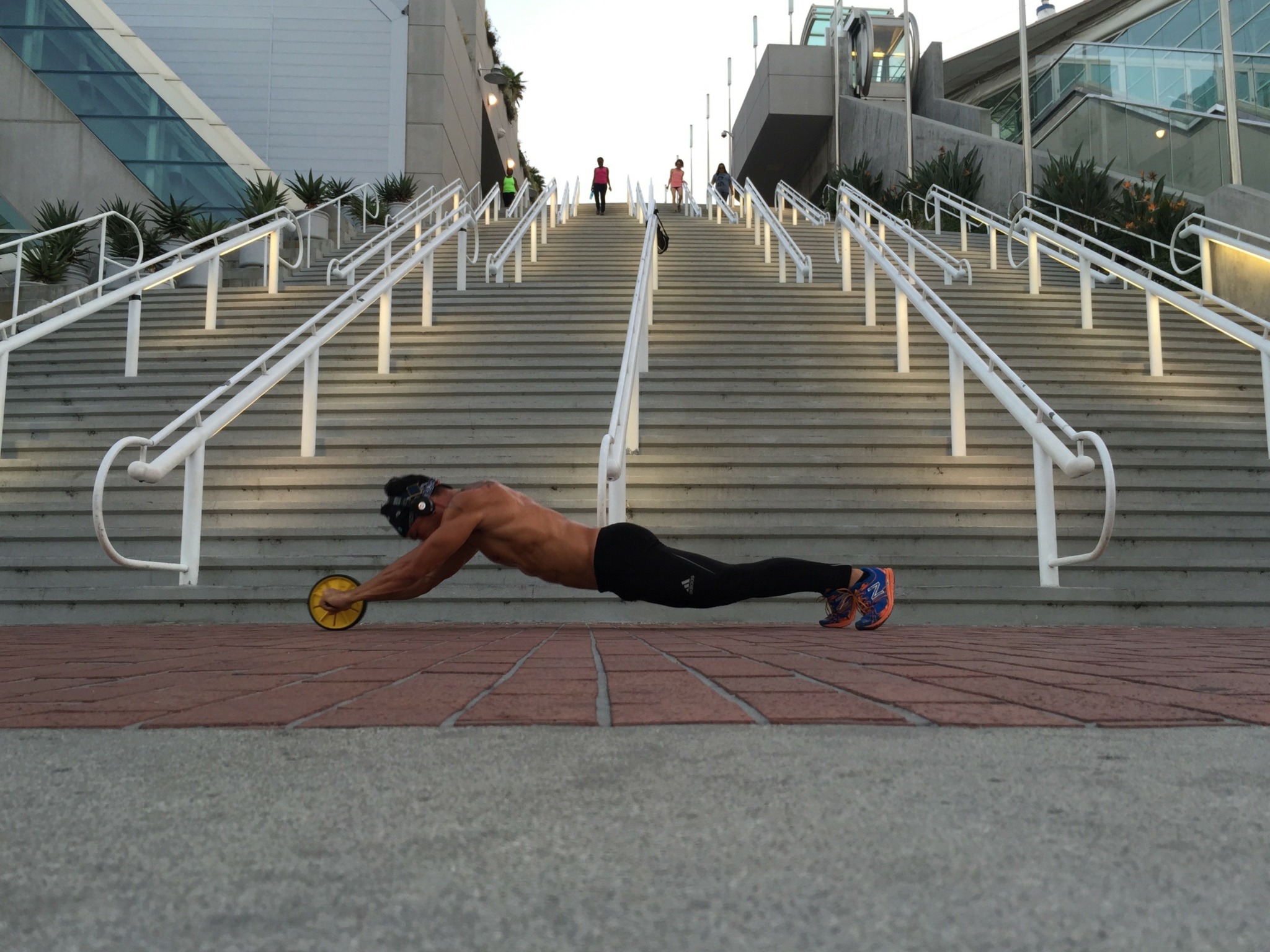
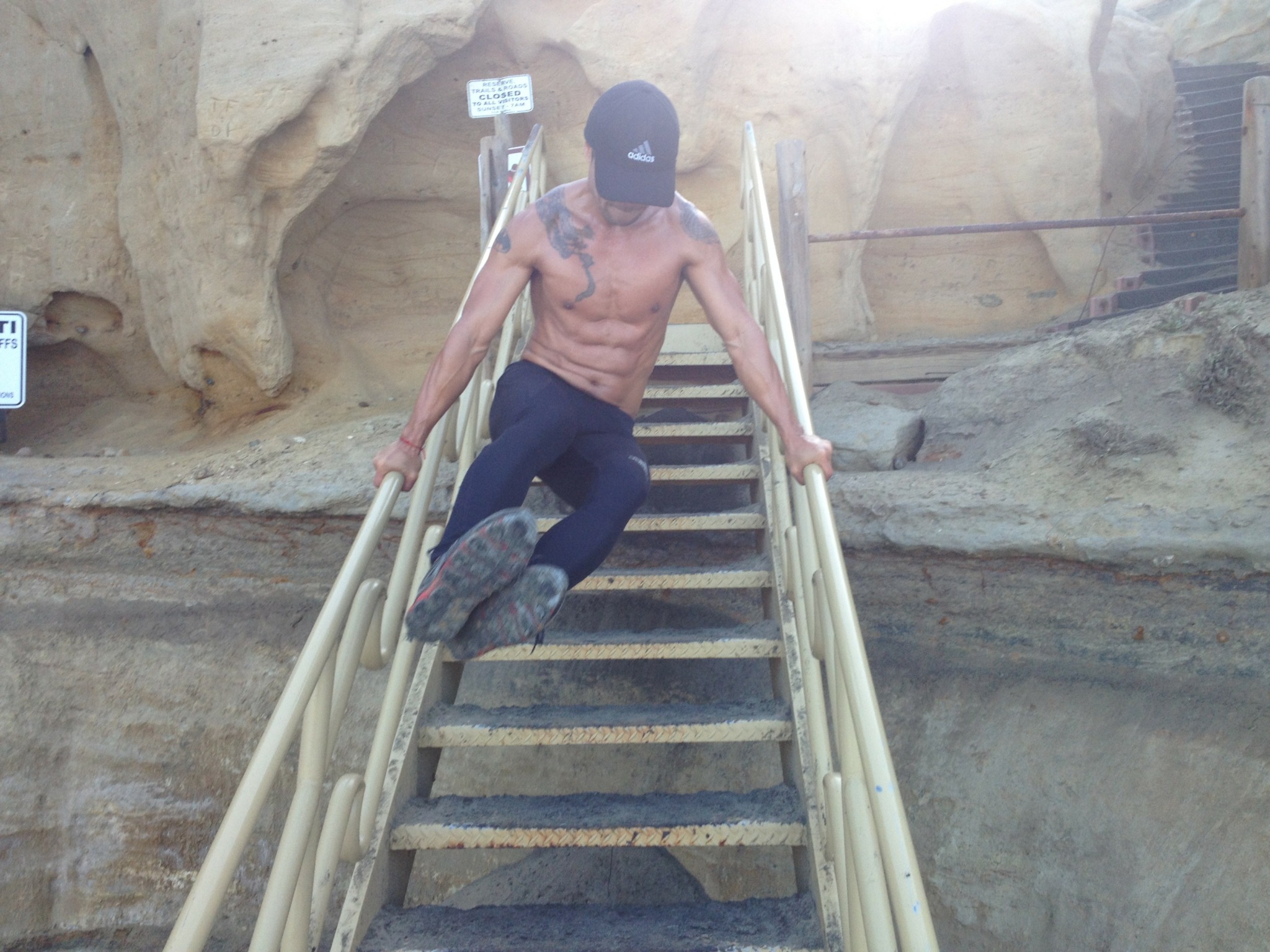
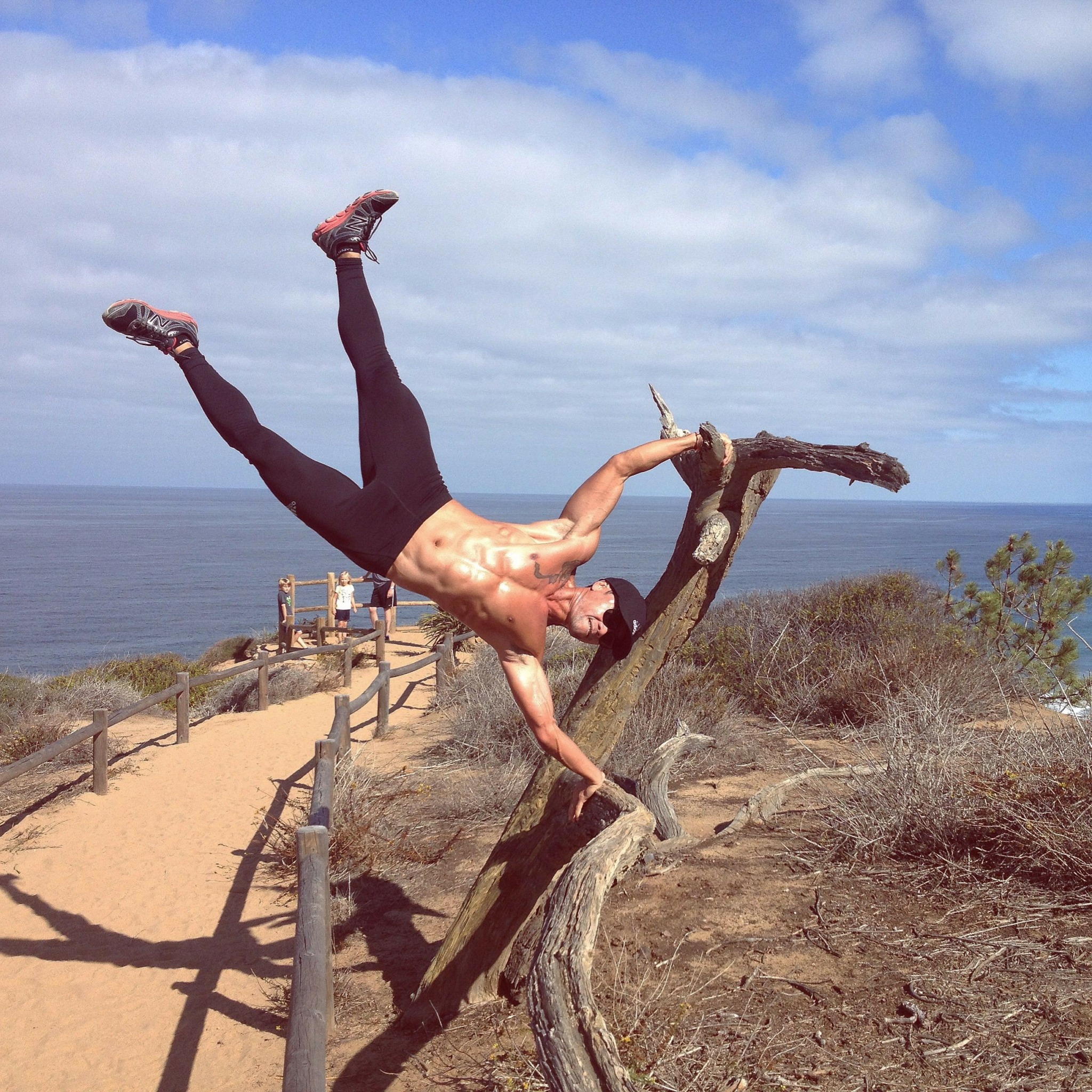
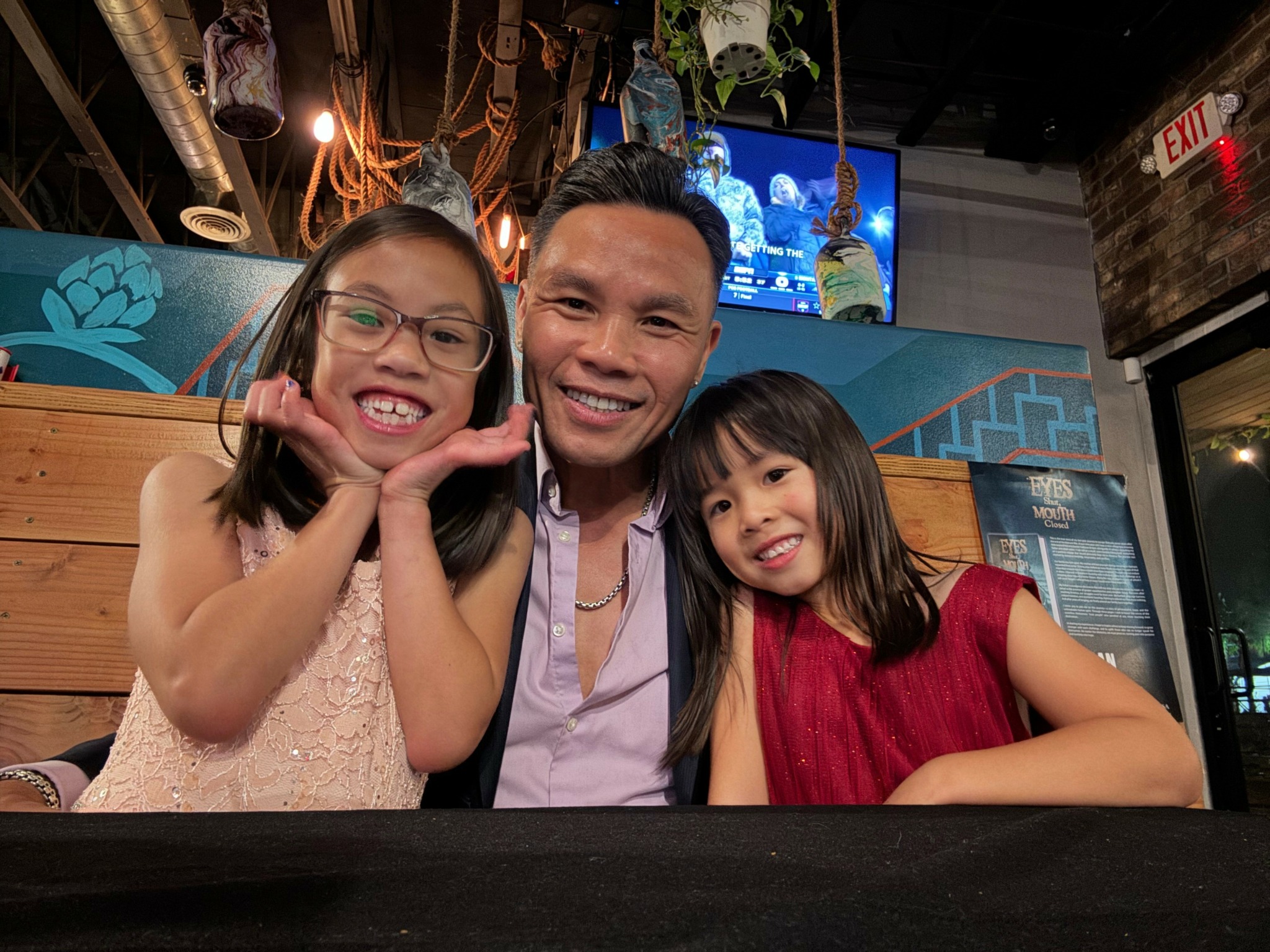
Image Credits
Jey Tran