

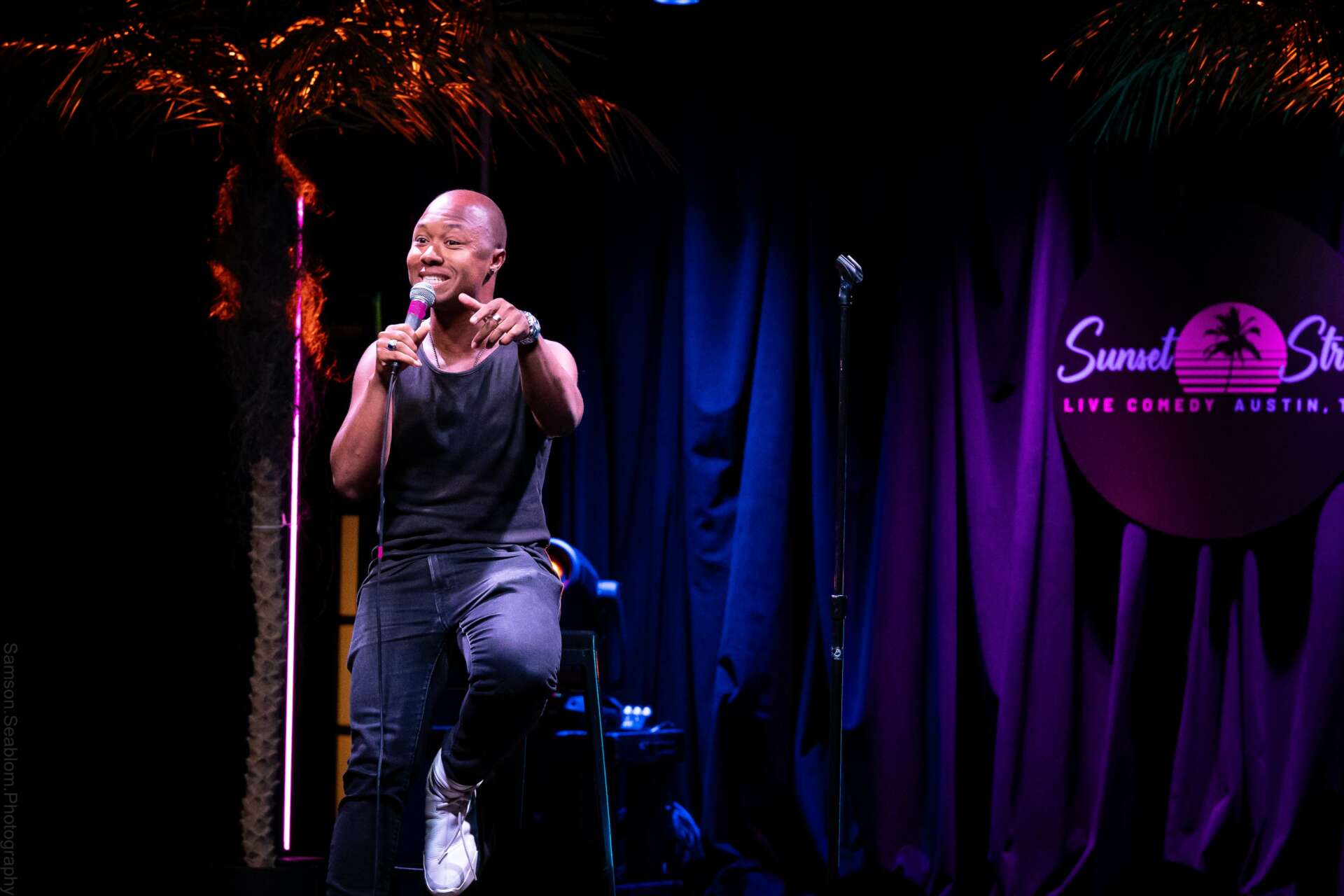

We recently connected with Jet G and have shared our conversation below.
Jet, thanks for joining us, excited to have you contributing your stories and insights. How did you learn to do what you do? Knowing what you know now, what could you have done to speed up your learning process? What skills do you think were most essential? What obstacles stood in the way of learning more?
One of my best investments has been in my craft. Craft bridges the gap between how effective an idea is in your head and how effective it is with an audience. When you narrow that gap, you shine a light on what makes you unique. I fell in love with performing at 6 years old when I accidentally turned a church talent show into a stand-up comedy event. My fascination with performances in classic movies like East of Eden led me to study Ancient Greek story theory. What stood out to me was the writer’s focus on struggle and transformation, and using a repeated “Chorus” to help the audience connect to the performers. Greek story theory is the difference between a performer and a star, and it shaped my ability to write and perform as a stand-up comedian. Lately, as a writer, I’m inspired by the brevity, atmosphere, and emotion in Alternative RnB songwriting. As a performer, I’ve noticed crowd work has become essential. Pre-COVID audiences were content to be recipients, but now they want to be active participants in crafting absurd moments with comedians.
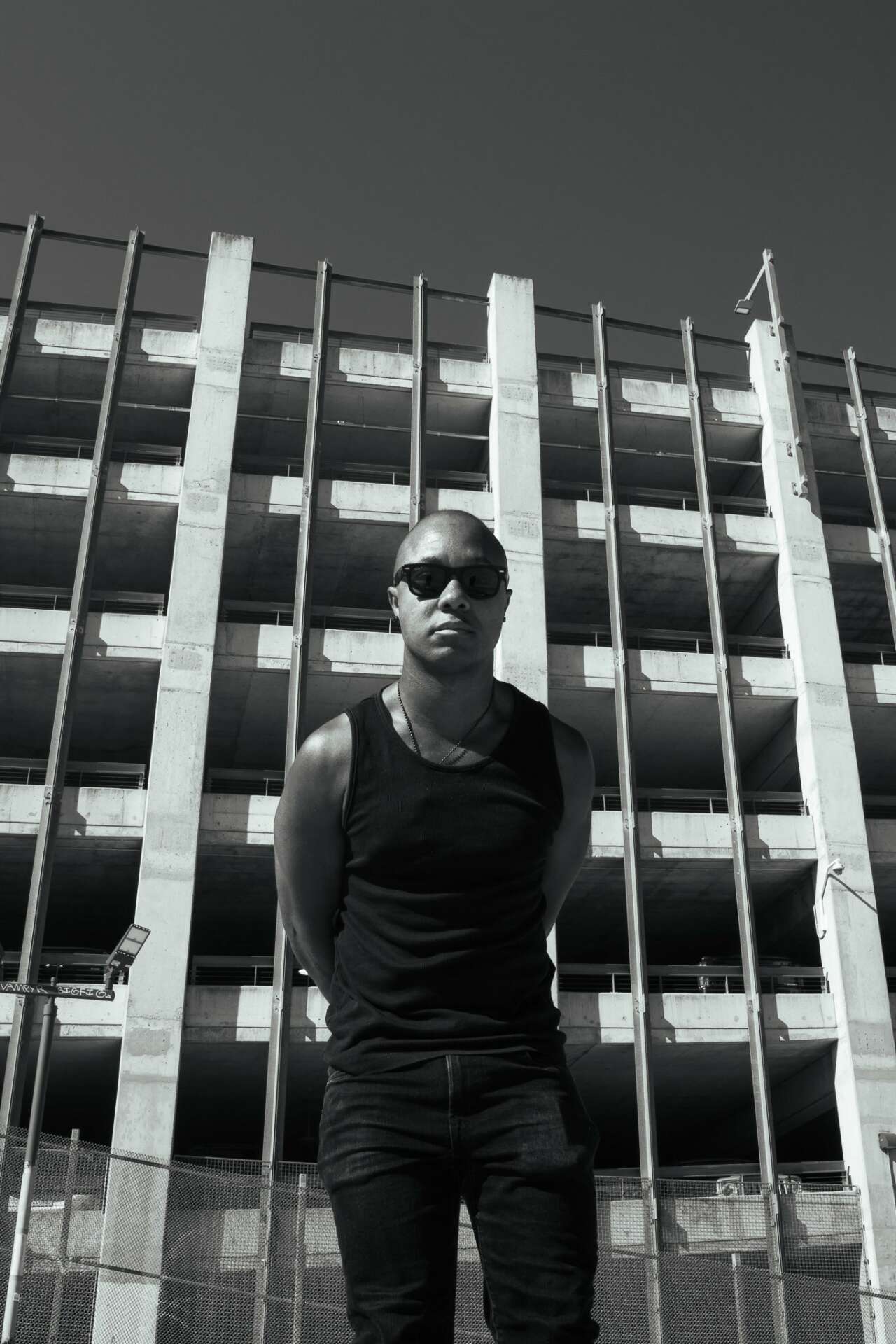
Awesome – so before we get into the rest of our questions, can you briefly introduce yourself to our readers.
Working in entertainment and education, I realize that nobody’s listening to young people. I’m working to solve the serious gap between “the market” and 18-30-year-old audiences. I use satire (in stand-up and short-form series) to capture our dramatic times and inspire audiences. Think Donald Glover or Phoebe Waller-Bridge ;) Theme-wise, I love universal struggles: rebellious heroes vs a hostile society – our passions vs our responsibilities. My friends say my work transforms relatable issues into adventures with “bad-boy innocence”. Others say my stand-up comedy paints pictures with the vividness of a graphic novel. I say my stand-up and screenplays have more quotable lines than your favorite rap albums. ;) My writing has earned recognition from organizations like the Austin Film Festival, The Sundance Institute and led to a satirical web series. I’ve performed at world-famous comedy clubs such as The Comedy Store, The Laugh Factor, and on hit podcasts such as Kill Tony. My web series and performances make LA and Austin’s audiences laugh, think, and sometimes… cry. Just imagine what I could do if I didn’t have a day job.
Is there something you think non-creatives will struggle to understand about your journey as a creative? Maybe you can provide some insight – you never know who might benefit from the enlightenment.
People don’t understand how much patience is required to find the right partners in Hollywood. Some execs act like they can tell stories without storytellers. There seems to be an agenda to remove the artist from the artistic process. It’s complete bullshit. It’s not just bad for the artist, it’s bad for the audience. Art used to empower people and revolutionize old thought patterns but now the industry uses art to stroke their ego about how “woke” they are.
If minority artists do gain corporate partners, then they face the risk of getting stuck in “development hell” where networks and studios tease distribution but don’t deliver. Development Hell leaves the artist in an endless feedback loop of notes and rewrites and deprives the audience of stories that could change their lives.
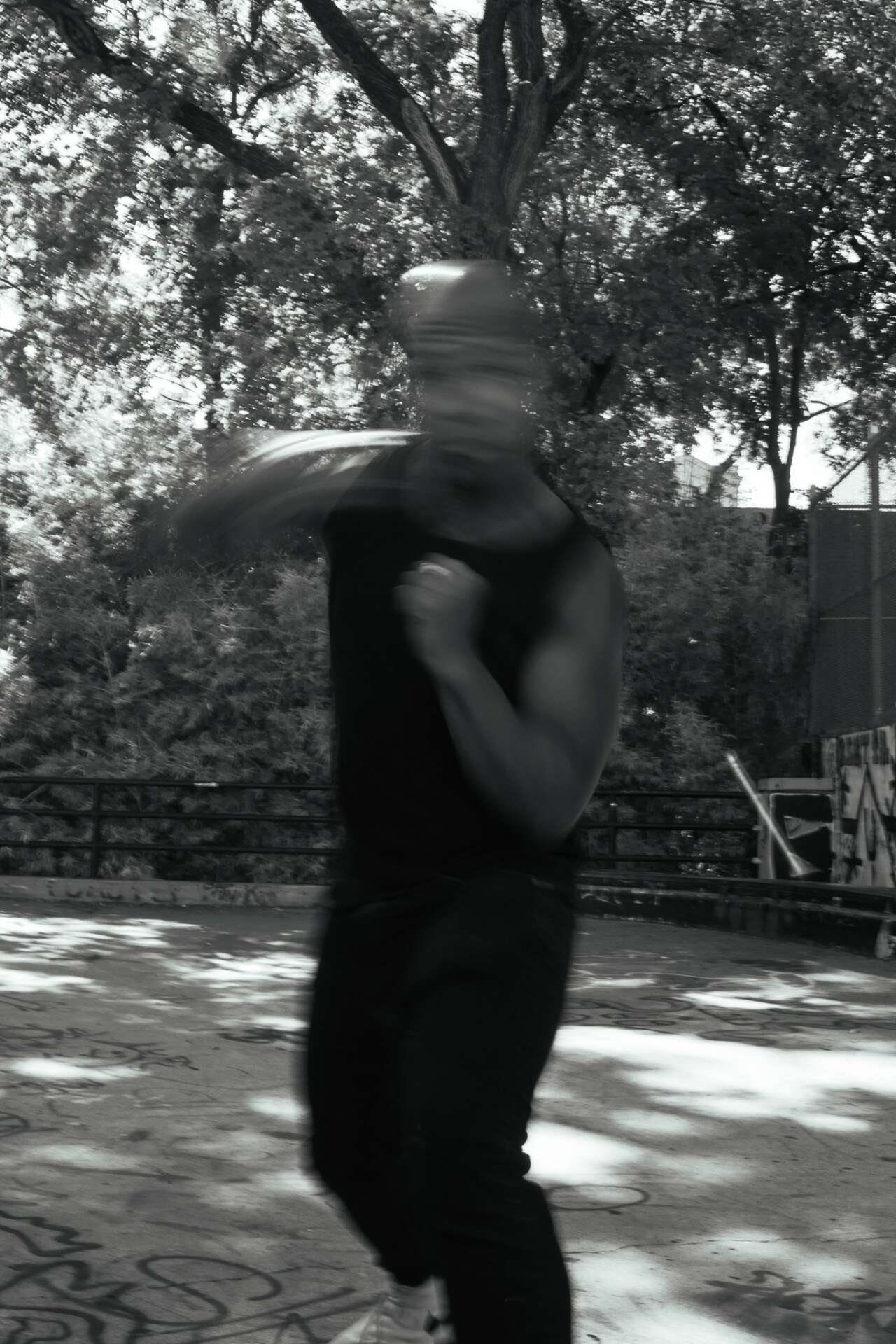
What can society do to ensure an environment that’s helpful to artists and creatives?
Storytellers, devoted to their craft, bring us together as a society. We can support storytellers by funding and promoting thought leaders. When filmmaker John Singleton broke through, we got a wave of black storytellers: the Hughes Bros, F. Gary Gray, Darnell Martin, and Gina Pryce-Blythewood to name a few. The WGA strike proves that we can’t trust corporations to empower thought leaders. But Dave Chapelle gaining ownership over The Chapelle Show again proves that audiences have power. If we want fresh concepts and authentic stories, then we have to go directly to the artist themselves. Imagine a world where the artists and audiences partner. Where they create sustainable channels and processes for authentic stories to gain wide distribution. But more importantly, a world where artists and audiences use stories to connect us all.
If you’re interested in collabing 2 make iconic content like Atlanta or Fleabag without gatekeepers shoot me a message on IG or email me.
Contact Info:
- Instagram: @_jetg
- Youtube: youtube.com/@_JetG/videos
Image Credits
Mark Cortinas, Samson Seablom