

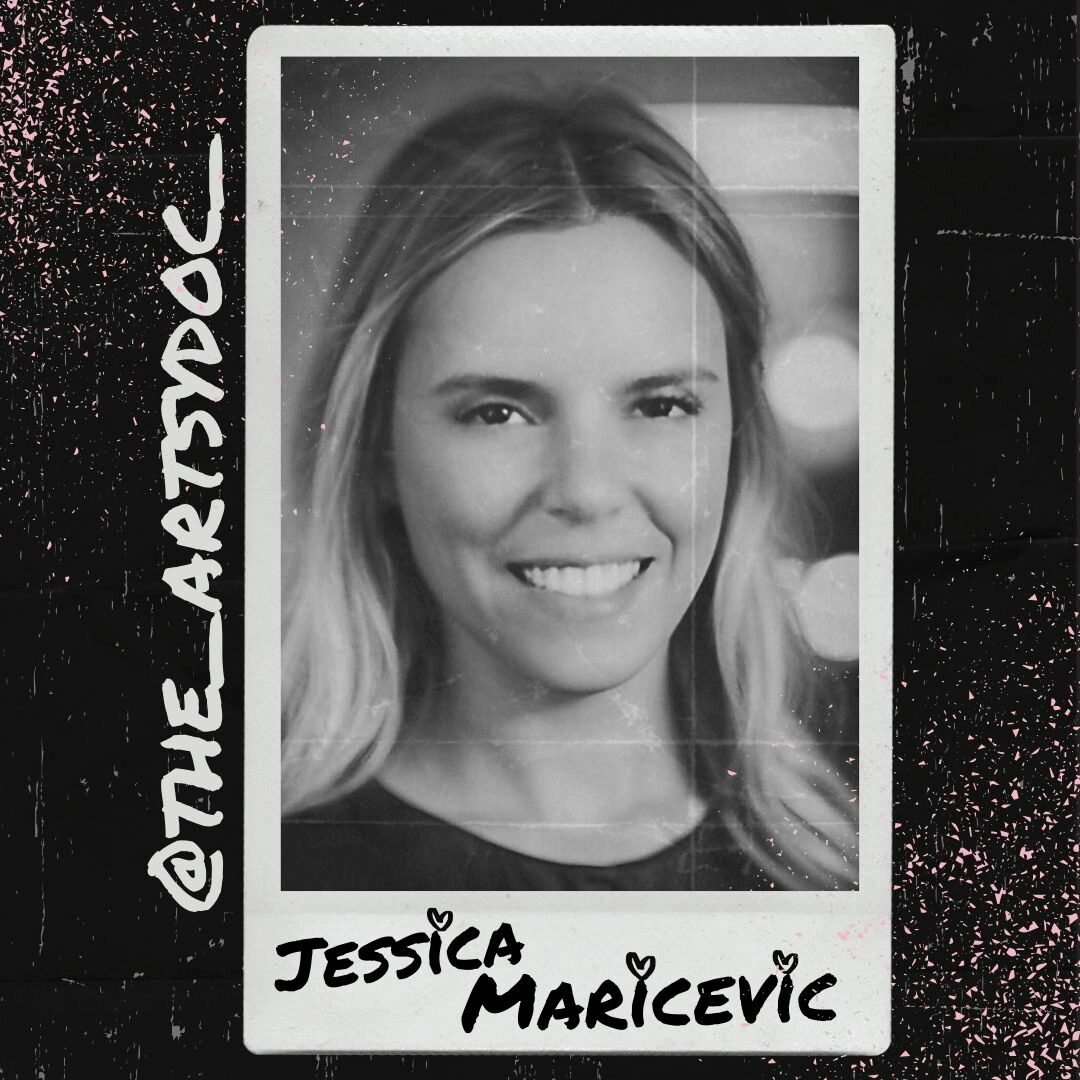

We recently connected with Jessica Maricevic and have shared our conversation below.
Alright, Jessica thanks for taking the time to share your stories and insights with us today. When did you first know you wanted to pursue a creative/artistic path professionally?
As a child and teenager, I always had a deep love for art in all its forms—drawing, painting, writing, even cinematography and photography. However, as I transitioned into adulthood, societal pressures and expectations began to influence my perception of what it meant to be an artist and who could be considered a “bona fide artist.” My biggest fans were (and still are) my family; outside of them, however, it seemed no one else saw me as I saw myself. I started to doubt whether pursuing art as a career was a viable path; the idea seemed elusive and out of reach.
This perception persisted until the onset of the COVID-19 pandemic, which became a pivotal moment of introspection and rediscovery for me. Suddenly thrust into uncharted territory—balancing a confirmed coronavirus diagnosis, remote teaching, and being a mom—I found myself relying heavily on my creative instincts to navigate through the uncertainty. But it’s one particular memory from the early days of the pandemic that serves as an integral part of who I am today. Amidst the stress and worry, I was uplifted by the sound of my son’s laughter echoing through the house. Following the sound, I witnessed a heartwarming scene outside my kitchen window—my then 10-year-old son, flanked by our family dogs, Judge and Daisy. There stood a dynamic trio sharing a moment of pure joy and innocence, and I had the privilege of cataloguing it in the recesses of my mind, feeling a responsibility to do something with it. From that moment, I reclaimed my creativity and sense of self, realizing the power of artistic creations to preserve memories, convey emotions, and facilitate healing.
My bout with COVID reignited my passion for artistic expression and solidified my conviction to pursue a creative path professionally. I understood then that being an artist wasn’t about conforming to societal norms or definitions but about embracing creativity as a fundamental part of who I am. With newfound clarity and purpose, I embarked on a journey to reconnect and expand upon my creative skills, delving into the written word and creating mixed media artworks that span abstract, realism, and surrealism. I even pursued and completed a doctorate in education. In essence, COVID-19 and the challenges it brought were catalysts that allowed me to rediscover and embrace my identity as a creative, a writer, and an artist. This transformative period reaffirmed my calling and ignited a renewed sense of purpose in my creative journey; there is no end in sight to what my creativity will conjure up next—the possibilities are limitless.
Jessica, love having you share your insights with us. Before we ask you more questions, maybe you can take a moment to introduce yourself to our readers who might have missed our earlier conversations?
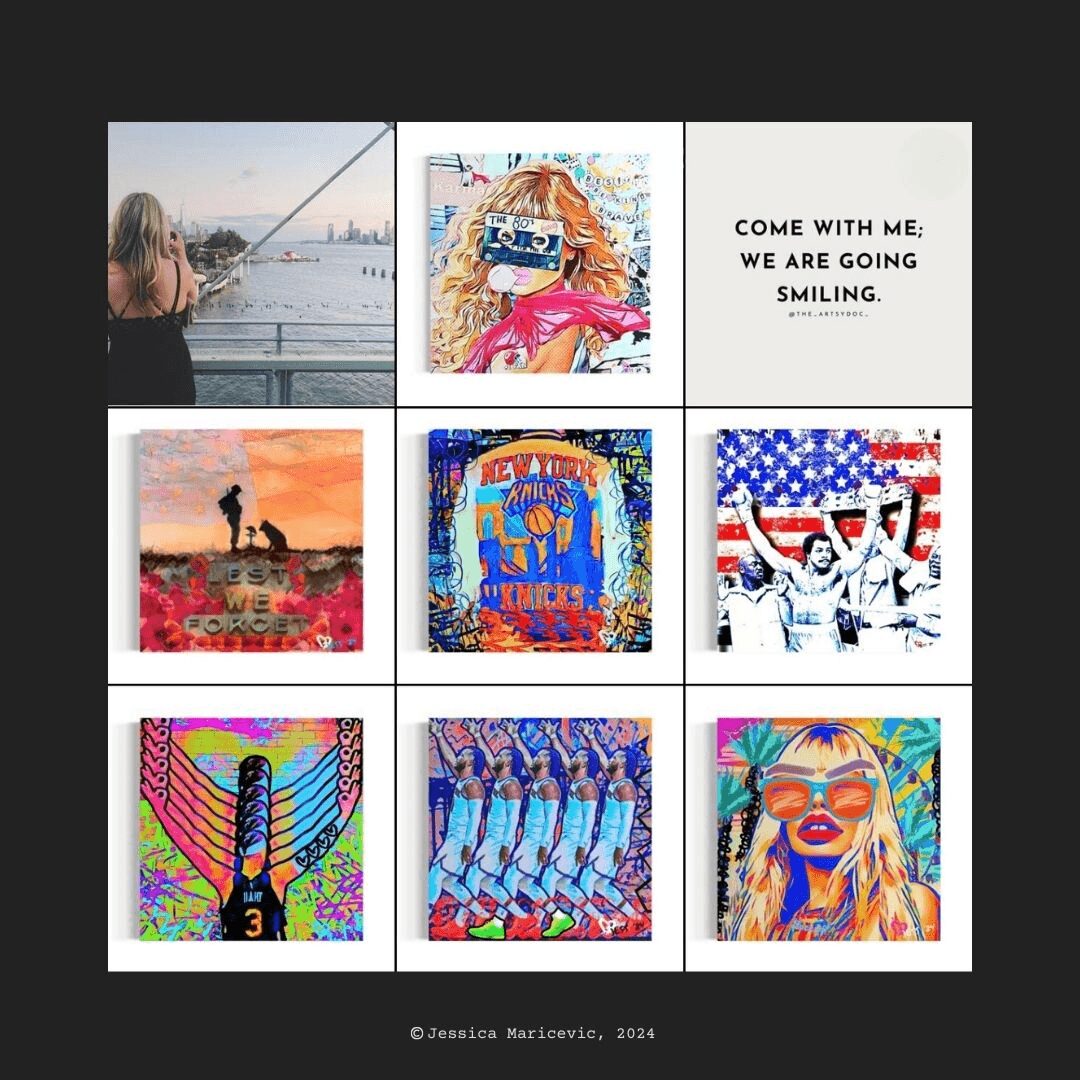
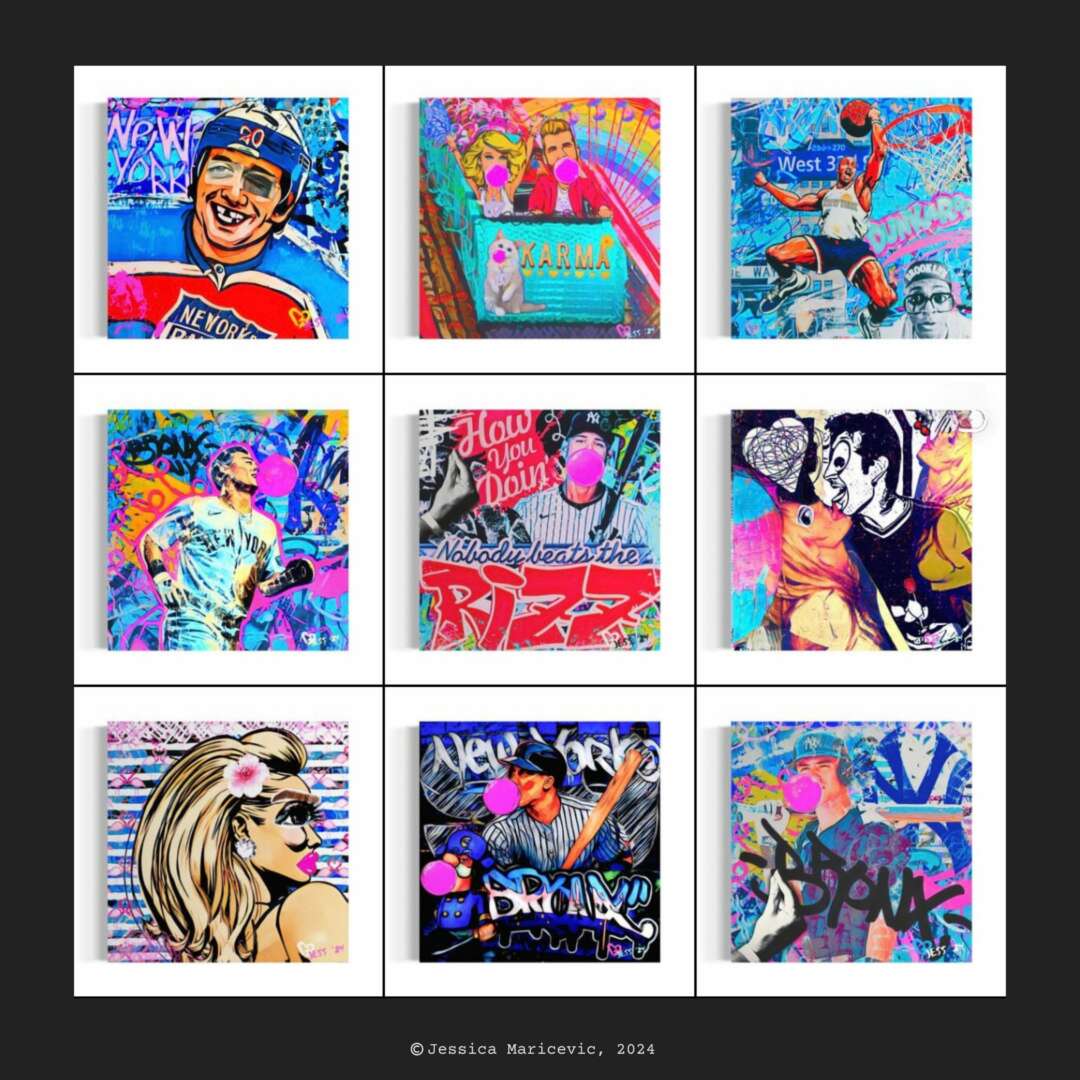
I am a dynamic, self-taught artist and photographer who seamlessly navigates between abstract, realism, and surrealism, forging an artistic path that defies conventional boundaries. My creative journey is fueled by a deep well of inspiration drawn from my interactions with others and my observations of the world, both past and present.
Equipped with a doctorate in education, I embody innovation in my multimodal artistic approach. My creations are a fusion of the tangible and the ethereal, reflecting my mastery of diverse styles and my innate ability to channel creativity into visual stories that resonate deeply with viewers.
When I’m not engrossed in my own artistic ventures, I extend my creative energy to others. I provide invaluable support to private clients, local businesses, and non-profit organizations, helping them bring their creative visions to fruition. As a strategic creative thought partner, I listen attentively and empathetically, leveraging my expertise and inventive thinking to guide projects from inception to completion. My devotion to aligning with a client’s purpose ensures that the end result consistently surpasses expectations, leaving an indelible mark of ingenuity and artistry.
My portfolio is a testament to my unwavering commitment to pushing artistic boundaries, fostering empathy, and leaving an enduring impact on both the creative and human landscapes.
In your view, what can society to do to best support artists, creatives and a thriving creative ecosystem?
In my view, society can do several things to best support artists, creatives, and a thriving creative ecosystem. A great place to start would be in America’s schools and remain a steadfast initiative through the secondary years (middle school and high school). Schools try to prioritize and value arts education alongside core subjects, but it requires a true commitment by educational stakeholders to allow for the organic intersectionality of creativity and learning to simultaneously occur for the 21st century learner.
When schools demonstrate that they value creative expression and provide space for its integration into the curriculum, it entails offering ample resources for arts programs, including funding for supplies, equipment, and dedicated studio spaces. When schools demonstrate that they value creative expression and provide space for its integration into the curriculum, it means providing professional development for all teachers to offer these creative opportunities in the classroom, not just the designated teachers of the arts. With supportive school district and building leaders, teachers in subjects such as English, math, science, and history can integrate creative approaches into their teaching methods, including formative and summative assessments, fostering a holistic educational experience that nurtures both analytical and creative thinking skills in students. These efforts ultimately benefit not only the students in the present and future but also humanity in the long term.
An investment in arts education and supporting creative initiatives from early childhood through high school, school districts and educational leaders can cultivate a generation of individuals who are not only academically proficient but also innovative. A comprehensive commitment ensures that creativity is valued as an essential component of education, preparing students to thrive in a diverse and dynamic world. This approach equips students to make 21st-century contributions to the cultural and creative landscape of society, regardless of the paths they choose after high school.
Is there something you think non-creatives will struggle to understand about your journey as a creative?
There’s often an assumption that artists fit a specific mold—perhaps artists are expected to have pursued formal art education or exhibit their work in galleries regularly. Non-creatives may struggle to understand certain aspects of my journey as a creative, especially when they express surprise with comments like, “I didn’t know you were an artist,” or “I thought you were an English teacher,” or “Don’t you have your doctorate?” Reactions like these often stem from stereotypes and preconceived notions about what it means to be an artist.
What non-creatives may not realize is that creativity can manifest in countless ways, and there’s no singular path to being an artist. For me, creativity isn’t just about producing visual art; it’s about how I approach problem-solving, communicate ideas, and interpret the world around me. Creativity is infused into everything I do, whether it’s teaching, parenting, or engaging in community projects.
Another aspect non-creatives might find challenging to grasp is the depth of personal fulfillment and identity that creativity brings. For creatives like myself, artistic expression isn’t just a hobby or a skill—it’s an integral part of who I am. It’s about exploring and pushing boundaries, embracing uncertainty, and finding beauty in unexpected places. It’s a constant process of growth and self-discovery, and I love it.
Non-creatives can support creatives by recognizing and celebrating the diverse paths and forms of creativity, and by appreciating that the ‘artist’ label doesn’t always neatly conform to conventional expectations, nor should it. By embracing individuality and understanding the multifaceted nature of creativity, non-creatives can foster an environment where all forms of artistic expression are valued and respected, motivating creatives to continue on their artistic journeys.
Contact Info:
- Website: https://www.jessicamaricevic.com
- Instagram: @the_artsydoc_
- Linkedin: https://www.linkedin.com/in/jessica-maricevic-ed-d-b36840173
- Twitter: @empathic_paws
- Youtube: https://www.youtube.com/@TheCreativeGood
- Other: https://www.empathicpaws.com
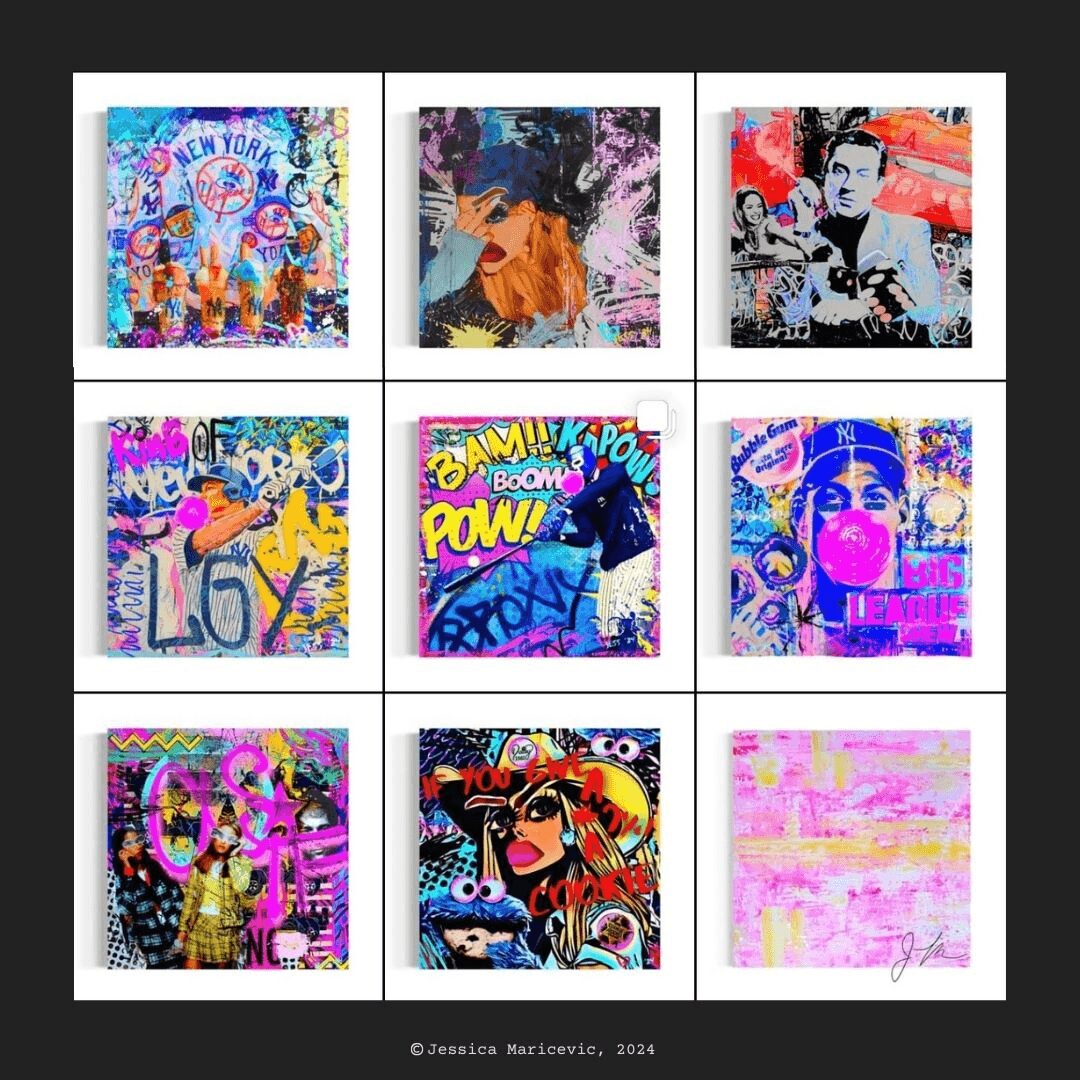
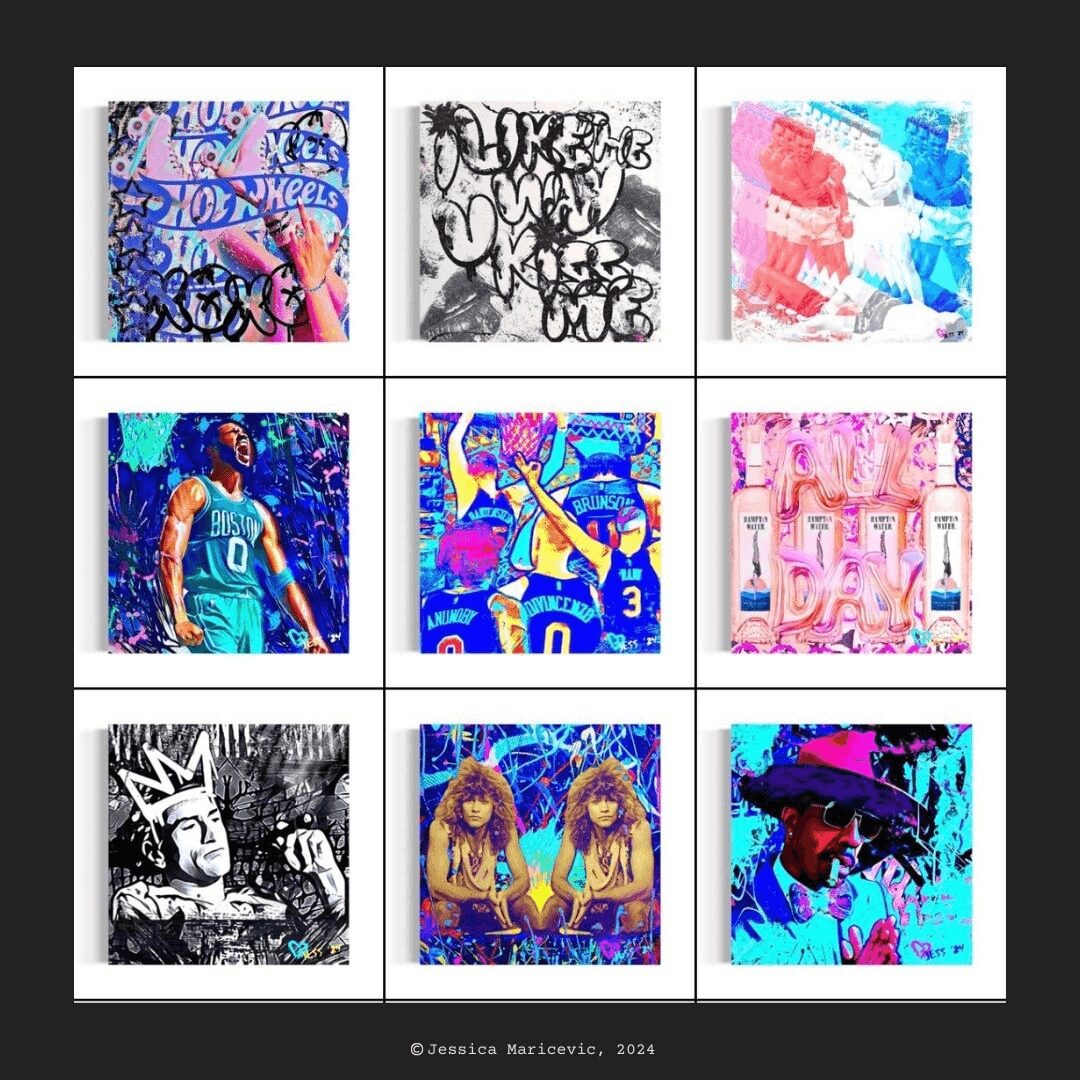
Image Credits
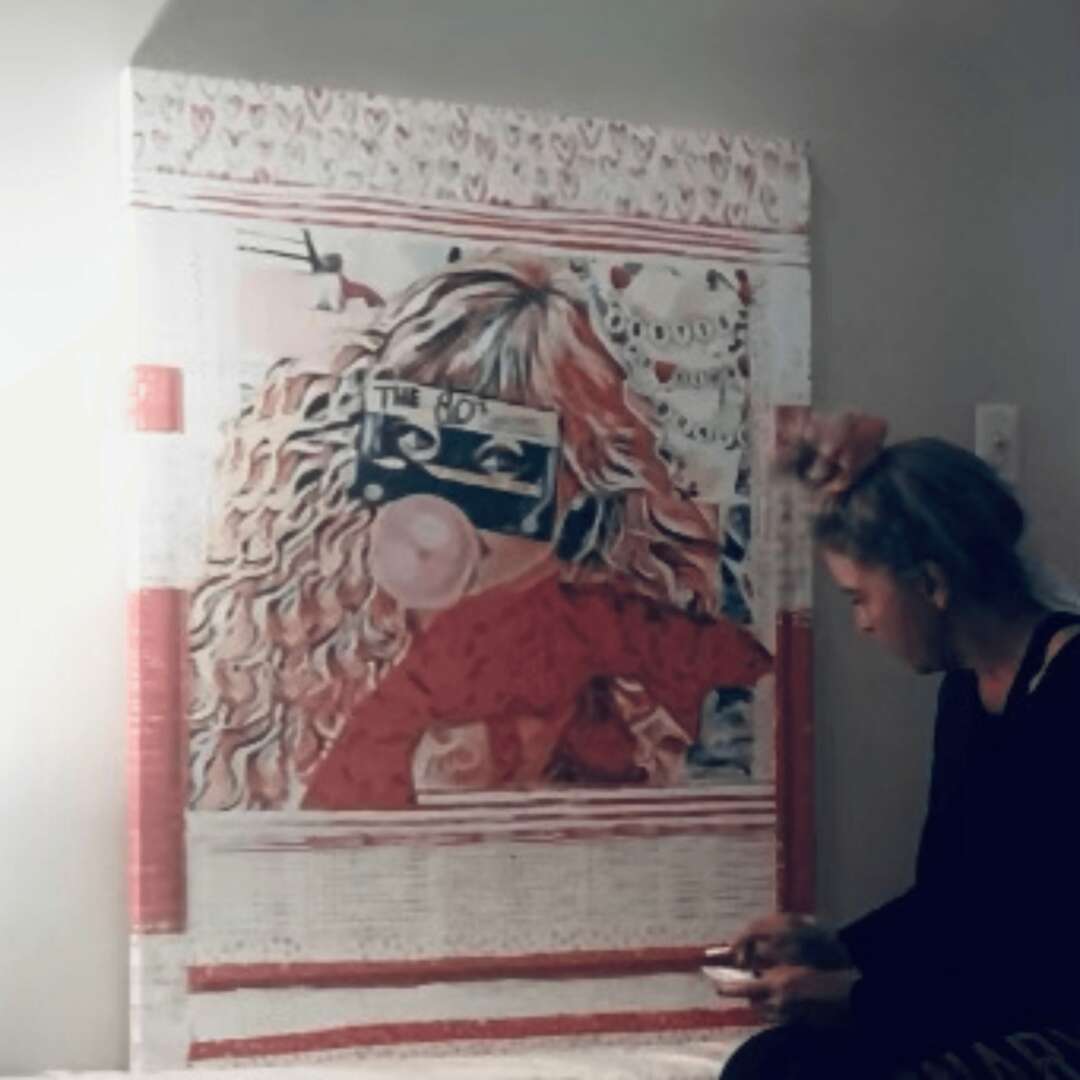
The image of me painting was taken by my son, Jacob Burack.