
We caught up with the brilliant and insightful Jessica Mannisi a few weeks ago and have shared our conversation below.
Jessica, looking forward to hearing all of your stories today. Can you talk to us about a project that’s meant a lot to you?
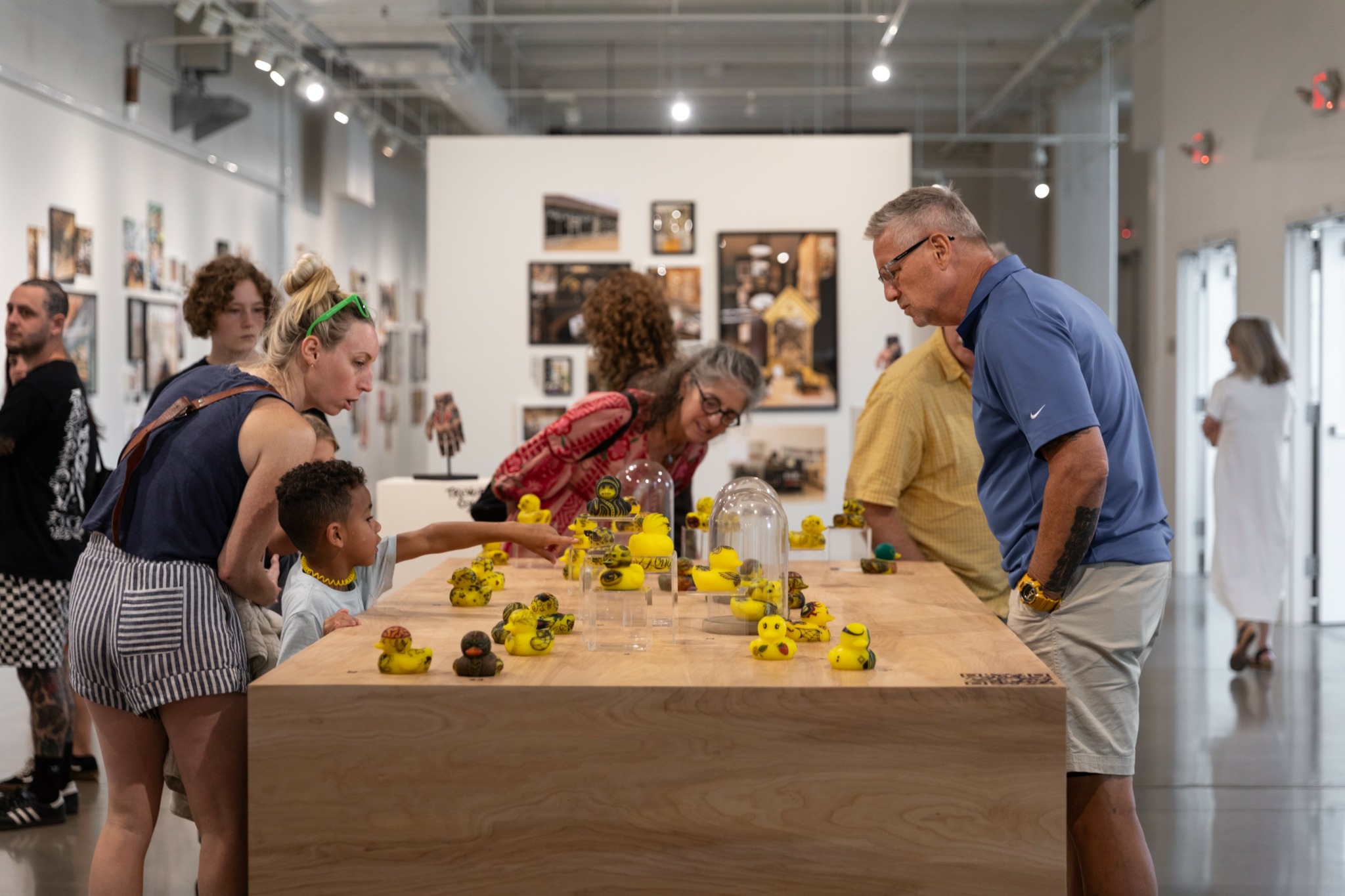
One of the most meaningful projects I’ve had the honor to work on in recent years was Missouri Ink, an exhibition focused on the art of Missouri tattoo artists.
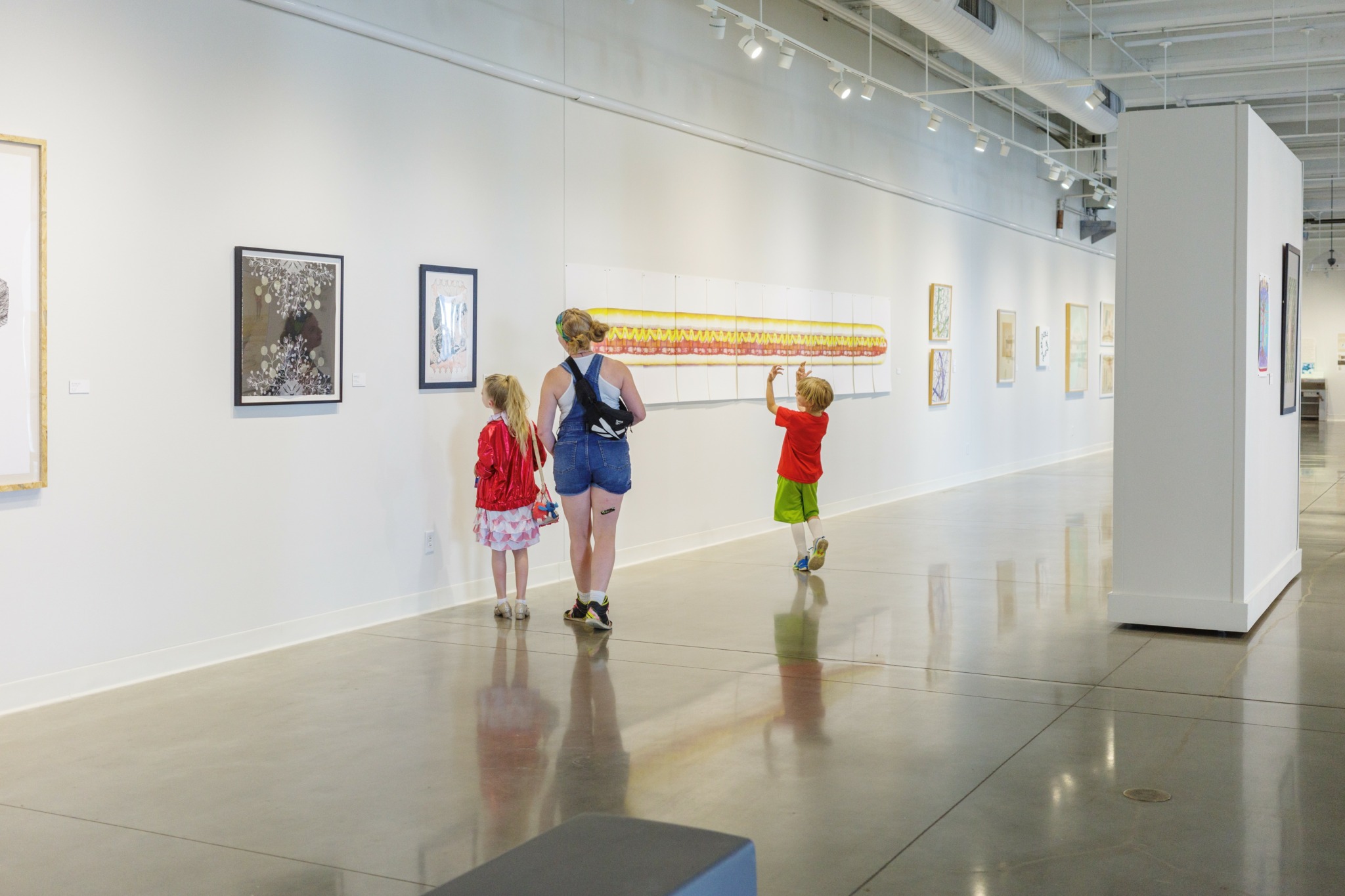
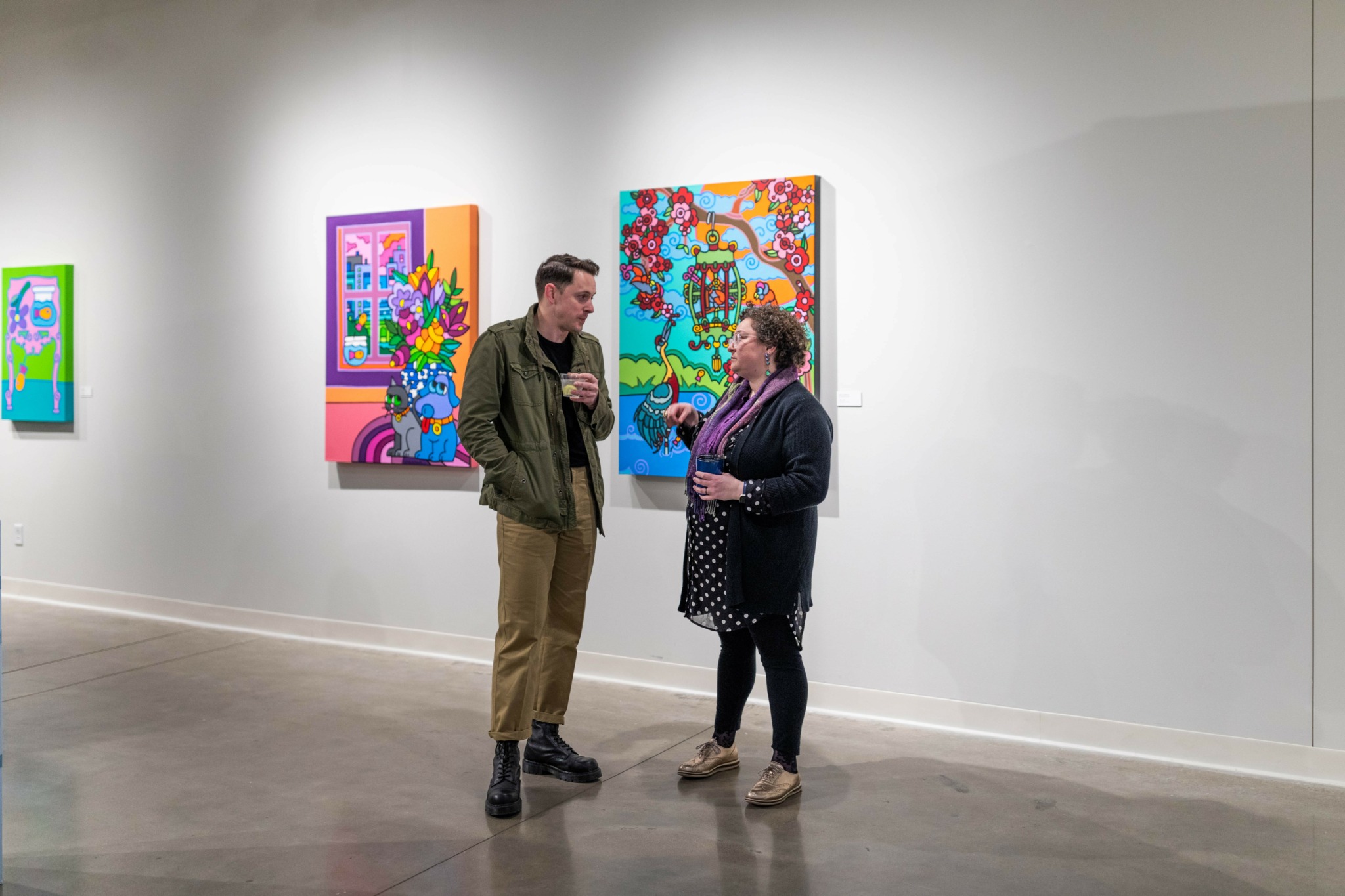
My passion and primary mission as the director of exhibitions at the Foundry Art Centre is to highlight the incredible talent of our region’s artists. I love building relationships with artists of all media, learning more about their practice, their backgrounds, and what keeps them engaged as artists.
When the Foundry was presented with the opportunity to host a tattoo-themed arts/crafts/tattoo event, an opening in our exhibition scheduled allowed us to explore a potential exhibition focused on tattooing that could correlate with the event and provide a more in-depth frame of reference on the art form.
Having a background in this area (my thesis exhibition was on the cultural convergence of body modification), I understood there were countless angles in how we could approach this topic. Tattoos have a long and profuse history without a singular point of origin. Cultures around the world have used tattoos for a variety of purposes, from decoration to status symbols, religious rites, to medical purposes. And archaeological evidence suggests that tattooing may go back as far as 12,000 BCE. It’s an understatement to say that there’s a lot to digest with the medium.
After my initial hesitation with the potential scope of this project and a desire to create an exhibition from a fresh perspective, my team and I brainstormed, and the direction became obvious: focus on the region’s artists who work in this media.
From there, I began the process of researching and connecting with tattoo artists from across the state of Missouri, practically begging them to give us a glimpse “behind the curtain” in their studios.
I was overwhelmed with the response. Artists and studios were so excited about the project, and were incredibly warm and welcoming. They gave my photographer (Mary Van Winkle) and me unlimited access to the inner workings of their worlds. The conversations we had with the artists were unparalleled – from their backgrounds, their challenges as artists, the local histories of tattooing, and how the field has grown and changed over the past few decades, to name a few.
On opening night, with the gallery exploding with photographs of the 23 participating studios along with the artwork from the hundreds of artists associated with them, the reception was alive, inspiring, and heartwarming. The artists were humbled and proud to see their artwork treated at the same caliber as “museum-quality” work, an arbitrary designation which I was well aware of when mounting this exhibition, and one that I was determined to have visitors contemplate.
The exhibition was a chance for the area to see an art form that many are unfamiliar with, or didn’t traditionally associate with “fine art.” On the other hand, those who love tattoos found the exhibition a great chance to see tattooing celebrated and an opportunity to scope out their next inking spot.
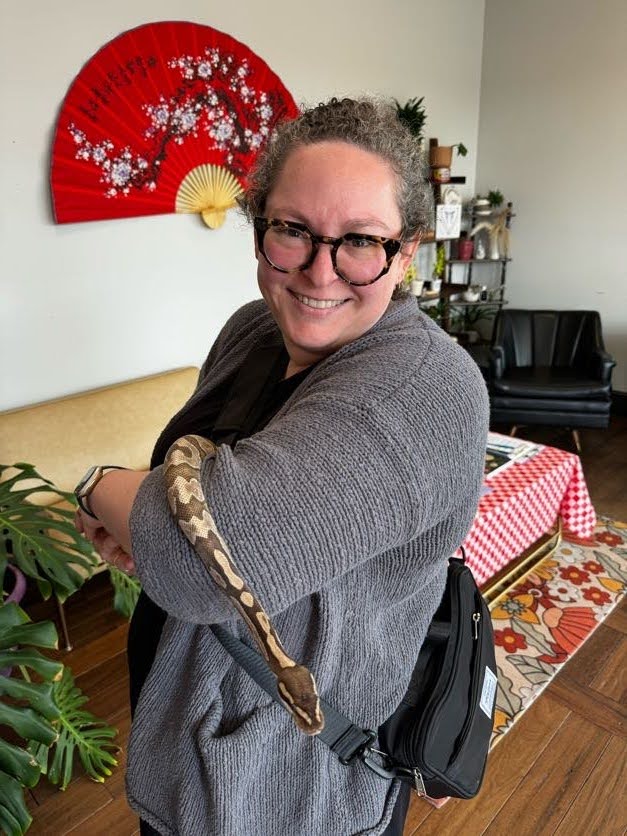
Jessica, before we move on to more of these sorts of questions, can you take some time to bring our readers up to speed on you and what you do?
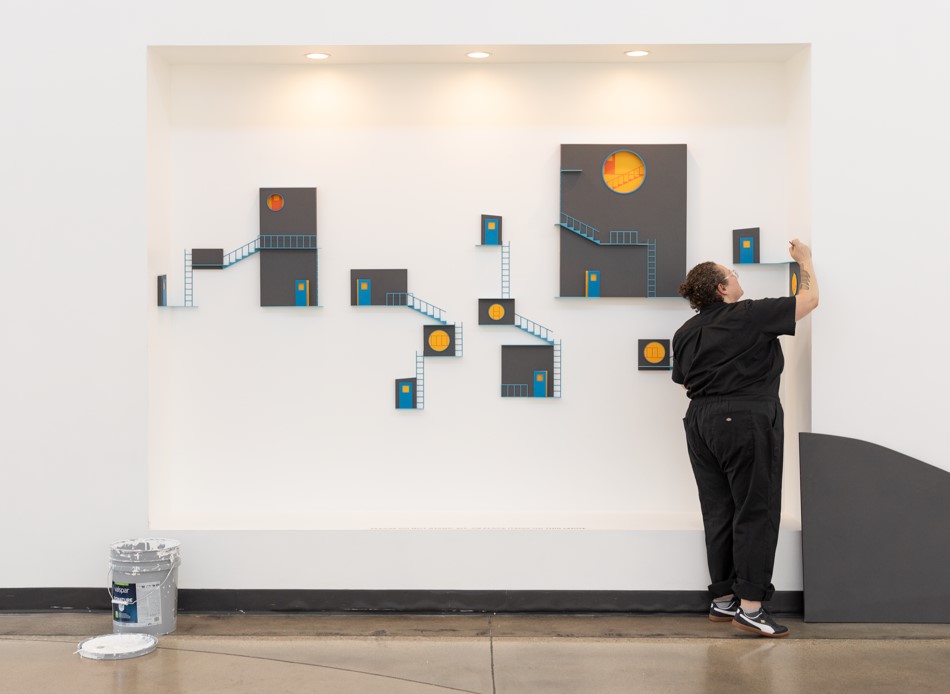
Since 2020, I’ve been the director of exhibitions at the Foundry Art Centre in St. Charles, Missouri, leading the exhibition programs for the Main Galleries and organizing the Foundry’s large-scale art events and programs, including the annual Block Party, Tattoo Arts & Crafts Fair, Fire Arts Fest, Grand Hall Mural Project, and the First Friday Series.
I earned my bachelor’s in Art History from Southern Illinois University – Edwardsville, master’s work in Art History at the University of Wisconsin-Milwaukee, and a graduate degree in Museum Studies at Southern Illinois University – Edwardsville.
After completing an internship during my graduate work, I was very fortunate to be hired on as the curatorial assistant of the William and Florence Schmidt Art Center at Southwestern Illinois College, and was soon promoted to assistant curator, cutting my teeth in all aspects of the museum/gallery field.
After 8 years at the Schmidt, I transitioned to independent curating and consulting, gaining new skill sets working one-on-one with regional artists, curating the permanent collection for the Angad Arts Hotel with Art Saint Louis, and revamping and leading the curatorial programs at Houska Gallery.
Name just about anything in a gallery/museum setting and I can tell you I’ve done it. Currently, as the director of exhibitions at the Foundry Art Centre, I’m also the curator, preparator, and art event coordinator. I also assist with web/social media, marketing, managing the gift shop, and more.
The Foundry is huge, and I like to think huge.
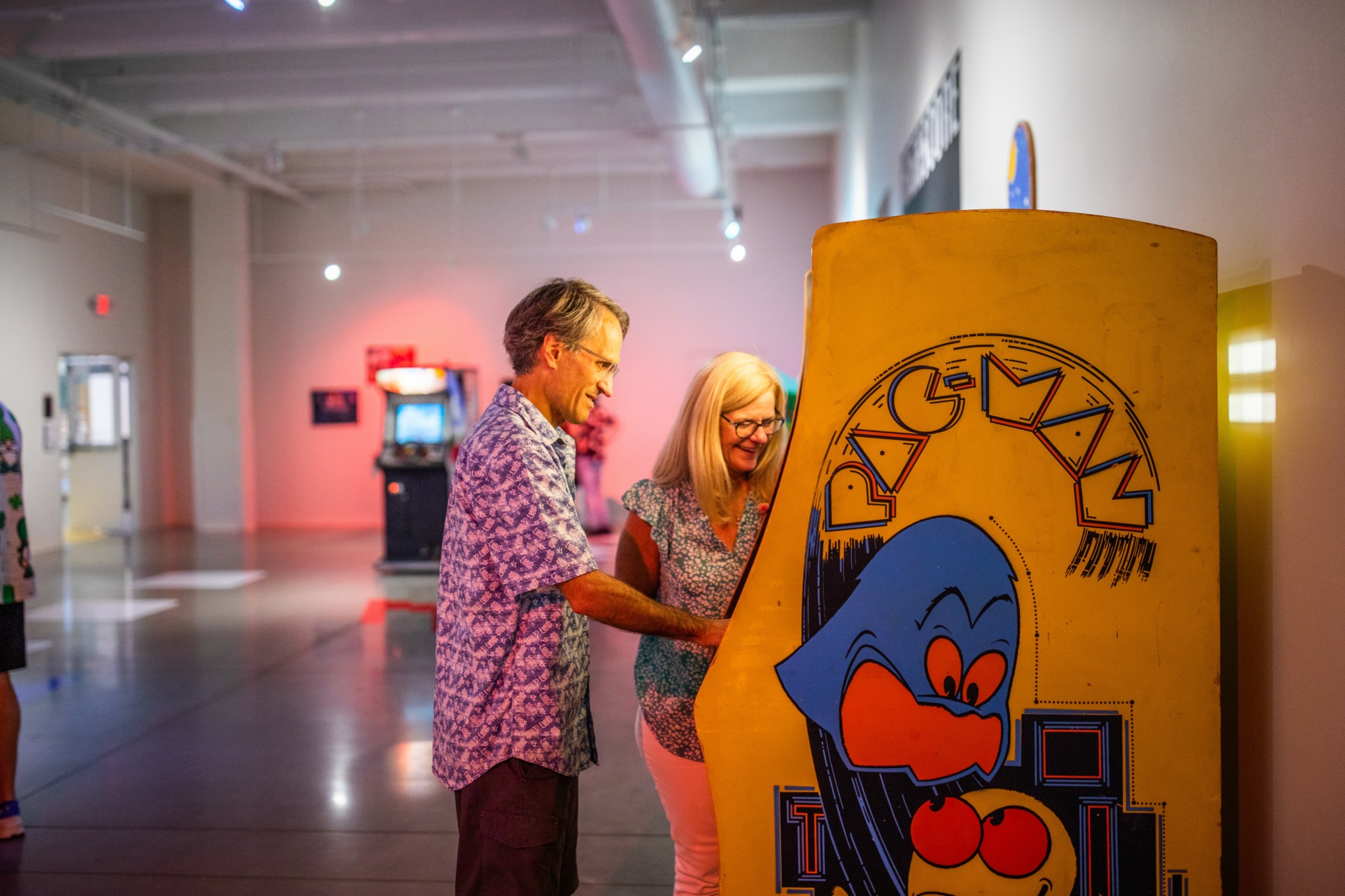
The primary facet of my position is determining the curatorial direction of most public-facing art that you see in the Foundry. The 3600sqft Main Galleries are under my purview, so a large chunk of my time is spent there: researching artists and contemporary art trends, meeting with potential artists in their studios, creating the exhibitions schedule, working with exhibiting artists, installing the exhibitions, and marketing the artists and their works.
I’m also proud to be the lead for our large-scale art festivals – the Block Party, the Tattoo Arts & Crafts Fair, Merry Makers Market, and our new baby the Fire Arts Fest.
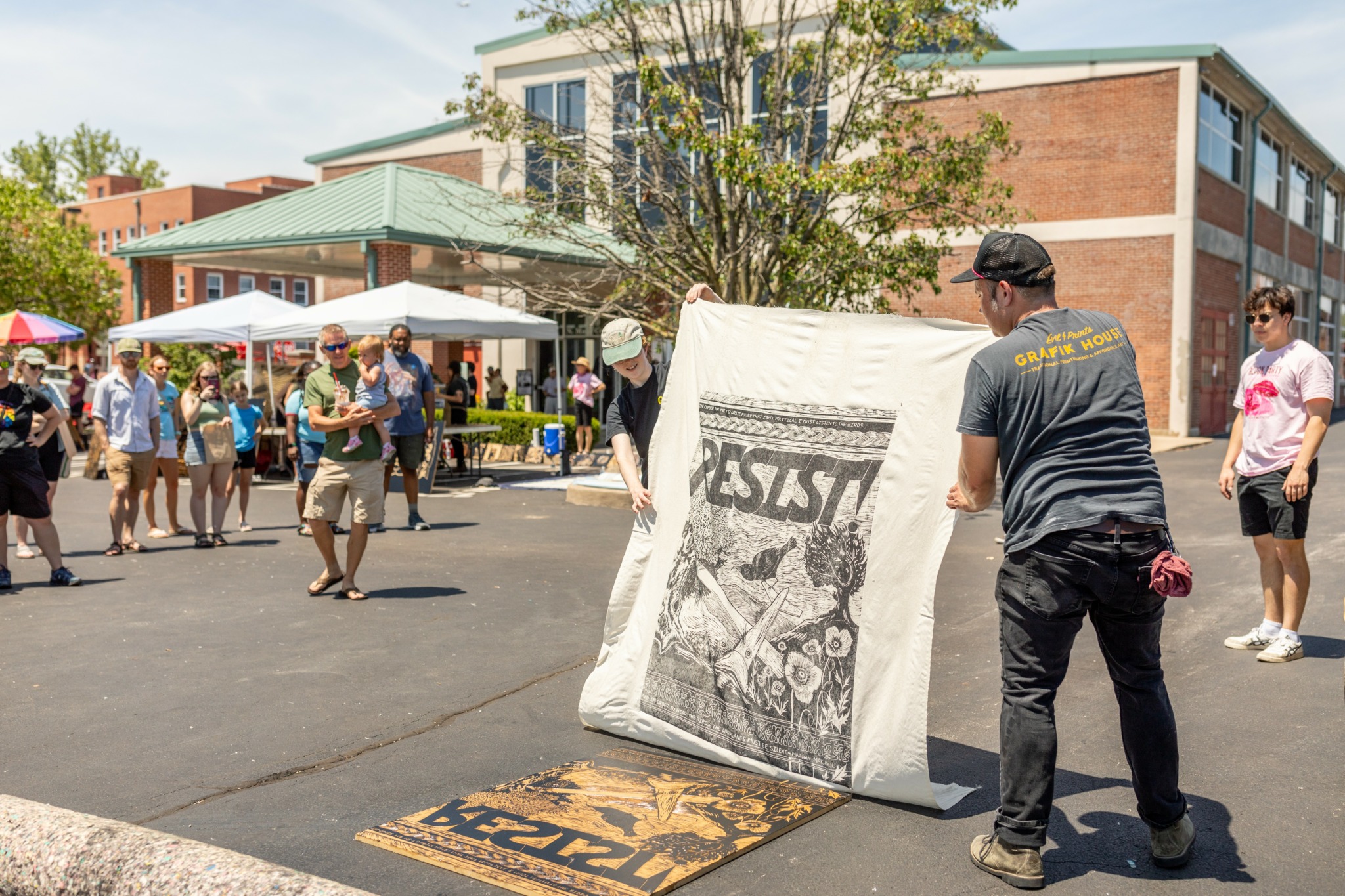
Our Block Party is our annual summer steamroller printing event, now entering its 5th year. Working with printmakers and area print shops, the Block Party aims to showcase all types of printmaking, including the signature event of large woodblock prints made with a steamroller! It has become wildly successful, drawing in over 4,000 visitors each year. It’s amazing to shine a spotlight on the incredible printmakers from the region and beyond.
I’m hoping to strike lighting twice with the introduction of the Fire Arts Fest, our new annual winter festival, which will feature art made with heat and fire – think glass, ceramics, encaustics, metal works, and fire performers.
In everything I do, I strive to get people excited about art. Some of my best conversations have been with visitors that feel that they aren’t “an art person” and that art isn’t for them. Art is for everyone. The drive to create is inherent in each of us, we just have to be reminded of that from time to time and discover, or rediscover what resonates.
To this end, I’ve put on some exhibitions that are really outside the box, such Wag: an exhibition FOR dogs that was mounted at the beginning of 2024. The exhibition really was curated for dogs, with artwork that wasn’t only dog-themed, but also catered to dogs – almost everything was hung at dog eye level, the works were all in dog-friendly color palettes, and we even planted scented items behind artwork to entice our four legged visitors. But it wasn’t just a gimmick. There were some incredible artists featured in the show, and those who didn’t bring their pets along enjoyed the exhibition just as much as pet owners did. I think it was a perfect reminder that art can be fun.
What do you find most rewarding about being a creative?
My career is incredibly rewarding in so many ways, but perhaps most of all, I’m humbled by the relationships I’m fortunate enough to develop with each artist.
When working on an exhibition with an artist, there’s a lot of trust that’s required from each of us. Learning about the artist’s background, personality, and beliefs; their practice; and their inner workings can be intense! It’s incredibly rewarding to take this journey with them and present their efforts on a public stage.
Looking back, are there any resources you wish you knew about earlier in your creative journey?
Business classes and interpersonal relations.
I don’t think I really realized how many contracts I’d author or review and the legalities I would navigate as a curator. While my museum studies degree gave me a step up, there was still a steep learning curve with the business-end of working in a gallery.
I’m also a classic introvert. Starting out, I didn’t realize how much socializing and networking would be required in my profession. Whether it’s leading a tour, speaking with visitors, talking with colleagues, chatting at openings, and getting deep with artists during studio visits, it’s a lot of talking and putting yourself out there. At the beginning, I managed this with a lot of “faking it ’til I made it,” to be honest. I also took a lot of cues from my late father, who was the absolute master with interacting genuinely with people.
Contact Info:
- Website: jessicamannisi.com; foundryartcentre.org
- Instagram: @jessica_mannisi
- Linkedin: https://www.linkedin.com/in/jessica-mannisi/
- Other: Email: [email protected]