


We were lucky to catch up with Jessica Brackett recently and have shared our conversation below.
Jessica, thanks for taking the time to share your stories with us today Do you feel you or your work has ever been misunderstood or mischaracterized? If so, tell us the story and how/why it happened and if there are any interesting learnings or insights you took from the experience?
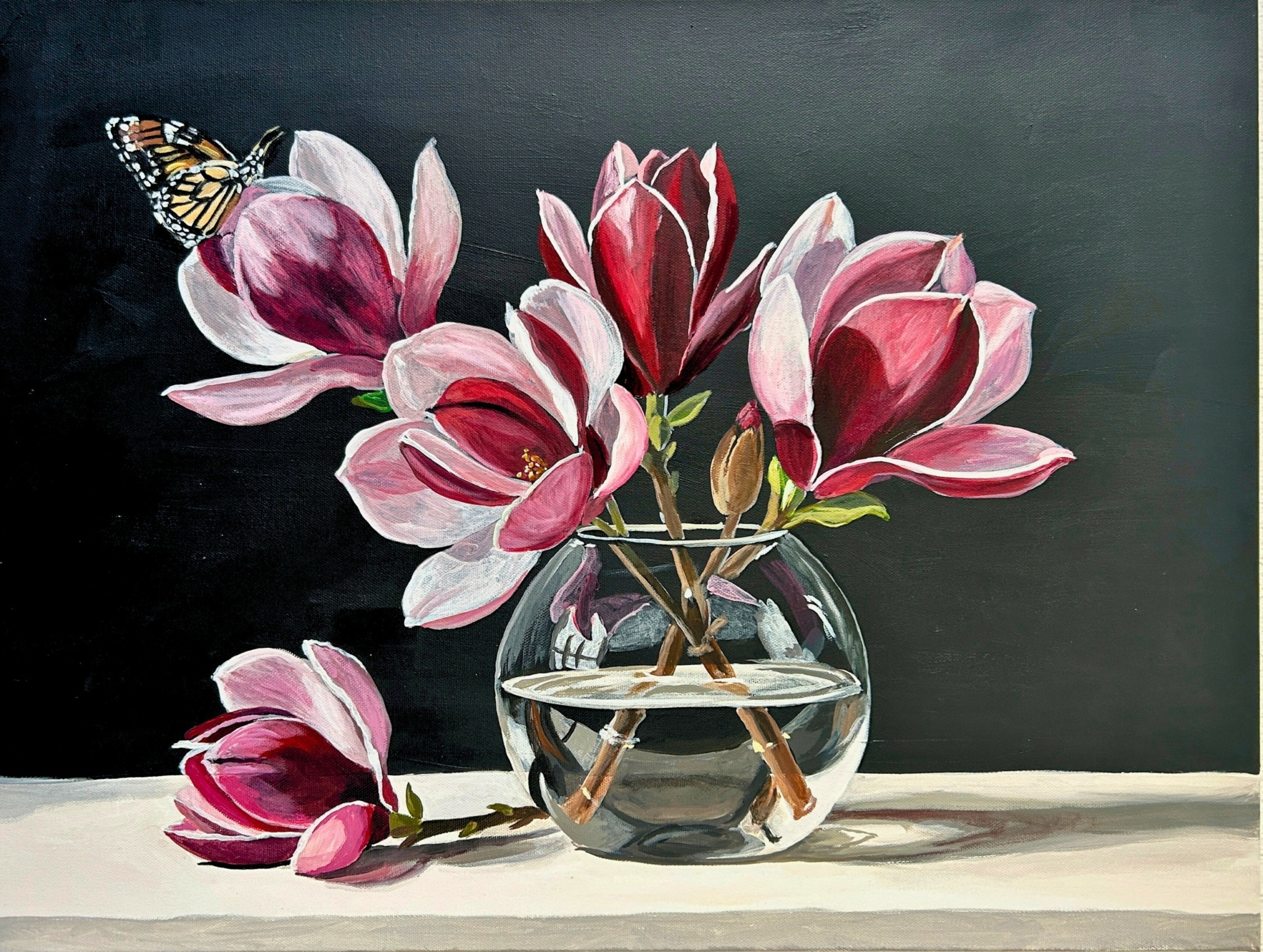
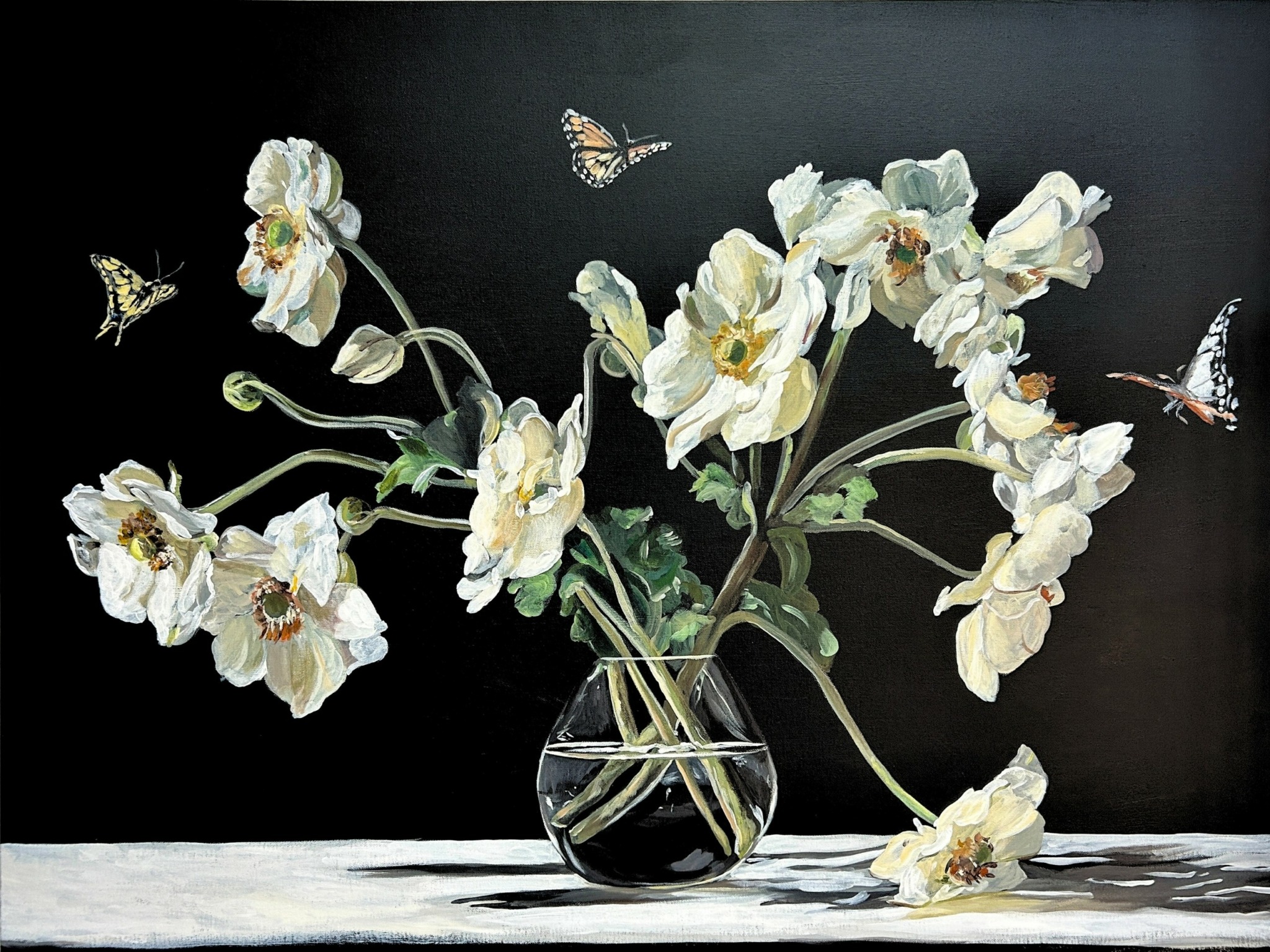
My work has often been described as beautiful, decorative, or “too pretty,” with the assumption that beauty and tradition preclude meaningful content. Still life, in particular, is sometimes dismissed as regressive or stale. I understand why that reading occurs within a contemporary art context that often celebrates work that is large, loud, and immediately legible. In contrast, my paintings are intimate, restrained, and intentionally out of step with that expectation. When seriousness is equated with explicit social or political messaging, quieter forms of art are easily overlooked.
The absence of overt political content in my work is deliberate. I am more interested in timeless absolutes: beauty, the natural world, visual harmony, and the shared human capacity for attention. Richness of surface, lushness of color, and the physical language of paint speak more powerfully to me than ideology or posturing. What we hold in common matters more to me than what divides us into camps. My choice to work in still life and realism reflects this belief. By removing overt narrative, the paintings place their weight on composition, material decision-making, and the act of sustained looking.
Over time, I’ve learned that the audience for this work exists, even if it arrives slowly. I’m always moved when I meet someone who shares a reverence for the quiet beauty of the natural world: the fragility of a butterfly’s wing, the curve of a flower petal, the soft fall of light across water. Being overlooked early on has ultimately been a gift. It has given me clarity, strengthened my integrity, and allowed me the time to build my craft patiently before stepping into wider visibility.
As always, we appreciate you sharing your insights and we’ve got a few more questions for you, but before we get to all of that can you take a minute to introduce yourself and give our readers some of your back background and context?
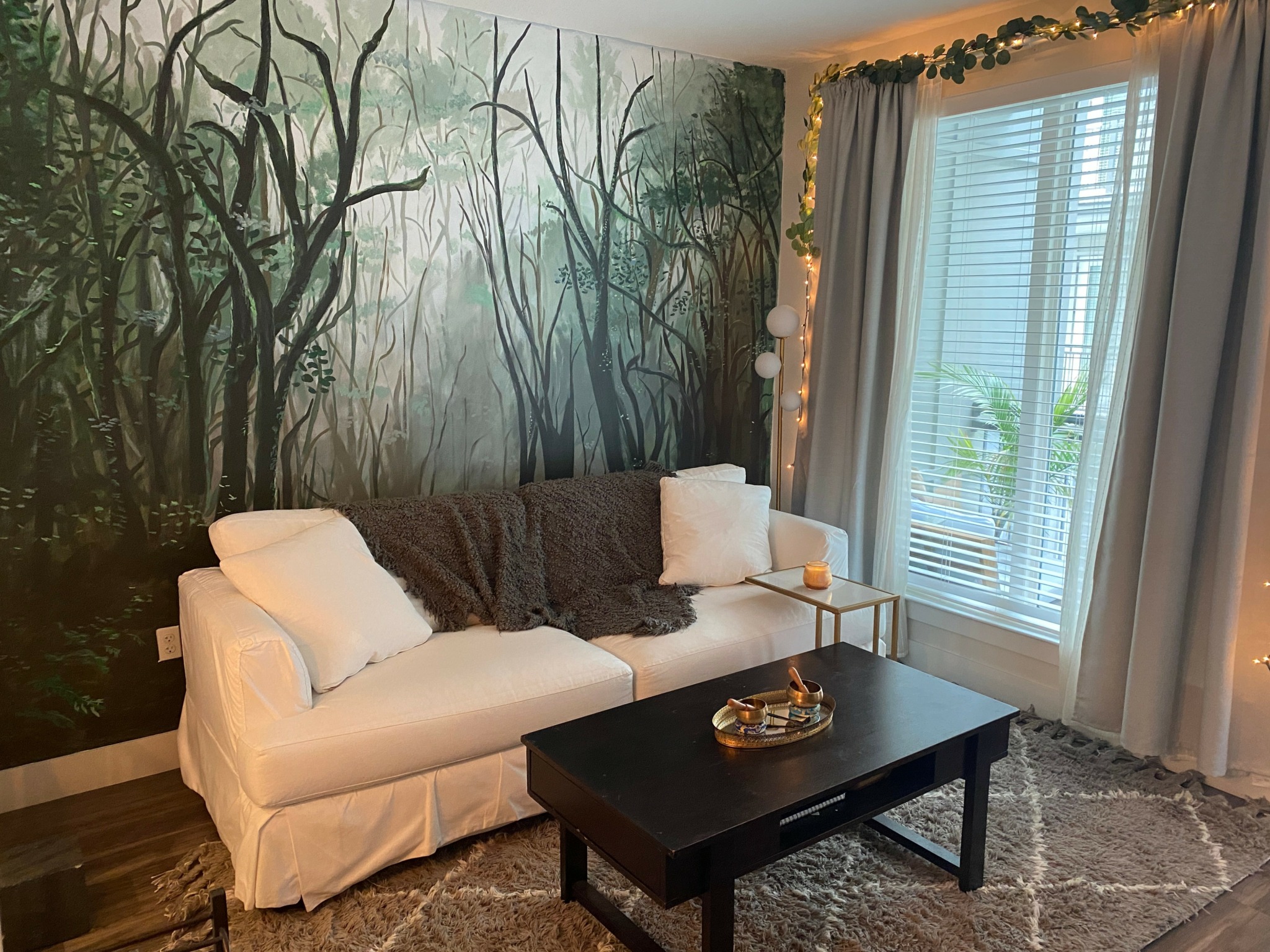
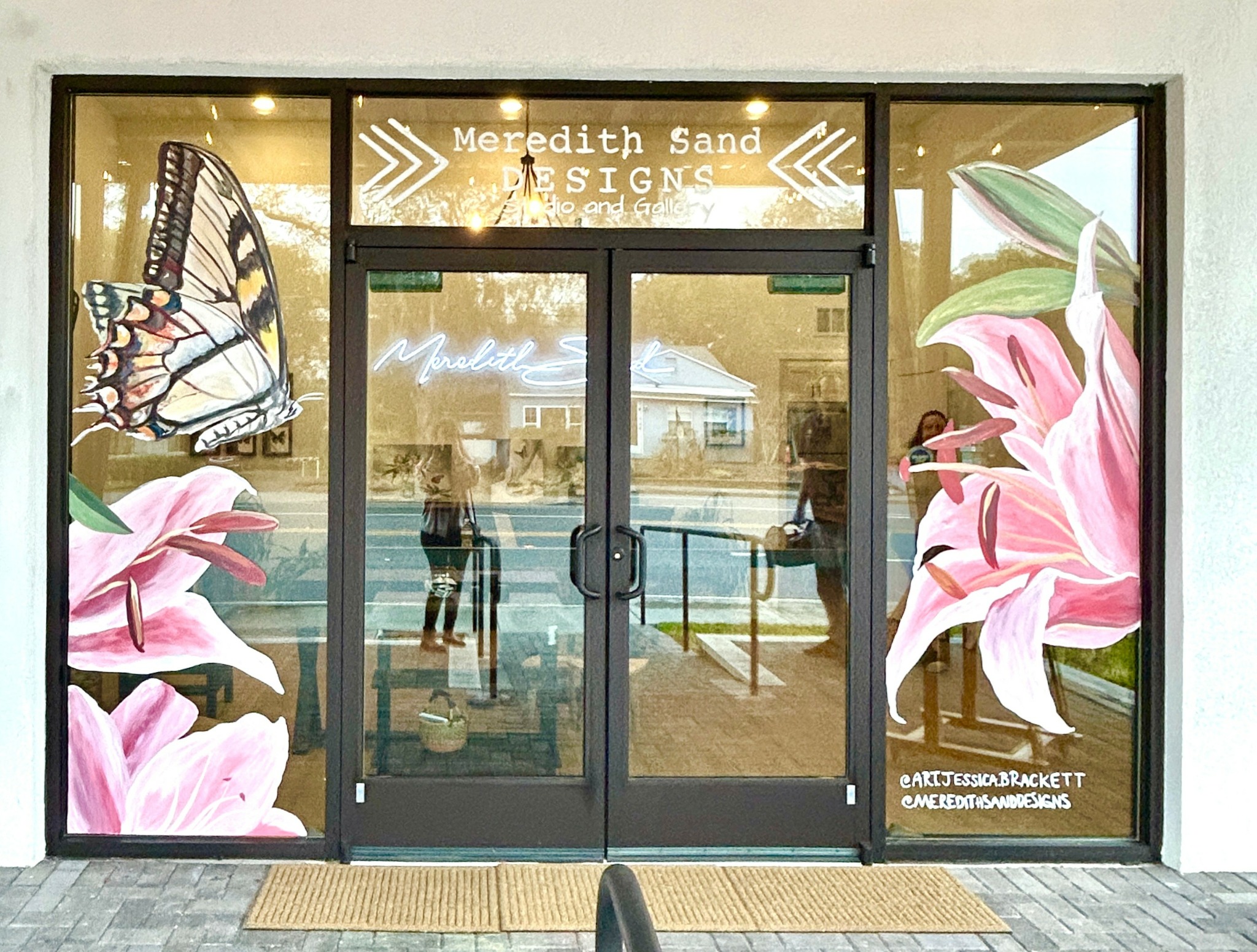
I am a classically trained painter with a degree in Painting and Art History. My work spans murals and still life paintings created for clients who value nature, beauty, and calm, elegant spaces. I came to this practice through years of painting still lifes of plants and decadent desserts, focusing on composition, materiality, light, and the subtle ways color shifts with changes in illumination and placement. Much of my early career was spent in the studio, honing my eye and developing a visual vocabulary rooted in attentiveness and restraint.
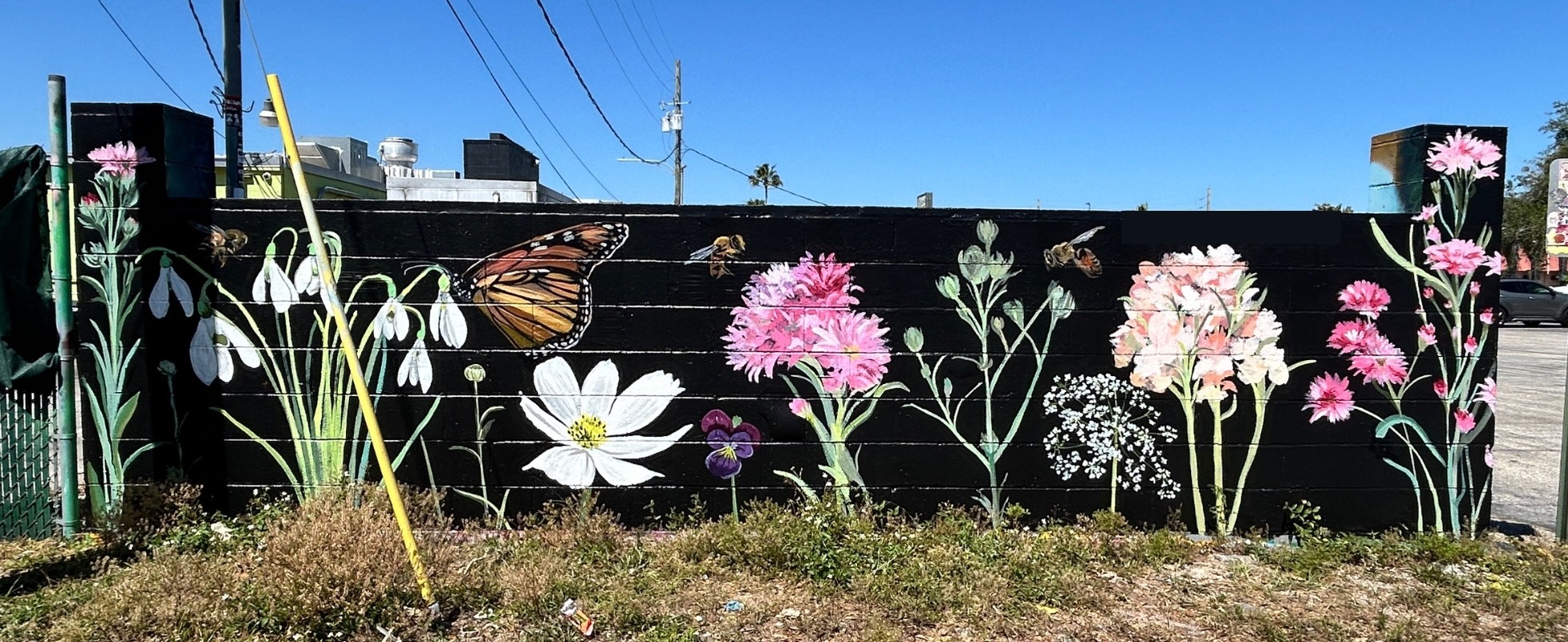
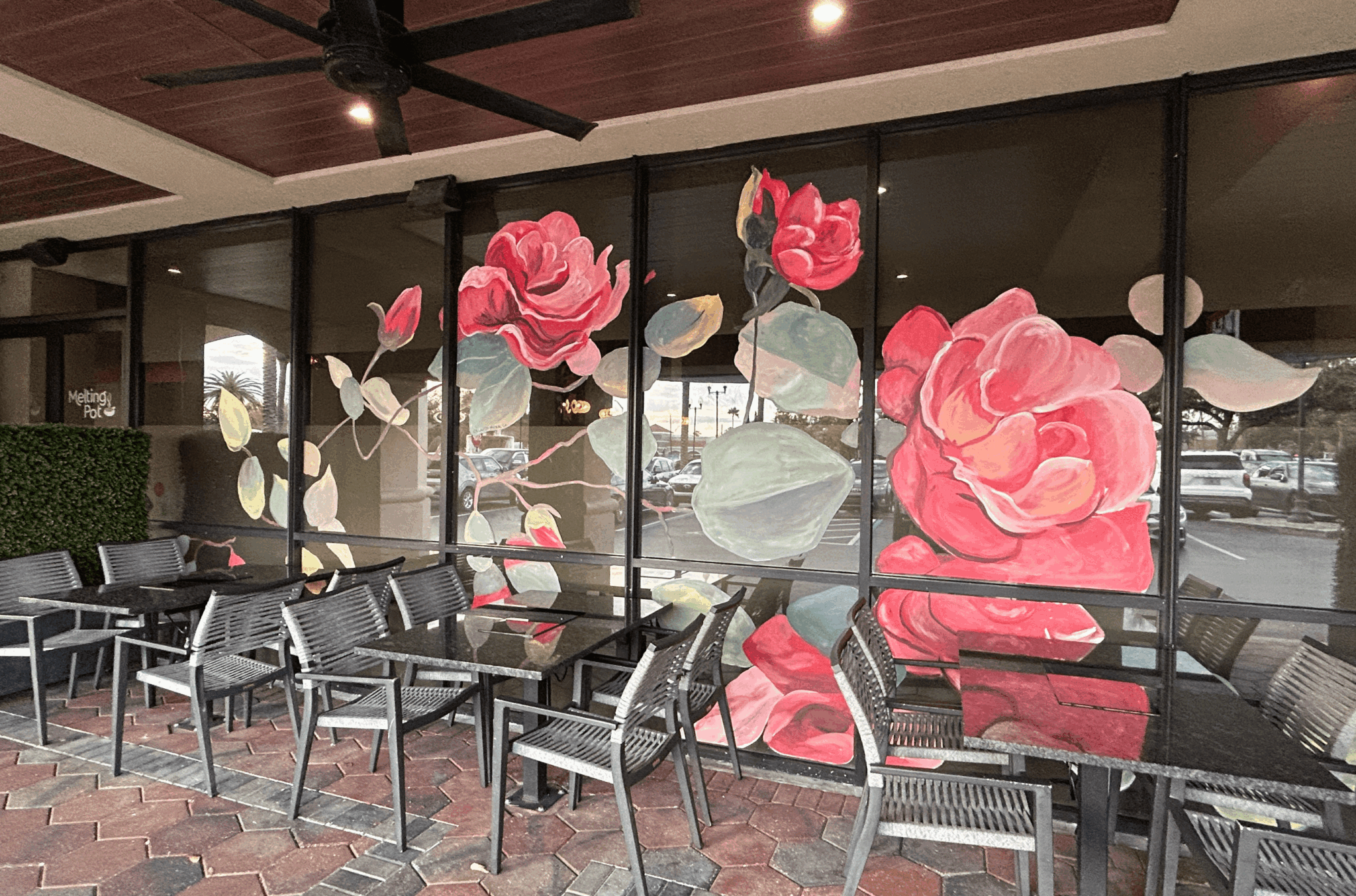
Although my training included installation art, painting has always been the foundation of my practice. I bring that installation mindset into my mural work, approaching each project as a site-specific composition that responds to the architecture and atmosphere of the space. I work primarily in oil and acrylic, and in latex paint for murals. Whether I’m painting a small panel or a large-scale wall, I’m thinking about harmony, color, mood, and elegance, and how the work will be experienced over time.
My clients often come to me with spaces that feel dull or overlooked, seeking a sense of beauty, calm, and refinement. My favorite projects are those where an uninspiring wall is transformed into a quiet focal point, something that subtly anchors a room rather than overwhelms it. The work tends to resonate with people who want to bring nature indoors and who appreciate elegance, subtlety, and restraint. I’m less interested in loud, bombastic social-media-driven murals and more invested in creating environments that feel considered, timeless, and human.
I’ve stayed committed to doing the best work I can, even when that means taking a slower path. While timelines sometimes require practical decisions, I’ve never left a project without knowing I stood behind the work fully. I’m the kind of painter who will tuck myself into corners no one will ever notice, simply because the paint should go there. At its core, my practice is about excellence, beauty, and nature, and about celebrating the quiet richness of the everyday.
Is there something you think non-creatives will struggle to understand about your journey as a creative? Maybe you can provide some insight – you never know who might benefit from the enlightenment.
I think one of the hardest things for non-creatives to understand is how much of the work happens long before anything visible or profitable appears. From the outside, it can look like creativity is driven by inspiration or talent, when in reality it’s built through repetition, restraint, and long periods of focused attention that don’t always produce immediate results. Progress is often internal before it’s external. You’re training your eye, your judgment, and your standards, and that kind of growth isn’t easy to measure from the outside.
Another challenge is that choosing a creative path often means choosing a slower timeline. Excellence can’t be rushed, and developing a personal visual language takes years of sustained effort, much of it done in isolation. There are long stretches where the work is demanding but quiet, and where commitment matters more than recognition. That can be difficult to explain to people who are used to clear milestones or linear career progression.
What I’ve learned is that creative work requires a tolerance for ambiguity and delayed gratification. You have to believe in the value of what you’re building even when it isn’t yet visible to others. Over time, that patience compounds. The work becomes clearer, stronger, and more aligned. My hope is that understanding this helps demystify the creative process and shows that behind every finished piece is a long, deliberate practice rooted in discipline rather than spontaneity.
What do you find most rewarding about being a creative?
What I find most rewarding about being an artist is the ability to make something meaningful from almost nothing. A blank wall and a few cans of house paint can become a stunning focal point that completely changes how an interior space feels. Cotton canvas, simple wooden stretcher bars, and pigment bound in oil can be transformed into a painting that quietly commands attention and invites a closer look. There’s something deeply satisfying about that transformation, about watching raw materials take on presence and significance through care, time, and intention.
I love the physicality of the process, the fact that painting is built slowly through layers, decisions, and touch. Nothing about it is instant, and that slowness matters to me. The reward isn’t just the finished piece, but the knowledge that it exists because of sustained attention and belief in the process. Being able to take ordinary materials and elevate them into something beautiful, lasting, and quietly powerful is what keeps me coming back to the work.
Contact Info:
- Website: https://www.orlandomuralco.com
- Instagram: https://www.instagram.com/art.jessica.brackett
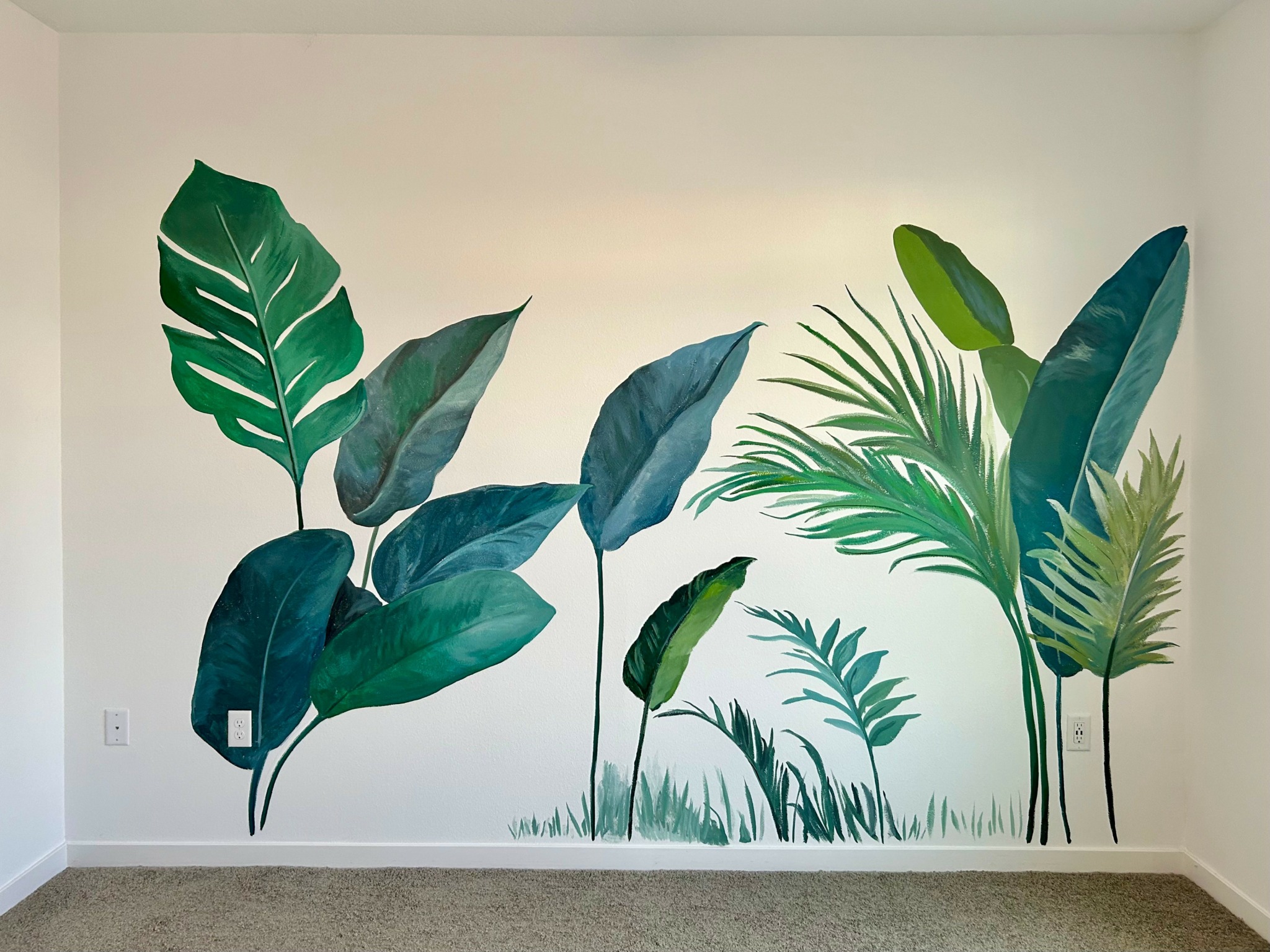
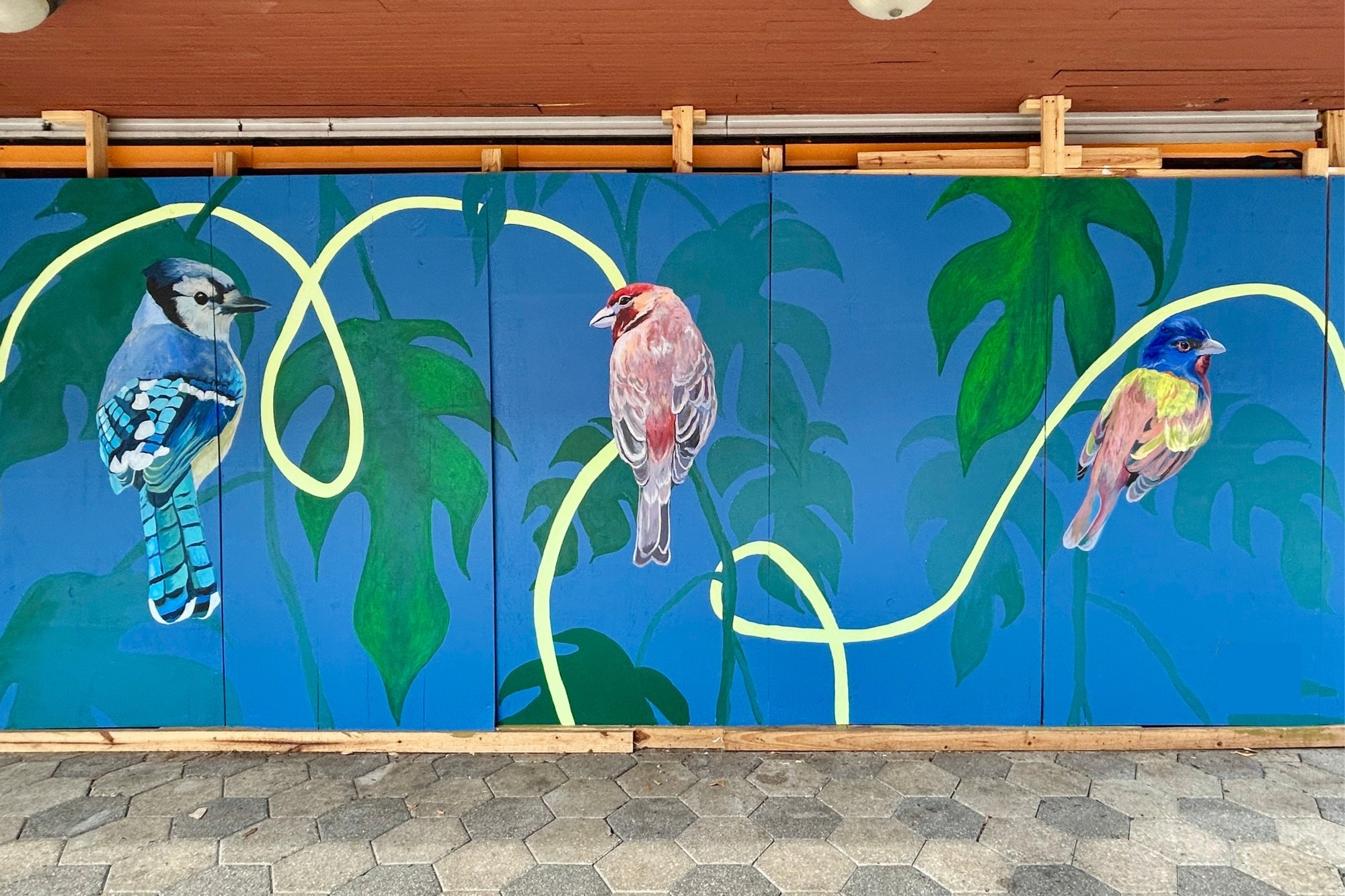
Image Credits
Photo of me with the oranges painting is thanks to Skylar Scott Photography. The rest are my own.