

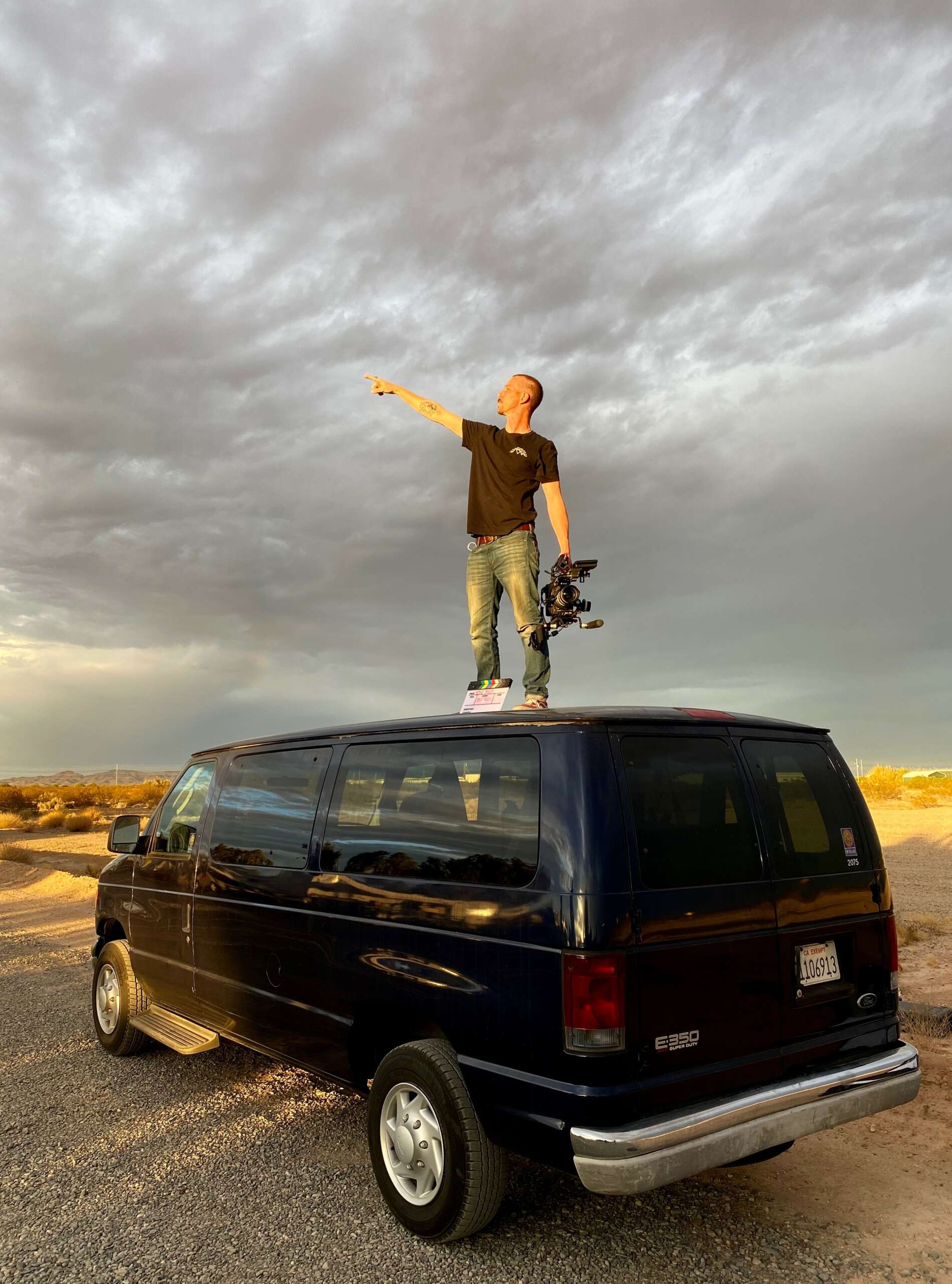

We recently connected with Jesse Sutterley and have shared our conversation below.
Jesse, appreciate you joining us today. What’s been the most meaningful project you’ve worked on?
A lot of my work has focused around grief, what is grief, how we process grief and the many different ways grief appears in our lives. I lost my father when I was 11 and spent most of my young adult life trying to understand the pain and grief that I was carrying with me everyday. I found myself drawn to the camera as a way of documenting and reliving the fleeting moments of our lives. This lead me to documentary film as the medium in which I wanted to explore these feelings both individually and collectively.
This brought me to Velda Dobson and her son Michael Cox. Michael served in the United States military, signing up for service on September 10, 2001. He was deployed to Afghanistan with an infantry unit. Upon returning home Michael wasn’t the same, he was paranoid, felt discarded by the military, and the smile that had once always been on his face had faded away. Michael would take his own life in an orchard in Manteca California December 2013.
When I met Velda and heard the story of her son I was instantly connected to it. I was the same age as Michael when he took his life, and his son Ashley had been the same age I was when I lost my father. I felt that there was an unseen connection between us, and I knew I had to tell this story.
I spent the next few months working with Velda, interviewing her at her home, spending time with her church congregation and going with her to the orchard in Manteca where Michael spent his final moments. The most impactful moment being when we went to the tree where Michael had ended his life and having Velda read out loud her letter to the president about her concerns about the mental health of our soldiers. In the end I was able to put together a short poetic documentary about Velda’s pain and love for her son.
After overcoming my own struggles with mental health, I felt it was my duty to tell a beautiful story about Velda and her son, a story that did not romanticize suicide, and did not dehumanize Michael’s decision.
I read a quote once by Jamie Anderson that stated “Grief is love with nowhere to go,” and I don’t think I have heard a better way of phrasing that pain. Velda’s grief for her son is overwhelming and that grief has turned into a powerful force of love for her community and others.
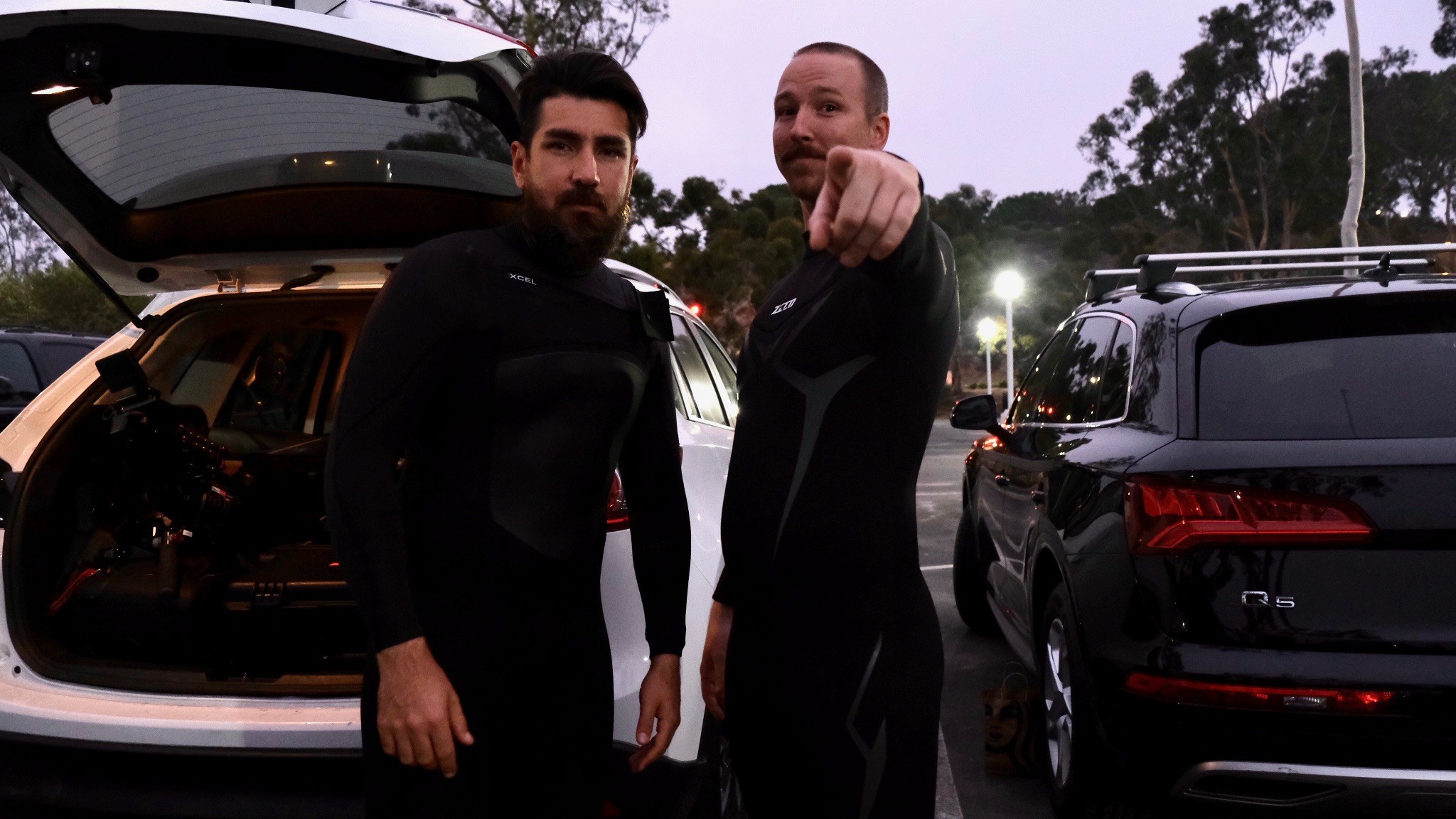
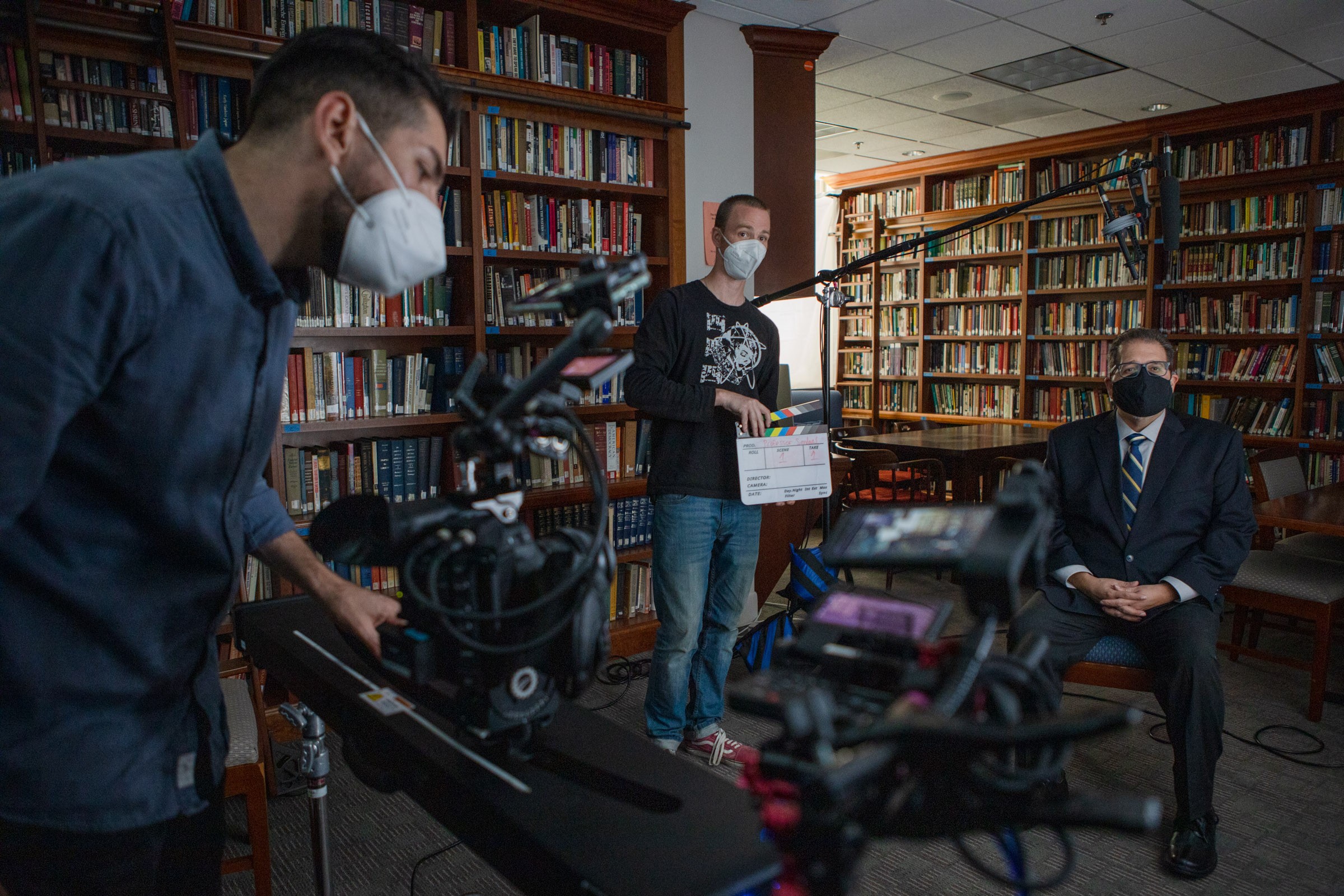
Great, appreciate you sharing that with us. Before we ask you to share more of your insights, can you take a moment to introduce yourself and how you got to where you are today to our readers.
In many ways I have always been an artists to some extent. When I was very young I began as a triple threat (actor, singer, and dancer) for a company called the Event Players. The group was for kids aged 9 – 18 who would put on professional productions twice a year in San Francisco. I worked with that program until I was about 15, from there I moved to a local theater in the East Bay called The Willows. I participated in countless shows with The Willows both as lead characters and supporting roles.
As I grew older I found myself moving away from the stage and drawn towards the art of filmmaking. I started by editing small music videos in Windows Movie Maker, before investing in more professional software.
It was through my love of history and the death of my own father that I found myself wanting to move into the realm of documentary filmmaking. I was connected with Veteran Documentary Corps. at San Francisco State, an organization focused on telling veteran stories. Here I was able to practice all the things that I loved, I was able to document history, explore grief, and tell stories to a global audience.
The work that I have created, and will continue to create, is a constant exploration of the human experience. Although a lot of my current work has focused on grief and loss, there are other projects that I have begun working on that explore other aspects of the human experience. Things like individual identity, sexuality, socioeconomics and interpersonal connection.
Ever since I have picked up a camera, film has become my entire life. There is not a moment that goes by that I am not thinking about the format and how to push the boundaries of filmmaking further. In my opinion film is a medium that can cut across social, cultural, and economic lines and touch the hearts of viewers. I want to continue to have a hand in shaping our consciousness towards a world of understanding, empathy, and acceptance.
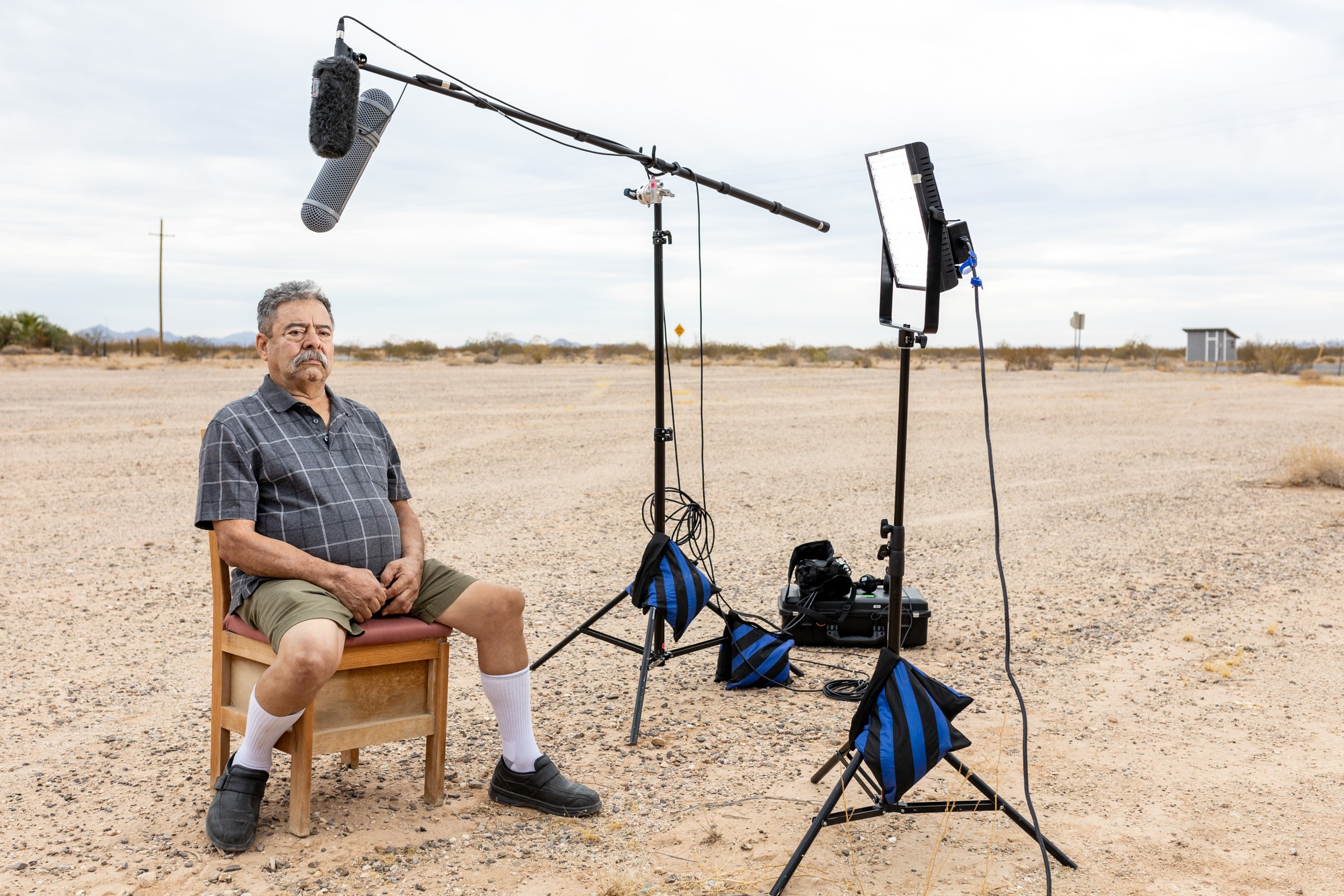
Is there something you think non-creatives will struggle to understand about your journey as a creative? Maybe you can provide some insight – you never know who might benefit from the enlightenment.
A question I am asked a lot is why become an artist if there is a large risk with very little reward. And in some ways that is very true, being an artist is a gamble. I am gambling on my art and I am gambling on myself that one day the work that I put in now will pay off. But on the other hand being an artist, at least in my eyes, is not about money or fame. Being an artist is about having an inner drive to create, to make change in a world that you believe could be better. I spend hours at a time working on art pieces that only a few people may see, pieces that I may never sell. But that does not stop me from wanting to make more. It is a way for me to process my own emotions, feelings, wants or needs. It is a way for me to reach out to others and hopefully present them with something that will enrich their lives. It is the most fulfilling work I can possibly do.
As a filmmaker I have seen how my work has helped those I have made films about, it has informed viewers of problems in our world that they may have been unaware of. Art is a reflection of the culture and time in which it is created and although many may see that culture is not as important as science or economics, culture is the thing that binds us. It gives us meaning and is in constant conversation with the world around it and I am drawn to participating in that conversation.
Any resources you can share with us that might be helpful to other creatives?
I think a huge resource that artists should relay on is each other. I spent much of my early career working alone, but art is not made in a vacuum. Having a community of artists to bounce ideas off of or just have creative conversations with will make you a better artist. Even if you are creating work solely for yourself, your work will grow with the help of others.
That resource can be found through organizations, schools, and work. I implore all emerging artists to make connections with those around you, you never know how that connection will help you in the future. It is tough going at art alone, you question yourself constantly, and a support network helps sooth some of those internal feelings of doubt.
Contact Info:
- Website: missilehouseproductions.com
- Instagram: missile_house_
- Youtube: https://www.youtube.com/@boundyhuntr
Image Credits
Image credits go to Constanza Hevia Jesse Collier Sutterley Diana Sanchez