

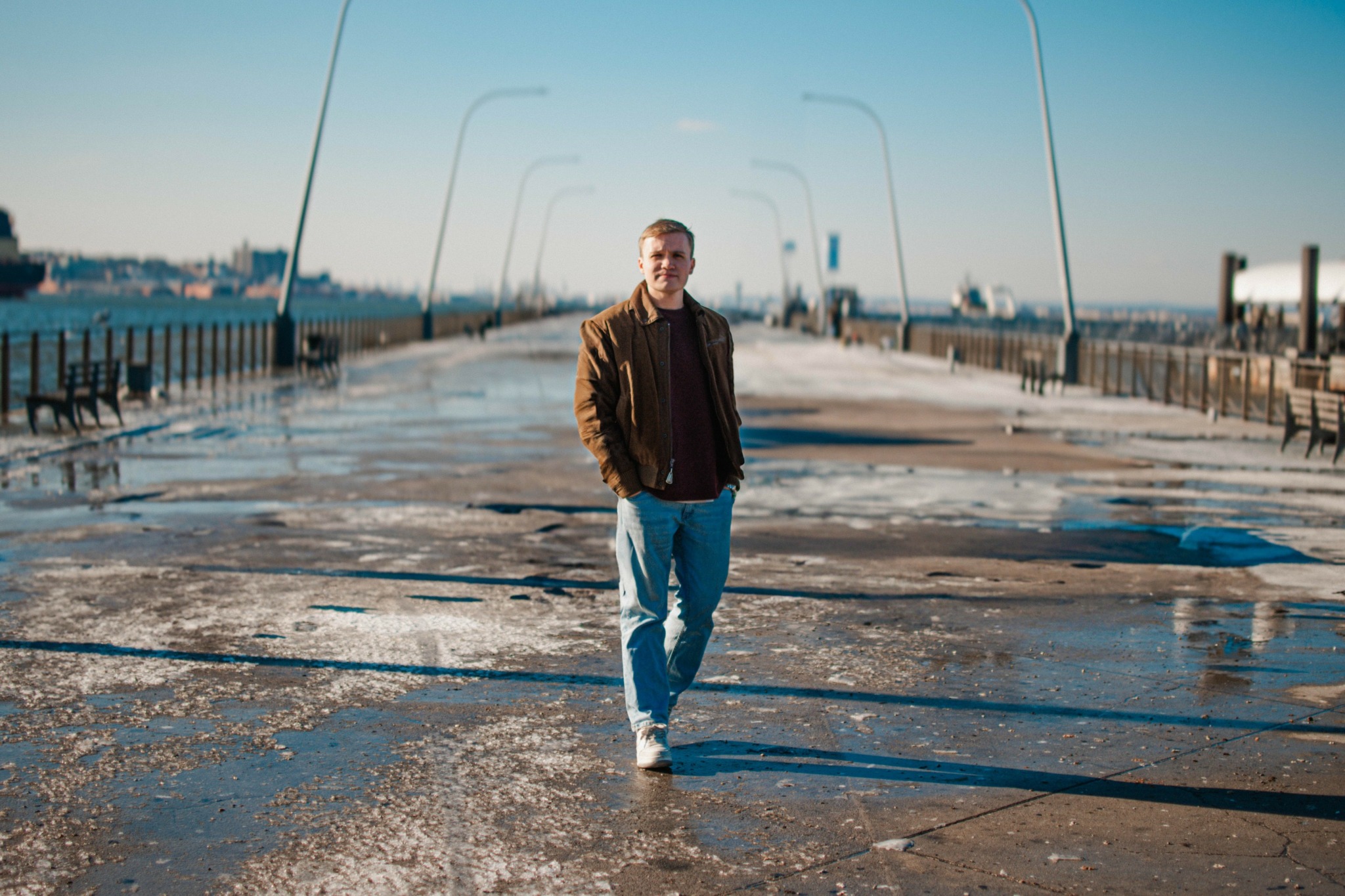

We were lucky to catch up with Jess Westman recently and have shared our conversation below.
Jess, appreciate you joining us today. When did you first know you wanted to pursue a creative/artistic path professionally?
Whether it was donning the marshmallow gun of a five-year-old mobster in Bugsy Malone Jr., or performing in an Off-Broadway reading at The Drama League here in New York, the arts have always been an intensely major part of my life. And growing up with a disability like muscular dystrophy, my parents decided that the role of theatrics in my life should be instrumental—for better, and for a little less better. But I didn’t know I really wanted it until a moving moment in February of 2020, just breaths before the apocalypse.
It was my university theatre department’s take on the Burnett classic, The Secret Garden, and I had the hefty task of proving a “goofy character actor” could give an in-mourning English lead like Archibald Craven a proper, three-dimensional go-round. Now, of course, in reaching a certain gravitas, I jumped to asking my fellow company members to “just punch me in the arm” right before the big Act Two tear-jerky scene. “This’ll get ‘em crying,” I thought (and probably pretentiously spoke to the fly-rail operator). And insanely enough, what should’ve only elicited grave concern from my colleagues backstage, and bruises—of which there were many—afterward, a wet-eyed stranger approached me, explaining that my performance had given her “pause, and then healing,” ultimately reminding her that her husband is indeed “waiting” for her “in heaven.” I remember immediately fighting this wave of guilt, as I internalized that her grief experience was simply my Wednesday night attempt at storytelling, nothing more.
It sobered me; I was portraying a sample of her life, and anyone’s. The audience could’ve been filled with anyone searching for solace, beyond losing a loved one. That exchange provided me a realization: this shouldn’t be for me—it has to be for them.
As always, we appreciate you sharing your insights and we’ve got a few more questions for you, but before we get to all of that can you take a minute to introduce yourself and give our readers some of your back background and context?
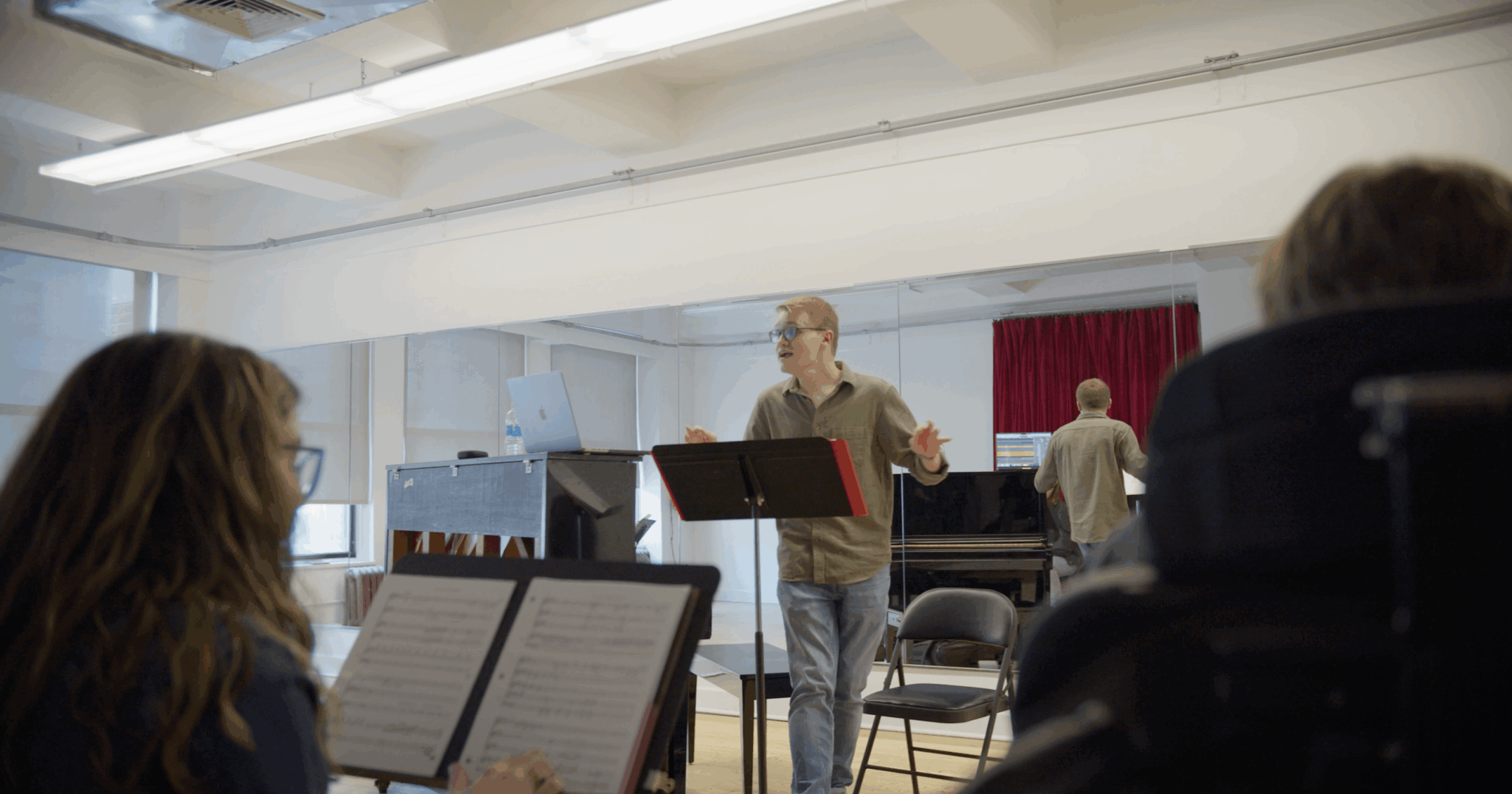
I’m Jess Westman, a 25 year old actor, comedian, playwright, and human person, and I’ve been involved in the arts since before I was even born—yes, that long. Having grown up performing—my mom was (and is) a non-profit performing arts director—from the jump, I was set up for academic failure, which I achieved, amply guiding me from West Texas to New York City in 2021. Today, I’m regularly involved with Second City Improv, and host the all-new comedy podcast, This Podcast Just Might Change Your Life. I also have many musical projects in-the-works, such as muscular dystrophy love letter, Wheels: An Original Musical, and Happenstance: A Reverent Odyssey of Life & Jess, my debut and upcoming musical comedy album.
I think that what sets me apart from others (besides my square head and bottomless desire to not be lonely) is why I do any of it. No matter the situation, I believe God put me here to give others joy, some moments of relief. And many don’t know this, but I was pretty viciously bullied into my teens, and learned so much from that hardship. It wasn’t just being the “disabled” kid that made me a target, it was being expressive. It was being willing to be joyful, myself. My parents not just encouraged me to work on my stitch impression, religiously watch old Jerry Lewis tapes, or sing a minor-key, operatic “Come Sail Away” at family gatherings; they encouraged me to be real. My truest, most authentic instinct, no matter how chaotic or silly—to be just that. Life’s far too difficult to be anything else.
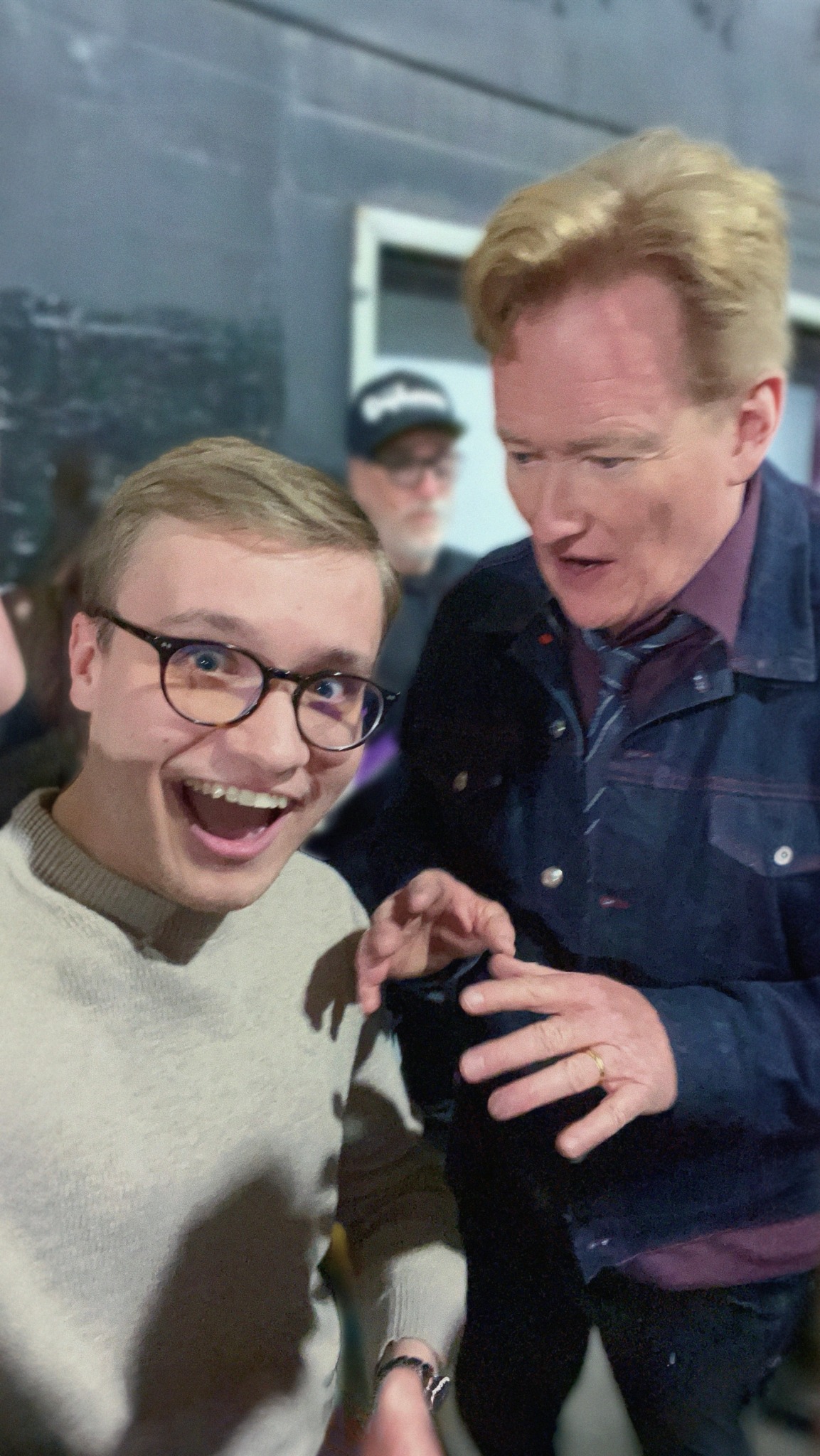
And to be honest (and annoying), I’d say the work I’m most proud of is… All of it. It could be the satirical play about puberty I wrote as a high schooler, riffing with Conan O’Brien and putting it online, or even the reason I moved out to New York, to further the development of my musical about disability life. Ultimately, I’ve seen God use it all in cool ways. And sure, sometimes, those ways might just be for one person, yes. But who knows how it could help them or give them something new to consider. My only hope for anything I have produced and will produce is that it adds more positivity to this world. So, I keep my head down (it’s heavy), and keep creating.
Can you tell us about a time you’ve had to pivot?
After a received performed reading of “Selections from ‘Wheels'” at the Drama League in 2023, I thought it was time for my show to reach the next level. I had the support of producers, colleagues, friends, and family—I even began working with a Broadway dramaturg—but something still wasn’t right. Was it my disability? Was I being too coy, too bold or assuming? What was I trying to achieve by even telling a muscular dystrophy story? I really couldn’t nail it down, but I thought there was a missing piece to “Wheels.” Turns out it was to me.
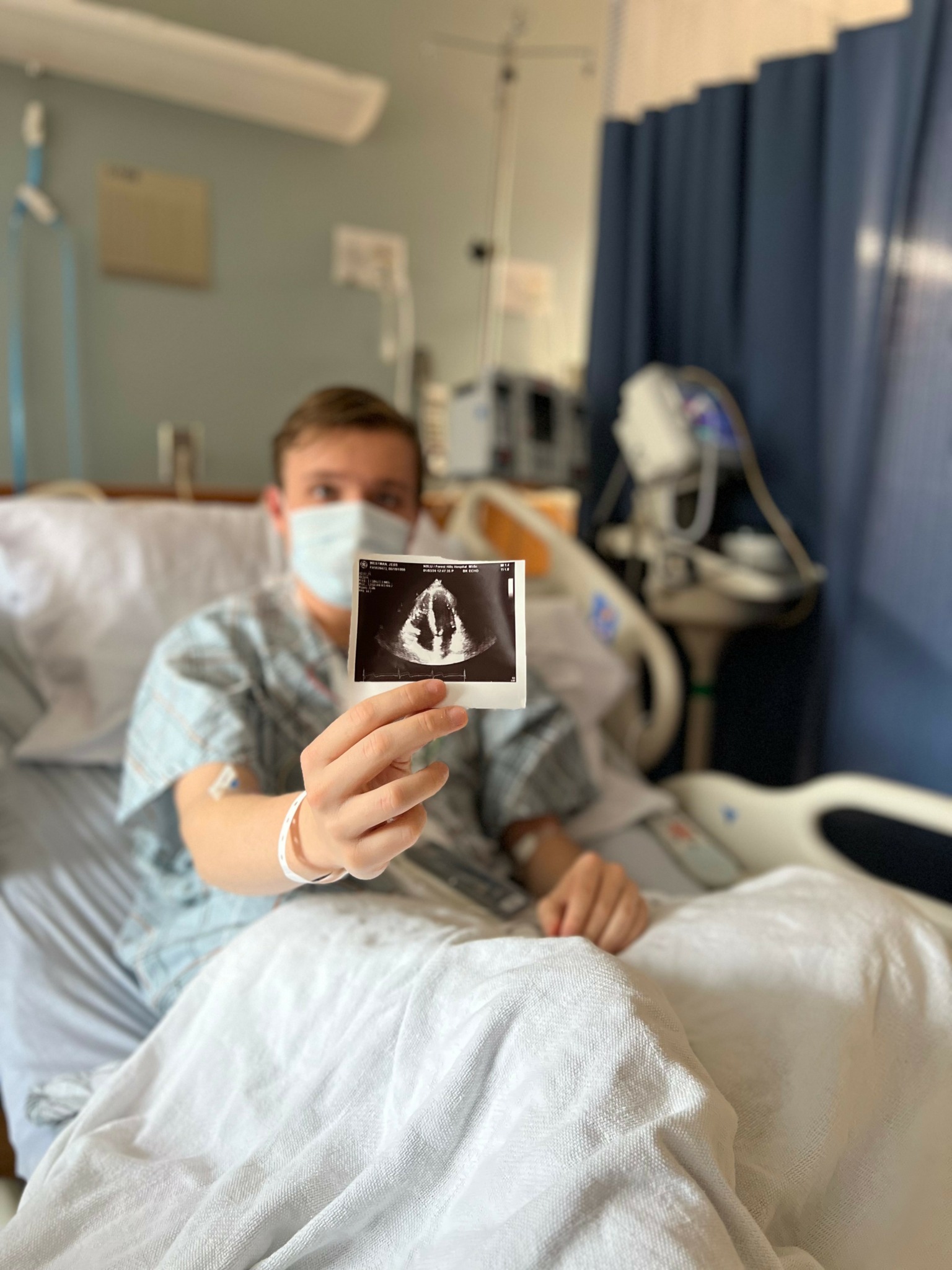
On the night of January 2nd, 2024, I was admitted to a local Queens hospital with an enlarged heart, on the verge of going into cardiac arrest. The sharp pain in my chest that brought me there wasn’t just this sensation, but a pulsating reminder of how much I still had left to do. To create. Unlike anyone who works in retail, I wasn’t ready to die. And on night two in my metal bed, next to three *very talkative* elderly men in a similar condition, the nurses told me I might have a stroke in my sleep, which would either kill me, or alter my life forever. “Nah, that’s cap, fam,” I caucasianly quipped back (the kind nurse pity-chuckled). Spoiler alert: I survived—by the work of a heavenly miracle.
The reason for sharing this story is not to dramatize my complex medical history, or even garner some heroic sympathy points, it is to emphasize what changed. Suddenly, that missing piece, that question of why I’m doing this was fully answered. My disease wasn’t some traumatic curse or gift that had to fuel my every move or define me, it was simply a part of me. A part of my greater story. So, when I met Conan 4 months later, joined Second City NY just 6 months after that, and then launched a comedy podcast in March, I have only one goal in mind: spread some joy (with some comedic sprinkles, of course).
Any insights you can share with us about how you built up your social media presence?
The way I’ve built my moderately-sized audience on social media has been simple—by making goofy, fun, immersive content consistently. I really thought there was a certain factor to it working, a certain je ne sais quoi to being palatable or not. Which, you know, don’t be a bigot, sure, but also don’t be afraid to be you. To be real, and be fun. And if something has worked once, it will most likely work again. But also, don’t be afraid to get creative and try new things. From experience, the worst people can do is keep clicking or send you hate DMs (and they have).
A massive learning curve for me was showing the truest parts of myself instead of the prettiest, most shiny ones. Honestly, staying true to who you are, and your belief system is the best bet. Comparing myself to others has gotten me nowhere, but being unashamedly me has changed everything.
Contact Info:
- Website: https://jesswestman.com/
- Instagram: https://www.instagram.com/jess_westman/
- Twitter: https://X.com/JessWestman
- Youtube: https://www.youtube.com/@jesswestman
- Other: TikTok: @JessWestman
Podcast Insta: @TPJMCYL
Apple Podcast Link: https://podcasts.apple.com/us/podcast/this-podcast-just-might-change-your-life/id1794835937
Spotify Podcast Link: https://open.spotify.com/show/7KPNL4lCi93D3H0FFZ6udI?si=7140b64fc4ee4574
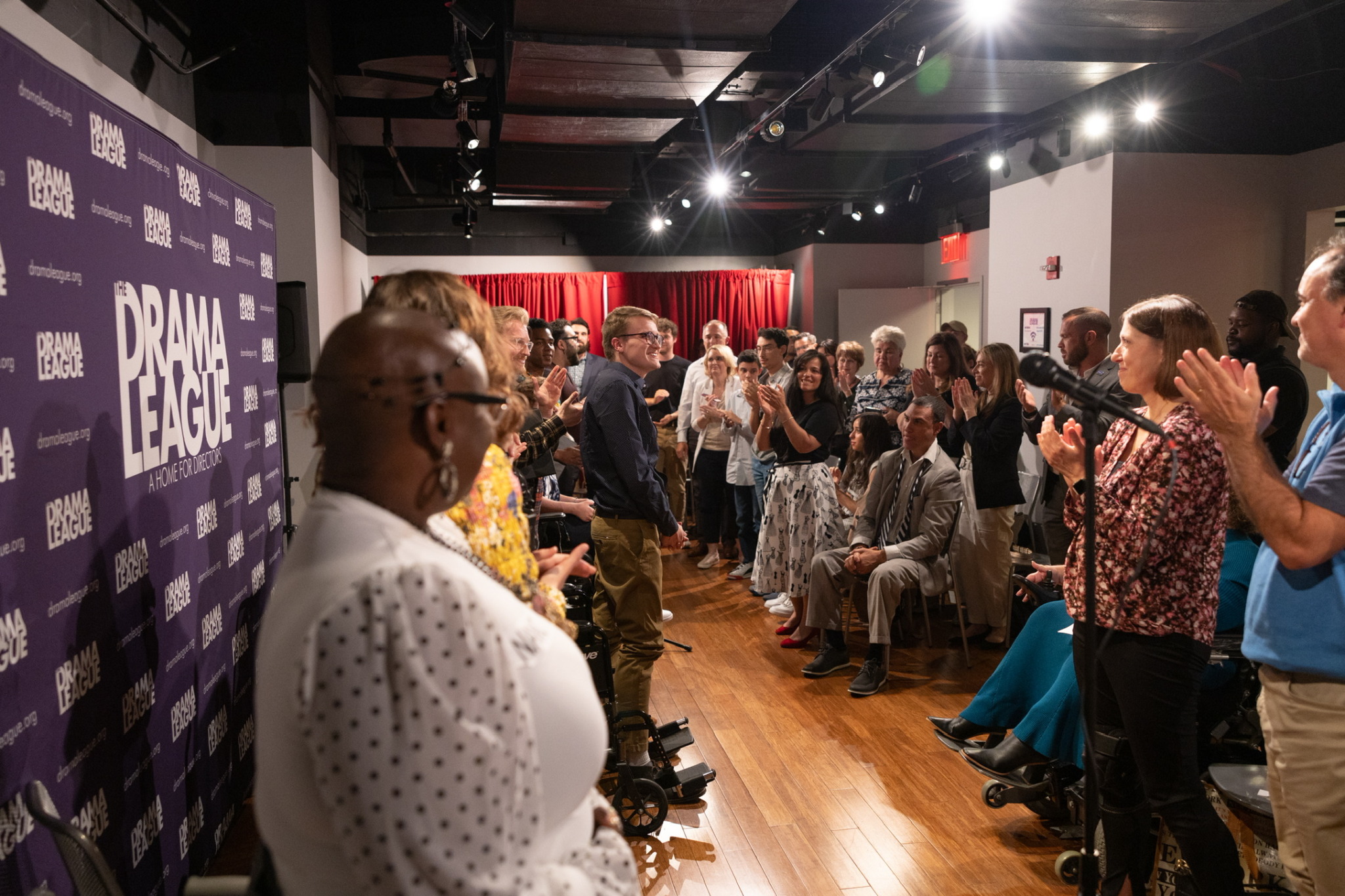
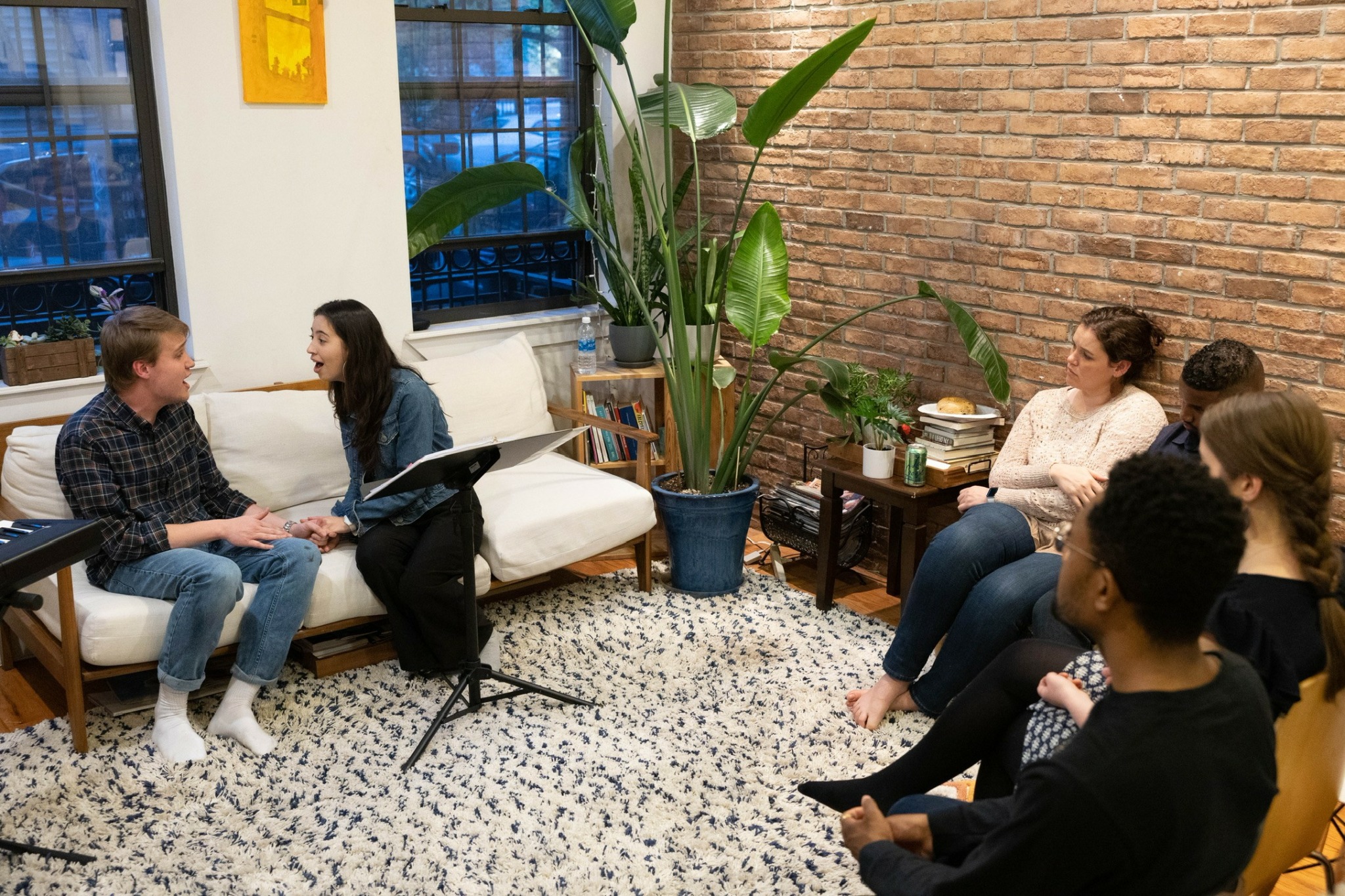
Image Credits
Picture 1 – Zaquane Cooper
Picture 2 – N/A
Picture 3 – JJ Fecik
Picture 4 – Steven Svoboda
Picture 5 – JJ Fecik
Picture 6 – JJ Fecik
Picture 7 – Steven Svoboda
Picture 8 – Steven Svoboda