

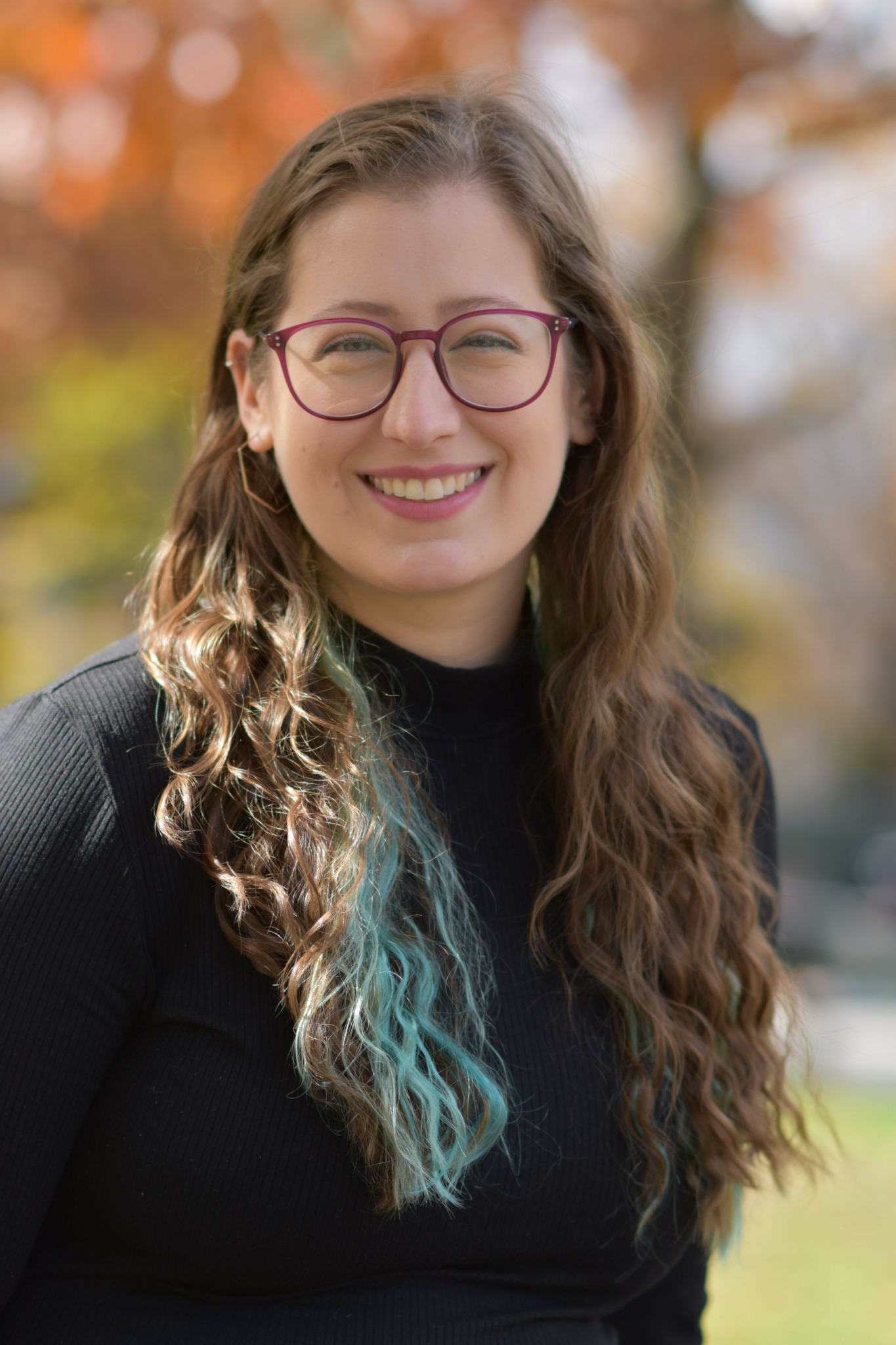

We caught up with the brilliant and insightful Jess Kaufman a few weeks ago and have shared our conversation below.
Jess, appreciate you joining us today. Learning the craft is often a unique journey from every creative – we’d love to hear about your journey and if knowing what you know now, you would have done anything differently to speed up the learning process.
I’m in a very niche space in the theater world – I make devised, experimental performance for young people as a dramaturg. That’s a mouthful of jargon, much of which isn’t mainstream language in the U.S. I was very fortunate to study in a master’s program in London – Advanced Theater Practice at the Royal Central School of Speech & Drama (RCSSD), also a mouthful – that opened my eyes to many different ways to enter performance work. In that program, which I entered as a working actor, I discovered that I love facilitating and exploring creative process in collaborative spaces, (that’s the dramaturgy and devising piece) which has become my primary practice as both an artist and a producer.
When it comes to the producing aspect of my work, I’m very lucky to have had the opportunity to learn those skills. There is a lot of stigma in the U.S. theater industry against “self-producing” and very few resources for artists to learn how to produce their own work. The program at RCSSD gave me faith in the value of my art, and the skills and confidence to become a producer. I still haven’t seen any programs in the States that do the same thing. As long as our theater industry is dominated by a capitalist system that privileges commercial and commercial-style non-profit institutions, these skills will remain hard to come by.
I believe this capitalist ecosystem I believe is strangling our growth, reach, creativity and success, and I do a lot of mentoring younger artists and producers to help pass on the skills I learned and the confidence to push back on the mainstream.
Jess, before we move on to more of these sorts of questions, can you take some time to bring our readers up to speed on you and what you do?
I’m the Producing Artistic Director of Flying Leap Productions (www.flying-leap.com) and a devised theater dramaturg, researcher, and creative producer based in the NYC area and working internationally. I facilitate collaborative theater-making to create thoughtful, playful, ambitious theater for families. My performance work invites young people and families to cross boundaries by activating public space. As a queer, Jewish artist, I am particularly interested in the intersection of social justice and identity.
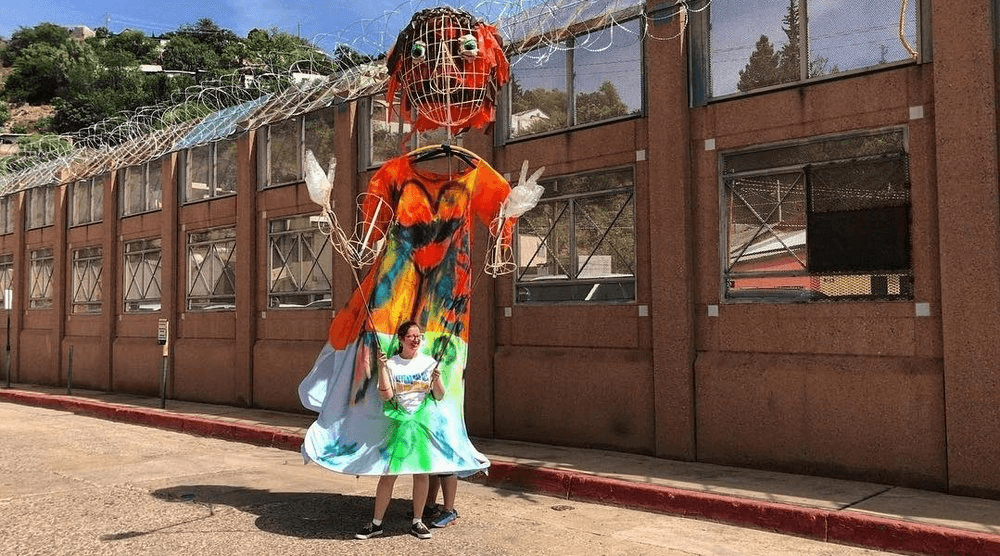
At this point in my career, I’m most proud of the generous, collaborative artists that make up Flying Leap, and of the work we make together. We are the youngest company ever to be awarded the Small Theaters Fund from the Alliance of Resident Theatres New York, and we just completed a residency with our binational work “Beyond the Wall || Más Allá del Muro” at the Guggenheim in partnership with their education department and a cohort of migrant and 1st generation American teens.
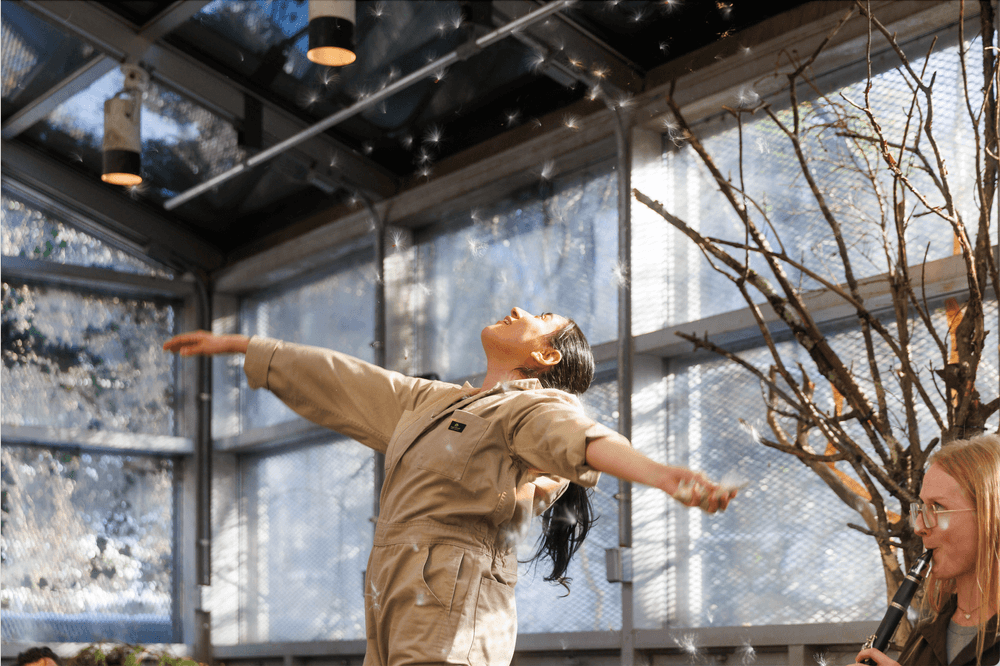
My past work has been seen in theaters across the UK, at the Prague Quadrennial of Performance Design and Space, and (secretly) inside the Brooklyn IKEA. With Flying Leap, I’m currently touring a nature play about life and death in public parks, developing a new work for grade school children staged in cemeteries, and reviving a large-scale work co-created with teens growing up at the US/Mexico border wall.
I’ve been fortunate to receive fellowships as a New Victory Theater LabWorks Artist and a New York Foundation for the Arts “Emerging Arts Leader”, and the projects I’ve led have received support from the Alliance of Resident Theatres New York, the Lower Manhattan Cultural Council, the Uptown Manhattan Empowerment Zone, the New York City Artist Corps, and Arts Council England.
As a researcher, I’ve presented at the Prague Quadrennial of Performance Design and Space, Creative Interruptions London, the NYU Steinhardt Forum on Educational Theatre, Literary Managers and Dramaturgs of the Americas, Theater and Dance for the Very Young, TYA/USA Festival, and the ASSITEJ World Congress. My writing has been published in ArtsPraxis and Theatre and Performance Design, and I co-edited a book on Embodied Cognition, Acting and Performance (Routledge, 2017).
How can we best help foster a strong, supportive environment for artists and creatives?
Fund us! Particularly in the world of theater and performance, artists and the art form are in a perpetual funding drought. Unlike our peers in Europe, where government funding is abundant, and in media, where the impact is felt immediately at scale, American theater is desperately underfunded and reliant on old financial models like subscription-based venues that just don’t work anymore.
This has created an industry with almost no risk tolerance, which just supports and reinforces the systems of power: investors want a hit, so producers turn to big names with fancy pedigrees or to adaptations of existing properties they think audiences already know, and then hire performers and designers with big name agents, who find their talent pools in paid showcases or one of a handful of university programs, which cost tens of thousands of dollars to attend. It’s easy to see why there is so little room for inclusion, experimentation and growth – the financial stakes are so high, and the same small pool of wealth drives creative decisions from the top down. Even the large non-profit theaters are prey to this system – venues are expensive to maintain, and the money needs to keep coming in. As long as we keep investing in large venues and productions in the narrow geographic areas of our biggest cities, our creative and financial growth will continue to stagnate while our counterparts abroad continue to grow.
On the other hand, independent artists and small companies are incredible at keeping our overhead low, spending most of our funds on wages for human beings, and making a deep, lasting impact on our audiences. Whatever industry you’re in, chances are you work with at least one theater kid who grew up to be a confident, empathetic leader in another space. Maybe you ARE that kid. Even a small investment of $500 goes a long way when given directly to artists.
Have any books or other resources had a big impact on you?
I’m a big fan of Open Book Management by Rafe Beckley, which teaches artists how to run a small arts organization with financial transparency, and why that matters in creating a more resilient and just ecosystem.
I also quote Jen Harvie’s book Fair Play often, particularly the way she talks about shifting cultural capital – the idea that the people are made to feel like the arts “for” some people and “not for” others. Think about a Broadway show – the price is a barrier, perceptions how to act and dress are a barrier, geography is a barrier. For artists, job scarcity, education, the financial support it takes to live a very unstable lifestyle, access to agents and power – these are all barriers. But Broadway is the place young people across the country, big cities to small towns, look to define what theater is and should be, which is currently very, very inaccessible to most people. It’s a huge centerpiece of my work to activate public space through performance in ways that maintain high artistic integrity while also welcoming people to own and increase their agency in creative space.
Contact Info:
- Website: https://www.flying-leap.com
- Instagram: @flyingleapproductions
- Linkedin: https://linkedin.com/in/jekaufman/
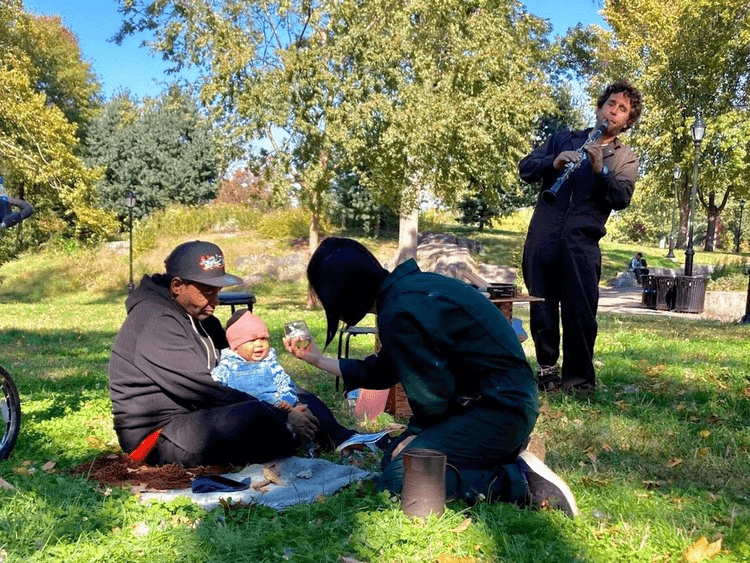
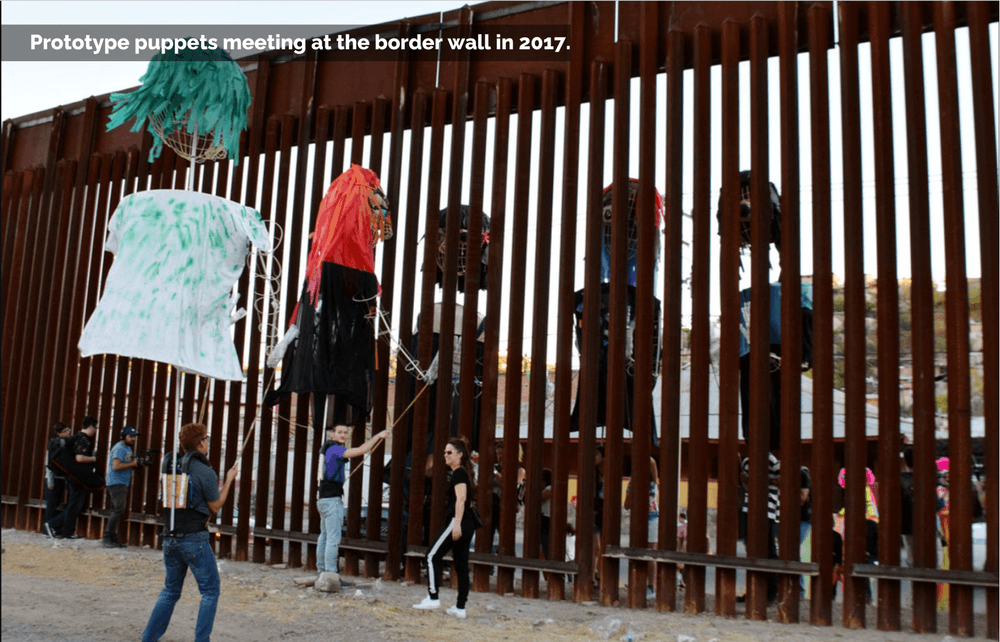
Image Credits
Elissa Ha, Winston Williams for Brooklyn Children’s Museum, David Monteith-Hodge, Talya Chalef, Susanna Brock