

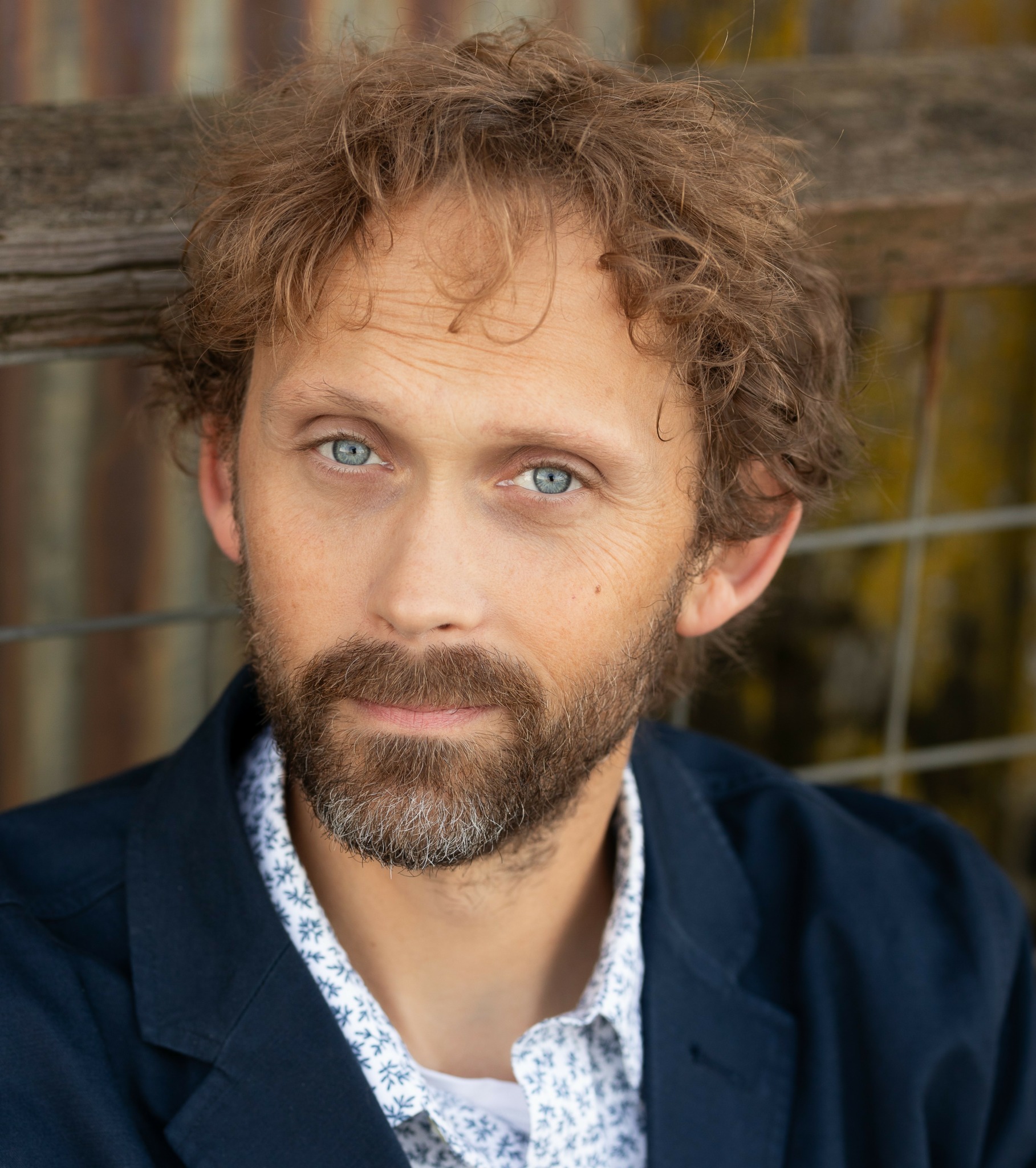

We’re excited to introduce you to the always interesting and insightful Jeremy Voigt. We hope you’ll enjoy our conversation with Jeremy below.
Jeremy, thanks for joining us, excited to have you contributing your stories and insights. Can you talk to us about how you learned to do what you do?
I l earned to write poems first by reading then by writing. I wrote and wrote and wrote, and then compared what I was writing with what I read. Along the way I found terrific mentors that offered encouragement and critique. I’ve read every craft book on writing poetry I can find as well as books on writing sentences and word origins. All of these things helped me develop my craft. I hesitate to say that I have learned my craft because, for me, it is an ongoing process without end.
I don’t think there is a way to speed up the process, not really. But the main advice I would offer my younger self is to be more critical of my early work. I think I could have let go of some things sooner and moved on in order to develop other skills, or ways of looking at things.
I do make a distinction between practicing technique and craft. I write foolish poems in strict form so that I don’t have to practice two hard things at once. Writing about nothing while practicing complex technique helps develop technique. Then I work to develop observational and reflective thinking skills in writing. Ultimately, I hope to merge the two into poems of substance. Figuring that out sooner might have sped things up as well.
Great, appreciate you sharing that with us. Before we ask you to share more of your insights, can you take a moment to introduce yourself and how you got to where you are today to our readers.
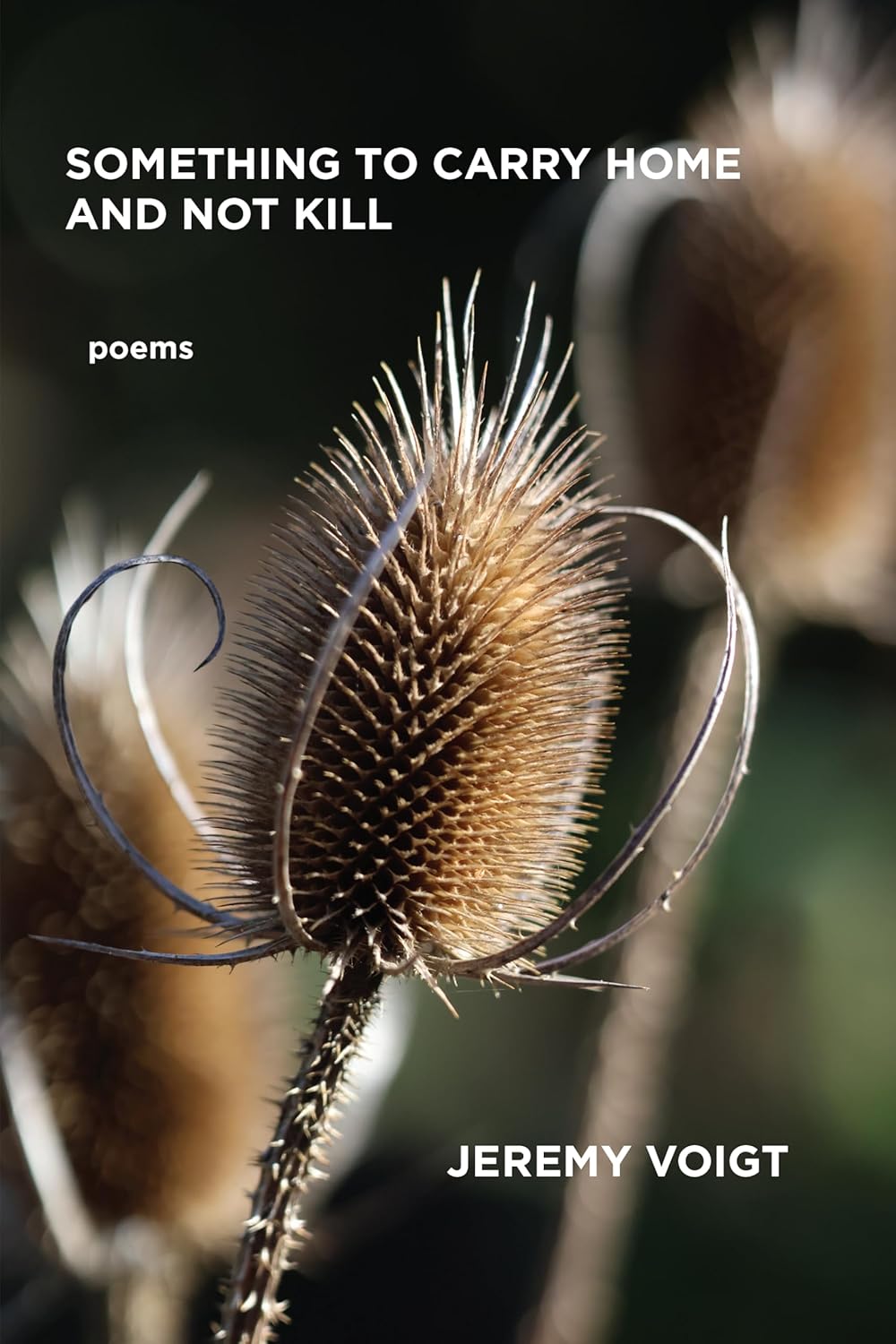
I am a poet, educator, and scholar. I primarily write poetry, but I have also written creative nonfiction and am currently working on a scholarly book about Gerard Manley Hopkins that engages with literary criticism and environmental philosophy. I have published two chapbooks and a full-length collection of poems. My most recent books are “The Invisible Heart of Everything” from Floating Bridge Press and “Something to Carry Hope and not Kill” from Elixir Press.
What’s the most rewarding aspect of being a creative in your experience?
I am a person who finds the world overwhelming at almost every given moment. Writing, and writing poetry especially, is the most grounding activity I know. I feel most myself when I’ve been writing and I am able to ground myself in the now in ways I just cannot without the process of putting pen to paper. That is what I find personally rewarding.
The other rewarding element of writing is the connections one can make through it. I’ve written about local events (shootings, etc.) and had family members of both shooter and victim thank me for writing about it. That connection is important to me because putting words to powerful emotional events clarifies and helps define our existence. I’ve worked hard to write from a place of empathy for everything in the world, and that helps people connect, I think.
Is there something you think non-creatives will struggle to understand about your journey as a creative?
I don’t know what it means to be “non-creative”. I think every human being has the capacity for creativity and it comes out in a myriad of ways. We just have to recognize it. I think what might feel difficult is that recognition. Do gamers recognize their levels of creativity? Gardner’s? Mechanics? Grocery store stockers? Maybe not, but every moment is an offering for some sort of creativity. We just have to accept it and recognize it.
Contact Info:
- Website: https://www.jeremyvoigt.com
- Instagram: https://www.instagram.com/voigt.jeremy6/
- Facebook: https://www.facebook.com/jeremy.voigt.92
- Linkedin: https://www.linkedin.com/feed/
Image Credits
Author photo (and book cover photo) by Amanda Voigt of www.amandavoigtphotography.com