

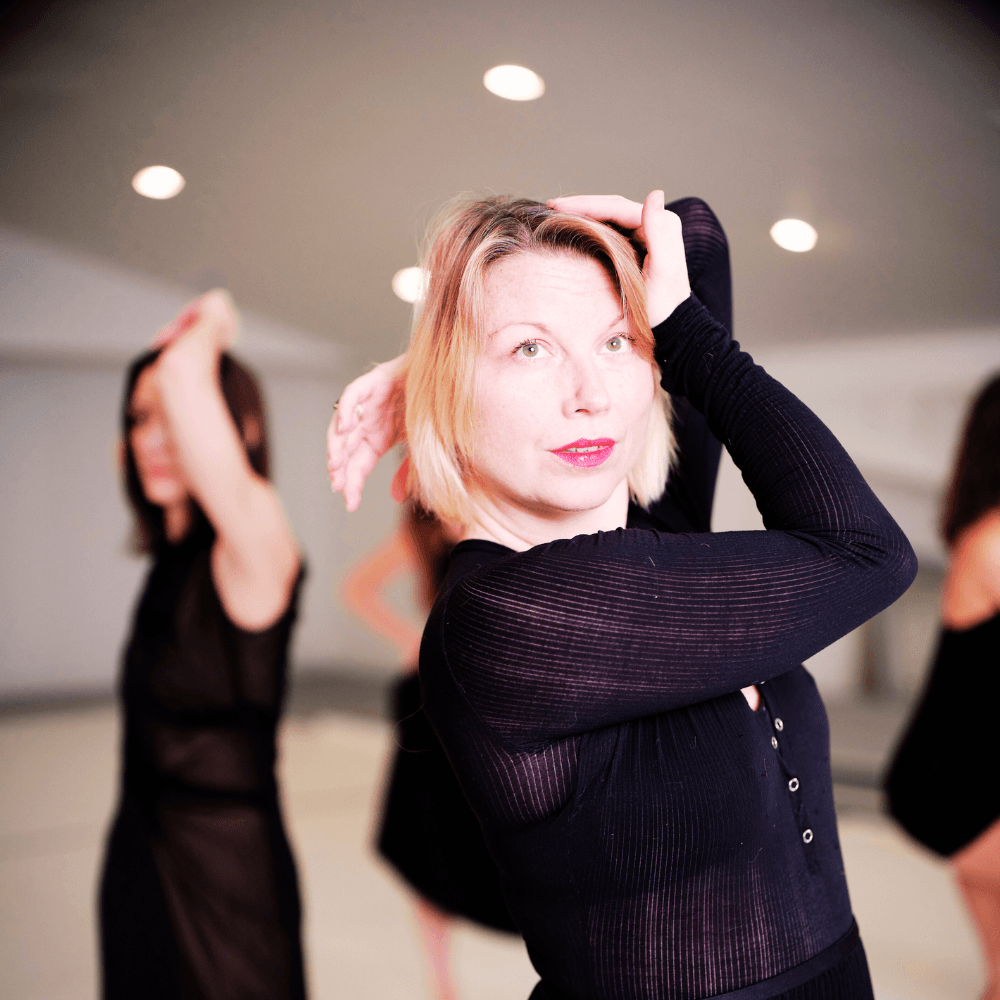

We recently connected with Jenny Quinn and have shared our conversation below.
Jenny, thanks for joining us, excited to have you contributing your stories and insights. Being a business owner can be really hard sometimes. It’s rewarding, but most business owners we’ve spoken sometimes think about what it would have been like to have had a regular job instead. Have you ever wondered that yourself? Maybe you can talk to us about a time when you felt this way?
Yes — I believe I am relatively happy as a business owner. I just had to learn (the hard way) that you can’t set yourself on fire to keep everyone else warm.
When you own the thing, there’s always *one more email, one more tweak, one more tiny favor.* At first I built everything around everyone else — students, families, collaborators — and forgot about the one person who actually had to wake up and carry it every day.
The “I want a normal job” fantasy only hits late at night, when I’m tired and answering something that could absolutely wait, or when my family is OVER my obsession. I imagine closing a laptop at 5pm and genuinely forgetting about work. I’ve never done that. Not once in over ten years.
But here’s the truth: everything is hard. Running your own business is hard. Working for someone else is hard. Setting boundaries is hard. Burning out is hard too — just sneakier about it. So really, it comes down to *choosing your hard.*. Isn’t that what the memes say? lol.
And the lesson isn’t that I want out — it’s that I want *better in*. This time I’m building something that supports the life I want, not just the service I know how to give. Boundaries aren’t betrayal. They’re how the business survives *without taking you down with it.*
So yes, I’m happy. Just need to be wiser now — and I’m finally interested in building something that works for me, too.
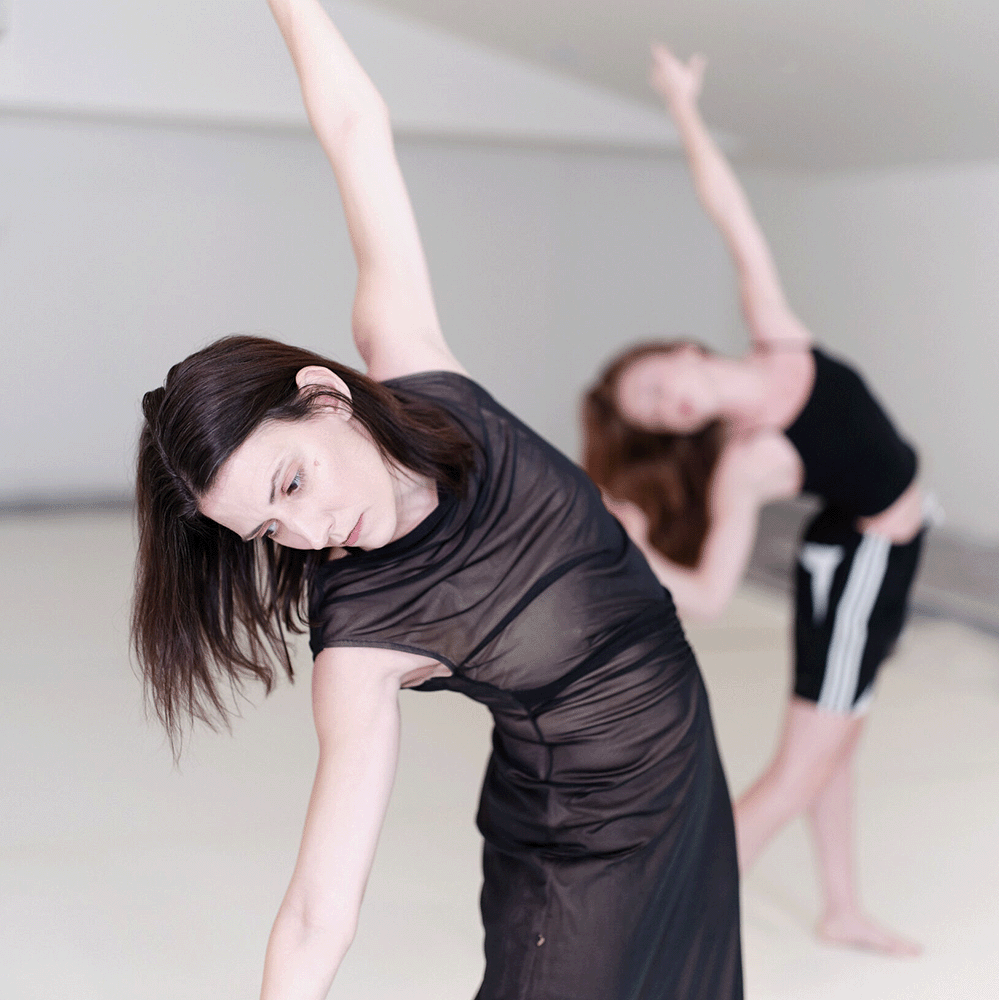
Jenny, love having you share your insights with us. Before we ask you more questions, maybe you can take a moment to introduce yourself to our readers who might have missed our earlier conversations?
My name is Jenny Broe Quinn. I’m the owner of Dance Lab and just launched a new baby, The Loft Adult Dance Studio in Charleston, SC.
I’m a movement educator, creative director, and studio owner who believes dance is less about getting it “right” and more about feeling alive.
I came into this work through a deep love of movement and a curiosity about people—how they carry their stories in their bodies, how expression can be both healing and wildly fun, and how adults especially are craving spaces where they can move without being corrected into submission. Over the years, that curiosity turned into teaching, choreographing, directing, and eventually building spaces where dance feels accessible, expressive, and alive.
What I offer now lives at the intersection of structure and freedom. I create dance classes, series, and studio environments that give people real technique and real tools—but never at the expense of their individuality. Whether it’s contemporary, heels, or exploratory movement, my work centers musicality, embodiment, confidence, and connection. I don’t teach people how to copy shapes; I help them learn how to feel their best.
The problem I solve is one I know intimately: adults want to dance, but they’re tired of spaces that feel rigid or intimidating. Many people come to me feeling disconnected from their bodies, convinced they’re “not dancers,” or burnt out on environments that prioritize perfection over presence. My work gives them permission—and structure—to show up as they are and grow from there.
One of the most surprising and meaningful parts of my work has been my youth program. I didn’t originally set out thinking I wanted to work with children—in fact, I wasn’t sure it was for me at all. But it has become some of the most rewarding work I do. My approach with young dancers mirrors the same values I hold for adults: movement as self-expression, discipline without fear, and growth without shame. Technique matters, but so does joy, curiosity, and learning how to move through the world with confidence and integrity.
Becoming a mother myself only deepened that commitment. It clarified how powerful these early experiences can be, and how important it is that young people are guided by adults who see them, listen to them, and care about who they’re becoming—not just how they perform. Watching young dancers grow into themselves with resilience, pride, and self-trust has become one of the greatest honors of my work.
I’m most proud of the communities I’ve built—spaces where people feel seen, challenged, supported, and excited to return week after week. I’m proud of choosing curiosity over conformity, of evolving my work as I evolve, and of finally building ventures that reflect not just what I can offer others, but how I want to live.
What I want people to know about me and my work is simple: this is not about becoming someone else. This is about coming home to yourself—through movement, through music, through shared experience. My brand is human, imperfect, intentional, and deeply alive. If you’re looking for dance that honors both discipline and desire, structure and softness, joy and depth—you’re in the right place.
Do you have any stories of times when you almost missed payroll or any other near death experiences for your business?
Yes—there were real “hold your breath” moments, especially in year one.
I had just built out a 2,500-square-foot space and poured everything I had into making it work. To keep the doors open, I slept in the studio more than once, couch-surfed regularly, and rented out my own house just to cover rent. At the same time, I was running a small competition company and fronting all the costs—costumes, registrations, travel—on my personal credit cards. I maxed them out. It was stressful in a very quiet, constant way.
I remember worrying not just about money, but about whether I had made a massive mistake. Whether believing in this vision had crossed into irresponsibility.
Then something shifted.
I held a parent meeting—not to ask for money, but to be transparent. To explain what I was building, why it mattered, and what it would take to sustain it. And people stepped up. Families offered support, trust, patience, and belief. That moment reminded me that this wasn’t just my business—it was a community. I wasn’t holding it alone.
That experience reshaped how I think about leadership and vulnerability. I learned that asking for help isn’t weakness, and that when people feel invested in something meaningful, they show up in ways you don’t expect. That lesson still guides how I build and sustain my work today.

Do you have any insights you can share related to maintaining high team morale?
Managing a team and keeping morale high is, without question, the hardest part of this work. I am no rocket scientist at this. I don’t have a perfect system. If anything, I’ve learned most of what I know by doing things wrong first.
If I have any advice, it’s probably more about what not to do. Don’t assume people understand your expectations—ever. Even when something feels obvious to you, it’s not obvious to everyone else. Clarity is kindness. You have to say things out loud, put them in writing, repeat them, and then be open to feedback when they land differently than you expected.
At the same time, clarity doesn’t mean rigidity. You have to be willing to listen, bend, and adjust. Regular check-ins matter—not just when something is wrong, but when things are going well. People want to feel seen and valued, not just managed.
I’ve also learned that protecting team culture is part of the job. One misaligned or consistently negative person can quietly poison morale, even if they’re talented. Addressing issues early—and being willing to make hard decisions when needed—isn’t cruel, it’s protective. The health of the whole team has to come first.
Morale isn’t built on one big gesture—it’s built on consistent signals that you care. Small gifts, shared experiences like photoshoots or parties, public acknowledgment, bonuses and raises when possible, and sending more work and opportunities someone’s way all add up. So does actually listening to your team’s ideas and trusting them enough to lean on them.
And maybe most importantly: build something worth believing in. When the brand is clear, strong, and aligned, people don’t have to be convinced to care. Their loyalty, pride, and effort come more easily when the work speaks for itself.
I’m still learning this every day—but leading with transparency, generosity, and respect has taken me farther than pretending I have all the answers.
Contact Info:
- Website: www.dancelabcharleston.com www.theloftadultdance.com
- Instagram: @Dancelab_843 @dancelabyouth @theloftchs

Image Credits
Mark Rinadli @clumsyshutter