

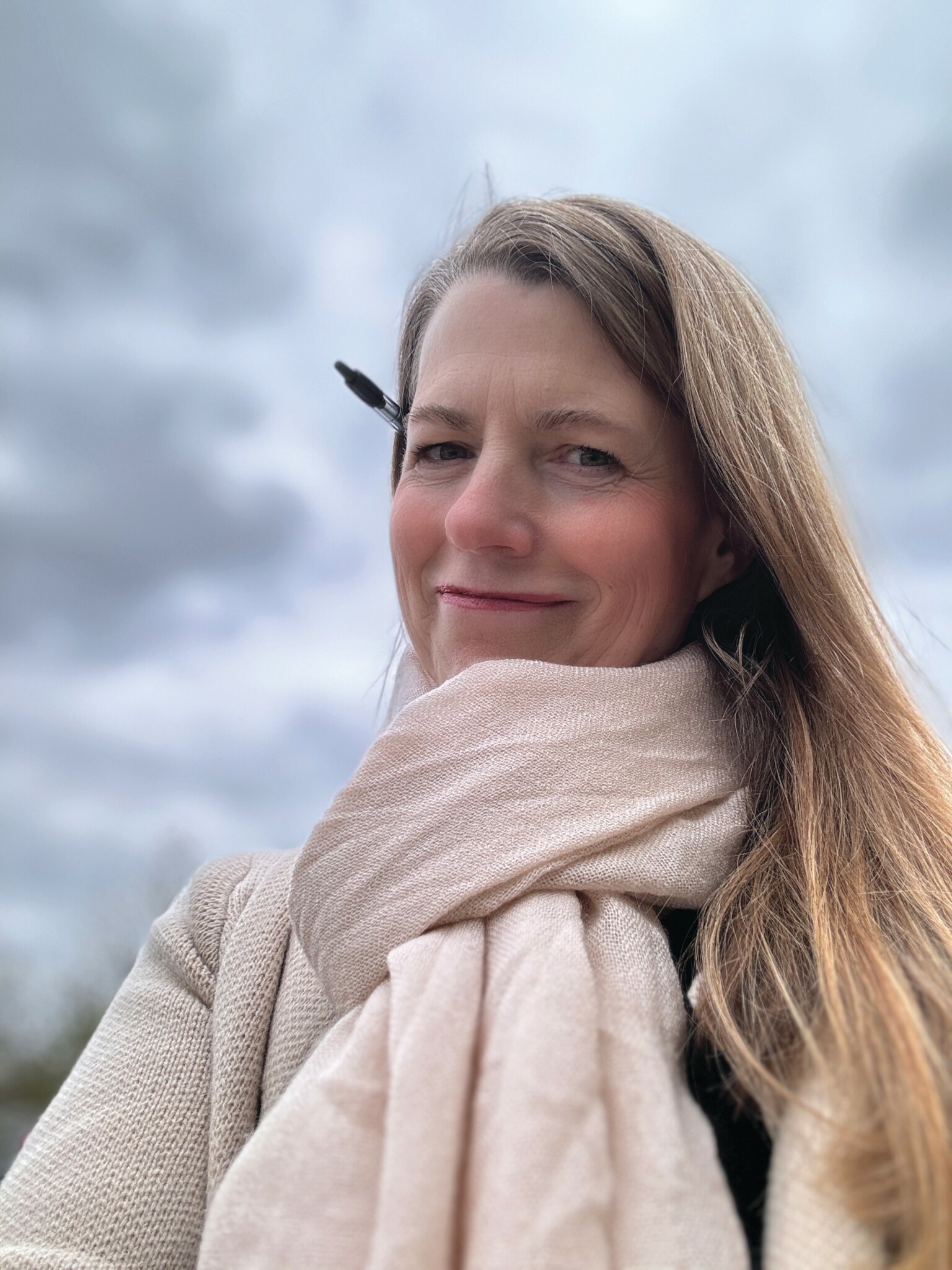

Alright – so today we’ve got the honor of introducing you to Jenny Bienemann. We think you’ll enjoy our conversation, we’ve shared it below.
Jenny, appreciate you joining us today. We’d love to have you retell us the story behind how you came up with the idea for your business, I think our audience would really enjoy hearing the backstory.
I had been dandling the idea of taking a photo, writing a haiku, and posting it on social media between my metaphorical fingers for a long time. I remember the day I chose to do it: pulling into the garage with a trunk full of groceries on a Sunday afternoon.
My workplace had become inhospitable, and I needed to leave a job I loved and served faithfully for many years. The loss of how I made my living, coming on the heels of catastrophic change in the way I made a life — close family members battling illness and addiction, the shuttering of venues that had served as centers for my artistic practice, and the dissolution of decades-long relationships in the wake of these changes – had me reeling. Worse – the ways in which my words and actions had been misconstrued by people I cared about felt grotesque and unfair.
Though I was reeling, I was upright.
And no joke – grateful for I had experienced.
Because I realized there was no way I could have been misinterpreted if I had not ceded the power to decide who I was to others. And I could never have learned that if things did not go exactly as they did.
Said in haiku:
If the stairs give way
all you’ve worked for crumbles
at least you can’t go back
I was determined to do things differently.
As I pulled the car into the garage that Sunday, September 10, 2017, I left the groceries in the trunk. I threw water up in the air, took a photo, and wrote this haiku:
Flinging the water
Singing, the sun shines through it
I just learned to fly
I went to work the next day, and announced that I started a new artistic discipline. Though my job would disappear in the next two weeks, I had created a throughline that would ultimately bridge the gap between what I do for a living and how I make a life.
Within two years, the first book, the concert series, the line of t-shirts, and the Sunday Haiku Milieu email launched, and has continued to grow from there.
As always, we appreciate you sharing your insights and we’ve got a few more questions for you, but before we get to all of that can you take a minute to introduce yourself and give our readers some of your back background and context?
I help people discover the extraordinary in the everyday through haiku, music, and intentional creativity.
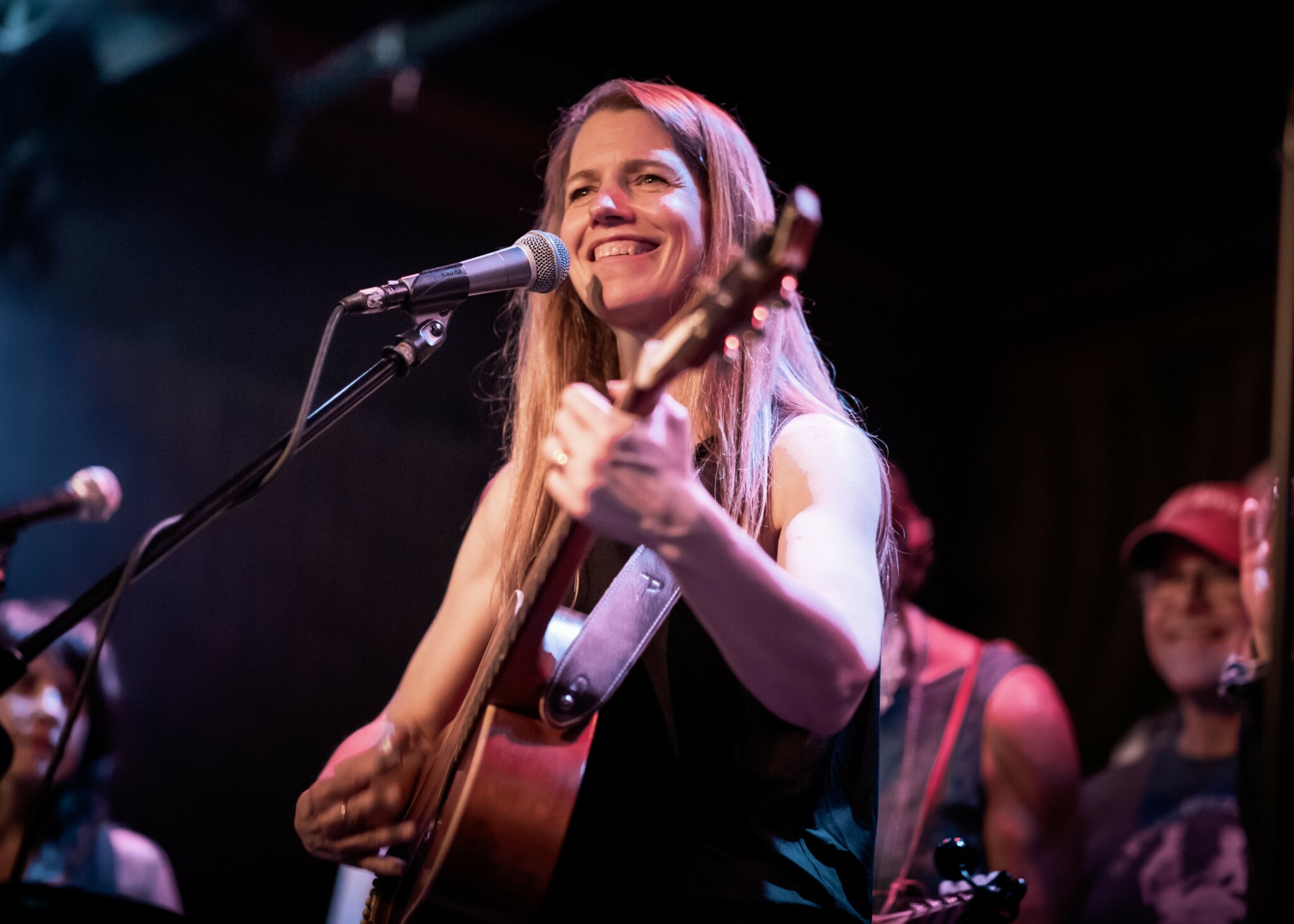
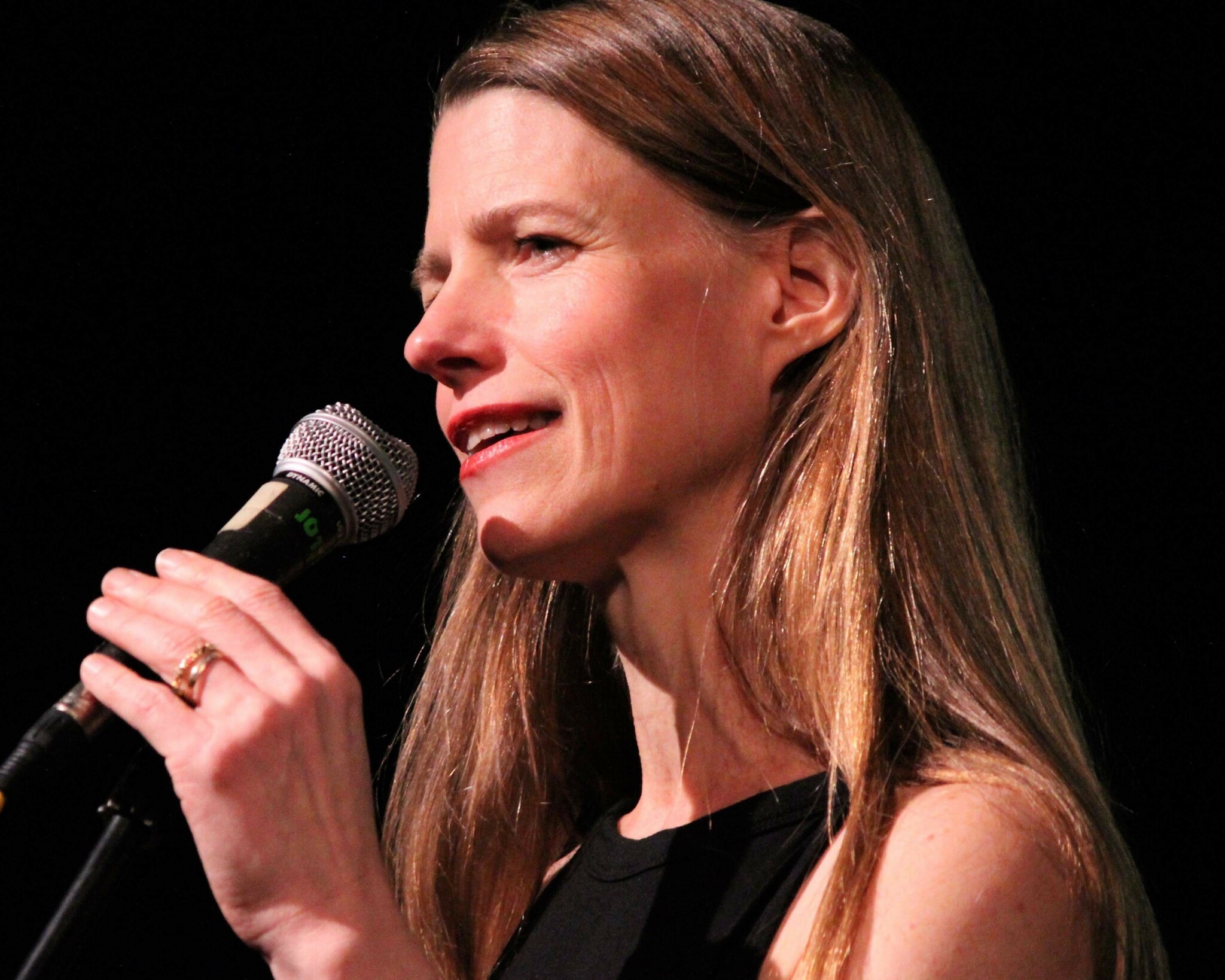
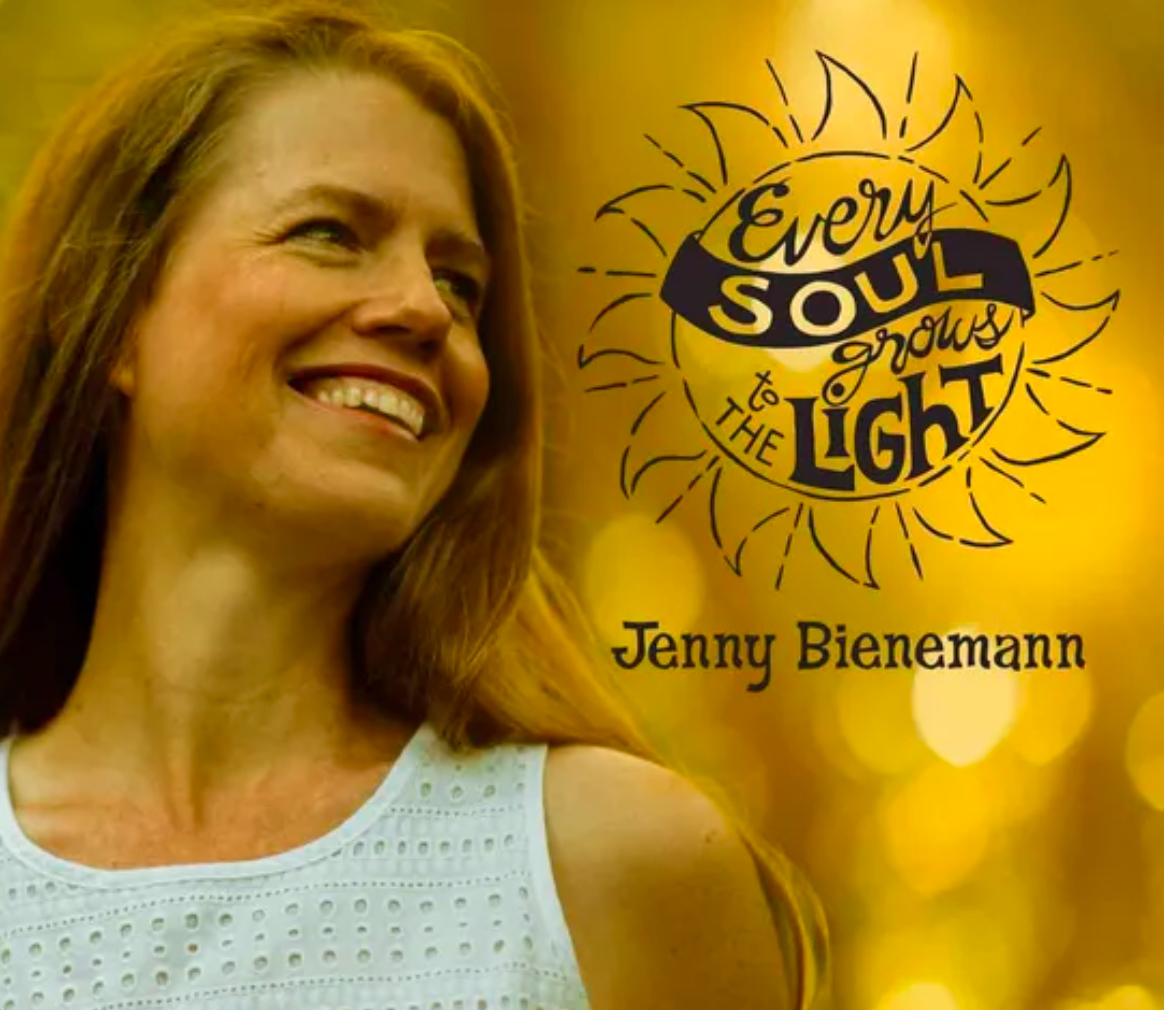
I’ve released six albums of original music, with songs featured in film, TV, and theater. I’ve published four books of acclaimed haiku and images, and I send out a Sunday Morning Haiku Milieu email to a global audience at 6 a.m. sharp each week. I have a clothing line of t-shirts with striking graphics on ultra-soft fabrics that feel more and more like a hug the longer you own them. I’ve also launched a concert series that’s showcased over 350 songs inspired by Haiku Milieu from artists across the U.S. After years of teaching, in 2025, I’ll offer my first-ever online creativity course.
Seeking the extraordinary in the everyday ignites a life rooted in love. Creativity, rooted in joy and anchored in daily practices, expands and fosters connection. Passion, no longer bottled up, begins to flow in rivers of long-hidden hopes and dreams. Nothing much may have changed, but the way you look at things is changing everything.
And very soon, people come to understand that THEY are the most extraordinary thing in their every day.
Growing up bounded by cornfields in the Western suburbs of Chicago as the third of four children, I had the unusual sensitivity often attributed to middle siblings. Branded as “artistic” early in life, I spent much of my youth gleefully employed in community theatre, eventually earning a BFA in Theatre.
Graduating college with one child and another on the way eroded the patience and resilience essential to building a life as a working actor, but it was the dissolution of my college-romance-turned-two-kids-and-a-marriage that erased my desire to be on that side of the footlights. As a single mom, I needed a steady paycheck. As an artist, I needed a way to offer my gifts to the world that didn’t have me waiting on other people to decide if I was good enough, or even simply right for a part.
My parents always had two jobs. My mom was a high school English teacher, she directed the plays, and she helmed the CCD program for our parish. My dad worked for Klein’s Sporting Goods, then Herman’s Sporting Goods, and worked as a security guard at nights. My siblings and I each had more than one job throughout high school and into college. I did not question having two jobs, three if you count raising a family. I thought it was just what you did.
After stints in the world of film production, copy machine sales, and straight up retail, I landed in non-profit Development, getting paid to raise money for causes that I care about. My first job paid me $10 less a month than I needed for my kids’ monthly Montessori school tuition, and I thought nothing of working as a waiter on the weekends to pay for everything else we needed. Between me, my parents and my extended family, the kids were safe, loved, and well provided for.
This enabled me to think about what I wanted from an artistic endeavor: the ability to do it to my satisfaction, at any time and any place that worked for my schedule, and that could gather a community together to practice and grow.
I became a singer/songwriter. I met my now husband, a fellow singer-songwriter, and began a lifelong connection with a vibrant and ever-changing community of singers and songwriters in the Chicago area.
Fast forward to today: I am proud of my decades-long marriage. I am proud that I enabled my kids to have three sets of grandparents. I am proud that I gave my kids choices that I never had, where to go to high school, where to go to college, and in what part of the country to make a life. I’m proud that by the time they graduated from college, I had produced albums that continue to resonate with listeners, and as I noted earlier, are played on the radio and are contributing to tv, film and theatre projects.
And most of all, I am proud that I never stopped being creative. The pressures to abandon my creative practice, to surrender to the definitions others have made of me rather than stand firm in what I know is true, have been intense.
When I turned to writing haiku and started Haiku Milieu, I told myself it was a path to staying creative in-between writing songs. In reality, it was the demarcation between defining myself as others saw me and as I saw myself.
Everything I do flows from asking myself these kinds of questions: is this what I want to put into the world? Is this my lived experience, or is it what I wish was my experience? And, to paraphrase Socrates, is this true? Is this kind? Is this useful?
These questions extend into the physical goods I create.
As my music and Haiku Milieu evolve from a beloved hyper-local boutique to a globally recognized creative force for art-making, personal creativity, and human connection, I stay focused on creating products that will truly enrich your life—offering you far more value and meaning than what you invest to own them.
Everything I make is manufactured in the US, though it would be less costly overseas. My t-shirts are tri-blend fabrics that only become softer over time, worn and washed in my home for weeks before I commit to a brand and design. My books are printed on archival paper that gives it a pleasing heft, and makes flipping through its pages a pleasure. The songs on my albums are immaculately produced, enveloped in album artwork that rewards repeated viewing.
The time, effort and energy required by this relentless focus on quality is what has enabled me to grow a loyal audience of believers, people willing to bring home everything I create, rather than one-time consumers.
When my audience brings me and Haiku Milieu into their homes, we come together in pursuit of my true mission: to build a world where personal creativity is nurtured, practiced, and celebrated. To realize what we know deep inside: WE are the most extraordinary things in our every day.
Said in haiku:
Joy is everywhere
it does not discriminate
and it feels like home
Can you share a story from your journey that illustrates your resilience?
As I shared earlier, I grew up thinking that having two or more jobs was expected, so I was prepared for the sheer amount of work and focus Haiku Milieu would require.
Growing up as one of four children in a household with more family members than money, I also expected that I would be funding my artistic projects from the exchange of my time for money in the form of a day job, which is how I launched my business.
When I started playing music, it was possible for an independent musician to recoup album production costs. By the time I released my first album, the conversation was already evolving towards albums serving as “calling cards,” rather than revenue generators, a way to get the gigs that would pay artists and get their music out into the world.
By the time I released my most recent studio album, the prevailing wisdom was that artists need to spend as much on promotion as on producing recordings.
In other words, most indie artists, including the ones that get a lot of attention, will probably never recoup their recording costs. Even if artists get grants, do fundraising campaigns, play out a lot and are diligent about selling merchandise and even asking for tips when appropriate, lifetime revenue is likely to be less than 50% of a project’s expenses.
Making books was slightly different, if only because people asked me to do it. Between grants from the State of Illinois, IndieGoGo campaigns, book sales, and the Haiku Milieu concerts which, until they took on a life of their own, were initially about celebrating the release of Haiku Milieu books, these projects have funded themselves to about 60%. While I could have earned more revenue if I had been willing to print outside the US, or had hired overseas graphic designers for the covers and interiors, I am proud of my choices to work with outstanding local talent and US-based printers.
For my clothing line, I use high-quality tri-blend t-shirts from US-based companies like District and Next Level, and only after I personally have worn and washed them repeatedly. Over the course of time, they grow softer yet keep their shape. These are expensive, a far cry from the boxy, inexpensive t-shirts that quickly lose their shape but can be sold at a high markup. I just about break even on these, and consider my t-shirts are the best publicity money can buy.
And in case I have not made this clear: none of this includes compensation for me, for my labor as the songwriter, poet, photographer, curator, project manager, and producer. I am the single largest funder of my own projects.
I have written extensively in praise of the day job, from its unfailing ability to deliver fodder for creativity, to the skills I would have learned in no other way, to its ability to provide a sense of usefulness and belonging in a world that seems desperate to convince us that AI is superior to human creativity. I have always felt that the day job meaningfully contributes to your life, in addition to making you a living.
My lessons in resilience started early and have never really stopped. While I’d be lying if I said these experiences didn’t sting, history is replete with examples of people bringing new things into the world while being censured by those who have not embraced their own capacity for creativity. My capacity for resilience and continues to grow and has expanded with a healthy sense of humor.
– When I played my original songs for family members, as dutifully as they listened, they even more earnestly invited me to consider the merits of jazz standards because they don’t make the listener think so hard.
– Once I started posting haiku and images online and the response was largely positive, many armchair photographers and poets sent me private messages with ways to improve my craft, though they had not invested in their own.
– At my very first Haiku Milieu concert, 20 solo songwriters took the stage and share a song they wrote inspired by my haiku. Yet the venue booked a 90’s-style hair band complete with fog machine in the smaller venue next door at the same time. On the most tender and quiet of songs at our show you could hear the piercing high notes of the lovelorn singer at the other show. Ha!
The secret to my resilience? Love.
I love making music. I love writing haiku. I love dreaming up new t-shirts. I love putting on concerts.
Lick your wounds if you must, ask someone to bandage them for you if need be, but JUST KEEP GOING. Turn it into something. Make it so fun for yourself that you just don’t want to stop. Make it harder to stop than to continue.
Said in haiku:
The first choice is start
the second is continue
there are no others
What’s a lesson you had to unlearn and what’s the backstory?
Growing up as the middle child, I quickly learned to do whatever it took to keep the peace. My heightened sensitivity made me aware of when that peace was at risk, and I would instinctively give others what they needed—even before they realized it. This habit of over-giving became a lifelong pattern.
In my professional life, this translated into a belief that I could protect myself by staying in the background. For example, when I helped secure a million-dollar donation, I kept the spotlight on the Trustee who made the introduction, glossing over the intricate strategy and hard work I invested to bring the gift to fruition.
Things finally shifted for good through the Haiku Milieu concerts.
At the beginning, I saw myself as merely the emcee, a facilitator for others’ creativity. I glorified the songwriters, and even to myself, didn’t fully acknowledge the effort it took to write the haiku, let alone produce the concerts. I simply did it.
Within a couple of years, the concerts had become a success. Artists were eager to participate, venues were filling up, but somehow, the shows were starting to feel more like work. I began questioning how much longer I could keep going.
But I loved the concerts. I loved the artists. They embodied everything I stood for. So why was I so drained?
When I took a step back and reflected… it all came down to how I felt when I was little, trying to manage and control the uncontrollable. I was still trying to figure out how to do what I wanted to do while taking up as little space as possible while doing it.
Writing and performing songs, sharing my haiku online and in person—these were things all the artists in my circles did. They were expected. But stepping into a leadership role in my own creative community? A role I had invented? To express my perspective directly, rather than hoping it would subtly emerge in my songs and haiku? That felt risky. It felt like I had something to lose.
I had gotten things to a certain high point by doing all that creative, curatorial, and production work WHILE expending the energy to erase myself and stay safely in the background.
Finally, I reached a point where I couldn’t do both anymore. I had to choose—and I did.
Said in haiku:
What got you to here
might not be what will get you
to where you’re going
Valuing myself as both the creator and producer has inspired me to reshape how I fund my work.
• I now maintain a dedicated project fund, which I consistently contribute to.
• I actively seek sponsorship for Haiku Milieu concerts.
• My Sunday Haiku Milieu email invites voluntary contributions through “Buy Me A Coffee.”
• I’ve broadened my focus on grant funding, now also pursuing residencies where I’m compensated to create.
And I’m launching a multi-week online creativity course to generate evergreen revenue.
As a final note: between idea and execution, there is a sacred space. This is where our businesses come from. It is our job to take our business from the realm of the potential into our three-dimensional reality. It requires risk, surrender and trust. It’s terrifying, exhilarating, and it never stops. The good news is, this means we’re alive and learning things we never would have learned any other way.
Most of all, we learn who we are, and who we are becoming
Said in haiku:
Life will never stop
it will drive you to your knees
to open your eyes
Thank you for reading.
Contact Info:
- Website: jennybienemann.com and haikumilieu.com
- Instagram: https://www.instagram.com/jennybienemann_and_haikumilieu/
- Facebook: https://www.facebook.com/profile.php?id=503103264
- Linkedin: https://www.linkedin.com/in/jennifer-bienemann-29407b8
- Youtube: https://www.youtube.com/@haikumilieu
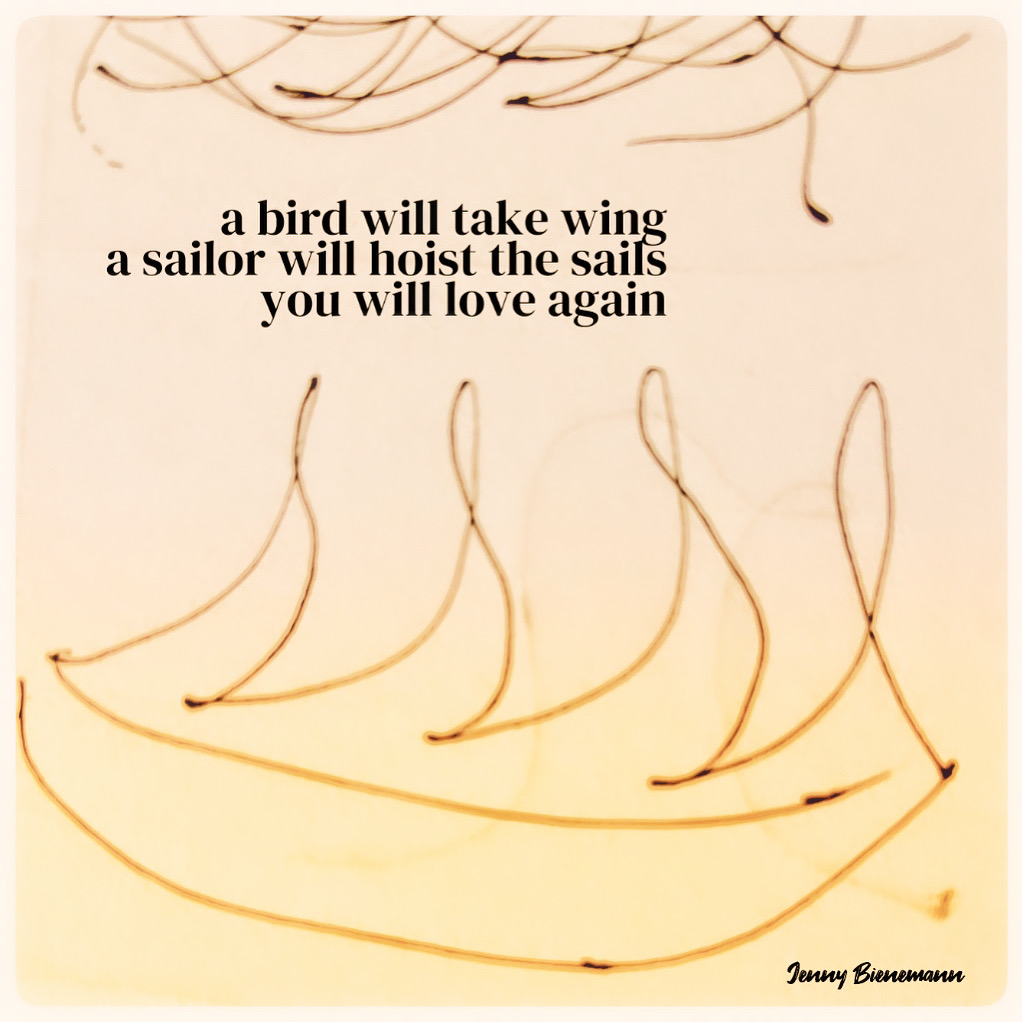
Image Credits
Photographs by Jenny Bienemann, David Kindler, and Bruce Lee Rose