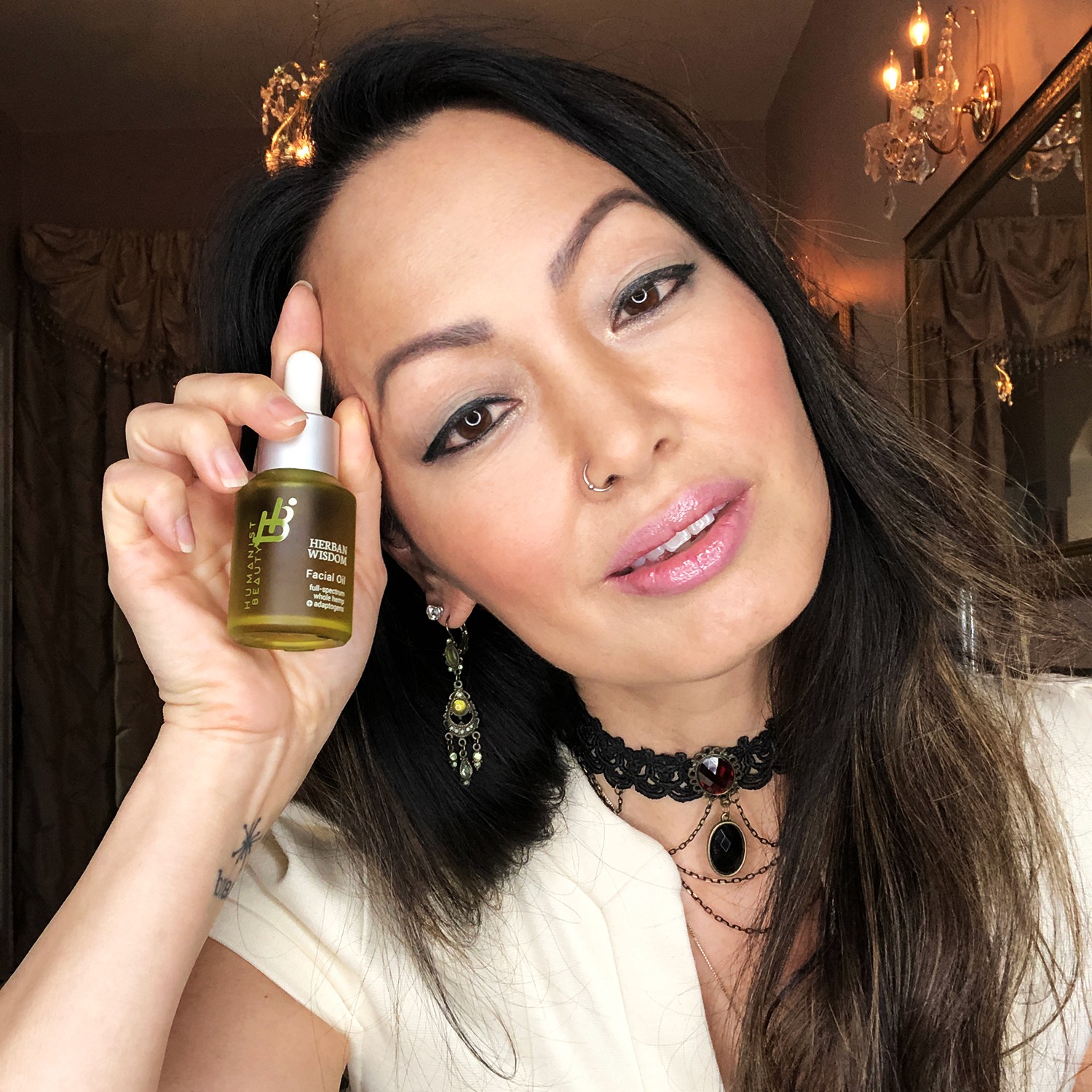
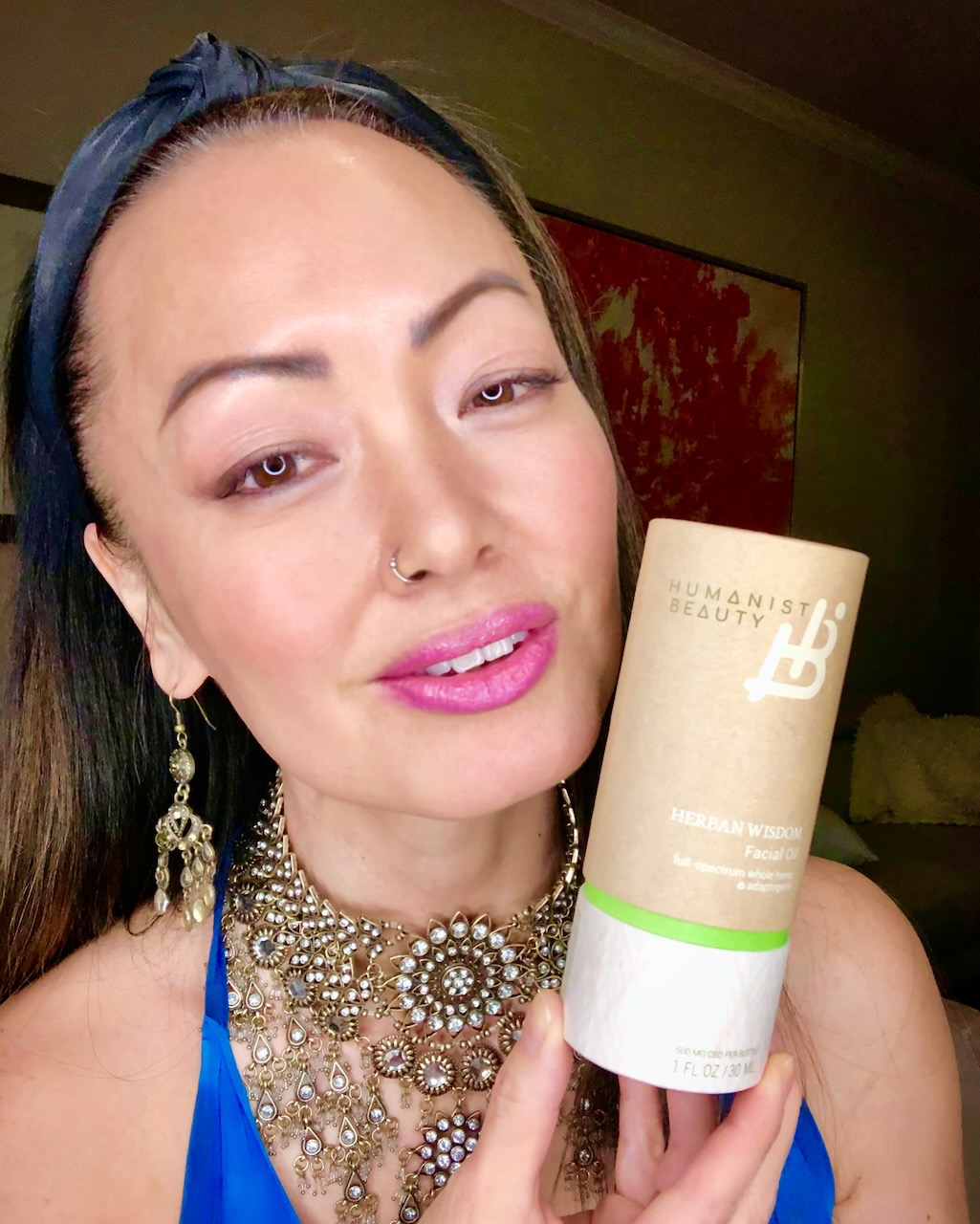
We were lucky to catch up with Jennifer Norman recently and have shared our conversation below.
Jennifer, looking forward to hearing all of your stories today. What’s been the best thing you’ve ever seen (or done yourself) to show a customer that you appreciate them?
One moment that still stays with me was something very simple—and very human.
A customer reached out after discovering Humanist Beauty Facial Oil at Flying Solo in SoHo while she was visiting New York. She shared that she’d been struggling with rosacea, and that the oil had noticeably calmed her skin in a way nothing else had. You could feel how relieved she was—not just cosmetically, but emotionally. When your skin finally feels safe, you feel safer.
Instead of sending a templated email or a discount code, I picked up the phone and called her.
I wanted to thank her personally, but I also wanted to listen. I asked how she found the product, how it fit into her routine, what her skin had been through, and how it made her feel. The conversation wasn’t rushed or transactional—it was two women talking about care, trust, and relief.
She was genuinely surprised. She told me no founder had ever called her before. By the end of the conversation, she said, “I’ll be a customer for life.” Not because of the product alone—but because she felt seen, appreciated, and valued as a human being.
That moment affirmed everything we stand for. Appreciation doesn’t have to be flashy. Sometimes the most meaningful thing you can give a customer is presence. When people feel heard and cared for, loyalty becomes a natural byproduct—not a strategy.
That call wasn’t about customer service. It was about humanity. And that’s the experience I want every interaction with our brand to reflect.
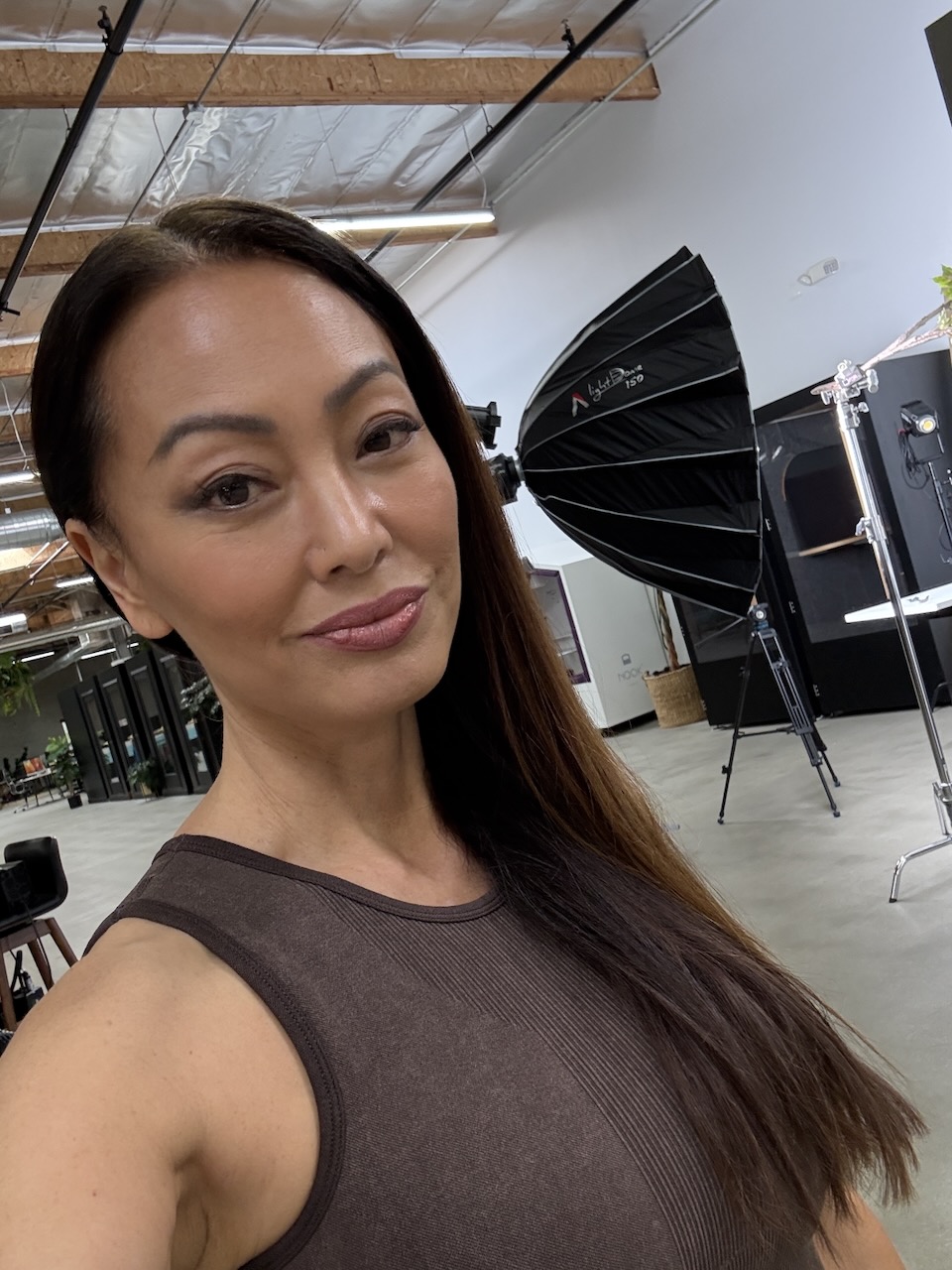
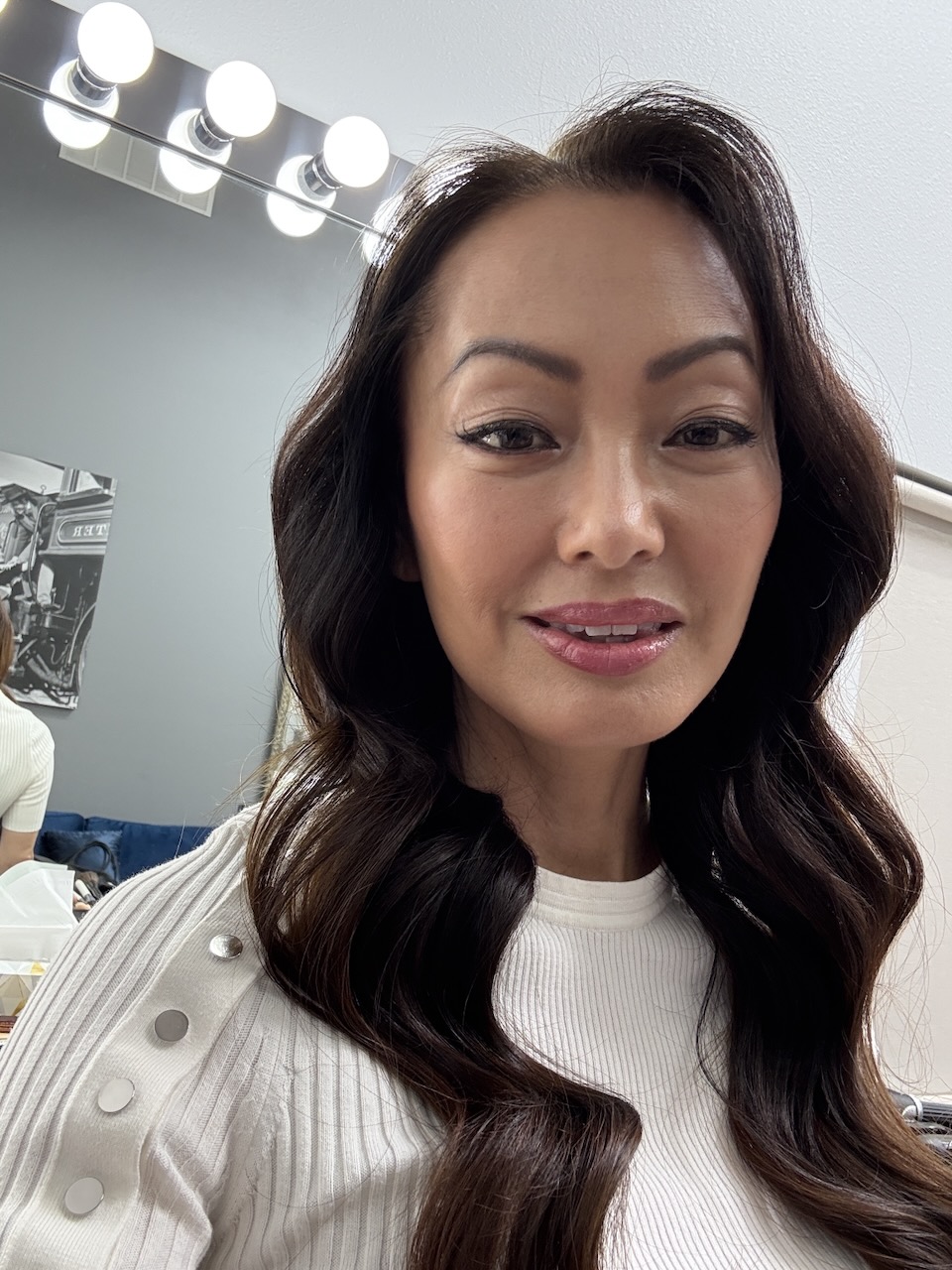
Jennifer, love having you share your insights with us. Before we ask you more questions, maybe you can take a moment to introduce yourself to our readers who might have missed our earlier conversations?
I’m Jennifer Norman, and my work sits at the intersection of beauty, humanity, and well-being.
I came into the beauty industry the traditional way—through big brands and big systems. Over the course of more than two decades, I worked with some of the most recognizable names in beauty and wellness. I learned how products are formulated, how brands are built, how desire is marketed, and how powerful storytelling can be. But I also saw the shadow side of the industry up close: how often beauty is framed around fixing, comparison, and inadequacy rather than care, connection, and self-trust.
At the same time, my personal life was quietly reshaping my understanding of worth. I’m a Korean American adoptee, a single mother, and the primary caregiver to a son with significant disabilities and chronic illness. Navigating those realities—especially in a world not designed with care or accessibility at the center—forced me to confront a deeper question: Who gets to feel worthy, visible, and valued?
That question became the seed for The Human Beauty Movement, a Certified B Corporation founded on the belief that beauty is not something external to be earned, but something internal to be remembered. The realization was simple but profound: real beauty isn’t something we apply—it’s something we practice. It shows up in kindness, compassion, and how we treat ourselves and one another.
Under that mission is Humanist Beauty, the brand where we create thoughtfully formulated skincare and curated lifestyle products designed to inspire self-love and a sense of coherence with nature. Our products are made to support the skin, yes—but also to support the human. They’re meant to feel grounding, intentional, and respectful of the body rather than corrective or aggressive.
What truly sets us apart is that products are only one expression of the work. What we specialize in is reframing beauty as an inside-out experience. We don’t sell perfection. We don’t market insecurity. We create rituals that invite people back into relationship with themselves—through care, presence, and integrity.
As a Certified B Corp, accountability matters deeply to us. Sustainability, ethics, transparency, and social impact are not side projects—they’re built into how we operate. But beyond frameworks and certifications, what differentiates this work is that the mission is lived. It’s shaped by real human experience: caregiving, disability advocacy, mental health, cultural identity, and navigating systems that often overlook dignity. That lived perspective brings depth and honesty people can feel.
What I’m most proud of is that we’ve built a brand that can hold complexity. We’ve shown that beauty can be ethical and still high-performing. Soulful and still sophisticated. Gentle without being passive. In a world that often pushes extremes, we choose coherence.
What I want people—clients, customers, collaborators, and readers—to know is this: everything I create is rooted in the belief that you are already worthy. Whether you encounter our work through a product, a conversation, or a moment of self-care, the intention is the same—to help you come home to yourself.
When beauty is grounded in humanity, it becomes expansive instead of limiting. And that’s the future I’m committed to building—one thoughtful, human-centered choice at a time.


What’s a lesson you had to unlearn and what’s the backstory?
One of the most important lessons I had to unlearn was the idea that good leadership meant doing everything myself and holding it all together without showing strain.
Early in my career, I believed that being capable meant being endlessly resilient. I came up in fast-paced, high-performance environments where efficiency and endurance were rewarded, and as a single mother and caregiver, that mindset only intensified. I learned to push through, solve quickly, and stay composed—often at the expense of rest or reflection.
For a long time, I thought that was strength.
The shift came when I realized that leadership isn’t about constant output—it’s about clarity. Over-functioning can look impressive, but it often limits creativity, sustainability, and trust. I had to unlearn the habit of saying yes to everything and relearn how to build with intention: asking for support, setting boundaries, and designing work that honors both people and purpose.
That unlearning changed how I lead and how I grow a business. I now see strength as discernment—knowing what deserves my energy and what doesn’t. The result has been better decisions, healthier partnerships, and a brand that reflects care not just in what we make, but in how we operate.
The lesson was simple but powerful: leadership isn’t proven by how much you can carry. It’s revealed by how thoughtfully you choose what to carry.
Can you open up about how you funded your business?
I funded the business by selling my house.
It wasn’t a decision I made lightly, but it was a deeply intentional one. I believed so strongly in the mission of The Human Beauty Movement that I was willing to bet on it in a very real way. I explored traditional paths—raising outside capital or taking out loans—but I didn’t want to be financially beholden to pressures that could compromise how I led or what I prioritized.
I’ve seen how external funding can quietly reshape a business. When money, profit, and rapid growth sit at the center of every decision, values often become negotiable. Management can become reactive instead of intentional, and the mission starts bending toward metrics rather than meaning.
For me, autonomy mattered. I wanted to design a business—and a life—that allowed for flexibility, presence, and choice. As a single mother and caregiver, I needed the freedom to take time with my son when he needed me, to make decisions based on values rather than financial urgency, and to grow at a pace that was sustainable for our family.
Selling my house gave me that freedom. It allowed me to invest in the business without compromising my principles, and it reinforced my commitment to building something aligned, responsible, and human-centered from the start.
That decision shaped everything that followed. It created space to grow intentionally, protect the mission, and lead without outside pressure. For me, funding wasn’t just about capital—it was about belief, autonomy, and integrity.
Contact Info:
- Website: https://www.thehumanbeautymovement.com and https://www.humanistbeauty.com
- Instagram: https://www.instagram.com/thehumanbeautymovement and https://www.instagram.com/humanistbeauty
- Facebook: https://www.facebook.com/thehumanbeautymovement and https://www.facebook.com/groups/thehumanbeautymovement and https://www.facebook.com/humanistbeauty
- Linkedin: https://www.linkedin.com/company/the-human-beauty-movement and https://www.linkedin.com/showcase/humanistbeauty and https://www.linkedin.com/in/jennifernorman
- Youtube: https://www.youtube.com/@thehumanbeautymovement
- Other: https://www.tiktok.com/@thehumanbeautymovement