



We were lucky to catch up with Jennifer Jean Okumura recently and have shared our conversation below.
Hi Jennifer Jean, thanks for joining us today. We’d love to hear about when you first realized that you wanted to pursue a creative path professionally.
I was 16 years old, and a visiting Commercial Artist in my junior year of high school encouraged me to take classes at a local college, Moore College of Art and Design. He helped me apply for a scholarship, which led me to take painting and figure drawing classes in my junior and senior years. He said my thirst for knowing more about the human form could only be achieved in these classes. Outside of school, I spent many hours exploring the 1300 Chestnut Street murals, sketching at the Rodin Museum, and sitting/drawing in the Arms and Armor room at the Philadelphia Museum of Art. In addition, I sketched anyone who would let me and sometimes people I saw at a distance—I still remember the glares and fingers of unwilling subjects. This, mixed with my first memory in the Arts, was creating a wall of large white or brown paper held by tape—my artistic and unconventional Mama would say, “Wow me.” I thought this was the norm in everyone’s home. Once school age, you realize it was unconventional but inspiring and outré at times. She had always been my creative inspiration, a safe, offbeat person, and a forever muse.
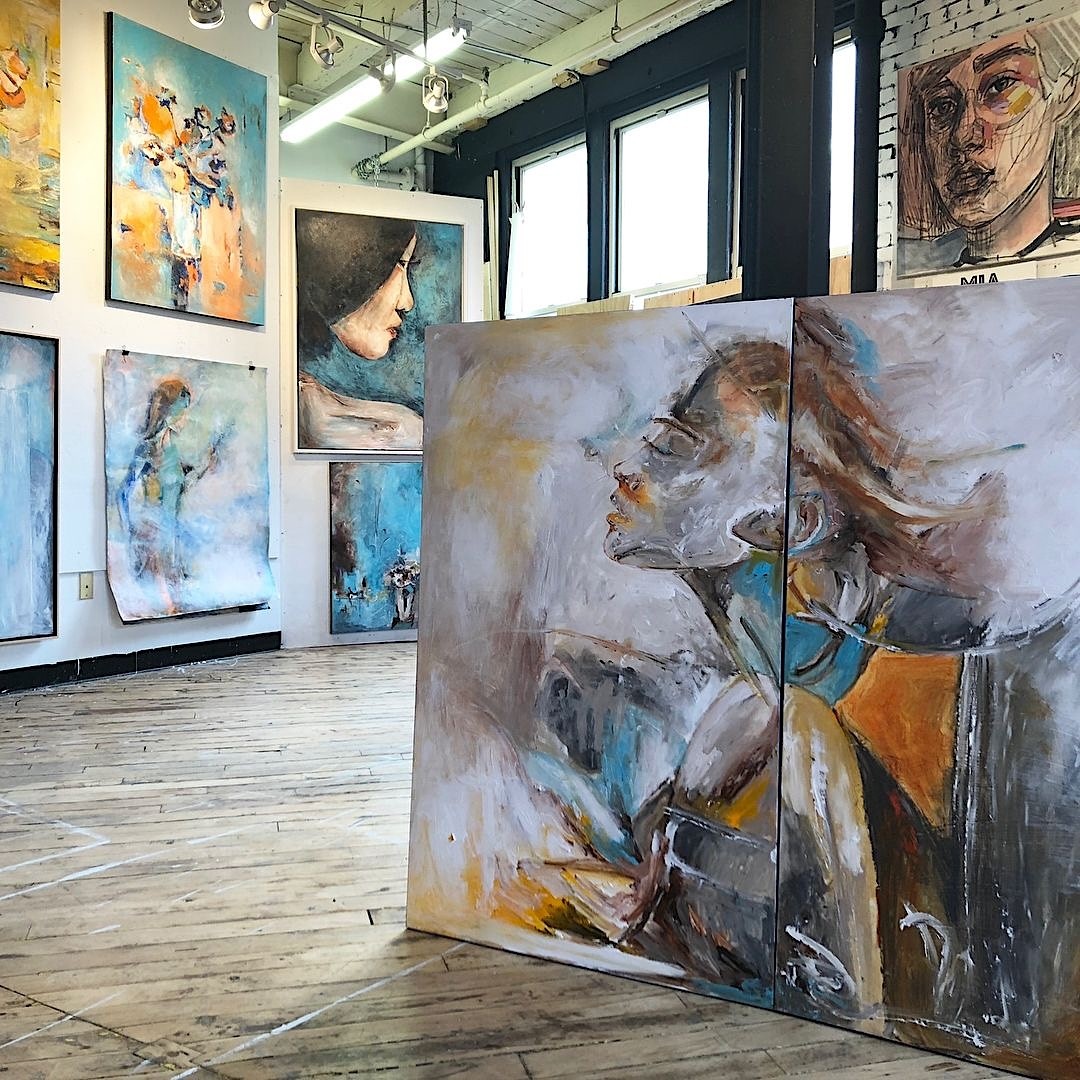
Today, my mixed of growing up as a child of Asian and Caucasian parents, my 2D artwork (primary oil on canvas and wood) is a reflection of what is beautiful and sometimes misconceived in both cultures. My use of color and creative texture lend harmoniously to the natural world—having grown up with an environmental engineer parent—and my heritage influences. am only able to reveal my true thoughts and fears to my Mama, my brother, and a small group of creatives. During holidays, my Asian relatives do not want to hear about it so I say nothing. This is in no way a reflection of their love towards me. Plus I cannot see myself doing anything else. Art-making itself—the urge to create—is personal. Strong work speaks with a clear, rare voice. Yet art without a viewer is an inner monologue. Basically, the circle is not complete. Luckily, I am surrounded by a few honest critics, and people who are inspiring and stimulated in their own lives.
Awesome – so before we get into the rest of our questions, can you briefly introduce yourself to our readers.
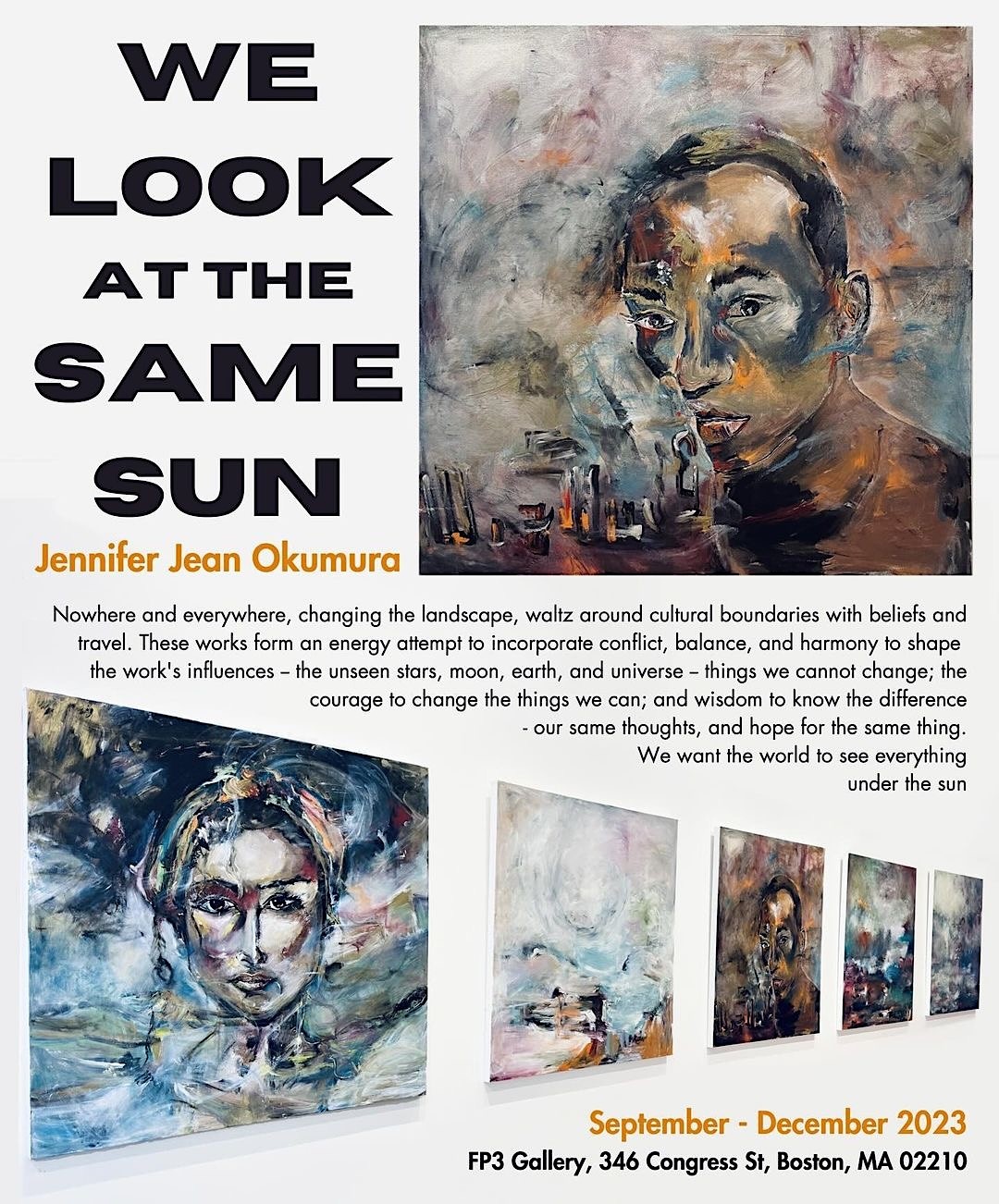
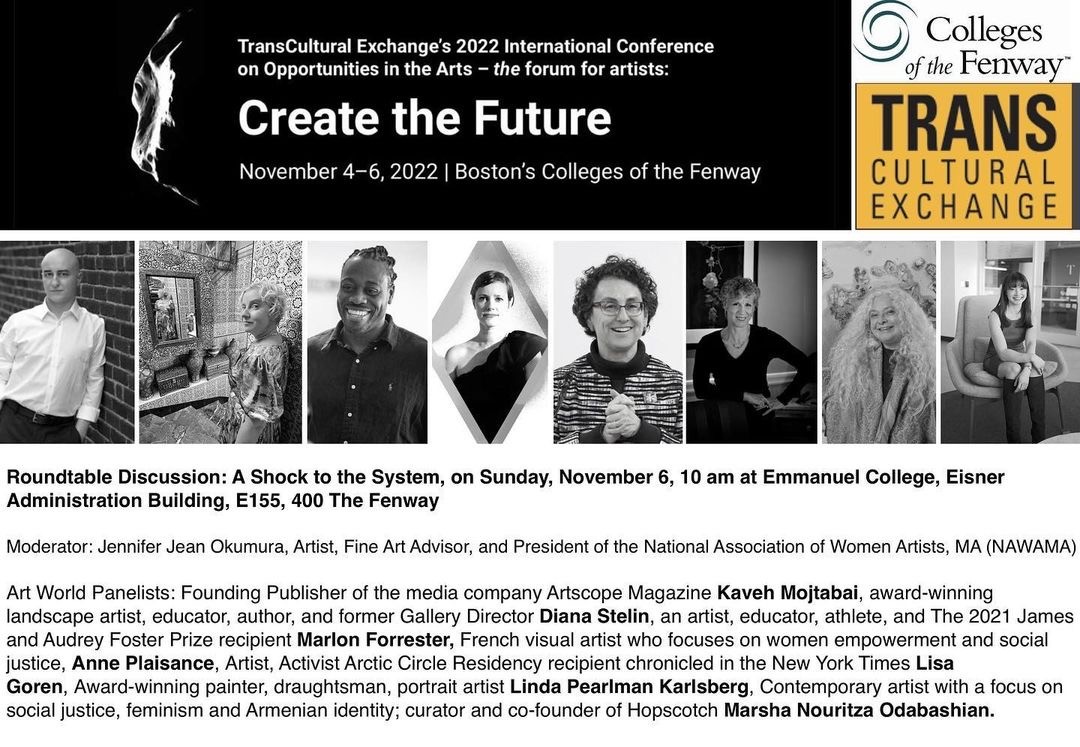
I define my style of art as conflict, balance, and harmony. My dual heritage mentioned previously is reflected in my work, where I frequently explore the relationship between humans, nature, and objects. I think of my art as an objective homage to my Eastern and Western traditions and the raw architecture and objective homage to my Eastern and Western traditions and the raw architecture and sounds of the city by letting my art speak conceptually and emotionally through color, texture, space, and time. I hope to continue drawing, exchanging, and growing with the viewer’s gaze. I am always learning, experiencing, and pushing myself to reach for more. Over time, a powerful work of art continues the discovery process and builds one’s deeper conversation with the piece while answering, “Is it okay to engage longer?” I am in awe and deeply humbled to be in the art world; I bring to the table a solid, comprehensive knowledge of the Art Market: Modern and Contemporary Art, with diverse and extensive Fine Art experiences as a Director, Operations Manager, Fine Art Consultant, Design Associate, Adjunct Educator at the Museum of Fine Arts, Boston, coFounder of Art Advising Group Invoke Contemporary and currently sits on the board as President and founding Exhibition Chair for National Association of Women Artists, Inc. MA chapter and formerly on the FPAC Board of Directors.
My first real art job was in grad school, working with an Art Broker at the Boston Design Center; here, my love for modern and contemporary arts expanded as Sal — who thought I was Italian and why I was initially hired — welcomed me to see the Renaissance through his magnetic eyes. He opened my eyes to art and its ability to elevate people. It is what inspires me every day. You do not need to love every art piece, but the origins are someone’s story, and as artists, we stand on the shoulders of our predecessors. Thus, capturing the moment of today while embracing the stories of the past, we, as practicing artists, are in tune with the activity of those who push the envelope to the maximum of what is defined as art. On some level, art is my life – it was and still is his life.
Upon graduating with my MFA, he told me the best way to find my next job would be to go up and down Newbury Street in Boston and see which galleries left a follow-up imprint on me. Not all galleries are a match, he would say, and you need to be in their space before inviting yourself to join their space. I feel the same way about collecting art. There are endless ways to collect art. Some collect for investment, others for a sleek-looking home, and then there is me ‘us’…because I love it and want things that make me happy and get me to think in my house. With most things, there can be a crossover in the ‘why’ of adding art to your home or office, but from my personal experience as a collector and years of working with those adding art to their lives, a few of my favorite things to consider is collecting is a lifetime pursuit especially one with meaningful and is engaging.
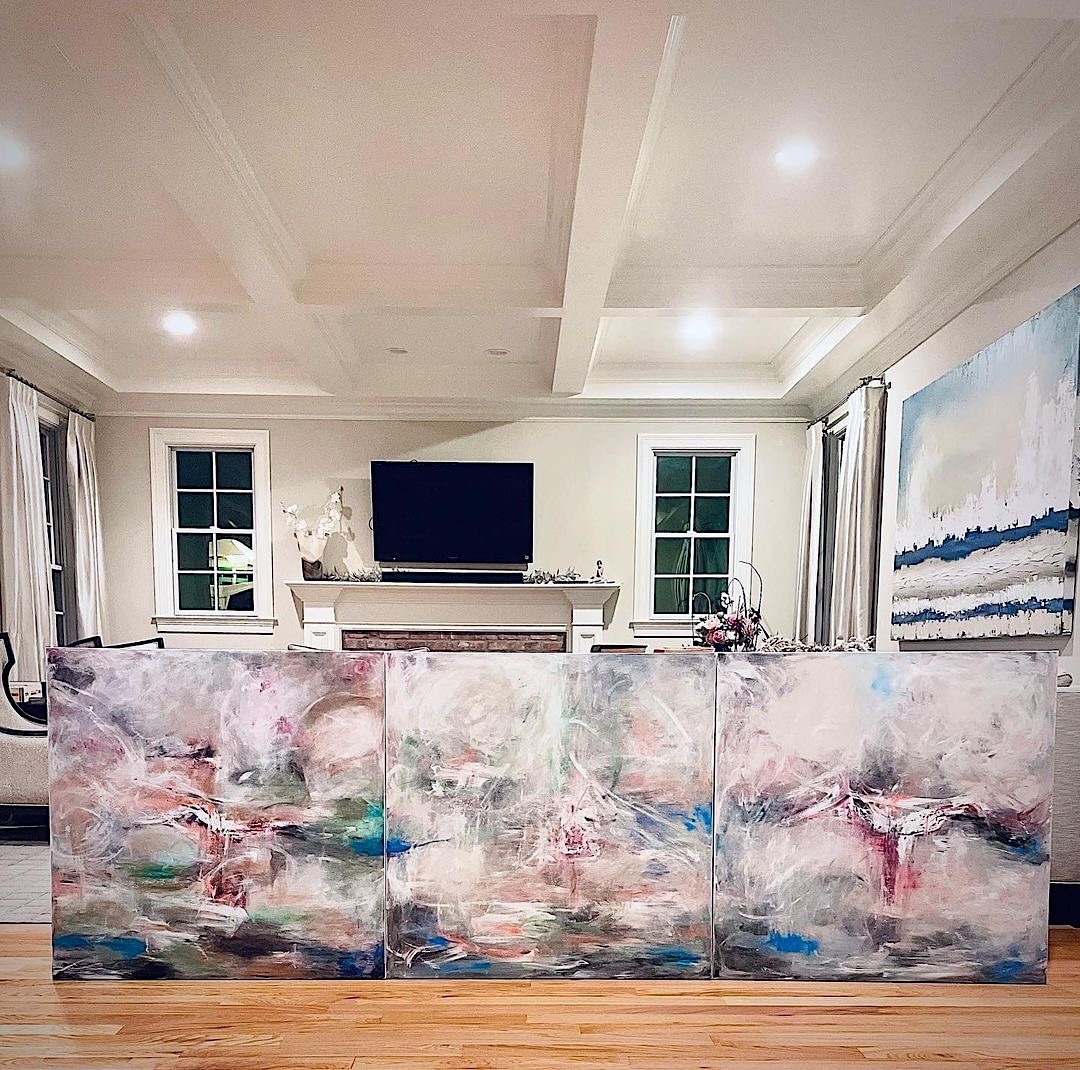
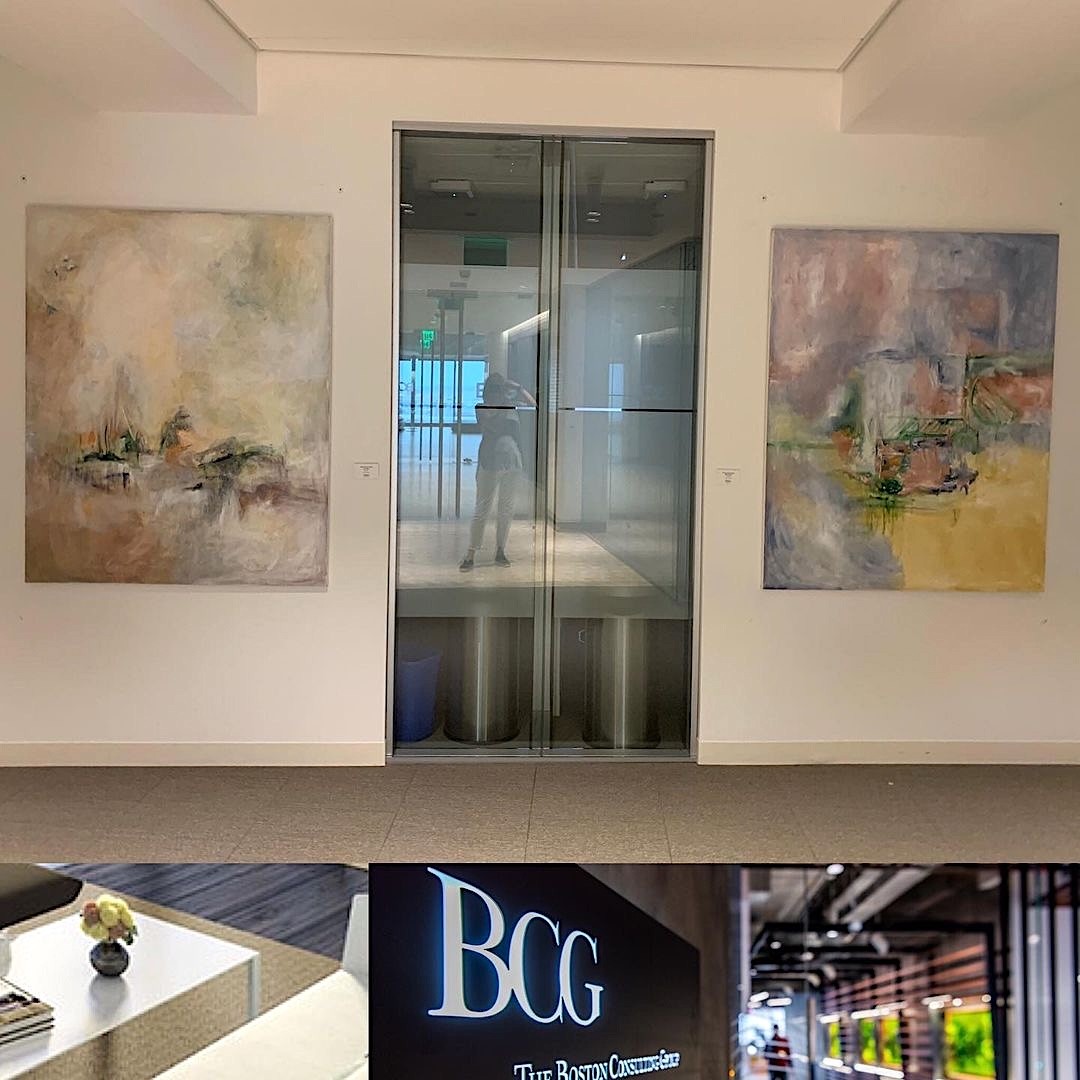
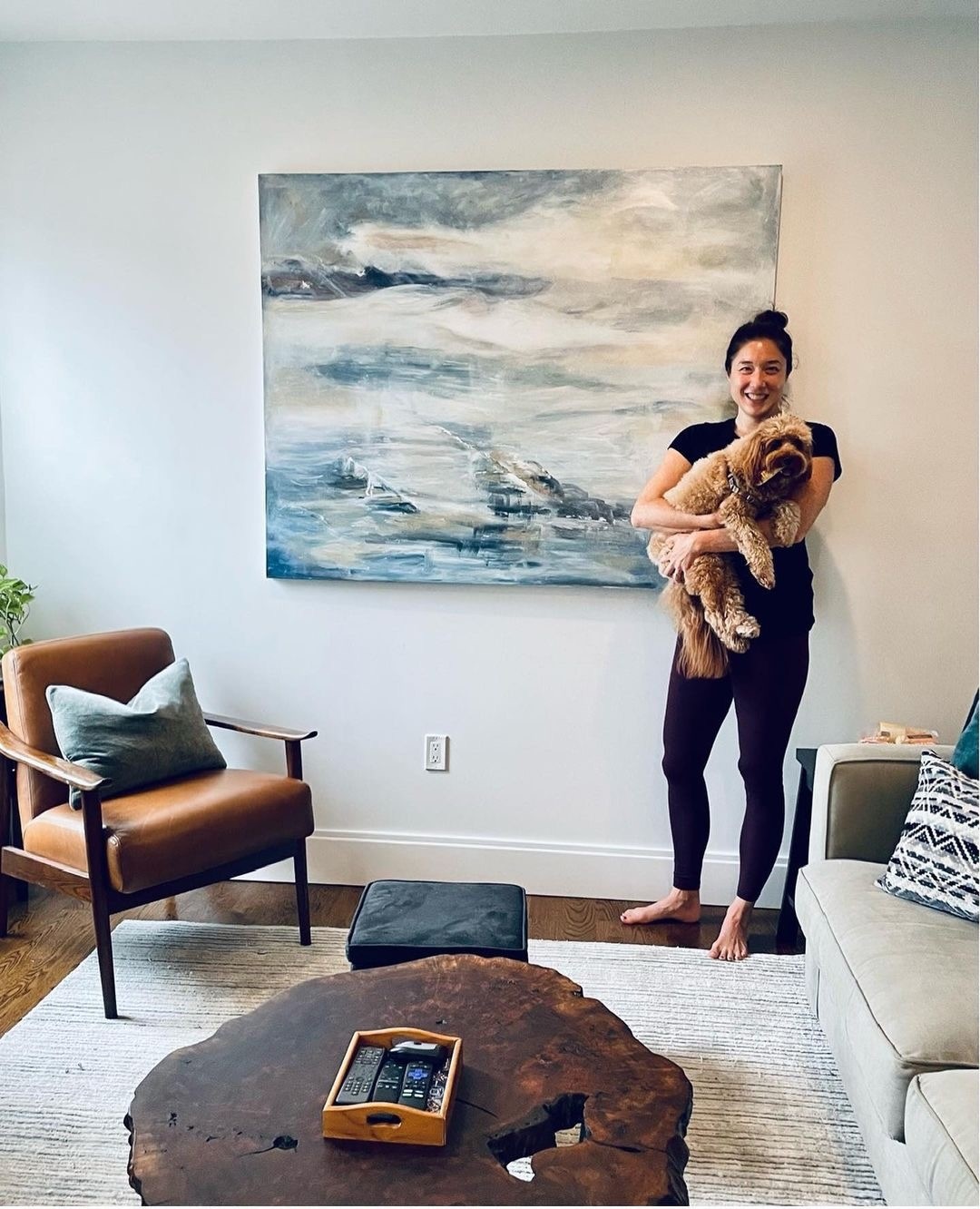
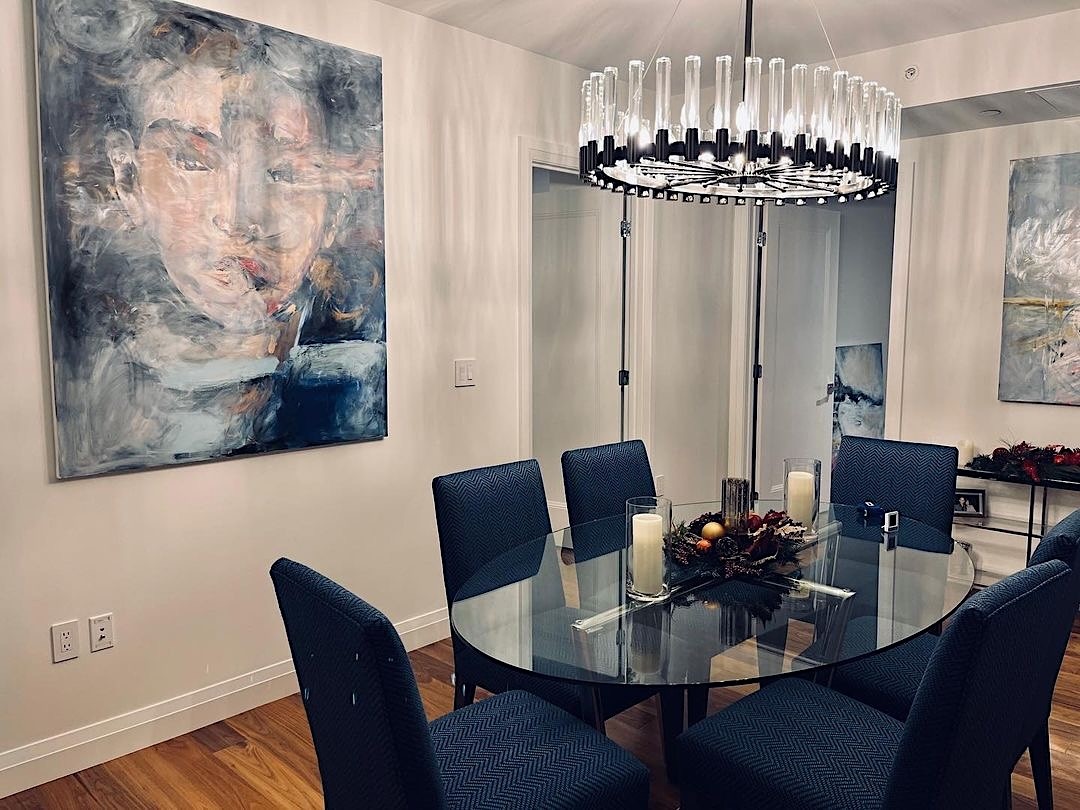
From my haven on Newbury Street, my first gallery job, I never left this part of the art world. While my titles and responsibilities changed, the main question I ask myself and collectors is: Does the art you’re considering make you feel something? You don’t collect to fill a hole in the wall; how does it make you feel — Does the piece of art you are considering stop you? Does it make you draw on a memory–a piece you want to enjoy daily, and would you be upset if you returned for it and it was already sold? These collector’s thoughts, along with creating art as a practicing artist, usually lead to creating new themes, adding conflict, balance, and harmony to shape the work’s form and energy. All the positive and negative experiences lend to this departure from the stations of life in search of new noise and passion as holes in the wall can be patched, and furniture can move; no need to be “matchy-matchy,” and mix 3D in with 2D works. Have fun with collecting by shuffling your art around your area, as art and furniture can move around your space as you discover new pieces you desperately want to add.
How can we best help foster a strong, supportive environment for artists and creatives?
Be engaged; what is life without the arts? Plus, enjoy the process; do not rush it. The biggest mistake people make when collecting art is rushing to fill every open spot simultaneously. This is the quickest way to reverse that naturally contained look and can often lead to buyer’s remorse. “Collection” implies that items are added over time, so remember that as you explore the world of art collecting, enjoy your journey for collecting! The best thing society can do is open its minds, hearts, and homes to these artists and creatives, which we do every day, from listening to music and attending musical events to filling our public spaces with 3D and 2D arts. When you see a piece of art’s impact on a room, it should always be your starting place in growing and completing a room. The fit is ‘you’ in it, and collecting needs ‘you’ in it, so who cares if the room is not on the magazine cover? It would be best if you lived there, and as a result, your gift of collecting makes you an essential part of this creative ecosystem; it is a win-win.
What’s the most rewarding aspect of being a creative in your experience?
Just knowing you are in someone’s home — aka their sanctuary — from being the creator to the art advisor, you had some hand in creating their zen/home-like environment. Plus, having someone say, ‘they can see it in this room’ or ‘the piece/s makes the room’ — this never gets old, and you stay humble by it, or at least I try and believe I am succeeding in that. This leads to the poem by Jorge Luis Borges (“Dreamtigers”), especially the line “Art must be like that mirror, that reveals to us this face of ours.” For myself, my works reveal this essence — I hope — as this line is painted on the wall of my studio and is my driving force for creating.
The most rewarding aspect, in addition, is working every day on some projects. If you are not working, you are not inspiring, growing, or producing. You are not living or being inspired by life! Through language, travel experiences, the written word, and the arts, humanity is nothing without these wondrous moments.
Contact Info:
- Website: www.jenniferjeanart.com
- Instagram: @jennyjean25
- Other: https://artscopemagazine.com/2023/05/transmit-transcribe-transform/