

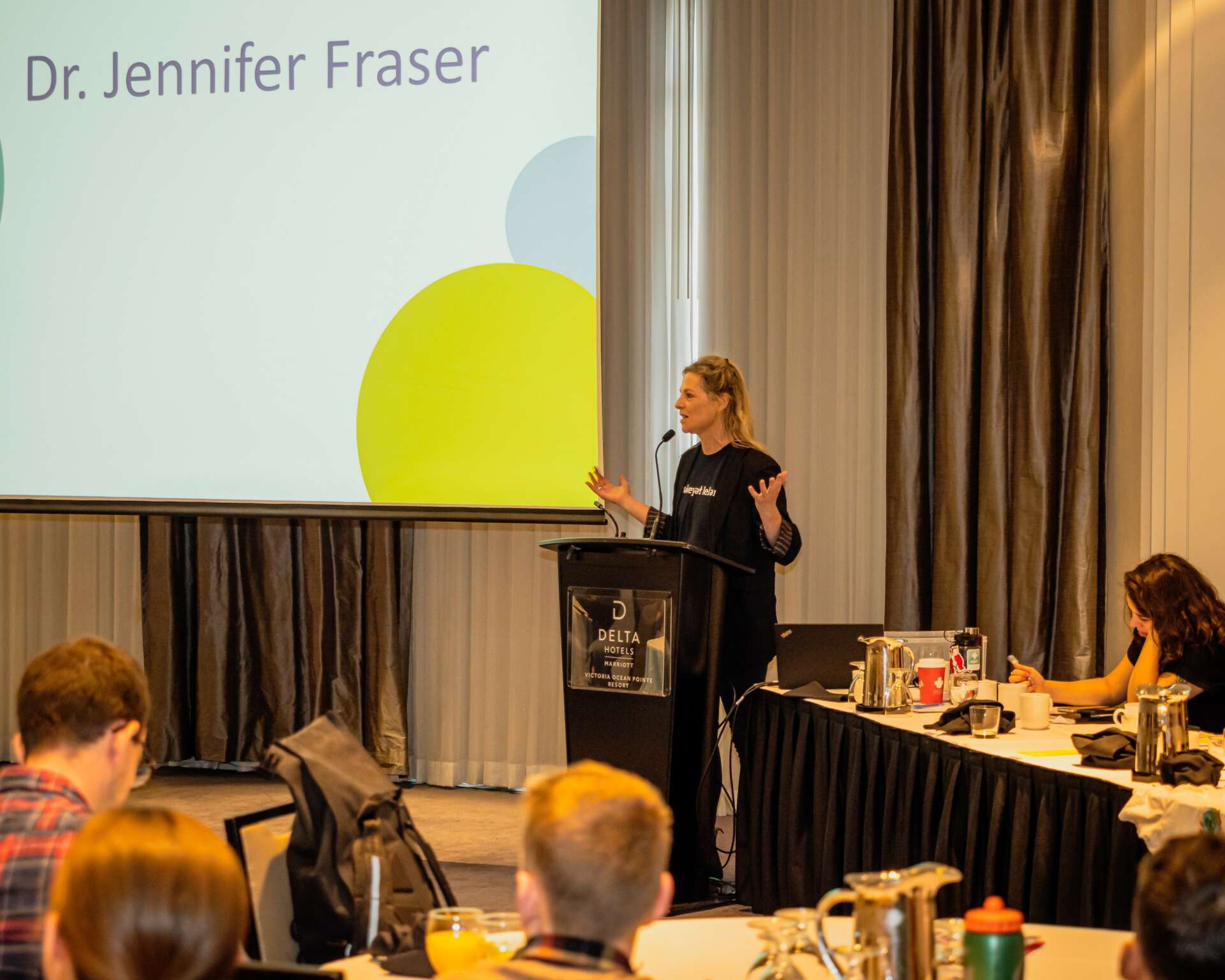

We caught up with the brilliant and insightful Jennifer Fraser a few weeks ago and have shared our conversation below.
Jennifer, appreciate you joining us today. So, let’s start with a hypothetical – what would you change about the educational system?
I was working in a university prep school of wonderful students who were local, and also boarding from seventeen different countries. After I was asked by the Headmaster to take testimonies, I heard directly from students they were being bullied by four teachers. Because it was adults to kids, the proper terms are “physical abuse” and “emotional abuse.” I watched the board and school administrators cover up and re-victimize the students who spoke up. I was told that it wasn’t “abuse”; it was “old school coaching.”
Now that I’ve been researching other occurrences of abuse in schools, sports, workplaces and beyond, I know that this is an entrenched belief system we do not like to acknowledge. There is a deep-seated belief in our society that abuse is a necessary evil for greatness. As I analyze in my book, The Bullied Brain, the award-winning film “Whiplash” is an excellent example of how we excuse educators who abuse students in the name of achievement. The research I did in response to this experience in the education system, showed me that all forms of bullying and abuse, including those that are emotional, psychological, verbal, or emotionally neglectful, ALL can do physical damage to the brain. The “neurological scars” are visible on brain scans.
I am an award-winning teacher of twenty years and I did not know this critical piece of information. It should be widely taught at home, in schools, in sports, and in arts. Teaching children about their brains and how to keep them healthy and safe, should be top priority. If we had schools where brains were recognized as being vulnerable to physical damage from bullying and abuse, we would create and maintain very different schools from what is the norm today. Imagine what would happen to widespread bullying in the workplace if the education system produced employees well-informed that bullying not only damages the target’s brain, but also the brain of the perpetrator. It’s a cycle and we can halt it through education.
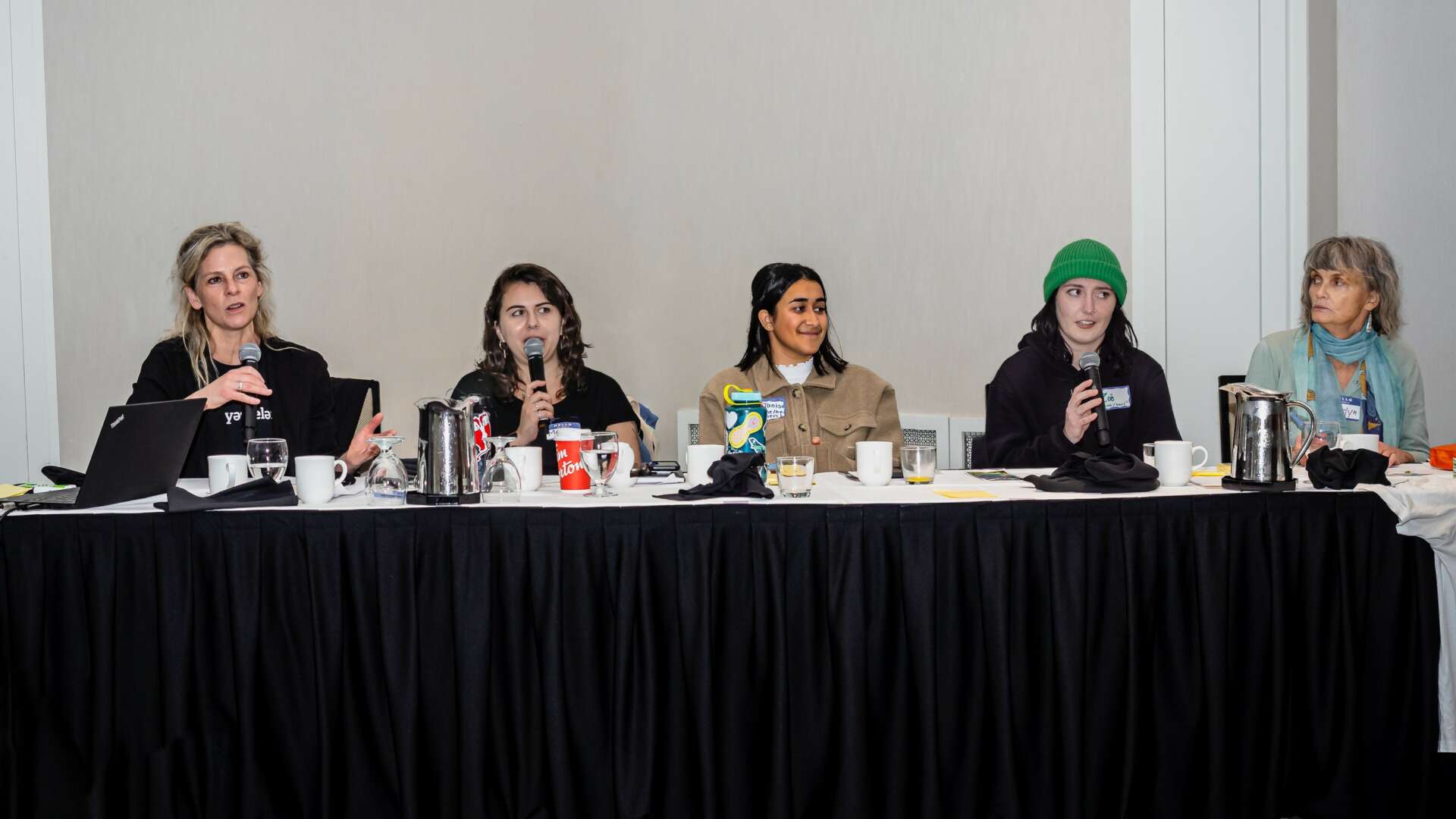

As always, we appreciate you sharing your insights and we’ve got a few more questions for you, but before we get to all of that can you take a minute to introduce yourself and give our readers some of your back background and context?
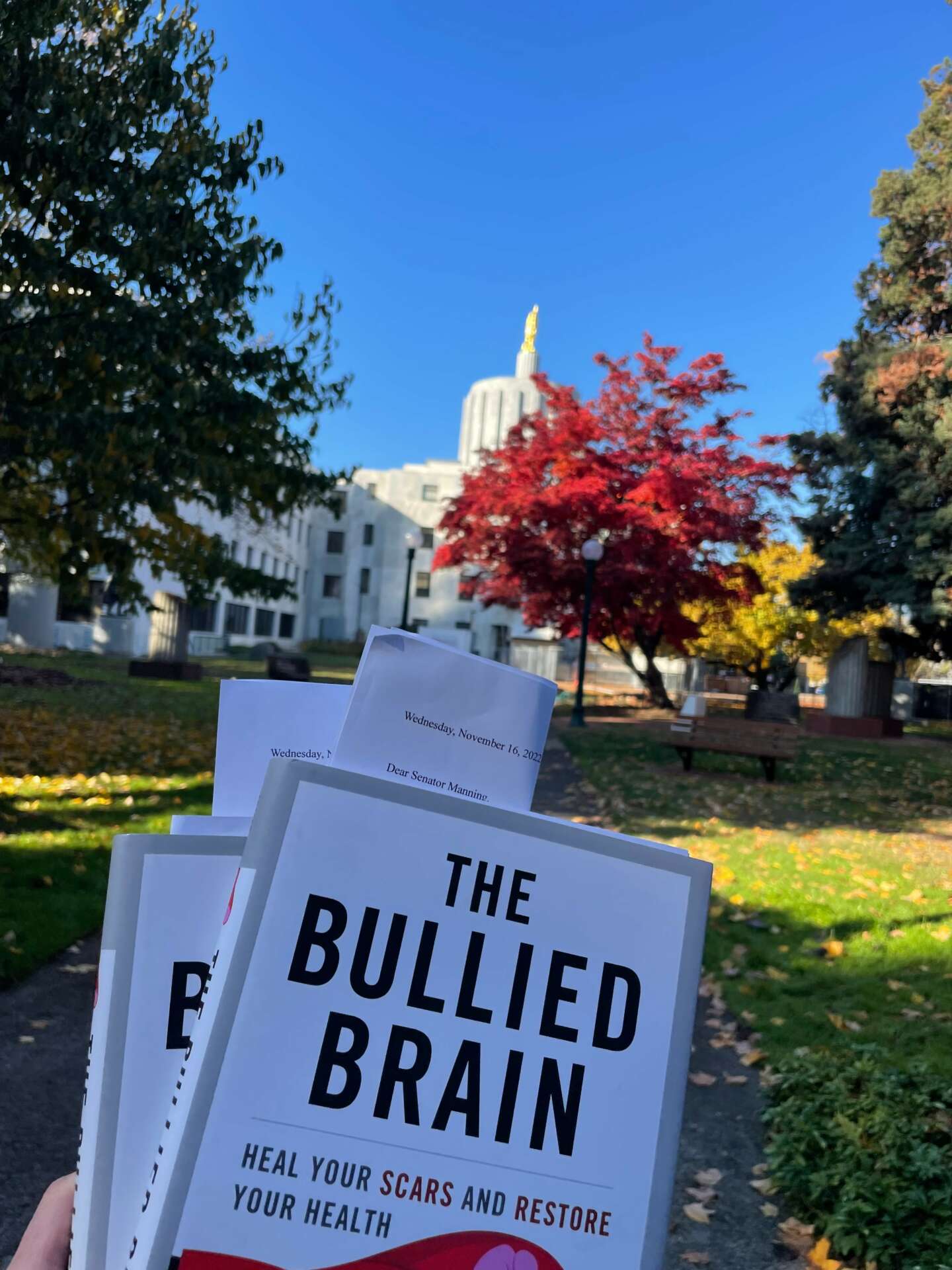
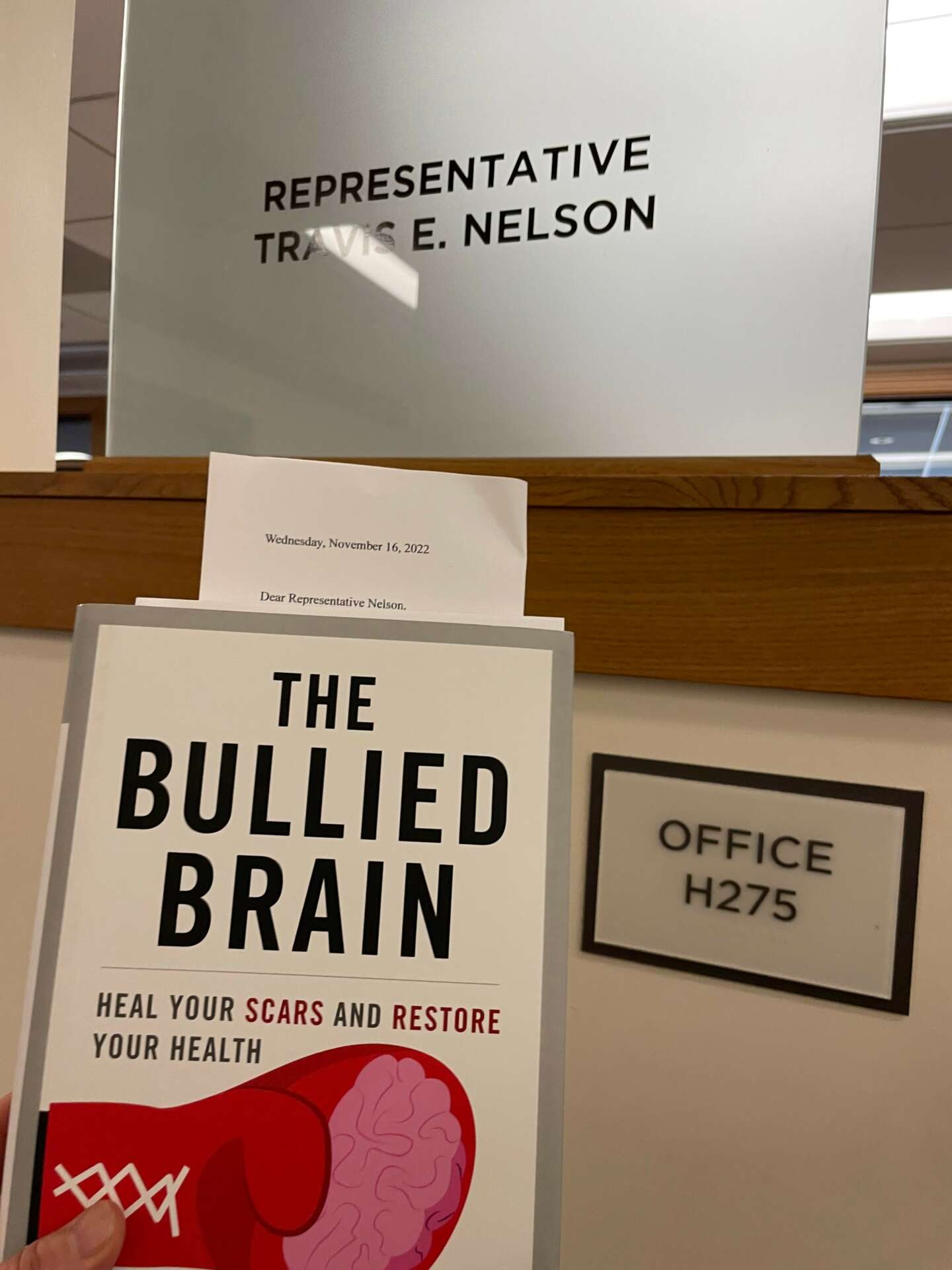
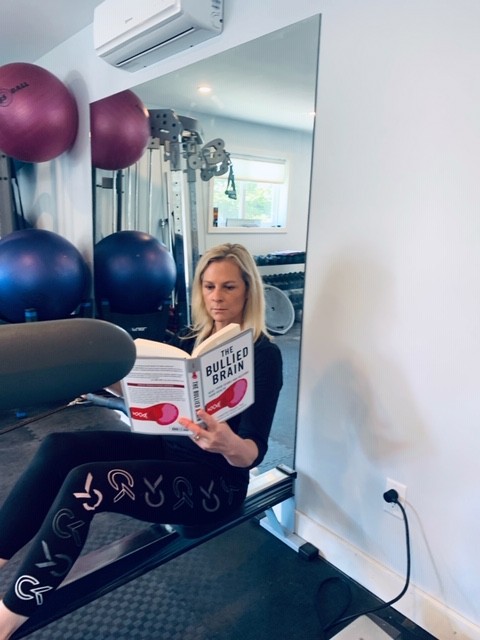
My PhD from University of Toronto is in Comparative Literature. We were trained to take different discourses out of their silos and put them into the arena to see if the conversation changed. When I took bullying and abuse and put them into the arena with neuroscience and neurobiology, the conversation changed in powerful ways. I am an educator at heart and I love to share knowledge. In my fourth book that was published in 2022, The Bullied Brain: Heal Your Scars and Restore Your Health, I establish a different way of thinking about health and wellness.
Essentially, we’ve been raised in a society that ignores the brain, acts as if it’s not relevant, waits until there is a crisis to even notice it, let alone intervene. This ignoring of the brain is very out of synch with brain research that has taught us a vast amount of critically important insights about our brain for the last 30 years. The foundation of my work and my company, The Bullied Brain, is that we have “neuroplasticity,” in other words, our brains change in response to the environment and in response to what we practice.
Throughout our whole lives, we can strengthen our brains by what we practice. We can put energy into brain fitness just like we do into physical fitness. The more fit our brains are, the more we can tap into health, happiness, and high-performance. I dream of a world where children have their brains assessed in sixth grade and then do Dr. Michael Merzenich’s brain-training program. Students would have a better chance at navigating the intensive brain changes of adolescence and it could level the playing field of children who are disadvantaged or come from traumatic backgrounds.
Dr. Merzenich, one of the world’s most highly awarded neuroscientists, wrote the foreword to my book and endorsed it saying The Bullied Brain is “THE most completely scientifically thorough treatment of the subject on planet earth.” This high praise means a lot to me because as a scholar, I know that research is the key to debunking unhealthy myths that prevail in our thinking. We need to fully realize in the workplace, at home, in school and sports and beyond that aggressive, bullying, abusive conduct doesn’t toughen anyone up. It doesn’t improve the bottom line. It’s not a winning strategy. It does damage to the brain plain and simple. It hurts the body. It can lead to chronic illness and shortened lifespan.
My previous book Teaching Bullies was published in 2015 and while it went to number one on Amazon in the sport psychology category, it did not cause a global change in attitudes. Now in 2023, The Bullied Brain has been translated into Korean and Dutch. It is a beginning. I hope we are slowly but surely changing into a brain-informed world. I know we can change and my work as a consultant is geared toward making change happen.
I believe we are on the cusp of a scientific revolution and those individuals, schools, and businesses that start making their organizations brain-informed are going to outpace those who continue to ascribe to the outdated bullying and abuse framework. Since founding The Bullied Brain, I counsel individuals and whole organizations on how to “heal their scars and restore their health.” I write child-safeguarding policies, advise the federal government, advocate for change, write a regular blog on this issue for Psychology Today, namely the “Bullied Brain” series. To date, what sets my work apart is that I am striving to make scientific research a cornerstone of our new path forward.
The best analogy is to smoking and how our attitudes and behaviours were changed with non-invasive technology. Smoking used to be normal and it used to positioned as a way to be tough, independent, and free like the “Marlborough Man.” It was marketed to us as a way to attain Hollywood sophistication like Audrey Hepburn. However, the x-ray showed us that in fact smoking put our health and lives at risk. Now we are at a similar turning point. We’ve been taught that adult forms of bullying such as put-downs, berating, yelling in the face, shaming, mocking, humiliating or just outright ignoring and ostracizing, are excellent motivation and physically hitting or harming the body are excellent discipline. Non-invasive technology like the x-ray, namely brain-scans, show us that this is not true. All forms of bullying and abuse can do serious damage to brain architecture. It is time for change and I am thrilled to see how many legislators and influencers are beginning to understand that the brain is at the very core of who we are and what we do. We need to learn all about it and stop ignoring it. The wellness journey includes the brain.
Any advice for managing a team?
If you are an entrepreneur or business leader, you have an amazing opportunity to transform your team into a happy, healthy, high-performing group by exiting the outdate bullying / abuse paradigm and entering into the new “neuroparadigm.” If you understand that our brains have been wired to normalize bullying conduct, you can introduce your team to their brains innately wired capacity to repair and recover. Our brains can heal invisible scarring from past traumas and you can set that in motion with knowledge.
High morale emerges from teams who understand they have neuroplasticity and they can support one another and the organization to tap into collaborative, creative, innovative, problem-solving brain power, which happens when everyone feels safe and supported. If there is no bullying or abusive conduct, your teams’ brains can channel their incredible energy into cohesive, productive teamwork. When teams are heard and treated with empathy and compassion, when it’s understood that brains learn by making mistakes, when brain fitness is prioritized as part of health, then sky is the limit. When teams are challenged, when the expectations are high, when meritocracy is honoured, and manipulation is not tolerated, sky is the limit.

How’d you build such a strong reputation within your market?
Building my reputation was a challenge because I am a whistleblower. I resigned in protest from the school where abuse was being covered up and ended up being interviewed in the country’s newspaper with the widest readership, as well as interviewed on national TV. While many of my colleagues and the community were ill-informed about what my role had been in the abuse crisis, the in-depth news coverage allowed me to speak my truth. In contrast, the school administrators, government officials, lawyers they hired all chose “no comment” which hopefully made at least some of my colleagues and the community question the veracity of their narrative.
It is a stressful and massive risk to take the whistleblower position, but for me it was the only way to protect the students who had been re-victimized. While my employers and the government officials tried to make me look like a villain, it all backfired because my reputation is the key to my consultancy. I am hired because I can be trusted; I’m ethical; I’m courageous and will not look the other way when abuse is occurring. It is this ability to face abuse and see it as part of a tragic cycle, that would greatly improve if we understood the medical, specifically neuroscientific underpinnings, that has helped me create my company. While the provincial government here tried to ruin me, the federal government now has me work as an expert advisor on abuse. I have come full circle in putting my reputation on the line and being privileged enough to have its brave advocacy define exactly what I do as a change agent.
Contact Info:
- Website: https://bulliedbrain.com/
- Instagram: https://www.instagram.com/bulliedbrain/
- Facebook: https://www.facebook.com/BulliedBrain/
- Linkedin: https://www.linkedin.com/in/jen-fraser-phd-1466a417/
- Twitter: https://twitter.com/bulliedbrain