
We caught up with the brilliant and insightful Jenna Walters a few weeks ago and have shared our conversation below.
Jenna, thanks for taking the time to share your stories with us today Innovation comes in all shapes, sizes and across all industries, so we’d love to hear about something you’ve done that you feel was particularly innovative.
Perhaps the first thing you think of when you consider the word “business” is not conservation science, but indeed it takes the collaboration and skills of many great minds, professions, and creatives running collectively to communicate the importance of protecting the environment. The business I engage in as a part of a larger whole seeks to do this very thing; to uplift and educate communities and preserve the planet each of us calls home.
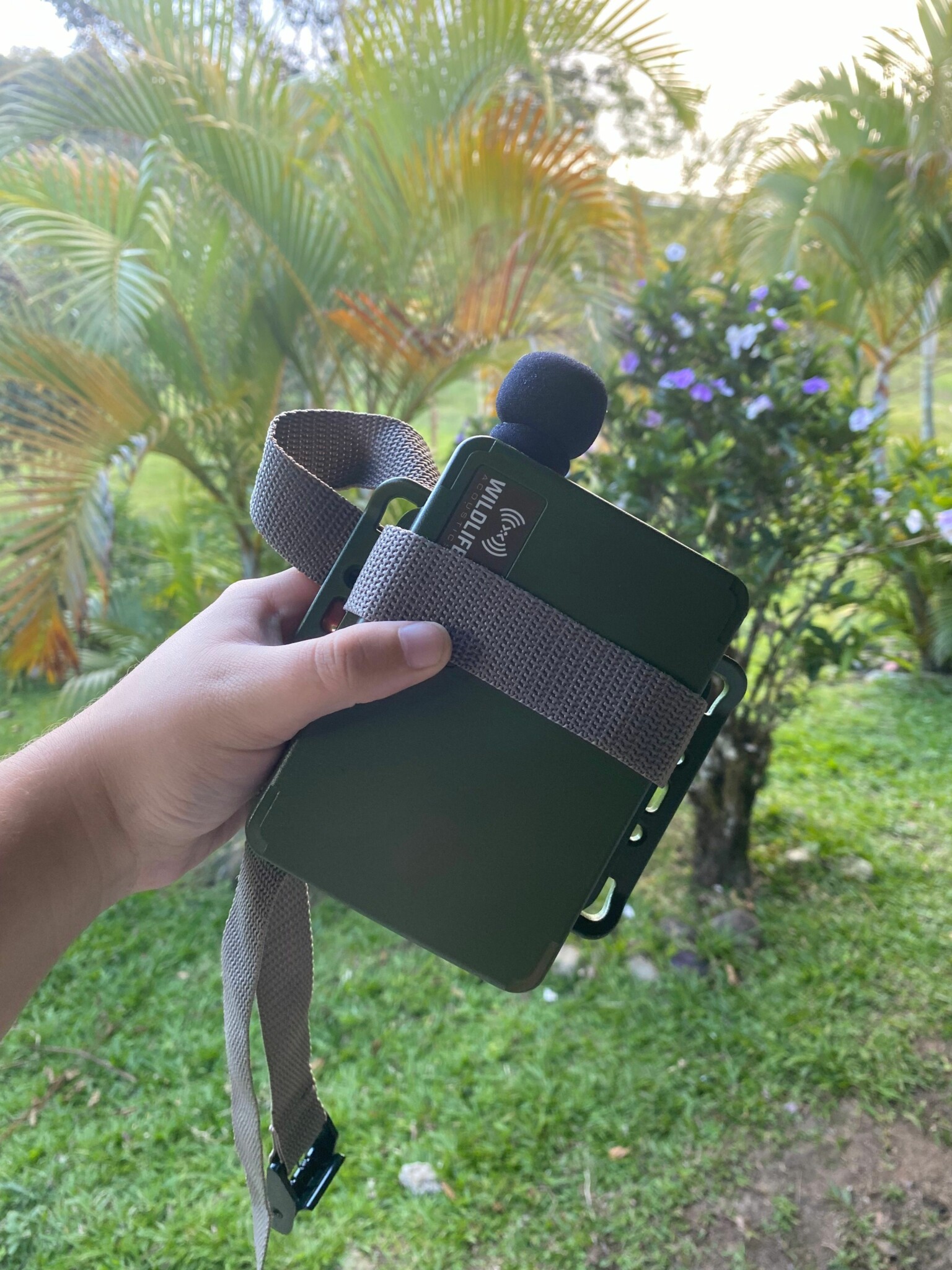
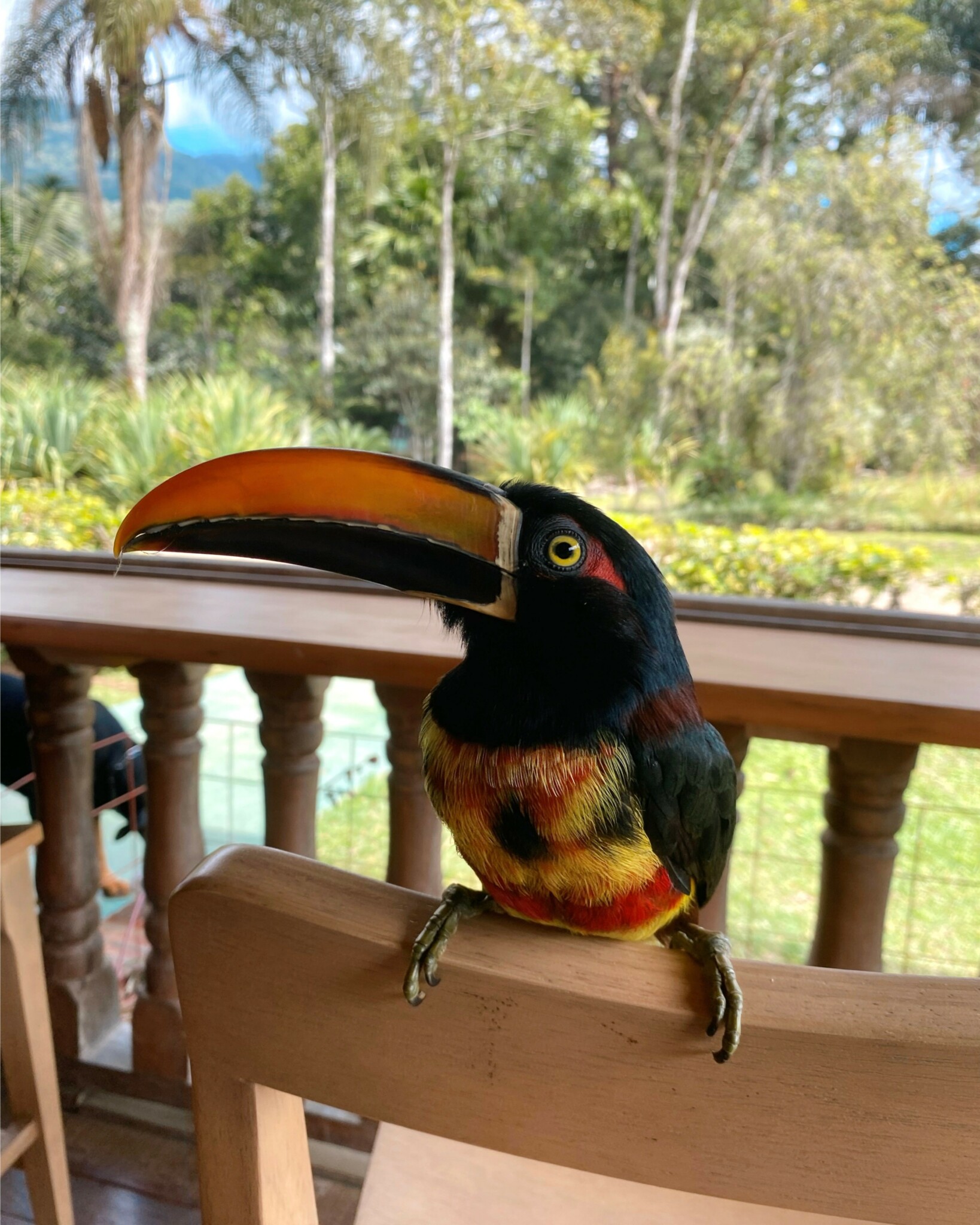
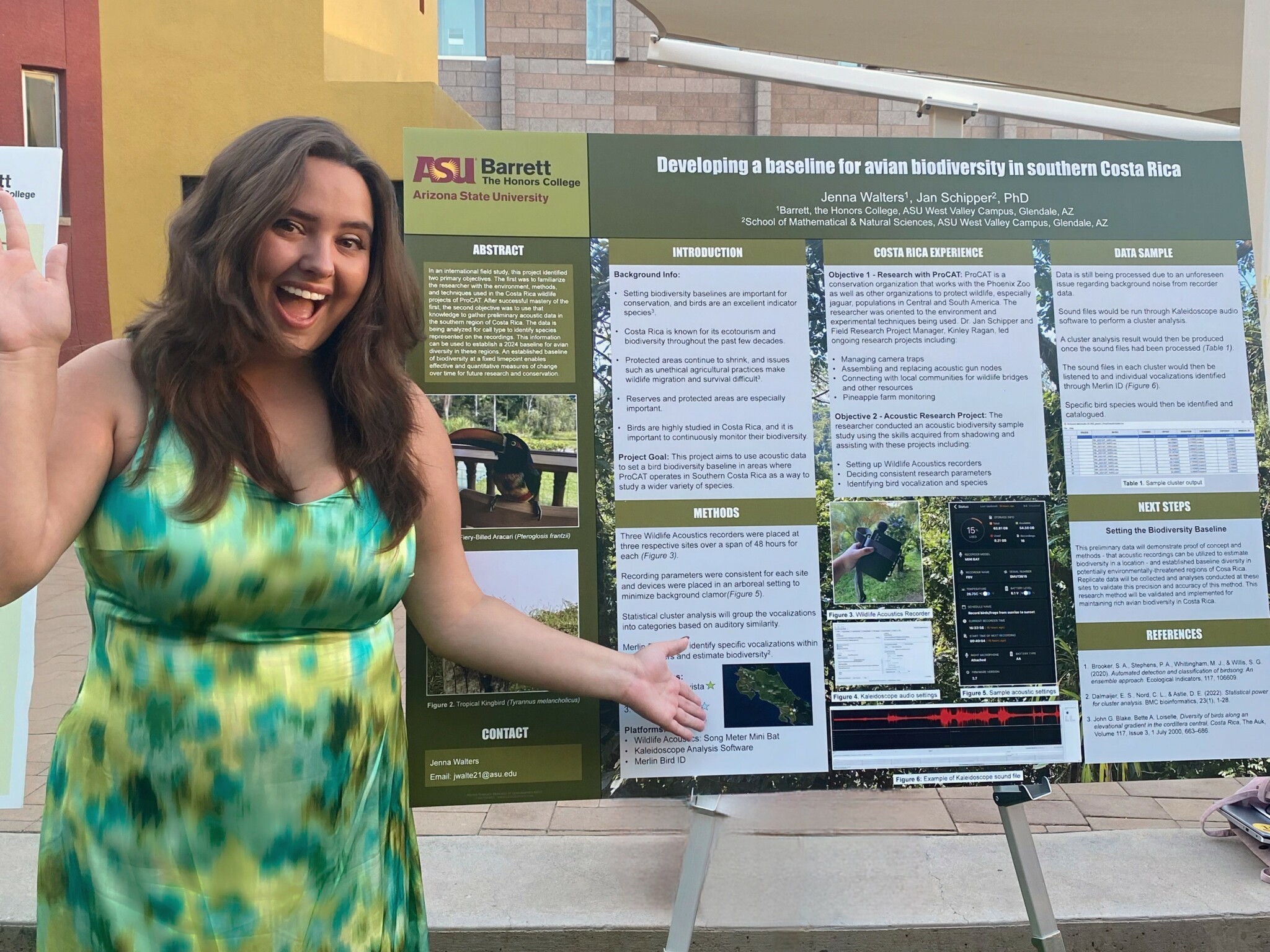
The story I would like to share with you highlights a different kind of business venture, where monetary risks and teamwork push towards innovation – the art of scientific experimentation. I was given the opportunity to conduct research of my own in the beautiful country of Costa Rica, where rich biodiversity and culture thrive. My area of study focuses on birds and how the health of these populations can indicate the overall health of an ecosystem. Titled “Adventures in Costa Rica: Developing a Baseline for Avian Biodiversity in Southern Costa Rica”, I, with the help of my research team, pioneered a new process to collect and represent such data in areas we conduct our research. The method I chose to pursue involved the collection of avian acoustics, or bird calls. The recorders we had on hand were fine-tuned for bats, but with a series of experimental setting adjustments, could be tailored to pick up bird call frequencies. This process took quite a bit of trial and error to clearly and correctly identify bird species, but I was proud of my efforts to persevere and complete the experiment to completion! My hope is to continue this project to help our conservation organization thrive and continue their invaluable work.
As always, we appreciate you sharing your insights and we’ve got a few more questions for you, but before we get to all of that can you take a minute to introduce yourself and give our readers some of your back background and context?
I am currently contracted in partnership with a conservation organization called ProCAT which focuses their conservation efforts on jaguar populations in multiple locations across the Americas. I am proud of the research I have been able to conduct, and that I have helped educate my community about ongoing issues that need action. I am honored to be a part of an organization that lifts up all voices, and works in tandem with institutions that can help achieve our goals.
Growing up, I have always had a passion for science, especially environmental science. I was memorizing bird names, types of fish, and more dinosaurs than I can count for as long as I can remember. An avid reader, I was always the girl with my nose in a book, always learning about the world around her. I have always loved this passion, but I fear it has not always loved me back. As a queer, Hispanic woman, I have had to fight for my place at the periodic table, so to speak. Growing through college and completing my biology degree has helped me find my voice and I will not let those who seek to push marginalized communities down succeed in doing so.
I am a trailblazer in my area of study, working through the ups and downs of experimental processes. While my research is ongoing and ever-changing, my message remains the same. Through my research, whatever I choose to do, I hope that I am able to inspire everyone, no matter what they look like or how they identify, to never give up on the things they are passionate about. I want to encourage young women especially now more than ever to pursue a career in STEM and join the fight to protect the planet.
What do you think is the goal or mission that drives your creative journey?
My scientific creative endeavors are driven by two main things: First, my desire to ensure a healthy planet for people, animals, and ecosystems alike. Second is my goal of uplifting every voice in my field, especially the ones who are most likely to be stifled, because every idea holds value and every voice holds power.
What do you find most rewarding about being a creative?
Science has a reputation for being rigid, and the antithesis of creative expression. I would like to challenge that narrative. As a creative being who has always enjoyed art, music, and even dance and theater performance, I could not survive without the ability to be artful. Experimentation and research both require creativity to come into fruition. Bright minds develop questions that often need innovative solutions. Developing my own research methods has shown me how to intertwine these parts of my brain. I can paint a picture with my words when compiling data, I can enrich my scientific presentations with my photography and artistic design abilities, and I can even use my own art and creative projects to further enhance conservation messages. It is most rewarding for me to see my efforts being used to create conversation around important environmental topics. For example, I have an interview about my research published on Barrett, the Honors College at Arizona State University’s Instagram and YouTube pages and I remember people messaging me about what they learned from reading my thesis paper and how they had no idea birds could be so important!
Contact Info:
- Instagram: @jen.na.walters
- Linkedin: https://www.linkedin.com/in/jenna-walters-48212a18a