

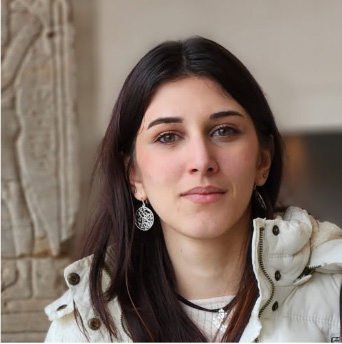

We were lucky to catch up with Jenna Elluzzi recently and have shared our conversation below.
Jenna , looking forward to hearing all of your stories today. Let’s jump back to the first dollar you earned as a creative? What can you share with us about how it happened?
The first dollar I earned was exciting– a commission for someone’s home– my sophomore year of high school. She gave me the creative freedom to use any medium, as long as it was letter-sized. I used watercolor which was what was most intuitive to me at the time and because I could achieve a range of colors with my one palette that I had available to me.
Prior to that, I had accepted a few free commissions through Instagram to practice talking to clients, so a part of me felt ready enough to accept the work. (Side note: I don’t condone free commissions; you should always get paid for your work.) I remember that having that dollar amount tied to my work weighed on my practice. I was so focused on making the piece perfect for the client that I felt the work reflected that. I started over a few times for my own peace of mind, but I was still wary that the work wouldn’t be what she had expected. My biggest fear was disappointing my client, but to my surprise, she was so happy with the work that she commissioned me a second time. Still, it wasn’t until a few projects later that I was able to gain more trust in my own artistic ability being tied to a dollar amount.
Jenna , before we move on to more of these sorts of questions, can you take some time to bring our readers up to speed on you and what you do?
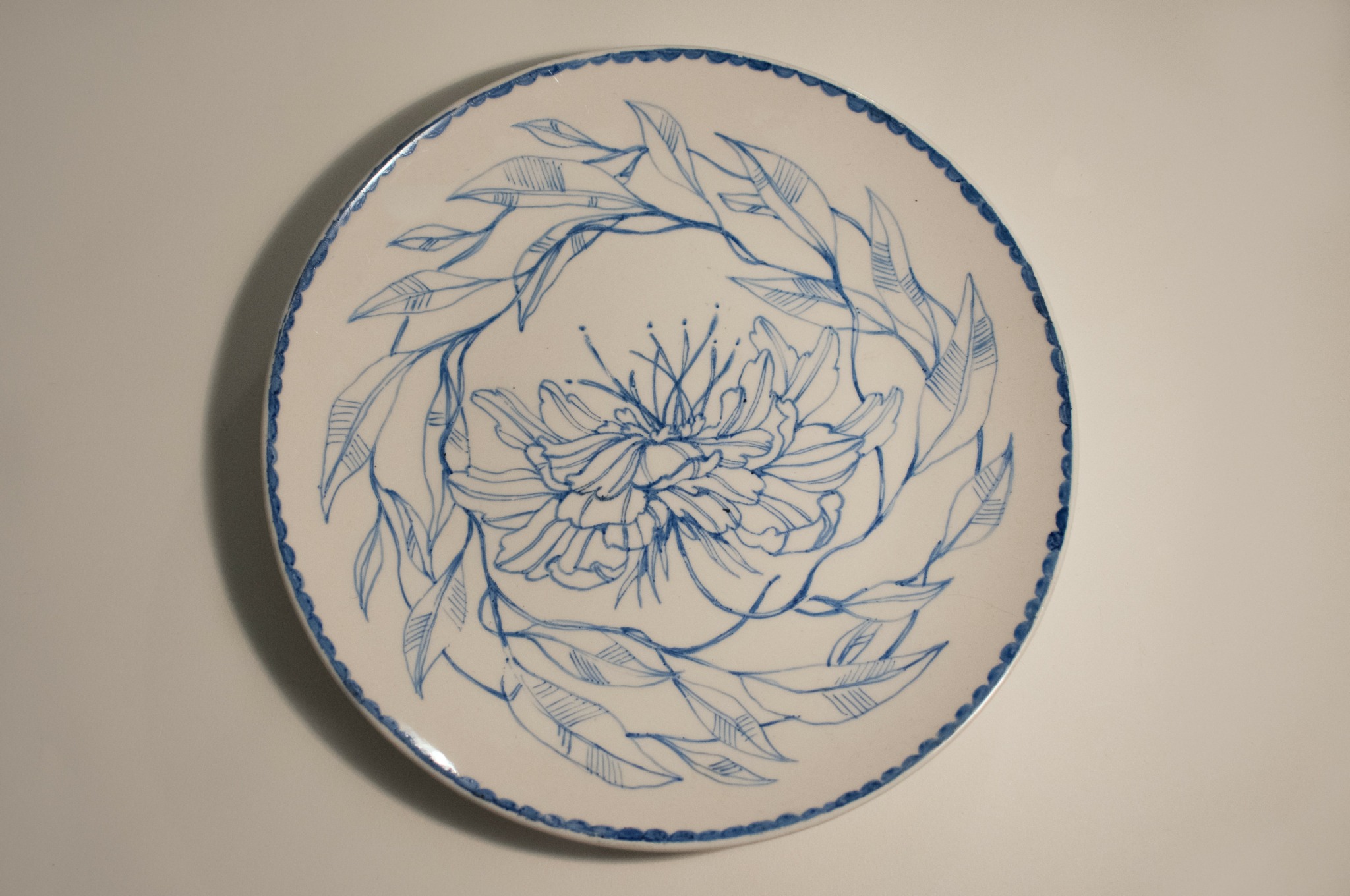
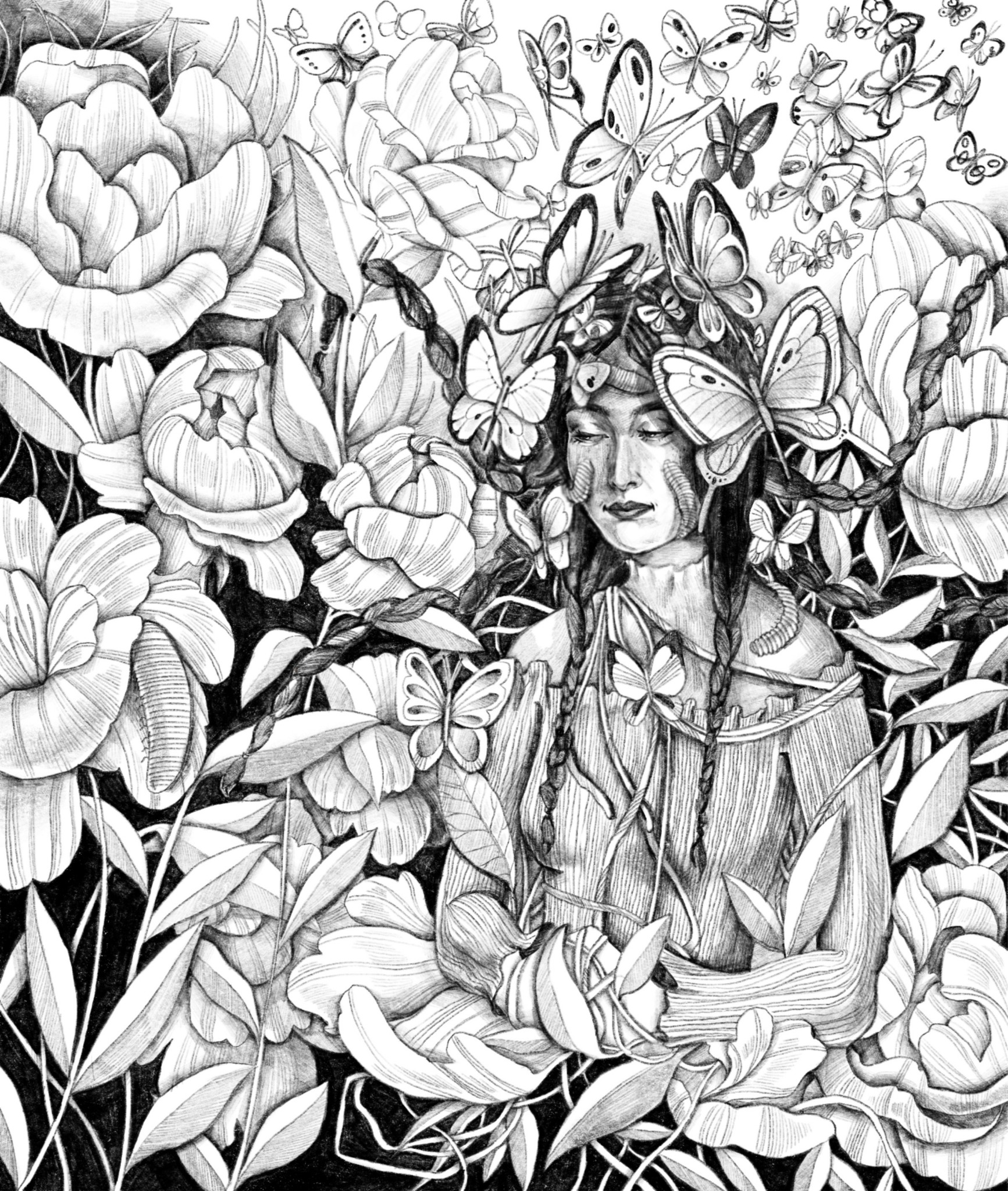
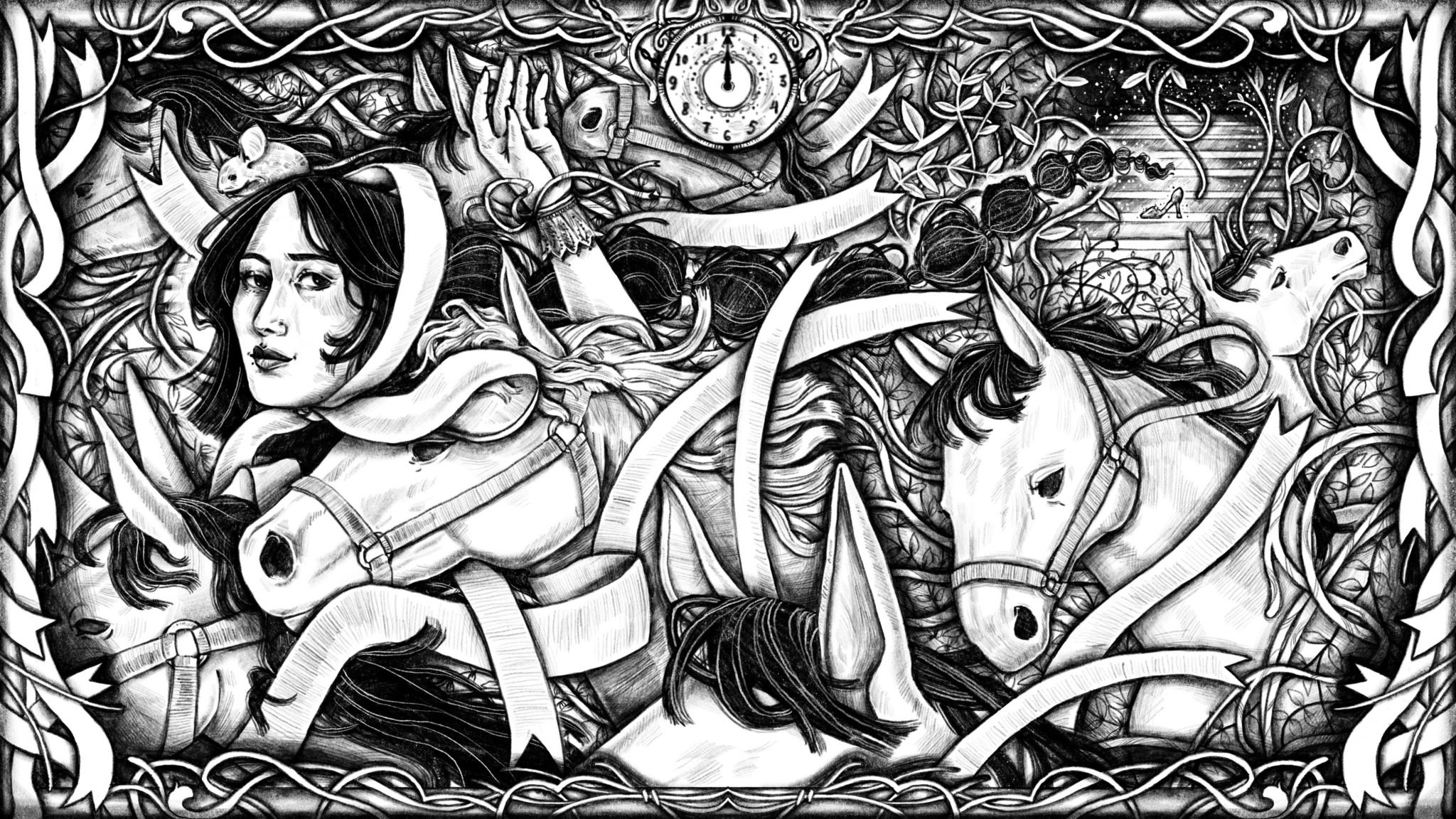
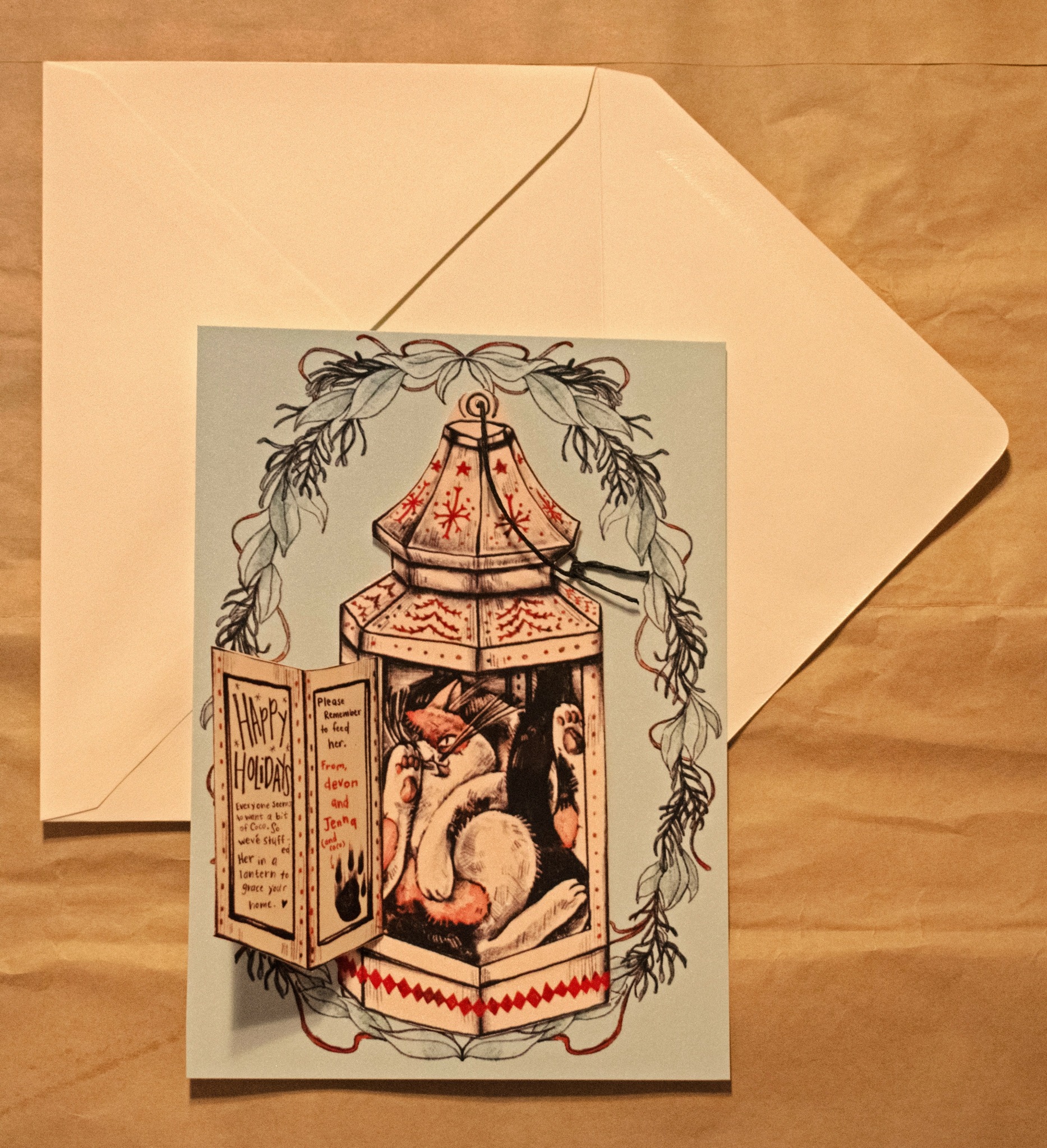
My name is Jenna Elluzzi and I am a New York City-based artist, illustrator, and I now consider myself a surface designer too. My influences include children’s books, home decor, textiles, stationary and patterns found in nature. I work with a diverse range of mediums, including digital illustration, gouache, watercolor, oil painting, paper cutting, and whatever I can get my hands on.
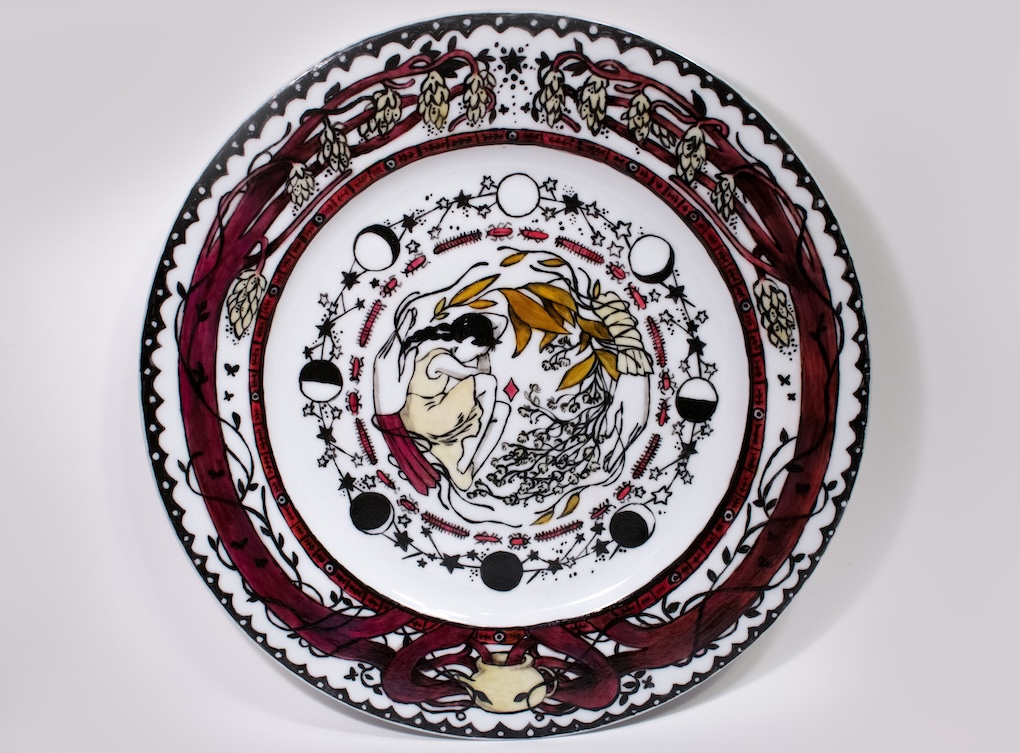
I like to think of illustration as the definition of the word–and according to Merriam-Webster– illustration is “to provide with visual features intended to explain or decorate”. Going back to this definition is a reminder that illustration can take so many forms. My current project is a revision of a Hans Christian Anderson fairytale, illustrated on plates. I think one of the best things I get to have as an illustrator is the freedom to bring images to concepts and stories. Sometimes that looks like a small detail or spot illustration that rewards viewers for looking, sometimes it’s a full bleed spread that flows with words, sometimes it’s a story illustrated on plates. My goal as an artist and illustrator is to continue exploring the possibilities of visual storytelling, using diverse mediums to connect and create images and ideas, and to pass my love of whimsical eclecticism and love of natural beauty on to others to enjoy!
What’s a lesson you had to unlearn and what’s the backstory?
The biggest lesson that I had to unlearn was pushing myself to be established as an artist immediately in college. I urgently got business cards, bombarded professionals and professors with incessant questions, and drowned myself in “15 ways to make 100k as an artist in 2020” type videos on YouTube. This was detrimental to my creative practice because instead of making work from a place of curiosity, I was making work from a place of fear, scared to be a starving artist. I forgot that beyond the realm of money is the childlike, human urge to just create things, and I’ve now realized that this urge will always be there within me because I have always been absolutely obsessed with creating. Learning the things I learned about being a professional was not for nothing, but as a piece of unsolicited advice, creating the weird untethered stuff always aids the whole creative practice more.
Is there mission driving your creative journey?
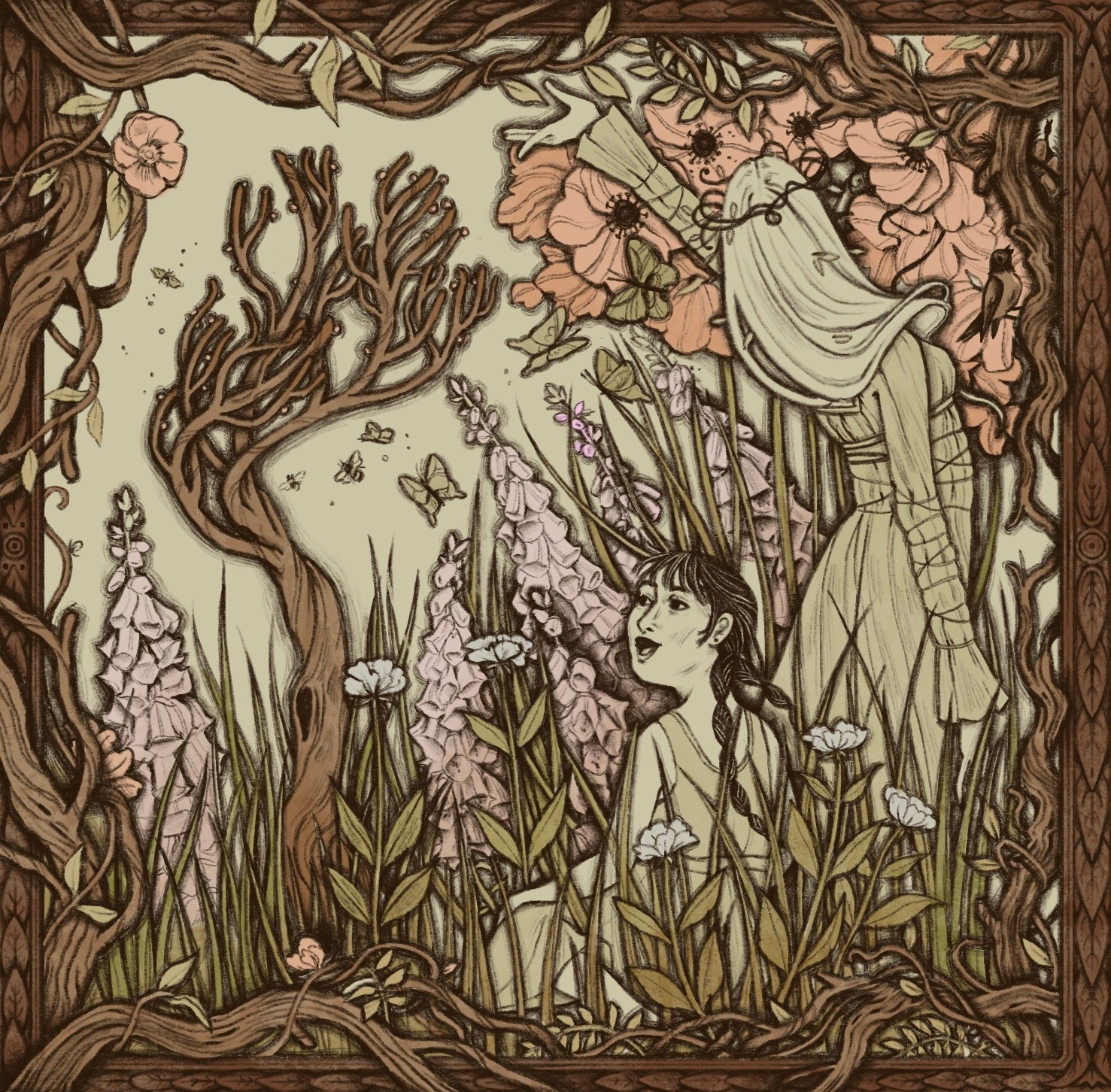
Just as important as the work itself is what the work says. I see there is this push right now for anti-minimalism in certain communities and as a lover of electric things, I am all here for it. For me, this stems from a naturalist perspective. I think it’s incredibly important now more than ever with climate concerns. There’s this incredible essay by Camille Dungy, “Floriography, More or Less”, which I read over a year ago, but still, think about now. She, as a florist and poet, embraces the idea of loving nature without explicitly knowing the name of every species. Knowing all about how nature functions is not enough on its own, we must also cherish it and integrate it as much as possible into our lives, homes, and our work. Then, when we love it, we can never let it go.
Contact Info:
- Website: https://iizulle.com
- Instagram: iizulle
- Linkedin: https://www.linkedin.com/in/jenna-elluzzi-73097a24a/
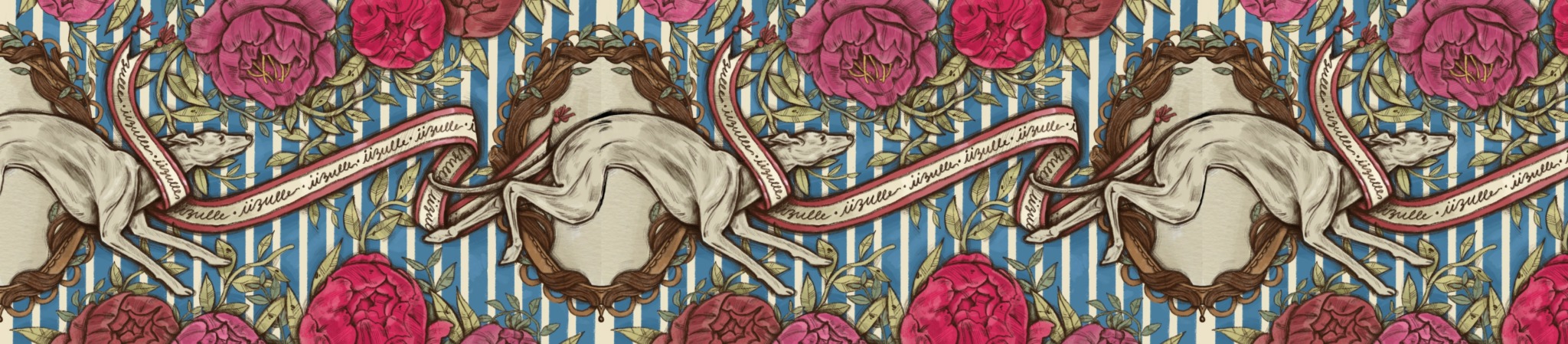
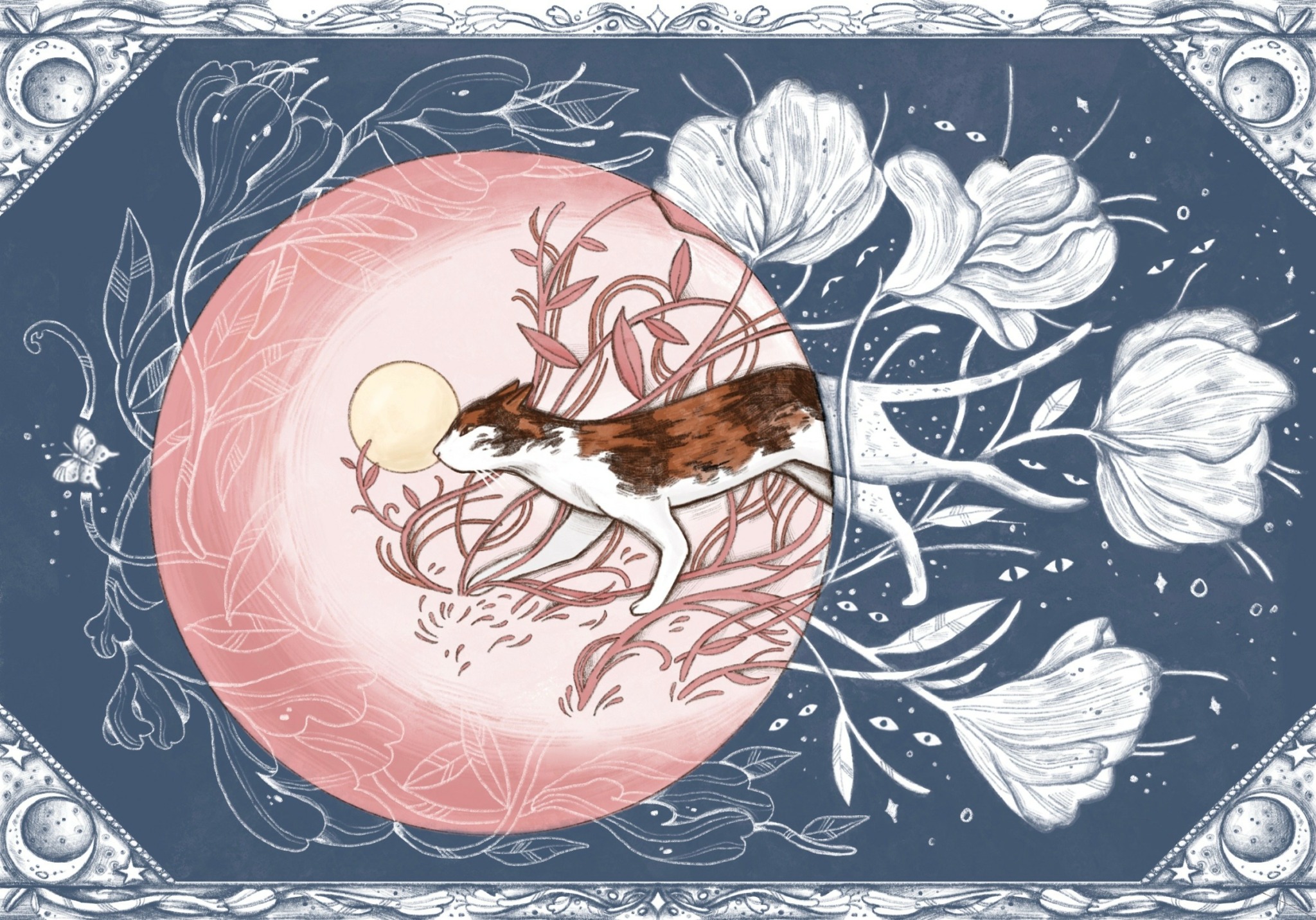
Image Credits
All images belong to Jenna Elluzzi