
We caught up with the brilliant and insightful Jenna Chandler-Ward a few weeks ago and have shared our conversation below.
Hi Jenna, thanks for joining us today. How did you come up with the idea for your business?
As a teacher, I wondered why when we talk about race in education, we were only ever talking about black and brown educators, families and students. However, In the US, almost 84% of teachers are white, but less than 50% of students are white. This racial disparity might be acceptable if student experiences and outcomes based on race were equal. But they are not. For example, students of color, black students, in particular, are suspended or expelled three times more often than white students. Teaching While White is trying to explore all the different ways the whiteness of educators and schools is going unnamed — because there can be no true discussion or progress without acknowledging the impact that race plays on education. We are particularly interested in how teacher expectations affect students — despite best intentions.
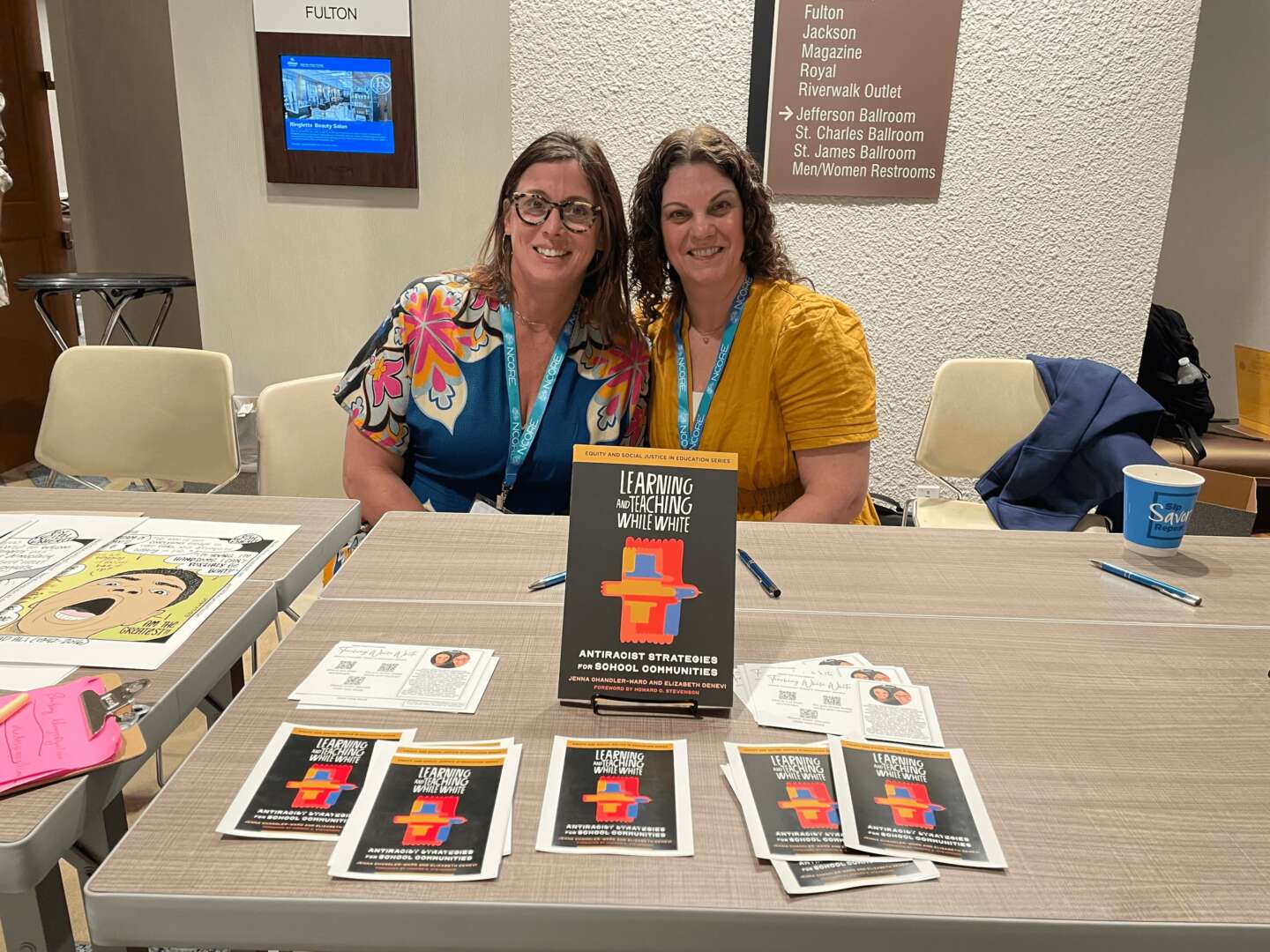
We consult with schools, universities, and nonprofits to identify ways to make education more equitable. We also have a both a blog and podcast series for teachers, to highlight issues of race in education. Most recently, we published a book, Learning and Teaching While White. (Rutledge, 2024.)

As always, we appreciate you sharing your insights and we’ve got a few more questions for you, but before we get to all of that can you take a minute to introduce yourself and give our readers some of your back background and context?
I grew up in Charlottesville, Virginia in the era just after desegregation. It was a racial mess at my elementary school with many black students and all white teachers. I understood, even then, that I was given a different set of standards and expectations as a white student in that school.
I went on to be an educator — in one form or another — for over 20 years. Throughout that time my understanding of racism continued to expand. I came to recognize that racism is not about individual acts of prejudice, but about systematic and institutionalized power. Since education is the institution I know and understand, I wanted to figure out a way of helping more white educators to recognize the systems in place that advantage white students, teachers, and families. I want all students and educators to leave school every day with their dignity and full humanity intact.
I contacted a mentor and friend, Elizabeth Denevi to get her input on this crazy idea I had. We talked for four hours and at the end of the conversation, Teaching While White was born.
We now speak to parents about how to talk about race with their kids, and work with school boards, administrators and educators in every capacity to consider how whiteness impacts education broadly, and specifically.
Learning and unlearning are both critical parts of growth – can you share a story of a time when you had to unlearn a lesson?
I think the biggest lesson I learned as a classroom teacher is that, despite my best intentions, I was biased in how I saw people, based on race. I thought I treated everyone the same and that in general, the way we do things in schools are neutral, with no particular perspective. I had to learn to see all the ways schools are racialized, and the role I was playing in upholding inequitable practices, even though I am a good person. We often get stuck on whether people are “good” or “bad” in conversations about race, instead of understanding that everyone is biased based in what they are familiar with, and what experiences they have had. It has taken a lot of sustained work to unlearn the unconscious beliefs I held for so many years.
What do you think helped you build your reputation within your market?
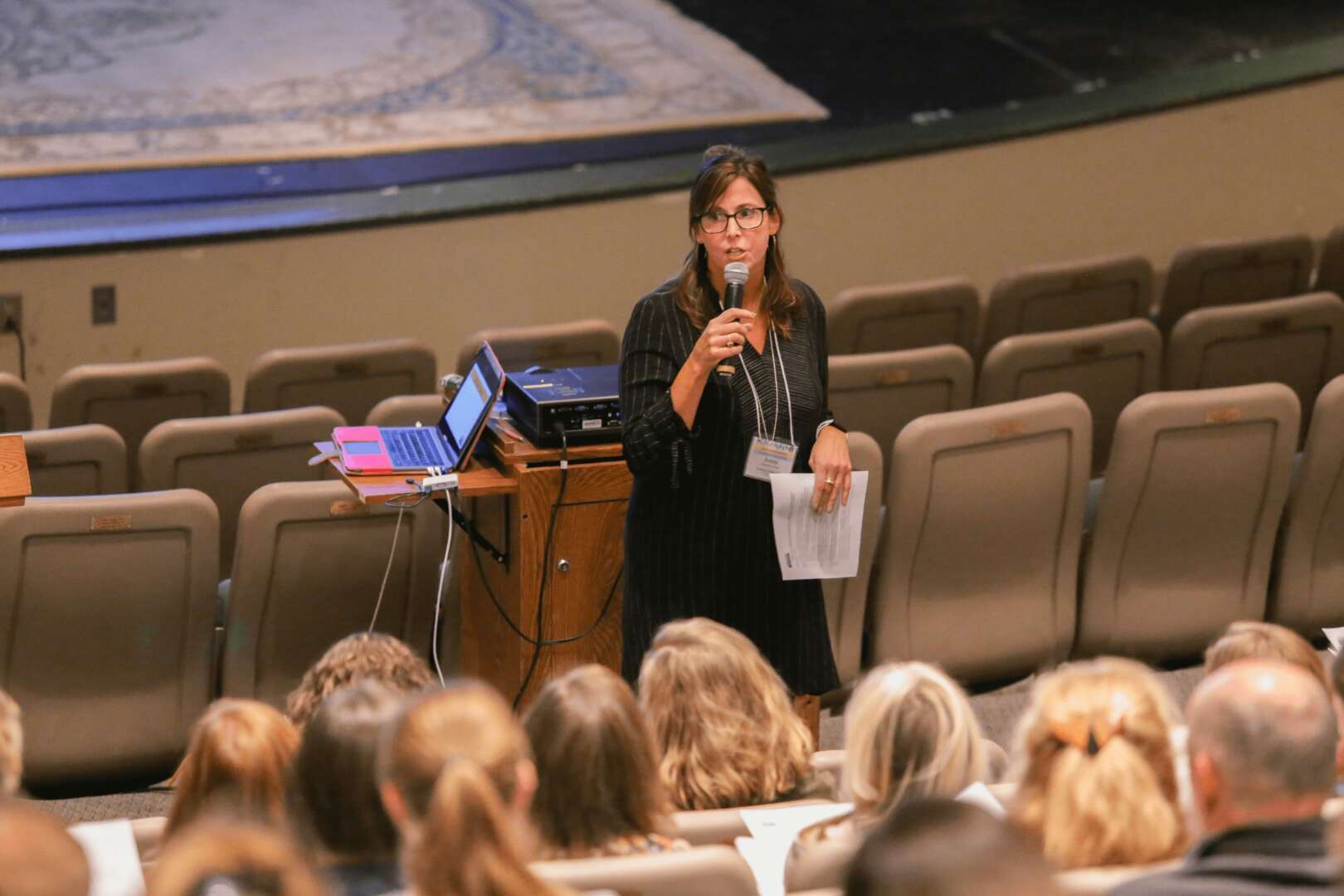
At first we were just a place for educators to submit what they were doing, and to discuss ways to implement best practices in their teaching. We wrote blogs as well, talking about the mistakes we had made in schools and what we were doing differently. Teachers are suspicious of people who seem to have all the answers, and we definitely didn’t! We presented at a lot of conferences, and once they knew our work, educators started to spread the word about us. Word of mouth is SO important. From the point of view of a school district tackling issues surrounding race, administrators definitely do NOT want someone to come in and potentially make things worse when discussing such a loaded topic! As we travelled around the U.S. to speak with different schools, we realized that we could never reach all the educators out there working hard every day. So, we started our podcast — also called Teaching While White — and people got to know us through the ideas we shared, stories we told, and questions we asked our guests. From there, we were asked to write the book, and once people read it, even more people spread the word!
Contact Info:
- Website: https://www.teachingwhilewhite.org
- Instagram: teaching_while_white
- Facebook: Teaching While White
- Linkedin: Jenna Chandler-Ward
- Other: Apple Podcasts- Teaching While White