



We’re excited to introduce you to the always interesting and insightful Anaïs Noveras. We hope you’ll enjoy our conversation with Jena below.
Anaïs, looking forward to hearing all of your stories today. When did you first know you wanted to pursue a creative/artistic path professionally?
I had always known deep down, since childhood, that I wanted to be a performer of some sort. I grew up in a studio, studying dance and competing and I absolutely loved it. I loved the months of prep before our annual Nutcracker performance, or months of rehearsals and practice getting ready for competition season and our end of the year recital, and staying late and putting in hard work with my peers, who essentially became my second family. But having immigrant parents, there was this unspoken agreement that at some point, I was going to have to stop to find a more acceptable area of study in order to find a “real” career.
Which I tried to do, and went into college with the intention of studying psychology; I would appease my mother’s wishes of going into the medical field, and to be able to study something that I somewhat enjoyed. But a semester into school, I knew it wasn’t for me. And while my mother had a bit of a time accepting my ultimate choice, I figured if I was going to be spending all this money on school, I might as well study something that I was truly interested in, and would then just find a job once I graduate and take it from there. So I decided to study Film and Dance, and graduated with my BA in Film and a minor in Dance, and hopped around from job to job after graduating. But as I began getting older, I had to really take a good look at the trajectory of my life and what I wanted out of it. I had been working in retail for a handful of years, when I started to think about careers and how usually you follow a career until your sixties.
Around 26 I thought to myself, when I’m sixty, will there be anything I regret? I had been trying and trying to find a “normal” job that I could see myself doing for the next 40 years, but all that came to mind was my love of collaboration, and working with other artists to create something bigger than us. I would daydream about working on a film set, or working with all these choreographers that I really admired. But having grown up a first-generation child of immigrants, there’s this notion that because my parents sacrificed so much by immigrating to the US–leaving behind their family, and living in an entirely new country and culture with only so much money–that I had to get a good paying, secure job. And because of the nature of the entertainment industry being so fickle, and there not being a ton of diversity especially when I was younger, I never allowed myself to think of it as a viable option for work. But the more I thought about it, the more I realized that the one thing I would regret in my sixties would be not having tried at all. I would rather try and fail, then wonder what I could’ve been if I had just tried. So I started in any way I could. The world being what it is now, it’s extremely tough to earn a living in California, and it is pure love and delusion that give me the strength and patience to balance working full-time while trying to make my dreams come true, but I have to at least try, because I know and believe in my talent and what I can do. And like I said, I would rather try and fail than regret not trying at all.
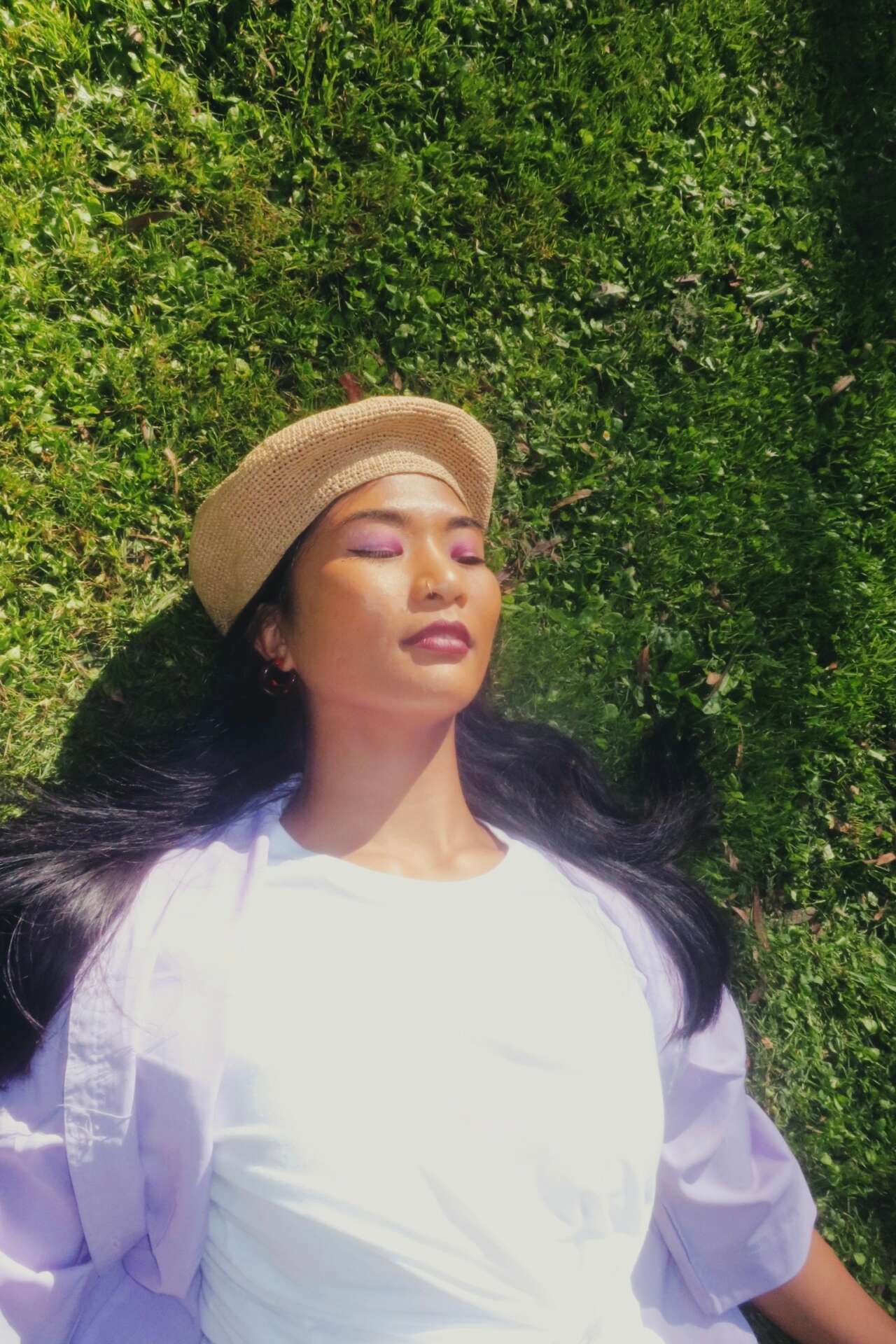
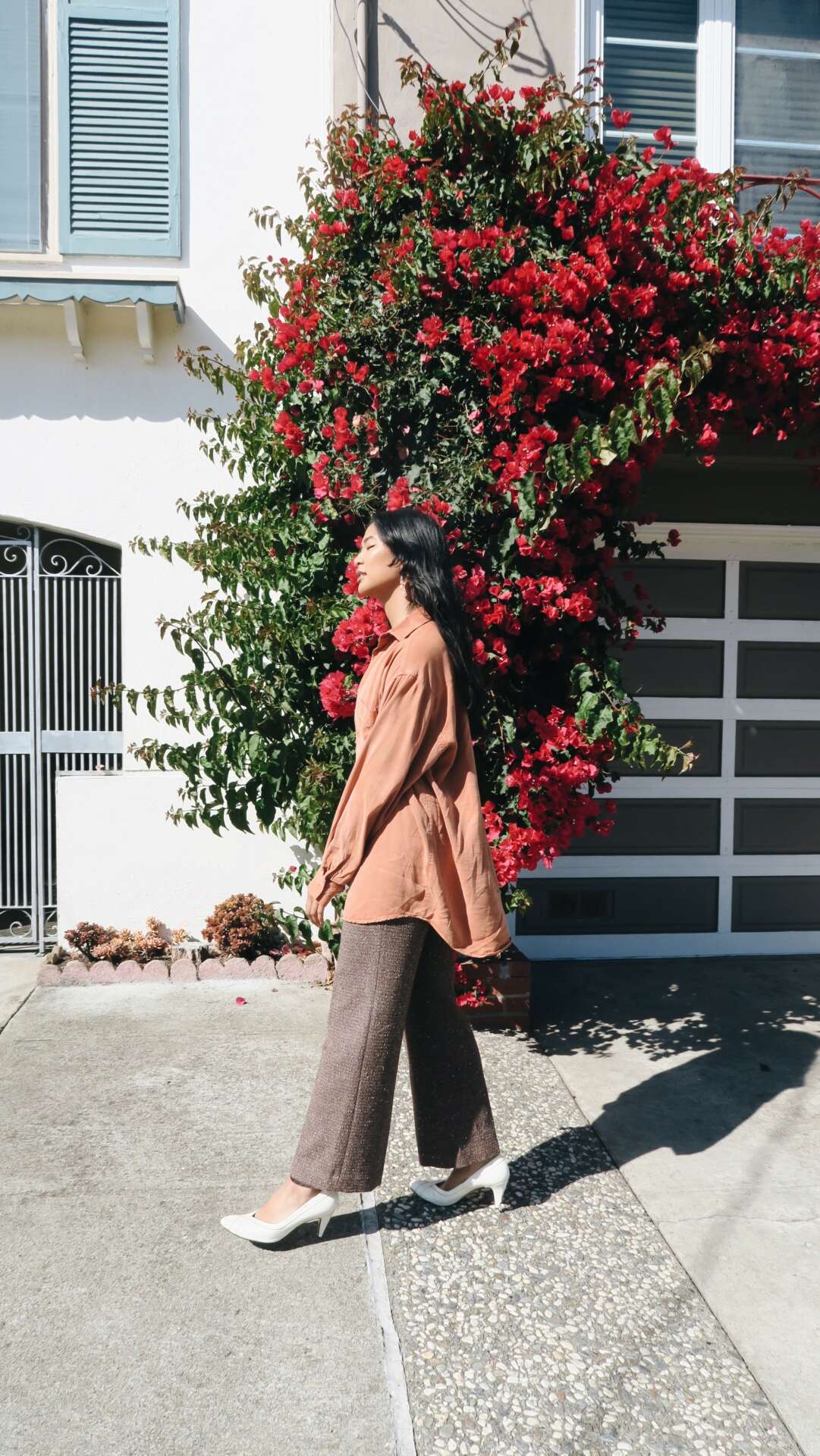
Jena, love having you share your insights with us. Before we ask you more questions, maybe you can take a moment to introduce yourself to our readers who might have missed our earlier conversations?
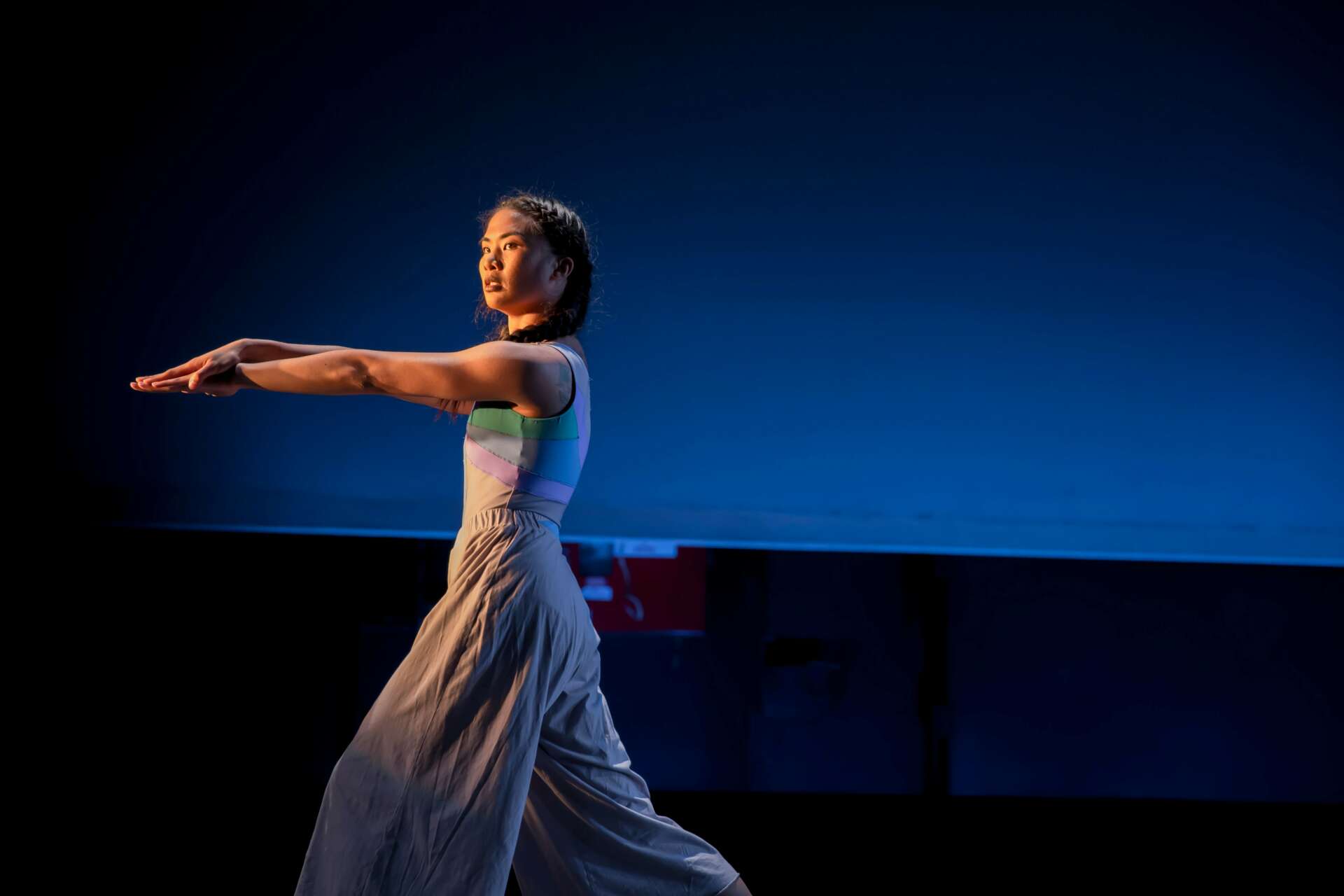
Hello! My name is Anaïs and I am a Filipino-American actor, dancer, and a filmmaker. One area I’m really focusing on right now is hoping and helping to increase diversity in entertainment, not just in casting more BIPOC in more prominent roles, but also in diversifying storytelling by finding and sharing different perspectives on universal themes. I have a degree in Cinema from San Francisco State University, with a focus on Media and Culture, with a minor in Dance. I also have 15 years of formal dance training, beginning at age 4, in classical ballet, modern, contemporary, hip hop, and jazz, with some experience in Hula and Tahitian and Russian character, and was one of eight student choreographers chosen to put on work for New Moves, the yearly student showcase at SFSU. In blending my two passions, I want to bring the visceral physicality of dance to my acting, as well using my skillset as a choreographer to create a full audio-visual experience that goes beyond the script.
This summer I will be starring in Good Filipino Kids, a short film written and directed by Andrew Acedo, a Filipino-American LA-based filmmaker. Having to work full-time to support myself financially, it’s been tough finding gigs, so I’m super excited to be apart of this film, and hope to continue to find acting jobs to build my reel. Overall I really just want to meet and connect with other artists and creatives to make meaningful work with, and to see where the tides of change bring art next. As surely many others have noted, there has been some stagnancy in the TV and film we see today, and quite frankly it’s getting overdone and tired. I hope to work with other young visionaries to revitalize TV and film for today’s modern generation.
In your view, what can society to do to best support artists, creatives and a thriving creative ecosystem?
One way I think society can best support artists is by giving them space and freedom to think, which in today’s world seems frivolous, but I believe is so important to create good art. It seems for a while we’ve been stuck in a loop of reboots, remakes, and sequels, and as a creative it’s so uninspiring to see. Because of the nature of today’s hustle culture and the growing cost of living in California especially, it’s becoming harder and harder to find space and time to safely ponder and come up with new ideas, defaulting instead to what we already know because it’s easier to capitalize on. I don’t doubt there are many others that feel the way I do; that if I had the resources and safety net to be able to give the time and energy necessary to dedicate to creating good art, we could collectively produce so many beautiful works. Something deeply lacking in today’s society is empathy, and art has a way of inspiring empathy in people that not a lot else can, and I think the continued chipping away at the overall importance of art is creating an imbalanced society of people concerned solely with money and gains, that completely dismisses the beauty of the human experience.
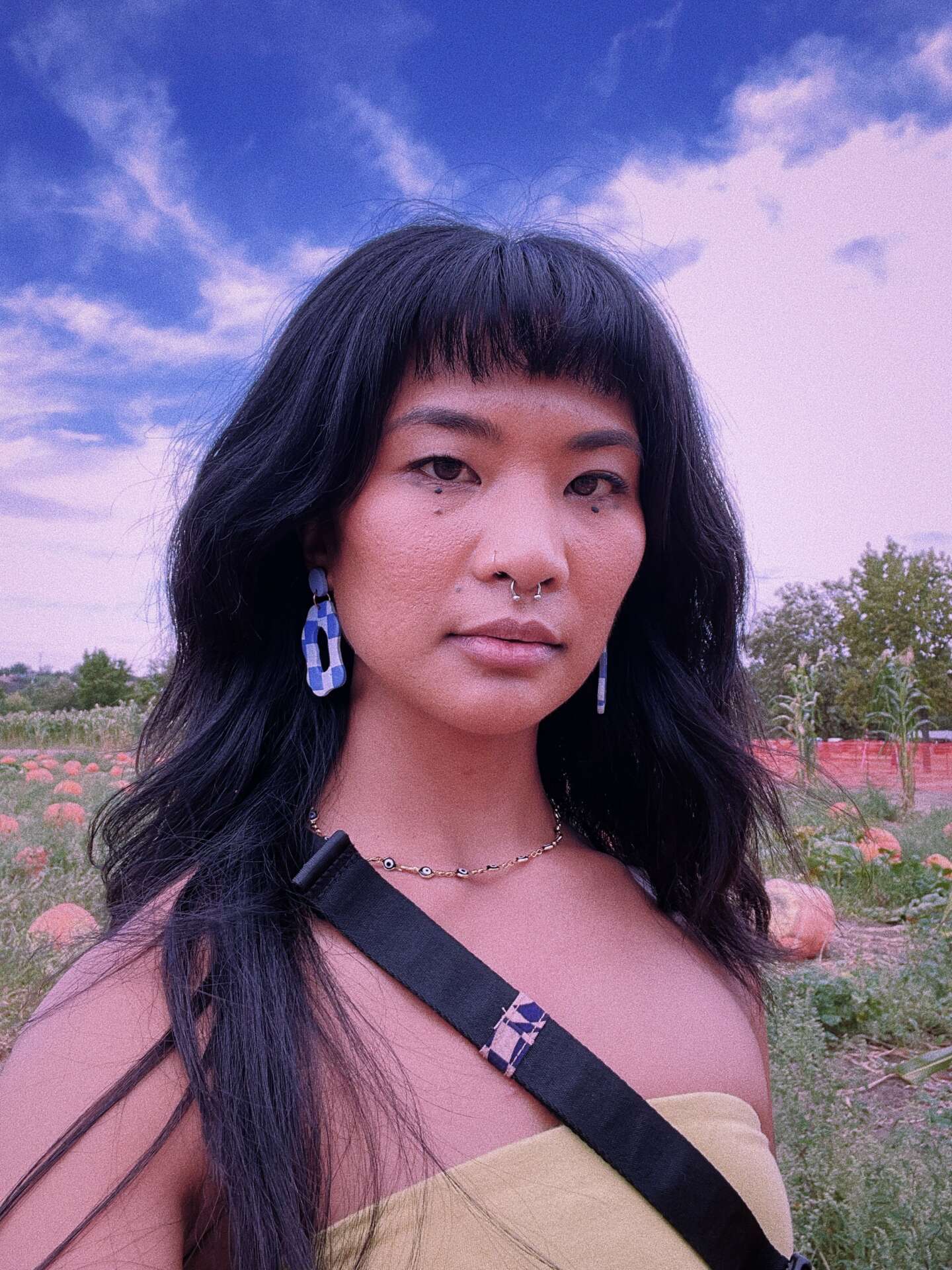
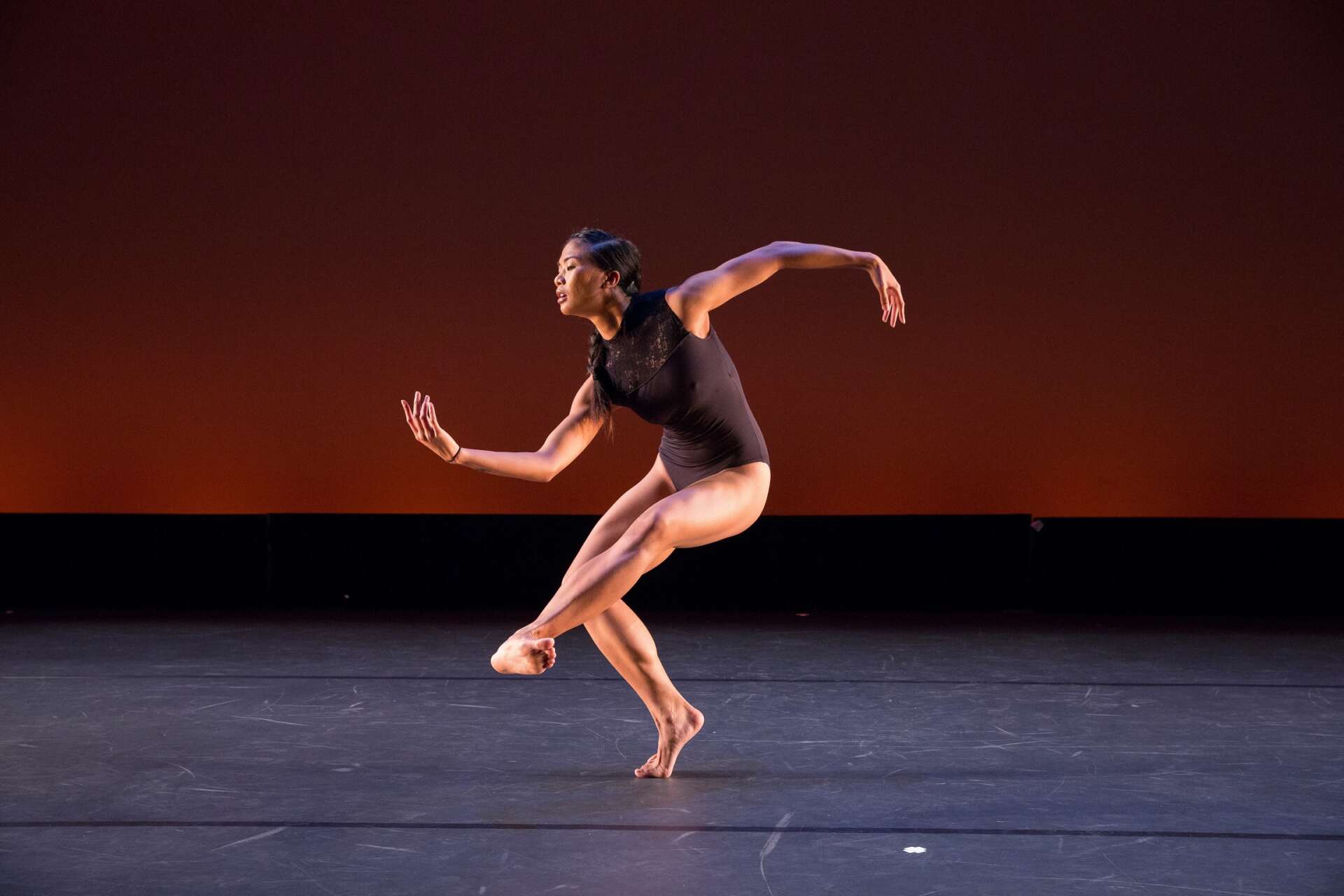
What’s the most rewarding aspect of being a creative in your experience?
The most rewarding aspect for me is two-fold. The first is personal, as there’s this great release and catharsis when you externalize this deep, wild part of your psyche into this tangible, physical thing. Although the process of creation can be painful and taxing sometimes, at the end of it, I always am in awe that I am able to create beauty out of something the used to cause me distress or sadness. Alternatively, it’s rewarding to be able to turn a beautiful experience of mine into something that I can continue to share with others, to spread love and happiness. The second is when others come up to me and tell me that they enjoyed my performance, or that my art made them feel seen or understood. At the end of the day, my goal with my art has always been to connect with people and to inspire empathy. So when people tell me they’re able to feel that through my art, it gives me a feeling unlike anything else, a sort of warm and endearing contentedness that pushes me to continue to create.
Contact Info:
- Instagram: @oopswrongdoor
Image Credits
Sreang Hok Saint Urbano