

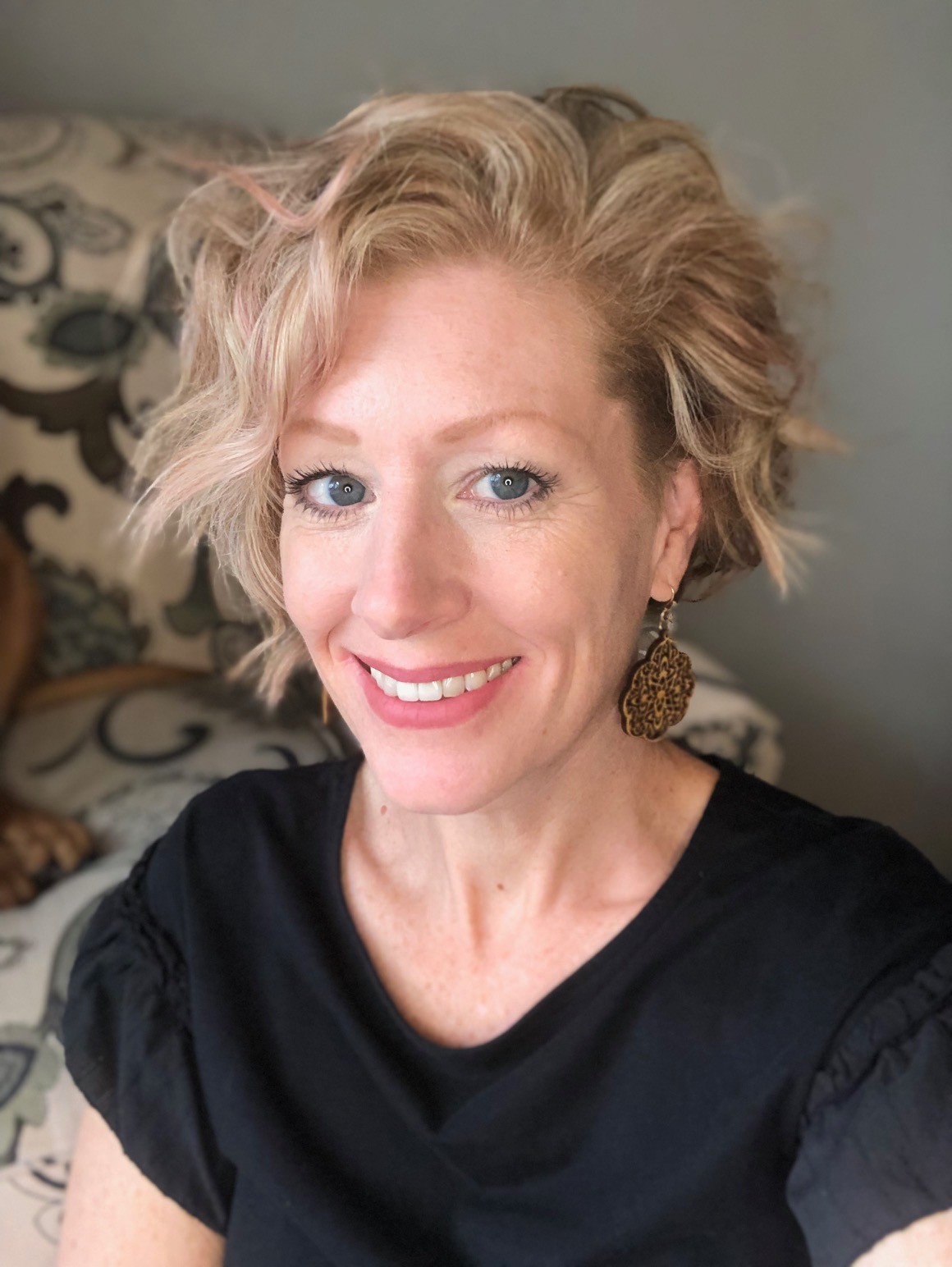

Alright – so today we’ve got the honor of introducing you to Jen Ferone. We think you’ll enjoy our conversation, we’ve shared it below.
Jen, thanks for joining us, excited to have you contributing your stories and insights. What can you share with us about the story behind how you found your key vendors?
Finding the right co-manufacturer is not an easy undertaking. For brands like ours, there are basically a couple of choices when you scale, either start your own facility or utilize a co-manufacturer. The philosophy behind our decision to opt for co-manufacturing was two-fold. We didn’t have the capital at the time to lease a space, hire staff and do all of the things required for our own. We also wanted to focus our efforts on sales and marketing since those activities are arguably the most important for a CPG brand. We knew our capabilities as a small business, and we were aware of the fact that spending all of our time managing a production facility and making our soups would not allow us to do those other things. This biggest challenge was finding a co-manufacturer that was aligned with what we were doing at the time. For example, we didn’t want to be locked in to a partner that would require us to order huge quantities of product. We also wanted our products to naturally fit in with what they were already doing for other customers. Finally, true to our roots and where we started, we wanted to work with a company that was Midwest-based. We were very lucky to find a co-manufacturer that met all of our criteria. Our partner is large enough to scale with us, but can produce smaller quantities as needed, they produce other soups and broths, and they are located in Cleveland – where we started! Even though small brands often feel at the mercy of key vendors (like co-manufacturers, distributors, etc.), good partners will recognize the synergy that exists between the parties and the fact that growth for one also means growth for the other. Our relationship with our co-manufacturer works for that reason. We are each other’s biggest cheerleaders.


Great, appreciate you sharing that with us. Before we ask you to share more of your insights, can you take a moment to introduce yourself and how you got to where you are today to our readers.
My decision to get into this business was primarily emotionally driven. I had a career in the Arts for many years and was starting to feel the burnout of a regular 9-5 job and the boredom that would inevitably show up a couple of years after a new job, promotion, etc. I was doing a lot of personal development work at the time, and I was starting to understand myself and what motivated me. I have always known that I am an entrepreneur at heart and that I wanted to have something of my own. I finally reached a point where I was planning on quitting my job and I wasn’t yet sure what I wanted to do.
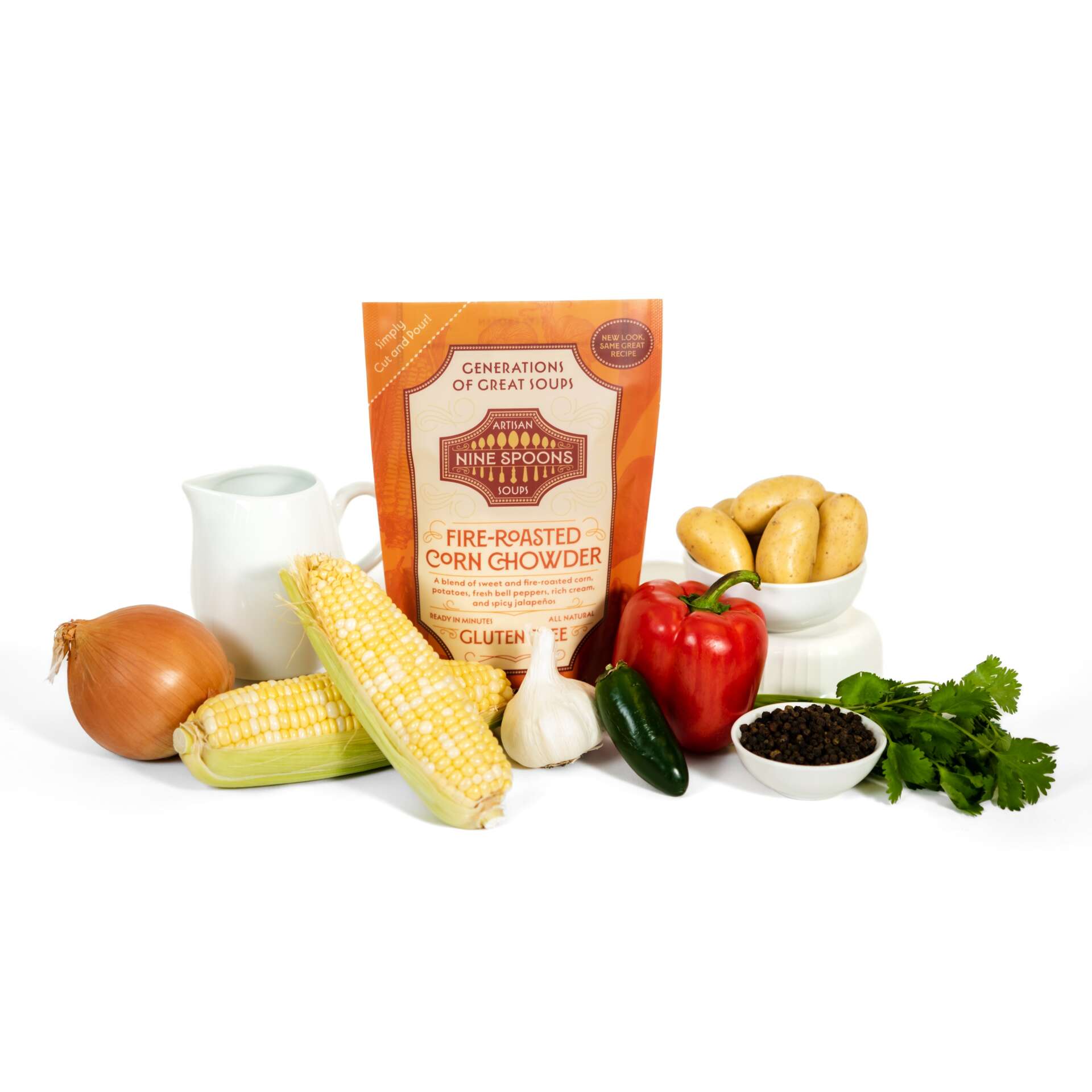
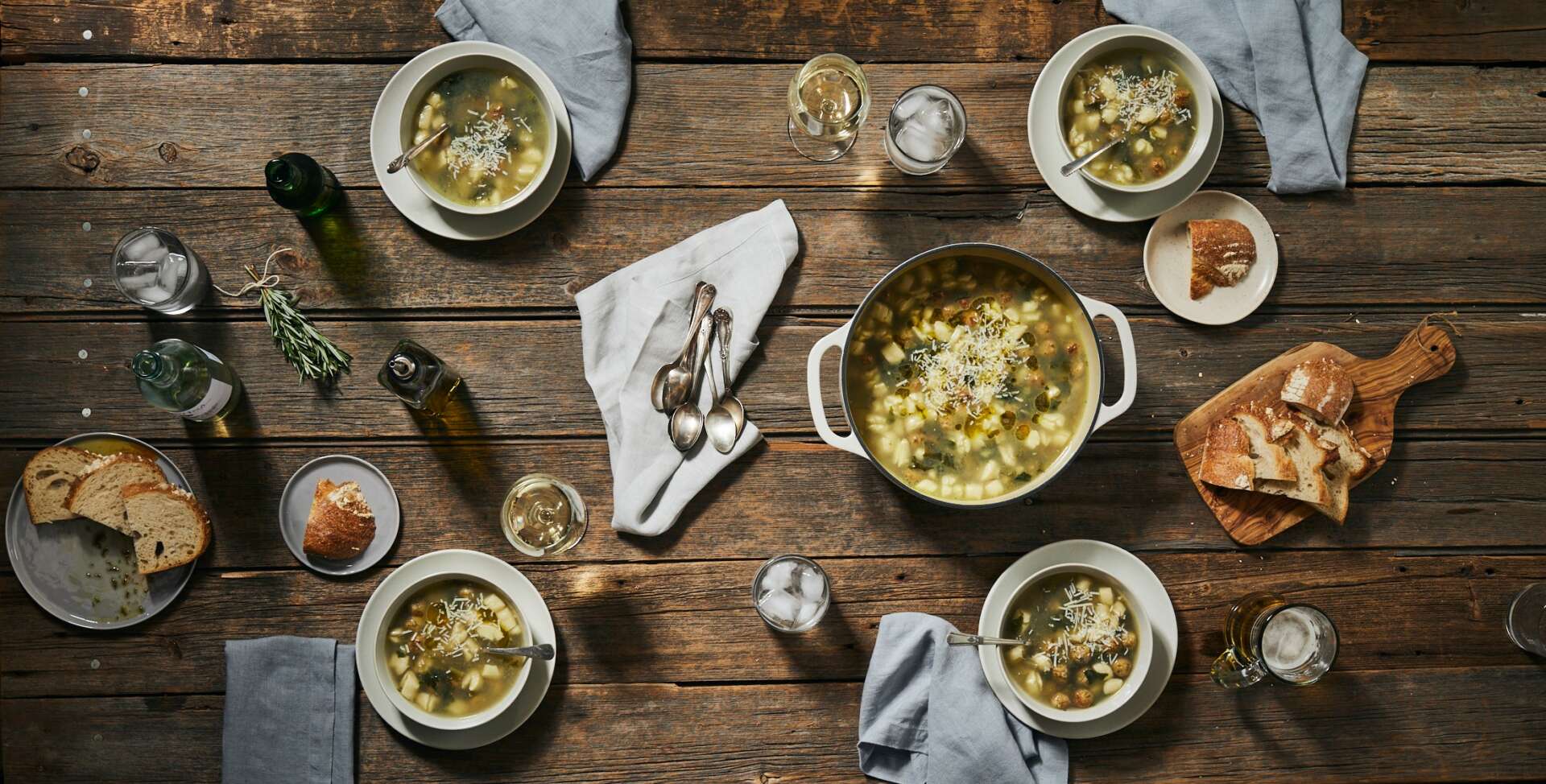
One night, I was having a conversation with my parents about my Grandmother’s wedding soup. It was the one recipe that everyone in the family loved and requested for special occasions. My Grandparents had nine children (the inspiration behind our name, Nine Spoons) and my Grandmother tweaked her recipes in creative ways to feed the large family. She made the wedding soup with homemade dumplings instead of pasta, and it was hearty, savory and delicious comfort-food. It was also very different than any other wedding soup we had tried. My Dad and his siblings had often wondered whether or not this was something that was marketable. While my parents and I were revisiting this idea, it hit me that this was what I was going to do. I ended up doing some searching and found a community kitchen in Cleveland that helped startups like mine with their food businesses. I ended up quitting my job and starting my business as a full-time endeavor.

Learning and unlearning are both critical parts of growth – can you share a story of a time when you had to unlearn a lesson?
One of the biggest lessons that I have had to unlearn is that working harder doesn’t always equal greater success. Many of us have been influenced from a young age by teachers, family, society in general, that when you work hard you will have success. This couldn’t be farther from the truth. In fact, often, despite working tremendously hard, things don’t work out the way you would like them to. In business, it is really difficult to challenge this belief. There is a lot to do, you might be the only one responsible for doing all of the things, and you have a passion for the business that you have created. Through personal development work, and by testing this through my own experience, I have found that giving myself a break and working easier (or less) from time to time, I tend to allow a little space for creativity, a mindset shift, and a clearer head – all of which are extremely important in business.
I have had some very demanding times when I felt like I was constantly working hard and pushing against the thing that was challenging me. Most often, I have handled these circumstances by doubling down on the work and trying to think my way through it. Over the years I have discovered that there is another way. Sometimes you can just walk away from it for a day, or even a week. When I try this tactic, I attempt to fill my time with the things that bring me joy and allow me to focus on something else. Often it is yoga, gardening, or making art of some sort. By the time I am ready to look at the problem again, I am often more relaxed and have a clearer head. Sometimes, I can even find a solution that I had not thought of before. It’s all about being in flow. If you aren’t in flow, work is going to be much more difficult and challenging.
Can you talk to us about how your funded your business?
In the beginning, funding the business was fairly straightforward. Since we had no sales for almost 8 months before we launched, my co-founder and I funded all of the things we needed in order to get started. Some of the expenses early on were related to graphic design, production, fees, etc. Surprisingly, we were able to self-fund the business over the next 5 years.
When I speak to people about the cost of launching a CPG business, I have to be careful to include the fact that I still do not take a salary. That is the unfortunate reality for most people in this kind of business. When I say self-funded, what I mean is that any and all profits go back in to build the business and often, my partner and I have made additional equity contributions. This kind of endeavor requires a certain risk tolerance, because often, the return doesn’t come for years.
That said, we do realize that we are at a critical point with NIne Spoons. In order to scale to the next phase, we realize that it requires bigger investment. We are currently looking at a variety of options to fund it, including loans, grants, and investment capital.
Contact Info:
- Website: www.ninespoonssoup.com
- Instagram: https://www.instagram.com/ninespoonssoup
- Facebook: https://www.facebook.com/ninespoonssoup
- Twitter: https://www.twitter.com/ninespoonssoup