


We recently connected with Jeannie Kim and have shared our conversation below.
Hi Jeannie, thanks for joining us today. How do you think about cost-management? Growing a business is always exciting, but often businesses run into issues when costs grow faster than revenue – have you experienced such an episode? Any advice for other operators around how to keep costs in line?
I’m still learning how to keep costs under control. Being honest about where you are in the path is important, you want to invest in your business but you don’t want to spend on something that you’re not ready for yet. I have to always recognize that I am small, fine jewelry is a slow product, and my brand celebrates that process. If I spend anytime comparing myself to those who have a larger budget than I do, I will end up spending for a brand that doesn’t exist. I have to ride the fine line of investment and reality. This might be obvious to some but I think a lot of us can fall victim to the perfectionism and think that there is only one way to do something. But consumers like authenticity and quality, and you can always find a way to be yourself within your budget.
Jeannie, love having you share your insights with us. Before we ask you more questions, maybe you can take a moment to introduce yourself to our readers who might have missed our earlier conversations?
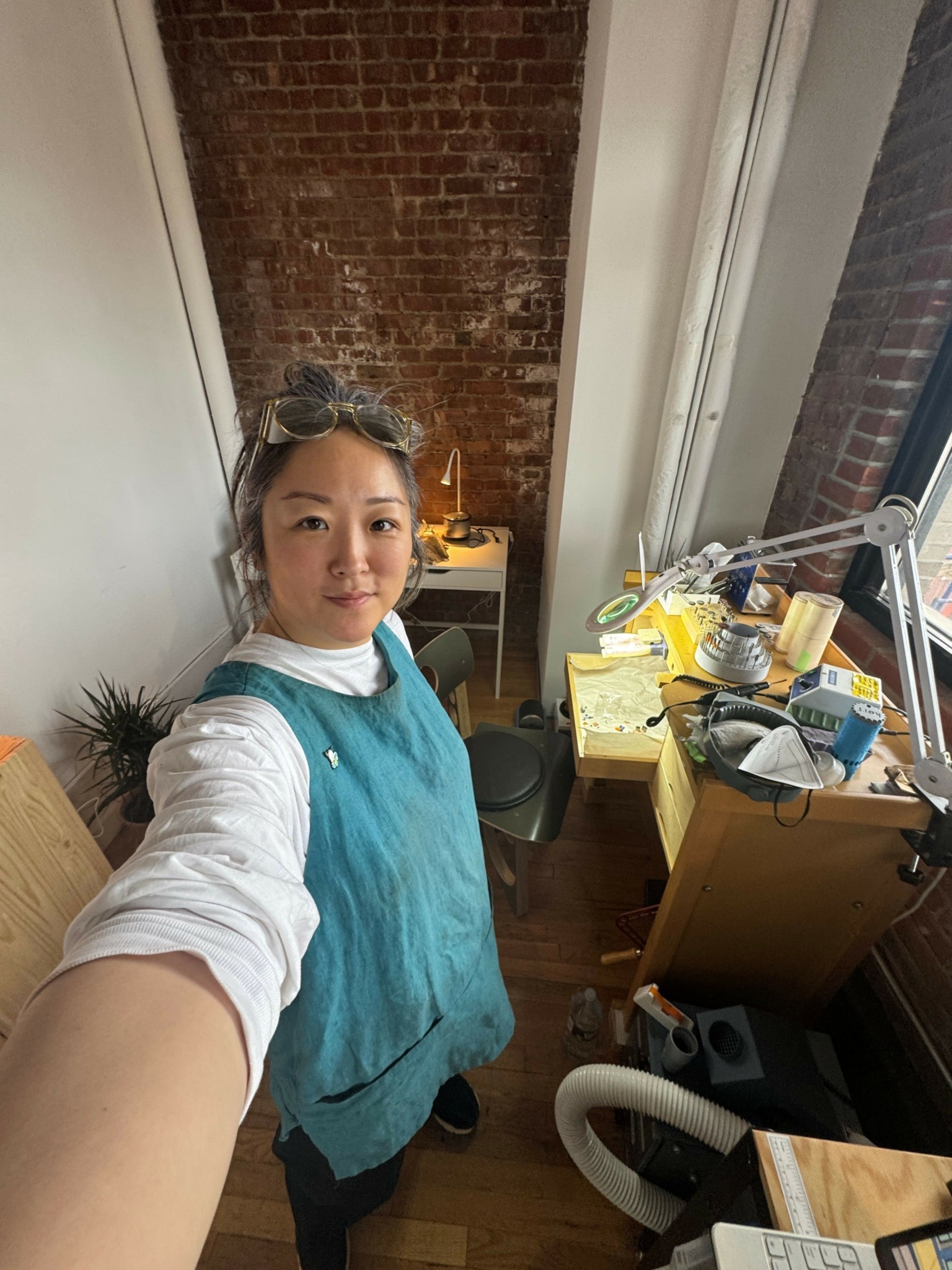
After a few years in advertising I returned to school to study fashion and accessory design. I secured a few great internships at NYC brands and I started working in accessories. Over time, I focused more on jewelry. Since undergrad, jewelry had been something I worked on in my own time so it was great to finally find that in my work too. Designing for other brands was wonderful, especially being able to work with a lot of inspiring people who taught me how to be creative, whether they knew it or not. Eventually I felt like I needed to say something in my own voice. The impetus was simply that, having something to say in my tiny corner of the world. I didn’t have any expectations business-wise in the beginning, which may have been naive but I also think that a certain amount of ignorance is helpful when starting a business.
I am proud of my relationship with my clients, I think they have been there watching me grow and rooting me on. They believe in my product just like I do. There is no shortage of things to purchase and while I’m being earnest here, I also know that my clients are discerning and know what they deserve when spending on fine jewelry, so it’s important to me that they feel special when engaging with my brand.
Can you tell us about a time you’ve had to pivot?
I mentioned I worked in advertising. It was a valuable chapter—I met interesting people and I still use many of those skills in my business today. But ultimately, I realized it wasn’t how I wanted to spend my time long-term.
At that stage, walking away wasn’t an obvious decision. I was earning a good salary and the industry was fun. But I had to be honest: it wasn’t the right fit. I didn’t need to return to school to make the pivot, but it was really about investing in a more creative path in life.
Okay – so how did you figure out the manufacturing part? Did you have prior experience?
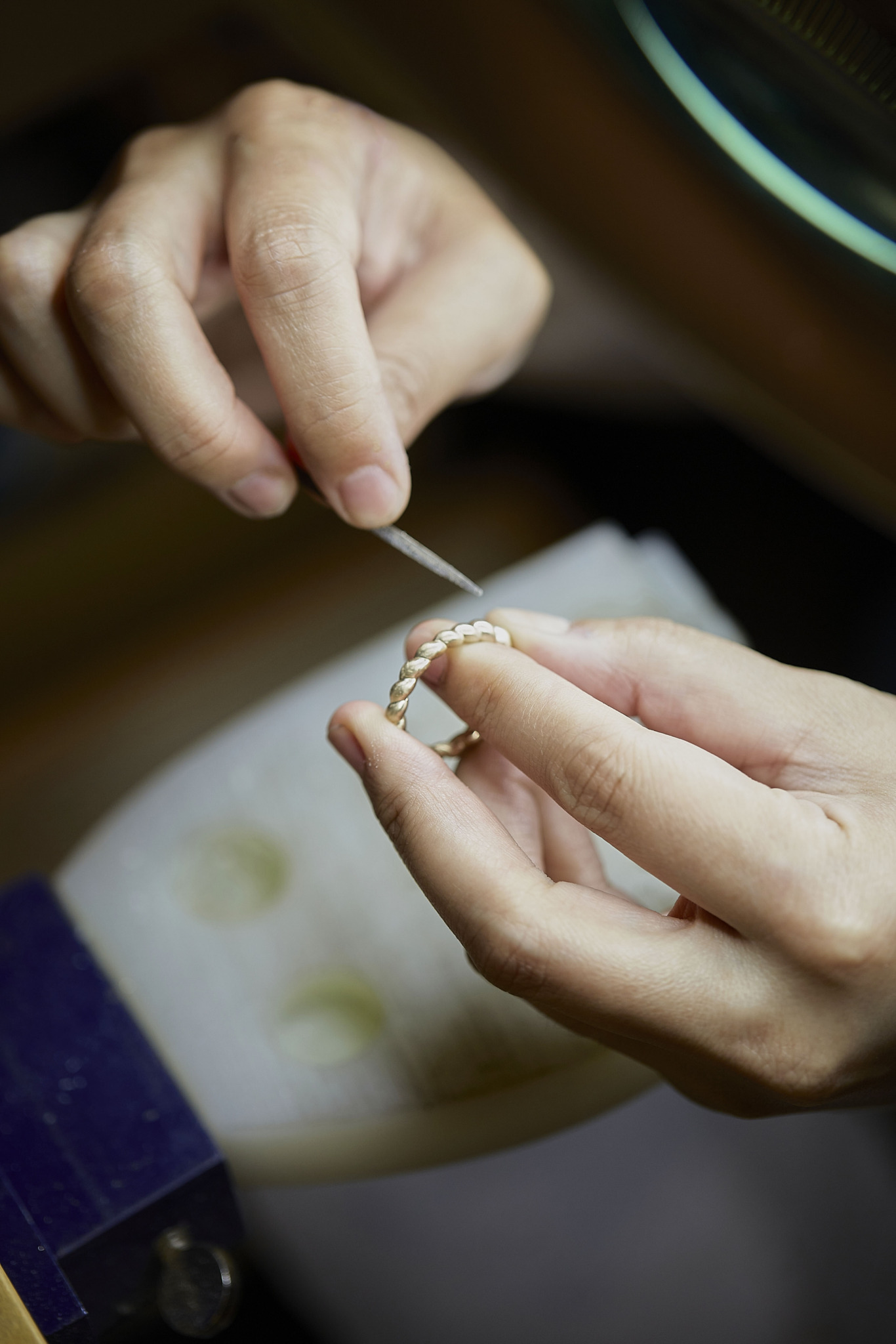
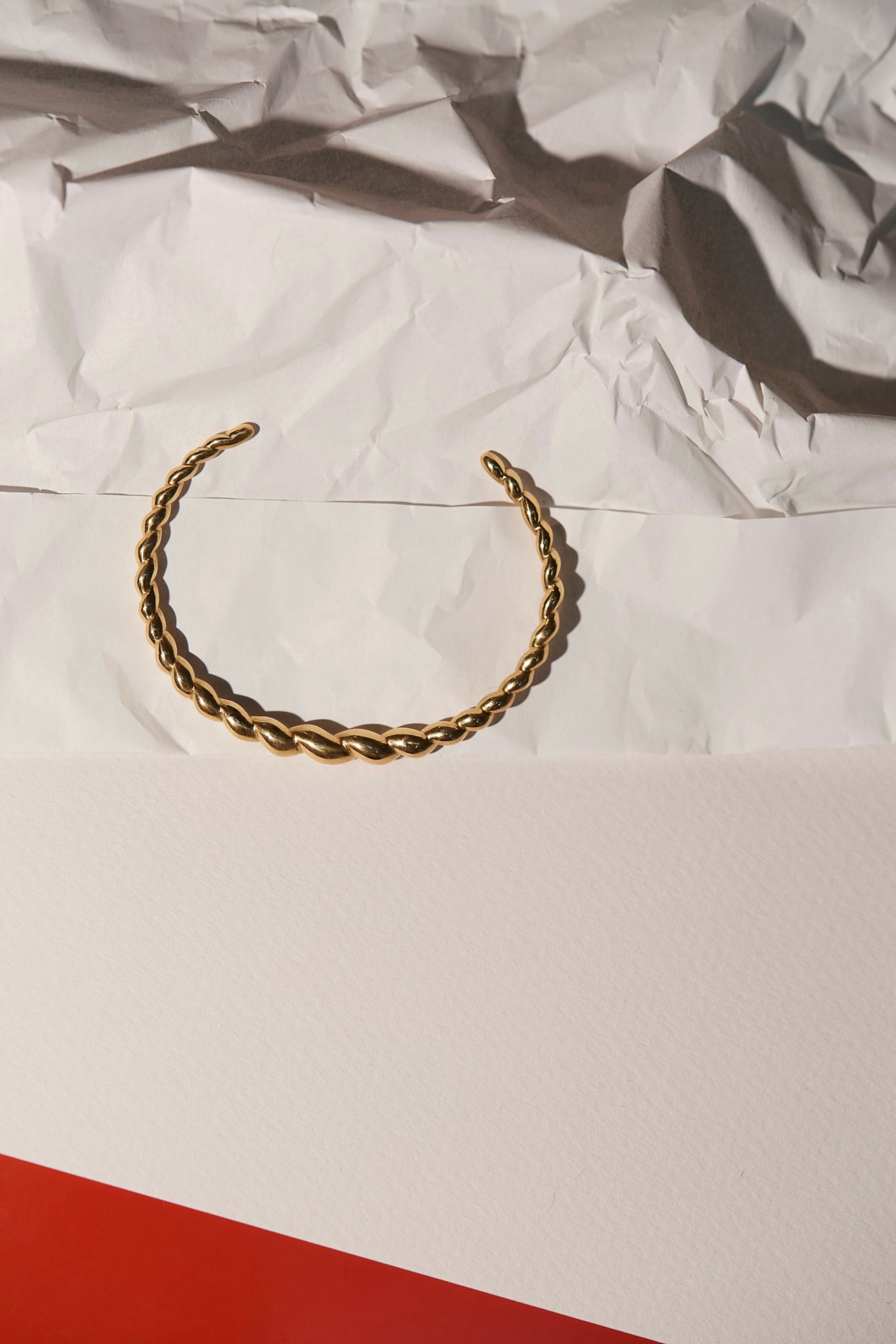
I currently hand-make my jewelry and also collaborate with skilled metalsmiths for specific parts of the process, such as stone setting. My work is made-to-order in small batches, and I’m committed to preserving that boutique, intentional pace of production.
I’m based in New York City, and the Diamond District plays a vital role in my process—it’s a unique ecosystem that supports independent studios like mine, as well as legacy houses like Tiffany & Co. I feel proud to be part of that and to contribute to its continuation in a more personal, studio-focused way.
From the beginning, I’ve designed within the boundaries of my own skills, while gradually expanding my network of collaborators—craftspeople who share the same respect for quality and tradition. As the brand grows, I plan to expand manufacturing in a way that stays true to this artisan ethos: small, thoughtful, and grounded in the human hand.
One of the most valuable lessons I’ve learned is that manufacturing doesn’t have to mean losing intimacy with your product. When done with care, scaling can still feel personal.
Contact Info:
- Website: https://jeanniekim.com
- Instagram: https://www.instagram.com/jeanniekimjewelry/
- Other: https://tiktok.com/jeanniekimjewelry
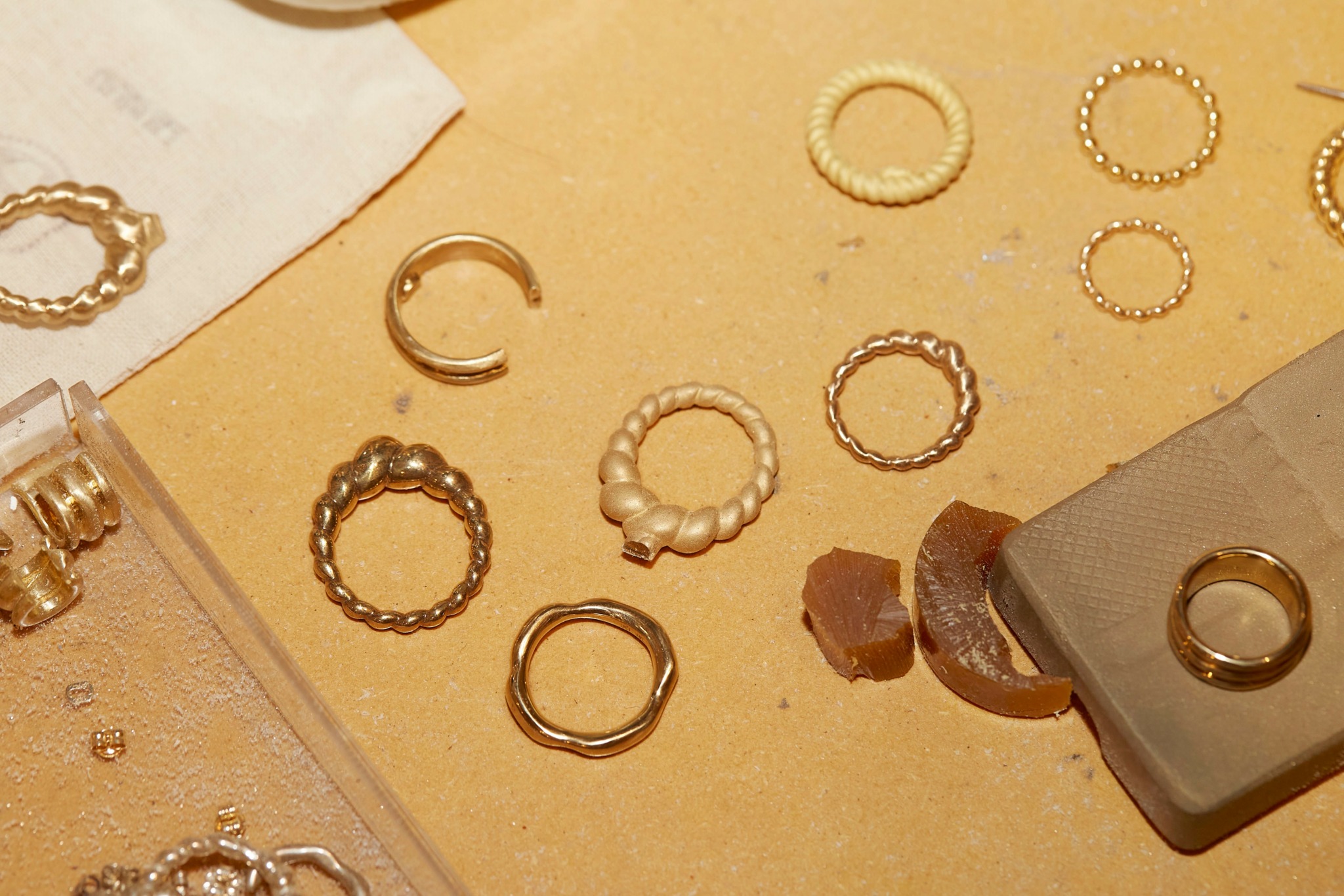
Image Credits
Kristina Rakhno