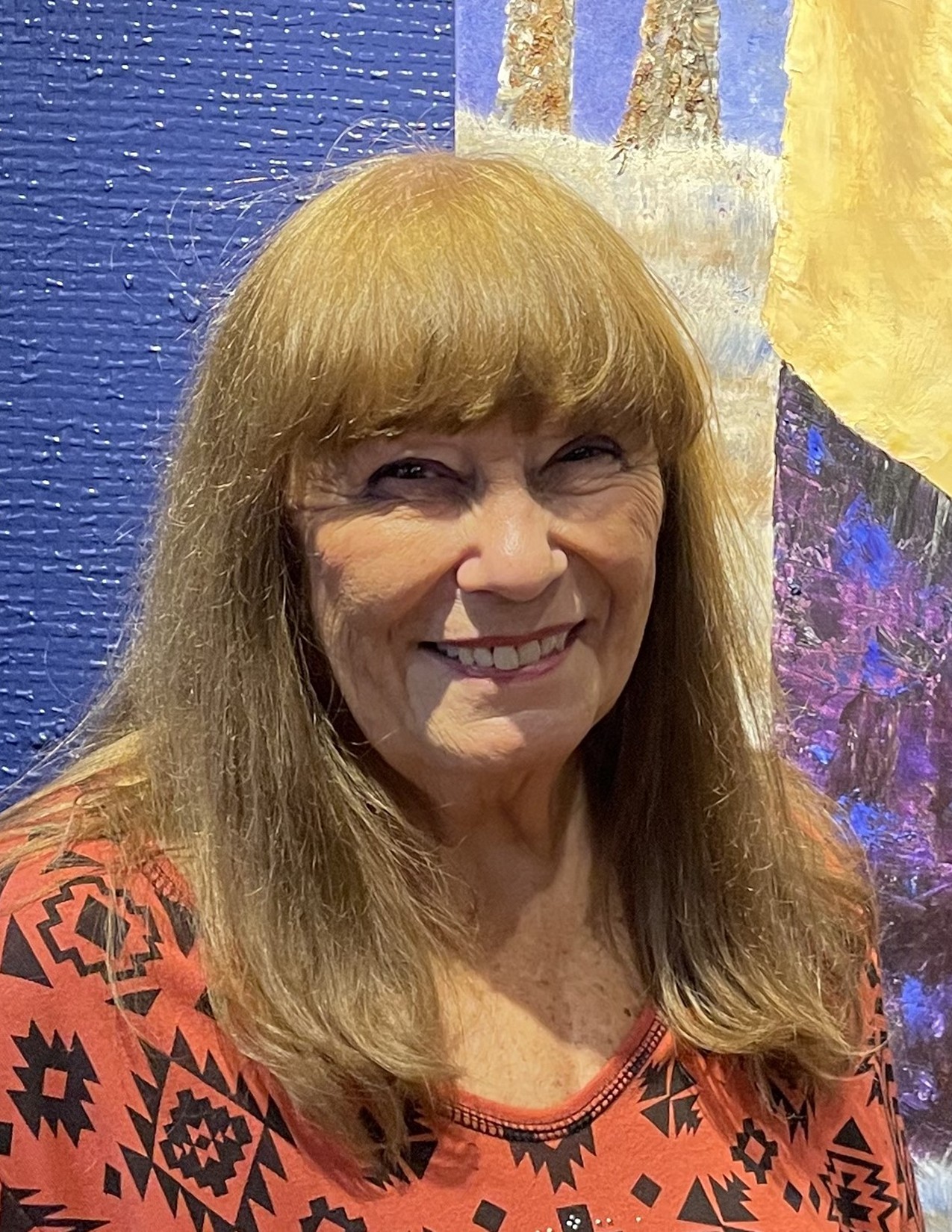
We recently connected with JEANNE ROREX BRIDGES and have shared our conversation below.
JEANNE, thanks for joining us, excited to have you contributing your stories and insights. Can you recount a story of an unexpected problem you’ve faced along the way?
I might be the first artist you have interviewed who has had to fight the federal government to sell her work. My family has Cherokee blood, but my paternal and maternal grandparents chose not to the Dawes Commission Roll at the turn of the century. I respect their decisions because there were many reasons to NOT sign and only one to sign – to get free land. With that land allotment, you gave up your tribal citizenship and you and your children became wards of the United States Government.
This may seem like ancient history, but it is not. After building my reputation as a Native American Artist, from 1980, competing in art competitions and exhibits, my career was building. Whenever I was asked about my heritage, I would explain that I wasn’t a tribal member of a federal tribe, but I was part Cherokee. That was fine until the year 2000. Even though the Cherokee Nation government didn’t have a problem with me, the federal government used undercover FBI agents and a US Attorney to try to charge me with 3 felonies. It’s an interesting but very long story.
Needless to say, that was an unexpected problem and quite an issue.
As always, we appreciate you sharing your insights and we’ve got a few more questions for you, but before we get to all of that can you take a minute to introduce yourself and give our readers some of your back background and context?
I grew up on a farm/ranch/dairy in rural Eastern Oklahoma. I was the youngest of six and I tell people that I was a mid-life surprise! I was an aunt before I was born – so I was raised by parents old enough to be my grandparents – and it was wonderful! We worked hard in the dairy where I first learned how to milk by hand – later by machines. We first got running water and a telephone when I was sixteen. We raised cattle and hogs to sell. We had large vegetable gardens, plus large fields of corn, cotton, and head feed (maze). We were busy all year long, but it was a great life and both my parents were the most ethical, hard-working people I have ever met. I learned to be empathetic and respectful from my life experiences.
I loved school, but Oktaha, being such a small school, of course, there were no art classes. And I loved to draw, so in elementary, holidays were my great chance to draw and color decorations. At a class reunion, decades later, my classmates remembered that after I finished my math problem at the chalkboard, I would use the chance to draw on the board. I didn’t think anyone was watching – I was very bashful.
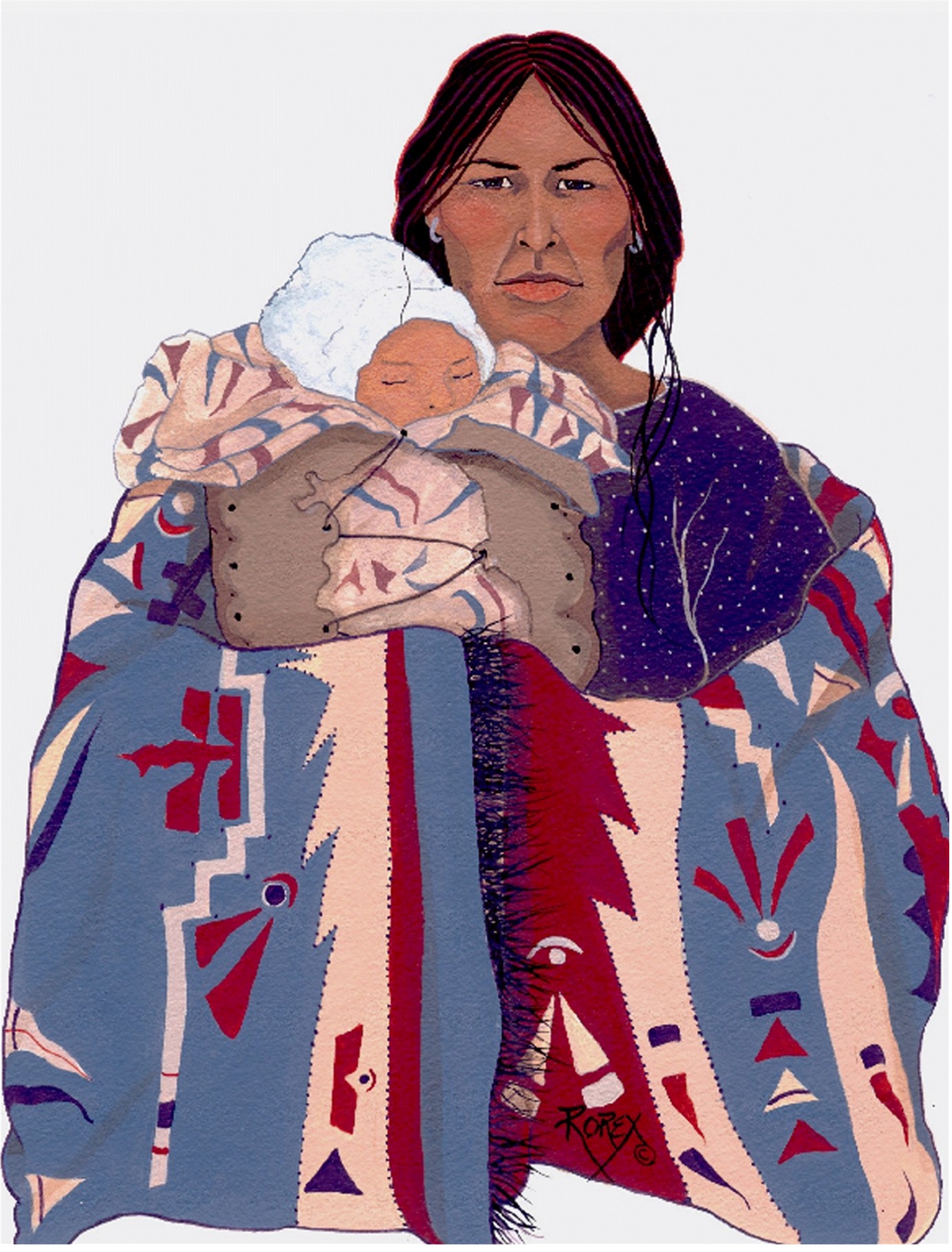
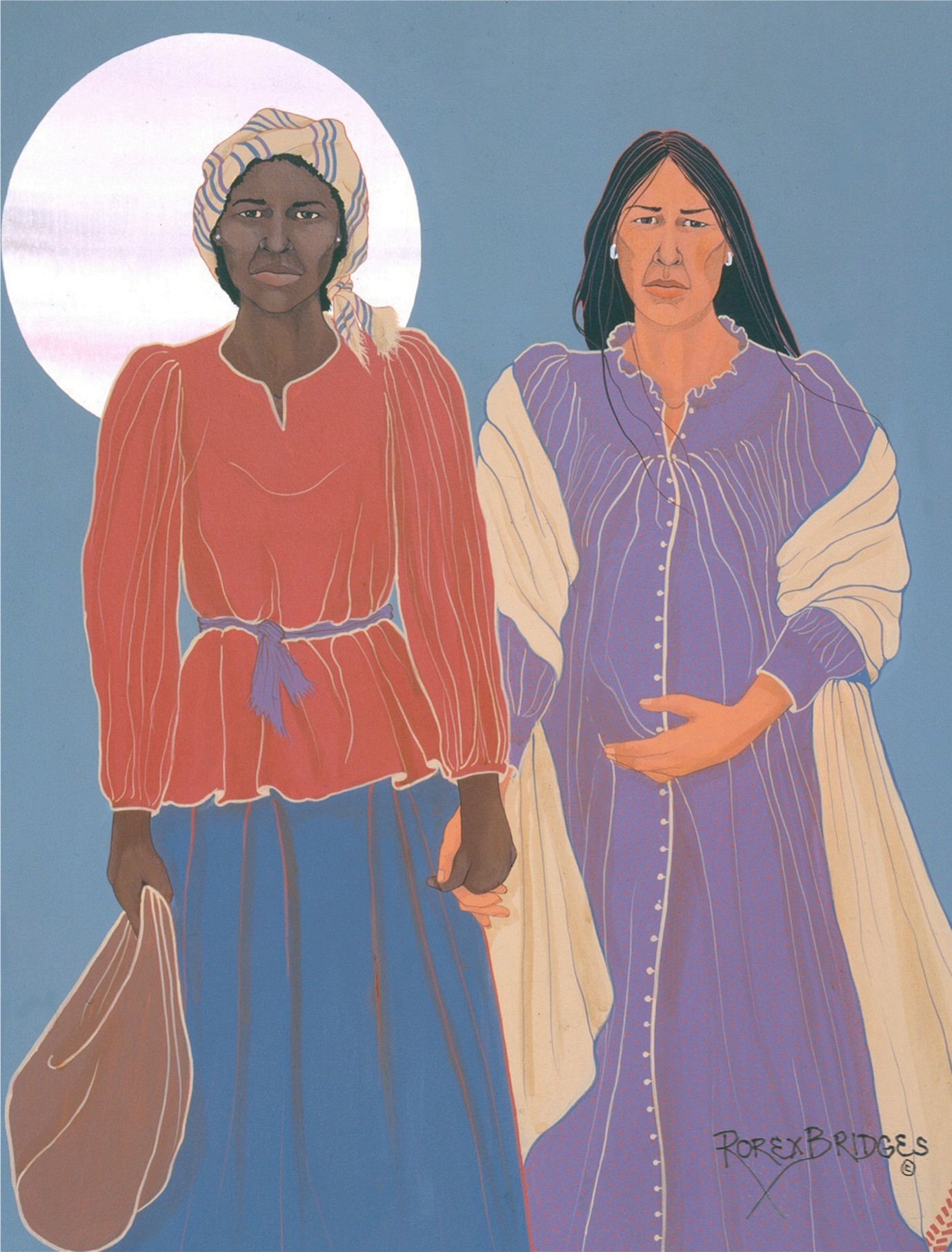
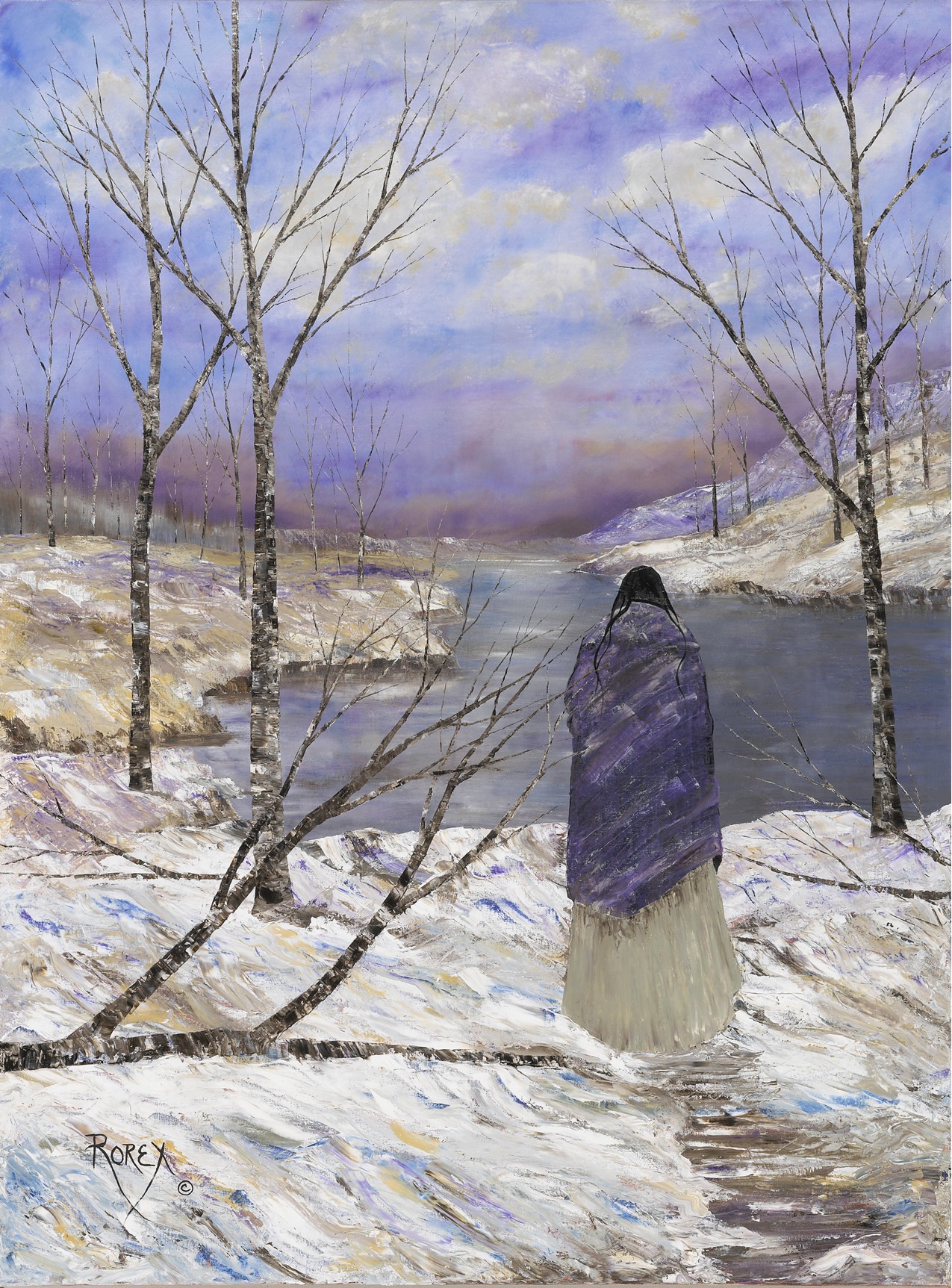
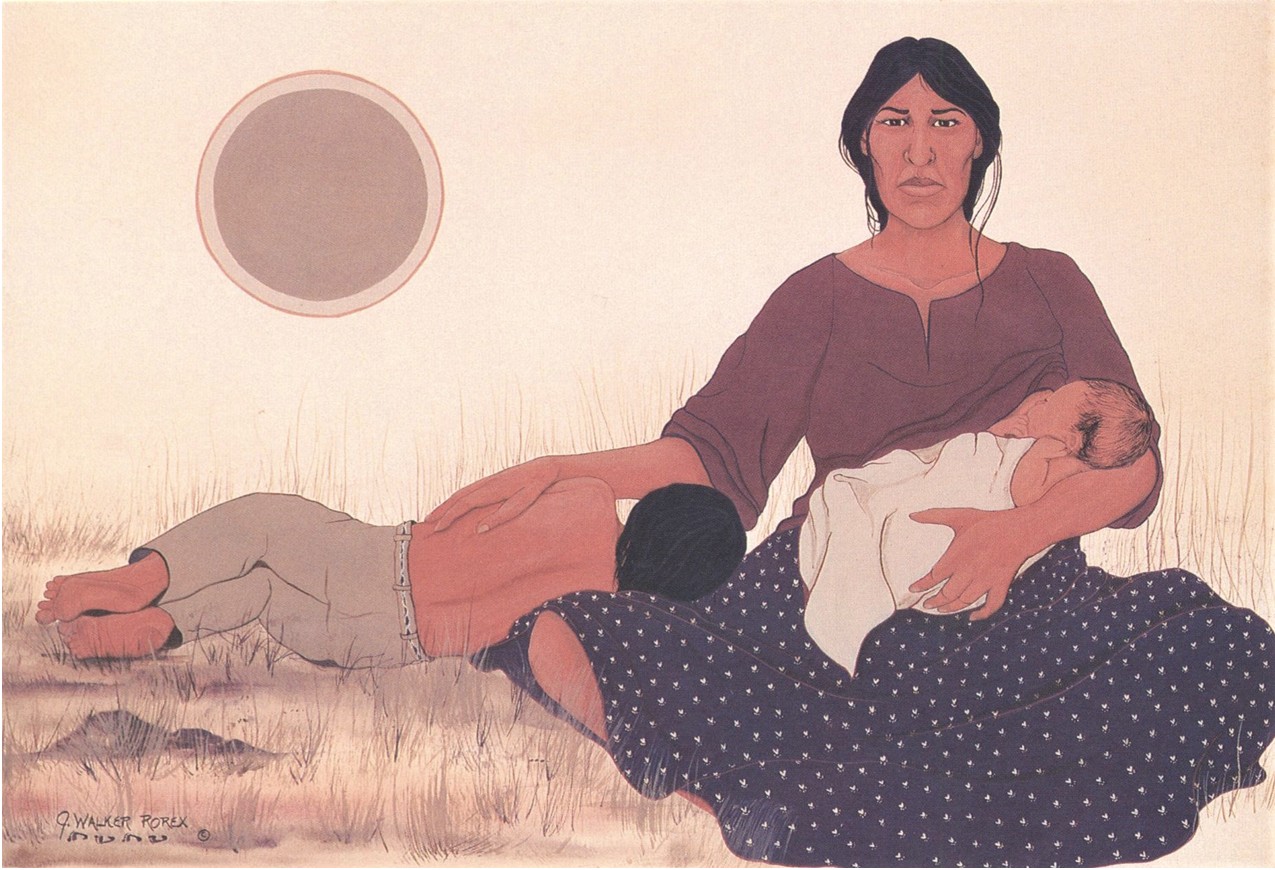
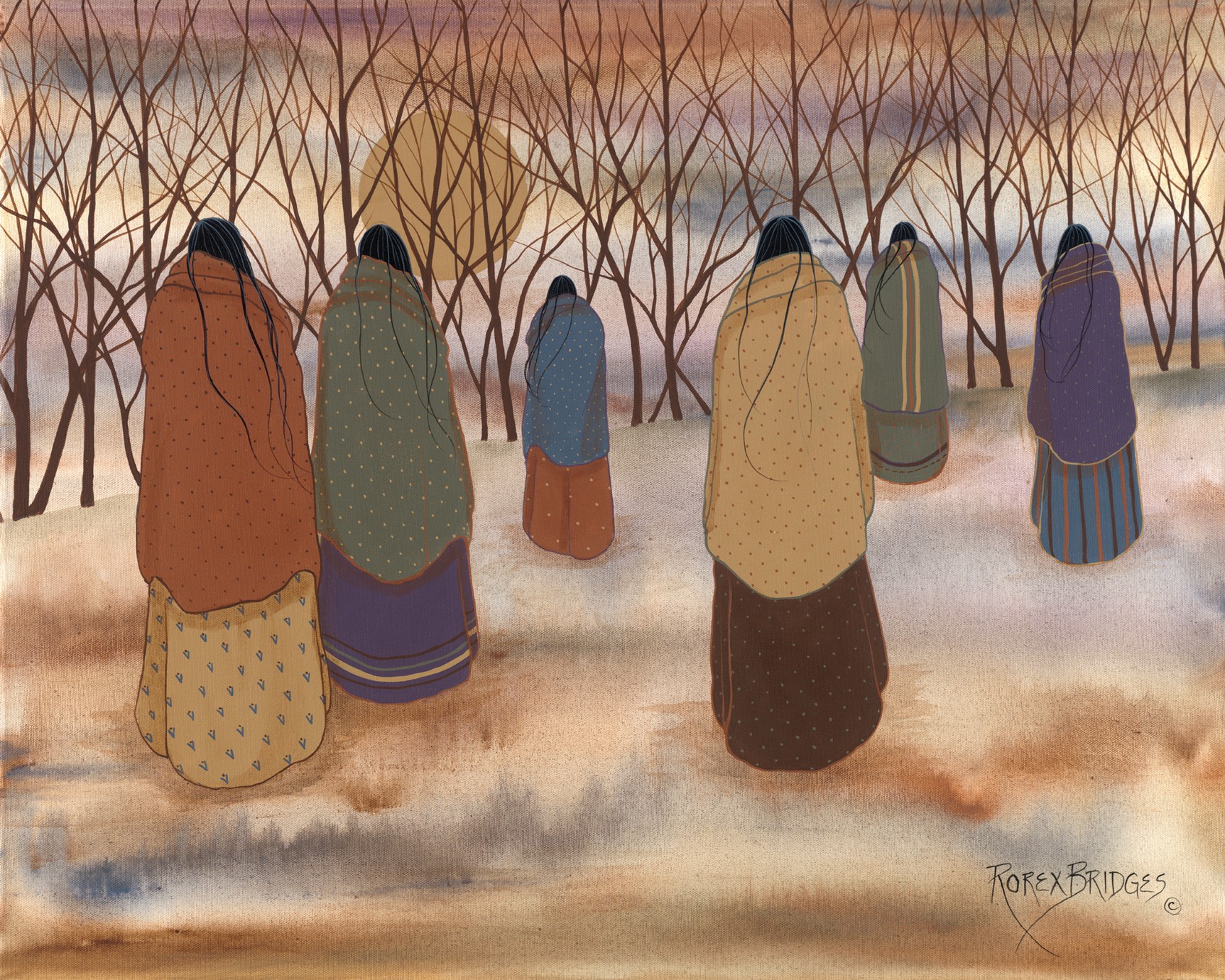
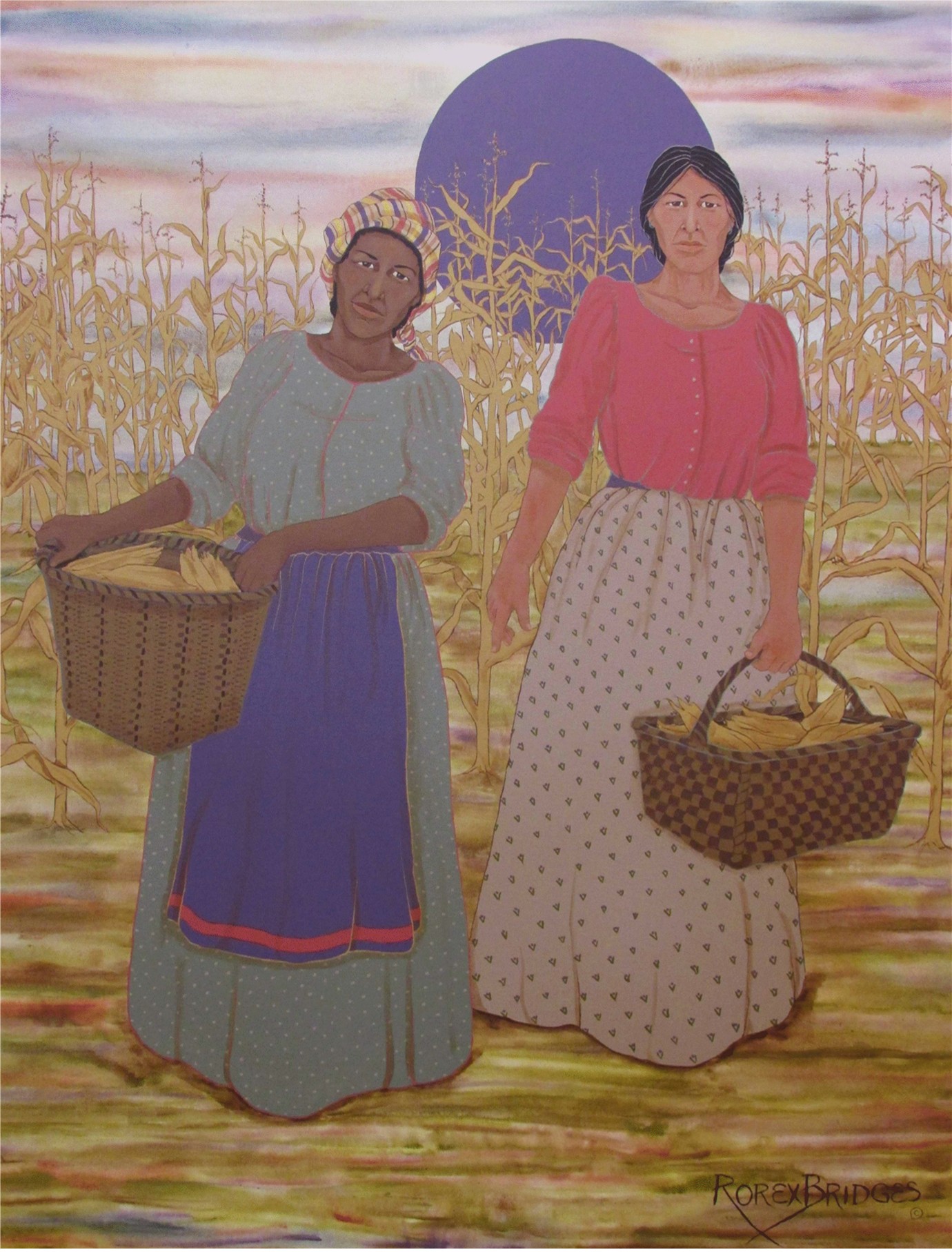
My uncle lived several miles away and he was a very famous Cherokee wood sculptor. As a little girl, when we visited him, I began to understand that his artwork always came from his beliefs and his feelings about life. I think that is why I have been successful in my painting career. I didn’t want to just paint pretty pictures. I wanted to say something. My mission seemed to be to portray everyday women in our history – in tragic settings or working to survive. Also, the tenderness of motherhood has been an important message. Another important message I’ve made with my work, is a recognition of the shared history between Native Americans and African Americans. My Sister Series reflects this.
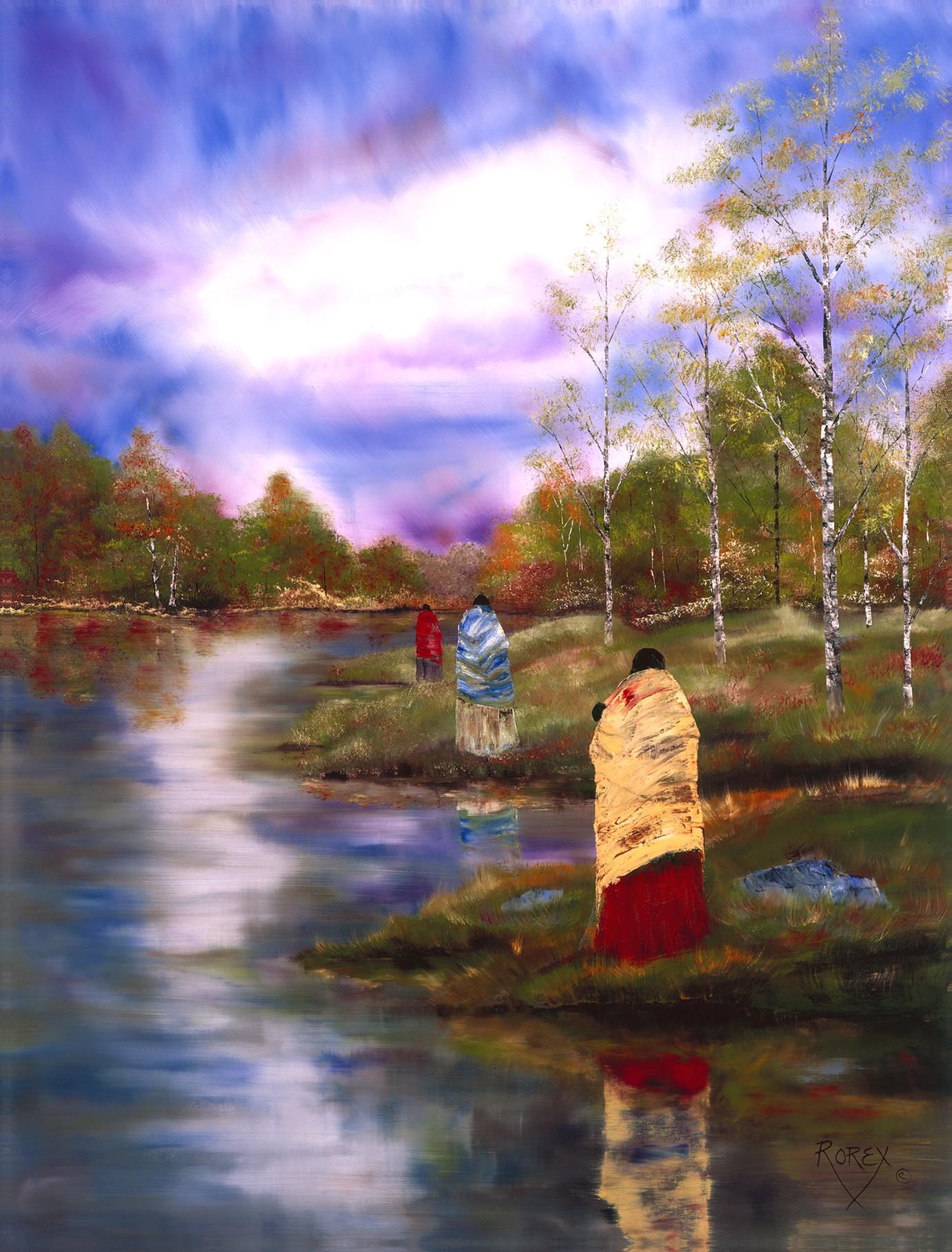
I love the colors on this earth. I’ve painted landscapes from my mind, with some success, but never could do justice to what is around us. In my other paintings, I mix my own muted but strong and recognizable colors.
Any resources you can share with us that might be helpful to other creatives?
I wish I had studied business and marketing, in addition to art. I believe that business can be as creative as art! It’s been an adventure combining the two.
I think I use both sides of my brain. I like math and science, but I love painting! I also love meeting people and making them comfortable around art. So many people have been apologetic, saying they don’t know anything about art – this really bothers me that “society” makes people insecure about art. When they say this to me, I ask if they feel anything when they look at a painting and is it something they want to live with in their home; if the answer is yes, that is Art.
Art shouldn’t need to be interpreted; it should just be appreciated or not.
We’d love to hear a story of resilience from your journey.
I suffered a serious stroke in 2011. I was a very, very right-handed person and I lost the use of my right side. I quickly got back my leg, later my arm but never totally got back my right hand.
After a long frustrating journey (I’m still angry, BUT, I remind myself that it could have been much worse.) I learned how to paint with my left hand. I can’t write worth a flip with my left hand but I can still paint! I think “resilience” might be an understatement!
Contact Info:
- Website: https://RorexBridgesStudio.com