

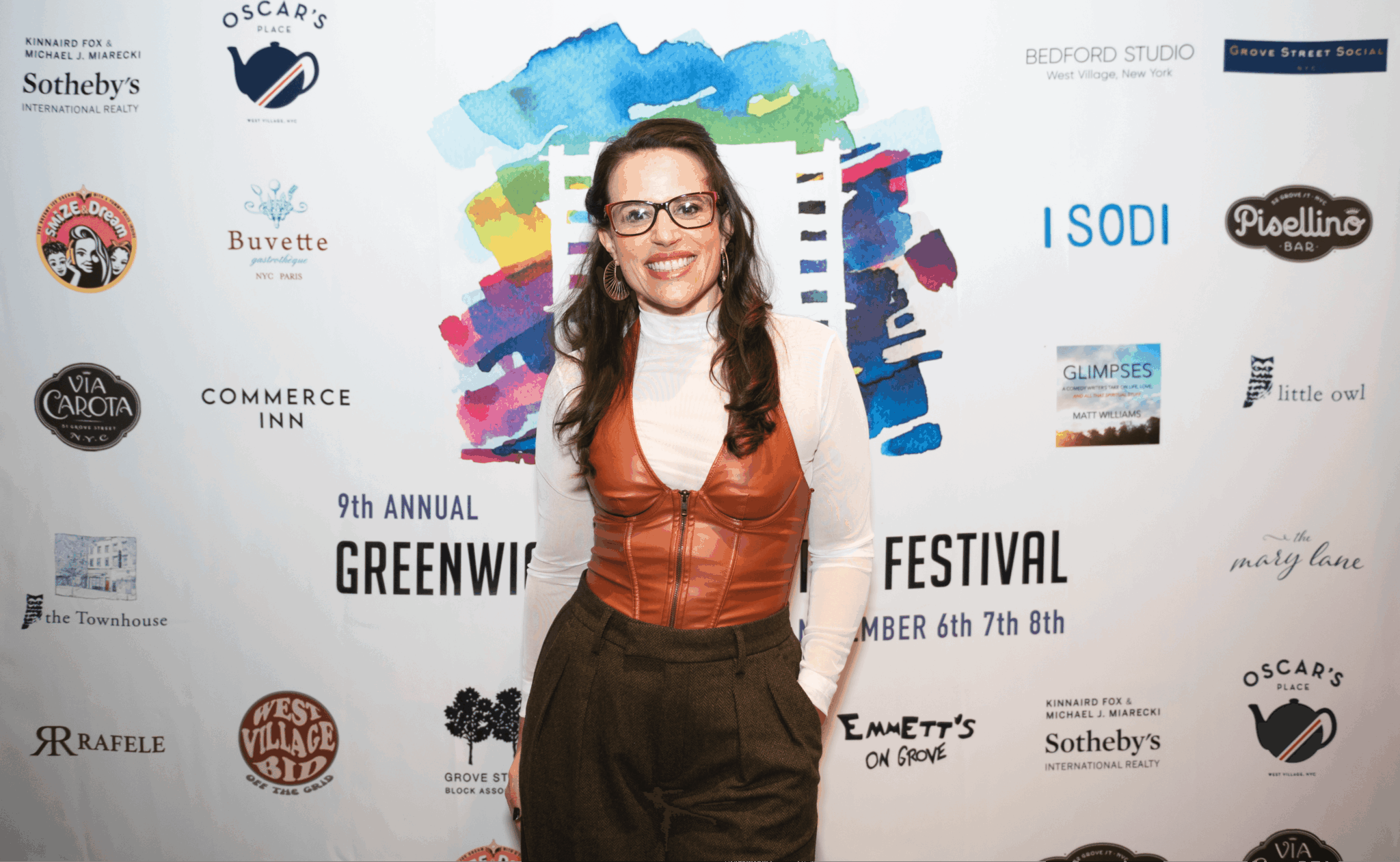

We’re excited to introduce you to the always interesting and insightful Jeanette Bonner. We hope you’ll enjoy our conversation with Jeanette below.
Jeanette, thanks for taking the time to share your stories with us today I’m sure there have been days where the challenges of being an artist or creative force you to think about what it would be like to just have a regular job. When’s the last time you felt that way? Did you have any insights from the experience?
Ahh, happiness. Such a fraught word. As a creative person who has struggled and stumbled with making a living in this crazy industry for nearly 20 years, I am no stranger to the doubts that are innate to choosing this career.
As an actor in my twenties, the goal was simply to find something to pay the bills while I pursued my passion. Like most of us, though I knew intellectually that the life of an artist was tough, I believed I “had what it takes” (whatever that means, really) and was uniquely talented enough that if I just could figure out a way to hang in there long enough, things would work out for me. This line of thinking is not uncommon. It turns out we ALL believe we’d be the one to defy the odds. The “tough it out” method works fine until the day it doesn’t, and you hit a wall. Let’s say you’ve been grinding and living paycheck to paycheck, waiting for the payoff, which every year seems to be just out of reach when BOOM you wake up one day with the realization that you’ve spent your whole life hoping something is just about to happen….but it never has.
For me that wall hit around the time I turned 35. In your 20’s and early 30’s everyone’s a bit messy, figuring out their lives and careers and having a great time doing it, me included. My 20’s were full of odd jobs like waitressing at Applebee’s in Times Square, driving the Red Bull mini around to construction sites to give out free Red Bull, and catering at high-end event venues like the Met. I had zero career strategy. But around my mid-30’s, my friends in other careers start getting promoted, taking nice vacations, getting married. I literally felt like I woke up one day and someone had splashed cold water on my face. I took a good, hard look at my life and thought: what the hell am I doing? Is this even working? Do I wanna keep doing it? What does success actually look? What happens if I never get there… will I be mentally, emotionally, psychologically okay with that?
I had to take a good hard look at the life I had created. I wasn’t very happy. And it took a long time to sit down and ask myself the tough questions about what it means to me to be an artist and creative person and what it is I truly hoped to achieve. I had to shift my values around. I made myself define what happiness meant and what it was that I had in my power to create a happy life as a creative person.
It’s natural for freelancers to crave the stability and the security a full-time job offers. There’s nothing wrong with taking on a “regular” job in order to support a family or diminish stress or take a break from the anxiety of being an artist. But whatever one chooses it has to be with intention so that at the end of it all there are no regrets.
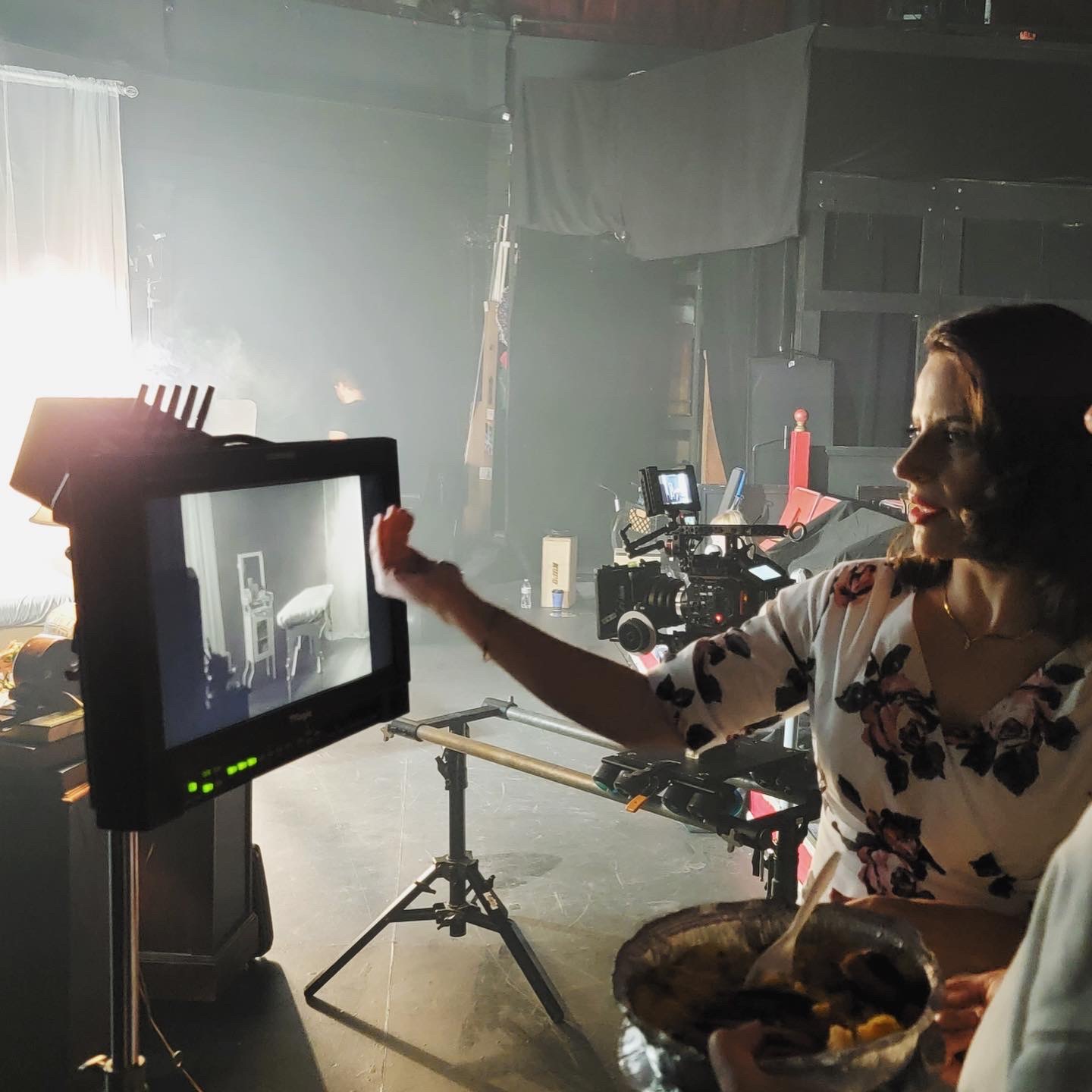
Great, appreciate you sharing that with us. Before we ask you to share more of your insights, can you take a moment to introduce yourself and how you got to where you are today to our readers.
Sure! Like many, I went to school to study theater and came to New York with the goal of being an actor in musicals on Broadway. After two national tours I decided musicals were not for me and decided to lean in to my strength in comedy. I took improv classes, joined an improv troupe, and auditioned for comedic plays.
The turning point for me was the summer I complained to my career coach at the time, Broadway veteran Michael Mastro, that “everyone I knew” was doing shows in the New York Fringe Festival, except for me. He encouraged me to reframe my approach by writing my own show which I would act in and self-produce in the Fringe. This started me on a path of creating my own work, which I still do to this day. I currently have a short film I wrote that I plan to direct and act in that I will produce later this year. Creating work for myself has led to opportunities producing short films for others, as well as larger Production Manager and Line Producing jobs in commercials and social media.
Last year I also became certified as an Intimacy Coordinator. I have a strong commitment to understanding how our industry can better serve artists’ voices, as well as a desire to increase the visibility of female-forward stories, improve parity representation in our department head and leadership roles, and normalize a consent-driven workspace.
I think being a values-driven person has set me up for success, but the real reason I believe people refer me for jobs and ask me to work with them again and again is because I believe in the strength of our community of artists and filmmakers. What that means is that I don’t really buy into the heirarchy of our industry. I think our best work is made together as a team, as a collaborative effort, and that means everyone should have a voice at that table. I like to think I bring the human element back to filmmaking. We all came into this industry with a shared love of creating art, and if we’re not supporting each other while doing it, why are we all here?
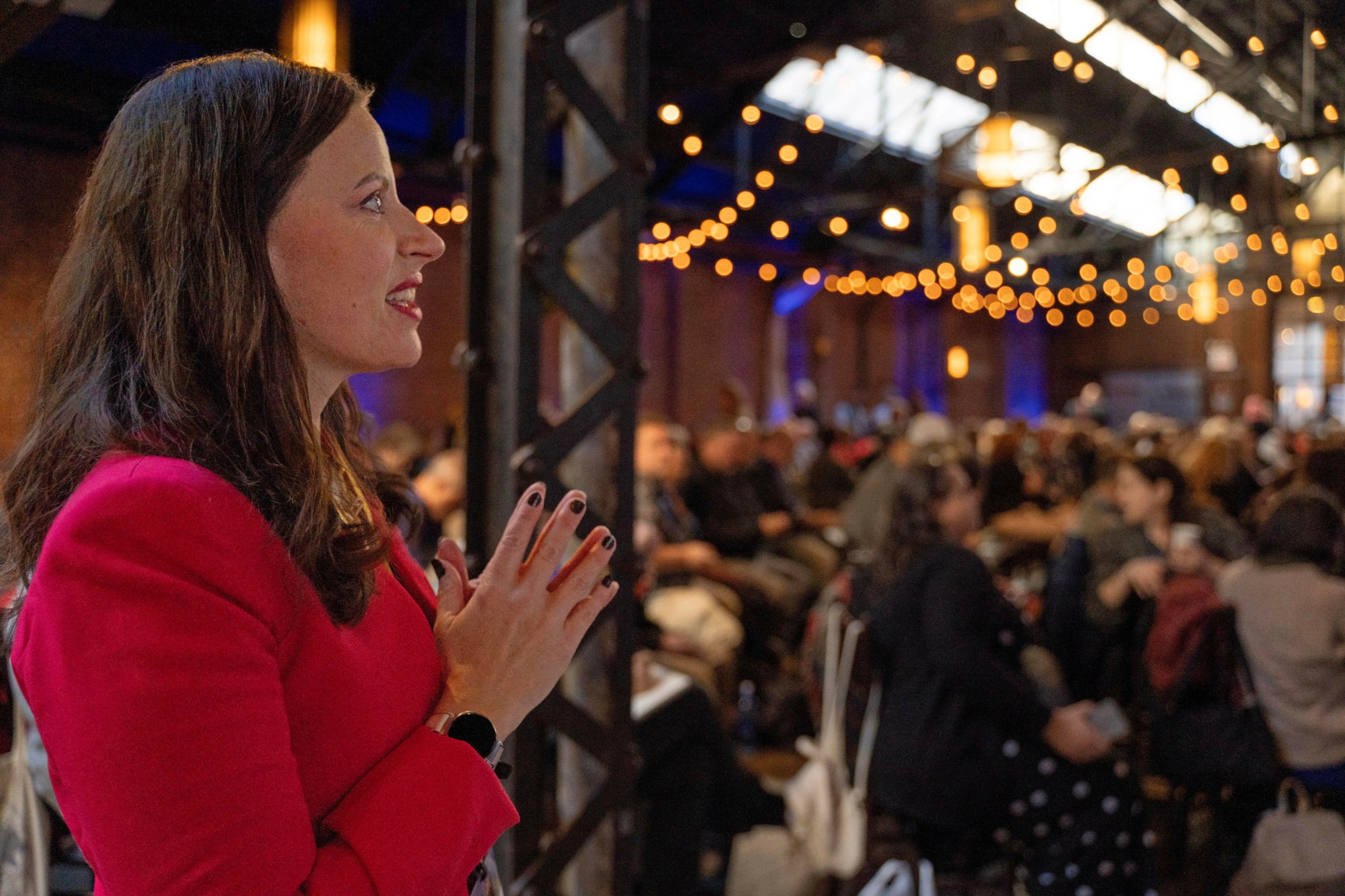
Can you tell us about a time you’ve had to pivot?
If there’s any one major shared moment of dramatic reassessment – for creatives and non-creatives alike – it was the pandemic. The pandemic leveled normal life as we knew it, the rules went out the window. We ALL pivoted in one way or another, whether that was figuring out how to ensure the safety of an elder from afar, homeschooling one’s kids while trying to work from home, or jumping through hoops to try to make a film with COVID safety in mind. People universally were met with a circumstance for which they didn’t have a ready-made solution.
For the past fifteen years, to supplement my acting and producing income, I have worked in the tourism industry. I love working as a tour guide because it deeply satisfies my inner need to connect with others, which (through asking those hard questions in my 30s) I discovered was at the core of why I wanted to be an actor. In addition, tour guiding is storytelling. Obviously, tourism disappeared in the pandemic. Without tour guiding and without acting/ producing I had no viable source of income and I was in a sheer panic. I cried my brains out, and then I got to work thinking hard about what skills I had and what I could offer. I heard through my industry network that the unions were figuring out how to safely get people back to work. They set up a intricate system of protocols and each job would require a trained person, called a COVID Compliance Officer, to ensure those protocols were in place. I thought that with my experience as a Producer, I could do that job easily. I knew the job would be competitive since so many were out of work, so I took three training courses with top hospitals and organizations to show how serious I was.
This job provided me work on over thirty productions and I became the go-to CCO on multiple projects for several production companies until May 2022, when the federal government announced the pandemic was over. It was one of the best decisions I ever made and I’m proud of how I took assessment of my skill set and strategized what was most needed during a tough time in order to offer me a position of success.
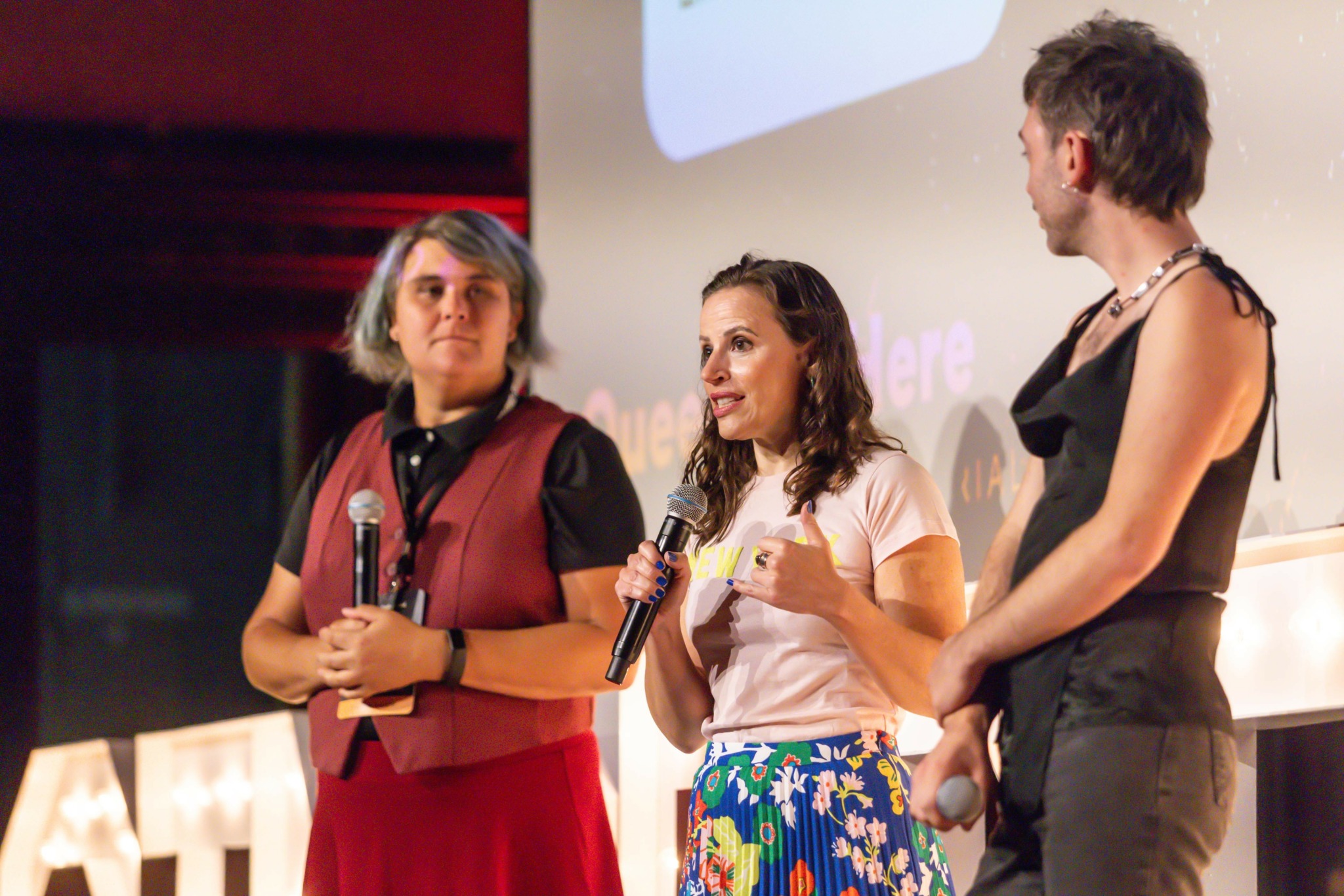
In your view, what can society to do to best support artists, creatives and a thriving creative ecosystem?
To me this answer is very simple: support the arts. Creating art is only half of the journey; its mission is not fulfilled until it is experienced by others.
It takes time, money, and a curated and dedicated interest in the arts in order to support them. I am always so disheartened when I hear that people do not take their kids to theater, or when people describe themselves as “not a theater person,” or when people say “I don’t go to the movie theater anymore,” or even when New Yorkers I meet say they’ve never been to the Met. All I can think is, why not?
Art is inconvenient. Theater is uncomfortable. Participating with art can be expensive. Seeing a movie in a theater takes effort. Seeking out events takes energy. I think society has gotten a little lazy because we’ve deminished art to the size and convenience of our phones. No one can make you go to the Metropolitan Museum of Art; it takes a dedicated interest and curiosity to want to go in the first place.
The value in experiencing art needs to be taught and encouraged. As our country strives to make art more accessible to people of all income levels and socio-economic backgrounds. we as a society must also do our part in encouraging younger generations to seek it out and teach those who have not been exposed to art its value. I believe art is necessary, but in our modern world of art being optional, we must begin to change the conversation around why that’s so.
Contact Info:
- Website: www.kellyspoolhallproductions.com, www.jeanettebonner.com
- Instagram: instagram.com/kellyspoolhall | instagram.com/jeanetteebonner
- Facebook: https://www.facebook.com/JeanetteEBonner
- Linkedin: https://www.linkedin.com/in/jeanettebonner/
- Youtube: https://www.youtube.com/@kellyspoolhallproductions8097
- Other: #single podcast (Producer/ Host): wavve.link/hashtagsingle

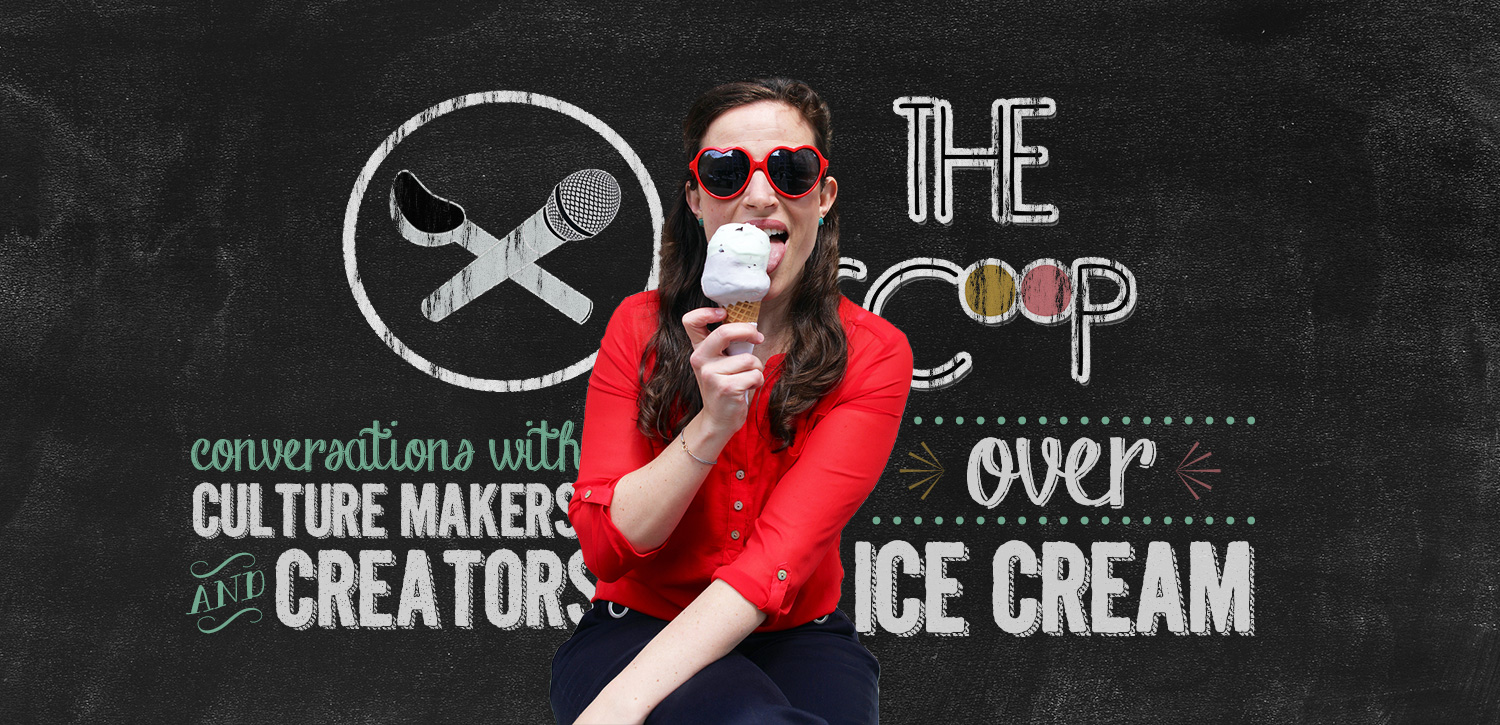
Image Credits
For Greenwich Village Film Festival (main photo): Valerie Terranova, ValNova Photography
For Cindependent Film Festival (pink T-shirt, on stage): Angie Lipscomb
For ice cream banner: Sammy Tunis photography / graphic by JT Arbogast
remaining are personal pics taken on my iphone