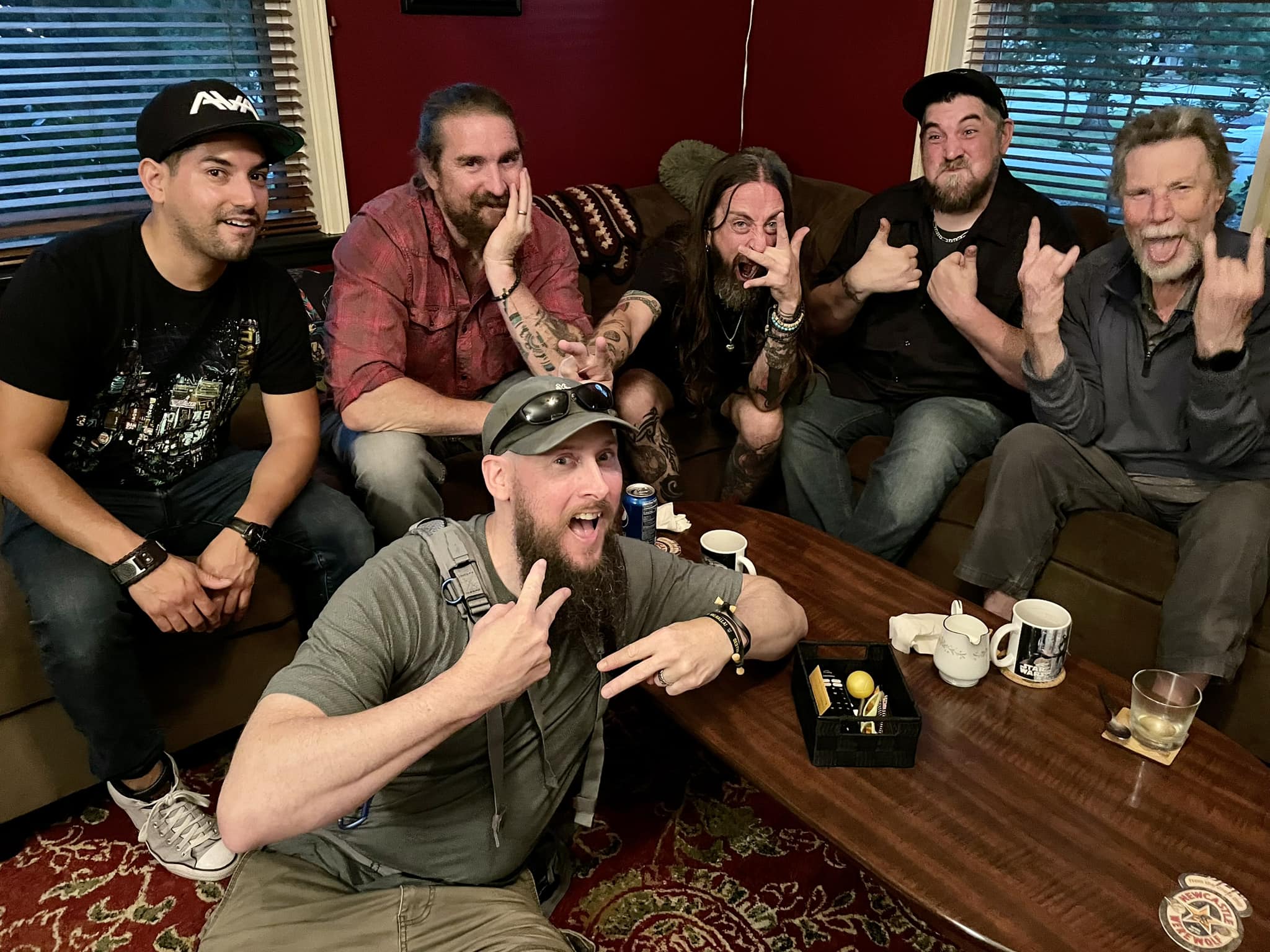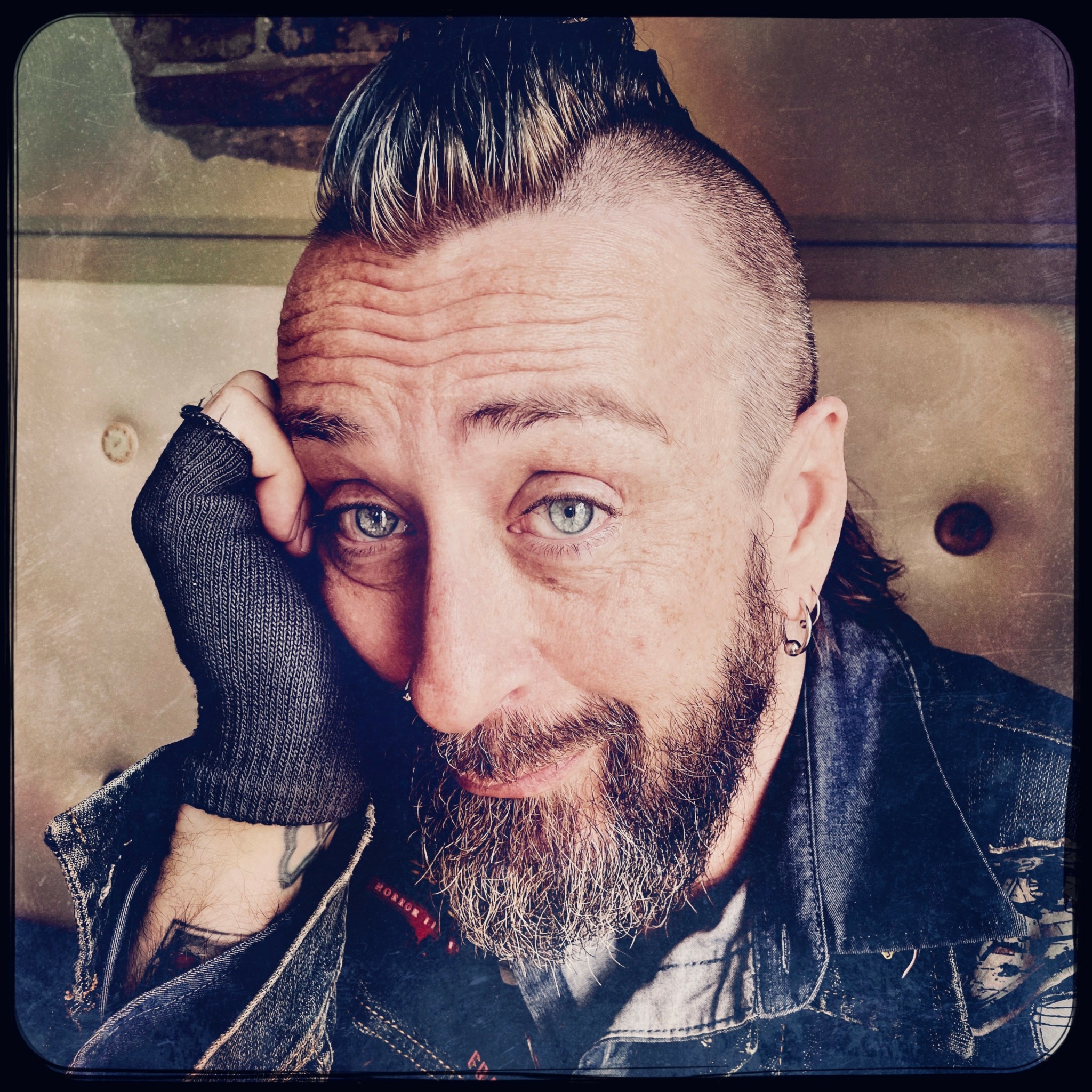

We caught up with the brilliant and insightful Jaysen Buterin a few weeks ago and have shared our conversation below.
Hi Jaysen, thanks for joining us today. We’d love to hear about a project that you’ve worked on that’s meant a lot to you.
Like any creative outlet, I feel like each work that you “birth” into this world is your child and picking a favourite can quickly become a difficult and dangerous thing to do. But if I absolutely and unequivocally had to pick the particular cinematic project that I am most proud of at this exact moment, then it would have to be my most recent short film, “The Blue-Eyed Boy and Mister Death.”
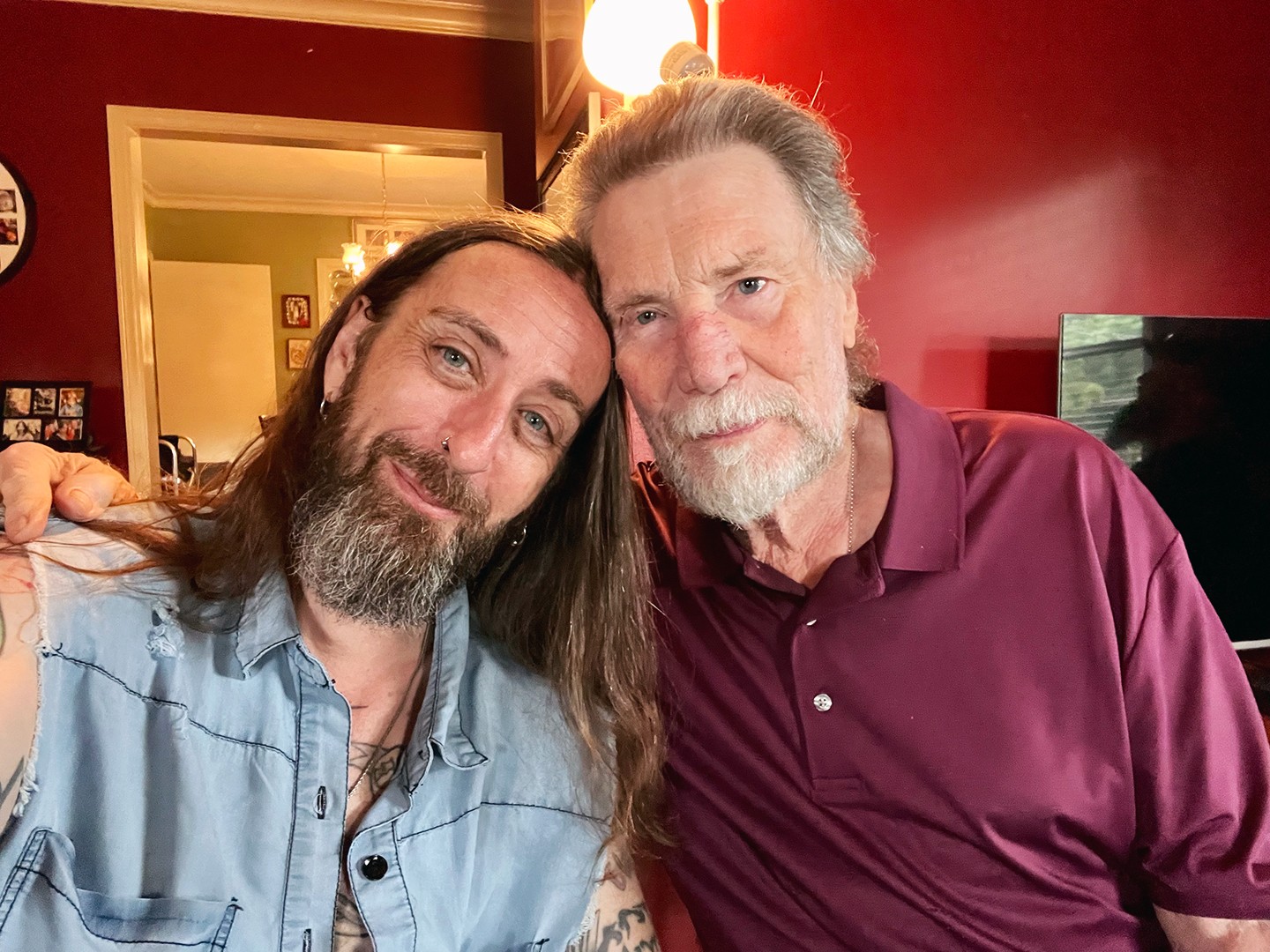
Like many of my other screenplays, this script was very personal, but it also became the most autobiographical story I have ever written for a worldwide audience, so much of it coming straight from the pages of my very own life. I lost my dear old Dad to Cancer back in January of 2010. A few months later, I was able to buy my very first home. A couple of years after that, my life changed forever when my beautiful baby boy was born… two epic life events that he didn’t get to see, and that regret still sits on some of my soul today.
As of this writing, I still have his old phone number stored in my phone. I’ve never called it, and I can’t ever delete it, but I have found myself wondering so many times – what would happen if I did call it? Part of me knows that the number was recycled and passed on, possibly to multiple persons by now maybe. But part of me can’t help but ponder with wonder what would happen if he answered? Impossible? Of course. But that doesn’t stop the heart from convincing the mind that there’s the smallest chance of “what if?” And that serves as the backdrop for the short film, “The Blue-Eyed Boy and Mister Death,” a man who loses his father to Cancer before some pretty major life events, and ends up dialing a number that should never be answered.
This film is like nothing I had ever written before as a lifelong lover of all things horror and thriller. So to step so far outside of my comfort zone was something I hoped would make my father proud. As I was writing the screenplay, I knew EXACTLY who had to play “me”… well, the much more handsome and calm/cool/collected version of me, and that was a terrifically talented actor by the name of Adam Hampton. I had attended several film festivals with him over the years and quickly became a smitten kitten with the kaleidoscopic creativity of his work. I was also lucky enough to not just work with, but to become friends with, the one and only Vernon G. Wells (Mad Max, Commando, Weird Science, etc.) and when I showed him the script he simply told me that he was going to be in it and that that was that. Well, if you’ve never met the man, you learn quickly NEVER to argue with him. Quite frankly, I was just honoured that he liked the story… finding out that he loved it and wanted to be a part of it was just the icing on the cake.
Fast forward a year and I’m knee-deep in pre-production, gathering the ingredients for the spell to make some serious cinematic magic when I got the call… Adam’s father was in hospice… Cancer. He told me to go ahead and recast because the film had to move on. I told him the film and I would be waiting for him when he felt the time was right. It was always meant to be him, that was never a question in my mind. And so another year went by and life (and death) did its dance and one day Adam called me and asked if he could still have the part. I told him it was always his and we rang up Vernon, did a couple of online rehearsals and were finally ready to bring this heartfelt tale to life.
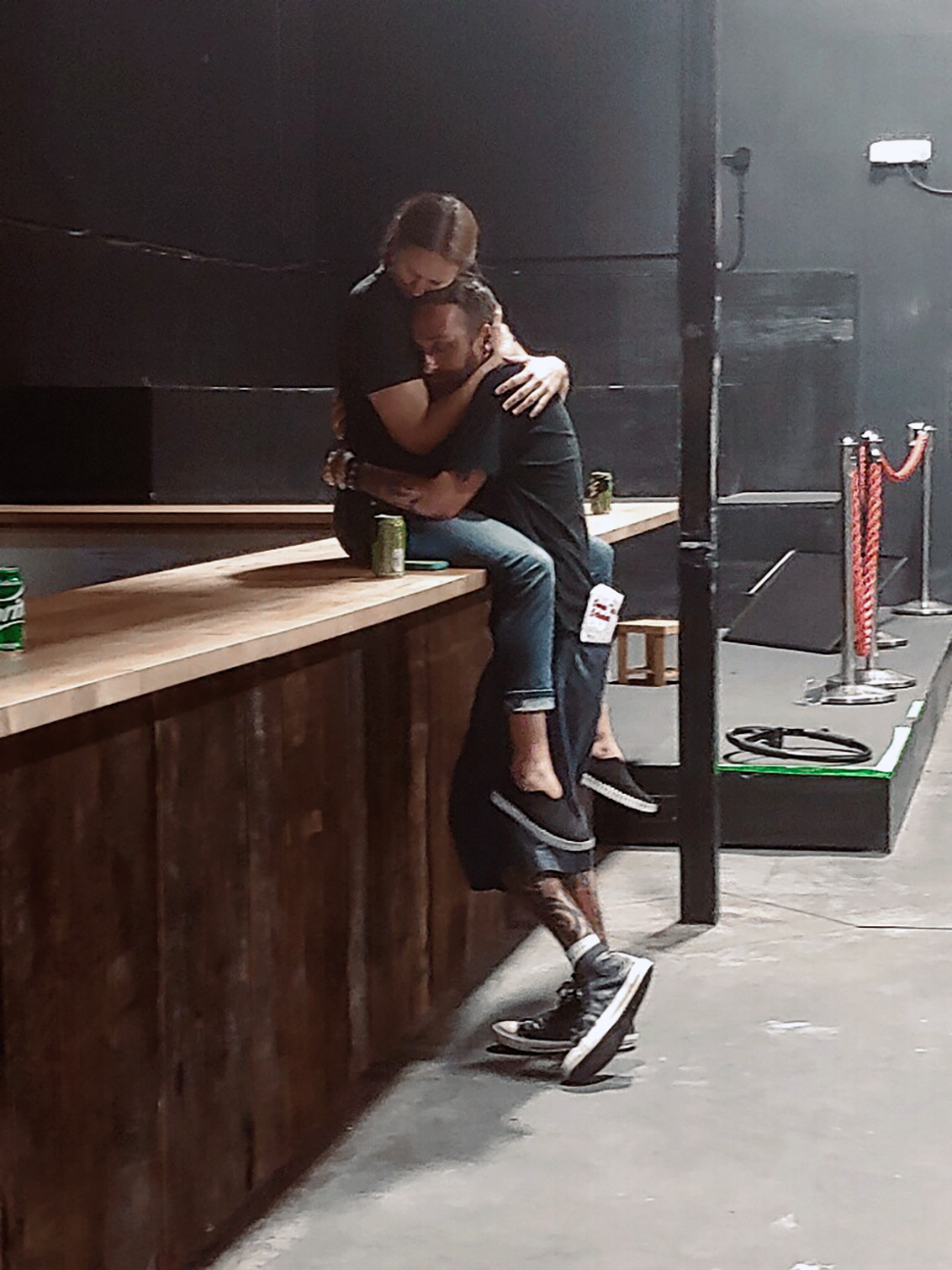
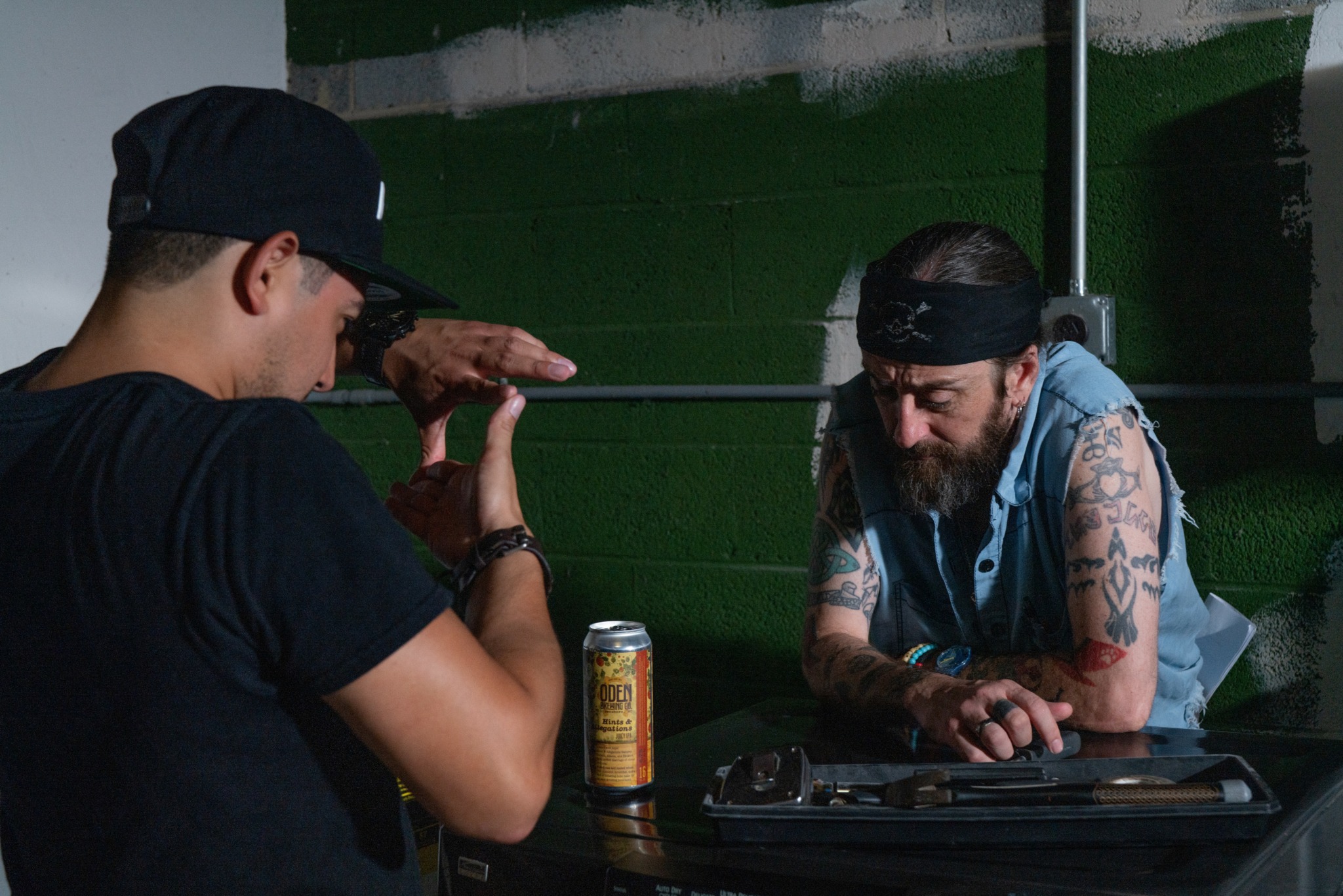
We shot “The Blue-Eyed Boy and Mister Death” over the course of one emotionally-exhausting weekend. Several of the cast and crew had lost their fathers, or mothers, to Cancer and so the intensity with which this film was shot was passionate and it was palpable. I poured my heart into this script and I truly feel that came across in every line, in every scene, throughout the film. The last scene in the movie is perhaps the most powerful, the most dramatic, the most prolific. When I called “CUT” after the first take I looked around and every single member of the cast and crew had tears silently streaming down their faces, myself most of all. This film is a love letter from a son to a father, and I hope, from a father to a son. It is something I hope makes my father, and my son, as proud of me as I am of them.
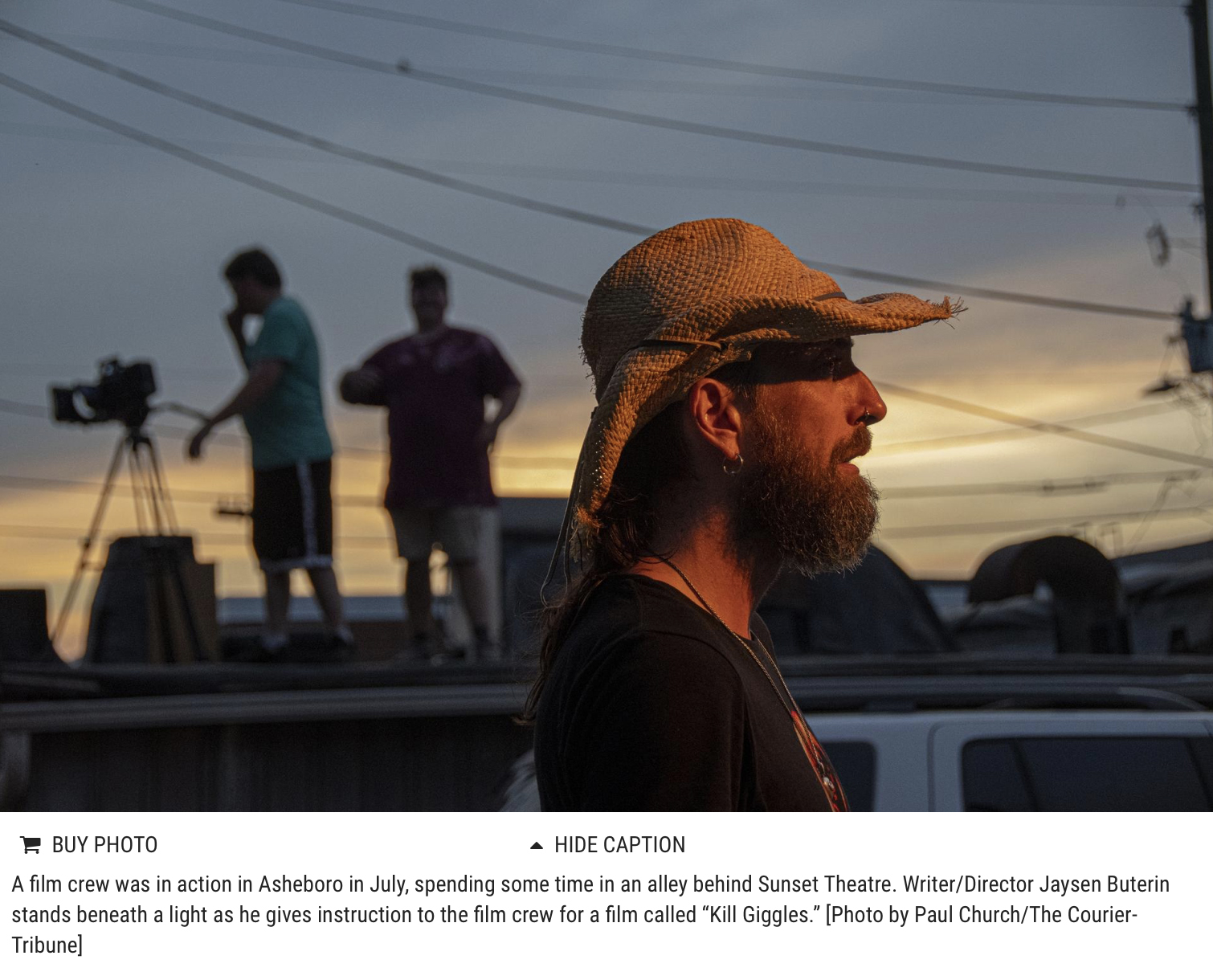
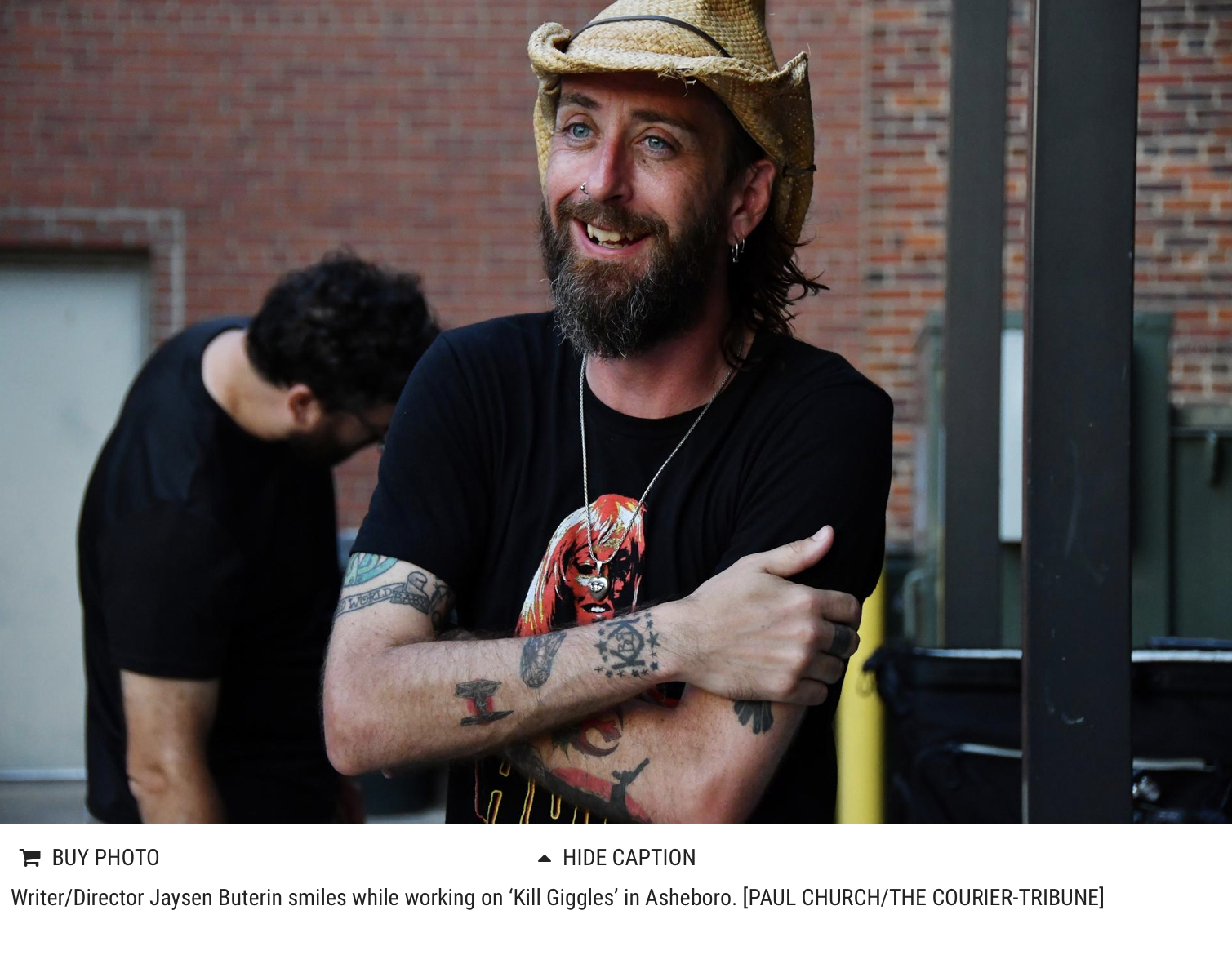
Awesome – so before we get into the rest of our questions, can you briefly introduce yourself to our readers.
For as long as I can remember, I have always had a lifelong love affair with words and I have been writing stories almost as long as I’ve been reading them. I’ve been a columnist, a novelist, a short story author, and a poet, amongst other endeavors. But how I got into filmmaking, into screenwriting, comes down to one very simple and universal truth: it was all because of a girl. Early on in our romantic relationship, my (eventual) wife got tired of me complaining about movies that we would watch together: how either they should have done this, or not have done that. So after the umpteenth time where I voiced my dismay with someone else’s creative choices, she simply challenged me to do it myself then if I could do it better. Now trying to counteract the sheer brilliance of feminine wiles is, in itself, an exercise in futility, and so I found myself entered into “The 48 Hour Film Project,” an international competition where teams literally have 48 hours to write/shoot/edit a 4-7-minute film. After a whirlwind weekend, we were lucky enough to get an Honourable Mention for best writing which, in my mind, meant that I was then an award-winning filmmaker!
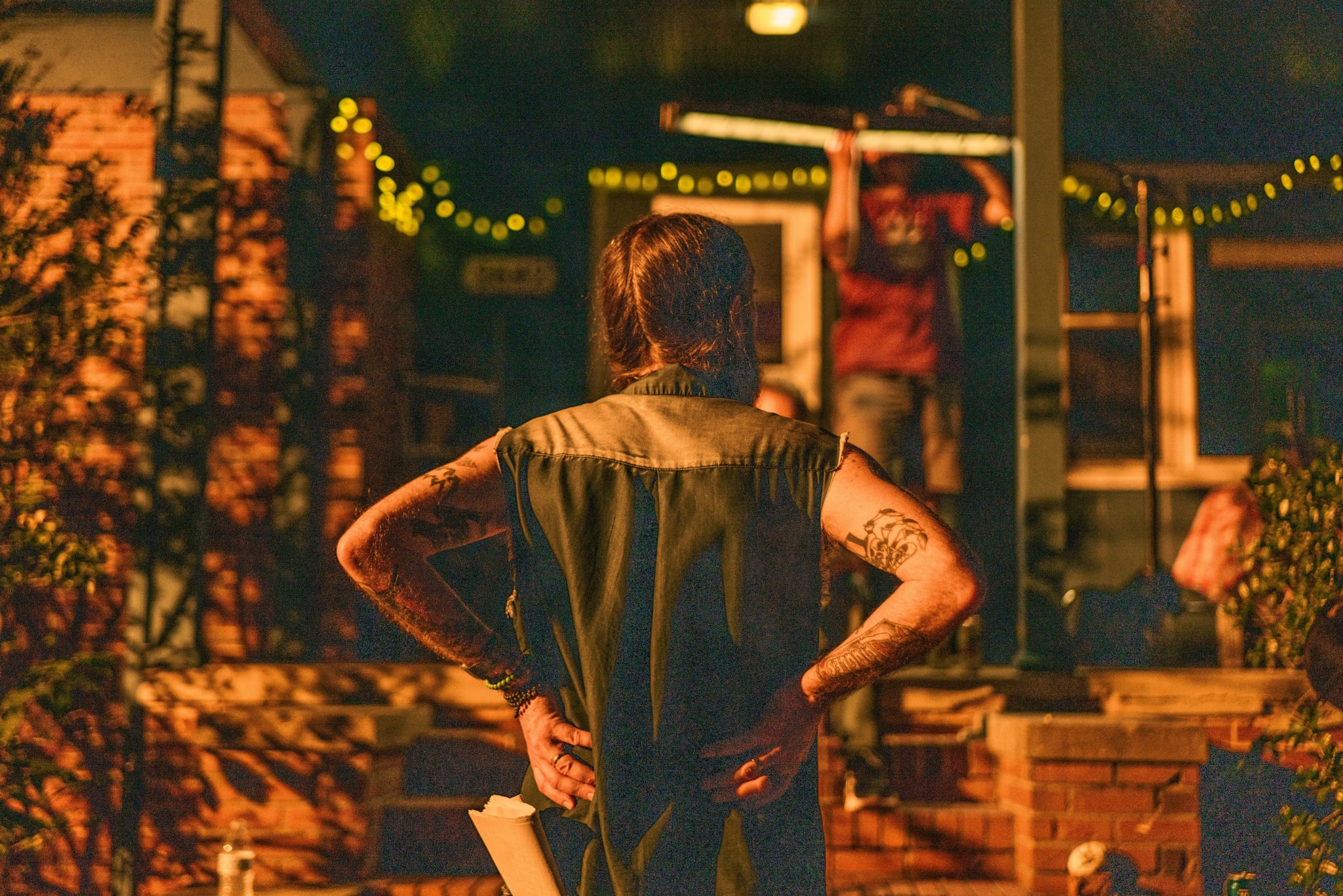
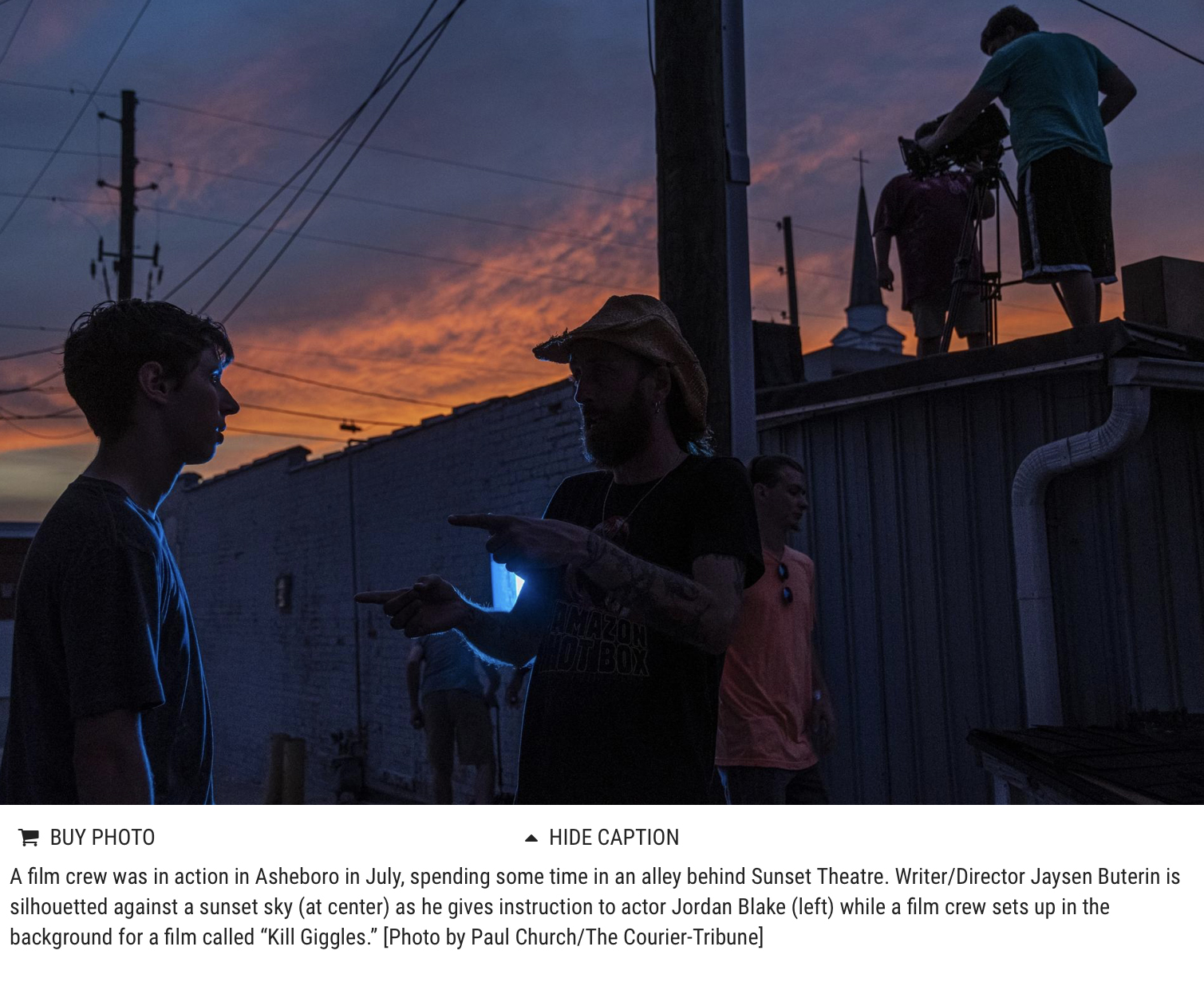
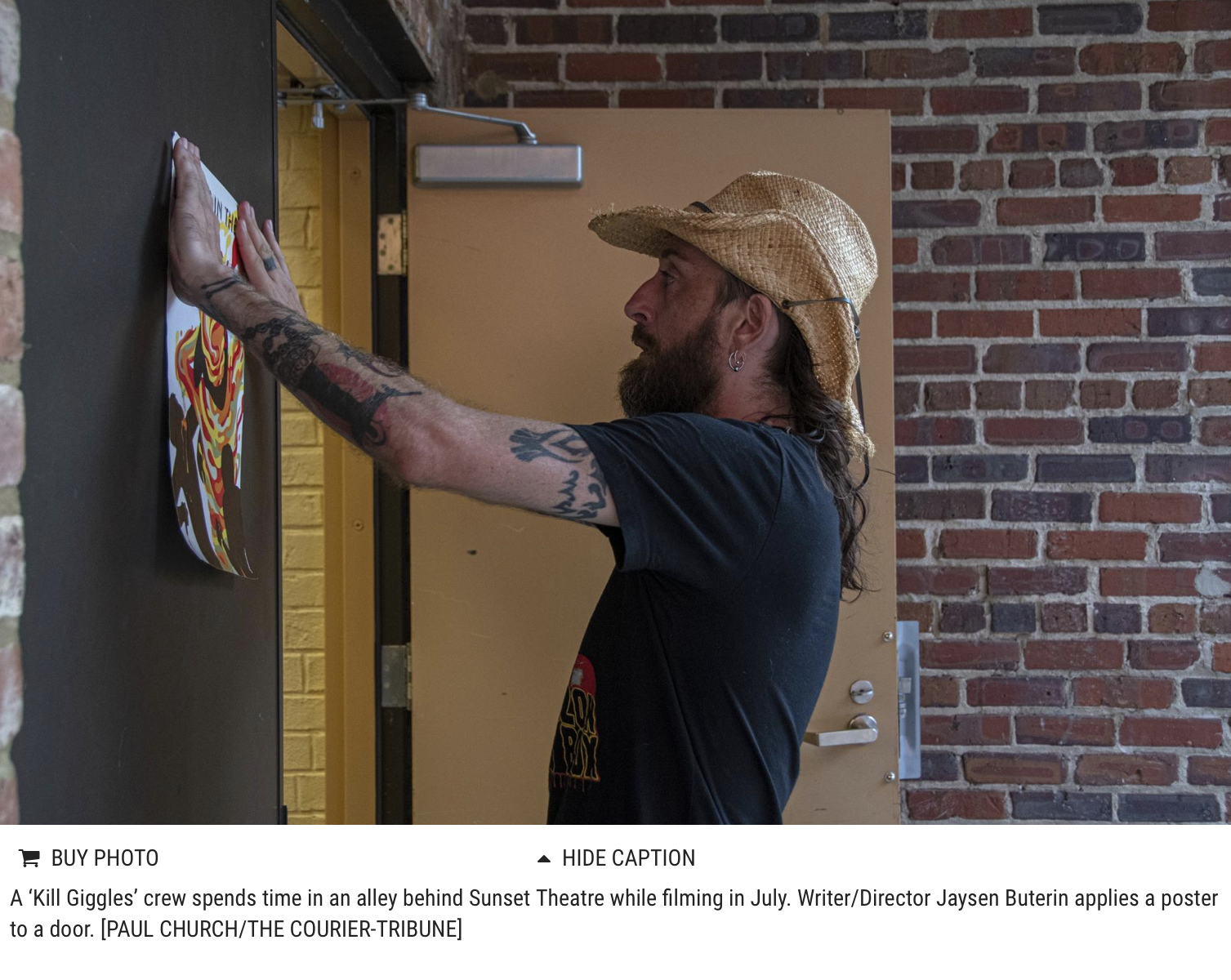
That was back in 2006, and now that it’s almost 20 years later, I have written and directed 19 short films, two feature films, acted in a slew of short films, and help bring so much movie magic to life that it makes my heart happier than I could ever put into words. I have been lucky enough to have my work not only screen at film festivals around the world, but those works have also been rewarded with awards, nominations, laurels, and recognitions that have helped make my movie-making dream come true. I have never taken a class in filmmaking, I do not have a degree in it, but my particular education in making movie magic came from just diving deep down into the creative rabbit hole so I could learn everything about it that I possibly could learn. I helped out on as many film sets as I could. I watched what worked, what didn’t work, how to best maximise the cast’s and the crew’s time – especially on an indie budget where you can’t afford to pay people a fraction of what they’re worth but they still stick by your side anyway. I don’t know what sets me apart from others – honestly, I’ve always had an askew view of the world, but I like to think I get that from my parents, from my wife, from my son, from my friends, from my fans, from my haters, because without all of them, I would not be the mad one that I am.
What do you find most rewarding about being a creative?
For me, personally, the most rewarding aspect of being an artist or creative is to bring something into this world that did not previously exist, and for that thing to cut through all the badness and madness and sadness in the world for just a moment, to reach out and touch someone. If you can make them laugh, or jump, or ponder with wonder, or even just look up from their phone for even just a moment, and forget about how daunting the real world can be, then that’s a magical thing that can never be unmade, that can never be taken back.
Are there any books, videos, essays or other resources that have significantly impacted your management and entrepreneurial thinking and philosophy?
I have entire shelves of books on how to write, direct, and distribute your movies that I have never read, or even cracked open, because I have been entirely way too busy writing, directing, and distributing my movies. However, there is one particular book by Robert Rodriguez, “Rebel Without a Crew” that I have read many times over. Honestly, I don’t even know how many times I’ve bought that book as I seem to loan it out, or just plain give it away, to random film friends here and there. It’s an amazing account of what he went through to get his first feature film, “El Mariachi” shot, a film that really helped changed the landscape of what independent film could achieve, and a heartwarming tale of a man who just wanted to make movie magic, and would do damn near anything to his body to help do so.
Contact Info:
- Website: https://www.madonesfilms.com
- Instagram: https://instagram.com/themadonesfilms
- Facebook: https://facebook.com/madonesfilms
- Linkedin: https://www.linkedin.com/in/jaysen-buterin
- Twitter: https://twitter.com/madonesfilms
- Youtube: https://YouTube.com/madonesfilms