
Alright – so today we’ve got the honor of introducing you to Jaynee Golden. We think you’ll enjoy our conversation, we’ve shared it below.
Jaynee, looking forward to hearing all of your stories today. Can you share an important lesson you learned in a prior job that’s helped you in your career afterwards?
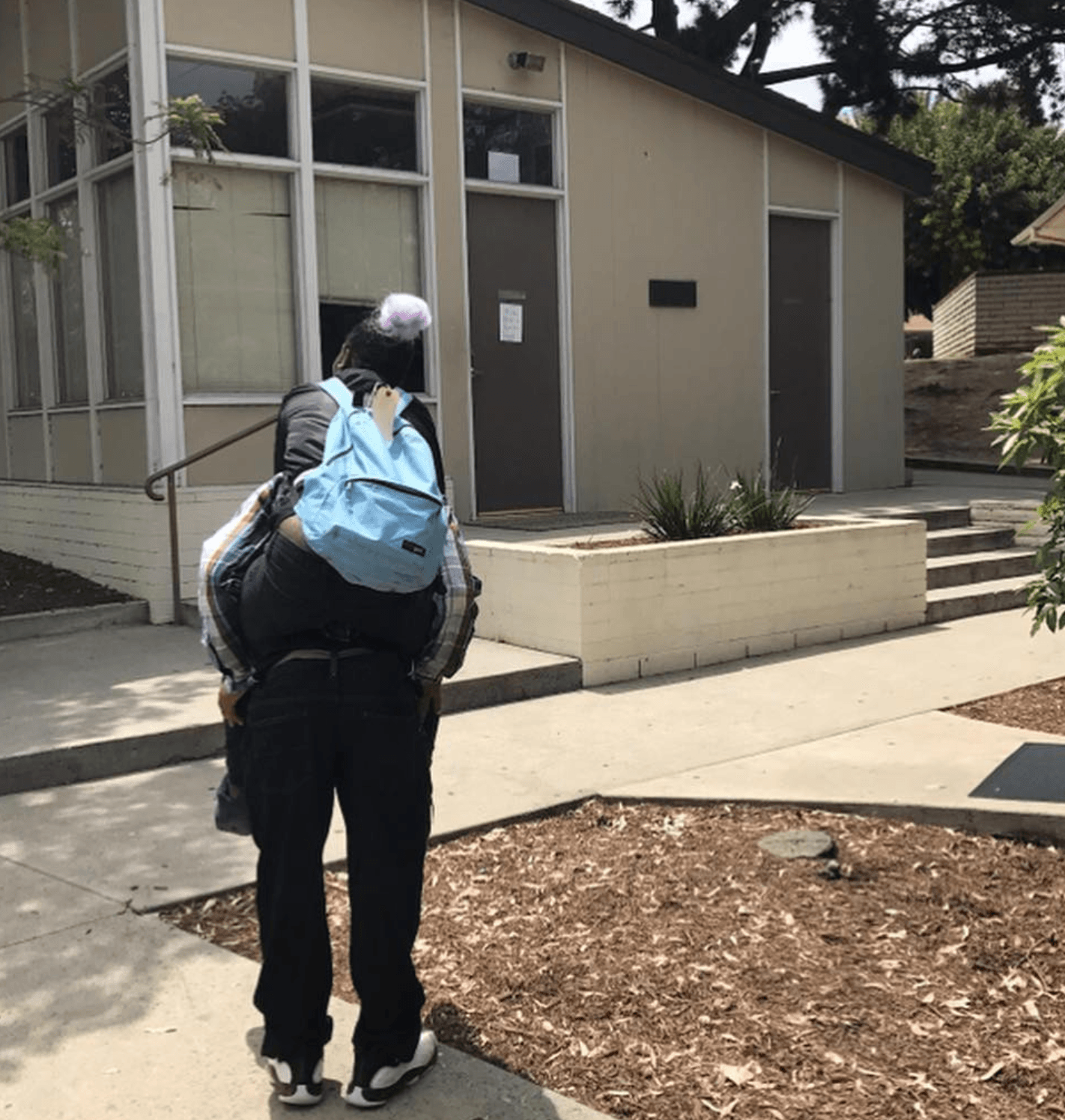
As a social work graduate student, part of our training involves completing a field internship—an opportunity to gain hands-on experience and put theory into practice. When I first arrived in Los Angeles in 2011, everything was new: the city, the field of social work, and even the people around me. I chose an internship site I had only briefly read about—Vista Del Mar Child & Family Services—without knowing just how much that decision would shape the next chapter of my life.
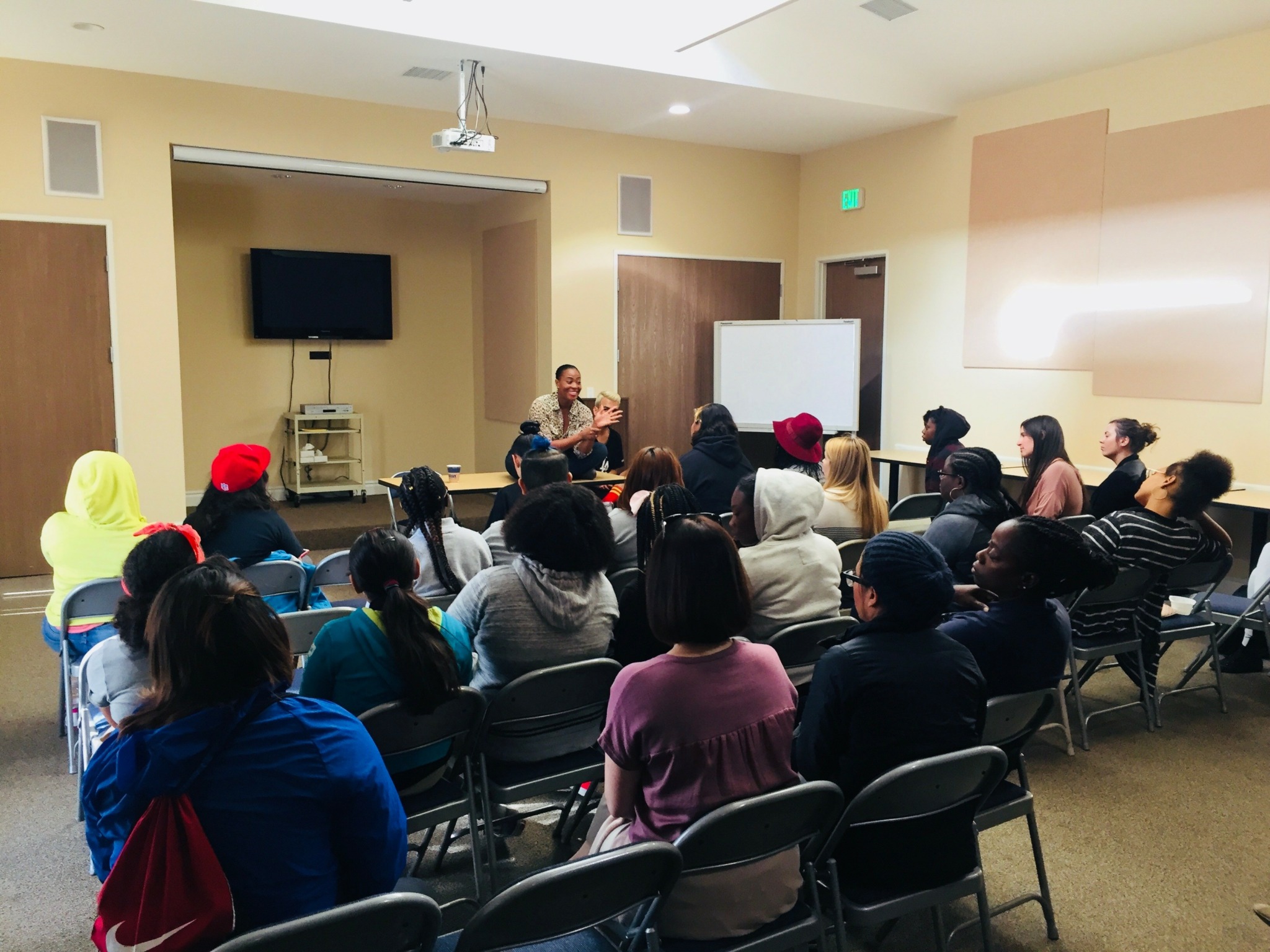
What began as a school requirement turned into a 13-year career. Over the years at Vista, I served in multiple roles—from school counselor to therapist to Drug and Alcohol counselor in their residential and WRAParound programs. I’m especially proud of launching a Speaker Series that connected students with community leaders and potential mentors, as well as introducing substance use prevention and support groups to create space for honest, impactful conversations.
Closing this chapter has brought up a lot of emotions. As I reflect, I’m struck by how deeply my experience working at Vista shaped me—both personally and professionally. From the colleagues I collaborated with, to the supervision that guided me, and most importantly, the clients who entrusted me with their stories—each played a vital role in my growth. I entered this field fresh out of college: new to Los Angeles, new to social work, and, truthfully, a bit naive. Vista became my training ground. I was immersed in diversity in all its forms and had the privilege of working with youth navigating significant emotional and behavioral challenges, often rooted in trauma.
I witnessed how trauma shows up—in classrooms, in conversations, in the silence between words. And I learned what it means to be a safe and consistent presence in a young person’s life. I discovered the power of listening over talking, the importance of resisting the urge to fix or rescue, and the value of simply being present with someone in their pain. I came to understand that trust is the foundation for any meaningful therapeutic relationship.
I learned that mentorship matters deeply, that boundaries—both personal and professional—are essential, and that resilience is real. Some of my most transformative lessons came from moments that pushed me beyond my comfort zone and challenged my assumptions about the world and the people in it.
Every experience at Vista contributed to who I am today—as a clinician, a colleague, and a person. It wasn’t just a job. It was a place that shaped my values, sharpened my skills, and deepened my commitment to this work. For all of it, I am deeply grateful.
Awesome – so before we get into the rest of our questions, can you briefly introduce yourself to our readers.
Hi, I’m Jaynee—a licensed therapist, Certified Drug & Alcohol Counselor, and parent coach. From a young age, I’ve been drawn to understanding people—their stories, their struggles, and what helps them heal. I’ve also always been deeply interested in my own personal growth and development. As a teenager, I sought out therapy to make sense of my own family dynamics and to begin building mental and emotional resilience.
This ongoing curiosity—about myself and others—led me to explore the mental health field more seriously in college. I started volunteering at the local Boys & Girls Club and spent my summers interning at addiction treatment centers, shadowing clinicians and learning from their work. It quickly became clear that this was more than just a potential profession—it felt like a calling.
Over the years, I’ve had the privilege of working in a variety of settings, from schools and Wraparound programs to adolescent and adult residential and outpatient treatment centers. Whether I’m working one-on-one or in groups, my approach has always been rooted in both clinical expertise and lived experience—grounded in connection, compassion, and respect.
I believe it’s a profound privilege to walk alongside people during some of their most vulnerable moments. What I’ve learned through this work is that, while life can be incredibly hard, we don’t have to figure it out alone. No one has all the answers—and there’s wisdom in collaboration and strength in allowing someone to support you along the way.
There’s no one-size-fits-all solution, and wherever you are in your process, my goal is to create a safe, supportive space where healing and growth can take root.
How about pivoting – can you share the story of a time you’ve had to pivot?
A recent turning point in both my personal and professional journey came when I discovered two transformative clinical approaches designed to support the loved ones of individuals struggling with substance use: CRAFT (Community Reinforcement and Family Training) and the Invitation to Change Approach. What began as a search for continuing education to better support the families I work with—those navigating the challenges of loving someone with a substance use issue—ended up reshaping not only my practice, but also my entire perspective.
These approaches helped me see that loved ones can have a meaningful influence on a person’s substance use—not through control, but through connection, compassion, and consistency. I came to deeply value the importance of staying in relationship with someone who is struggling, rather than pulling away out of fear or frustration. I also began helping families reflect on their own values: How do I want to show up in this moment? Who do I want to be in this relationship? What does helping actually look like for me?
This shift has brought clarity, hope, and a more grounded framework to my work with parents and families—and it’s something I now feel deeply passionate about sharing.
To learn more about CRAFT and the Invitation to Change approach, you can visit: www.helpingfamilieshelp.com.
Training and knowledge matter of course, but beyond that what do you think matters most in terms of succeeding in your field?
The mental health field is full of professionals—some with degrees and traditional training, others with more unconventional approaches. I genuinely believe there’s wisdom in many different paths, and that finding what works for you is what matters most.
That said, the advice I always give to those just starting out is this: take the time to find your niche. Whether it’s a specific type of client, a particular issue, or a therapeutic approach that resonates with you—something you believe in, are curious about, and can authentically practice—lean into it and learn it.
In such a saturated field, having a clear perspective and defined focus isn’t just about standing out—it’s about being grounded in work that’s meaningful and sustainable. When you find your lane, everything else starts to align.
Contact Info:
- Website: https://www.JayneeGoldenLCSW.com
- Instagram: @the_soulrich
- Linkedin: https://www.linkedin.com/in/jaynee-golden-9336b933/