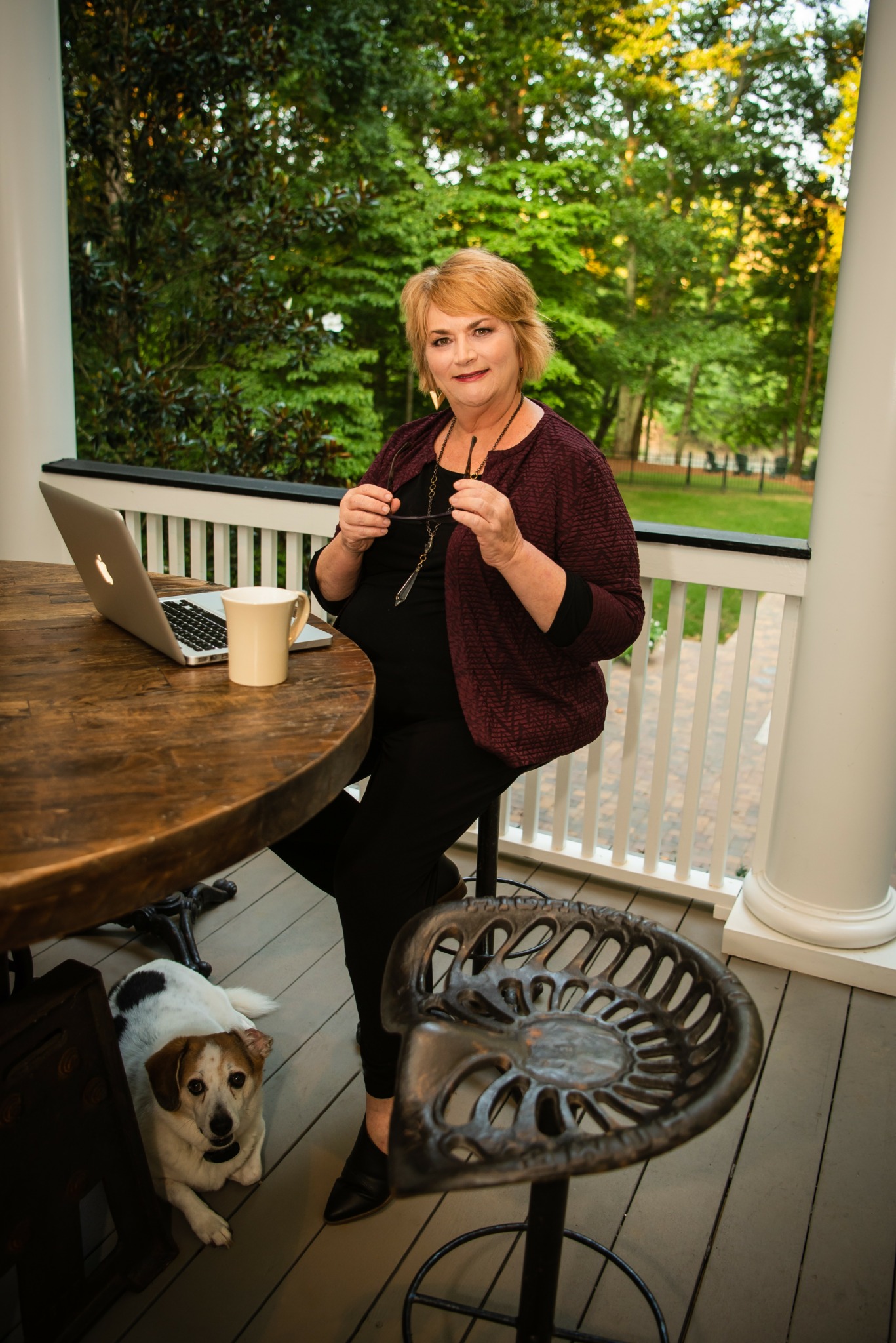

Alright – so today we’ve got the honor of introducing you to Jayne Madigan. We think you’ll enjoy our conversation, we’ve shared it below.
Jayne, appreciate you joining us today. Was there a defining moment in your professional career? A moment that changed the trajectory of your career?
Defining Moment in My Professional Career
The defining moment in my professional career came when I was diagnosed with lupus. This life-altering diagnosis made me realize that grief isn’t just emotional—it’s physical, and it can have a profound impact on the mind and body. Up until that point, I hadn’t fully understood the deep connection between emotional trauma and physical health. The stress and unresolved grief I carried after the loss of my uncle to suicide had taken a significant toll on me.
This wake-up call led me on a journey to research holistic tools and techniques that could help heal not only the emotional wounds of grief but also the physical consequences of trauma. I discovered practices like Emotional Freedom Techniques (EFT), mindfulness, and somatic healing, which not only helped me recover from my lupus diagnosis but also transformed the way I approached grief and healing.
Years later, when my nephew Brandon died by suicide, it was a heartbreaking reminder of the importance of the work I do. It reinforced that the tools and techniques I teach truly work—not just for me, but for others navigating the complexities of grief. Brandon’s passing reaffirmed my purpose to guide others through their healing journeys, helping them to not only survive but also find meaning and hope after devastating loss.
The lesson I’ve learned through these experiences is that healing is a holistic process. Grief impacts every part of us—mind, body, and spirit—and it requires tools that address all these dimensions. I’ve also learned that even the most challenging experiences can lead to profound growth and purpose when we use them to help others.
As always, we appreciate you sharing your insights and we’ve got a few more questions for you, but before we get to all of that can you take a minute to introduce yourself and give our readers some of your back background and context?
About Me and My Work
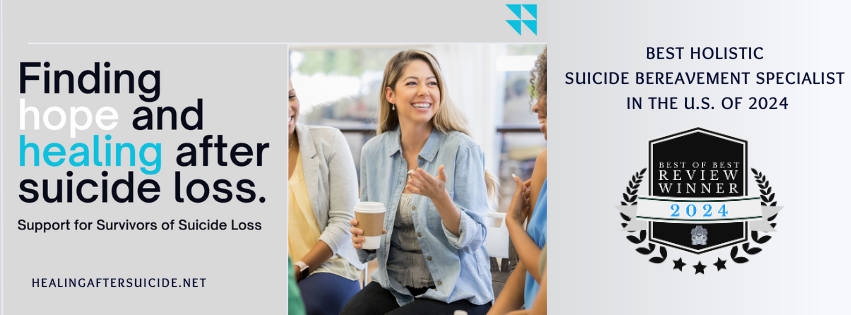
I am Jayne Madigan, a holistic neuropsychotherapist, certified energy medicine specialist, and Suicide Bereavement Specialist. I’ve been in this field for many years, helping individuals—particularly women—navigate the unique and often isolating grief that follows losing a loved one to suicide. My journey into this work began as a personal one. I’ve been a survivor of suicide loss for over 32 years, having lost my uncle Ray in 1992 and my nephew Brandon in 2022. These devastating experiences became a calling, leading me to turn my own pain into a purpose-driven career.
One of the pivotal moments in my journey was my diagnosis of lupus, which I received several years after my uncle’s death. It was then that I realized grief is not just an emotional experience—it’s physical and can have detrimental effects on the mind and body. That wake-up call drove me to explore holistic approaches to healing, including Emotional Freedom Techniques (EFT), somatic practices, meditation, and other energy-based modalities. These tools not only helped me recover from lupus but also allowed me to heal deeply from the emotional wounds of grief. This realization became the foundation of my work, and I’m proud to say I’ve been able to help others in the same way.
The Work I Do and the Problems I Solve
I offer a variety of services and resources designed to support survivors of suicide loss and those dealing with complex trauma. My offerings include:
1:1 Private Sessions: Tailored to meet each client’s unique needs, I help them heal from grief and trauma through customized approaches.
Courses and Workshops: I’ve created courses such as Mindful Self-Compassion for Healing During the Holiday Season and Tapping Through Grief: A Path to Healing. These programs empower individuals with tools to manage grief and restore emotional and physical balance.
Community Support: I’ve built a Circle community for women who have lost a loved one to suicide, offering connection, support, and access to a variety of healing resources.
Books and E-Books: I’m the author of Healing After Suicide: Beyond the Grief and other resources like 30 Days to Healing: A Survivor’s Guide to Navigating Grief After Suicide Loss.
Retreats and Events: I host retreats and virtual events designed to provide safe spaces for survivors to find solace and community.
What sets my work apart is its holistic nature. I recognize that grief impacts every part of a person—emotionally, mentally, physically, and spiritually. My approach addresses all these dimensions, empowering my clients to heal deeply and sustainably. I combine science-backed methods with compassionate, practical tools, giving survivors a sense of hope and control in their healing journey.
What I’m Most Proud Of
I’m most proud of the transformation I see in my clients. Many come to me feeling stuck, isolated, and overwhelmed by their grief, but over time, they regain a sense of purpose, connection, and peace. It’s incredibly rewarding to witness that growth. I’m also proud of the way I’ve used my own experiences to shape my work. By sharing my story openly, I’ve helped others feel less alone and more empowered to seek help.
What I Want People to Know About My Work
If there’s one thing I want potential clients and followers to know, it’s this: healing is possible. It might feel unreachable when you’re in the depths of grief, but with the right tools, support, and mindset, you can find your way to peace. My work is built on the belief that you are not alone, and no matter where you are in your journey, there is hope. Whether it’s through one of my courses, a retreat, or joining our supportive community, I’m here to walk alongside you and help you find the path forward.
Ultimately, my mission is not only to support survivors of suicide loss but also to break the stigma around mental health and grief. Together, we can honor our loved ones’ legacies while also finding ways to heal and thrive.
If you could go back, would you choose the same profession, specialty, etc.?
If I Could Go Back, Would I Choose the Same Profession?
Absolutely, I would. While I wouldn’t wish to be a survivor of suicide loss, I recognize that these personal experiences have profoundly shaped who I am and the work I do today. Before these tragedies struck my family, I never imagined that my loved ones would die by suicide. I thought that happened to other families—not mine. I was wrong. Mental illness is a disease that can affect anyone at any time, just like cancer or any other illness. It should be treated with the same compassion and urgency, but unfortunately, that’s not always the case.
Losing a loved one to suicide brings a kind of pain and trauma that most people can’t imagine unless they’ve experienced it themselves. It’s not a death you ever “get over.” It changes you. The grief is compounded by stigma, isolation, and often a lack of understanding from others. I had no idea how devastating this journey would be until I was thrust into it.
While I would give anything to have my uncle Ray and my nephew Brandon back, I’m grateful that I’ve been able to turn my personal pain into something meaningful. The work I do as a Suicide Bereavement Specialist and holistic practitioner allows me to help others navigate their grief, find healing, and rediscover hope. It’s a privilege to walk alongside survivors and show them that healing is possible, even in the face of unimaginable loss.
This path chose me as much as I chose it. My personal losses have given me a unique perspective and empathy that allows me to connect deeply with my clients. If I could go back, I would still choose this profession and specialty because it’s a calling that aligns with my purpose: helping others heal, breaking the stigma surrounding mental health, and honoring the legacies of those we’ve lost.
Training and knowledge matter of course, but beyond that what do you think matters most in terms of succeeding in your field?
What is Most Helpful for Succeeding in My Field?
Other than training and knowledge, I believe the most important factor for succeeding in my field is lived experience. As a 33-year survivor of suicide loss, I bring a deeply personal perspective to my work that cannot be taught in any course or training. I’ve lived through the pain, the stigma, the questions, and the journey of healing—not just once, but multiple times.
This experience gives me a unique ability to truly empathize with my clients. When I say, “I understand,” it’s because I’ve been there. I know what it feels like to think the pain might never go away and to question whether healing is even possible. My journey has allowed me to practice what I preach. I’ve personally used the tools and techniques I now teach to navigate my own grief and heal from the trauma of losing my loved ones to suicide.
What also sets me apart is my ability to connect deeply with my clients, to hold space for their grief without judgment, and to offer hope when they feel hopeless. Survivors of suicide loss often feel isolated and misunderstood, but my lived experience allows me to offer them a sense of connection and validation that’s hard to find elsewhere.
Ultimately, succeeding in this field is about more than just professional knowledge—it’s about compassion, authenticity, and the willingness to be vulnerable. I meet my clients where they are in their journey, and I walk alongside them, showing them that healing is possible. My personal experience has given me not only the tools to help others but also the resilience and passion to make a real difference in their lives.
Contact Info:
- Website: https://healingaftersuicide.net