

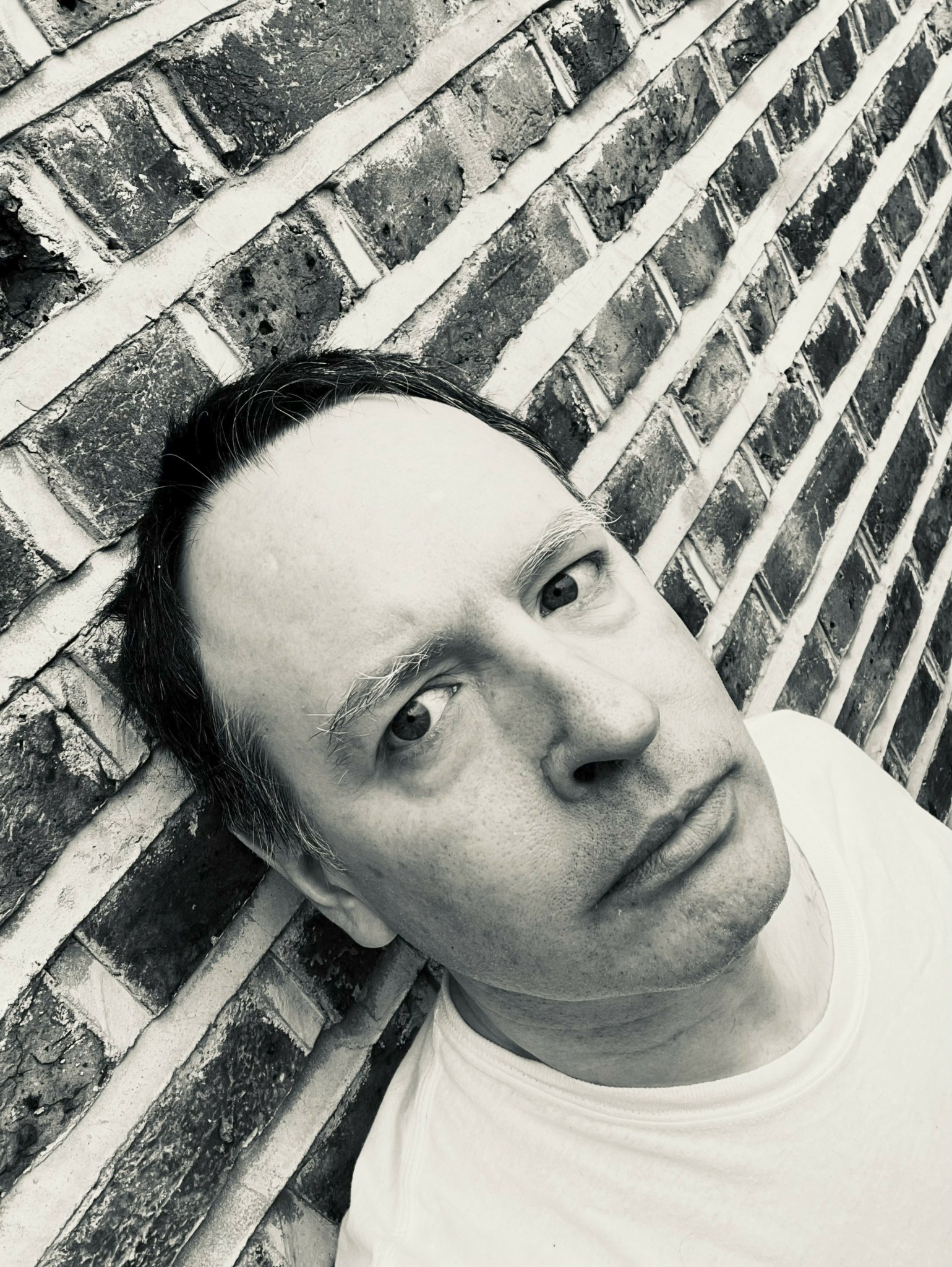

We’re excited to introduce you to the always interesting and insightful Jason Thornberry. We hope you’ll enjoy our conversation with Jason below.
Jason, looking forward to hearing all of your stories today. Can you talk to us about how you learned to do what you do?
I learned to write by writing—and by living. There’s much to say for infusing your experiences into your writing. There’s also the adage about writing what you know, and that’s partly true. But if you don’t experience life, you won’t know anything. You won’t have any material upon which to draw. You also write to learn about yourself and the world you navigate. Writing is an essential part of my life because when I face internal questions or complications, I’ll often write about them to find the answers. I also learned to write by studying the craft of writing. I studied English Literature in undergrad before completing an MFA in Creative Writing. My MFA was the hardest two years of my life because I wrote for at least eight hours a day every day. If I took a break from my writing and walked to a coffeehouse, I’d inevitably write while I was there. If I went to the bathroom, I would bring something to write on. It became a compulsive habit—and it remains so.
If there were a way to speed up the writing process, the writing would suffer. Writing is not a quick and easy thing to choose as an occupation. But who wants to do things that are easy? While you’re writing, you can’t distract yourself with internal questions about what other people will think about it or how your audience (if you have one) will respond. The writing itself is your audience, and the completion of a project is the reward—not accolades or positive reviews or book sales.
I believe it’s essential for writers to remain curious, inquisitive people, eavesdroppers and collectors of minutiae (interpreters of conversation fragments, translators of body language, decipherers of noise). A writer must exist in the world as a damp sponge, absorbing everything with which they come into contact. Sometimes, they’ll experience the negative facets of life. Other times, the positive. But they can use them all equally.
My biggest obstacle has been self-doubt. We all have it. I think writers and other creatives are born with an extra helping.
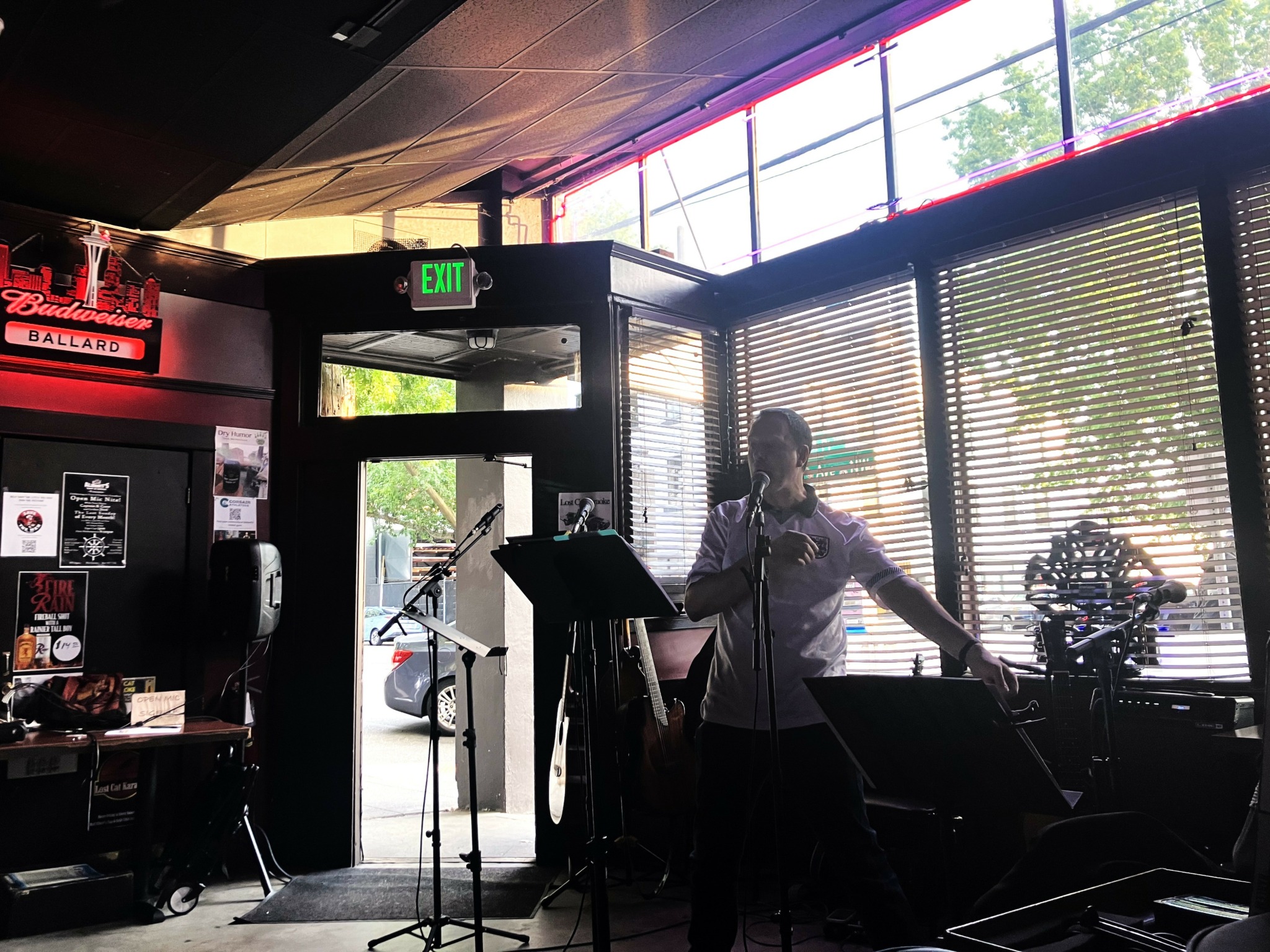
Awesome – so before we get into the rest of our questions, can you briefly introduce yourself to our readers.
I came to writing through a life interruption. In 1999, I was a musician and was severely injured. While I was recuperating, my neurologist told me he heard I also fancied myself a writer as a kid. When I told him that was true, he suggested I write about my injury and my new life as a way of coming to grips with it. I took his advice and began by writing about my childhood memories, moving closer to the present and the life in music I was forced to abandon.
It’s funny because writing about my memories helped me recall them more vividly. Memory is a supple, malleable part of us. Everyone remembers a shared experience differently. But when I sat down and tried to capture my memories on the page, it was like gazing at a distant object before I picked up a pair of binoculars and looked again. The gradual writing and rewriting of my work forced me to reach for a telescope so I could see the object in greater detail. And after a decade of writing, the memoir was, for the most part, complete. It’s about my life as a musician trying to make music my full-time occupation. But it’s also about the life I lived—my childhood and adolescence. The experiences that shaped the person I became long before my injury.
When I started that memoir in early 2000, I also went back to school, hoping to study journalism. After several years of being unable to satisfy my prerequisite classes, which were mostly higher-level maths, I dropped out. That was 2006. But I kept writing. I wrote for music magazines mainly, and I worked in a bookshop.
Meanwhile, I still had my memoir sitting there. I had sent it out to agents and publishers and gotten back around fifty rejection letters. But I just decided to keep going and work on something else.
When I met the beautiful woman that I would later marry (she worked in the same bookshop), we moved from Southern California to Seattle, and I returned to school.
While I was there, I wrote a novel based partly on my life working in that bookshop. But that novel was practice, really. By the time I finished it, I realized that it wasn’t very good—no plot to speak of, and my characters were all one-dimensional. I put the book away, considering it practice for my future work.
I wrote a novel in grad school about a disabled woman who works in a dollar store and struggles to pay her bills. When her daughter gets taken away, she must make a choice about their future. The first chapter was published by World Literature Today, which got me the attention of an agent. I signed with them in 2025. They’re currently shopping this novel. They will also begin looking for a home for my memoir. I am wrapping up another novel that I hope to complete by January 2026. I believe it’s my best work so far.
I believe my potential audience likes stories about the human experience in all its imperfect beauty—stories any human being with a beating heart can relate to. If my writing has a genre, it’s literary fiction. The subgenre is realism.
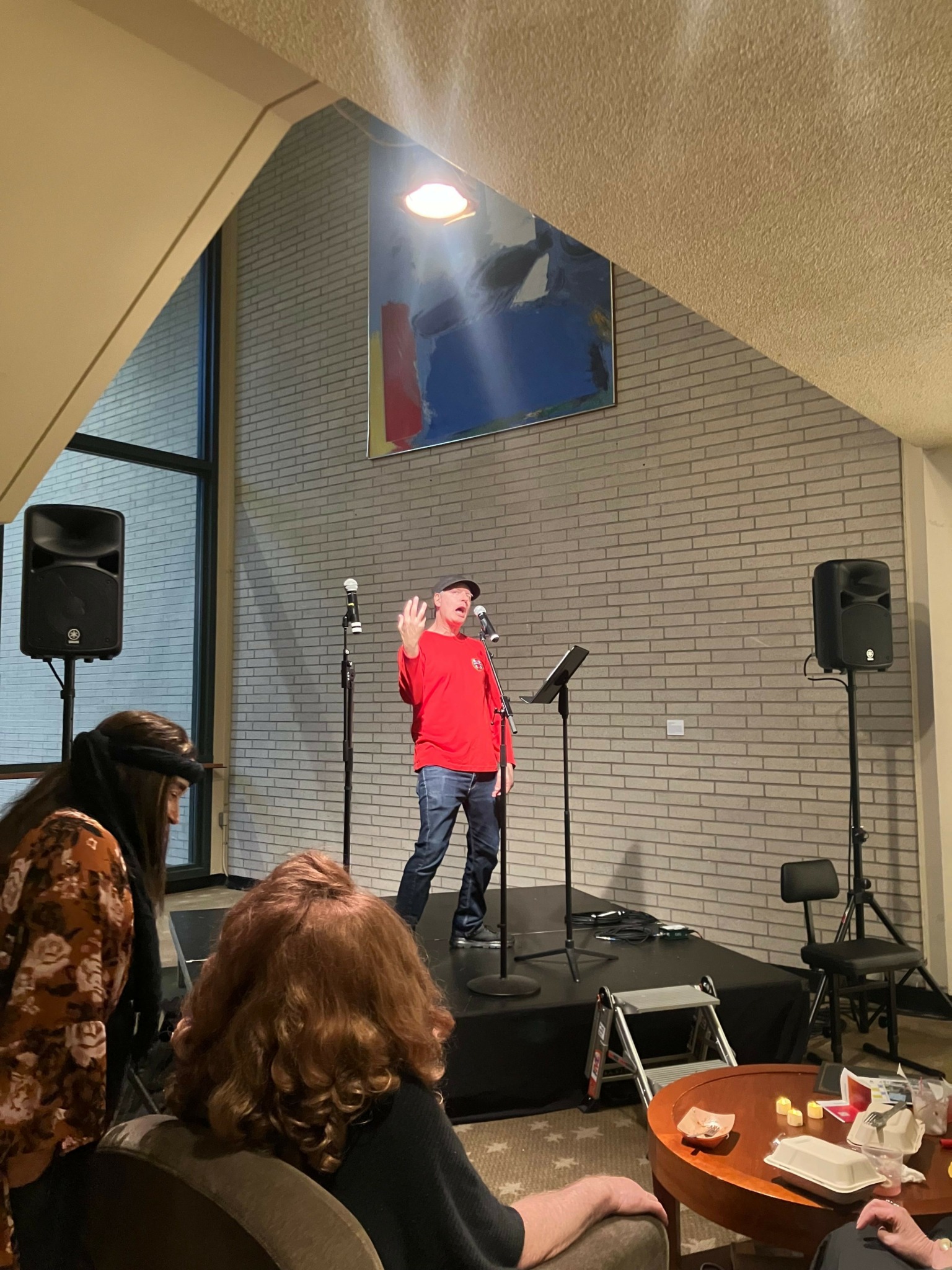
Can you share a story from your journey that illustrates your resilience?
When I was injured, I spent four months in hospital, and was scheduled to be sent to a nursing facility after Christmas. I could not walk at the time. I could barely speak. I still wore a tube in my stomach and could not swallow food. I was discharged so that I could spend a few weeks with my family. But my mother chose not to let me go into the nursing home. Instead, I attended outpatient therapy sessions—physical, occupational, and speech—three times a week. These therapies were extremely painful because of my condition. But I couldn’t see myself wasting away in a wheelchair for the rest of my life, so I slowly learned to walk again, to speak again, to return to the outside world. My mother played a pivotal role in my recovery. Without her, I would not have been in a position to successfully advocate for myself. However, in the end, it was ultimately down to me and how hard I was willing to fight to get better. Because of my determination, I received additional outpatient therapy. I continued for approximately two years in total.

Do you think there is something that non-creatives might struggle to understand about your journey as a creative? Maybe you can shed some light?
Non-creatives struggle with the idea that wealth and upward mobility are not a priority for creative people. It confuses some that I would choose a path in life for reasons other than its financial potential. I think the reason for this is simple: non-creatives lack the joy, satisfaction, and exhilaration that I and others like me feel when we write, paint, sculpt, act, make music, take photographs, or rejoice in the creative works of others. The compulsion of an artist does not drive a non-creative, the unceasing need to craft something within which their identity resides—to make a mark on this world beyond the ephemerality of elements tied to the acquisition of capital.
I can thank my extremely supportive father—someone who, when I played in bands, went out of his way to accommodate me. Someone who has always been there for me. I know I’m quite lucky in this regard.
Contact Info:
- Website: https://jmthornberry.wordpress.com/
- Instagram: https://www.instagram.com/jason_m_thornberry/
- Linkedin: https://www.linkedin.com/in/jason-m-thornberry-3329898/
- Other: https://bsky.app/profile/jason-m-thornberry.bsky.social
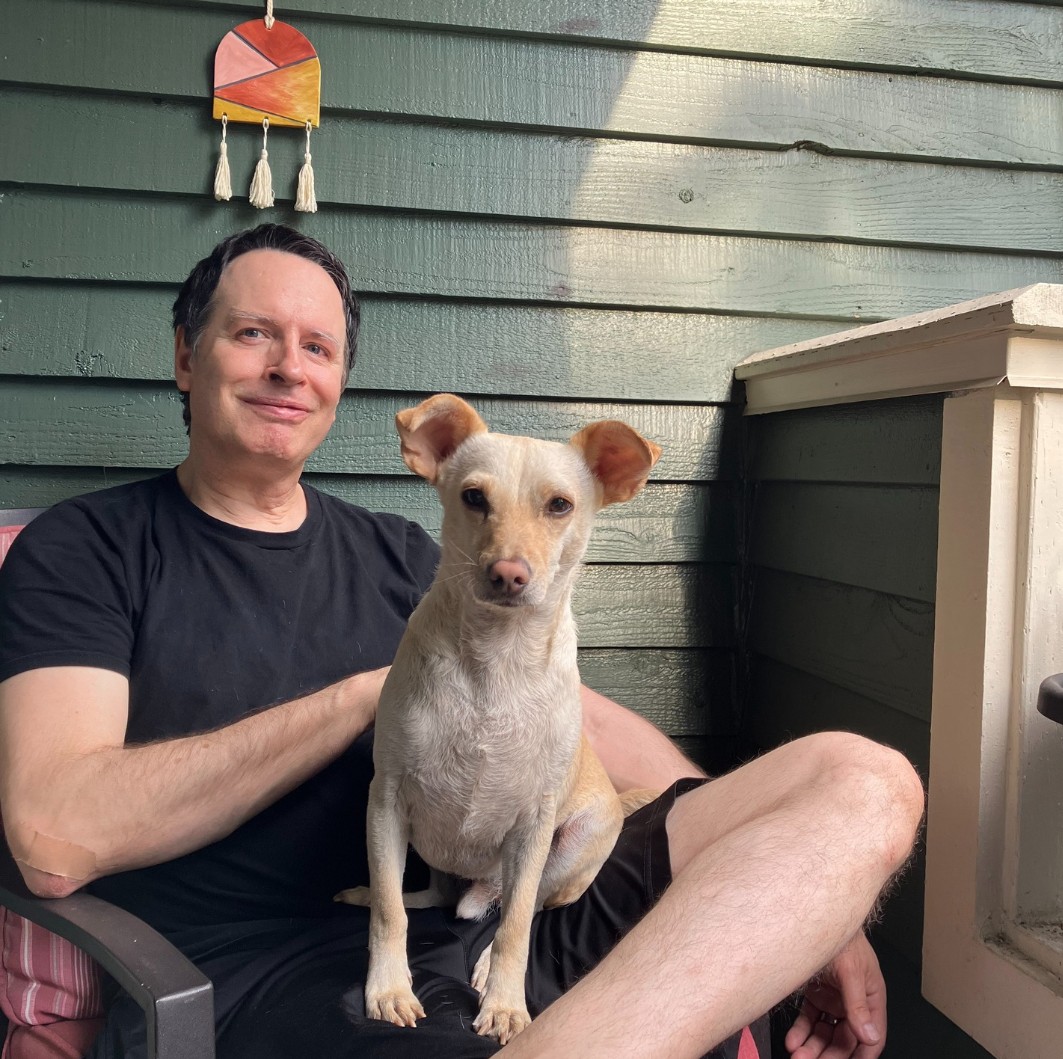
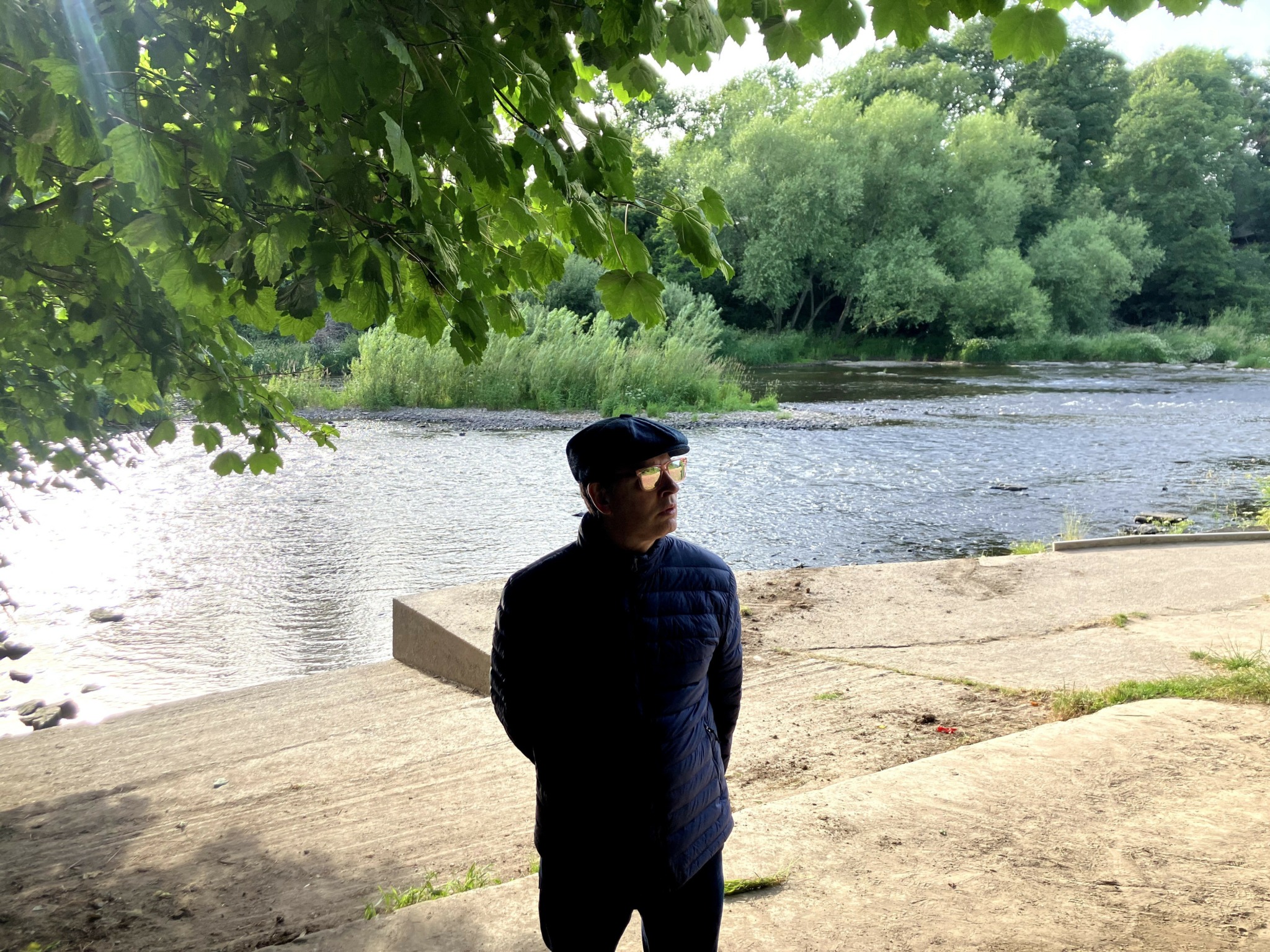
Image Credits
All photos by Megan Gurdine Thornberry.