

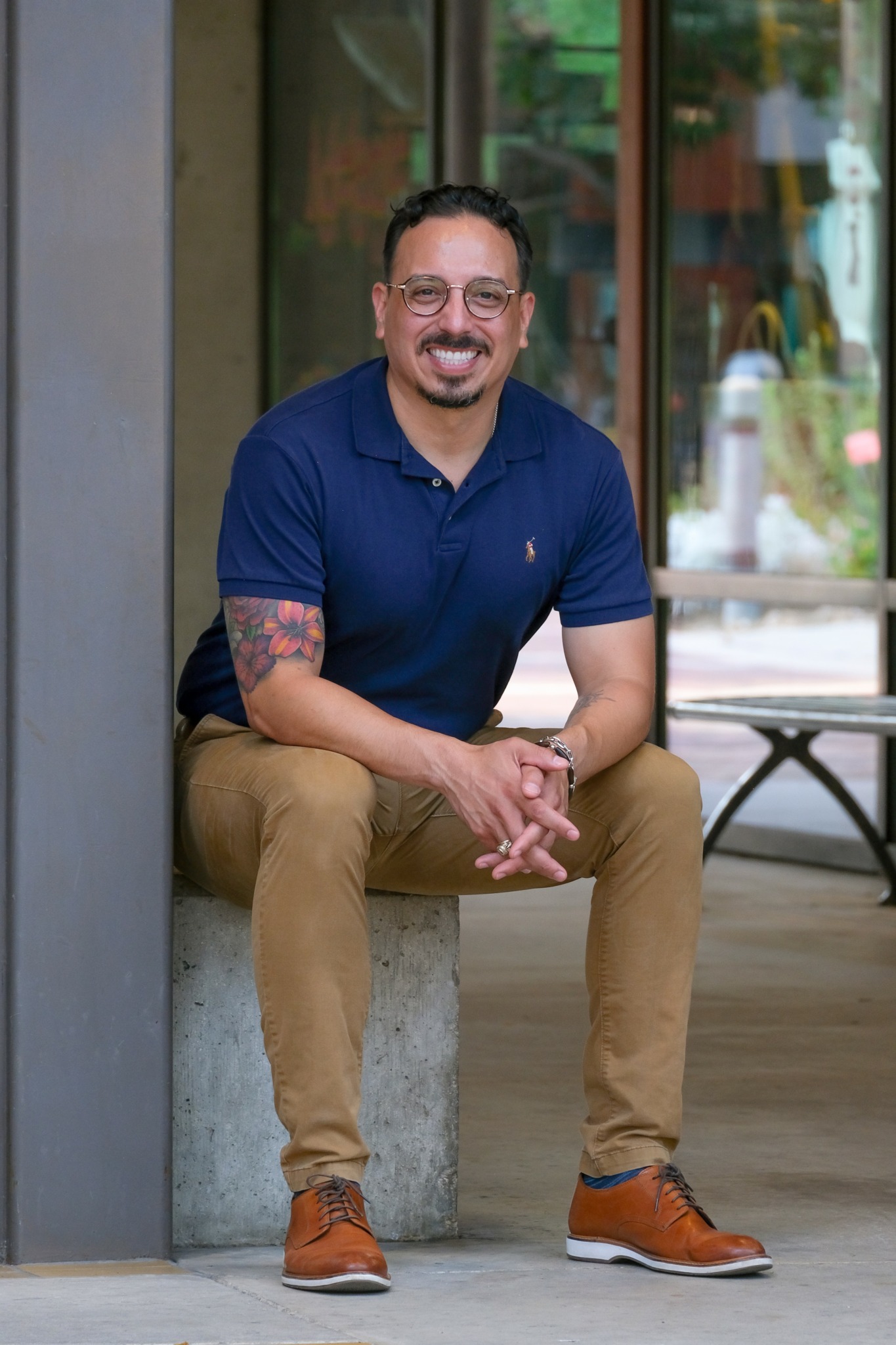

We were lucky to catch up with Jason Massiatte recently and have shared our conversation below.
Jason, looking forward to hearing all of your stories today. Was there a moment in your career that meaningfully altered your trajectory? If so, we’d love to hear the backstory.
As a board member for the organization, I saw firsthand what pediatric cancer does, not just to the patient, but to the entire family. Watching parents, siblings, and caregivers carry that emotional and financial weight changed me. It was a defining moment in my life.
So when I was offered the opportunity to step into this role, I knew it came with a pay cut, but the mission was too important to ignore. I had always wanted to do something that genuinely helped people in need.
I didn’t grow up with much. My childhood included government assistance and living in the projects. But even in those difficult years, I remember the acts of kindness that brought light into my life, receiving gifts from Elf Louise, being an Angel Tree recipient, and feeling seen during a time when we had very little. Those moments stayed with me. I promised myself that one day I would be in a position to give back, to be that source of hope for someone else.
When this job was offered to me, it wasn’t just a career decision, it was the most defining moment of my life. It was the moment I stepped fully into my purpose.
Today, I serve families who often don’t have a voice, families who are fighting battles most people never see, families who are rarely recognized, those battling childhood cancer. And I do it with gratitude, compassion, and the understanding that even the smallest act of kindness can change a life, because it changed mine.
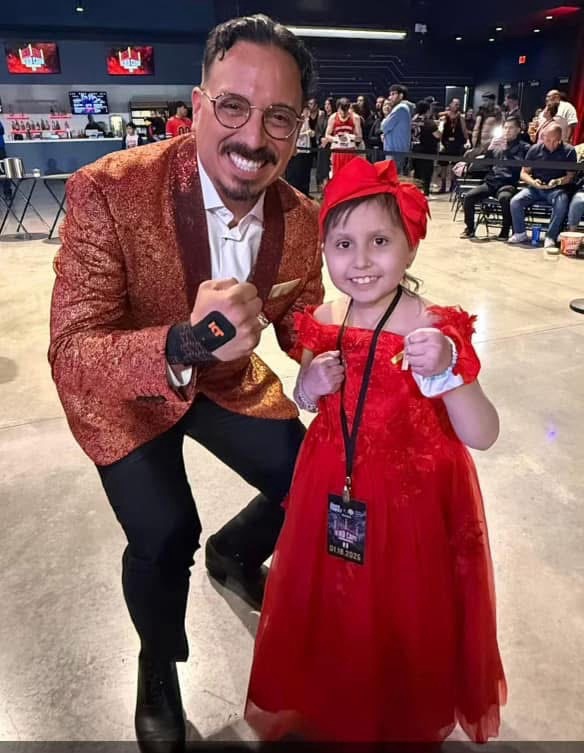
Great, appreciate you sharing that with us. Before we ask you to share more of your insights, can you take a moment to introduce yourself and how you got to where you are today to our readers.
I serve as the President and CEO of the Hope at Heart Foundation. We are a nonprofit dedicated to supporting families fighting childhood, adolescent, and young adult cancer by addressing the nonmedical drivers of health. These are the needs that often go unnoticed but can completely destabilize a family during treatment.
We work closely with Methodist Children’s Hospital, Christus Children’s, University Hospital, and VITAS Healthcare. Through these partnerships, we receive weekly referrals and respond immediately with support that brings stability and relief.
How I entered this work
I didn’t come from wealth, privilege, or a family with resources. I grew up in a place where opportunities were limited and families struggled to meet basic needs. Those early experiences taught me what it feels like to live with uncertainty and how powerful it can be when someone steps in to help. That lived experience shaped my heart for service.
Years later, while serving as a board member for this organization, I saw firsthand what pediatric cancer does to an entire family. I saw parents forced to choose between paying bills or staying at the hospital. I saw siblings impacted emotionally and households falling apart under the financial pressure. It was impossible to witness that and remain unchanged. That was my defining moment.
When I was offered the opportunity to lead Hope at Heart Foundation, I knew it meant taking a pay cut, but I also knew it was the path I was meant to follow. It was the moment I chose purpose, compassion, and service above comfort.
What we do
Hope at Heart Foundation supports families by helping with essential nonmedical needs that often become overwhelming during treatment, including:
Utility assistance
Mortgage and rent support
Auto payments and transportation help
Food and basic household needs
End-of-life and funeral expenses
These are critical needs that no family should lose because they are fighting to save their child’s life.
What sets us apart
Our support is immediate, compassionate, and barrier free. When a hospital partner reaches out, we act the same day. Families don’t get lost in paperwork or wait weeks for help. Our organization is known for being responsive, caring, and fully centered on the needs of the families.
My broader work and leadership
In addition to leading Hope at Heart Foundation, I am honored to serve as the 2025 Board Chair for the Creando Conexions Coalition for UT Health San Antonio. In this role, I work alongside healthcare leaders to ensure the care provided to cancer patients continues to improve. We listen directly to families through detailed surveys, and we take action based on what they tell us. If a family identifies a gap, we work to close it. If they share a challenge, we work to solve it. My goal is to elevate the voices of patients and families so healthcare systems can better respond to their real needs.
I was also invited to attend the State of the Union address, where I had the incredible opportunity to hear the President speak to the world. It was a game-changing moment, a once in a lifetime experience, advocating for funding and awareness for families battling childhood cancer. Moments like this reinforce why our work matters and the impact advocacy can have on shaping resources for the most vulnerable.
What I am most proud of
I am proud that our organization has become a trusted partner to hospitals and a lifeline to families. I am proud of the compassion our team brings to every interaction and the dignity we offer every family. But most of all, I am proud that we stand with people who often go unseen, unheard, and unrecognized. Families fighting childhood cancer deserve support, respect, and hope.
What I want people to know
Hope at Heart Foundation exists because no family should have to navigate the hardships of childhood cancer alone. My upbringing taught me empathy, resilience, and the responsibility to lift others up. Today, that commitment defines both my leadership and the mission of our organization. We are here to serve, to listen, and to bring hope where it is needed most.
What do you think helped you build your reputation within your market?
What has helped build my reputation within my market is, above all, transparency and trust. I firmly believe these are the most important aspects of any organization, whether nonprofit or for-profit. Transparency shows people that you have nothing to hide and that your decisions are guided by integrity. Trust is earned when your actions consistently match your words and when people see that you care deeply about the outcomes you promise to deliver.
In my work, it’s not just the mission that people believe in, it’s seeing the organization live up to its commitments. Whether it’s responding immediately to a family in crisis, being honest about what support can be provided, or holding ourselves accountable for every decision, our transparency demonstrates respect for the people we serve.
This commitment has defined me as a leader and shaped the reputation of Hope at Heart Foundation. People know that when we say we are here to support families fighting childhood cancer, we mean it, and we act on it with integrity, compassion, and accountability. That trust is what allows us to build meaningful partnerships, inspire donors, and truly make a difference in our community.
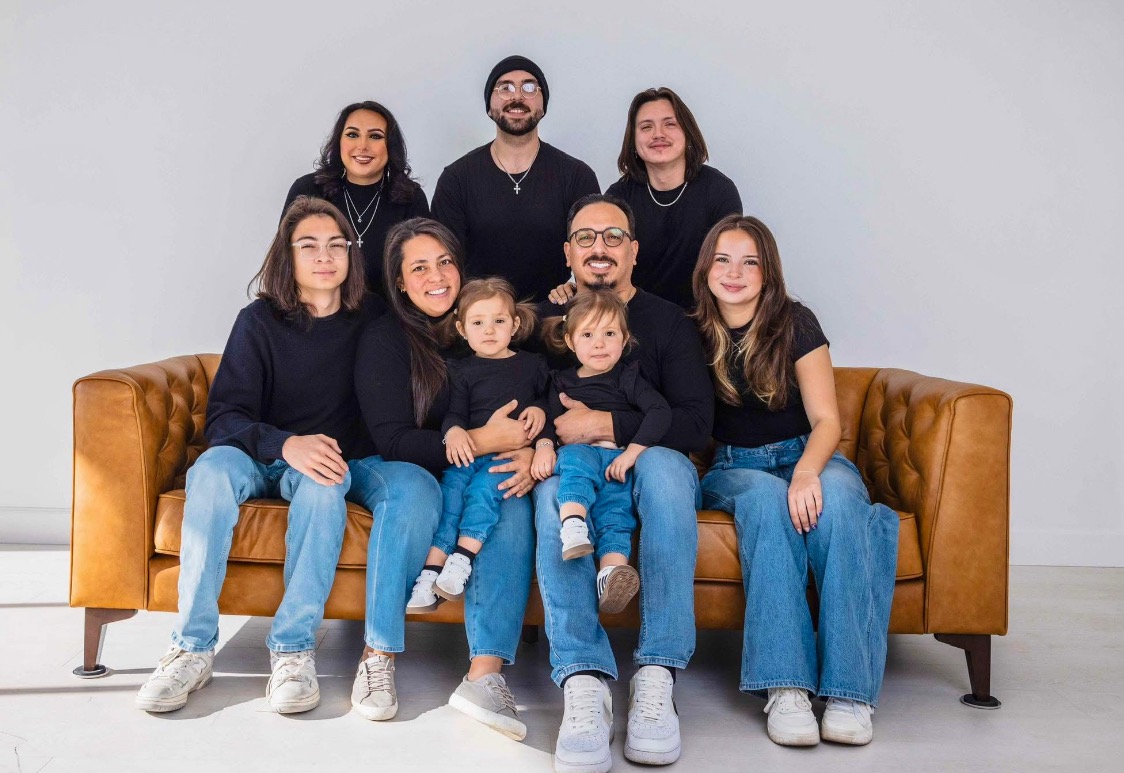
How about pivoting – can you share the story of a time you’ve had to pivot?
One pivotal moment in my career came when I first transitioned into nonprofit leadership. I approached the role thinking I needed to manage differently than I had in the for-profit sector. I assumed nonprofit work required a completely different mindset, and I considered shifting my perspective to fit what I thought the nonprofit world expected.
Very quickly, I realized I was wrong. The same core concepts and principles that drive success in business, accountability, service, and putting the customer first, apply just as much, if not more, in nonprofit work. The difference is that in this space, the “customer” isn’t a client or consumer, it’s a patient and their family, often navigating one of the most difficult times of their lives.
This realization forced me to pivot. I shifted my focus from thinking in terms of quantity or organizational metrics to thinking in terms of quality of service. Every family we serve deserves immediate attention, personalized support, and compassionate care. I brought a customer-first approach to the nonprofit space, ensuring that patient and family needs always come first.
This pivot reinforced a vital lesson: principles of great leadership and service are universal. The challenge is adapting them to your mission. For Hope at Heart Foundation, this means delivering care that is timely, effective, and compassionate, because for families battling childhood cancer, the impact of service is measured in moments, not metrics.
Contact Info:
- Website: https://www.hopeatheart.org
- Instagram: https://www.instagram.com/hopeatheartfoundation
- Facebook: https://www.facebook.com/hopeatheartfoundation/
- Linkedin: https://www.linkedin.com/company/hope-at-heart/?viewAsMember=true
Image Credits
Sharon Samelson Massiatte