Alright – so today we’ve got the honor of introducing you to Jason Klotz. We think you’ll enjoy our conversation, we’ve shared it below.
Jason, thanks for taking the time to share your stories with us today Can you tell us about a time that your work has been misunderstood? Why do you think it happened and did any interesting insights emerge from the experience?
Yes. My work with SkateAC has been misunderstood many times, and almost always for the same reason.
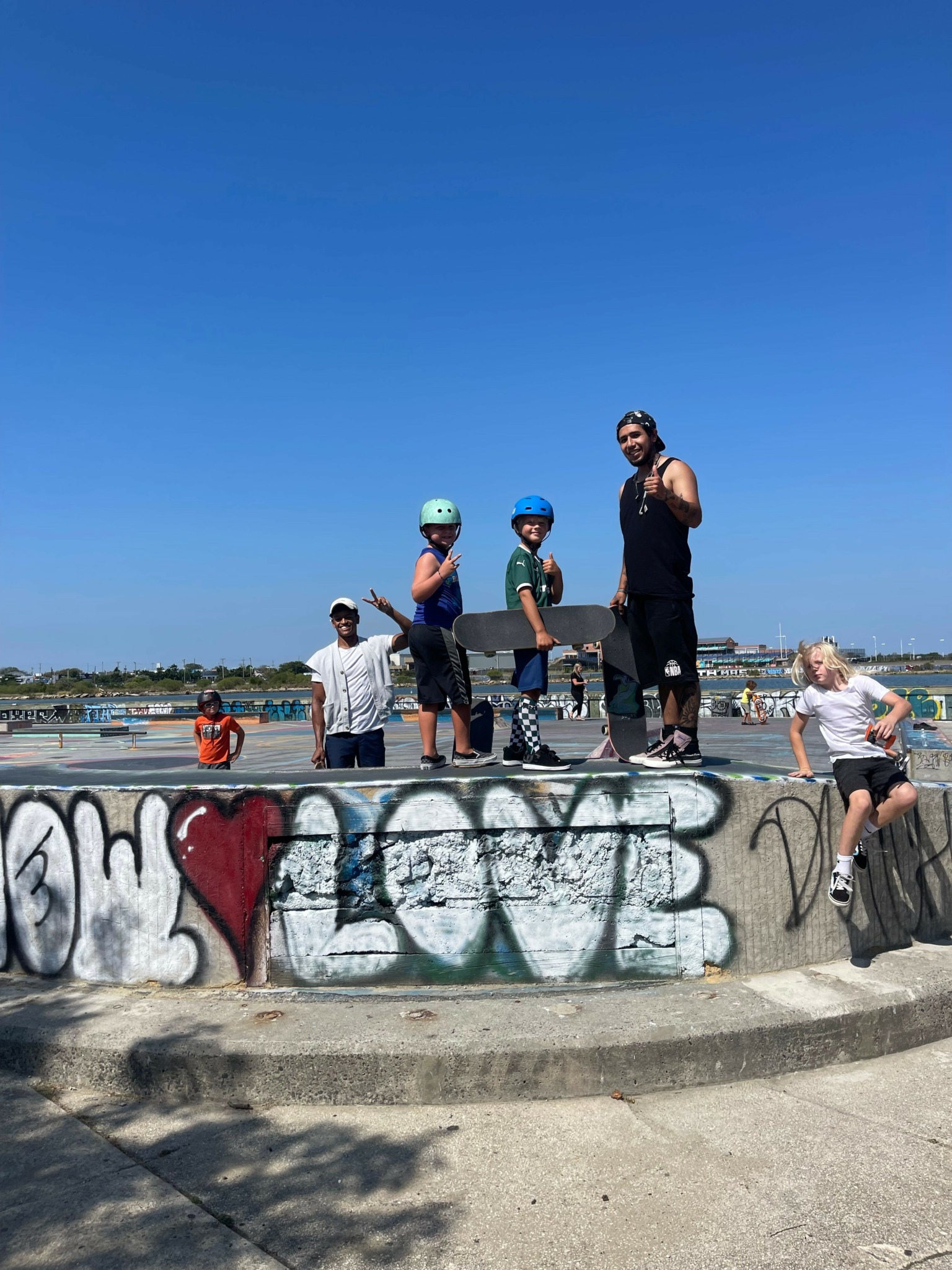
SkateAC was born from a simple idea: kids needed a safe place to skate so they would stop getting chased, arrested, and pushed out of public spaces. I started by building ledges illegally on Sovereign Avenue because nobody else was doing anything. It was survival, not some polished nonprofit play. But because it didn’t fit the city’s normal process, a lot of people mischaracterized it as vandalism or rebellion instead of what it actually was: harm reduction for youth and a community effort to give kids purpose.
One of the biggest misunderstandings happened when the first Sovereign Avenue DIY spot was torn down. People thought it was just “skaters being destructive” or “someone trying to be a renegade.” What they didn’t see was the context: I was newly sober, out of a toxic relationship, recovering emotionally, and trying to build something positive for kids who had nowhere to go. They didn’t see the teenagers who stopped hanging on corners because now they were skating every day. They didn’t see the mental health impact. They didn’t see how it kept me from self-destructing too.
Another mischaracterization came when we built the Uptown court park. Some people treated it like a “hobby project” instead of a community intervention. They didn’t understand the amount of planning, partnerships, fundraising, city meetings, and emotional labor involved. They didn’t see how deep the vision actually was. They didn’t know the story behind why I was doing it: breaking generational trauma, creating places of safety I never had growing up, and preventing kids from going down the same roads I did.
The biggest lesson I took from all of this is simple and biblical.
First Samuel 16 verse 7
“For the Lord sees not as man sees. Man looks at the outward appearance, but the Lord looks on the heart.”
People judged the surface. God saw the intent. The work spoke for itself over time. After the tear-downs, after the misunderstandings, after all the noise, the same city that once saw SkateAC as a nuisance now partners with us to build real parks. The same people who misunderstood the mission now praise it. The same community that thought it was “just skating” now sees the youth impact, the mentorship, the economic uplift, and the healing.
Today SkateAC is a respected nonprofit with global partnerships, a seat at the table, and momentum that only came because we stayed consistent when misunderstood.
The insight I carry is this:
If your purpose is big enough, you’ll always be misunderstood at first. Do the work anyway. The fruit will silence the doubt.

Awesome – so before we get into the rest of our questions, can you briefly introduce yourself to our readers.
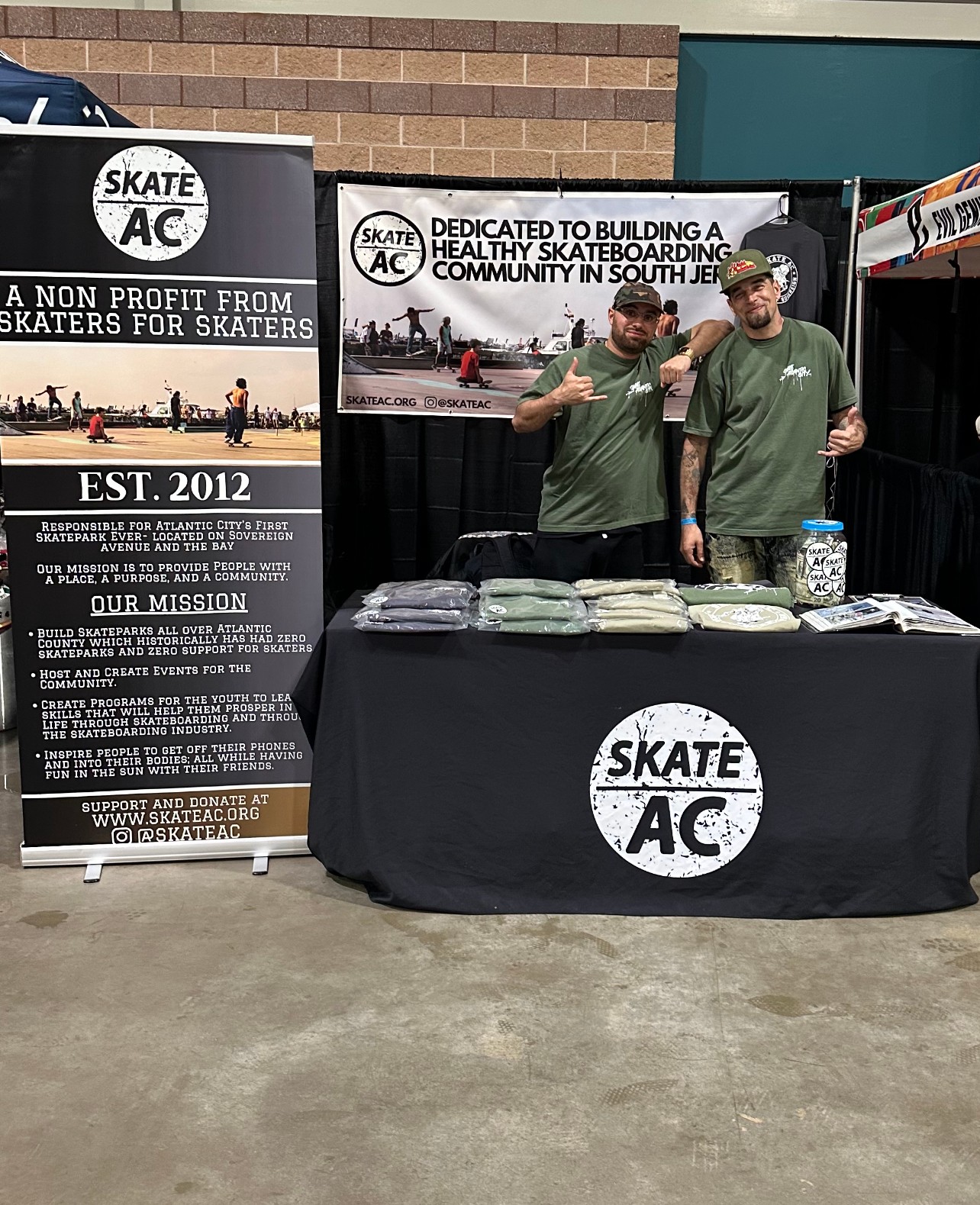
For folks who may not know me, my name is Jason Klotz and I am the founder of SkateAC, a nonprofit dedicated to building safe, accessible skateparks and youth spaces in Atlantic City. My background isn’t corporate or traditional. I came up through skateboarding itself. From the time I was thirteen I was traveling alone to Philadelphia, skating Love Park, getting chased by police, and learning firsthand what happens when cities don’t give kids a safe place to go. That shaped everything that came after.
I eventually fell into the creative side of the culture: filming, editing, marketing, building brands, and organizing community events. All of those skills became the backbone of SkateAC without me realizing it at the time.
SkateAC officially started when I built DIY ledges on Sovereign Avenue because kids had nowhere else to skate. It wasn’t a polished nonprofit yet. It was me trying to give kids the safe outlet that I needed when I was their age. That DIY spot grew into a full movement that now builds real parks, develops youth programs, collaborates with global skaters, partners with the city, hosts events, and mentors young people across Atlantic City.
What SkateAC provides:
• Skatepark construction and design
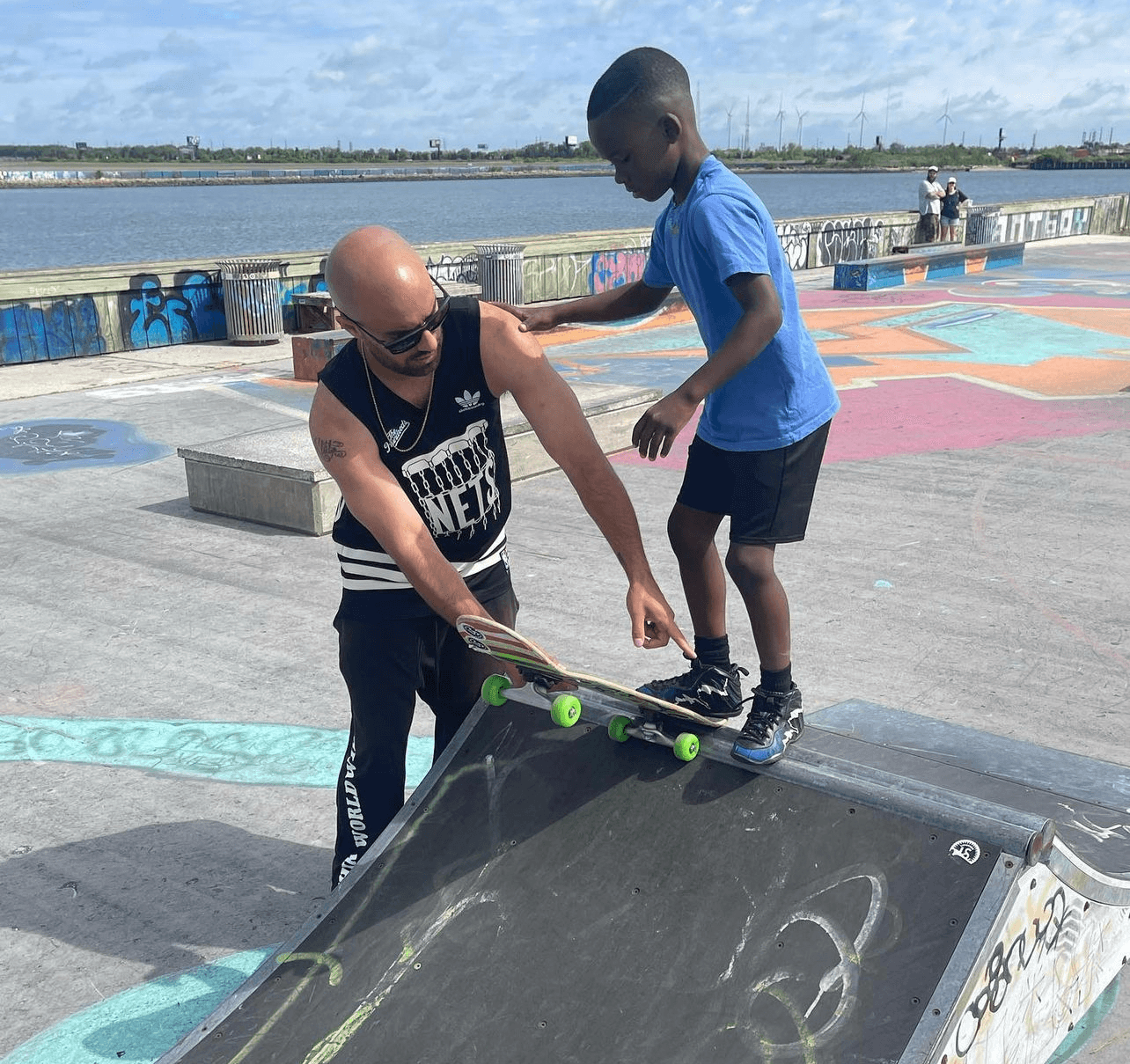
• Youth mentorship and safe spaces
• Community events and skate contests
• Partnerships with schools, churches, and local organizations
• A positive alternative for kids who would otherwise end up bored, unsupervised, or in trouble
The problem we solve is simple:
Atlantic City has talented kids with no outlet and neighborhoods with no safe recreation. Skateboarding fills that gap immediately. It gives kids identity, community, discipline, confidence, and a place to belong. We’re not just building skateparks. We’re creating emotional and psychological safety nets.
What sets SkateAC apart is that this is not a corporate charity. It was built from lived experience.
I was one of those kids. I know what it feels like to get chased out of spots, to not fit in, to grow up in chaos, and to need something solid to stand on. Skateboarding saved my life more than once. So did the people in the skate community. That’s why this work is not theoretical for me. It’s personal, spiritual, and mission-driven.
Another thing that sets us apart is how we build.
We don’t wait for perfect conditions. We move fast. We collaborate with anyone who wants to protect youth. We build using creativity, relationships, and momentum. That’s why we’ve already built multiple parks with almost no funding and turned unused, neglected land into thriving youth hubs.
What I’m most proud of:
• Building Atlantic City’s first free public skateparks with no political power, no wealthy backing, and no blueprint.
• Watching teenagers who grew up around violence turn into leaders, mentors, and athletes because of the parks.
• Meeting Rohan Marley and expanding our mission globally.
• Seeing the parks packed every single day with kids who finally feel safe somewhere.
• Using my own painful past — from injuries to addiction to mental health struggles — to serve the next generation instead of letting it destroy me.
What I want people to know:
SkateAC is bigger than skating. It is about healing, purpose, community, and giving kids the outlet that keeps them off the streets and helps them discover who they are. We are a nonprofit with a mission, not a hobby project. We are proving what can happen when you combine skate culture, faith, resilience, and community love.
If you want to understand what SkateAC really is, it’s this:
Kids show up broken and leave with identity.
Neighborhoods that were empty come alive.
And a city that was known for vice becomes known for youth, creativity, and hope.
That is what we do. That is what sets us apart. And that is why this movement is growing far beyond Atlantic City.
What can society do to ensure an environment that’s helpful to artists and creatives?
In my view, the best way society can support artists, creatives, and a thriving creative ecosystem is to stop treating creativity like a luxury and start treating it like infrastructure.
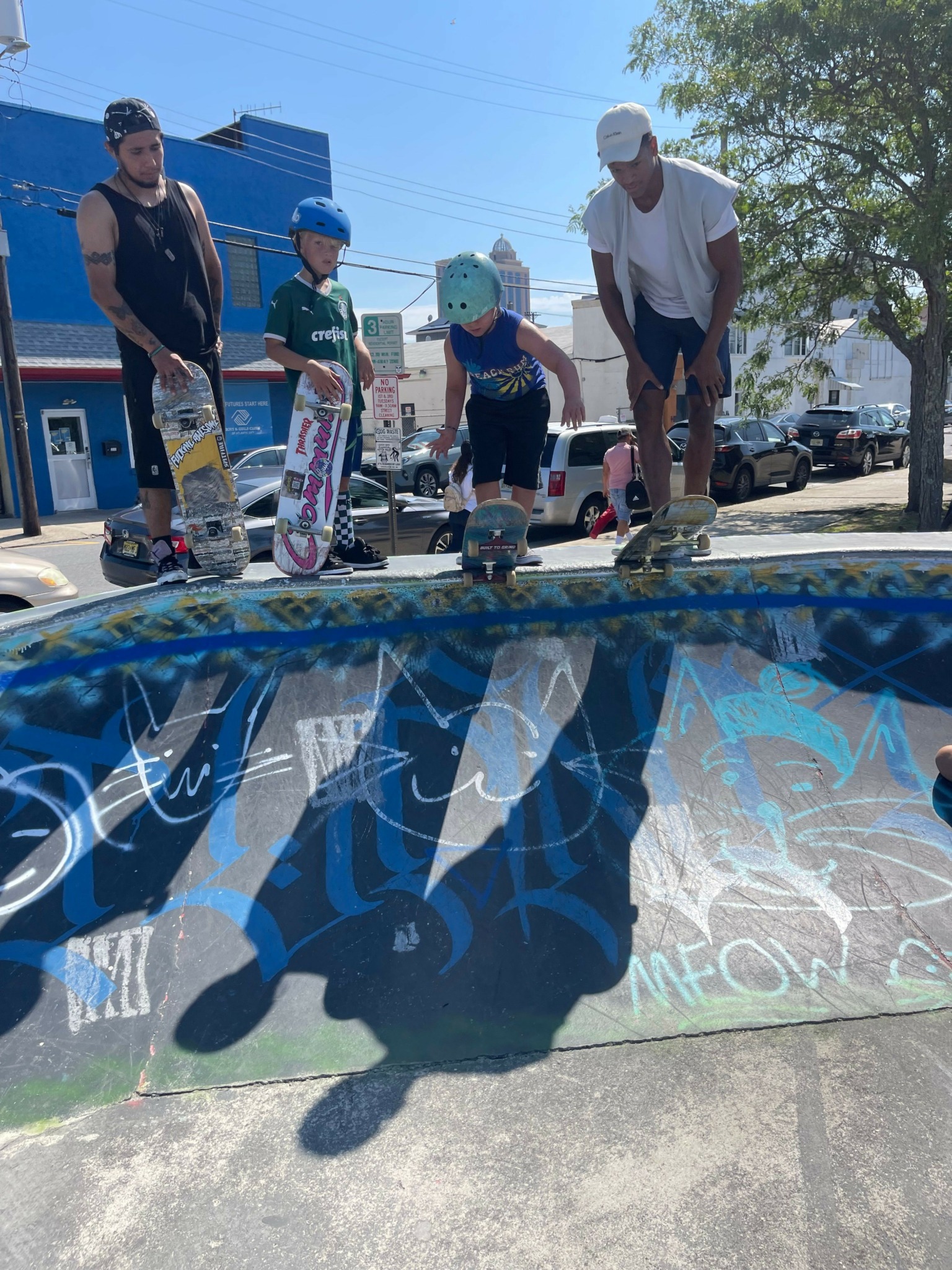
Skateboarding, music, art, photography, design — these are not side hobbies. They are identity-shaping outlets that keep young people mentally healthy, out of trouble, and connected to community. SkateAC sees this firsthand every day.
Here is what society needs to do if it wants a real creative ecosystem:
One. Give young people safe public spaces.
Parks, skateparks, studios, open walls for murals, community centers — these are the creative equivalent of playgrounds. When kids don’t have places to create, they end up creating in the streets, or not creating at all.
Two. Stop criminalizing youth culture.
Skateboarding, street art, filming, fashion, hip hop — these cultures built entire industries. But for decades the kids who create them have been policed, chased, or discouraged. Instead of punishing creative expression, cities need to embrace it and channel it.
Three. Fund grassroots creators, not just institutions.
Some of the most impactful work comes from people who live in the neighborhoods, not from big organizations. Give them microgrants. Give them walls to paint. Give them access to gear, cameras, and materials. That multiplies community impact faster than any committee or bureaucracy.
Four. Bring artists into decision-making.
If you want parks, districts, schools, and public spaces to thrive, you need the creatives sitting at the table when decisions are made. They see things leaders often miss. They design spaces that pull people in instead of pushing them out.
Five. Treat creativity as mental health.
Every psychologist will tell you: when young people have healthy outlets, they thrive. When they don’t, they collapse. Skateboarding teaches discipline. Art teaches emotional expression. Music teaches belonging. Creativity reduces violence, anxiety, depression, and detachment. It literally saves lives.
SkateAC is proof.
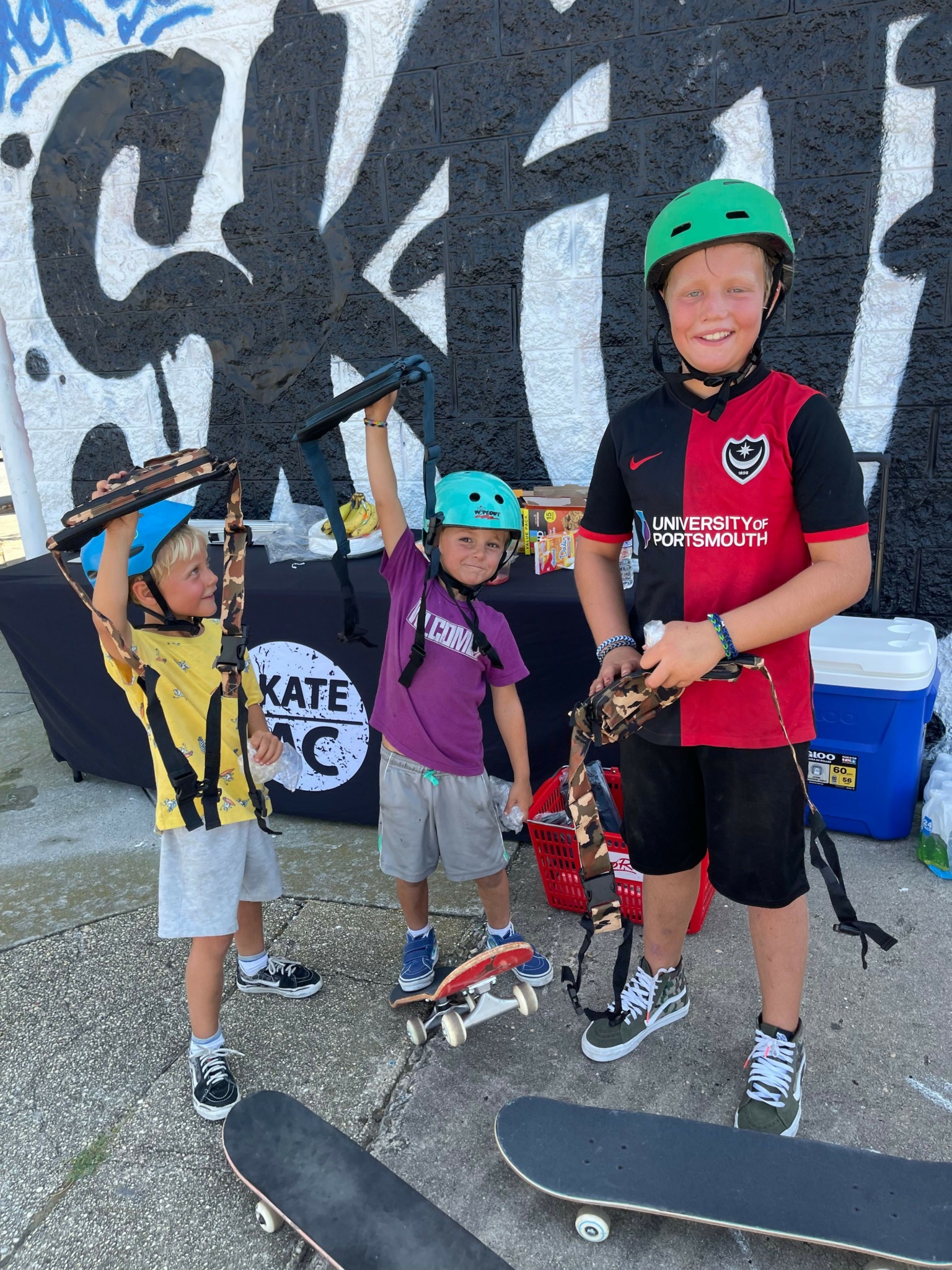
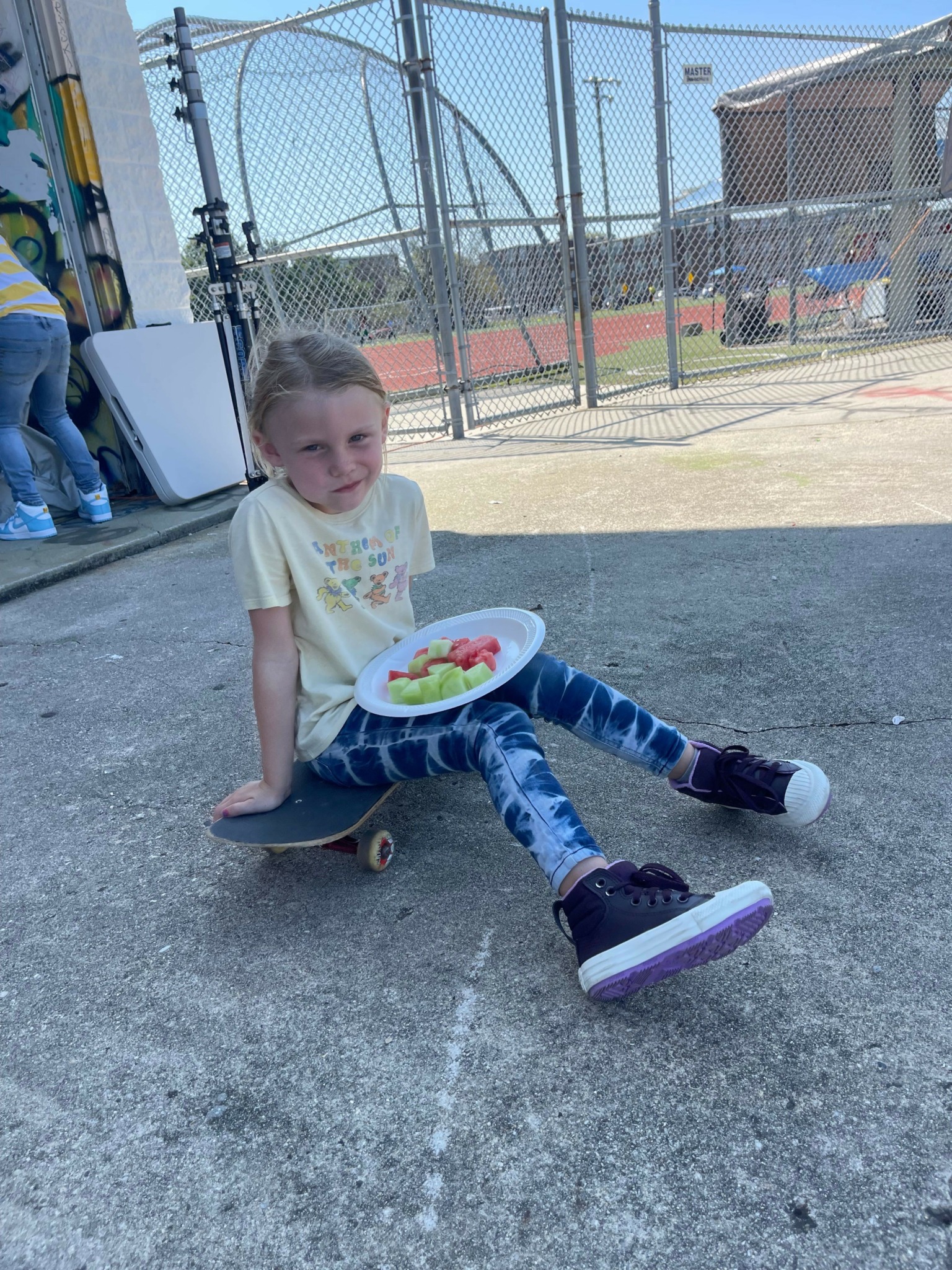
When you give kids a skatepark, the fights disappear, the kids show up every day, friendships form, confidence skyrockets, and a whole micro-culture grows around it: filmers, photographers, designers, content creators, artists, DJs, musicians, entrepreneurs.
You’re not just building a park.
You’re building an ecosystem.
The bottom line:
If society wants a thriving creative culture, it has to invest in the spaces, people, and freedom that allow creativity to grow at the street level. Creativity doesn’t happen in boardrooms. It happens on concrete, in basements, in small studios, and in the minds of kids who just need a place to bring their ideas to life.
We’d love to hear a story of resilience from your journey.
One of the most powerful examples of resilience in my journey happened after the city tore down the original Sovereign Avenue skatepark.
That DIY wasn’t built out of rebellion. It was built out of need. Kids in Atlantic City had nowhere safe to skate, so I used concrete, cinder blocks, and pure determination to build the first version of SkateAC’s park. It became a community instantly.
Then one morning it was gone — completely demolished.
For the kids and for me, it was devastating.
But the real test came after the teardown.
Suddenly we were in a fight with the city.
We had to raise money.
People in the community weren’t sure what was happening.
Builders didn’t know who I was or whether I could actually get them here.
Everyone looked at me like I was dreaming too big.
My back was against the wall, and the whole thing looked impossible from the outside.
But here’s where the meaning of the street name — Sovereign Avenue — changed my entire perspective.
In scripture, “sovereign” means God is in control. He directs the timing, the order, and the purpose of events, even when it makes no sense to us.
Psalm 115 verse 3
“Our God is in the heavens; He does whatever He pleases.”
I prayed on it.
I visualized the park rebuilt.
And deep down I knew God wasn’t done with this story.
Then everything shifted.
The mayor who tore the park down lost the election.
A new mayor came in who supported the movement.
By the grace of God we raised the money.
The builders came.
And after almost two years with no park, we rebuilt Sovereign Avenue — bigger, stronger, and with the entire community behind us.
And when the concrete dried, the kids came right back like they had been waiting the whole time.
That moment taught me what real resilience is:
When God puts a mission on your heart, no amount of pushback, confusion, delays, politics, or setbacks can stop it. Sovereign Avenue wasn’t just the location. It was the reminder that God was sovereign over the entire journey.
We rebuilt the park.
We expanded it.
And we never looked back.
That experience is why SkateAC exists today — not just as a skatepark builder, but as a movement grounded in purpose, community, and faith.
Contact Info:
- Website: https://Www.skateAC.org
- Instagram: @skateac
- Facebook: N/a
- Linkedin: N/a
- Twitter: N/a
- Youtube: https://youtube.com/@jasonklotz-hj1zo?si=Tl80ZTtUFjzubwCs
- Yelp: N/a
- Soundcloud: N/a