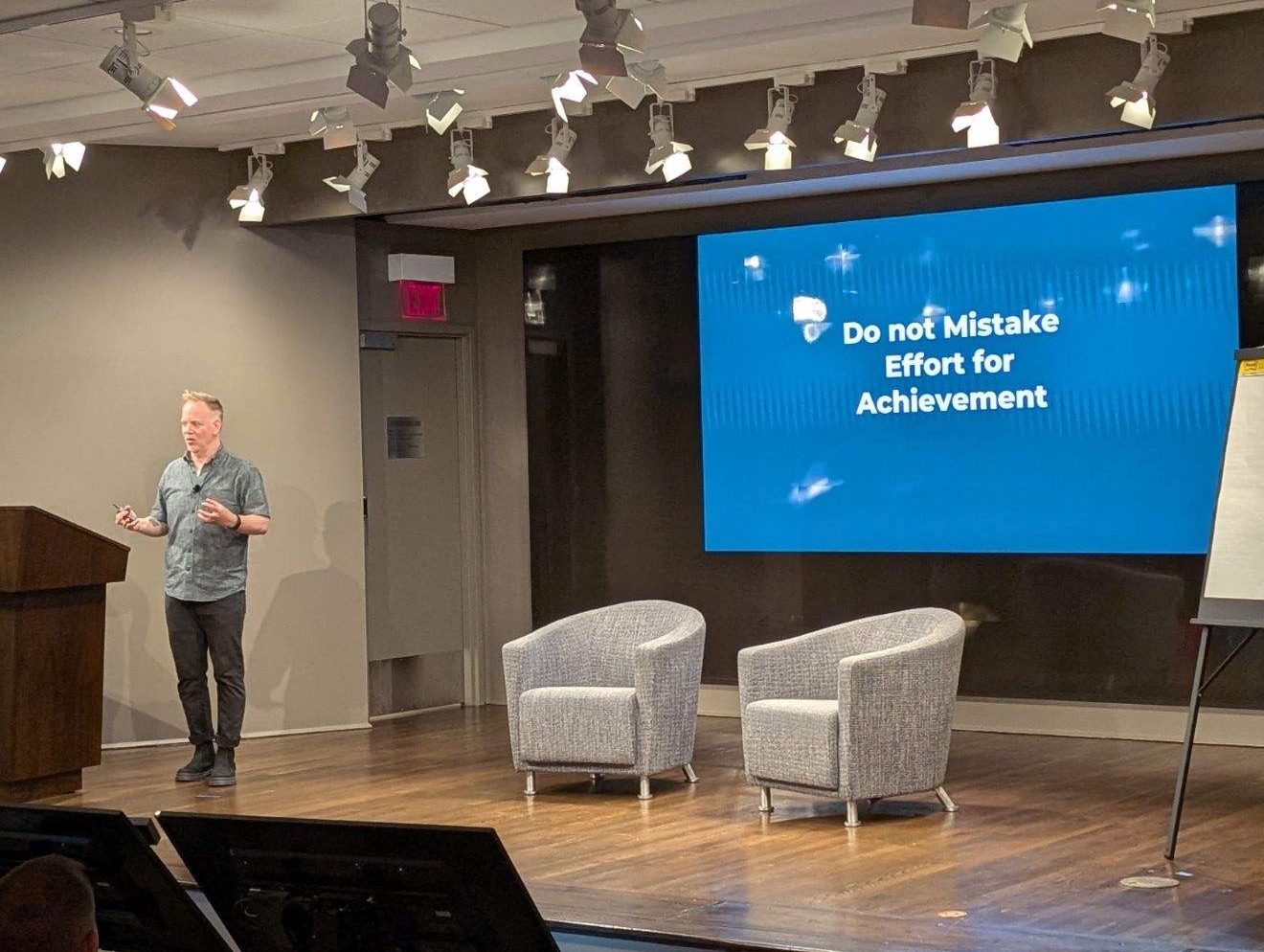

We’re excited to introduce you to the always interesting and insightful Jason Fraser. We hope you’ll enjoy our conversation with Jason below.
Hi Jason, thanks for joining us today. We’d love to hear about the things you feel your parents did right and how those things have impacted your career and life.
My parents gave me a lot of space to be me. I had a hard time in elementary school and junior high, with frequent bullying and near constant fear. Home was always safe and easy though. I moved back and forth between being hyper-introverted, lost in my own world, to prattling endlessly about my latest interest, and it was all just fine with them. Even as I started finding myself as a punk-rock teen, the loud music with the swearing, and the spiky leather jacket and torn jeans never seemed to phase them. My fights were outside the home, and that was good, because I needed that energy to face the social shitshow that was the mid 80’s.
My parents never put me in a box, and never shut me down, and I think that allowed my curious nature to be normal and become habitual. I think it’s that curiosity and my freedom to indulge it that has driven most of my success. My wife and I have a family motto: “Say ‘Yes’ to interesting opportunities.” My parents gave me room to do this from an early age.
Both of my parents ran their own businesses when I was little, so I grew up watching the ups and downs of those businesses.
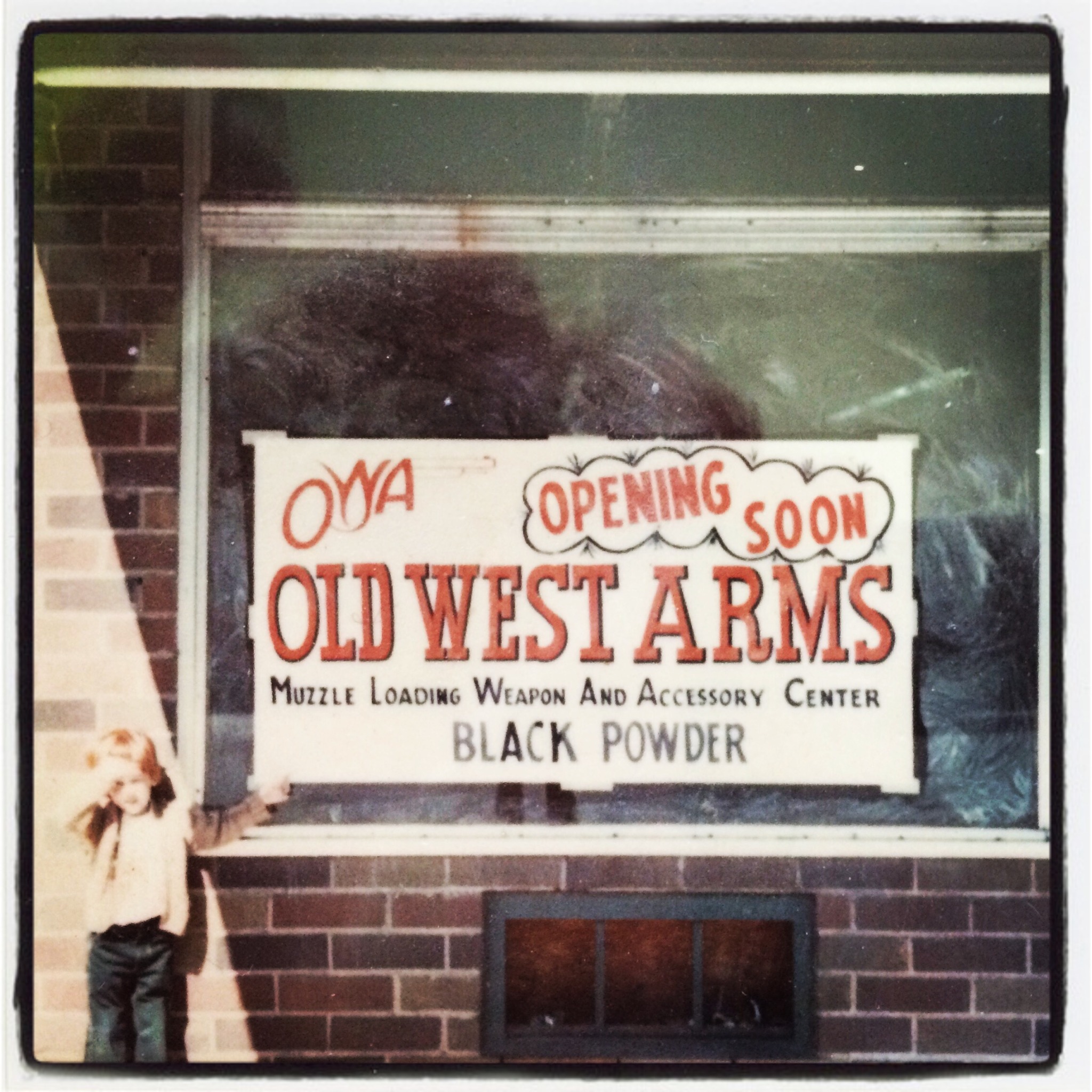
My dad’s business was a collector’s gun shop. They sold muzzle loaders–revolutionary and civil war guns–to collectors and reenactors. The first thing I ever got paid to do was melting lead and casting it into bullets. My mom worked at a dentist’s office and would bring home bags full of used dental x-ray slips. Each little envelope had a 1 inch square piece of lead foil in it. My sister and I would melt these down and pour the molten lead into hand-help molds. You wait 30 seconds for it to cool, then tap it twice on the workbench, pop open the mold, and out comes a bullet. We packaged them in little bags of ten and put price tags on them. I think I got paid a nickel per package.
Later on I worked for my mother in her computer cleaning products business. I worked in the warehouse all through high school and college, labeling, boxing, and shipping things. We were one of only two companies in the world that made a cleaning cartridge for a specific type of IBM tape drive (the 3480). I personally labeled (by hand!) over 1 million of these cartridges in my time there.
Those experiences of watching my parents make their own paths, and really seeing all aspects of the work, helped me understand what it means to be truly invested in your work. I’ve been able to take that with me not just in the things I’ve started myself, but every job I’ve ever worked. I always approach work with the care of an owner.
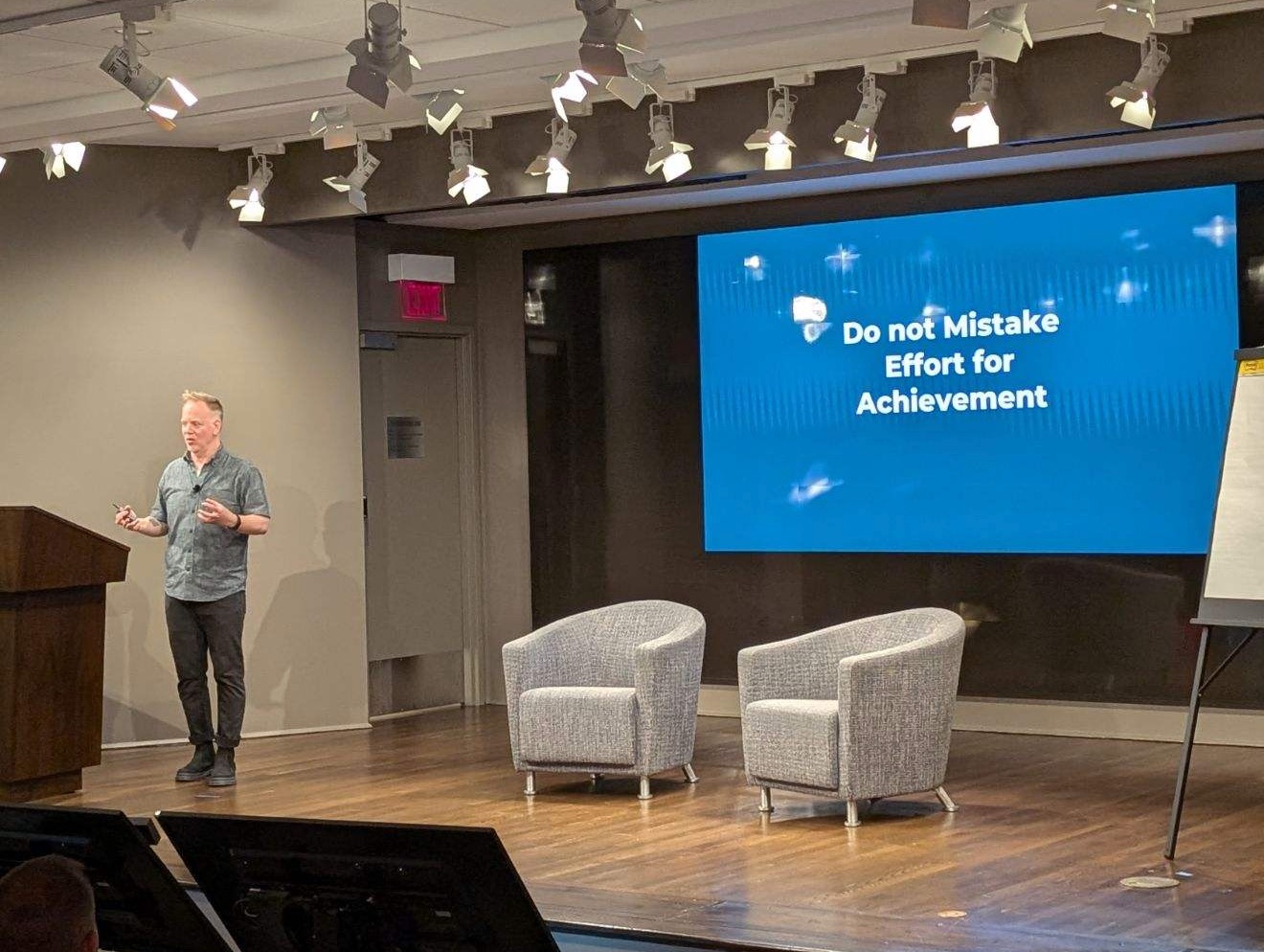
Jason, love having you share your insights with us. Before we ask you more questions, maybe you can take a moment to introduce yourself to our readers who might have missed our earlier conversations?
My personal mission is to make the world a better place by helping people who are doing impactful work deliver more effectively on the work they’re doing.
I sort of fell into technology. I didn’t really plan it. I had been a stay-at-home dad and going to grad school at the same time. I was working on my Master’s thesis and we had two deaths in the family in very quick succession and I decided to take a break from school. Not long after that a friend of mine who was running an online retail startup asked for my help so I came and worked for her for about a year. When my wife and I took a summer vacation to visit my parents we ended up talking about a business idea that she had almost the entire trip and by the end of the trip we had decided that we were going to start it.
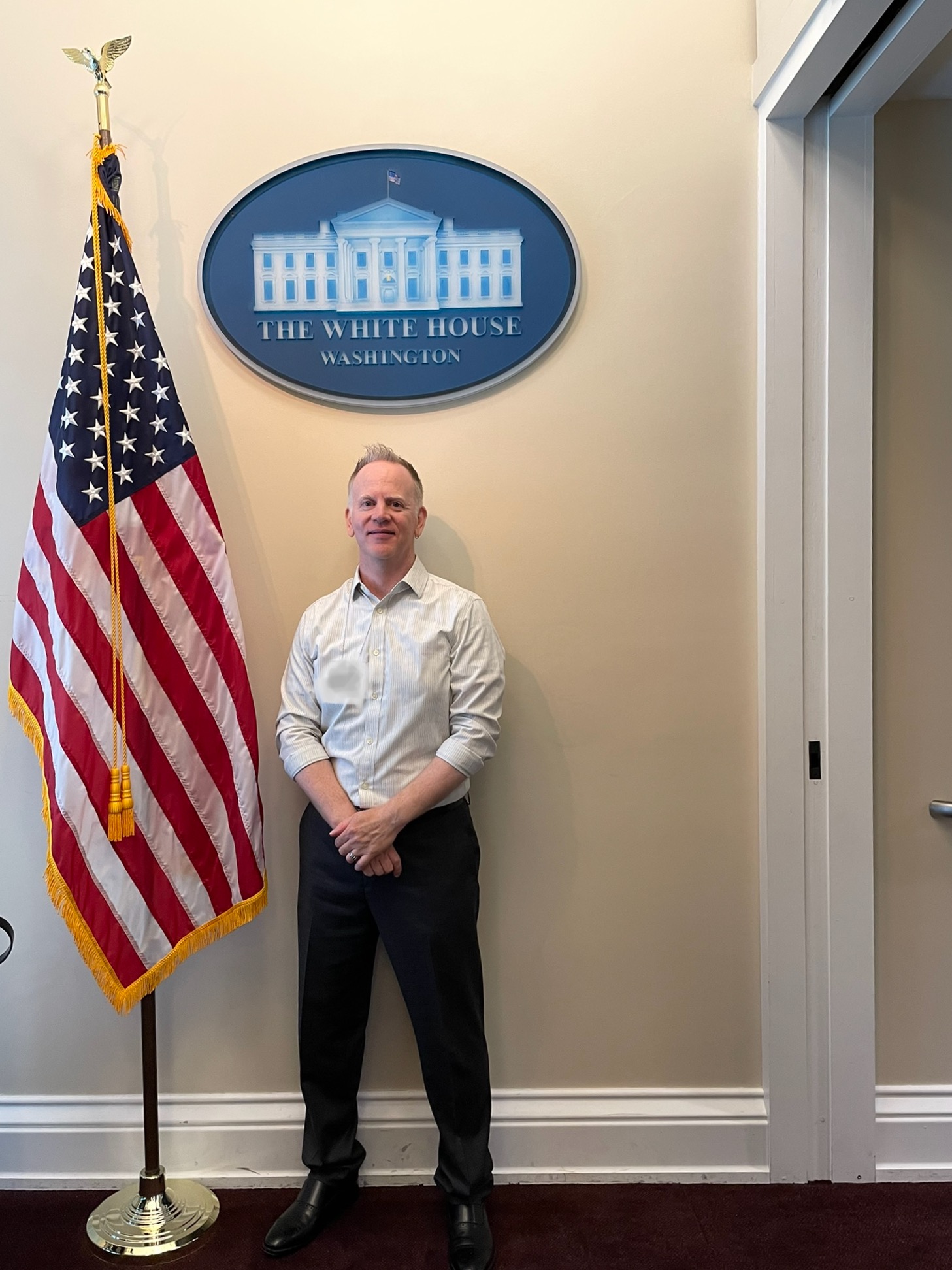
We ran that business for 4 years and then were acquired by a software consulting firm. I stayed at that firm for another 10 years and built a career in software product management and Design. For seven of those 10 years I was working exclusively with public sector teams helping them to deliver high value, impactful software solutions for problems that affected real people’s lives. I felt like I had found my calling.
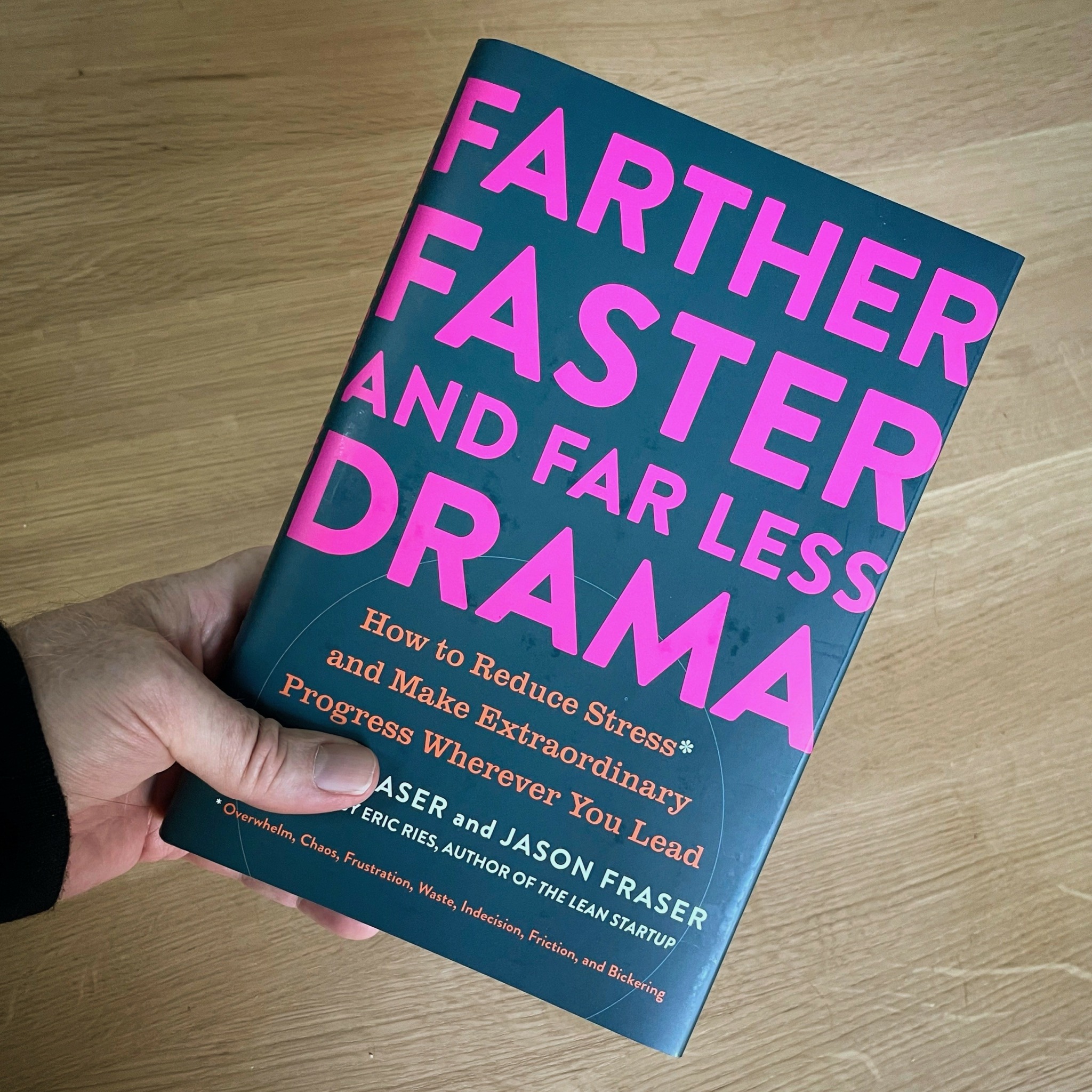
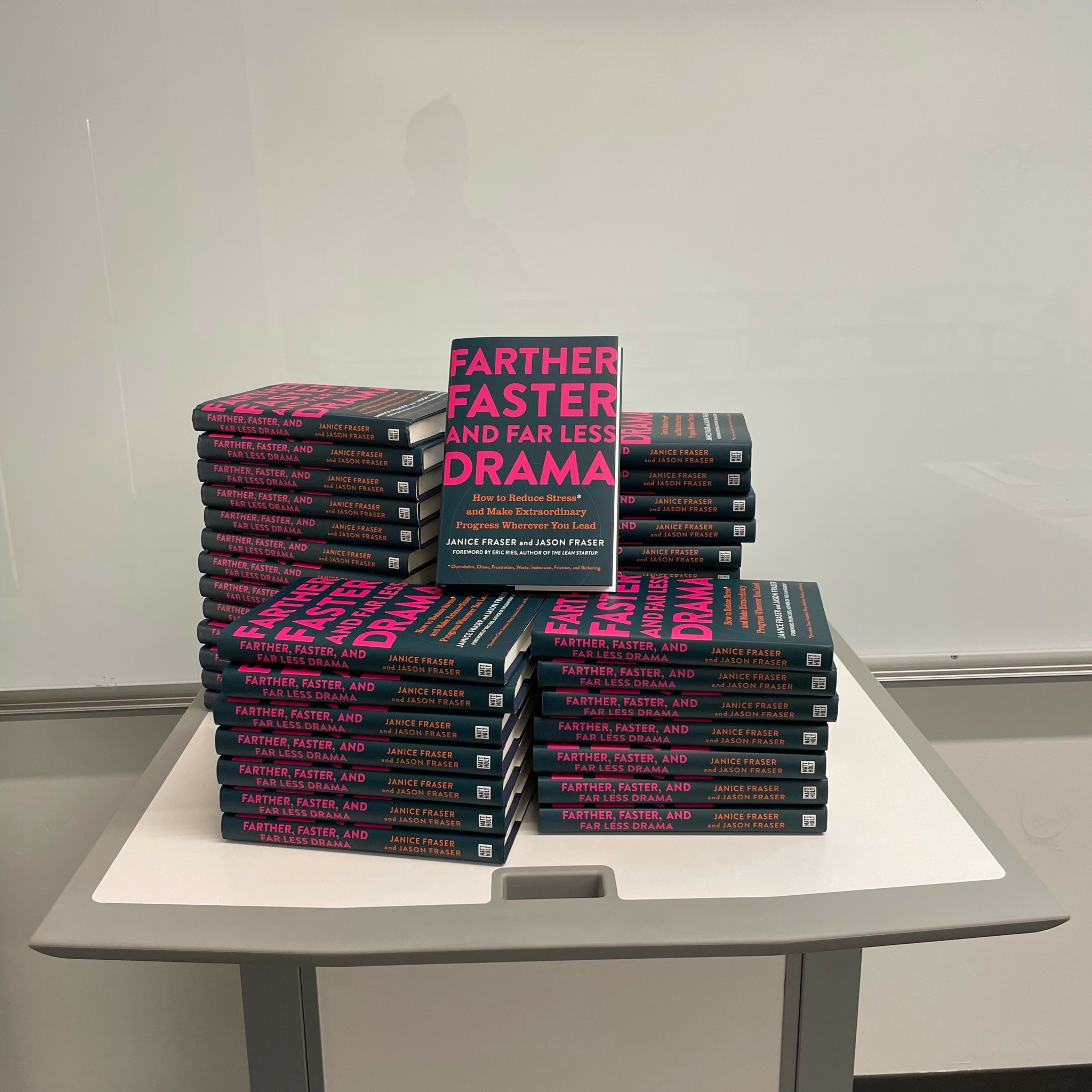
Working with people who had a mission that truly mattered, and who were so passionate about delivering on the success of that mission, made me never want to go back to doing commercial work again. After leaving that company in 2024, I went on to start my own solo consulting practice where I help leaders of mission driven teams deliver value more effectively. I work in the climate space, healthcare, the arts, really anywhere where people are trying to make the world a better place, I’m there to help. I have a pretty diverse background, with an education in linguistics, language acquisition and endangered languages, and 15 years in the software industry. I bring expertise in two areas: helping people break down a big idea or problem into workable chunks so they can make progress on it (I get this from my linguistics and product management experience), and building and managing effective teams. My wife and I co-authored a book on this, called Farther, Faster, and Far Less Drama, based on our combined experiences leading in many different contexts.
My work looks a lot like coaching. I usually work 1:1 with leaders or small groups of leaders, and much of the focus right now is around maintaining the mission and culture of rapidly scaling teams. I’ve done a lot of hiring in a culture-driven organization, so I have loads of experience with interviewing, hiring, onboarding, and maintaining the cultural integrity and focus of teams.
One of the things that makes me successful in this work is that I put people at ease very quickly. I feel safe. This means that my clients are more open to me about the realities of the challenges they’re facing, and when we can all acknowledge the truth together, it makes it easier to find the right solution to a challenge.
I help people get unstuck. I help them make little ideas bigger, to envision the grandest possibilities, and to break the giant things down into workable units so they can actually make progress.
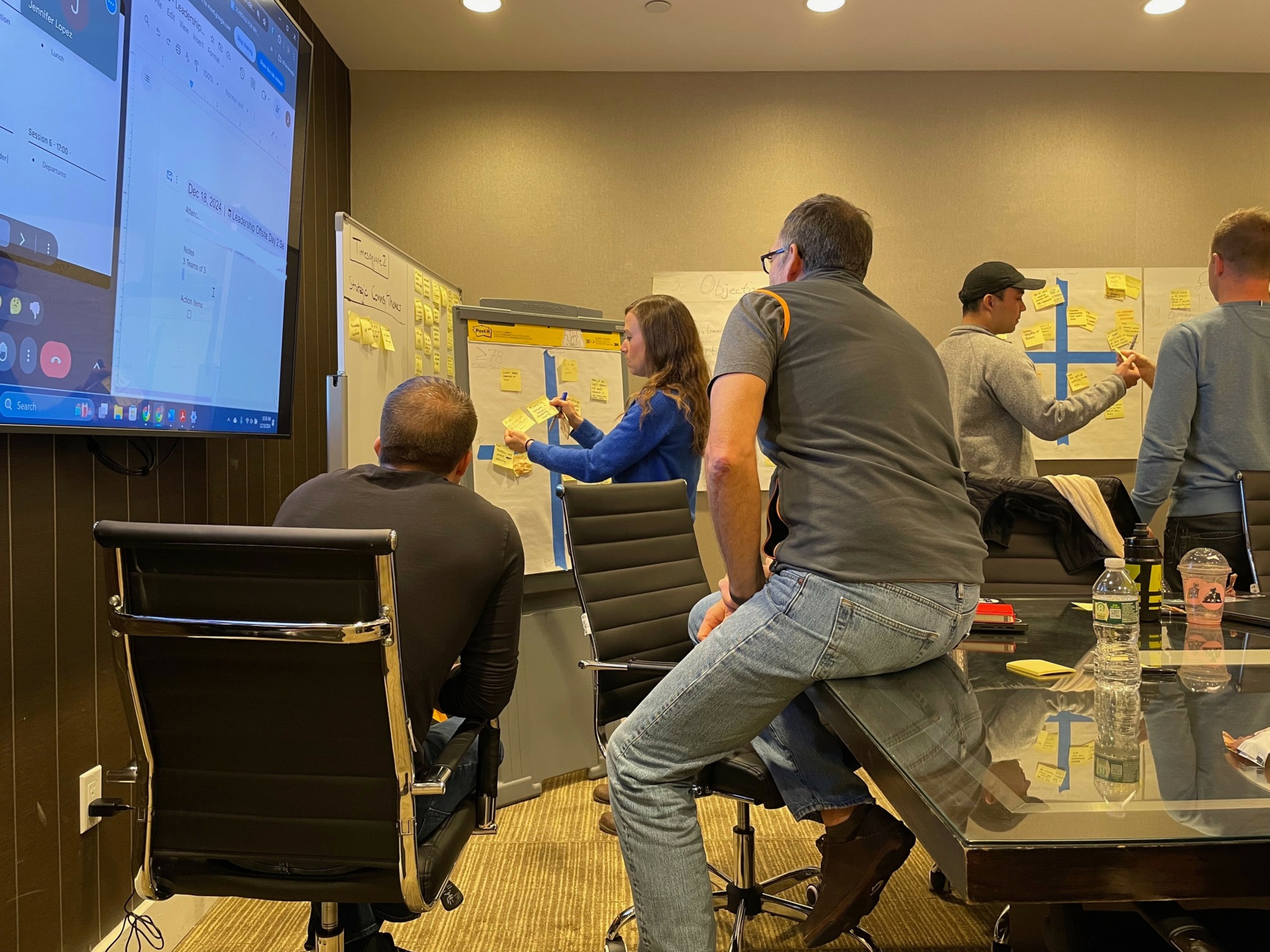
Conversations about M&A are often focused on multibillion dollar transactions – but M&A can be an important part of a small or medium business owner’s journey. We’d love to hear about your experience with selling businesses.
In 2014 my wife and I were working on selling the business that we had started together. We had been courted by a Japanese company for almost 2 years and had finally agreed to sell to them. We went through months of due diligence, spending more money than we had on getting everything in order for the transaction. Then in late December, just 4 days before Christmas, we were finally sitting down across the table from our buyers, ready to sign the paperwork. They pushed the contract across the table to us for our signature and as we were uncapping pens and getting ready to sign they said, “hey we just have a couple of questions about the numbers that you sent us back in October.” That question launched a conversation in which we discovered that we were fundamentally misaligned on our expectations of what the outcome of this transaction and our future work with this company would look like. We put the caps back on the pens and pushed the contract back across the table, declining their offer.
This was a painful moment for us, given that we had run down our runway on the business and were operating on fumes. We had gone deeply into personal debt to keep the company running and had been relying on this transaction to pay off our debt and even buy Christmas presents for our young son. To learn that we were so far apart in our understanding was absolutely crushing. We should have pushed much harder, much earlier, for a clearer understanding of their vision. We would have seen how flawed it was much sooner, and could have saved the expense of the due diligence process.
We learned later on that this same company had acquired several other companies that were similar to ours and turned them into a single entity which they promptly ran into the ground. It turns out we dodged a bullet, but at the moment it was one of the most painful decisions we ever had to make. There are other times that we’ve had to decide to walk away from what looked like big money, and every time we’ve walked away it has been the right decision.
We were eventually acqui-hired by a consulting company, where I spent 10 incredible years working with the best people in the industry (with great health insurance and direct deposit–there’s something to be said for working for a big company!)
Are there any books, videos, essays or other resources that have significantly impacted your management and entrepreneurial thinking and philosophy?
Good Strategy/Bad Strategy by Richard Rumelt was a game-changer for me. I read it a few years ago and it completely changed the way I think about strategy. Rumelt simplified strategy for me and brought in ideas about leverage and alignment that helped to name some things I had been thinking and make them more actionable.
Rumelt’s Kernel of strategy, consisting of a diagnosis, a guiding policy, and a set of coherent actions, changed the way I think about problems. He argues that diagnosing a problem at the wrong level makes it impossible for you to craft a solution. Your diagnosis has to be tractable for you, as you are now. If you’re out hiking with a friend and they fall and break their ankle, diagnosing the ankle as broken, doesn’t help you get back to the car. You can’t fix their broken ankle. But diagnosing that your friend is unable to walk back to the car by themselves _is tractable_ for you. Now you can carry them, or you can find a fallen branch for them to use as a crutch.
This insight into the level at which we make our diagnosis was transformative for me.
Contact Info:
- Website: https://missionratio.com
- Linkedin: https://www.linkedin.com/in/jasonfraser/
- Youtube: https://www.youtube.com/@leveragethebrains