

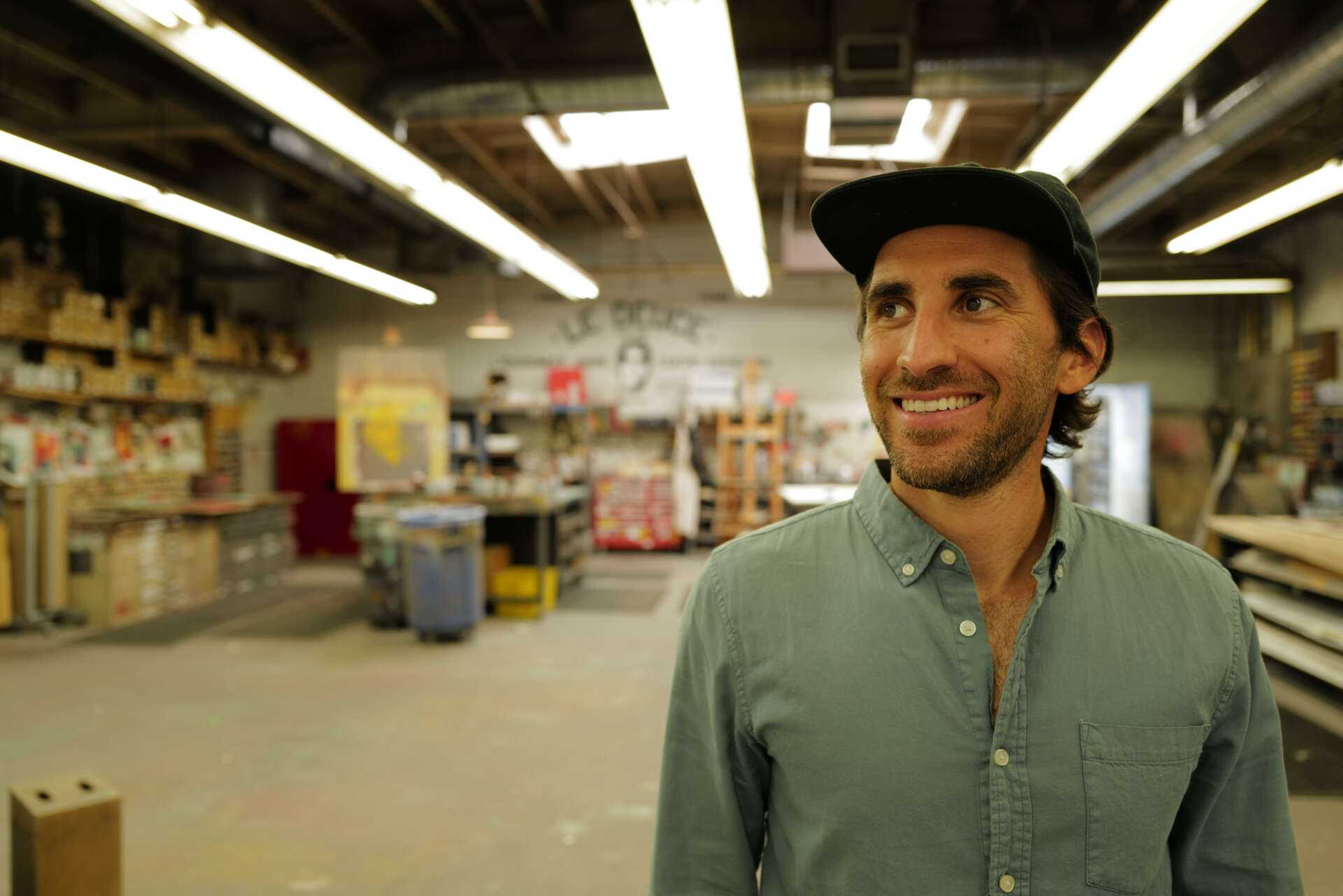

We’re excited to introduce you to the always interesting and insightful Jason Adler. We hope you’ll enjoy our conversation with Jason below.
Alright, Jason thanks for taking the time to share your stories and insights with us today. Can you talk to us about a project that’s meant a lot to you?
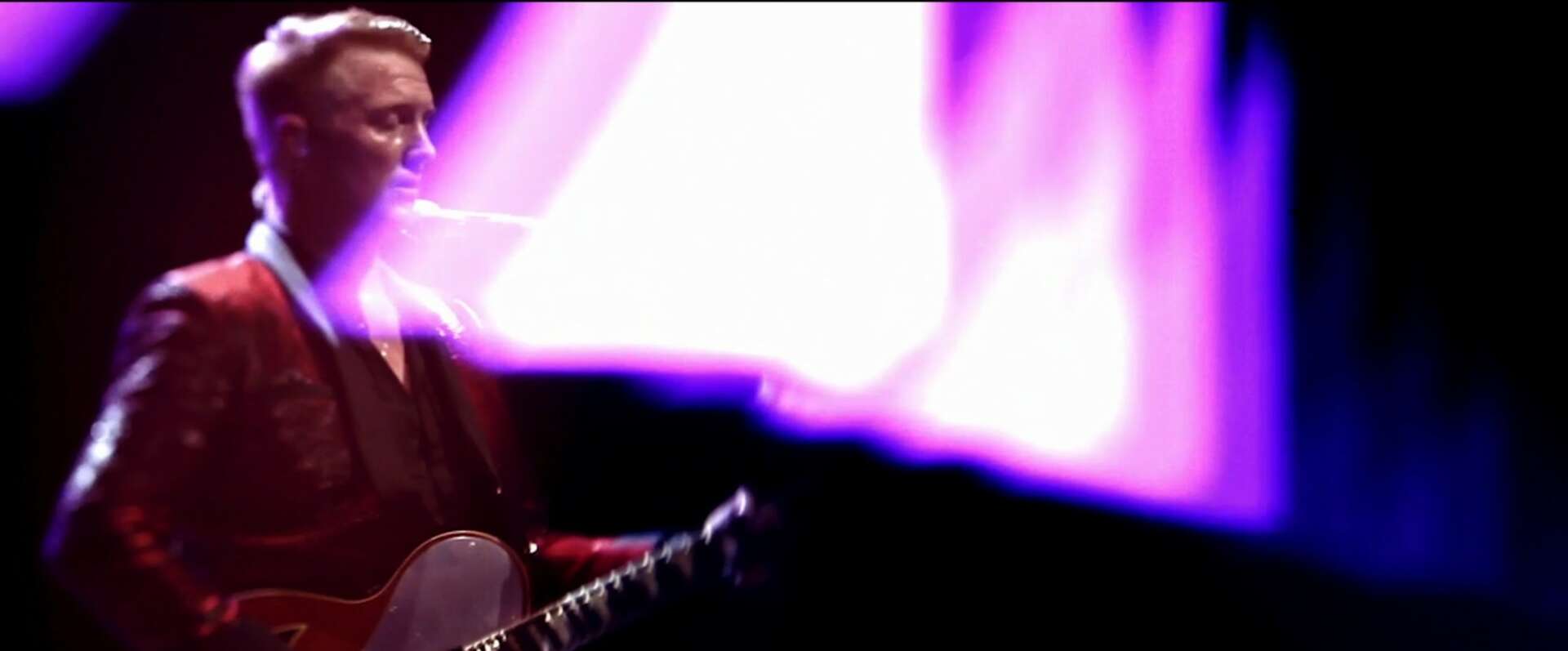
To this day, one of the most meaningful and memorable projects I have ever worked on was a documentary I shot for Iggy Pop. This project started off as a small interview with the band that recorded the album for Iggy’s album “Post Pop Depression.” The idea was that these interviews, conducted by the late Anthony Bourdain, would be bonus material for fans pre-ordering the album to gain insight into how this album was made. That was supposed to be it, in and out, quick and dirty. Next thing I know, I’m on tour with the band shooting them across various cities around the world. I was 27 at the time and just really starting to step out and transition into becoming a cinematographer. I didn’t really know what I was doing, this was by far the biggest shoot I had ever done. But it was a very formidable time for me as an artist and so much of what I learned during this experience has carried through and helped to this day as a cinematographer. We were just shooting from the hip, not knowing what the film could be. There were numerous times I had to pinch myself while I was in the pit shooting up at Iggy Pop going all out for his adoring fans; I just couldn’t believe I was given this opportunity. A production company got a hold of the footage via my director and they crafted a beautiful film from what we shot. “American Valhalla” is the culmination of what we did. I think the thing I learned the most during this memorable experience is that when I shoot, I need to have the intention to make it the greatest thing I possibly can because you never know where it will go or who will see it.
Awesome – so before we get into the rest of our questions, can you briefly introduce yourself to our readers.
I am all about the story.
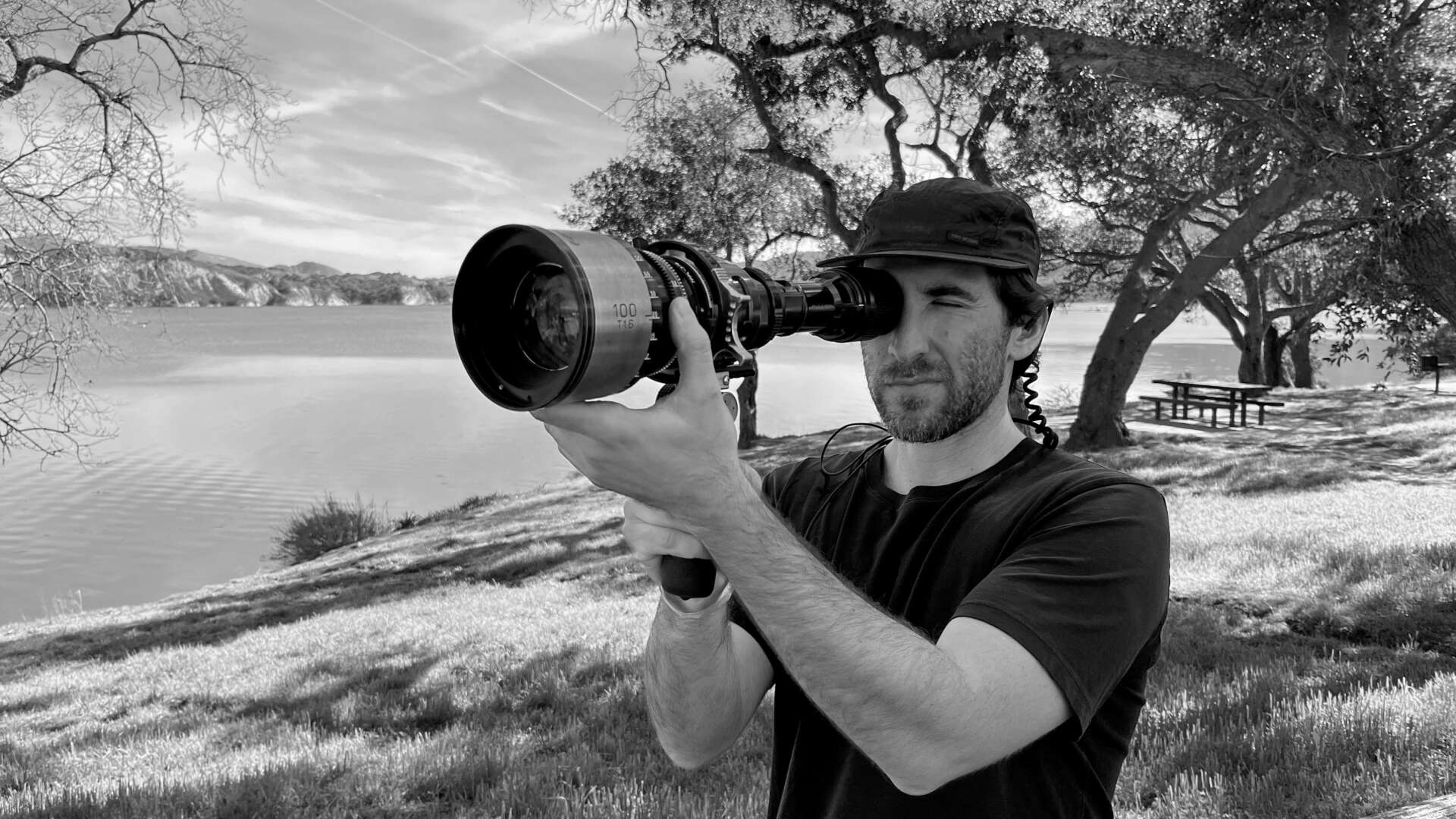
As a kid it was building big worlds in my room and playing with action figures. Then I grew up (a little) and got really into animation. However, once I discovered photography, everything started to click for me. I was immediately connected to telling story through image. The vehicle in which I tell a story has evolved over the years, but the constant has been storytelling.
After film school, I spent many years working my way through the camera department. For me, that was my graduate school. I was able to work with some of the top visual storytellers in the business on some amazing projects. I was always shooting on the side and knew my end goal was to eventually quit that world to focus full time on being a cinematographer. But as an assistant, I was able to sit back and learn from the best artists (Directors, Production Designers, Colorists, VFX, fellow Cinematographers, etc.), absorbing everything and anything that could help me become my own best visual storyteller. That was huge for me.
As a cinematographer though, I am not a singular artist or voice. I work with many different creative people to tell one story. Everyone from the Director to the Production Designer brings their own ideas to the table. It’s something I really cherish about what I do. I love collaboration and when it comes to storytelling, I think that’s a very unique thing about making any kind of film. It’s ultimately the Director’s vision, but like everyone involved, I bring my own artistic taste and sensibilities to the project. Whether it be lighting, framing ideas, or camera movement, I try to do me, while honoring the story and vision of the film. In my mind, if you’re not honoring the story, you’re not doing the project justice.
Stepping out to full time DP has not been easy, there have been many hills to climb, and there continue to be many challenges, but I wouldn’t have it any other way. And if there is anything I have learned along the way it’s be nice to everyone, you never know who you could work with next
In your view, what can society to do to best support artists, creatives and a thriving creative ecosystem?
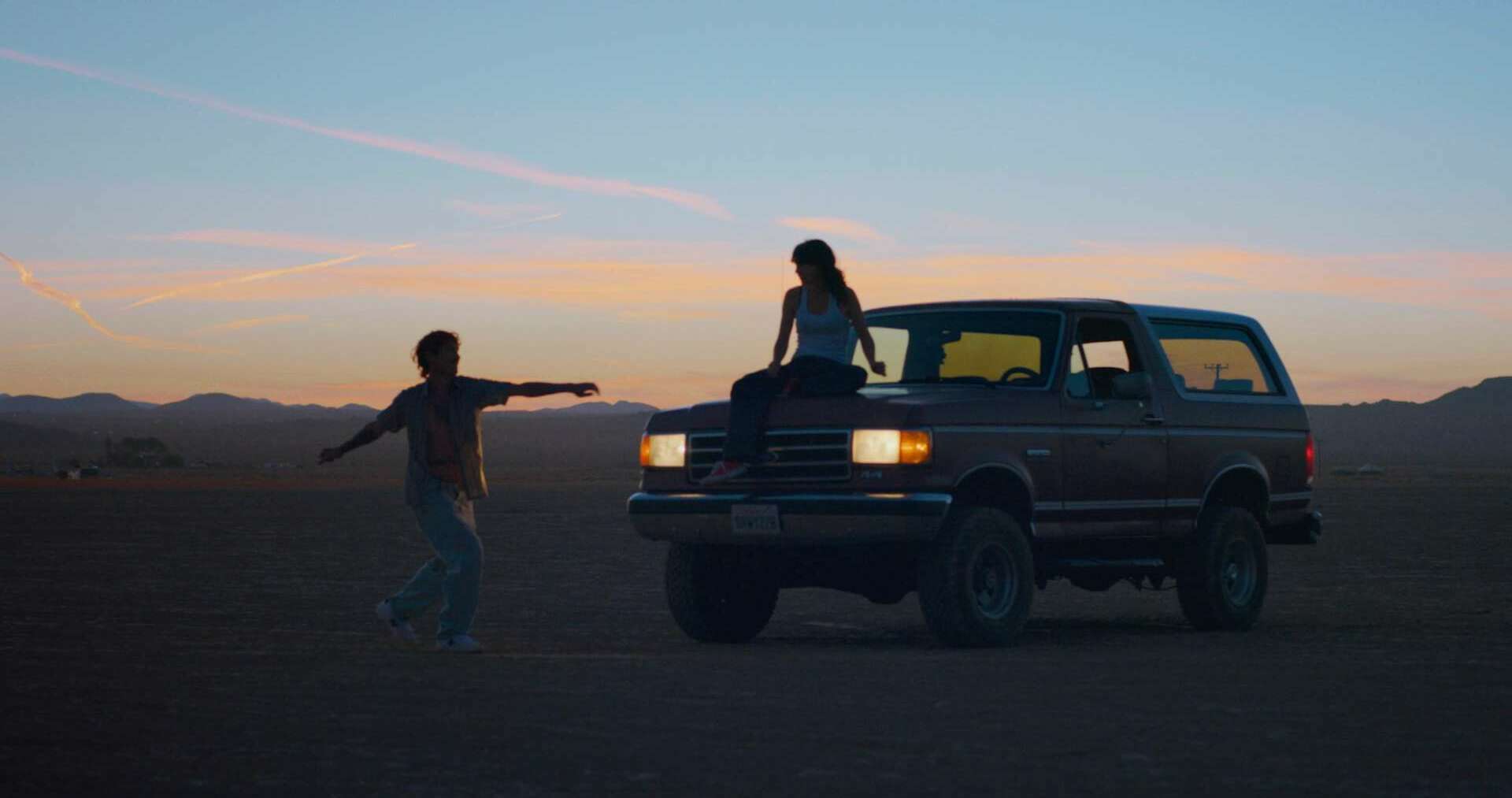
Most importantly, children need to be given the chance to explore their creativity. They should not feel blocked to take a path in whatever creative field gives them inspiration and excitement. I was fortunate enough to go to a public school that valued the arts and I think that has had a huge impact on me and where I am today. The arts seem to be the first thing that is cut from school budgets, but some kids are just not meant to take a more traditional career path, and that should be okay. Artist of all kinds offer too much to the world to diminish how important they are to society. Even with the advent of AI, I think the artist will become even more important. Artist have the ability to express openly/freely on issues and I believe that groundwork gets developed at younger ages. So in short, please keep the arts alive in schools and after school programs for anyone and everyone.
Is there a particular goal or mission driving your creative journey?
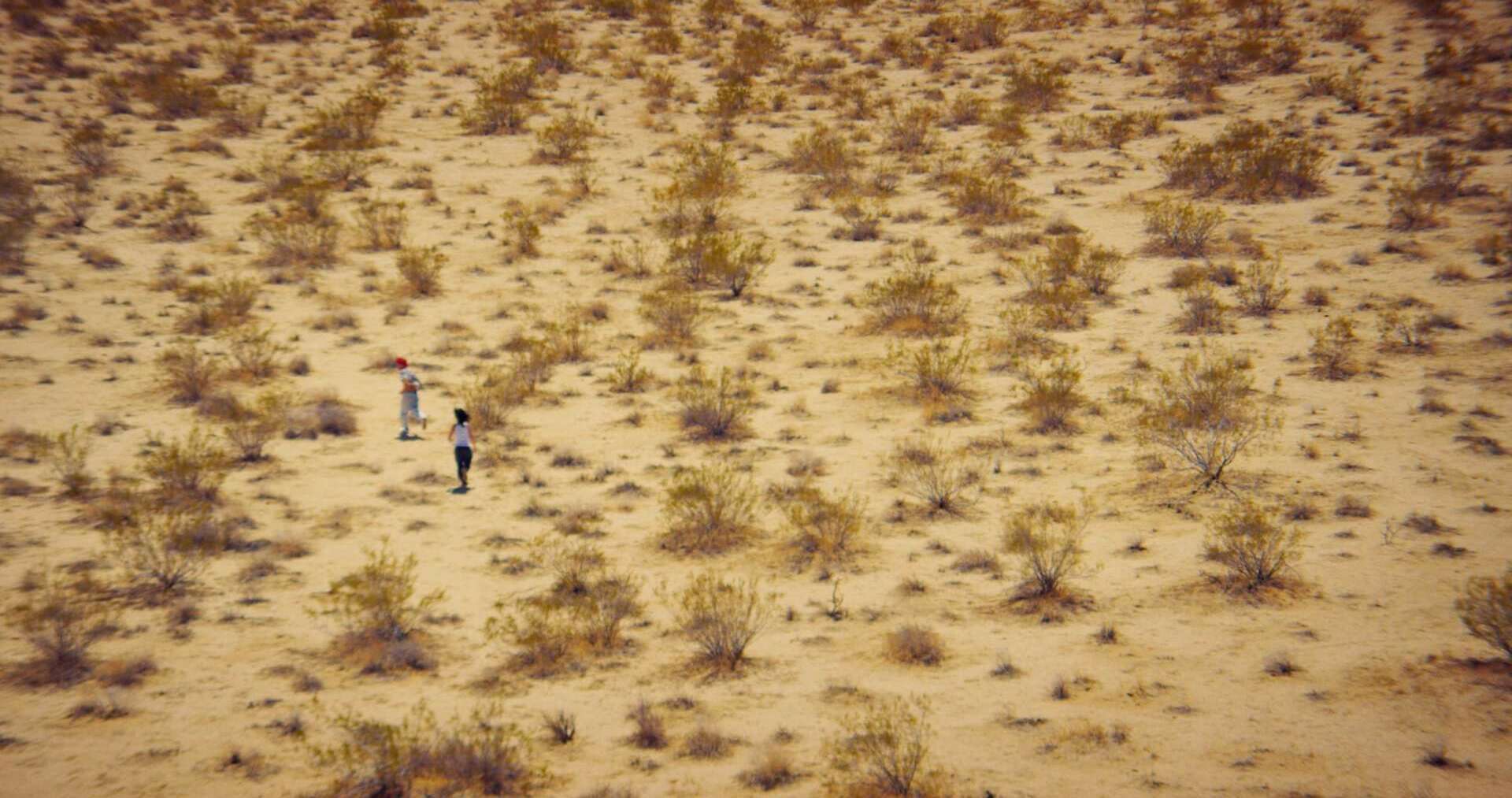
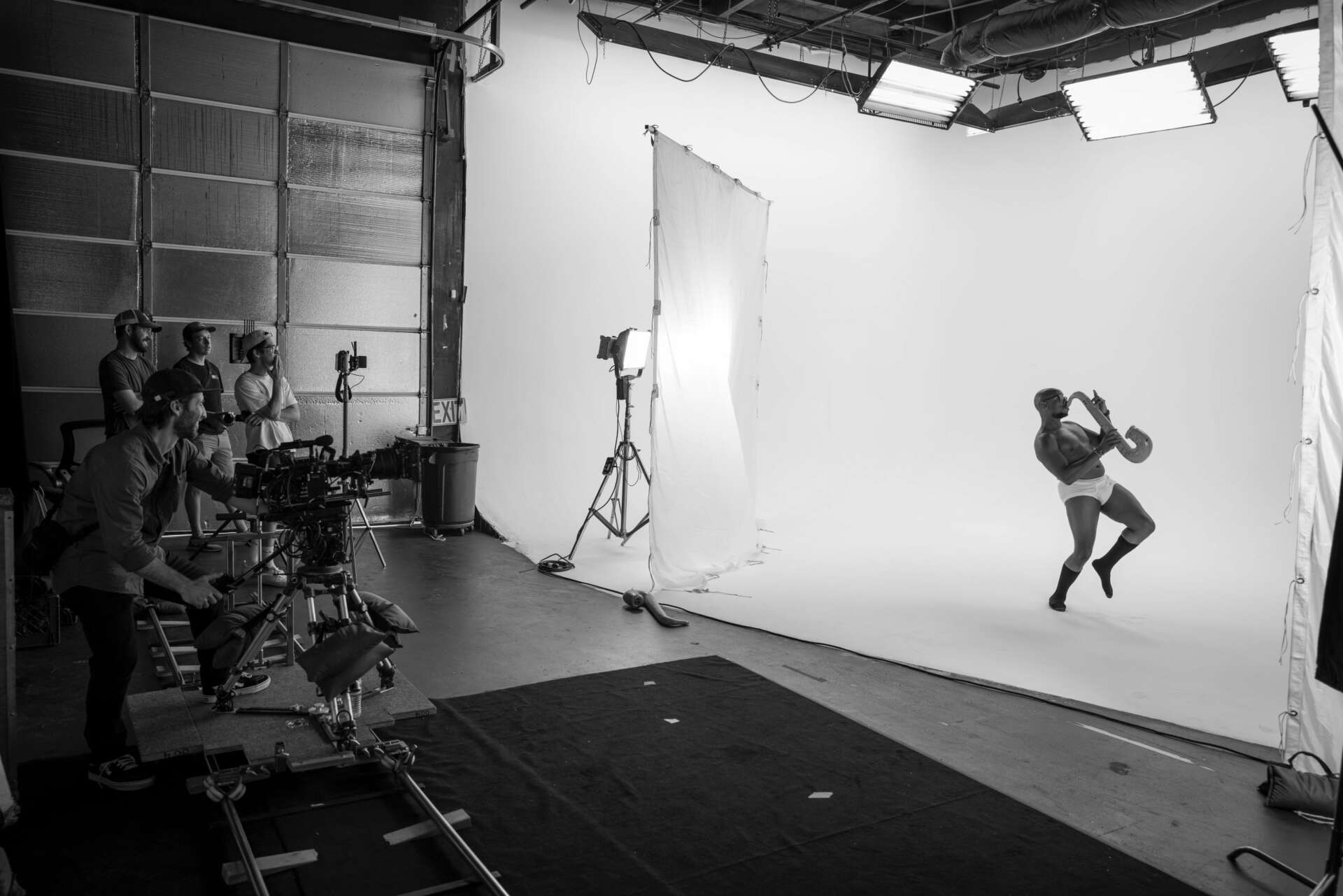
The end goal for me as a cinematographer is to be shooting narrative films. I love story more than anything else and the ideal place for me to produce visual stories is in the scripted narrative space. Up until this point, the bulk of my career has been short form (short films, commercials, music videos) and docs. I’ve loved every second of it, but the end goal is 100% to be shooting feature films. Even when I’m shooting stills on the streets of wherever I am, I’m always thinking about what the story is of that person, place, or object I am photographing. It’s something that is innate in me and that I find incredible fulfillment from. To be able to expand on that would be ideal for me and my career. If all things work out, I will hopefully be shooting my first feature at the end of the year. But until then, I will keep grinding.
Contact Info:
- Website: jasonadler.tv
- Instagram: @thejadler
- Other: https://vimeo.com/user4328137
Image Credits
Jason Adler, Chris Greer, Petter Jensen