

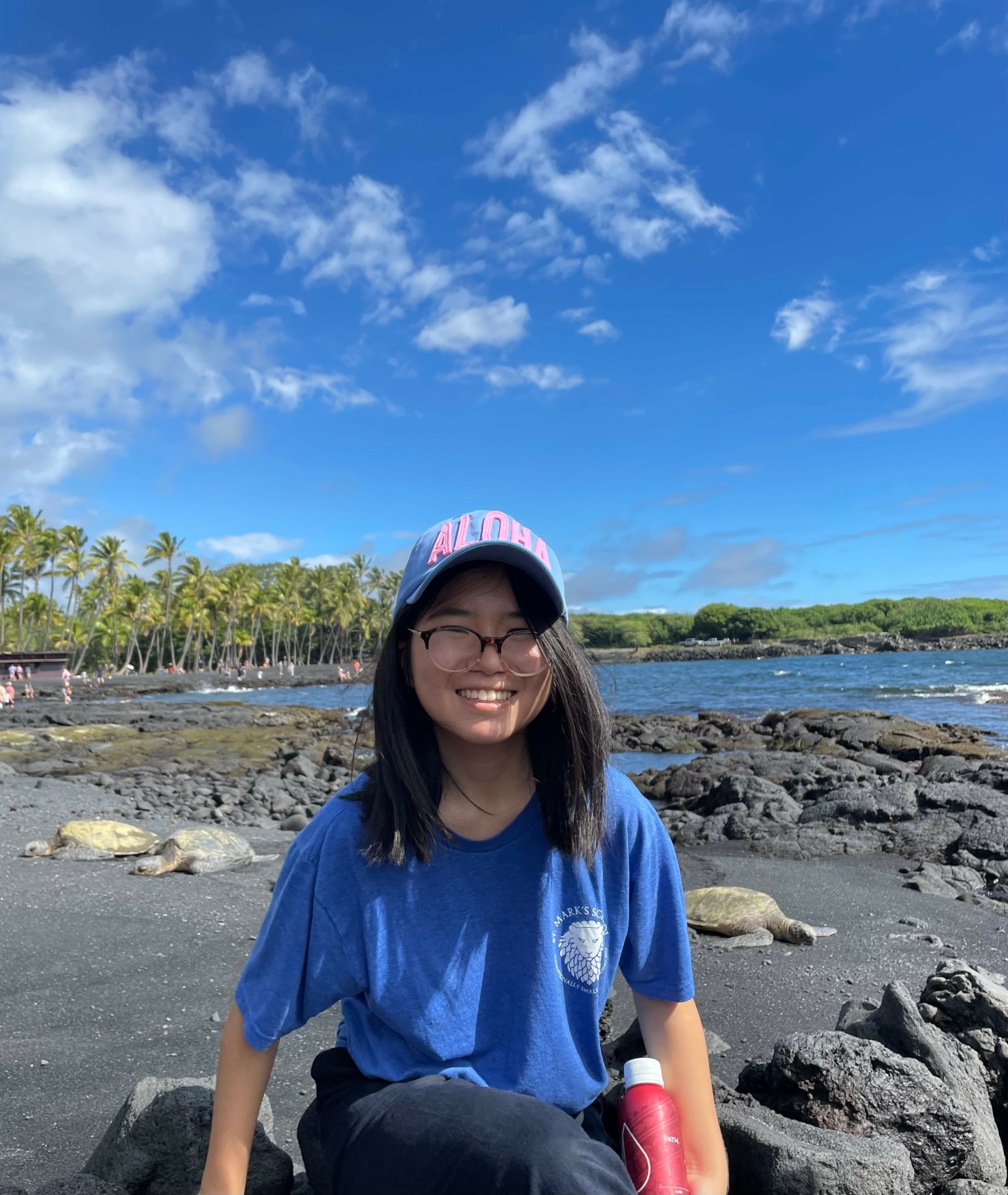

We caught up with the brilliant and insightful Jasmine Liu a few weeks ago and have shared our conversation below.
Jasmine, appreciate you joining us today. What’s the backstory behind how you came up with the idea for your business?
I came up with the idea to start NeuraHope after learning about the disparity in neural tube defect occurrence. I started learning about these congenital diseases the summer before my junior year at a program called Kode with Klossy. At the 2-week camp, my team and I had to use the computer science skills we learned to spread awareness of a rarely discussed issue. Thus, after brainstorming, the four of us started exploring birth defects, one of the leading causes of child mortality and found that neural tube defects (NTDs), one of the top 3 birth defects worldwide according to the World Health Organization, were rarely discussed despite its prevalence. Therefore, we focused on this defect for our final project where we conducted extensive research on the topic and created a website out of the information to raise awareness of comprehensive facts surrounding NTDs, risk factors, detrimental effects, preventative measures and more.
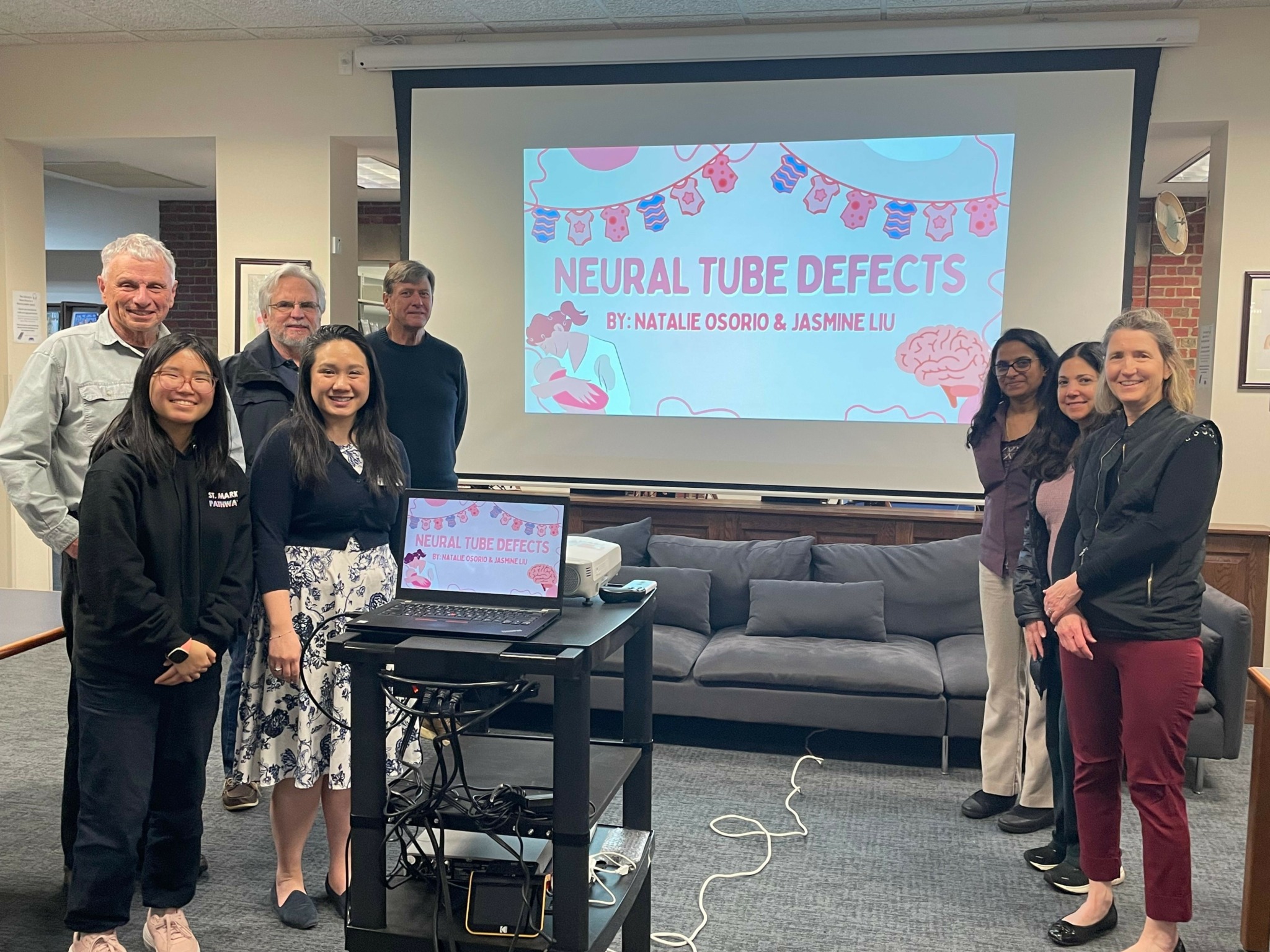
The lack of awareness around this issue was apparent to me after we presented our project to our peers during presentation day. Hence, after the program ended, I decided to continue this project further, and as a result, I founded NeuraHope, a fiscally-sponsored 501(c)(3) youth organization in order to raise awareness of birth defects, particularly neural tube defects. In the beginning, NeuraHope was simply a website and social media account to spread awareness. However, as I grew our team, came up with more ideas, and personally talked with many people who’ve personally experienced these birth defects, we began to host in-person community presentations, fundraising campaigns, workshops/webinars, interviews, podcast episodes, health conferences, and more!
Jasmine, before we move on to more of these sorts of questions, can you take some time to bring our readers up to speed on you and what you do?
Hello, my name is Jasmine Liu! I am a rising senior at St. Mark’s School in Southborough, Massachusetts. I am passionate about promoting health and education equity while bringing my community together through service. I have engaged in each of my interests through my various extracurricular opportunities such as my experience with the violin and piano and my engagement in leadership fellowships and programs like Civics Unplugged. I have also engaged in and led clubs at my school as well. One of my biggest accomplishments has been bringing global awareness to congenital diseases, especially neural tube defects (one of the top 3 most prevalent birth defects worldwide), through my initiative, NeuraHope. Currently, I am fundraising for medical care for families in underdeveloped countries in my mission to push for health equity for children, especially those afflicted by birth defects. My biggest strengths are my strong work ethic, open minded attitude, and my willingness to take action! I hope to expand my knowledge in public policy, especially economic policies, as well as healthcare reforms.
We’d love to hear a story of resilience from your journey.
Of course! Here is a story that highlights NeuraHope’s first fundraising event:
At my school, I am the president of our music club. In the beginning of junior year, I organized biweekly volunteer concerts at local hospitals with my schoolmates. Our performances of jazz, pop, and classical music filled each hospital room we visited, drawing out smiles from patients who seemed to momentarily forget their worries. After one show at a maternity center, a staff member remarked how our music truly boosted their morale. They had recently been running low on supplies for their patients.
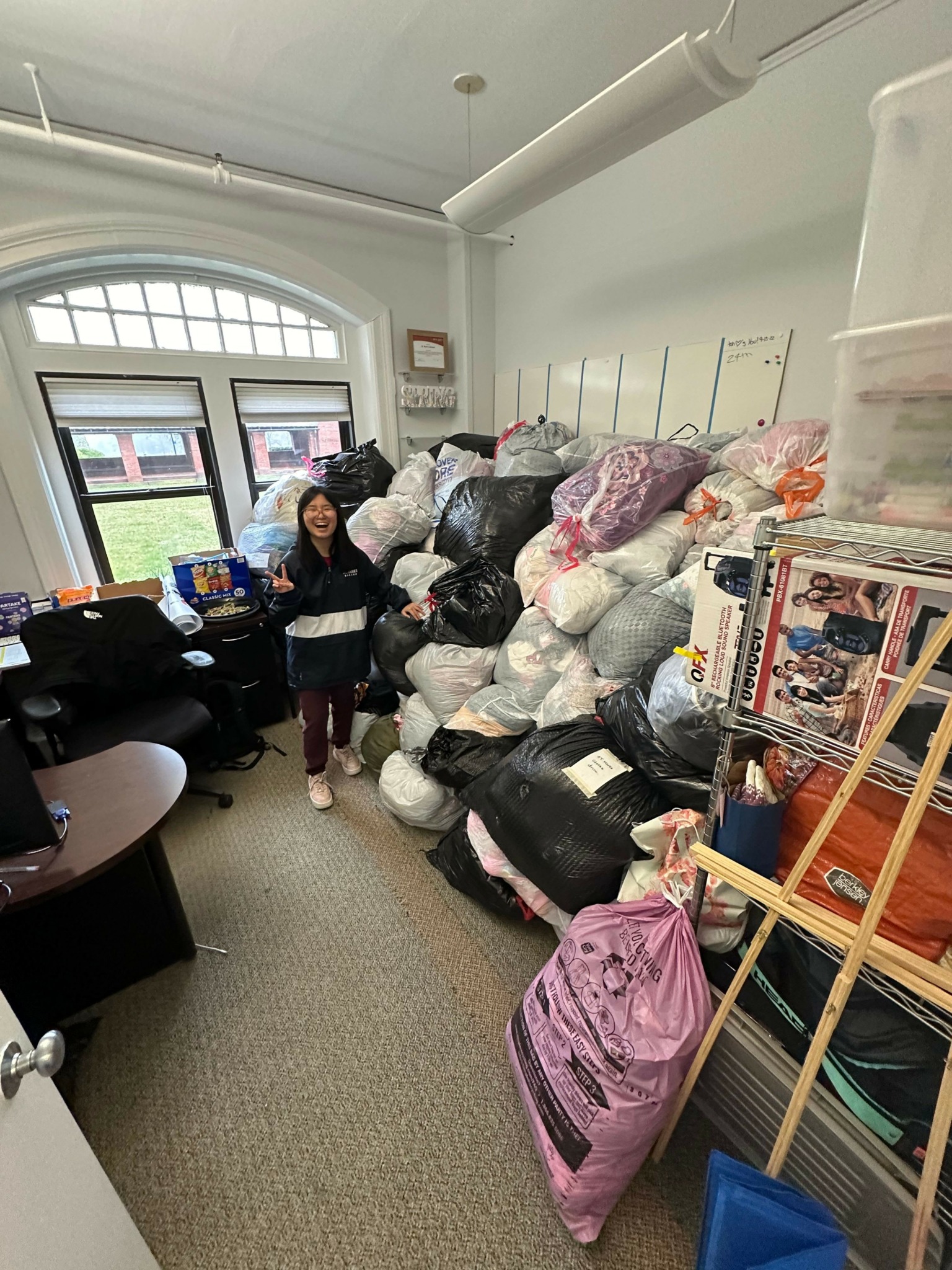
However, the conversation weighed heavily on my mind, and I couldn’t turn away from the issue. After midterm exams, I reached out to the hospital and hopped on a 30-minute call with the staff to discuss how I could help them fundraise. Using my voice, I pitched the idea of a clothing drive fundraiser to my school, as this would be a sustainable and impactful way to raise funds. However, my school was very small, with a student body of less than 380 students. Donations from my school would be nowhere near sufficient to reach my fundraising goal, so I established partnerships with numerous local businesses to promote the fundraiser and host donation bins. Additionally, I spent my spring break going door-to-door for donations and presented to local communities to garner support for my cause.
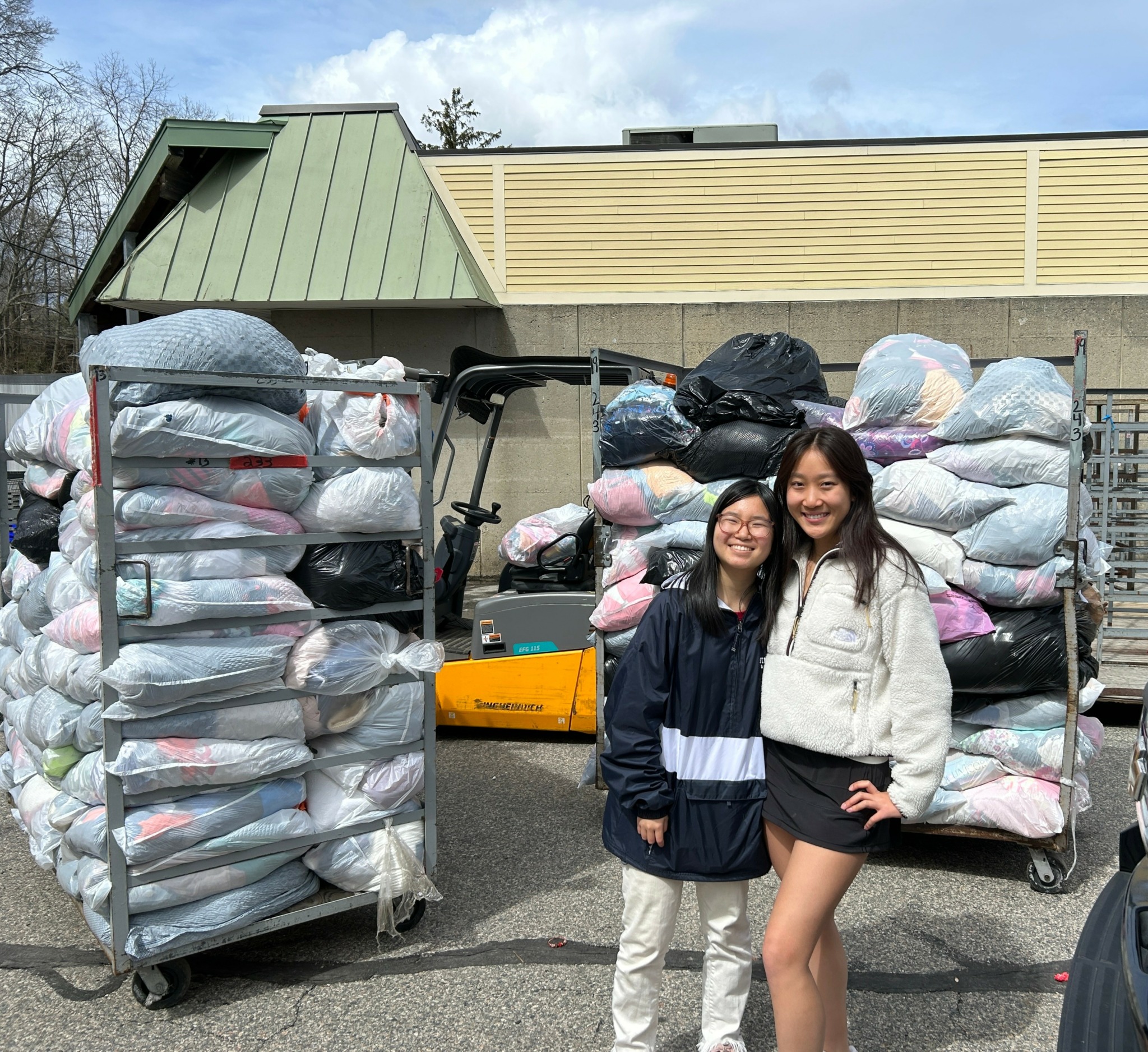
However, two weeks in, my mind clouded with concerns to encourage donations, motivate teammates, and manage storage logistics. We had only reached a fourth of our goal despite being halfway through the campaign duration. Balancing detailed planning and persistent outreach was extremely demanding on top of my academic classes and other extracurricular commitments, but daily violin practice sessions and walks outside helped clear my mind. Weekly team meetings kept our fundraising team coordinated, and together, we raised over ten thousand clothing items for the fundraiser, funding hundreds of medical supplies for the maternity center and showing me that even a small community could drive meaningful change.
How do you keep your team’s morale high?
One of the biggest difficulties about starting an organization as a student is the amount of time you need to dedicate to the initiative to run it successfully on top of your regular academic commitments. Thus, make sure to delegate roles to trustworthy and dedicated people, whether that be through an application process or recruiting members from your trusted network. Depending on the size of your team, you may need to divide your team into departments.
My first piece of advice for managing a team is to establish CONSISTENT meetings, whether that be daily, weekly, biweekly, or monthly. This form of synchronous communication will keep your team accountable and help you establish a personal connection with your team as well. That way, they feel both obligated and personally motivated to contribute to your cause. Secondly, make sure to establish CLEAR deadlines and have CONSISTENT communication around these deadlines (sending out reminder announcements and using an application to organize these deadlines, whether through Asana, Google Classroom, etc.). Constant reminders are important to ensure these tasks get done while making certain your teammates actually know to do the task. Make sure your team knows the consequences of not meeting these deadlines (getting a strike, being demoted, receiving less benefits, etc.) but be considerate of potential emergencies and requests for extensions when necessary.
As for team morale, make sure to set up clear incentives for your team’s efforts, whether that be earning awards like ‘member of the month,’ earning volunteer hours, getting paid, or getting a promotion. Secondly, illustrate your team’s impact on your community and celebrate their accomplishments!
For me, as a youth organization, I love personally interacting with my team members because they are all my friends as well! While we are productive during our weekly meetings, we also aren’t afraid to talk about our different lives and experiences with each other. Thus, we are able to establish a healthy bond within our team and enjoy working together.
However, I understand work camaraderie may apply differently in different settings, as some businesses may have stricter work life boundaries.
Contact Info:
- Website: https://www.neurahope.org
- Instagram: https://www.instagram.com/neura.hope/
- Linkedin: https://www.linkedin.com/company/neurahope/
- Youtube: https://www.youtube.com/channel/UChgU__osfvM6F9DjRnfSYVg
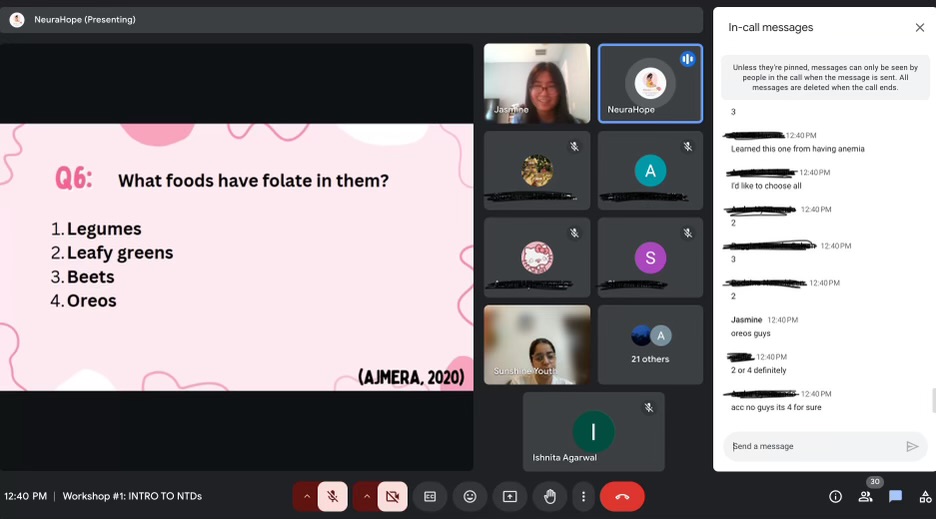
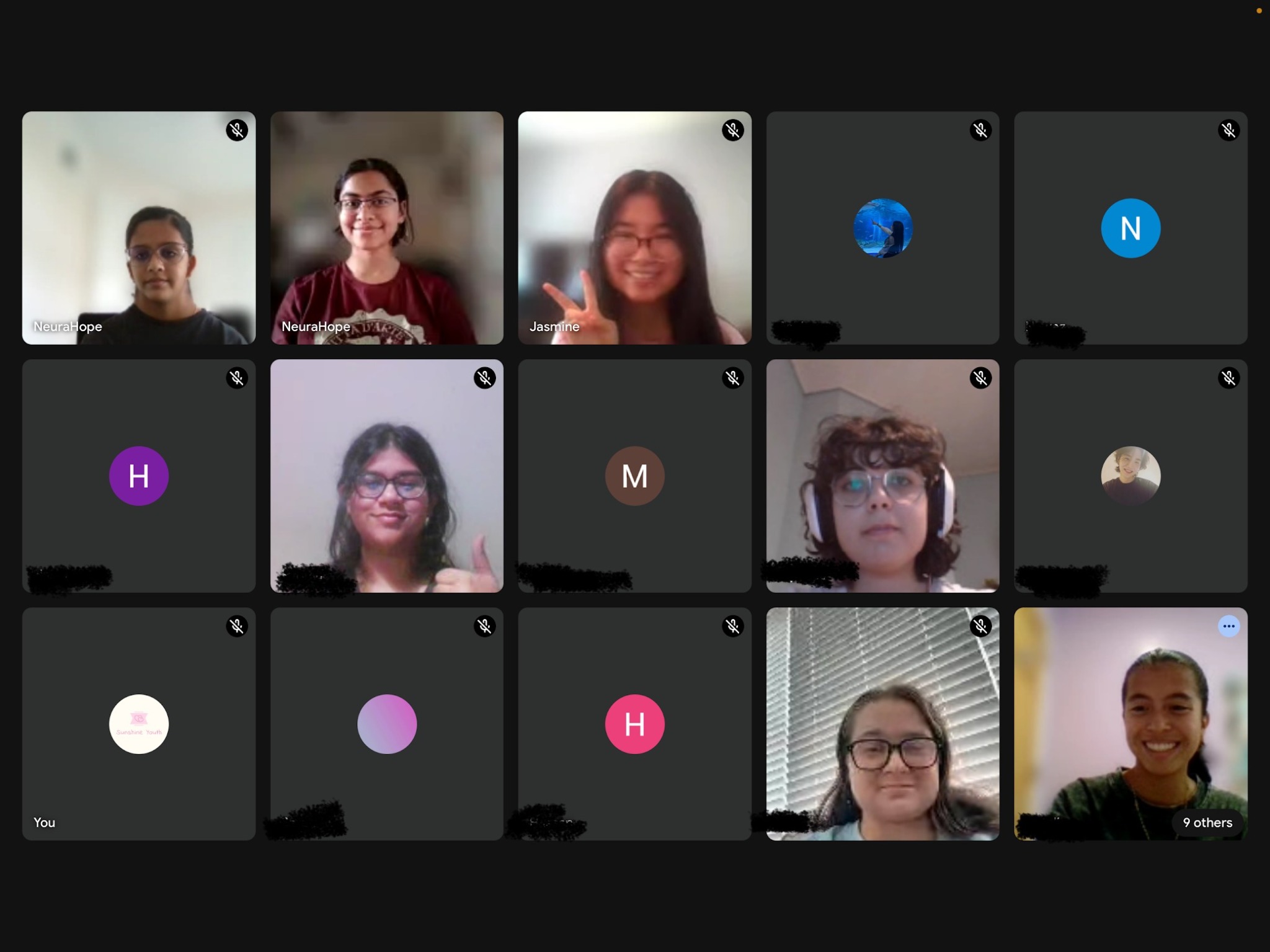
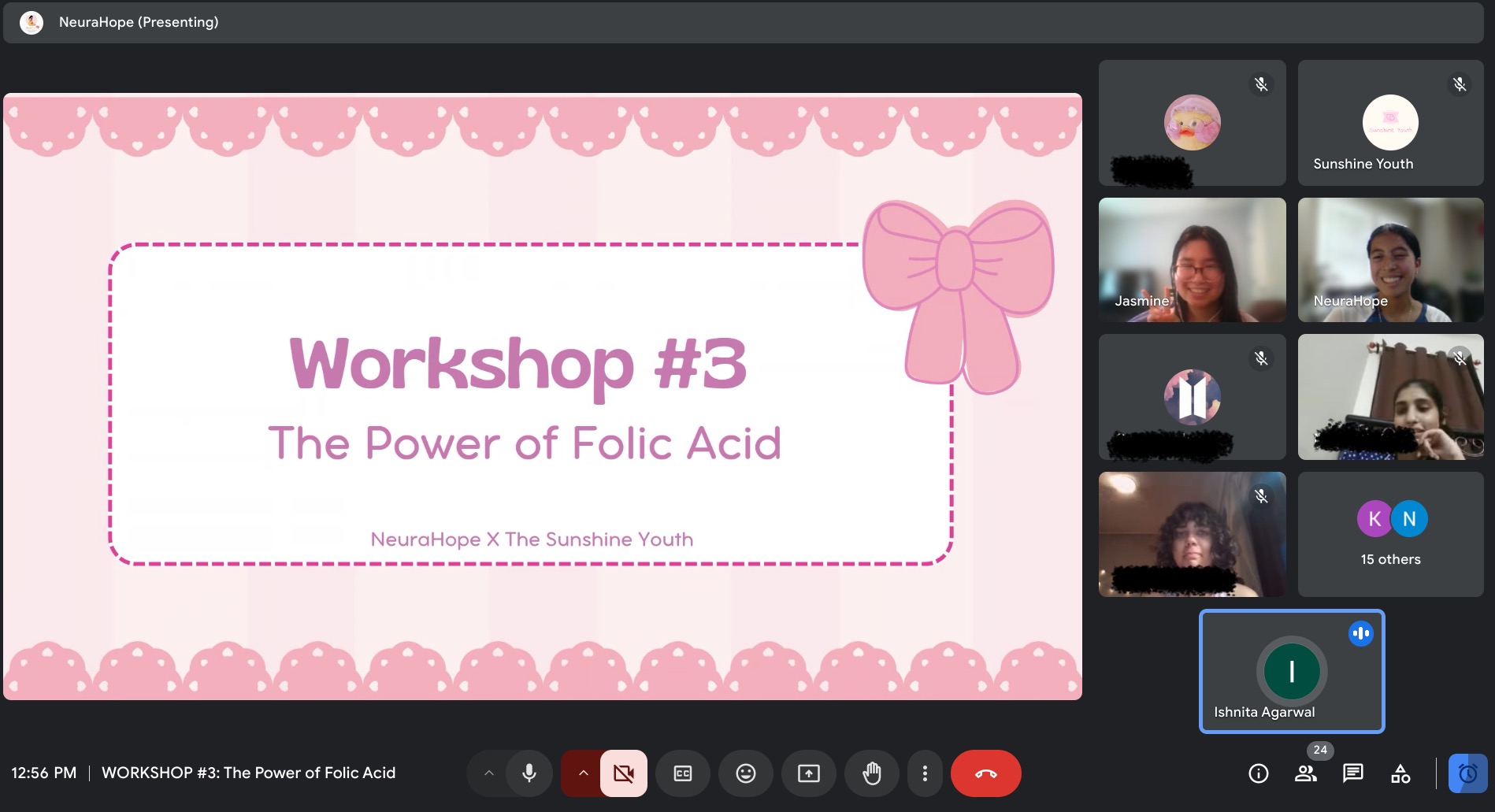
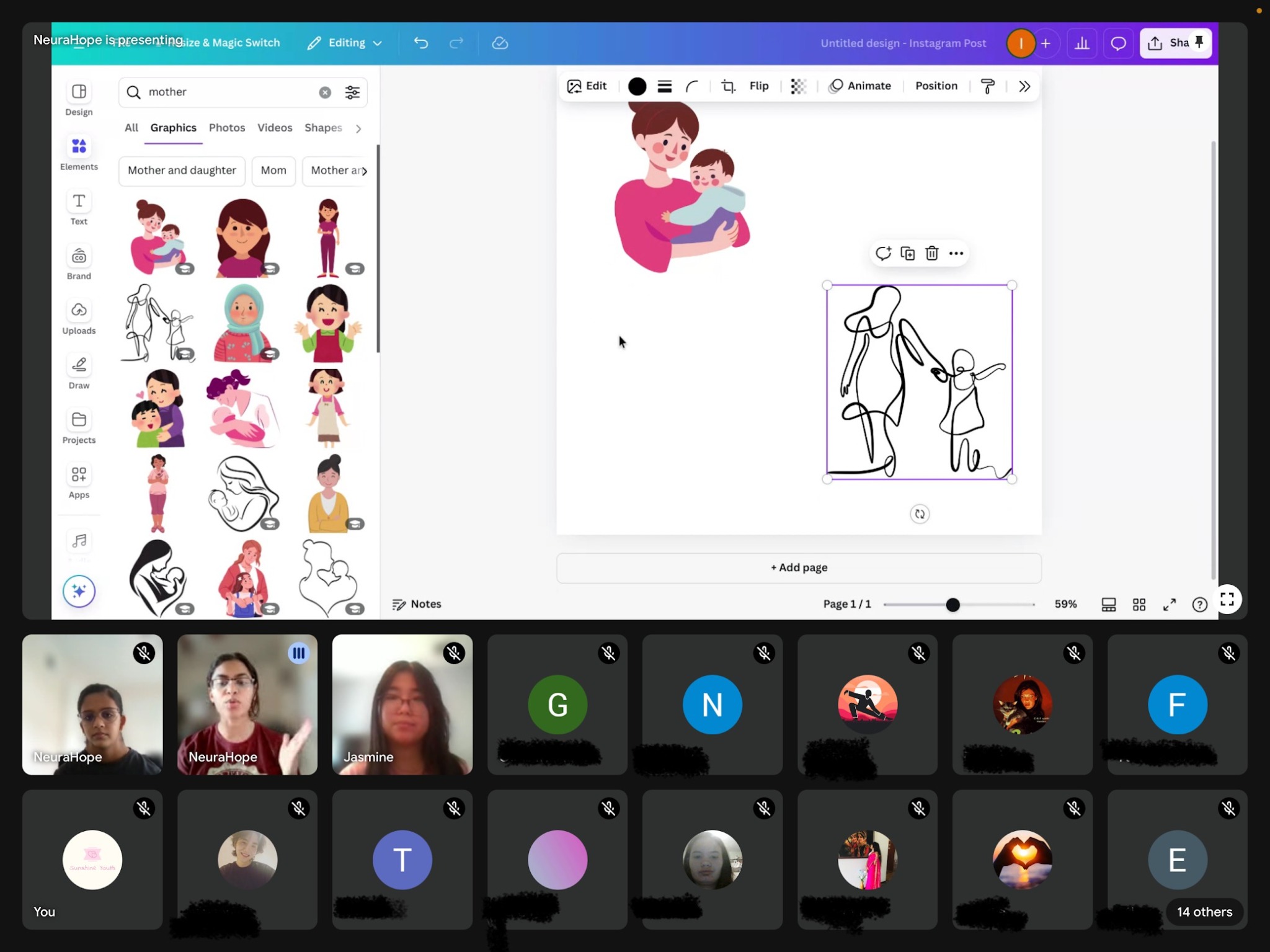
Image Credits
Ishnita Agarwal (NeuraHope Marketing Director)