



We recently connected with Jared Kaplan and have shared our conversation below.
Alright, Jared thanks for taking the time to share your stories and insights with us today. Coming up with the idea is so exciting, but then comes the hard part – executing. Too often the media ignores the execution part and goes from idea to success, skipping over the nitty, gritty details of executing in the early days. We think that’s a disservice both to the entrepreneurs who built something amazing as well as the public who isn’t getting a realistic picture of what it takes to succeed. So, we’d really appreciate if you could open up about your execution story – how did you go from idea to execution?
I started Arrive to make lemonade out of the lemons I’d experienced as a passionate pilates and personal trainer. Thanks to some truly negative experiences at places where businesses were not well run, such as money grabs, insurance fraud, and atmospheres where the privacy of my clients was disrespected, I knew we could do better.
There are two key memories for how we built a next-level wellness space for rent to support independent trainers:
First, I stumbled upon the book “Cradle to Cradle: Remaking the Way We Make Things,” and was inspired to apply sound design principles to both a space for wellness AND the business models used by independent trainers/practitioners. Honestly, I sat on the idea for a couple of years until a friend and client, hearing me prattle on yet again, asked me point-blank, “What are you waiting for?” I had to do the inner work to confront my fear of falling flat on my face, the meaning of failure, and what was really at stake emotionally, financially, and reputationally. Once I worked through that, the second step was to plot out logistics and write down a solid plan.
So, I got clear about the numbers required to make this idea work on the back of a napkin at Cafe Grumpy on 20th street while in between client sessions and walking my dog. Nothing like a little math-as-cold-shower! Numbers in tow, I was then able to prioritize which spaces I could afford, what contingency I needed as we ramped up to opening, securing client agreements, and ensuring we had the right combination of cash flow and capitalization.
Given that my private training business – and some of our key initial trainers/practitioners – was already up and running, most of our launch came down to items related to space design and renovations: landlord negotiations, the build-out itself, outfitting the new space with equipment/props, and of course, marketing/sales.
Though it took me 5 years to get over my fears to take the actual risk, the build-out – despite some hiccups -took only 2-3months! Certainly, some lessons in inertia and momentum are in there.

Awesome – so before we get into the rest of our questions, can you briefly introduce yourself to our readers.
I founded Arrive with a brighter vision for gyms and studios. A native New York City boy with a country heart, I spent my post-college years (Wesleyan University, BA in Dance) as a dancer in San Francisco and New York, performing on those cities’ most prestigious stages.
Along the way, I recognized how design alters physical performance, people, and perception. Pilates and Personal Training came naturally as vehicles to practice the profound physical transformations and healing I’d experienced while training and recovering from my own injuries.
The problem? The personal training spaces for rent or pilates studio rentals I’d worked in to train my clients were anything but conducive to health, whether because of stifling corporate policies or poorly integrated interiors cluttered with machines and disorganization. Maintaining a professional brand is even harder when you’re chasing down invoices, stressing over bills, or working with an owner who doesn’t reflect your level of professionalism.
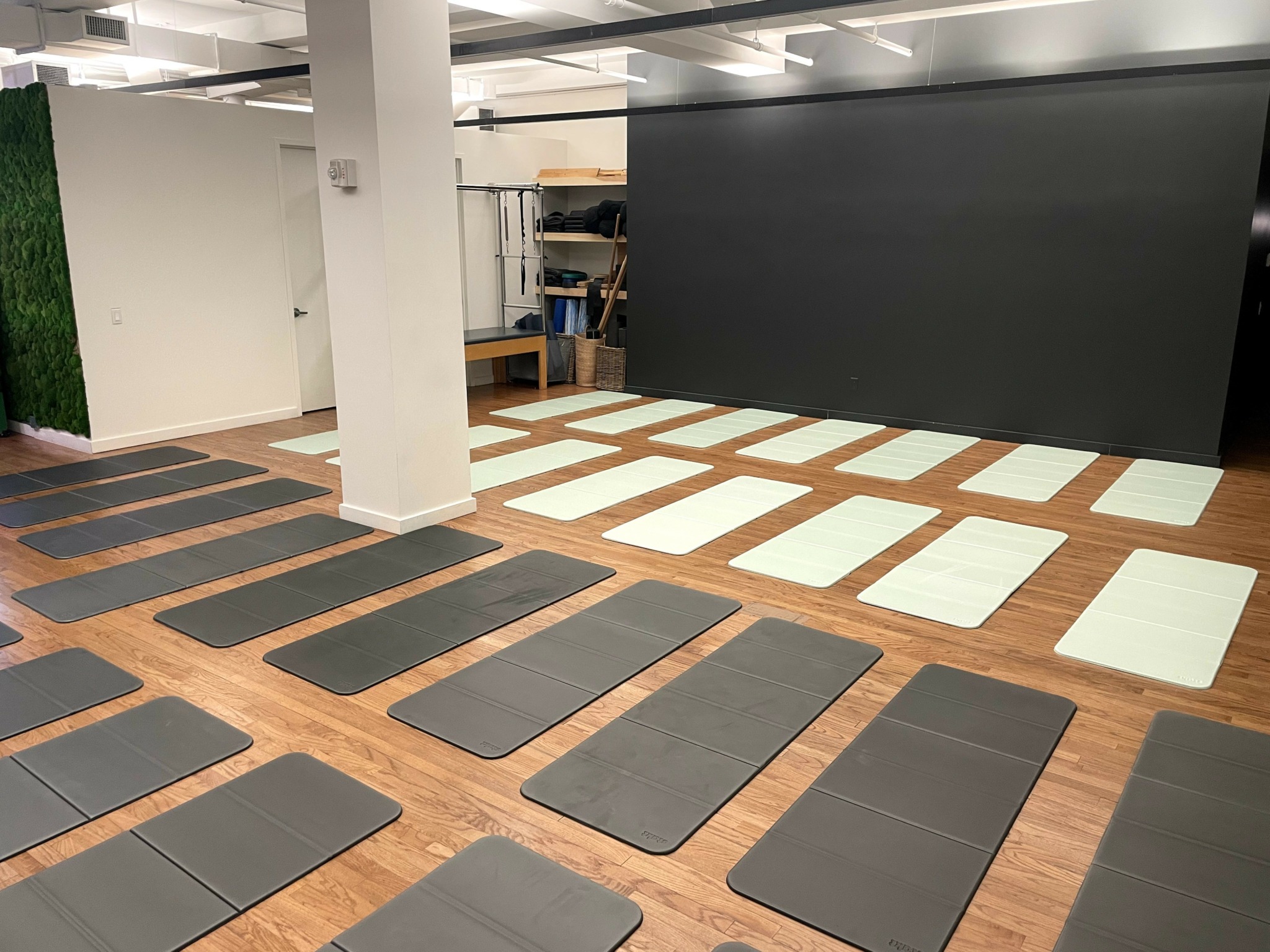
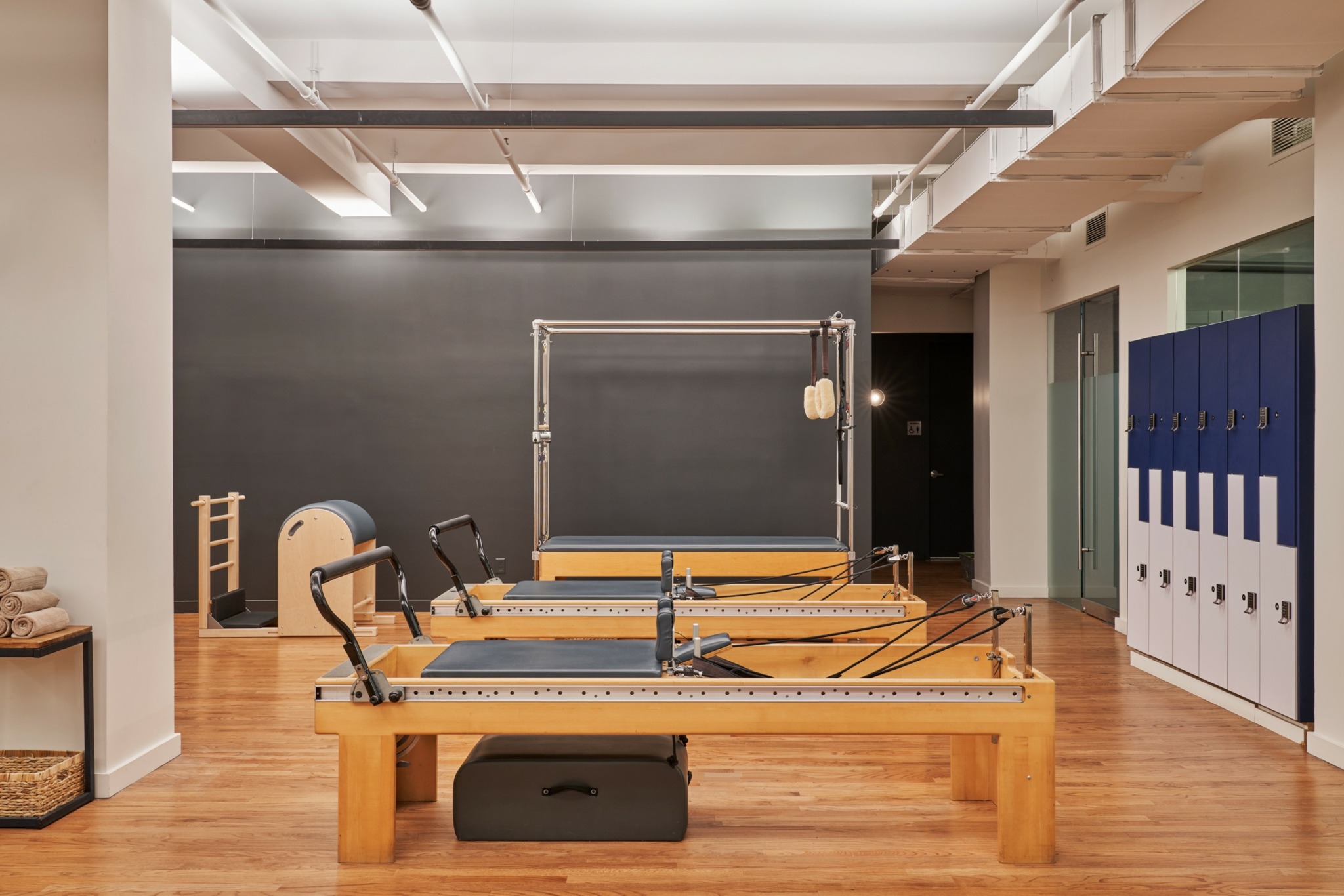
I wanted a wellness space designed to be trainer-centric, where thoughtful attention to details would enable trainers/practitioners to do their best work with clients they love. The ripple effect would permeate not just your body, but also your environment, community, and city.
As a healthy space for a healthy body, the studio would put client relationships first. As an enticing workspace for passionate professionals, a strong community could grow around it. That’s how Arrive was born.
We’re different than most fitness spaces in NYC in that we’re a) multidisciplinary, b) designed exclusively as a rental facility for private sessions and small group classes/events, and c) we have a built-in incubator to help entrepreneurs grow and crush their goals.
I’m most proud of the positive impact we’ve had on hundreds of professionals to stress less in their work-life, to boost the impact of their sessions, and that we’ve survived not only the pandemic but also the myriad challenges of building a successful small business in NYC!
Can you open up about a time when you had a really close call with the business?
Oh my god yes. In the early days there were moments, due to an unfortunate business partnership, where we were financially strapped. Despite solid numbers on paper, sometimes people don’t deliver what they say they’re going to. So, my calculations didn’t materialize and I found myself having to charge my personal client packages to the company’s account in order to make rent! We needed money, and my clients were the only reliable source of it. In hindsight, putting my personal financial position at risk may not have been the smartest move, but when you’re scrappy and determined you do what’s necessary to make your dreams come true.
Learning and unlearning are both critical parts of growth – can you share a story of a time when you had to unlearn a lesson?
Especially in the fitness + wellness industry, I had to unlearn the notion that the business was tied to ME. My own persona, personality, or client relationships had helped me get to opening a studio, but there came a stage where I neede to move on from that approach.
As a trainer we tend to think of ourselves *as* the brand itself. I’d built up years of expertise, invested $$$ in continuing education to develop my craft, and enjoyed a remarkable client list including celebrities and highly successful New Yorkers, which over time felt like a reflection of not only my reputation but the potential of the business.
But the reality was that my private training business didn’t matter a lick to anyone but me and my private clients. As a designed space and business incubator, the trainers/practitioners whose problems we’re designed to solve needed me to pay attention to THEM – not my own private clients or craft. I couldn’t rely on the reputation capital I’d built previously if I really wanted to deliver for folks for whom we built the business. Ironically, having been good at being a trainer meant I had to let most of that go to address the problems of younger trainers. I had to stop training and be available to run the business side of things as CEO, general manager, coach, etc, if I wanted to grow the business in a meaningful way.
Contact Info:
- Website: https://www.arrivewellness.com
- Instagram: https://www.instagram.com/jarednkaplan/
- Linkedin: https://www.linkedin.com/in/jared-kaplan-58230711/
- Other: https://www.instagram.com/arrive.wellness/



Image Credits
Seth Caplan