

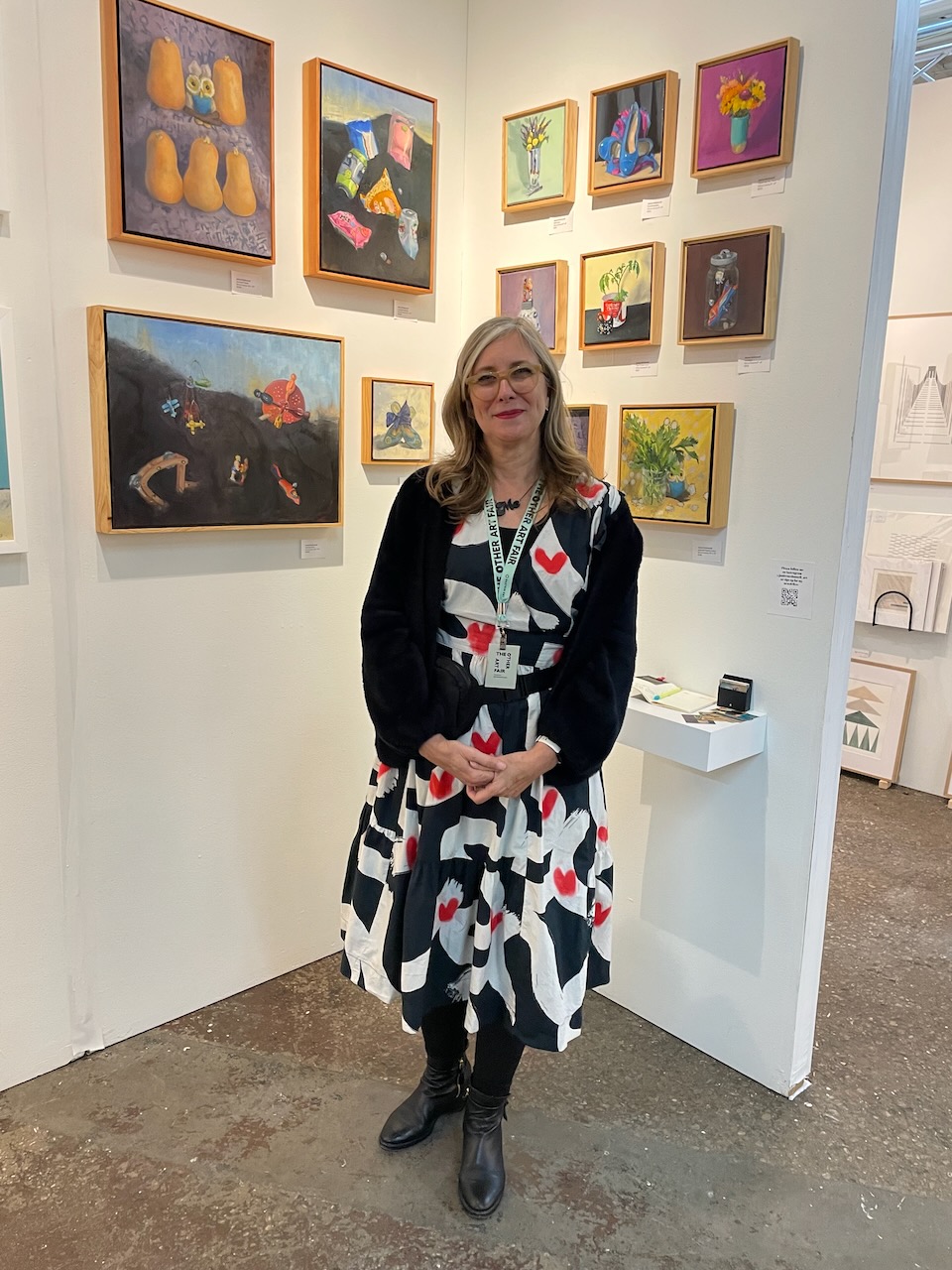

Alright – so today we’ve got the honor of introducing you to Janice McDonnell. We think you’ll enjoy our conversation, we’ve shared it below.
Alright, Janice thanks for taking the time to share your stories and insights with us today. Are you happier as a creative? Do you sometimes think about what it would be like to just have a regular job? Can you talk to us about how you think through these emotions?
I’m happier as a mostly full-time artist. I’ve always had an art practice, but for many years, I lived a double life—working in a creative graphic design job while pursuing my art in tandem. There were some benefits to having a steady job: financial security, being able to afford a studio space, and even taking vacations. But that job eventually ended.
While it’s been a bit tougher without that reliable income, I now have the freedom to fully devote my time to being an artist. I’m more proud of the work I’m creating now. It’s more thoughtful, with more time and care put into it. As a painter, there’s no substitute for the hours you need to put into improving your skill and having the time to experiment, edit, and question consistently makes a big difference.
Great, appreciate you sharing that with us. Before we ask you to share more of your insights, can you take a moment to introduce yourself and how you got to where you are today to our readers.
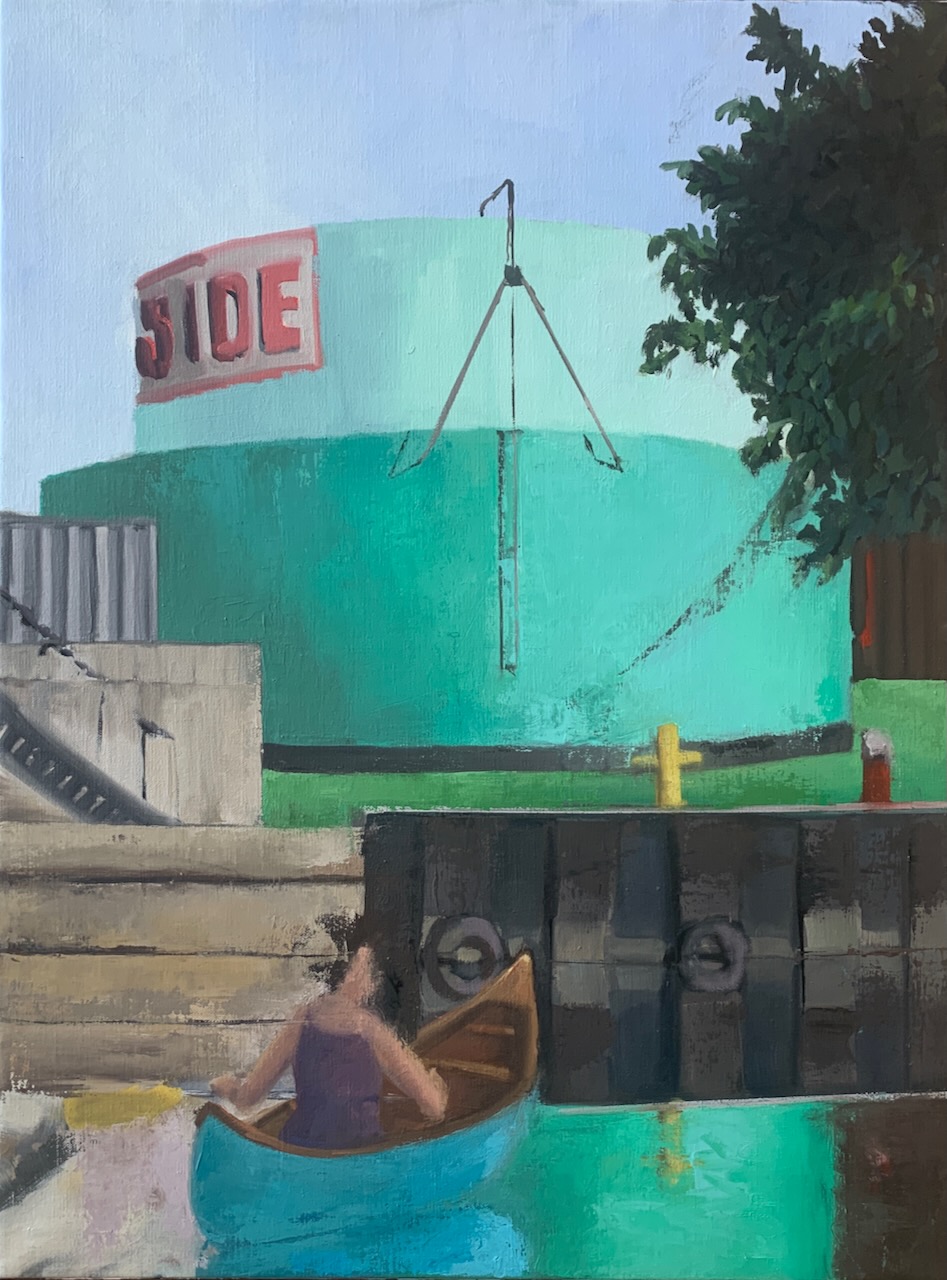
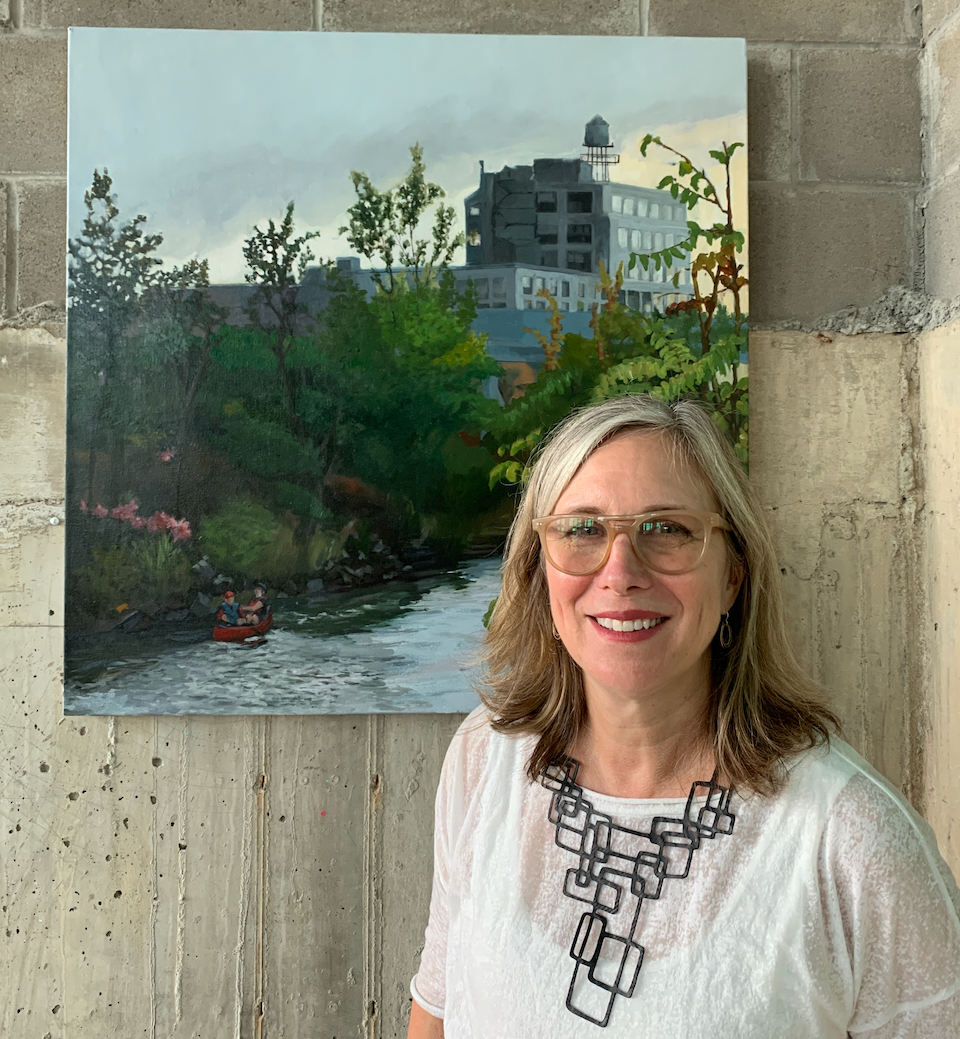
I’m a painter and visual artist based in Brooklyn, New York. My work draws inspiration from the everyday—observing and capturing the places, people, and objects that are the rhythms of my life. The urban landscape around my studio, located in an industrial neighborhood, has had a strong influence on my earlier pieces, where I focused on the contrasts between human-made structures and natural elements. I’m fascinated by the tension between what is built and what is neglected, finding moments of beauty in unlikely places.
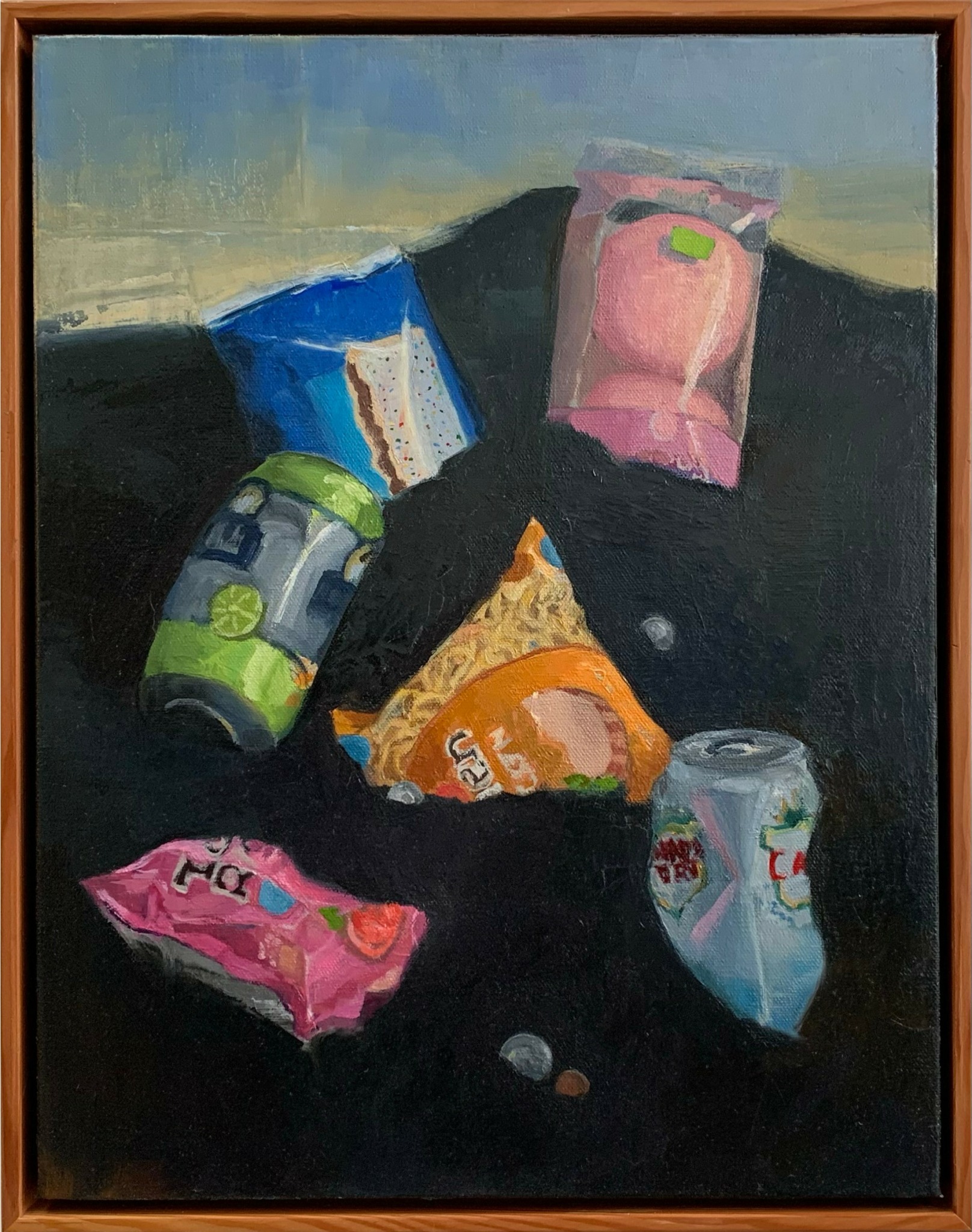
During the pandemic, I shifted my focus inward, painting still lifes. I created a project for myself entitled “52 Paintings” in which I painted a small oil painting of objects found in my studio or apartment every week for 52 weeks and posted on social media. It was a reminder to see and appreciate what we have and a connection to a network of people feeling similarly isolated.
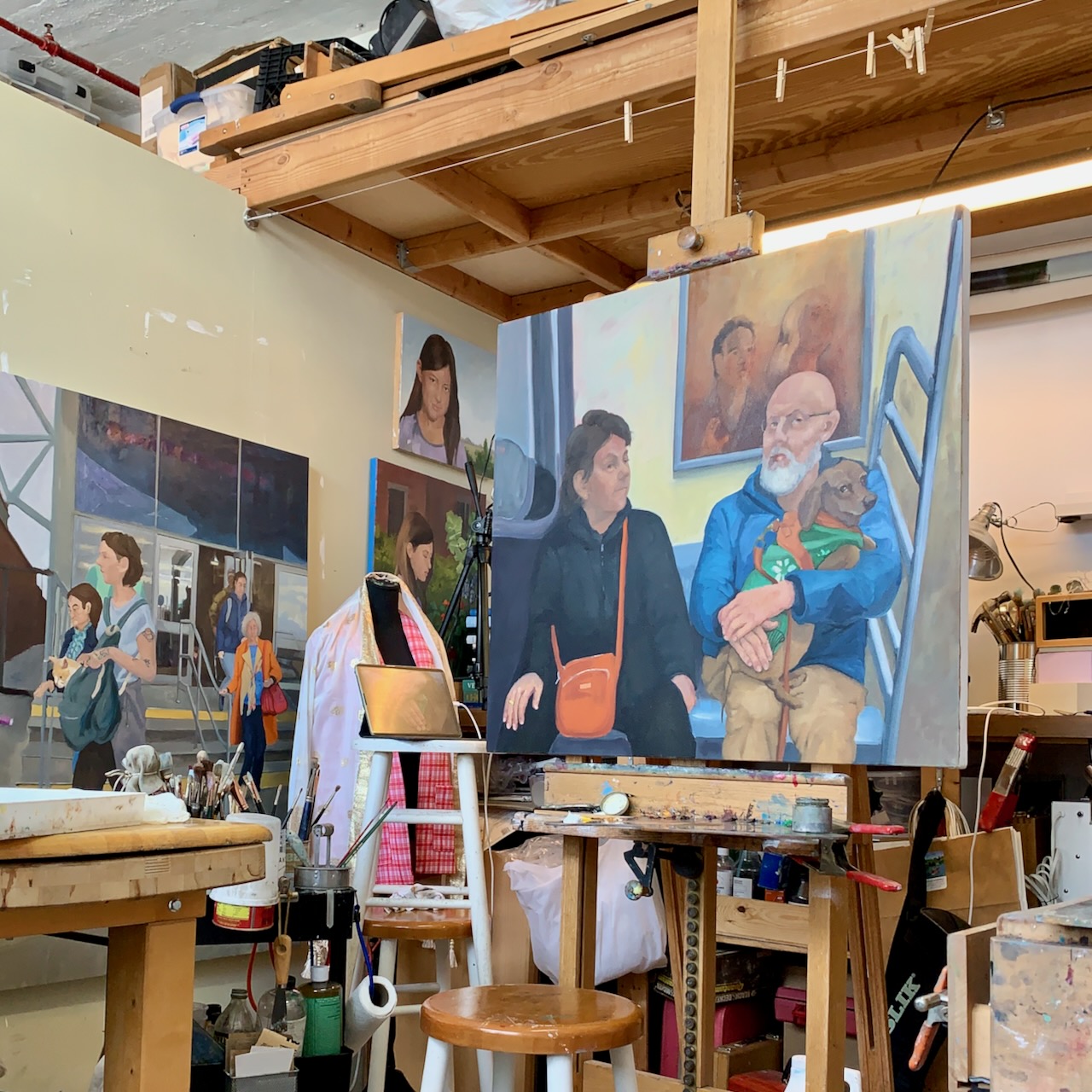
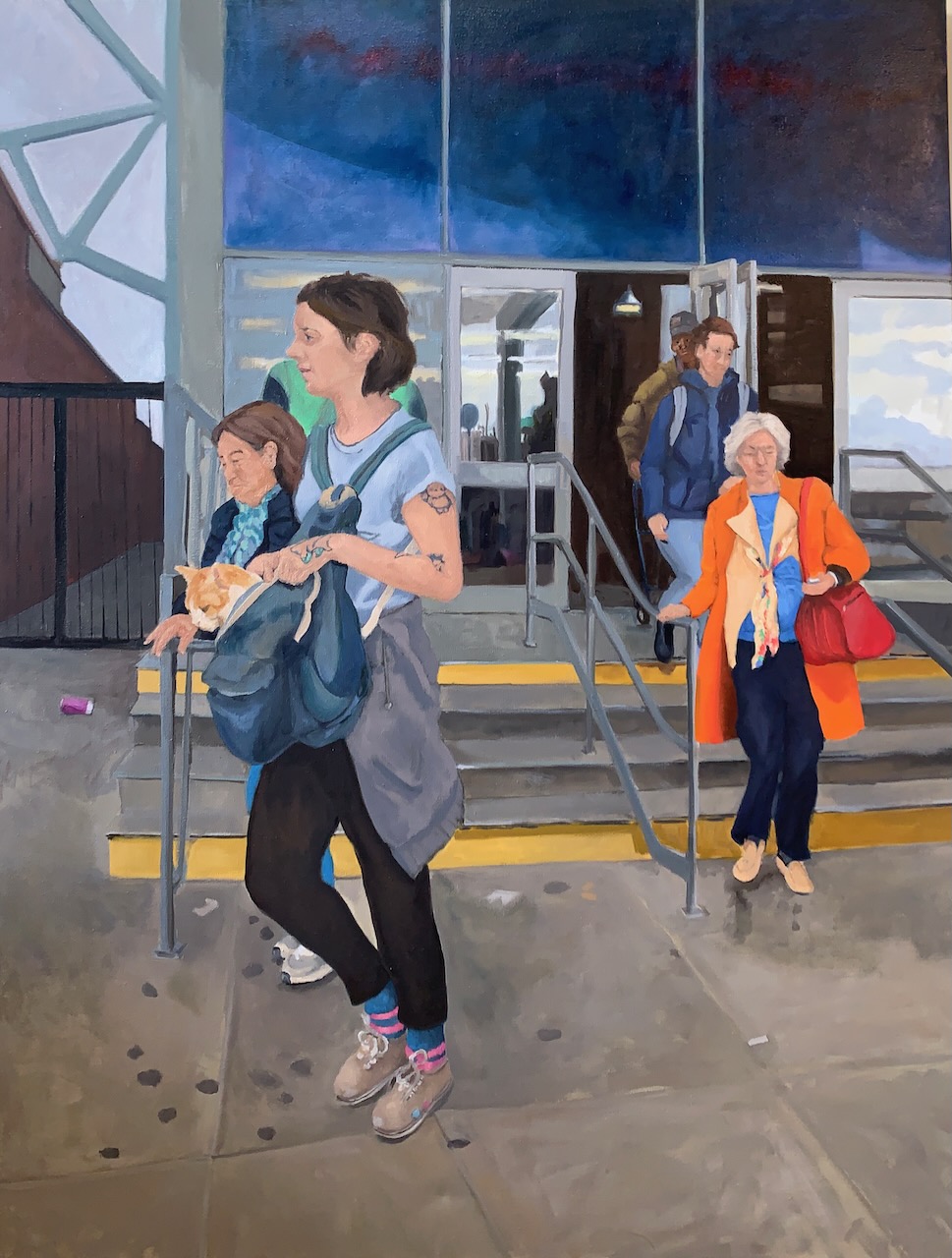
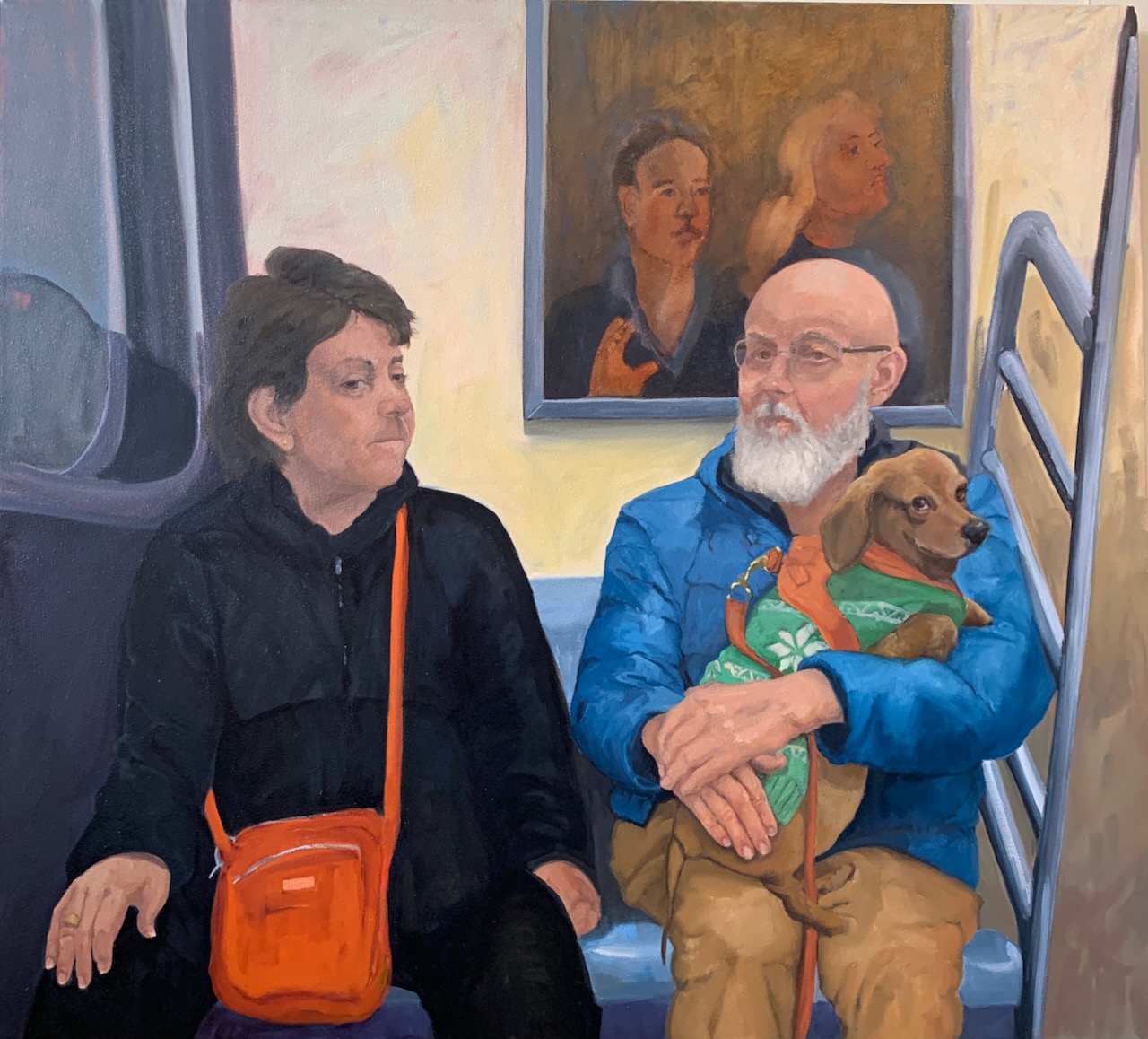
More recently, my work has turned back to observing people—particularly in urban environments, where you can see so much about someone by the way they navigate public spaces. One thing I find especially interesting is how many people travel with animals, whether it’s dogs on subways, cats in bags, or even more unusual companions. The relationships people have with their pets and the way they interact with them while in motion through the city have become a recurring theme in my recent series.
My paintings vary in size, ranging from smaller pieces at 8 inches to larger works up to 52 inches. I typically work in series, which helps me explore and make sense of different aspects of the world around me. While my work isn’t overtly message-driven, there’s often a subtle underlying theme. I aim to bring out beauty in moments, faces, and places that might otherwise go unnoticed.
What’s a lesson you had to unlearn and what’s the backstory?
One of the biggest lessons I’ve had to unlearn over time is the traditional idea of what it means to be an artist. I used to think there was a set way to define yourself as an artist, but the reality is that this definition is entirely personal. There is no “right” way to be an artist anymore. A lot of the old rules have been broken, and I’ve come to embrace that.
While I’m fortunate to sell my work, it’s not enough to fully support myself. Over the course of a year, I’ll take on other short-term project-based jobs, such as painting murals, working as an arts administrator, and creating content for artists and arts organizations to make ends meet. These experiences have broadened my perspective and allowed me to stay flexible in my approach to art.
What can society do to ensure an environment that’s helpful to artists and creatives?
To support artists and a thriving creative ecosystem, society needs to invest in the arts through funding, affordable studio spaces, and accessible platforms for artists to share their work. Just as important, individuals can make a direct impact by buying original art. Whether it’s a print from Etsy or a one-of-a-kind painting, purchasing from artists not only enriches the collector’s life but also directly supports the artist’s livelihood. Valuing art—financially and culturally—helps sustain a vibrant creative community.
Contact Info:
- Website: https://www.janicemcdonnell.com/
- Instagram: https://www.instagram.com/janicemcdonnell_art/
- Linkedin: https://www.linkedin.com/in/janicemcdonnell/
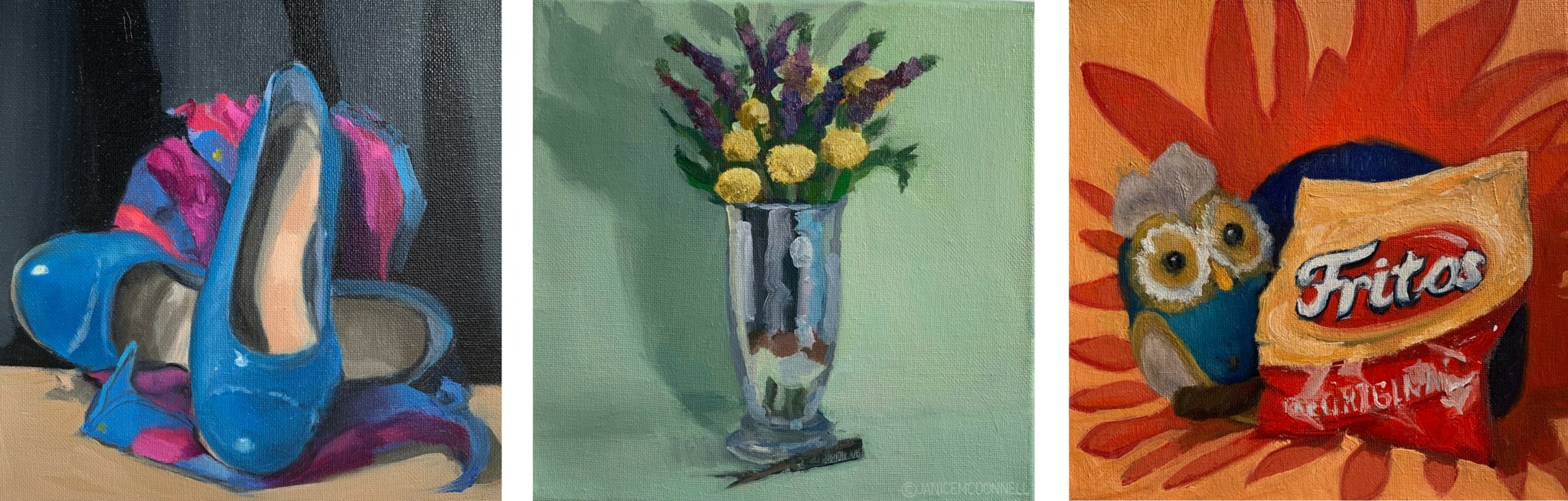
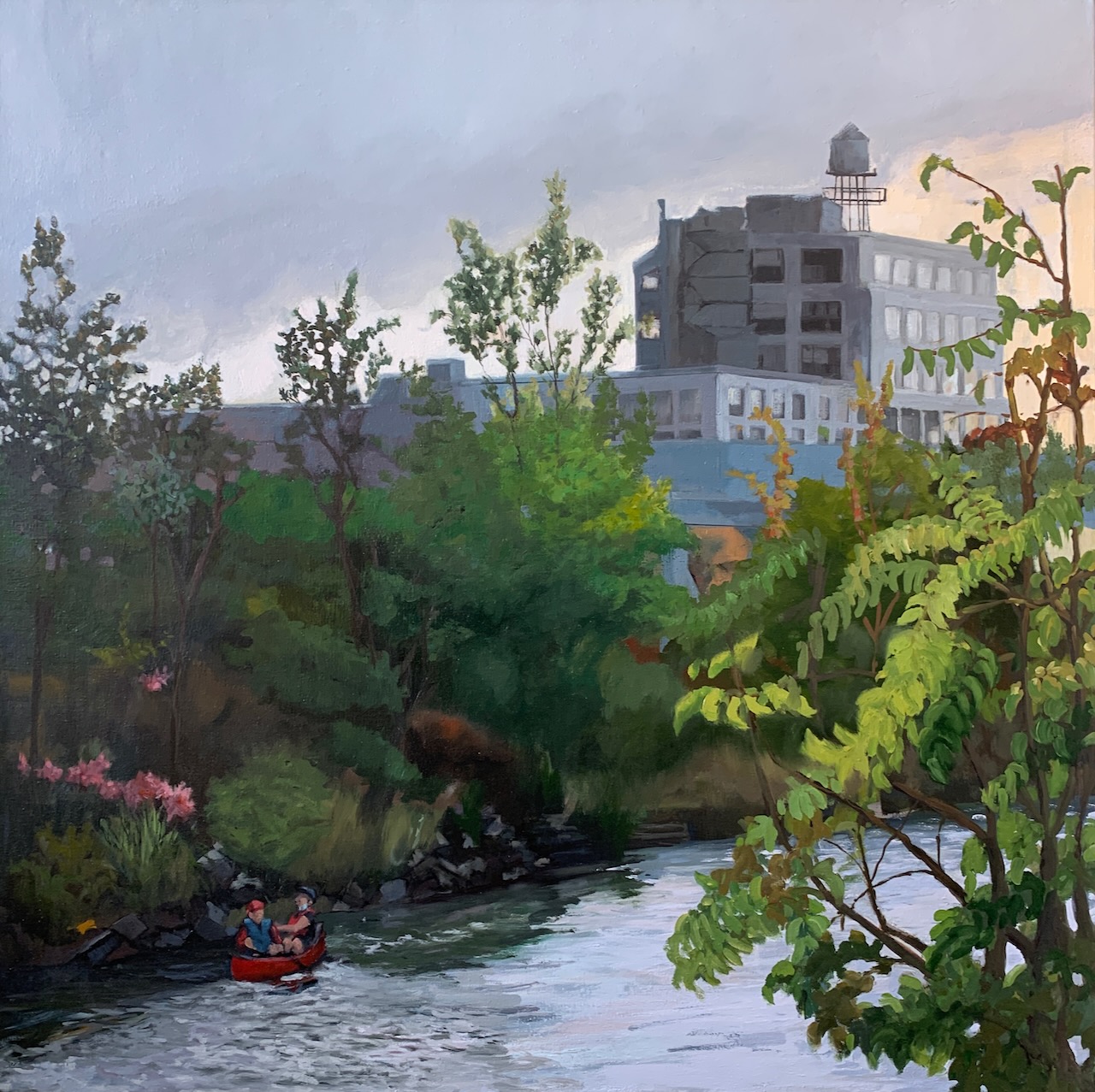
Image Credits
Jen Ferguson
Jean Rim