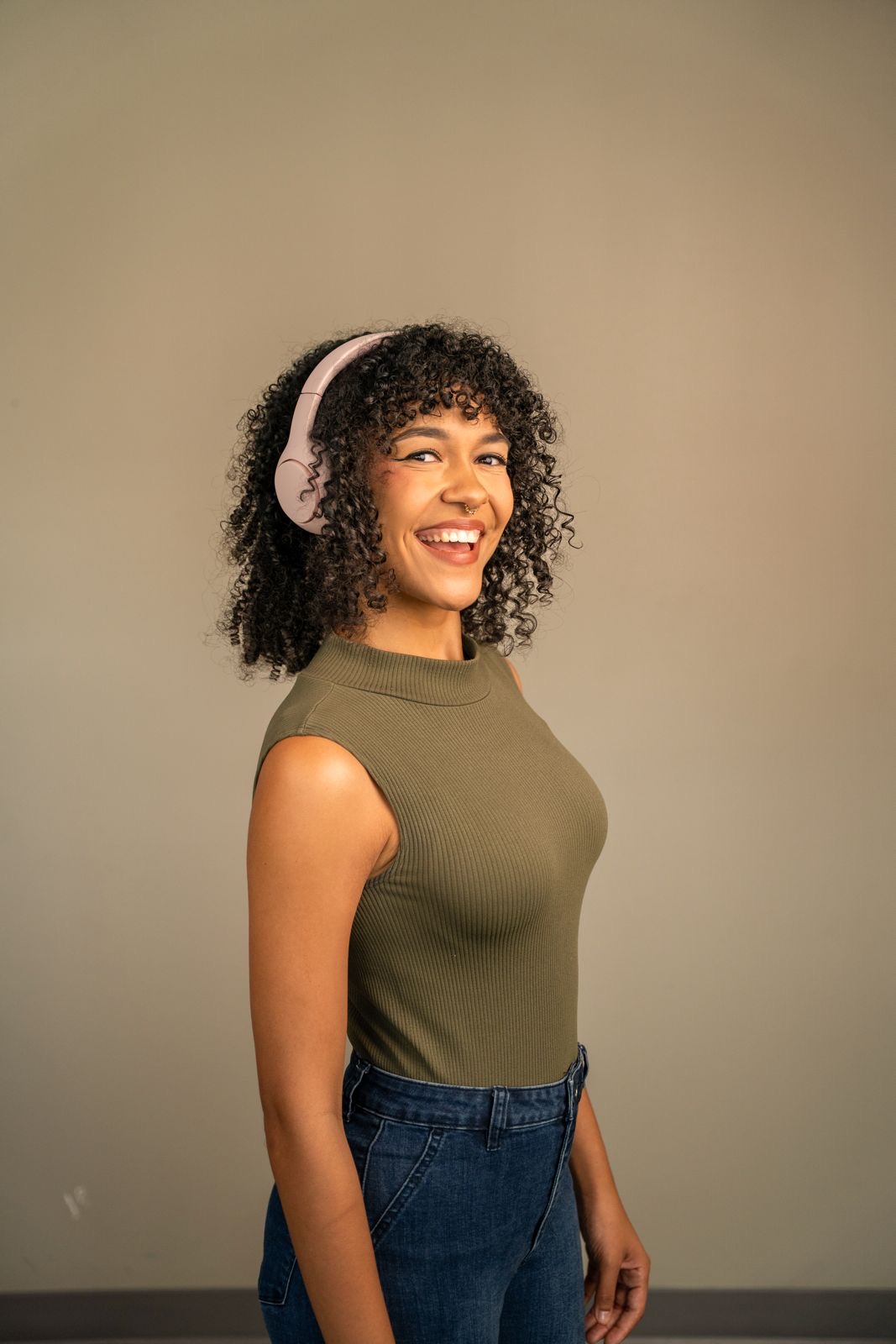

We recently connected with Janice Junek and have shared our conversation below.
Hi Janice, thanks for joining us today. Are you able to earn a full-time living from your creative work? If so, can you walk us through your journey and how you made it happen?
Yes, I have been able to earn a full-time living from my creative work. My main sources of income are professional commercial voice over and content creation.
It definitely wasn’t like that from day one. This journey really began when I realized how deeply unhappy I was in my 9–5 “survival job.” I knew I needed to take my creative work seriously, so in July of 2025 I started consistently posting voice over content online. Slowly at first—and then very suddenly—my content began to gain traction and go viral across multiple social media platforms. That visibility led to real opportunities, from working with local small businesses to collaborating with larger corporations and agencies.
One of my first major milestones was selling my first voice over audio to a local agency. That experience was incredibly validating—not just because it was paid work, but because of the confidence they had in my talent and professionalism. It marked a turning point where I realized my work had real market value. Through that process, I also learned how to properly qualify clients, understand who was truly aligned with my services, and recognize who was not. That milestone gave me a much stronger sense of confidence in my process and in the way I present myself as a professional artist.
The early stages were full of trial and error. I had to learn how to communicate with potential clients, qualify leads through forms, and understand my value as an artist—and the value my work brings to others. I also had to learn how to monetize social media, set prices, and recognize when someone was lowballing or undervaluing my work. Those first couple of months were especially challenging, but with time—and with the guidance of business mentors—I began to find my rhythm.
Yes, I do think I could have sped up the process knowing what I know now. I think the biggest thing would have been trusting myself and my value as an artist sooner. Early on, I spent a lot of time second-guessing my pricing, over-explaining my worth, and saying yes to opportunities that weren’t fully aligned, simply out of fear of missing out.
If I had understood earlier the importance of having clear systems in place—like client qualification forms, boundaries around revisions, and confident pricing—I think I would have saved myself time, energy, and a lot of emotional labor. I also would have invested sooner in business education and mentorship, because learning how to navigate the business side of art made a huge difference in my growth.
That said, I also believe the trial and error was necessary. Those early experiences taught me lessons I couldn’t have learned any other way, and they helped shape the confidence and clarity I have now. In many ways, the process happened exactly how it needed to in order for me to build something sustainable.
One of the biggest lessons I’ve learned, especially as an artist in Puerto Rico, is that if you want to make a living from your art, you have to be willing to represent yourself. That means managing your own business, handling the numbers, reaching out to people, negotiating, and essentially becoming your own salesperson. It’s not always easy, but it’s incredibly empowering, and it has allowed me to build a sustainable career doing what I love.
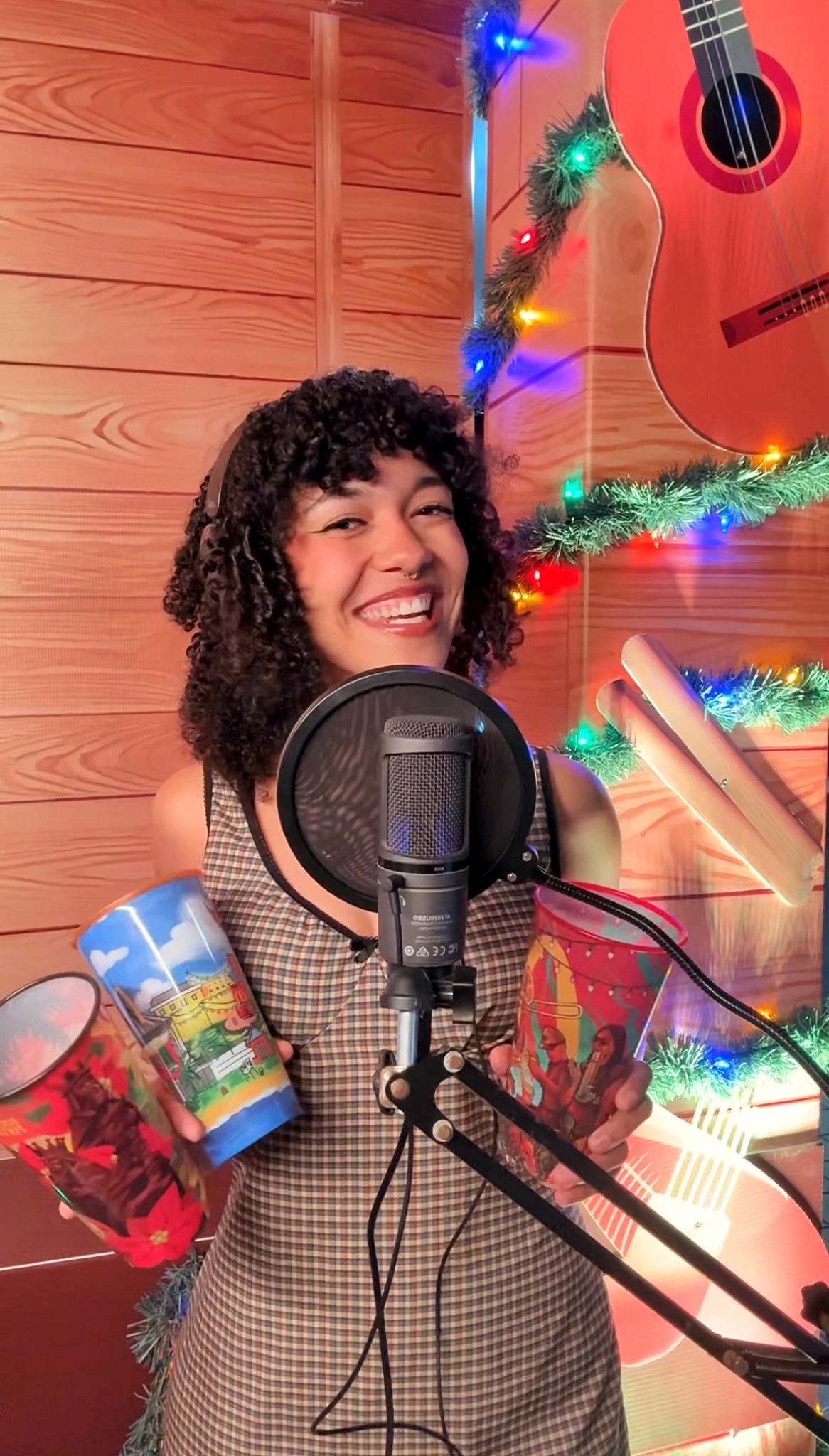
Great, appreciate you sharing that with us. Before we ask you to share more of your insights, can you take a moment to introduce yourself and how you got to where you are today to our readers.
My name is Janice Junek, and I am a singer, actor, dancer, and voice over artist from Carolina, Puerto Rico. I grew up on the island and later moved to Southern California when I was 12 years old. Although I was always a very musical child, it was in California where I was formally introduced to drama and musical theatre through my high school, and that’s where I truly fell in love with the craft. That experience made me realize I wanted to dedicate my life to the performing arts and eventually make a living from it.
I went on to study at a specialized performing arts high school in Southern California, focusing on vocal performance and musical theatre, where I graduated with high honors. Prior to that, in middle school, I attended an acting conservatory that focused primarily on film and on-camera acting for television and movies, which gave me a strong foundation in screen performance at a young age.
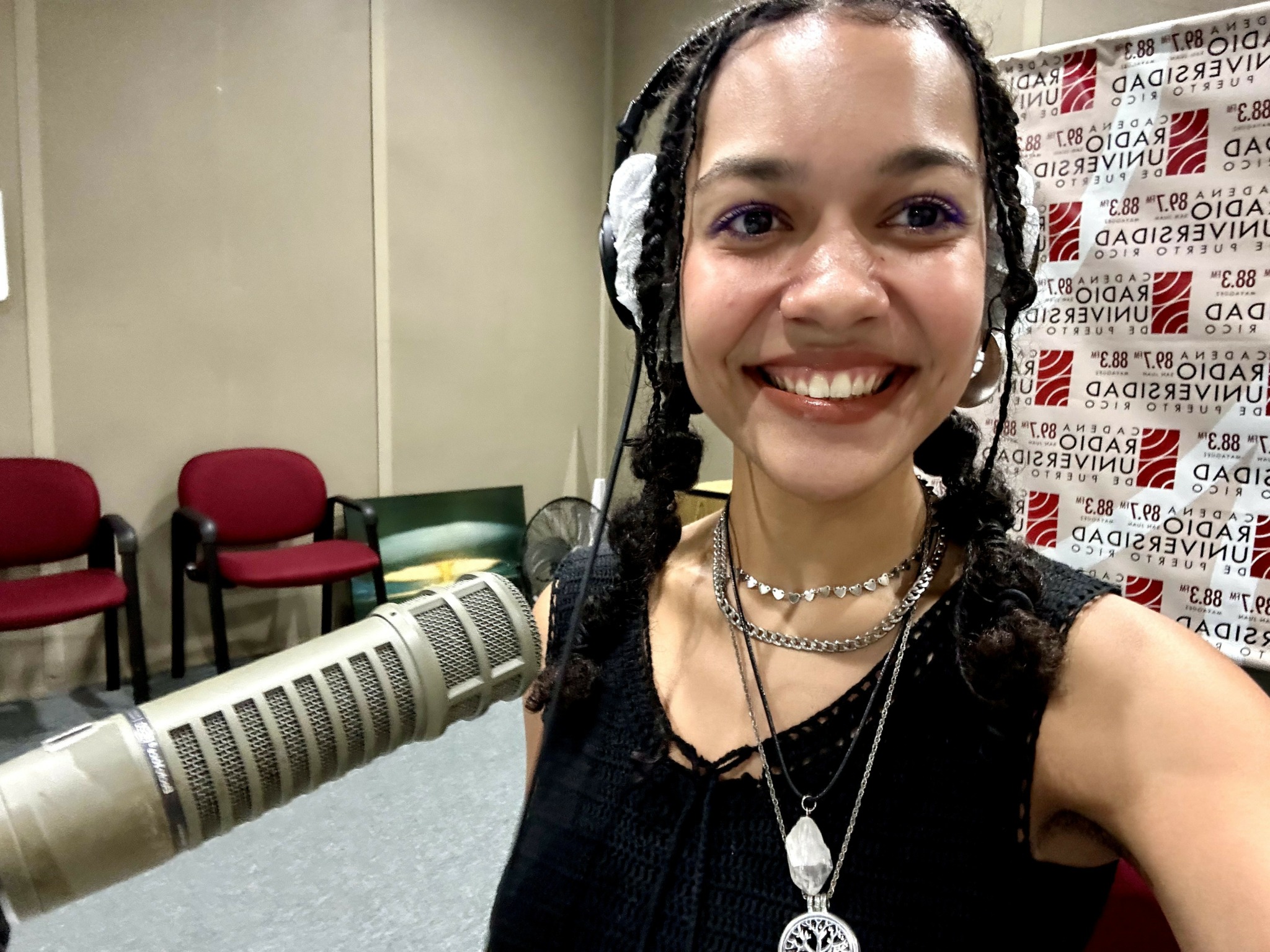
Fast forward to today, I am currently in my last semester of college at the University of Puerto Rico, Río Piedras, where I am pursuing a bachelor’s degree in Acting. During my studies, I was required to take a voice and diction class—and that’s where I discovered the world of voice over acting. I excelled in the class, particularly in the projects and demo work, and I quickly became fascinated not only with the artistic side of voice acting, but also with the business behind it. As I began exploring the industry more deeply, I realized there was a real need—especially locally—for businesses that needed a voice to represent their brand, while at the same time noticing how limited open auditions and traditional opportunities were for voice actors like myself. That awareness played a major role in my decision to build my own voice over business. That class ultimately became the bridge between my performing arts background and the professional voice over career I’m building today.
I offer UGC (user-generated content) creation, professional commercial voice over, voice acting, audiobook narration, and creative voice over promotions, both for clients and across my own social media platforms.
Many of my clients are looking to strengthen their presence on social media, establish themselves as a reference or authority in their market, increase brand recognition, drive sales, and bring more human, authentic emotion into their promotions. That’s exactly what I help them achieve. Through my voice, performance, and content, I help brands communicate more clearly, connect emotionally with their audience, and stand out in a crowded digital space.
One of the main things that sets me apart is the quality of my work from start to finish. From the moment a client reaches out—through quotes, negotiations, communication, and final delivery—I am highly organized, responsive, and intentional. I strongly believe that customer service plays a crucial role in creative work, and my job is always to solve my clients’ problems in the most effective way possible.
Another major differentiator is my personality and training. I am naturally extroverted yet very professional, and my background in vocal performance allows me to modulate my voice and interpret emotions with accuracy, authenticity, and intention. That combination helps me deliver performances that feel both polished and genuinely human.
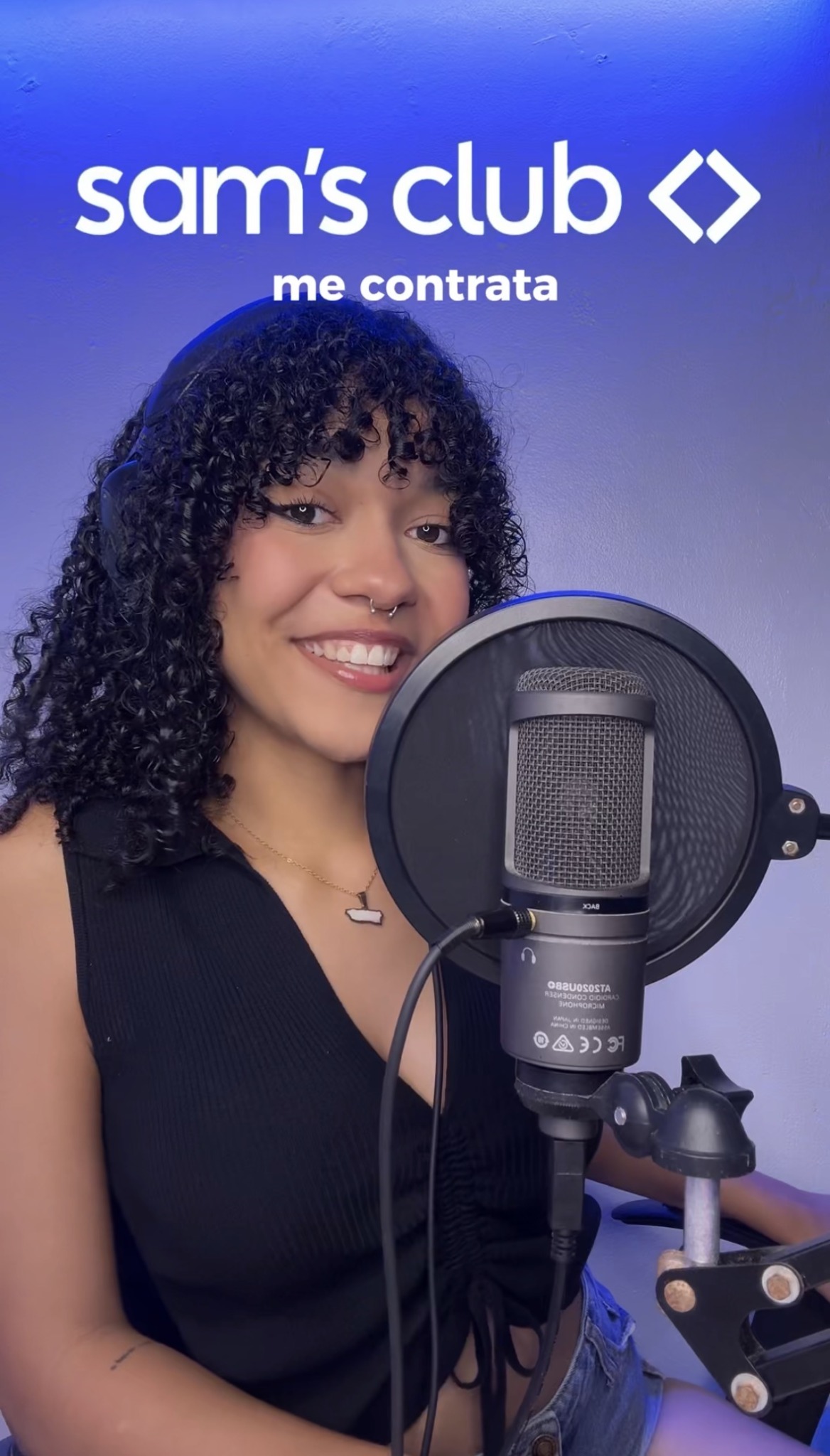
I am most proud of the life I am building for myself and the example I am setting for other aspiring actors, creatives, voice over artists, and even salespeople—especially here in Puerto Rico. It is possible to make a living from theatre, acting, and the arts on the island. It’s not easy, but I am proud of myself for taking the leap, embracing the risk, and choosing to believe in my work and my worth. I am also proud and eternally grateful for the clients and connections I have made so far in my career. Working with top brands such as Sam’s Club and McDonald’s. Helping others who have their own dreams and goals, just as big as mine, is priceless to me.
For potential clients, I want them to know that I am here to help. I bring a strong can-do attitude to every project and genuinely want things to work out. I value long-term professional relationships, reliability, and trust, and my goal is always to deliver the highest quality voice over, content, and performance possible because I am deeply passionate about what I do.
For my followers and fans, I want them to know that their dreams are valid. We are often born with our dreams for a reason, and many times life teaches us lessons to prepare us to follow them. Making a living from your art is possible, and now more than ever, the world needs artists, creatives, and authentic human expression to flow freely wherever it can.
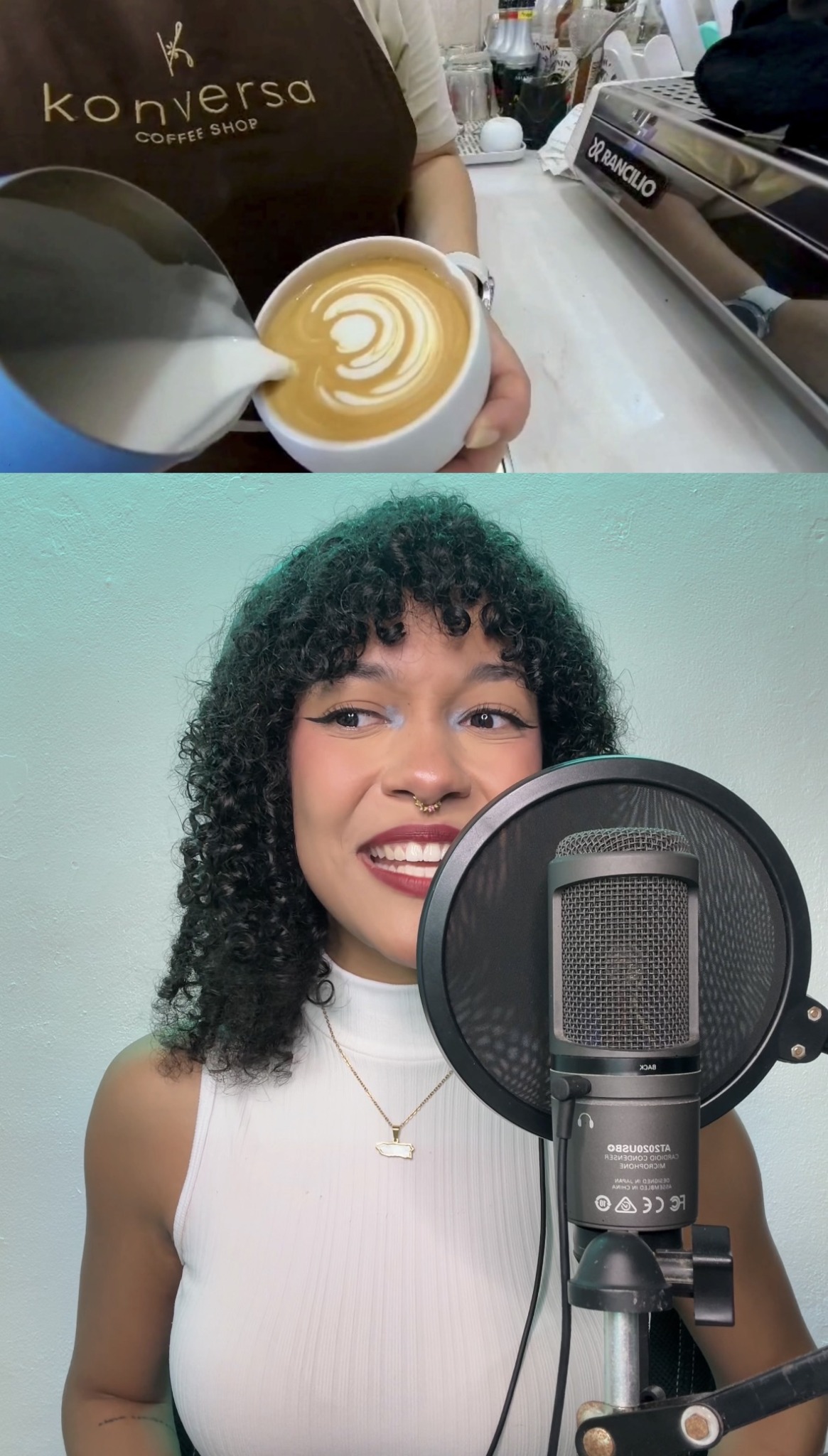
Have you ever had to pivot?
One of the biggest pivots in my life happened right before I decided to leave my 9–5 job and fully pursue my creative passions.
In April 2025, I was hospitalized for about a week due to a complicated virus that compromised several of my organs. The experience was terrifying. Doctors took time to diagnose what was happening, and each day in the hospital felt endless. Lying there, scared and uncertain, I was forced to confront something I had been avoiding for a long time: the regret of not fully committing to my dreams.
At the time, I had been working at the airport for about a year and a half as a passenger service agent, pushing passengers in wheelchairs. It was an extremely demanding job—physically, mentally, and emotionally—and it was slowly draining my creativity and my health. Being stuck in a hospital bed gave me the space to reflect in a way nothing else had before. I remember telling myself, and even saying it out loud to my family, “The minute I get out of this hospital, I’m going to post my art. I’m going to become an influencer. I’m going to make my dreams come true.” That moment made one thing very clear to me: life is too short not to follow your passions.
The same week I was discharged, I started posting consistently online. At first, I shared anything I genuinely enjoyed—hair, makeup, fashion, vlogs—while paying close attention to what resonated with my audience. From April to July, I experimented with different content styles, until I found what truly clicked: voice over content. Once I leaned into that, everything shifted. In July, my voice over videos began going viral across platforms like Instagram and TikTok.
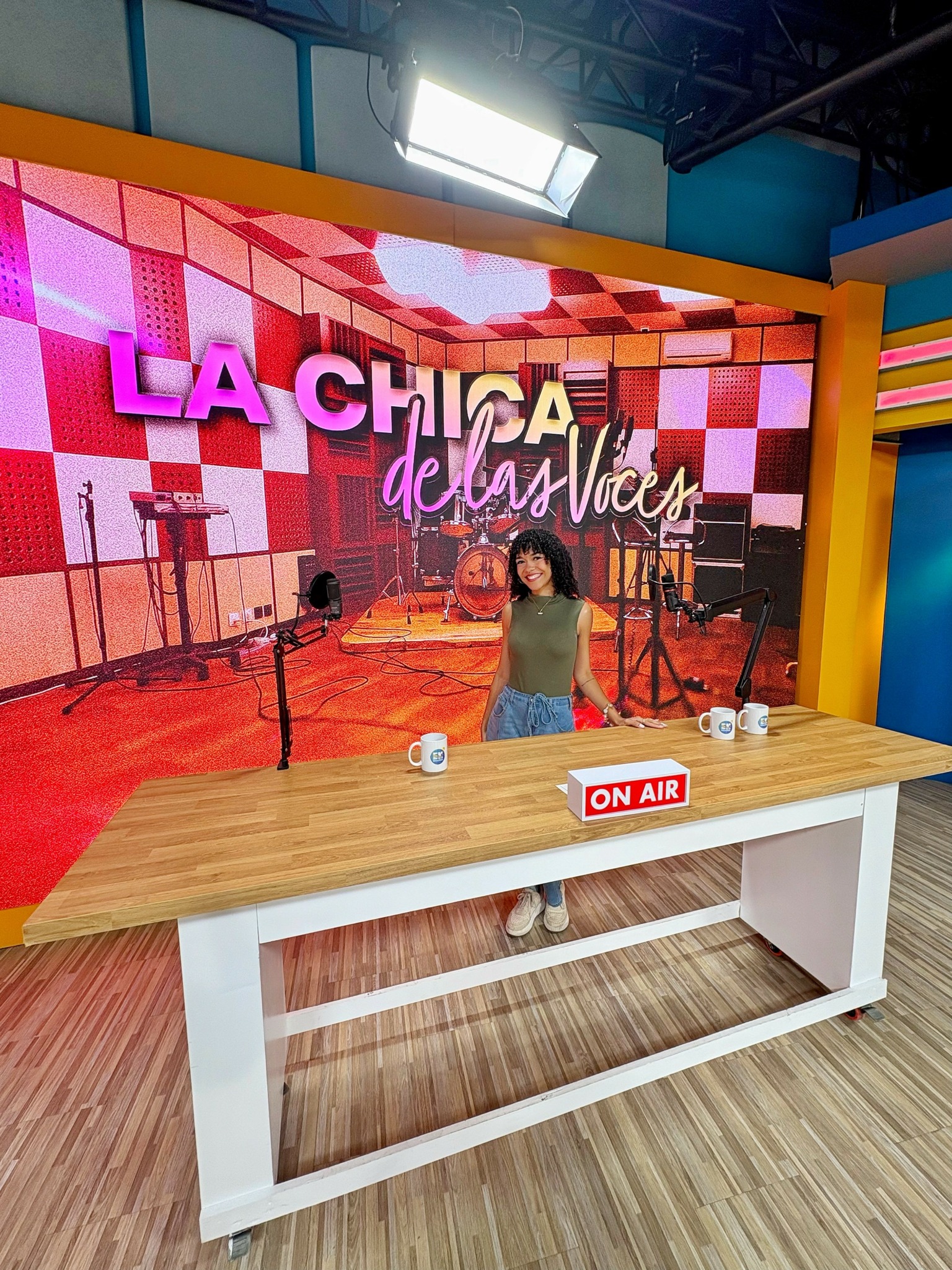
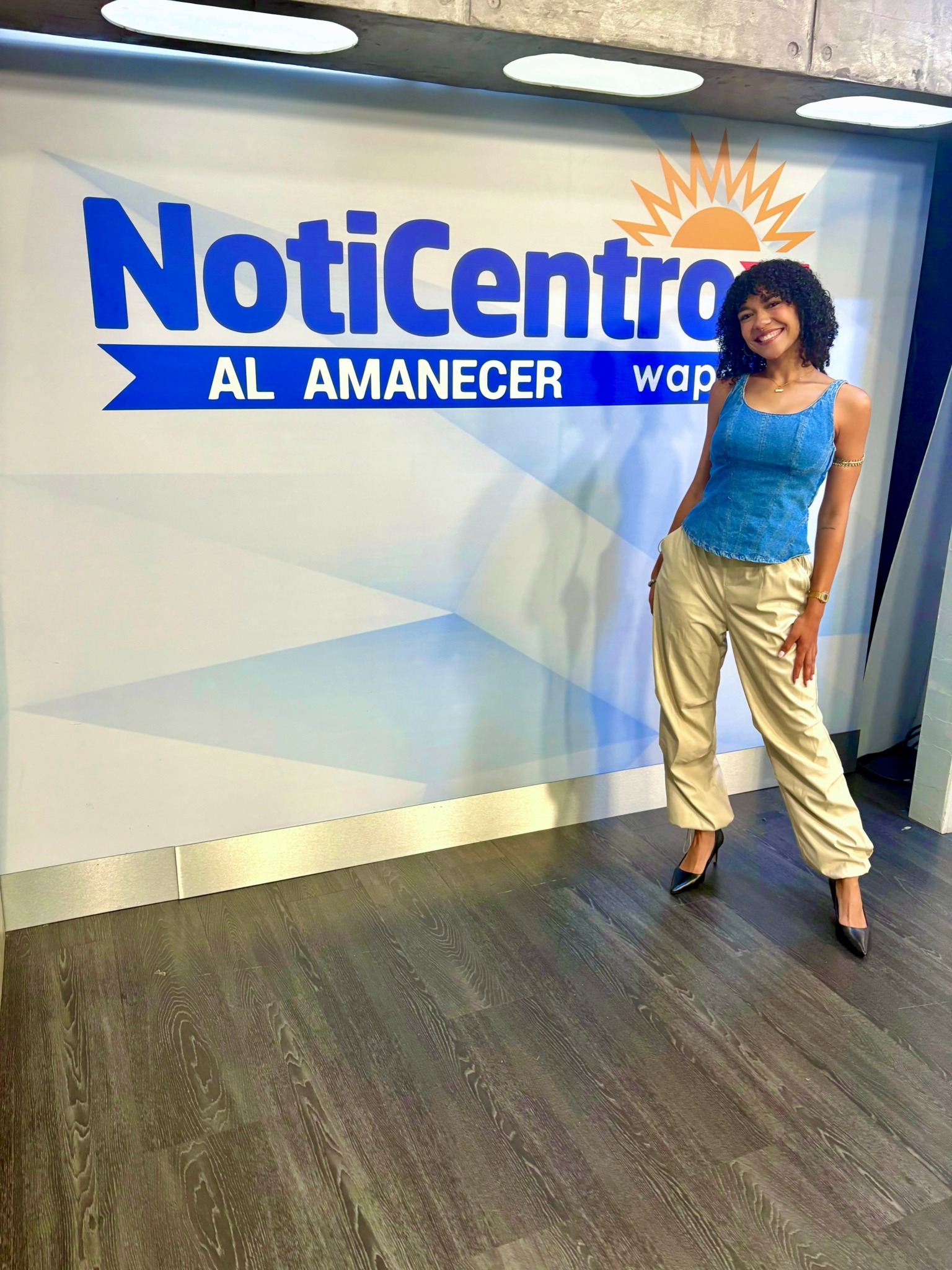
Suddenly, I found myself learning how to manage social media, run a business, define my services, price my work, and communicate with clients—all in real time. I also began receiving invitations for interviews on television, including appearances on TeleOnce and WAPA Puerto Rico. The growth happened so quickly that by September, I reached a crossroads. I realized I could no longer balance the life I was building with my traditional 9–5 job at the airport.
That’s when I made the decision to pivot fully and take the risk. I asked myself, “What’s the worst that could happen?” The answer was simple: I chase my dreams and, if it doesn’t work out, I find another job—maybe even a better one. It was nothing I hadn’t done before. Then I thought about the best-case scenario: I chase my dreams, and it works out better than I ever imagined.
That best-case scenario is exactly what happened.
How can we best help foster a strong, supportive environment for artists and creatives?
In my view, the best way society can support artists, creatives, and a thriving creative ecosystem is by valuing creative work as real work—work that deserves respect, fair pay, and long-term investment. Art isn’t a luxury; it’s a vital part of culture, education, and emotional well-being.
This support can start with better education and access. When creative programs are funded in schools and communities, artists are given the tools to develop their craft early and sustainably. Equally important is creating more paid opportunities—grants, residencies, commissions, and transparent hiring processes—so artists aren’t expected to work “for exposure.”
Society can also support creatives by encouraging ethical collaboration. That means clear contracts, fair compensation, reasonable timelines, and respect for intellectual property. When artists are treated as professionals, they are able to create their best work and contribute more meaningfully to their communities.
Finally, supporting artists also means supporting the business side of creativity. Teaching artists how to price their work, advocate for themselves, and build sustainable careers helps creative ecosystems thrive long-term. When artists are empowered to thrive—not just survive and struggle—culture as a whole becomes richer, more human, and more authentic.
Contact Info:
- Website: https://puny.bz/janicejunekvo/
- Instagram: https://www.instagram.com/janicejunek/
- Facebook: https://www.facebook.com/share/17c4Z3HqAM/?mibextid=wwXIfr
- Linkedin: https://www.linkedin.com/in/janicejunek
- Youtube: https://www.youtube.com/@janicejunek
- Other: Portfolio: janicejunek.weebly.com
Tiktok: https://www.tiktok.com/@janicejunek
Email.: janicejunekugc@gmail.com