
We’re excited to introduce you to the always interesting and insightful Jamila Dawkins. We hope you’ll enjoy our conversation with Jamila below.
Hi Jamila, thanks for joining us today. Let’s kick things off with talking about how you serve the underserved, because in our view this is one of the most important things the small business community does for society – by serving those who the giant corporations ignore, small business helps create a more inclusive and just world for all of us.
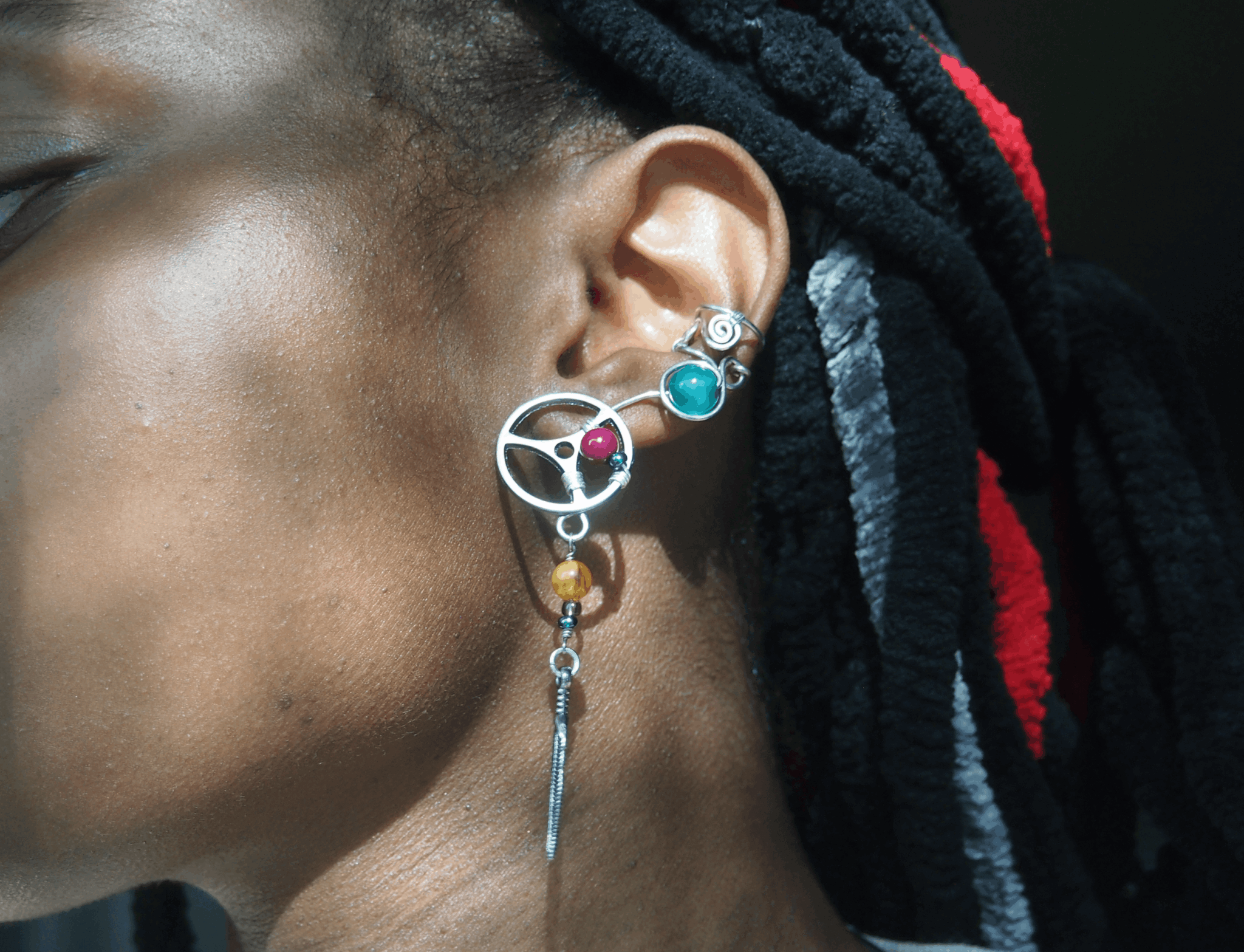
I would say that meeting and sharing experiences with other Black women with keloid scarring who were excited about my business is one of the most fulfilling parts of what I do. There is some research to suggest that it may be overrepresented among Black people and those with darker skin tones, but it’s heavily underexplored.
It really clicked when I met a woman who shared that the lasting pain she has experienced since getting her keloids surgically removed has made her regret her surgery. There’s definitely some shame in sharing stories about keloids. They’re not pretty—when I model my jewelry on myself, I almost never take photos on the ear with the scar.
Many of us who have them are pushed toward surgery to remove them. But because they’re benign, it’s essentially a cosmetic surgery, and one that no one should feel obligated to do. I think that having more options for those with ear keloids (among the most common) and more visibility for the skin condition can help to break these barriers.
Great, appreciate you sharing that with us. Before we ask you to share more of your insights, can you take a moment to introduce yourself and how you got to where you are today to our readers.
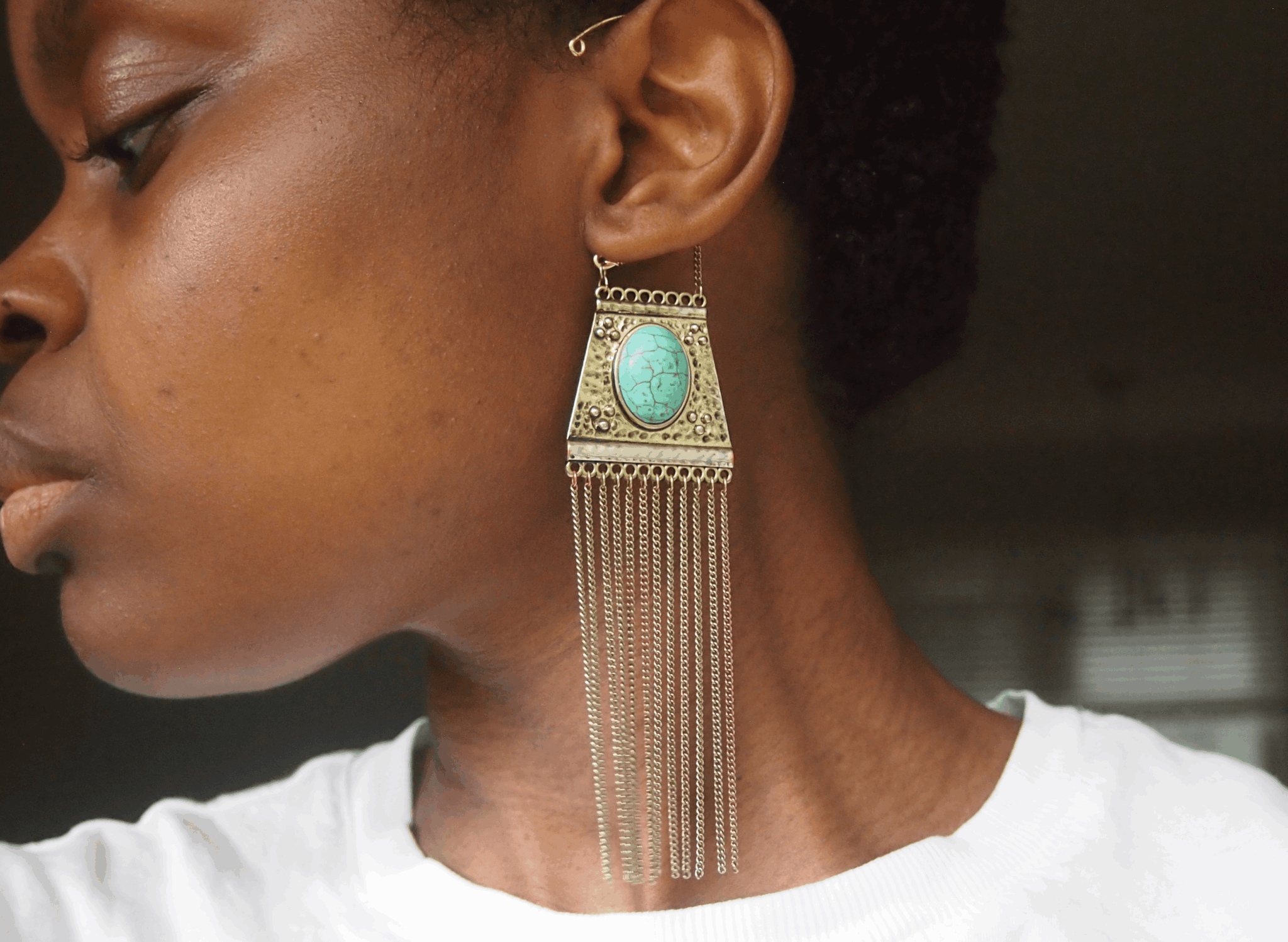
My first pair of ear cuffs was Frankensteined from one of my mother’s broken necklaces, the night before my sophomore Homecoming dance. Despite having sensitive skin, I (stupidly!) got my ears pierced at Claire’s with cheap studs and developed a keloid, an accumulation of scar tissue, on my right ear lobe. I wasn’t willing to undergo surgery to remove it, but none of the non-pierced options were appealing to me.
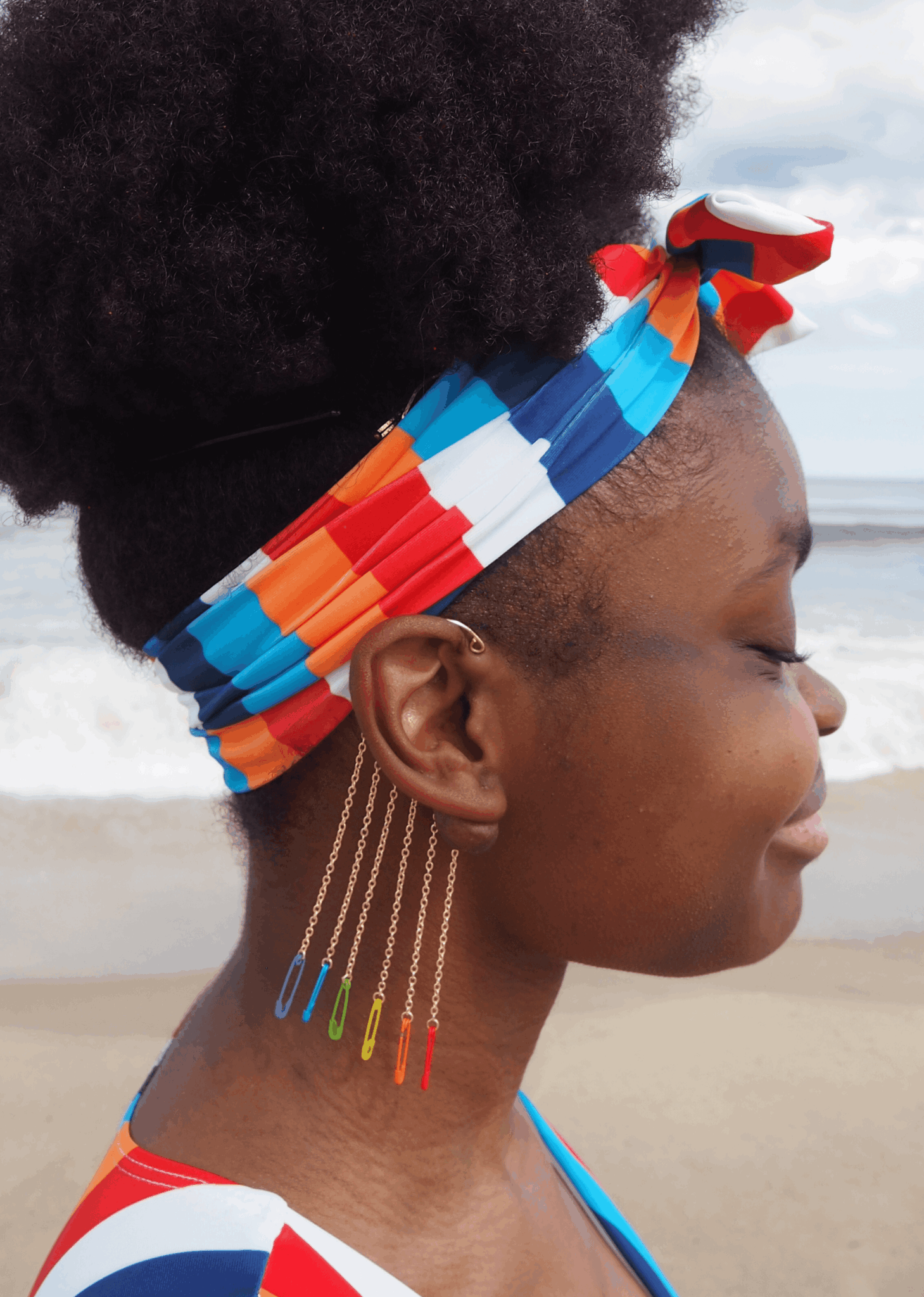
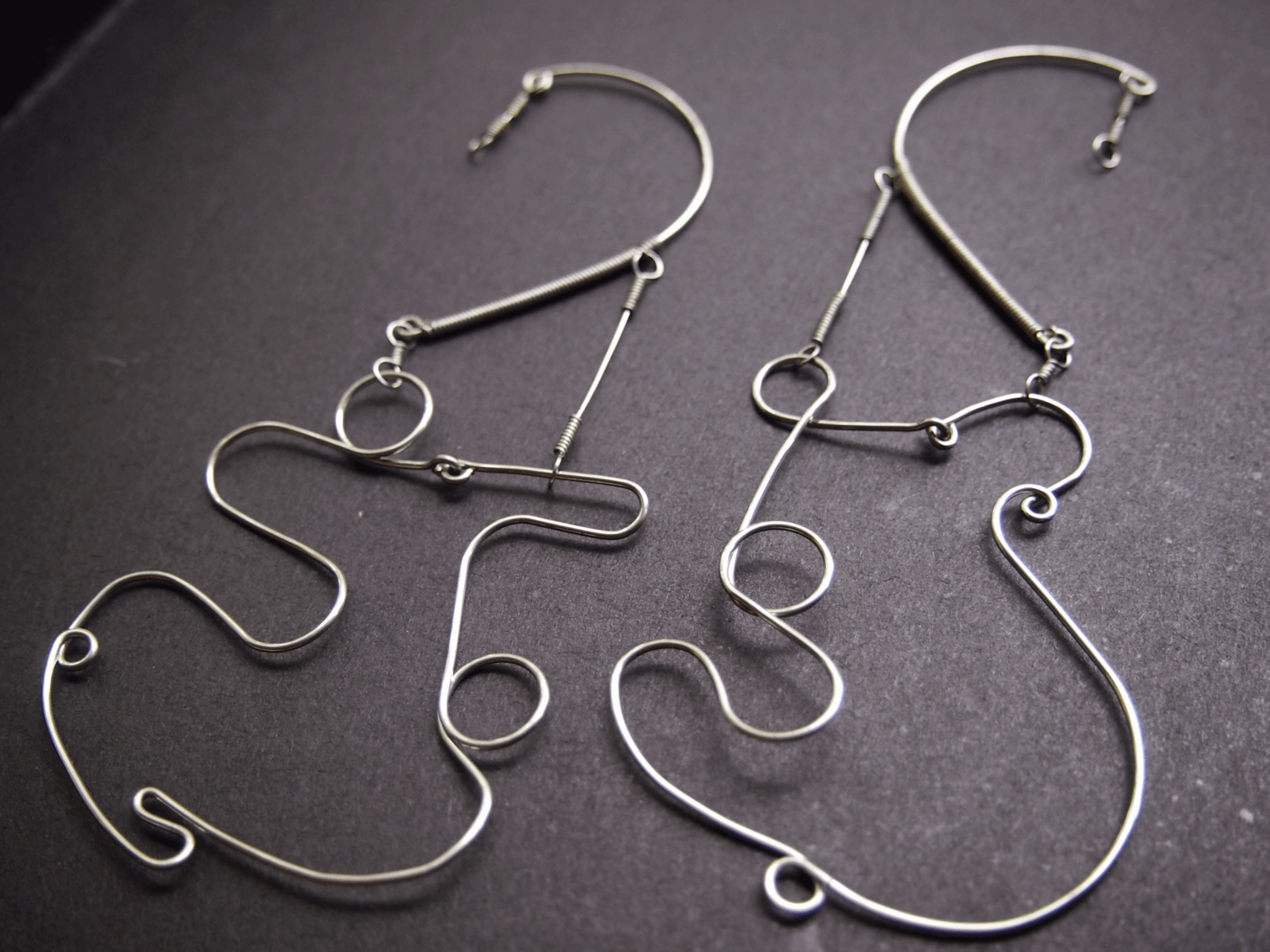
A Pinterest deep-dive led me to a picture of someone wearing behind-the-ear cuffs—what I call “hooks.” I raided my mom’s sewing kit for a rusty pair of round nose pliers, raided her jewelry cabinet for something usable, and 24 hours later me and my cuffs were doing the cupid shuffle in my high school gym.
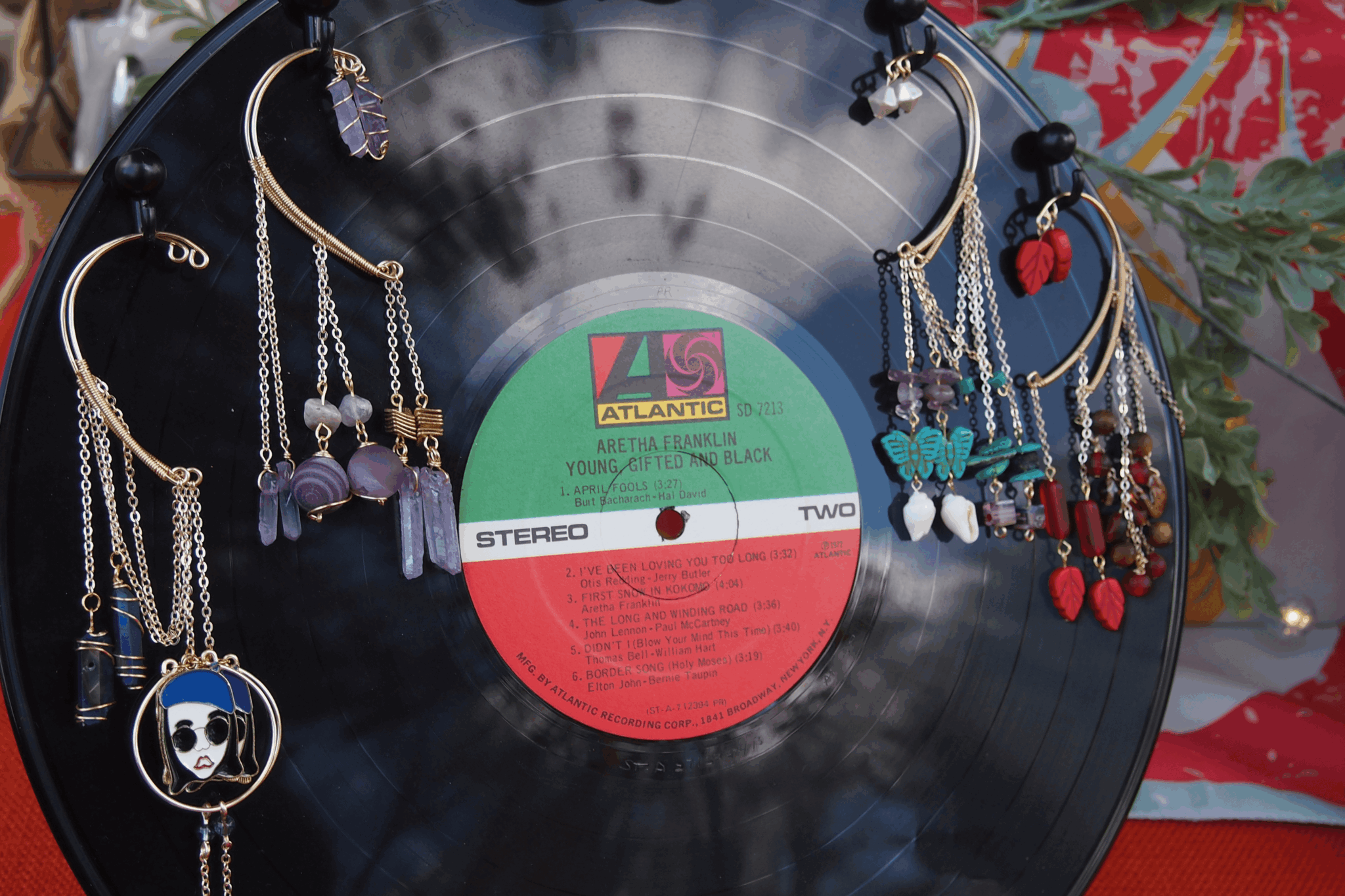
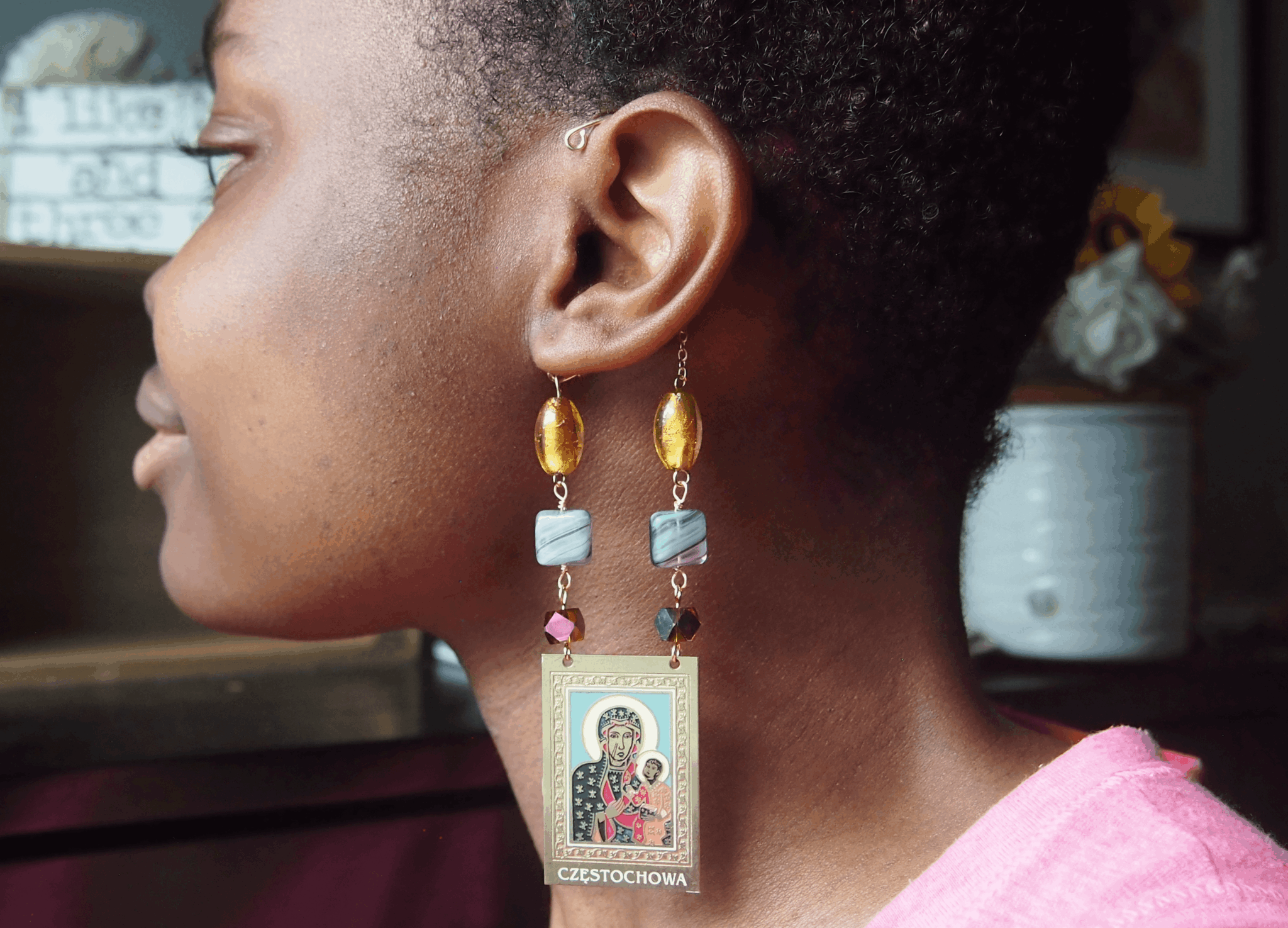
It took me several years to begin selling the cuffs that I made, but then (and even now) the principles behind what I make remain the same: making the non-pierced accessories that I wish I saw in stores; incorporating hand-me-down, preloved, and thrifted materials; and, most of all, frequent enjoyment of the cupid shuffle.
Any stories or insights that might help us understand how you’ve built such a strong reputation?
I think that investment in community has been the most transformative for my business. Makers and creatives can often become siloed as we pour our time into our craft, but we sometimes forget how much we can thrive in collaborative spaces. I have stumbled across so many opportunities simply by showing up for the projects of those around me, by expressing my enthusiasm for others’ work, and allowing myself to rely on others.
This community can be anywhere—when I started selling in person, I couldn’t afford to buy nice displays. I had joined a Facebook group for supporting vendors, and one of the members—a complete stranger—offered to 3D print exactly what I needed and send it to me for only the cost of the shipping. Later, I bought a pair of earrings from her using the money I made from the markets I had been able to attend due to her help. It really takes a village.
Learning and unlearning are both critical parts of growth – can you share a story of a time when you had to unlearn a lesson?
Strangely enough, I think the biggest thing I had to unlearn was how to “sell” my products. You can soak up a lot of knowledge by watching how big corporations move, but at the end of the day, handmade items are a different ballpark. I definitely had to unlearn my habit of racing to the bottom—in price, in time, in quantity. It’s okay to be small batch, to produce good work slowly, to not be constantly running a sale. I learned it the hard way—I don’t think I made a profit from the entirety of my first two years in business, haha!
Contact Info:
- Website: https://hooksbyjamila.etsy.com
- Instagram: https://www.instagram.com/hooksbyjamila/
- Other: https://www.tiktok.com/@hooksbyjamila