

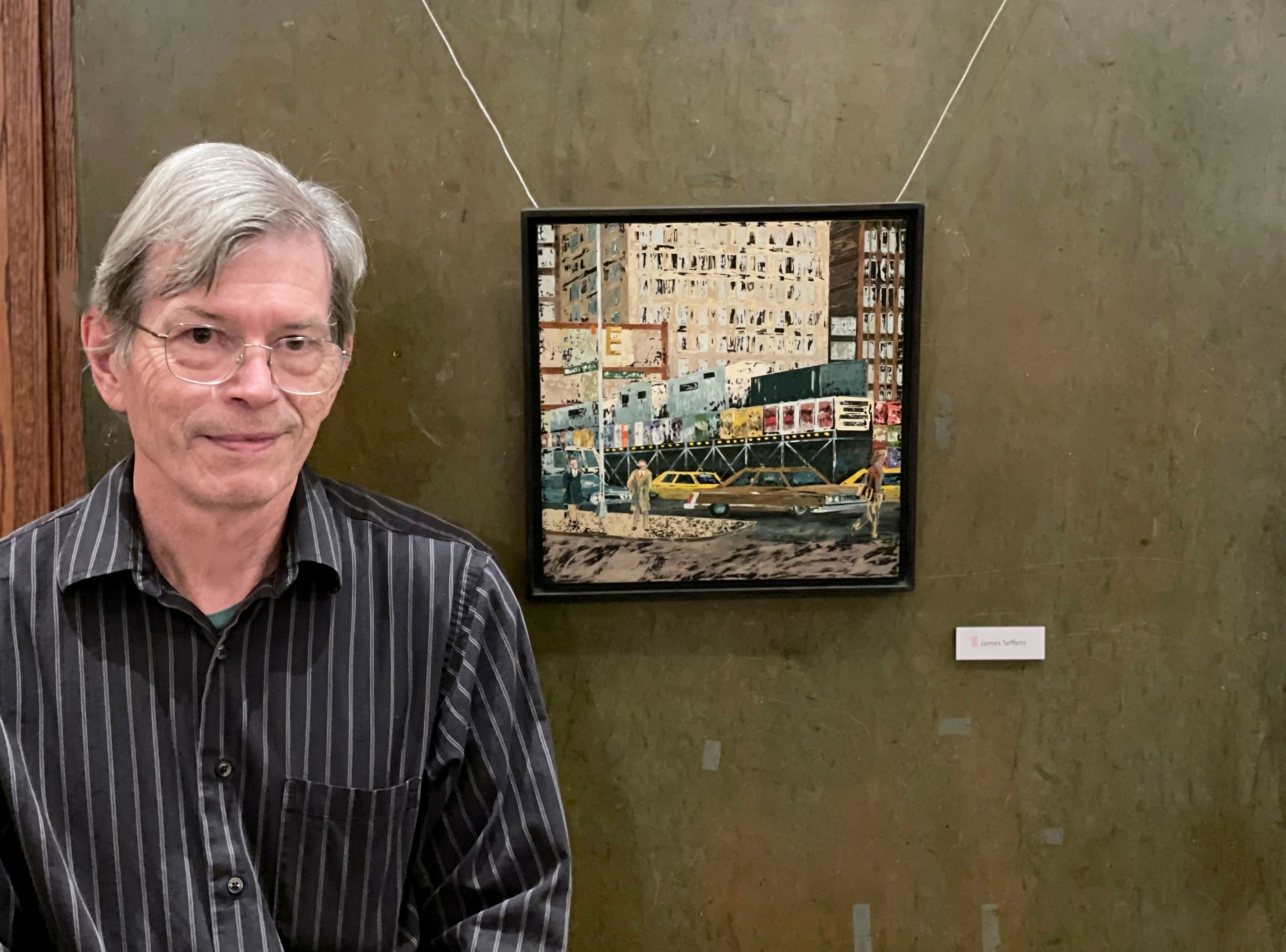

We recently connected with James Seffens and have shared our conversation below.
James, thanks for taking the time to share your stories with us today Have you been able to earn a full-time living from your creative work? If so, can you walk us through your journey and how you made it happen? Was it like that from day one? If not, what were some of the major steps and milestones and do you think you could have sped up the process somehow knowing what you know now?
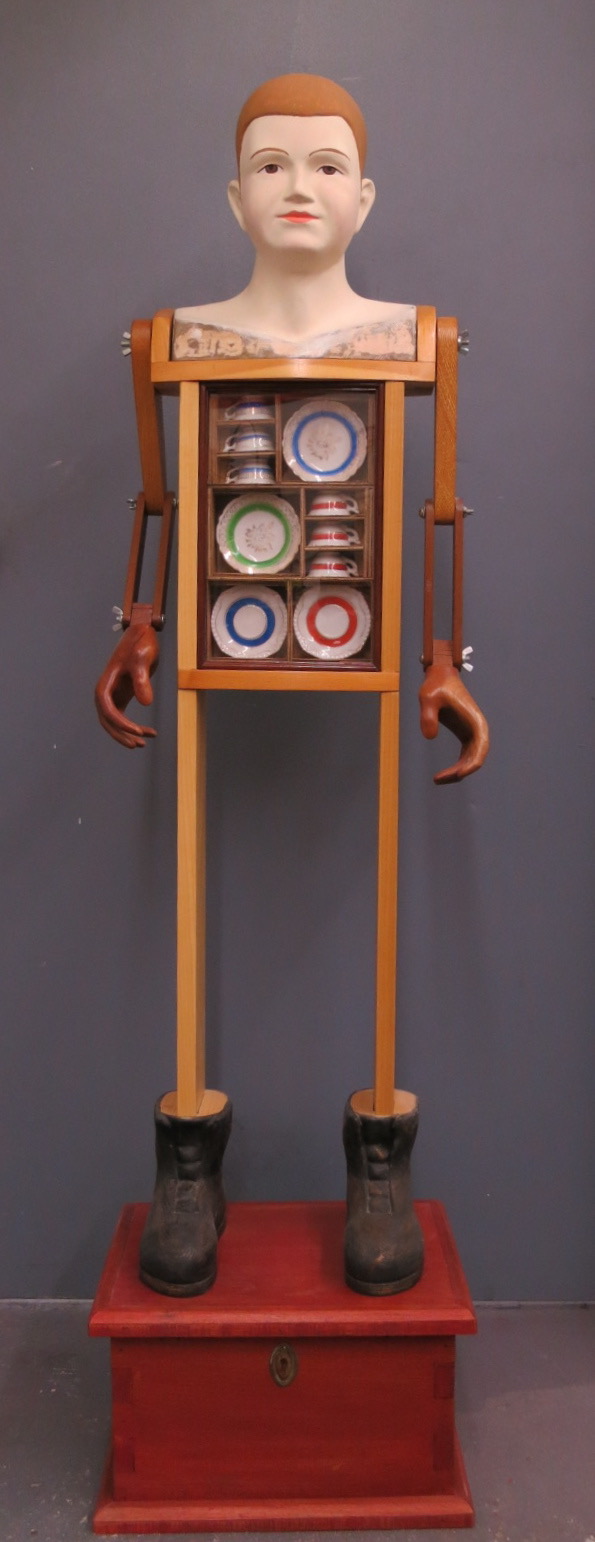
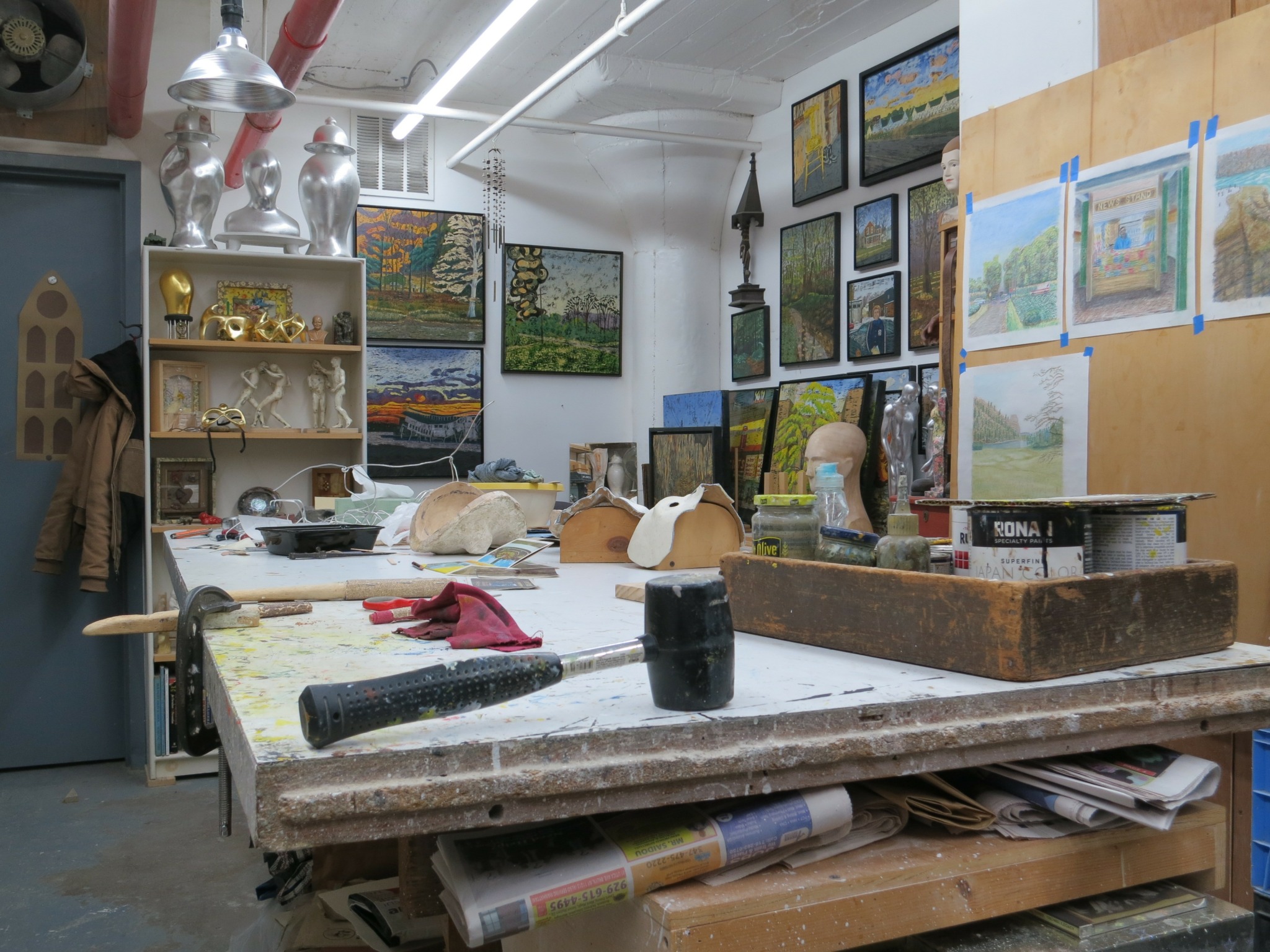
In addition to being a self-taught artist and craftsman I received on the job training in the studio of Nicolas Cortes, an older sculptor. Early in my career my focus was to build up my tool collection, and build up my skills by taking on challenges, and experimenting with materials. The sculpture that we produced in the Cortes Studio was primary destined for the display market. Contracted projects were always on deadline and budget for our corporate clients. Materials and skills involved were widely varied, build a tree out of feathers one day, sculpt, mold, and cast life-size animals the next. As the display market changed, we branched out by developing craft collections. After my mentor’s passing, I continued to diversify and built for interior designers, the theatre, and for fine artists.
From day one it was a roller coaster, but I’m happy for the ride.
James, before we move on to more of these sorts of questions, can you take some time to bring our readers up to speed on you and what you do?
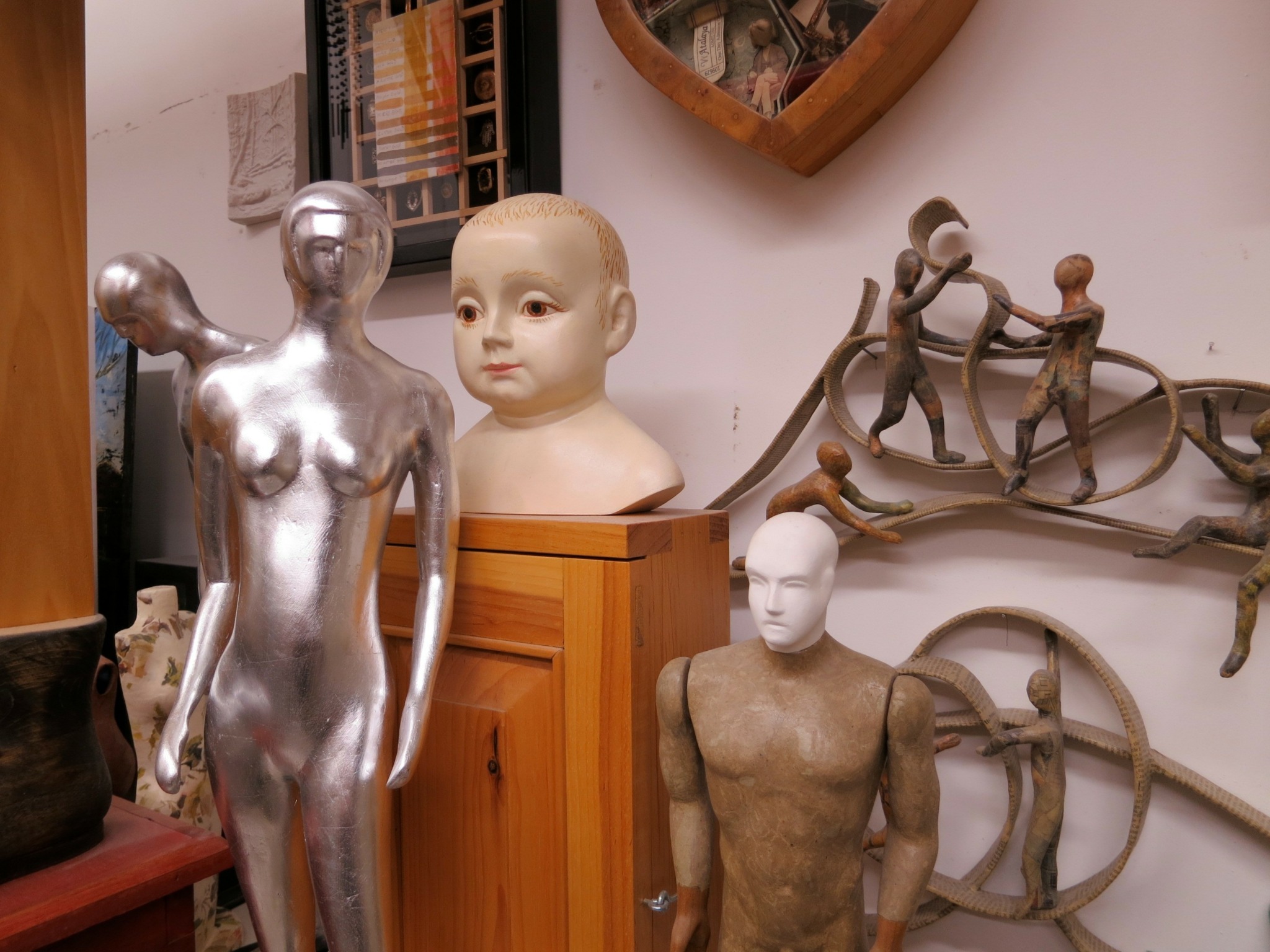
Among other specialty skills that I offered clients was papier-mâché fabrication. The process that I used to produce large light-weight sculpture came directly from the long-lost paper-mache mannequin industry, yet remains very hands-on. Some of my favorite projects were gigantic over-the-head masks featured in an artist’s film. Some favorite projects executed in wood included chess sets and large abstract models. Something of a culmination of skills came together in a project for a furniture design team. This required turning branches into legs and back for a chair, staining, and decorative painting in Japan colors, and raffia.
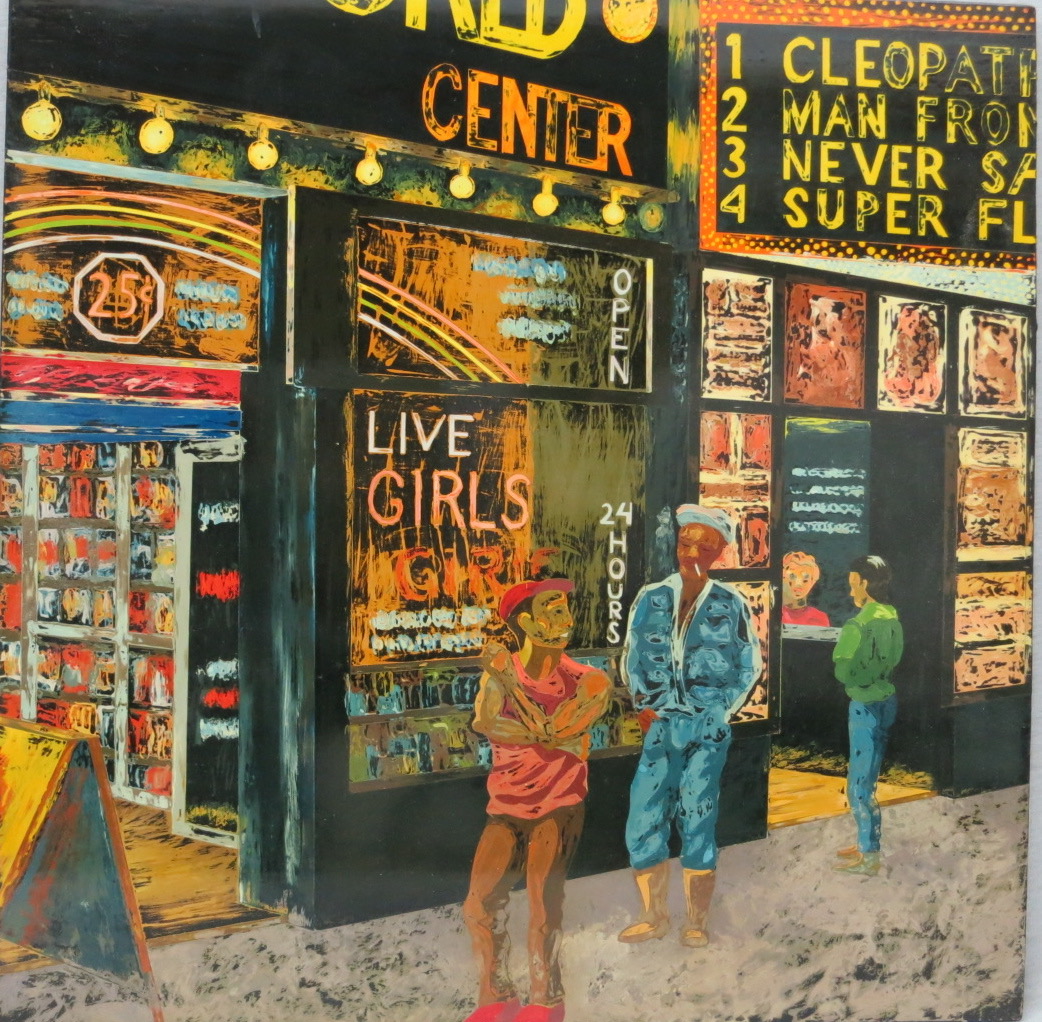
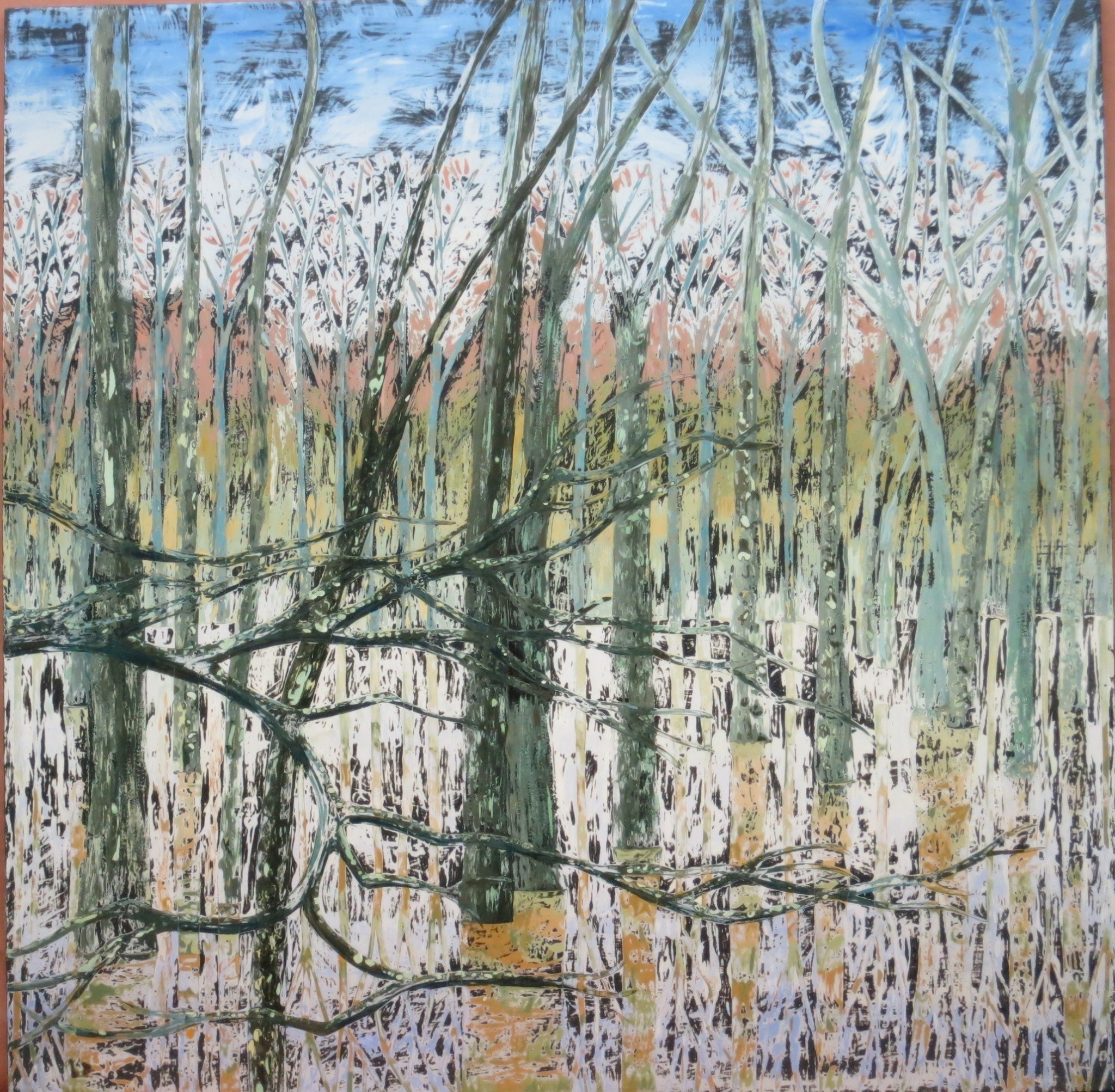
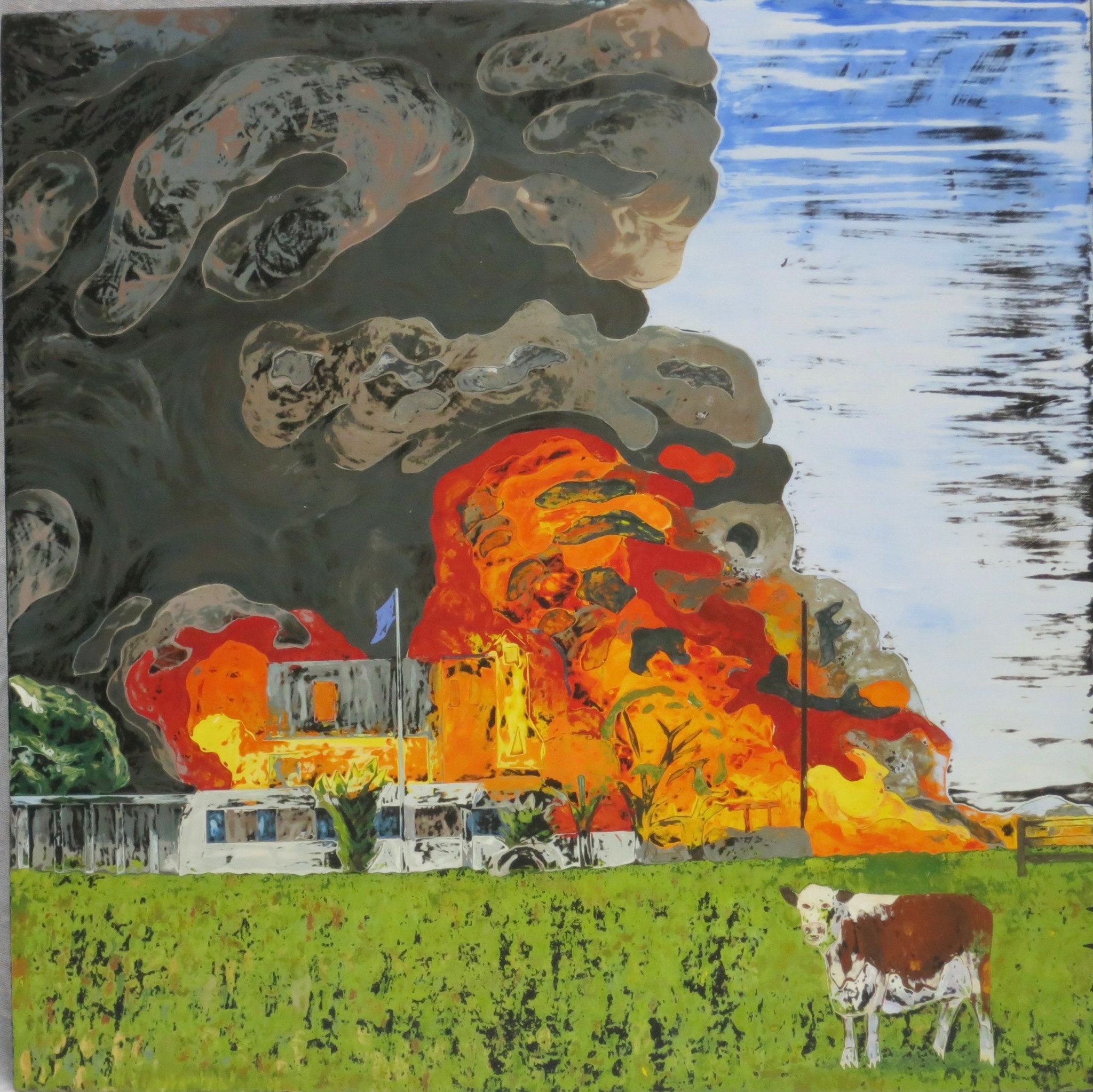
In more recent years I have stopped accepting client work in favor of fine art painting, but I am happy to have had the opportunities to work with some very innovative people, and to see that the work was well-received.
For you, what’s the most rewarding aspect of being a creative?
Room to learn and grow has been the best aspect of my career. I am still hoping to see what happens when you do this to that and then do something else with it.
What’s a lesson you had to unlearn and what’s the backstory?
The customer is not always right. Early in my career we had an “important” client who controlled substantial budgets for displays in a major department store. On average, I would guess, 3 out of 4 projects for this client went beautifully, and got considerable attention. On other occasions however the client would call or visit studio the day before delivery and demand impossible changes. For example: we were ready to deliver the group of gold-leafed paper-mache heads that had been ordered. We receive a call as we were packing the order telling us that the client is so looking forward to see the heads in my “black lacquer” finish, which would have been achieved using a number of layers of polished enamel. This was an impossible demand considered the deadline, let alone the fact that the purchase order had specified gold leaf. He was adamant, and wrong. We took black spray paint and ruined the beautiful hand finish, the client called to say that they were not up to our “usual” standard. We had two other bad outcomes with this client, along the same lines – and it was my pleasure to throw him out of my studio and refuse any other requests from him or his associates. Psychos are out there. The best clients are the collaborators who will respect your expertise, and work with you.
Contact Info:
- Instagram: https://instagram.com/jimseffens
- Facebook: Jim Seffens
- Youtube: access studio episode
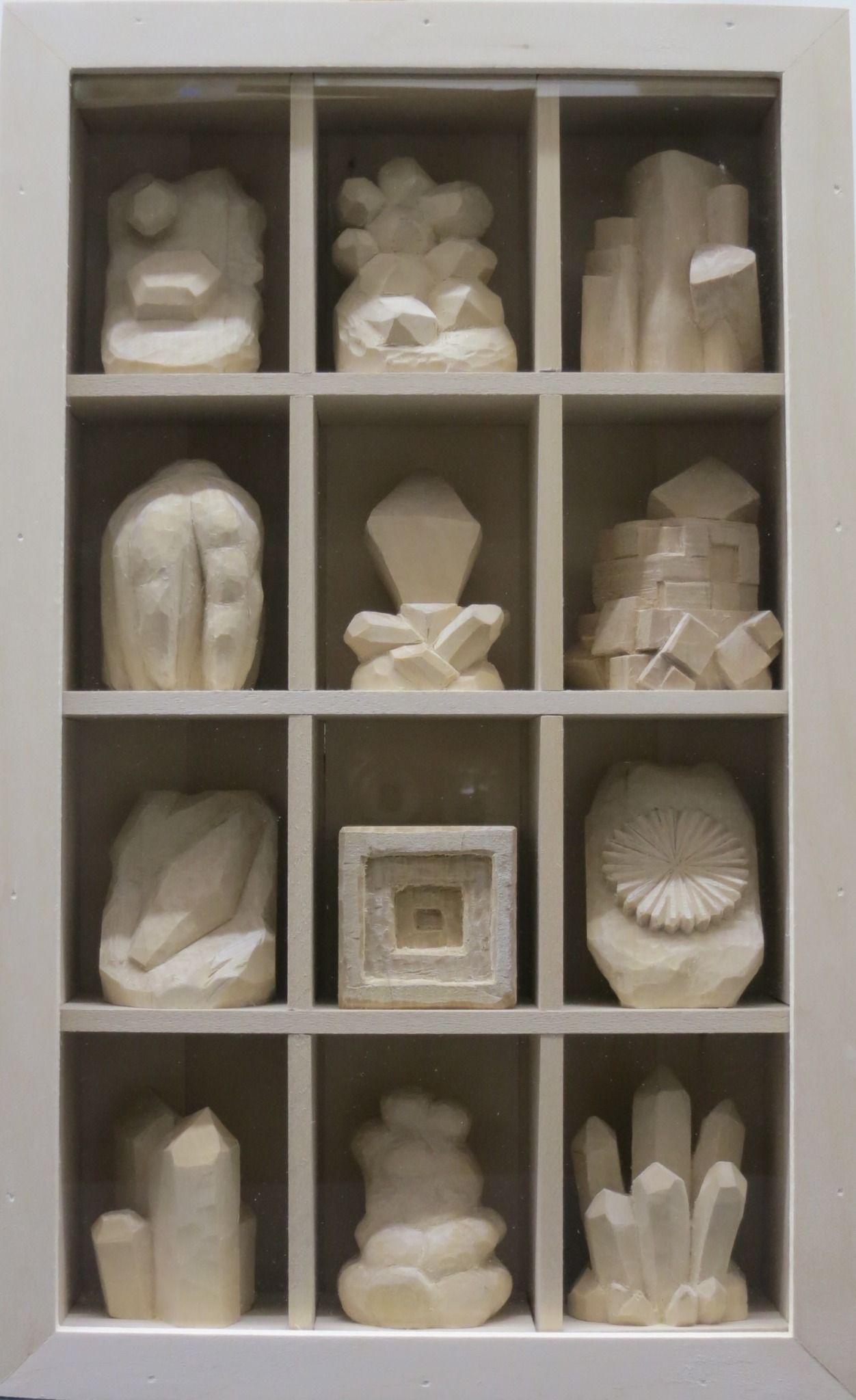
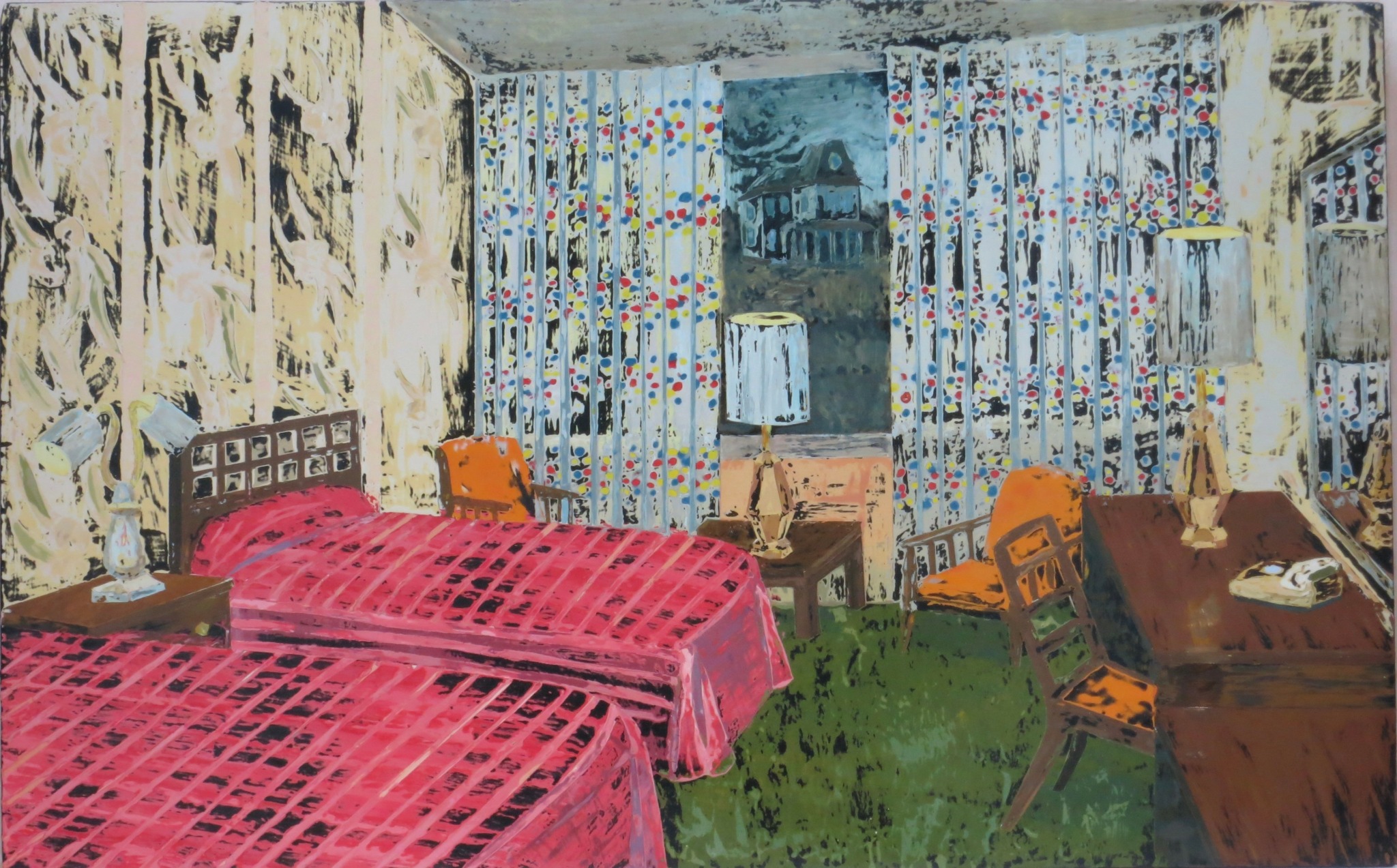
Image Credits
Portrait by John Quilty