


We were lucky to catch up with James Parker recently and have shared our conversation below.
Hi James, thanks for joining us today. We’d love to hear about a project that you’ve worked on that’s meant a lot to you.
One of the most meaningful projects I’ve worked on so far is my new documentary “In Our Nature”. The film follows three very different communities – youth on Chicago’s South Side, a forest school in rural Kentucky, and military families navigating grief in Texas – as they use nature-based education to heal divides and help kids reconnect with the world around them.
The project began during a particularly divisive moment in the country, and I remember feeling overwhelmed by how fractured everything felt. I was craving stories of people who were bridging differences instead of widening them. At the same time, my co-producer Juliet Grable and I were paying close attention to what was happening with kids: unprecedented screentime, less time outdoors, and a growing sense of disconnection and loneliness. It felt like all these threads were part of the same story.
I’d had a longstanding relationship with NAAEE, the North American Association for Environmental Education, and when they announced their conference theme for 2024 as “building bridges,” something clicked. We realized there was a bigger narrative emerging: that nature itself can be one of our most powerful bridge-builders, and that reconnecting children to the outdoors isn’t guaranteed unless we protect and invest in it.
We were fortunate to secure early financial support from the Elizabeth G. Maughan Charitable Foundation, which allowed us to get the project off the ground. From there, the film grew into a journey across the country, highlighting formal and non-formal educators who are doing courageous, community-centered work to help kids feel connected – both to nature and to each other.
The film ultimately became an ode to environmental education and an exploration of why we need it now more than ever. But even more than that, it highlighted the quiet heroism of educators and community leaders doing this work every day. It reminds us that we can’t wait for top-down solutions to fix what’s broken. Change happens when people choose to show up for one another and for the places they call home. And in that process of rebuilding connection – with each other and with the planet – there may be no better guide than nature herself.
Great, appreciate you sharing that with us. Before we ask you to share more of your insights, can you take a moment to introduce yourself and how you got to where you are today to our readers.
Sure! I’m a filmmaker and founder of Synchronous Pictures, a boutique production studio based in San Diego. We create documentaries, branded films, and mission-driven content for nonprofits, research organizations, forward-thinking tech companies, and foundations. We also produce original work, including several documentaries that have aired on CBS and PBS, gone on national impact tours, and earned regional Emmy nominations.
A lot of the stories we take on are complex – scientific work, community issues, political divides, environmental initiatives – and our role is to translate that complexity into something relatable, empathetic, moving, and entertaining.
We focus on human-centered storytelling and handle everything from development, financing, and writing to production, editing, and distribution. Over the years, we’ve also cultivated a wonderful network of collaborators all over the world.
Personally, I’m drawn to stories that explore connection – between people, between communities, and between humans and the natural world. We’re so quick to retreat into our differences, but we’re capable of so much more empathy when we’re reminded of our shared experiences. And once you start looking for common ground, you realize how much of it there really is.
I studied documentary filmmaking & cinematography at Chapman University’s Dodge College of Film & Media Arts and got my start working internationally, which shaped my belief that storytelling is one of our most powerful bridge-builders.
What’s the most rewarding aspect of being a creative in your experience?
I’d say two things: having a vehicle to express ideas and building connection with audiences. Storytelling gives me a way to explore questions I care about and shape them into something that makes people feel something or think about something in a new way. And then there’s the moment when you put that work in front of an audience. There’s really no better (or more terrifying) feeling than sitting in a theater while people experience your film for the first time. When it lands, when you can feel a room leaning in together, it’s incredibly fulfilling.
Any resources you can share with us that might be helpful to other creatives?
Fiscal sponsorship! It’s one of the best tools for packaging documentary films and attracting foundation or grant support. It also gives you access to the guidance and resources of your nonprofit sponsor, which can be invaluable early on. It also makes you far more competitive when crowdfunding on platforms like Seed & Spark. There are a ton of really wonderful fiscal sponsors ready and willing to support documentary filmmakers.
Contact Info:
- Website: https://www.synchronous.tv
- Instagram: https://www.instagram.com/synchronous.tv
- Linkedin: https://www.linkedin.com/in/james-parker-06214457/
- Other: https://vimeo.com/synchronous

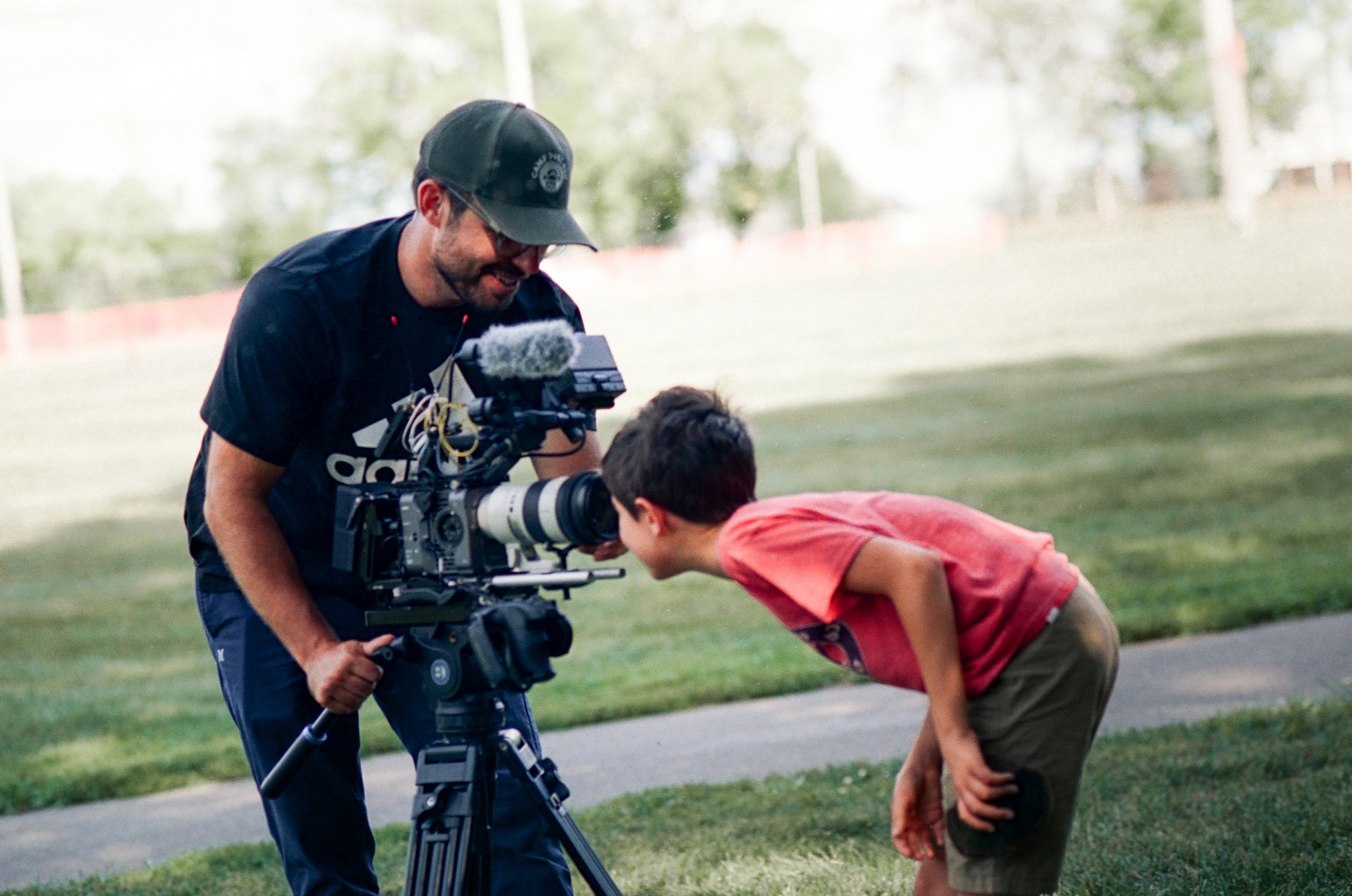
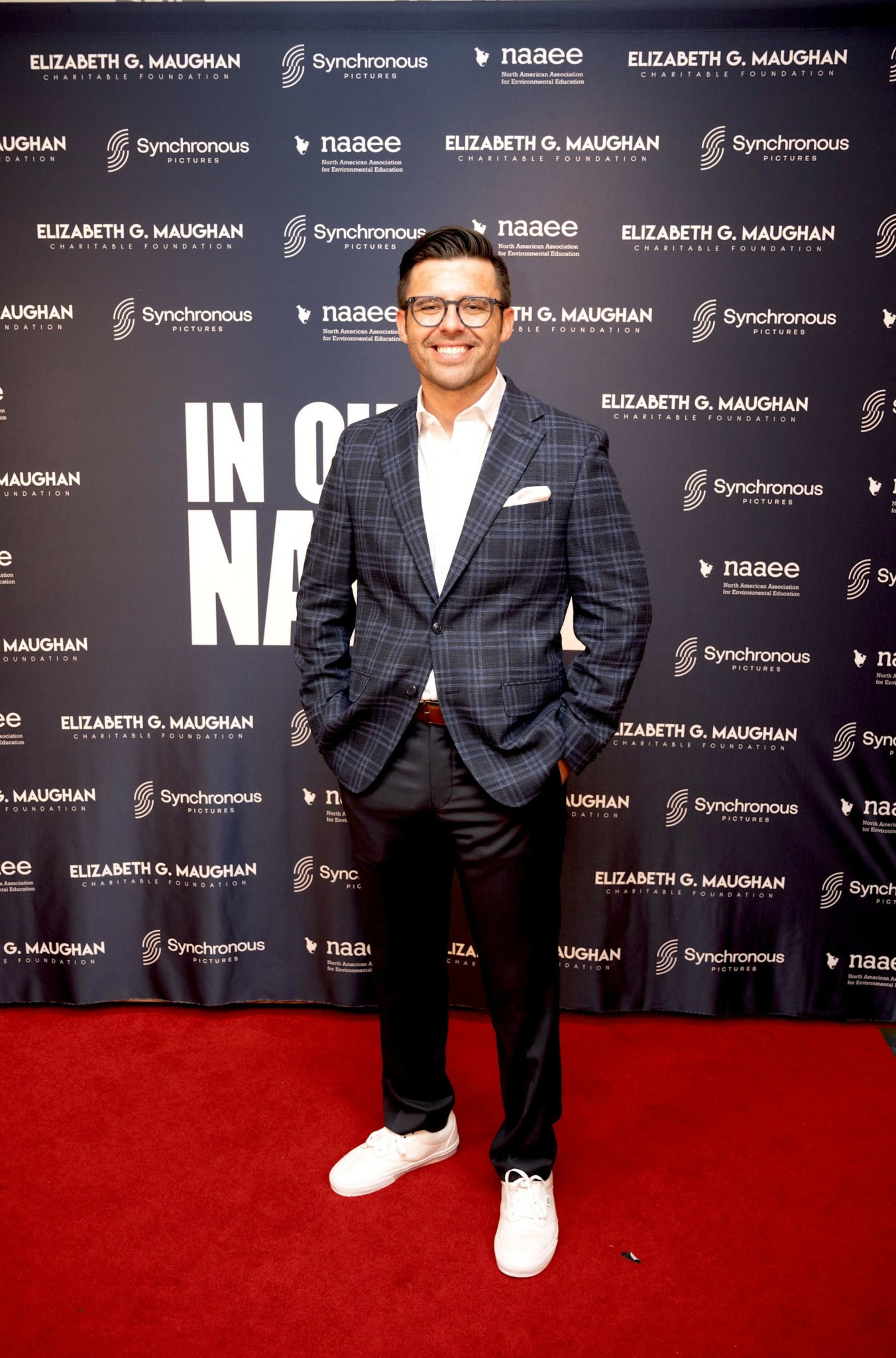
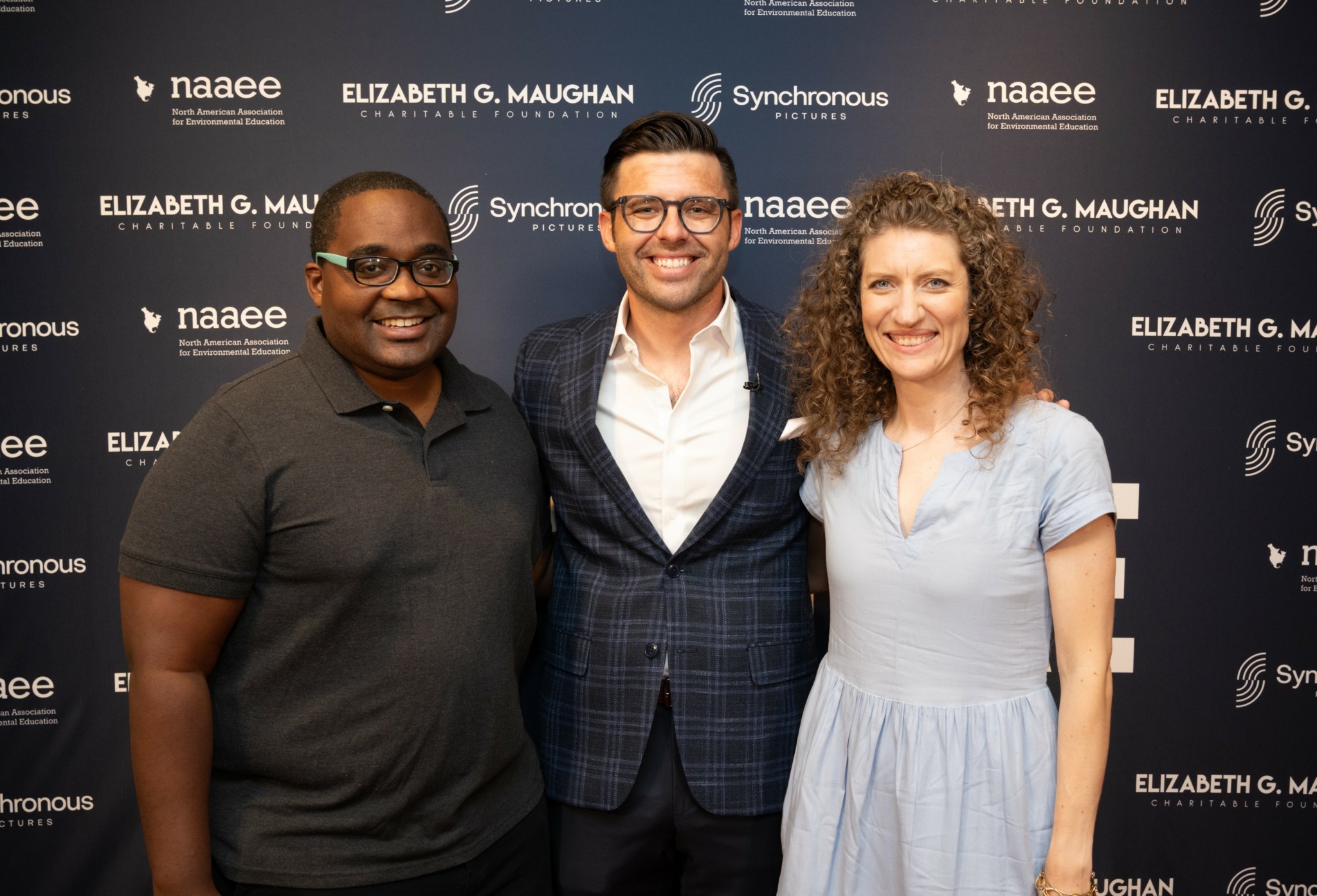
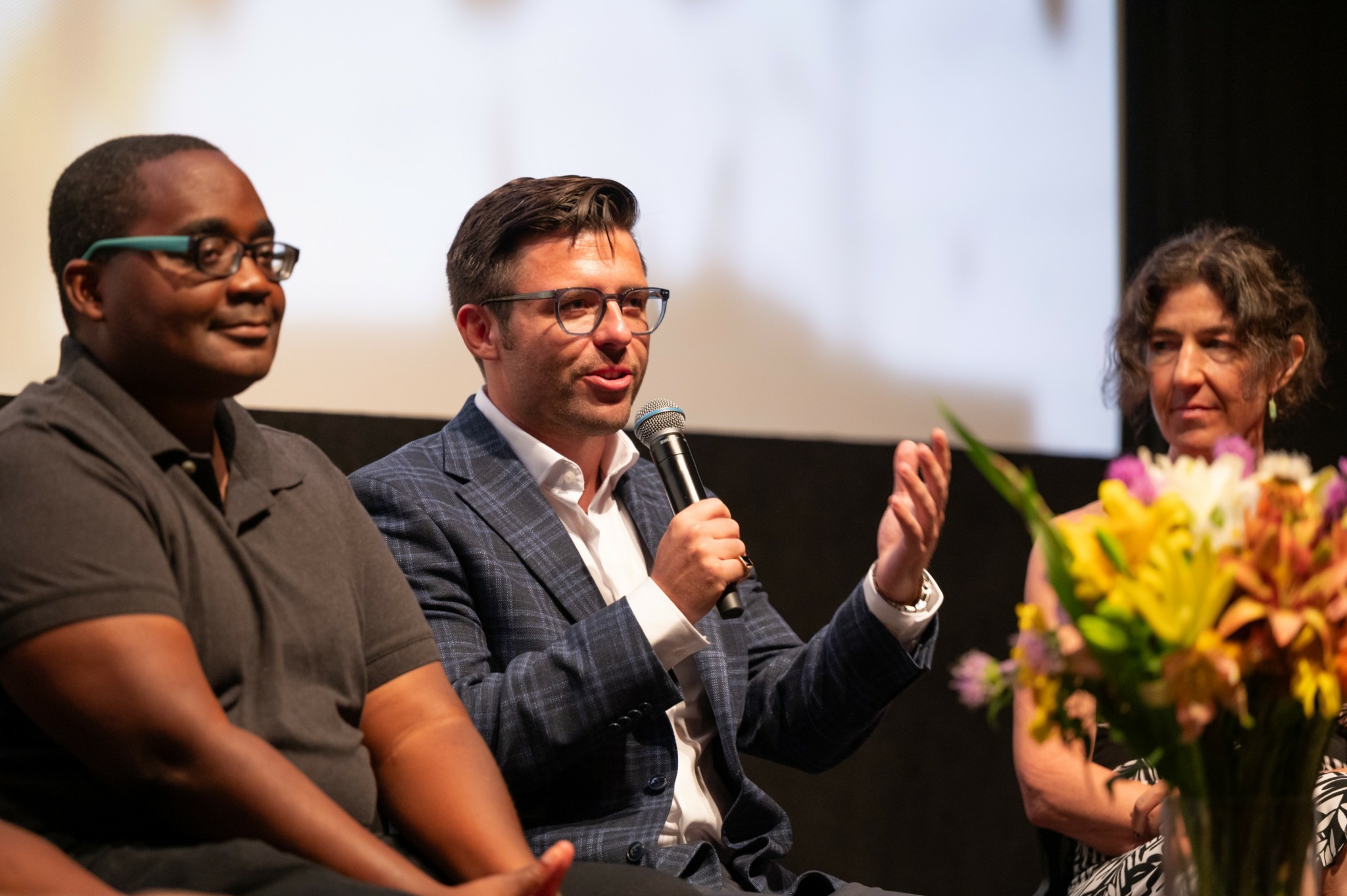
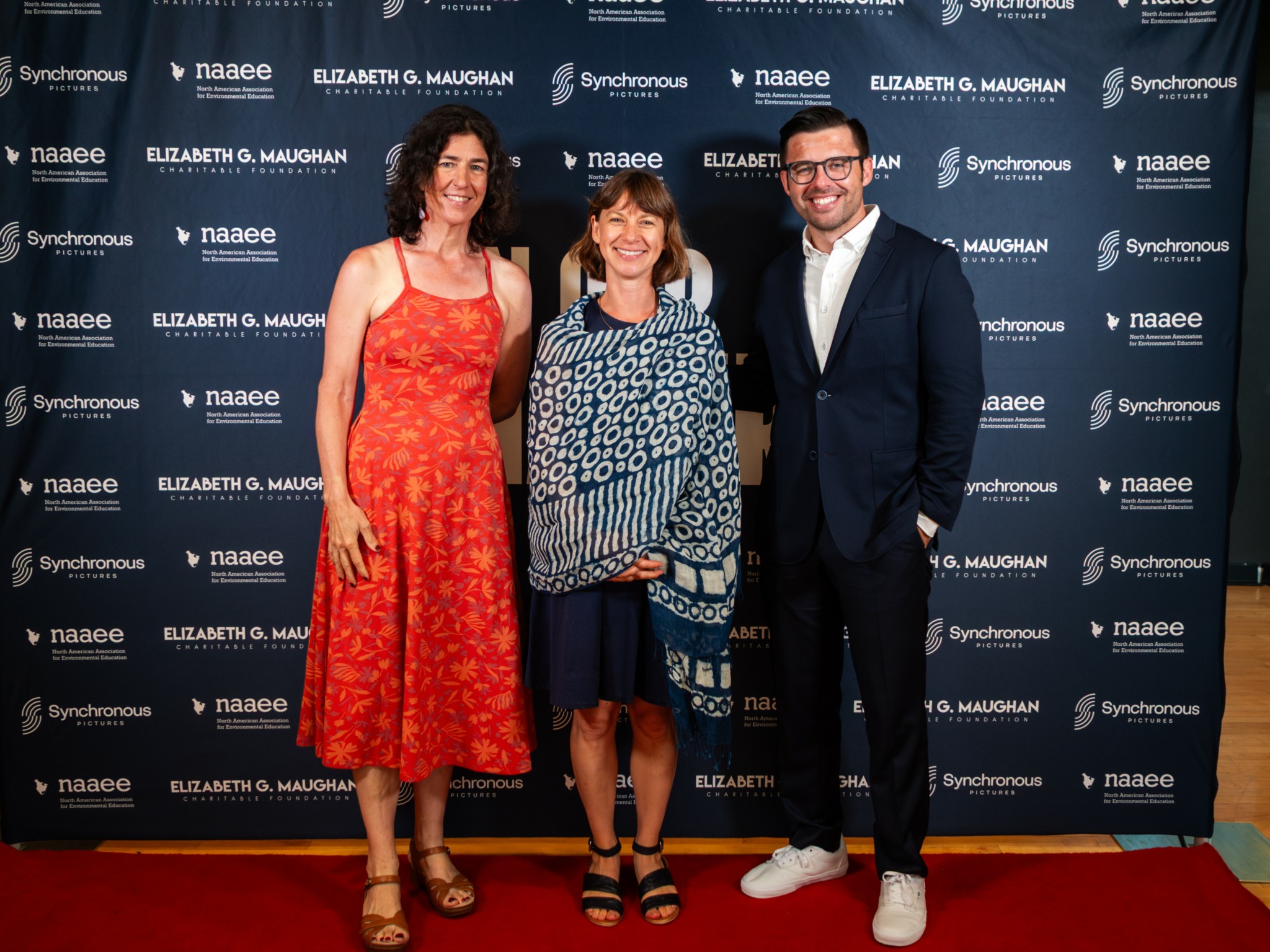
Image Credits
Andres Lopez, Tina Smothers, Heartland Communications