
We’re excited to introduce you to the always interesting and insightful James Nelson. We hope you’ll enjoy our conversation with James below.
James, appreciate you joining us today. Going back to the beginning – how did you come up with the idea in the first place?
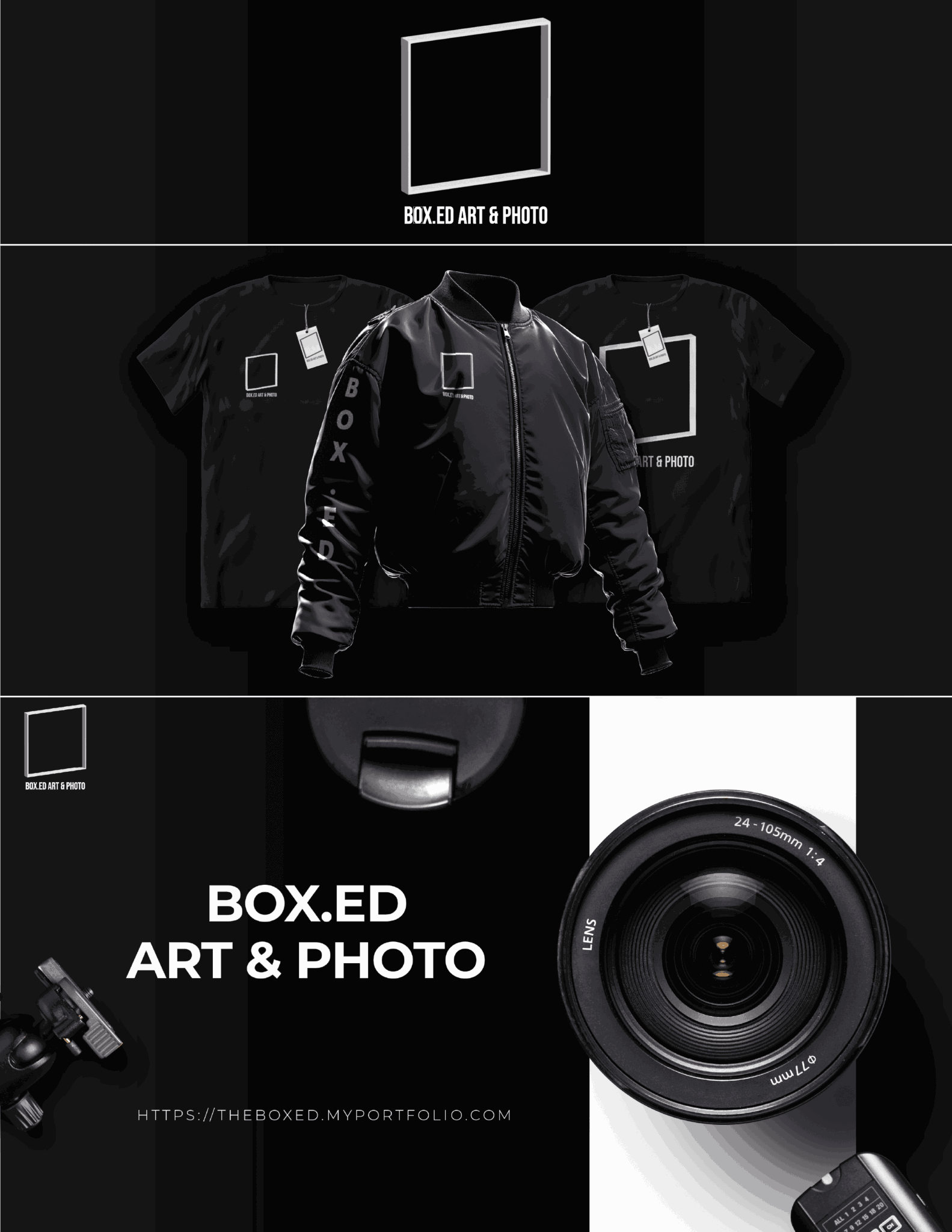
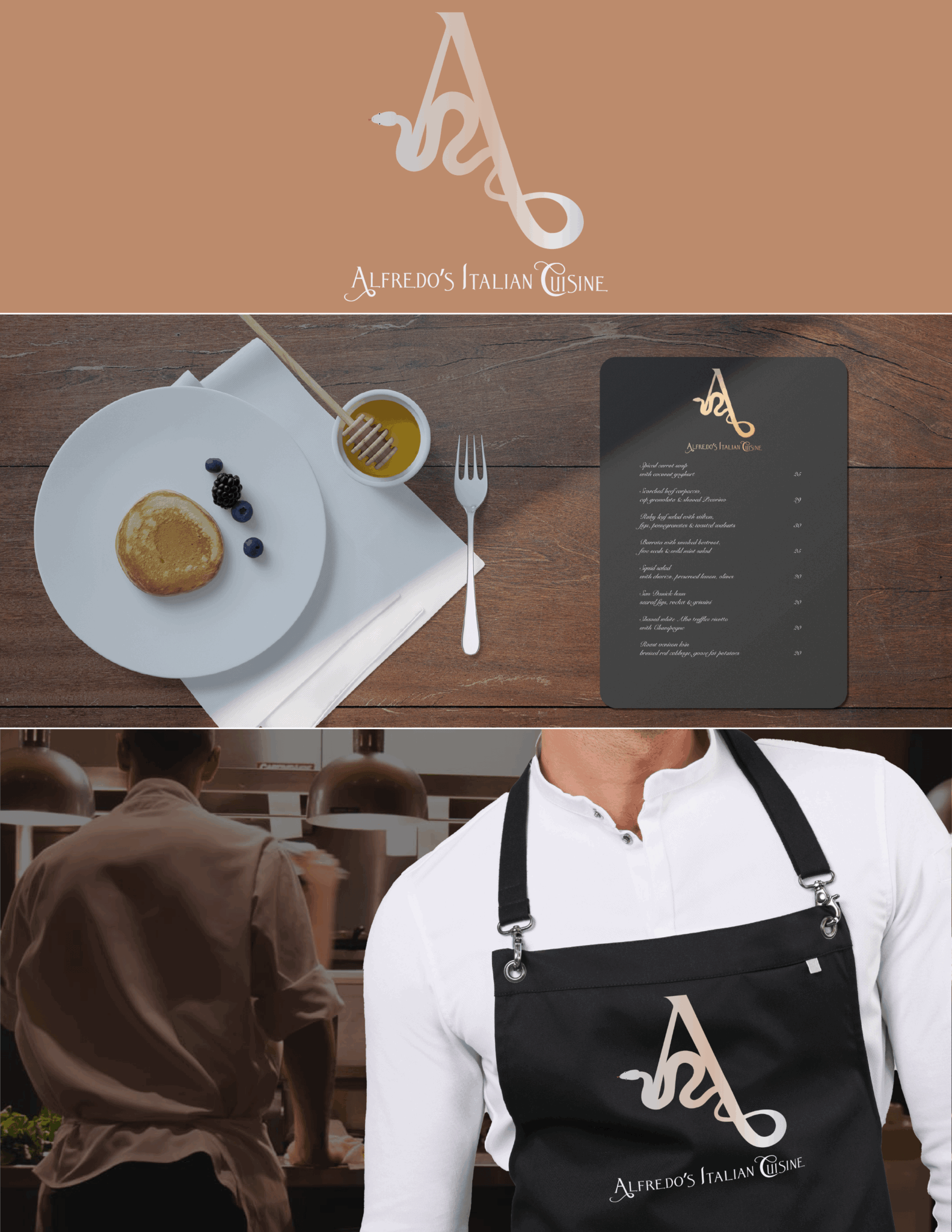
The idea for my creative services business grew out of a moment when passion collided with practicality. I had always been drawn to design—the way colors, fonts, and imagery could communicate emotions and tell the story. I freelanced on the side while gaining knowledge through school and YouTube.
One day, I realized the joy I felt wasn’t just from the work itself, but from seeing how my designs elevated people’s vision. It was at that moment that I saw the true value of what I could offer—not just aesthetically pleasing visuals, but visual solutions that could transform a brand’s identity and customer engagement.
I started to notice a gap in the market: a lot of businesses were struggling to convey their brand’s story in a cohesive and impactful way, especially smaller companies that couldn’t afford big agencies. That’s when the idea crystallized—to create a service that was accessible but still delivered high-quality, bespoke designs that could scale with a business’s growth.
The emotional aspect was both exhilarating and terrifying. There’s always that fear—what if it fails? But the logical side of me knew I had the skills, the experience, and the drive. I spent weeks strategizing, researching, and refining my offerings, making sure that I wasn’t just another designer, but someone who could truly elevate brands.

James, love having you share your insights with us. Before we ask you more questions, maybe you can take a moment to introduce yourself to our readers who might have missed our earlier conversations?
I’m a graphic designer who specializes in creating visual identities that help businesses stand out and connect with their audiences. My journey into this field started early—I’ve always been fascinated by the power of design and how it can shape perception. I first dabbled in graphic design through side projects in high school, and that passion continued to grow. After studying design formally, I started my own business, where I could have the creative freedom to shape brands in ways that are truly meaningful.
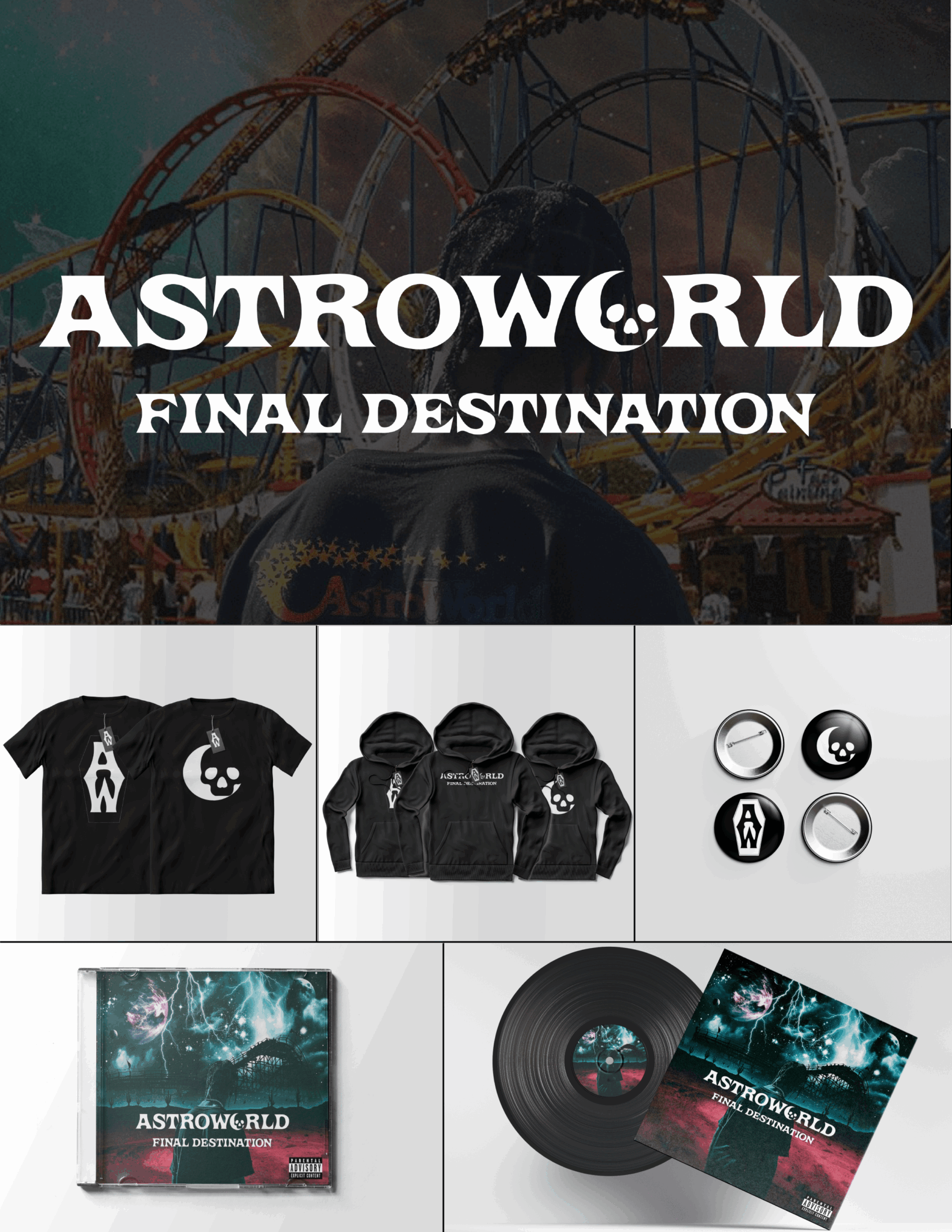
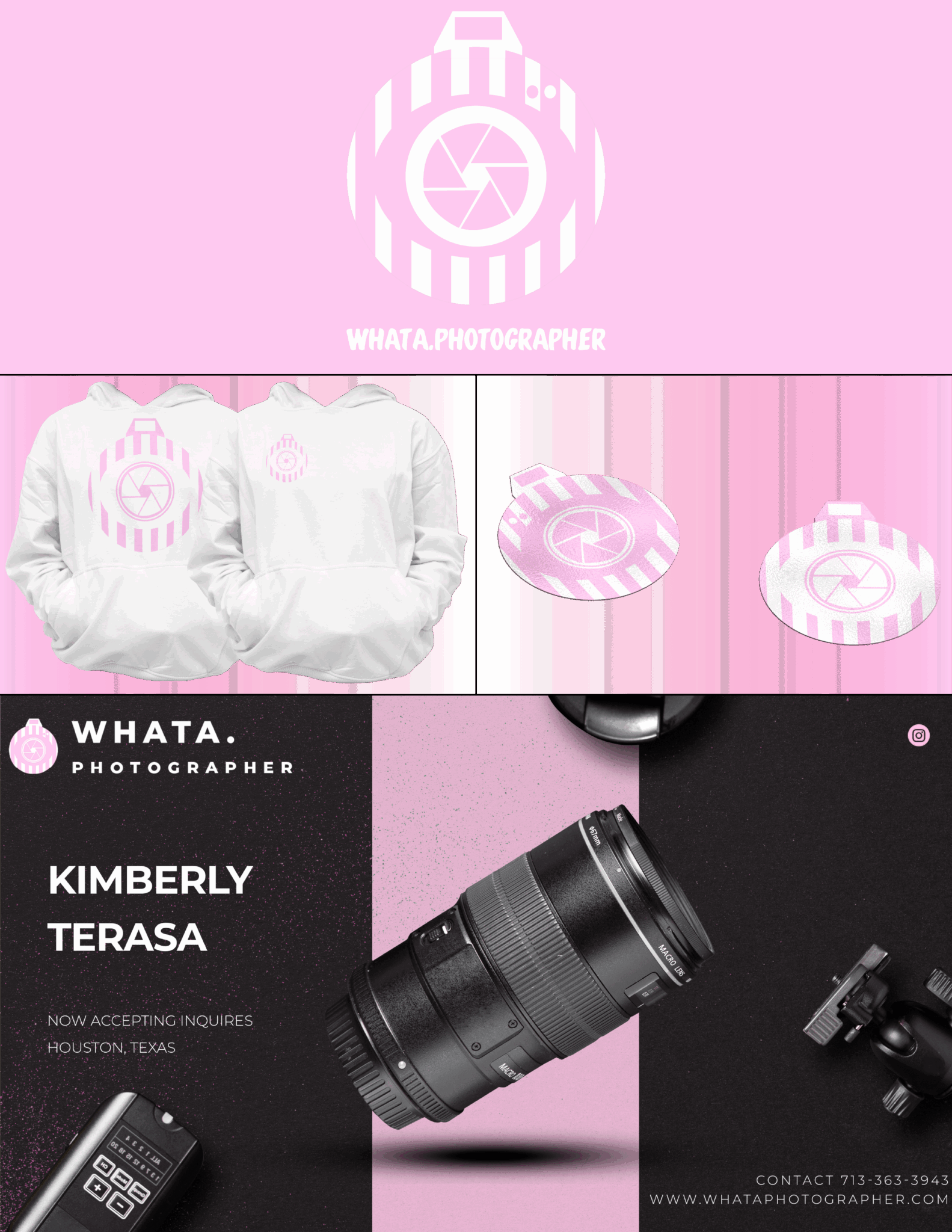
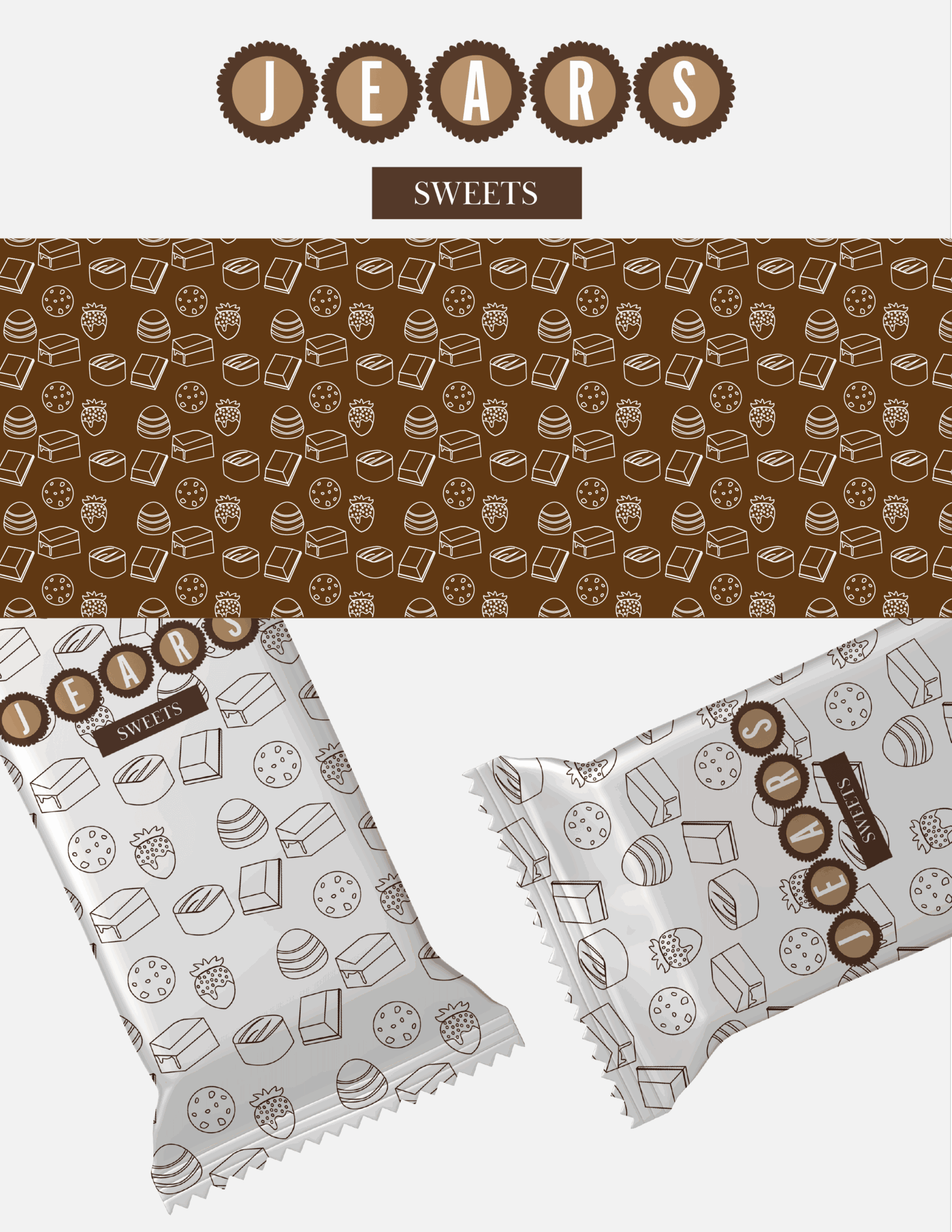
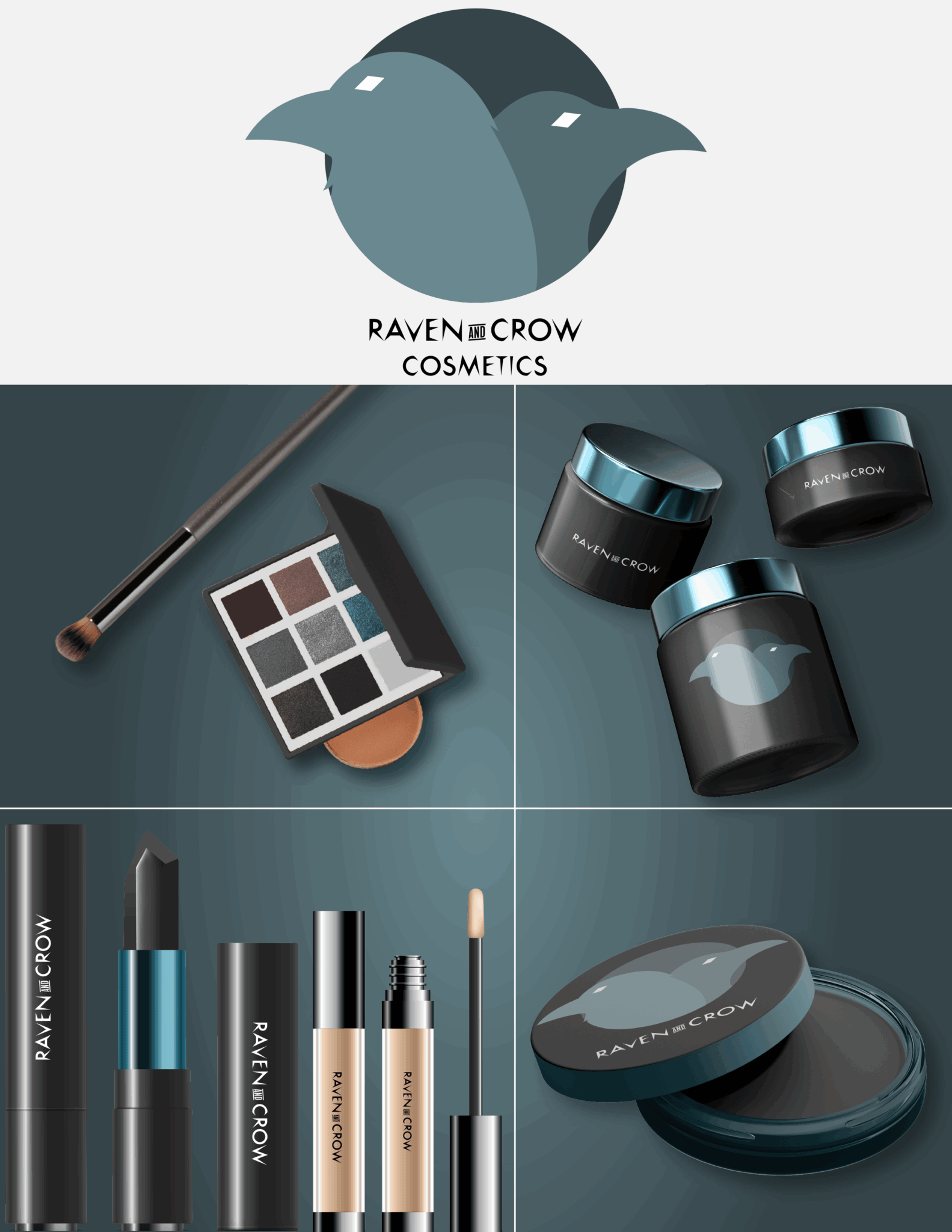
I offer a wide range of creative services, including branding, logo design, and packaging. My clients mostly range from startup businesses, and what I aim to do is create cohesive, impactful designs that tell their story clearly and effectively. Whether it’s a new business looking to build its brand from scratch or a company looking to refresh its image, I provide tailored visual solutions that help them communicate who they are and what they stand for.
What sets me apart is my ability to really listen to what my clients need and translate that into design. I don’t just create pretty visuals; I solve problems. If a brand is struggling to connect with its audience, I dig deep to understand why and develop design solutions that build that bridge. I also bring a strategic approach to design, ensuring that the work not only looks great but also aligns with a client’s business goals.
I’m most proud of the relationships I’ve built with my clients and the results I’ve been able to help them achieve. Seeing my work positively impact a business—whether it’s helping them gain more visibility, increase sales, or build customer loyalty—is incredibly rewarding.
What I want potential clients to know about my work is that I approach every project with passion, precision, and a clear focus on helping them grow. My goal is always to create designs that are not only aesthetically compelling but also purposeful and impactful. I believe great design should elevate a brand, and that’s the standard I strive to meet in everything I do.
Is there something you think non-creatives will struggle to understand about your journey as a creative?
One thing that non-creatives might struggle to understand about my journey as a graphic designer is the constant balance between creativity and structure. There’s this misconception that being creative is just about coming up with ideas on a whim and making things look nice, but in reality, it’s a far more complex and disciplined process.
For instance, design isn’t just about aesthetics; it’s about problem-solving. Every logo, website, or branding package I create has to serve a purpose beyond looking good—it has to communicate the essence of a brand, appeal to the target audience, and be functional in its various applications. Non-creatives might not realize how much thought, research, and intention go into each design decision. It’s like trying to translate an abstract feeling or idea into something concrete that can resonate with people on an emotional and practical level.
Another aspect that’s often misunderstood is the vulnerability involved in creative work. As designers, we pour a lot of ourselves into our projects—our ideas, our vision, and our personal taste. Every piece of feedback, especially in the early stages of my career, felt like feedback on me as a person. Over time, I’ve learned to separate myself from the work, but it can still be tough to navigate when people don’t see the same value in the design as you do.
Also, the creative journey is rarely linear. It involves trial and error, sometimes stepping back to revisit ideas, and embracing the fact that not every project will be a smooth ride. I think many non-creatives assume that the work just flows effortlessly, but the reality is often filled with revisions, doubts, and those “aha” moments that come after hours of wrestling with an idea.
The insight I’d offer to non-creatives is that creativity isn’t magic—it’s a process that involves both intuition and structure, a lot of learning, and an openness to failure and growth. If more people understood this, they might appreciate that the creative journey, while rewarding, is just as challenging and methodical as any other profession.

Any insights you can share with us about how you built up your social media presence?
Building my audience on social media was a gradual process that required patience, consistency, and a lot of experimentation. In the beginning, I didn’t have a grand strategy—I was simply sharing my work, my thoughts on design, and behind-the-scenes insights into my creative process. What I quickly learned is that people connect with authenticity, not just polished, finished products.
For anyone starting to build their social media presence, my advice is:
Be authentic – Don’t feel like you have to always present perfectly polished work. Share your process, your thoughts, and even your challenges. People connect with stories, not just visuals.
Provide value – Think about what your audience can gain from following you. Whether it’s design tips, industry insights, or inspiration, make sure you’re offering something that’s useful or inspiring to your followers.
Engage with others – Social media is a two-way street. Don’t just post and leave—engage with your audience, comment on other people’s posts, and be part of the larger creative community. Building relationships online is just as important as building your portfolio.
Consistency is key – You don’t need to post every day, but being consistent helps build trust with your audience. Create a posting schedule that works for you, and stick to it.
Experiment and adapt – What works for one platform or audience may not work for another. Try different types of content—videos, tutorials, behind-the-scenes posts—and see what resonates most with your followers. Don’t be afraid to pivot if something’s not working.
In the end, building a social media presence isn’t about chasing numbers; it’s about building a community and providing value. Stay true to your voice, be patient, and focus on connecting with your audience in a meaningful way.
Contact Info:
- Website: https://JJNGraphics.com
- Instagram: https://www.instagram.com/jjngraphics/