
We recently connected with Jake Wade and have shared our conversation below.
Alright, Jake thanks for taking the time to share your stories and insights with us today. What did your parents do right and how has that impacted you in your life and career?
I remember both of my parents being supportive of my creative projects and artwork growing up, which looking back, was certainly a blessing. My mother and father always made sure there was material around to work with – especially paper and pens, colored pencils, paint, and markers. They seemed to appreciate my creations and enjoy seeing what I’d come up with. Encouraging, I guess, would be the choice word here. For awhile I was drawing a series of cartoons with a main character that was a friendly alien. My mother really liked those. She’d keep them tucked away somewhere, with all the other artwork I’d complete and give to her. I was in creative classes in school as well, and often there would be a mixed media component to the projects. I have fond memories of going to the arts and crafts store with her and picking out supplies. She’d make sure I had everything I needed, and that enthusiasm went a long way.
Then when I was eleven years old they got divorced and I started spending more time with my father. Around the same time, school became more writing-intensive and he’d often want to read my reports, stories, and assignments. He loved, and still loves, reading my written narratives. Throughout junior high school and high school he encouraged me to write and express myself as often as possible. I’d have vivid dreams some nights and occasionally I’d write up short stories about what they were like. He was particularly impressed by one very cinematic, surreal dream I had that I wrote nine or ten pages about. I think he made copies of it and sent it off to his siblings (my aunts and uncle).
As I got older, my father started suggesting I consider a career involving creativity. He’s an abstract painter and art dealer by trade, and has been for the majority of my lifetime. The biggest impact that has continued to shape my life isn’t so much his guidance and tutelage in pursuing a specific medium of art or production, but his perspective on lifestyle.
“Don’t get married. Don’t buy a house. Don’t have kids.” Since I can remember, this is what he’s recommended for me, and to some degree, my sister as well. His rationale being to keep my stress low, maintain my freedom of movement, and my ability to pursue opportunities as they arise. I’m not inherently against these three things, but by living without them, I’ve been able to carve a lifestyle powered by creativity and flexibility.
Jake, before we move on to more of these sorts of questions, can you take some time to bring our readers up to speed on you and what you do?
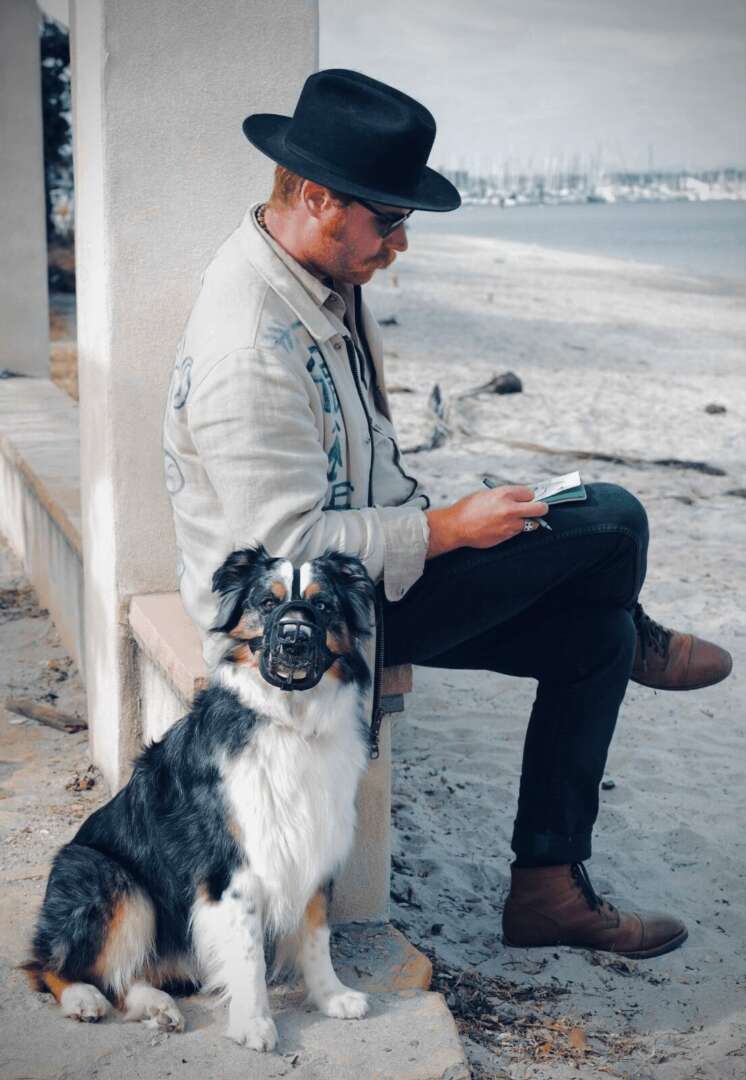
I’m not one for grand proclamations about myself, so I’ll do my best to stick to the facts here. Turning creativity into a direct career wasn’t exactly on my radar until six years ago. I did not go to art school, my bachelor’s degree is in Entrepreneurial Small Business Management. I always enjoyed the creative aspects of the work I was involved in prior to diving head first into making art as a more full-time focus, but prior to 2018 I only made art for myself, friends, and family. After losing my last professional marketing job, I was considering becoming a monastic and lived at a Hindu yoga ashram for a bit to try it out.
Then I experienced a mental health crisis and was diagnosed with Bipolar Disorder. My whole world got turned inside out and the only thing I felt connected with anymore was my creative endeavors. Specifically, producing art and writing.
I started drawing and painting as often as I could, out of desperation, and necessity. The experience of losing my mind and living through extreme psychosis left me with a lot of unresolved feelings, thoughts, and energies. Creating art and writing was the most profound and effective way of handling the aftermath of a very dark, nightmarish period of my life.
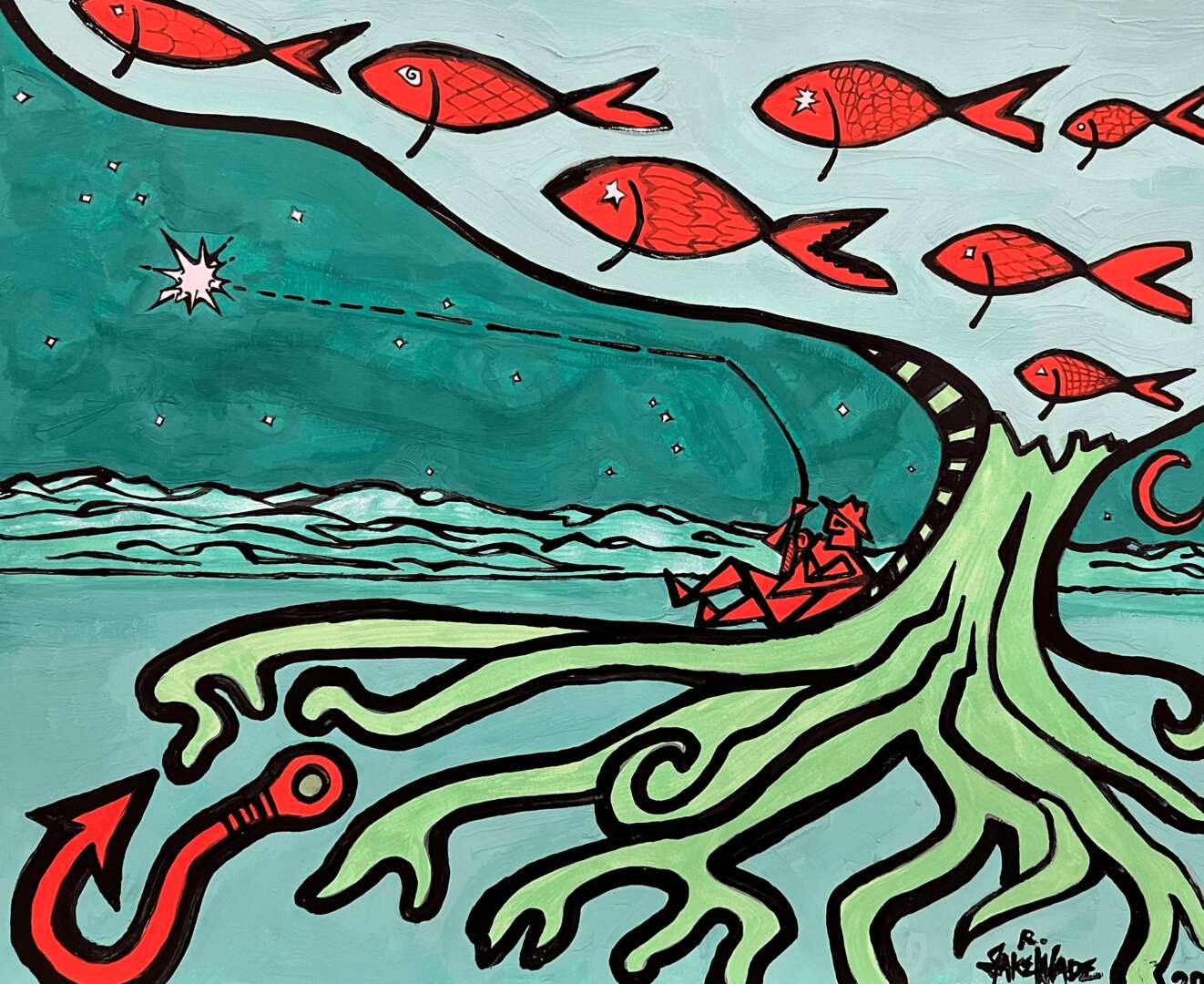
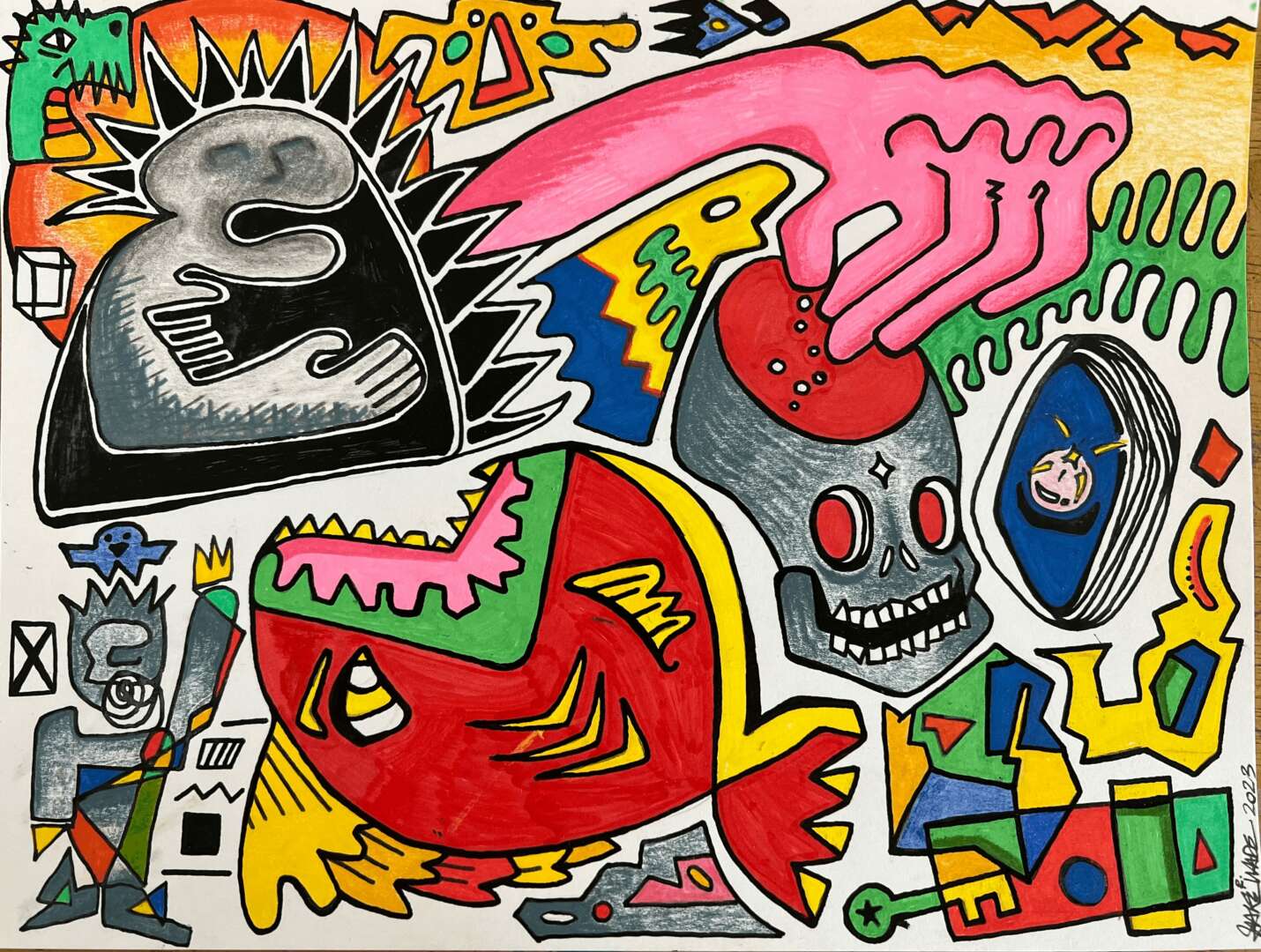
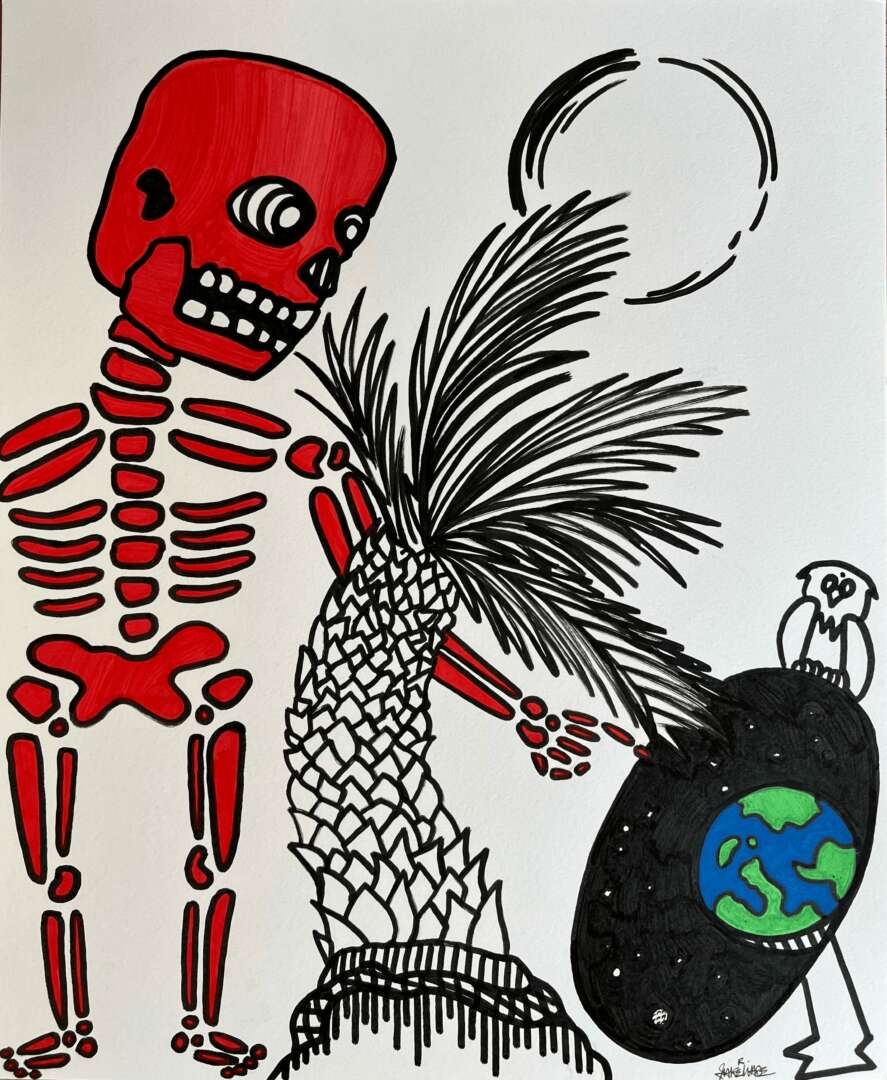
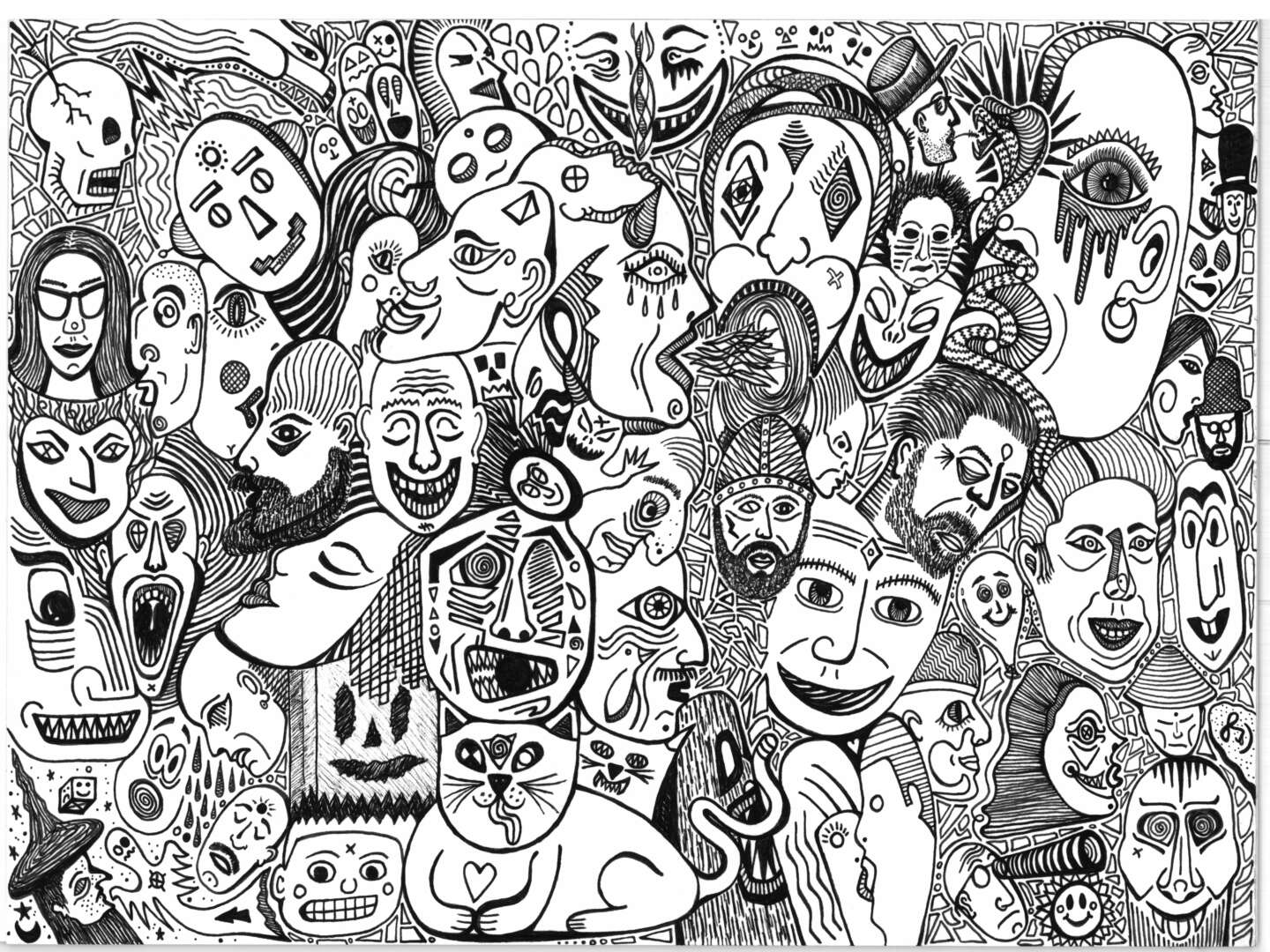
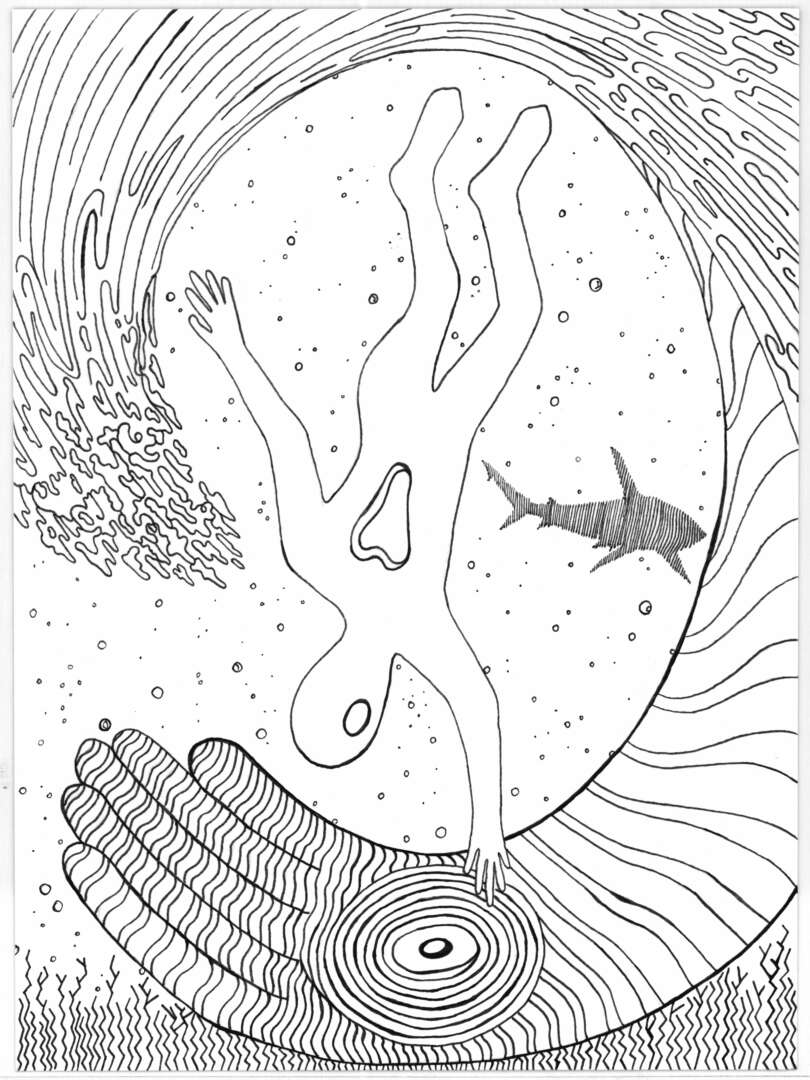
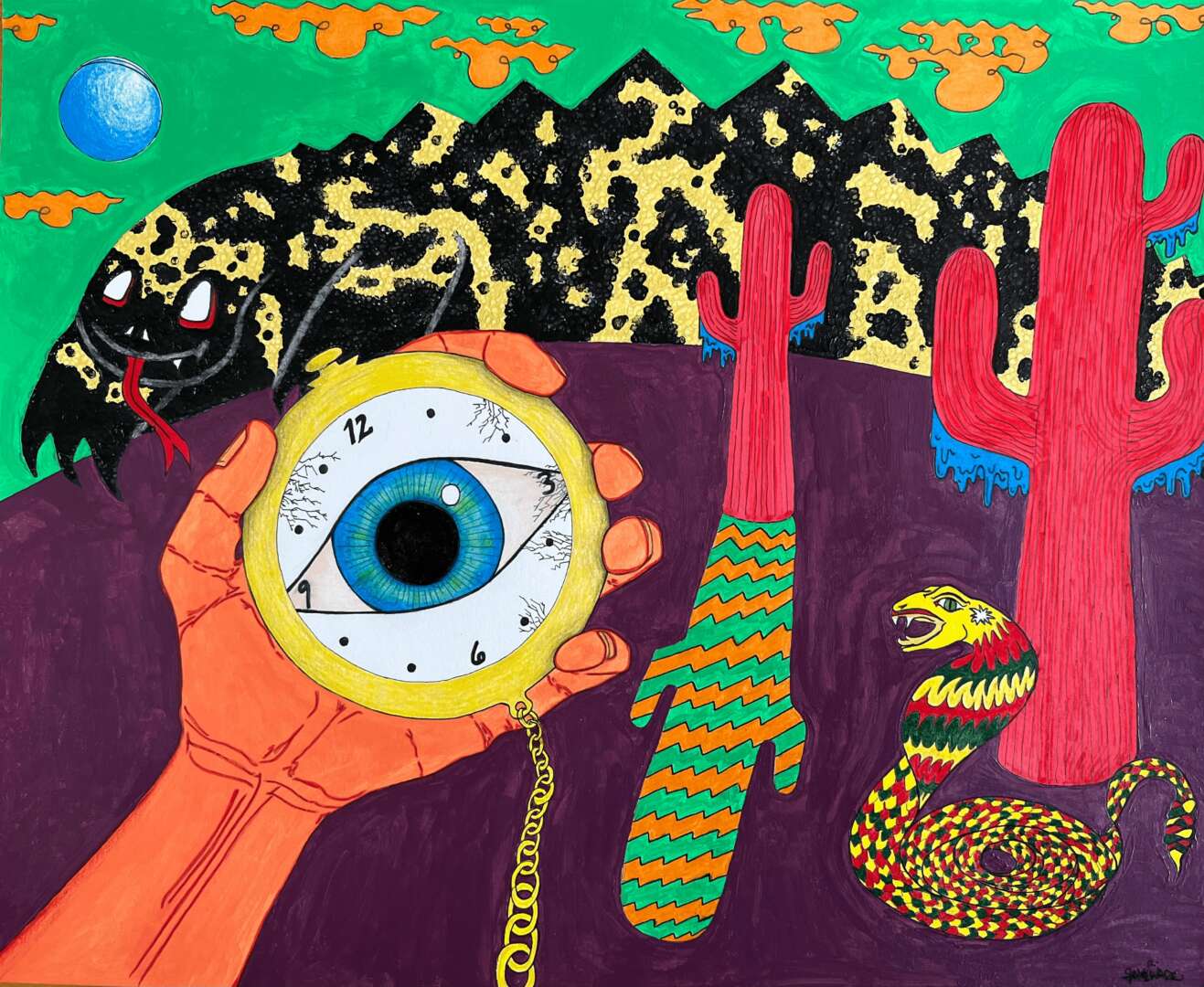
The last five years in particular have been the launch pad for developing my style and offering. I’d like to think I’ve turned the immense suffering of psychosis and the hell of psych ward incarceration into something worth sharing. Specifically, I’m on the verge of publishing a book with 36 pieces of black-and-white surrealism accompanied by 36 pieces of writing that addresses mental, emotional, and spiritual health. My hope is that this book and its art will resonate with others who have gone through, (or are going through), their own living nightmare, and to affirm the light at the end of the tunnel. Its existence, and its imminent return.
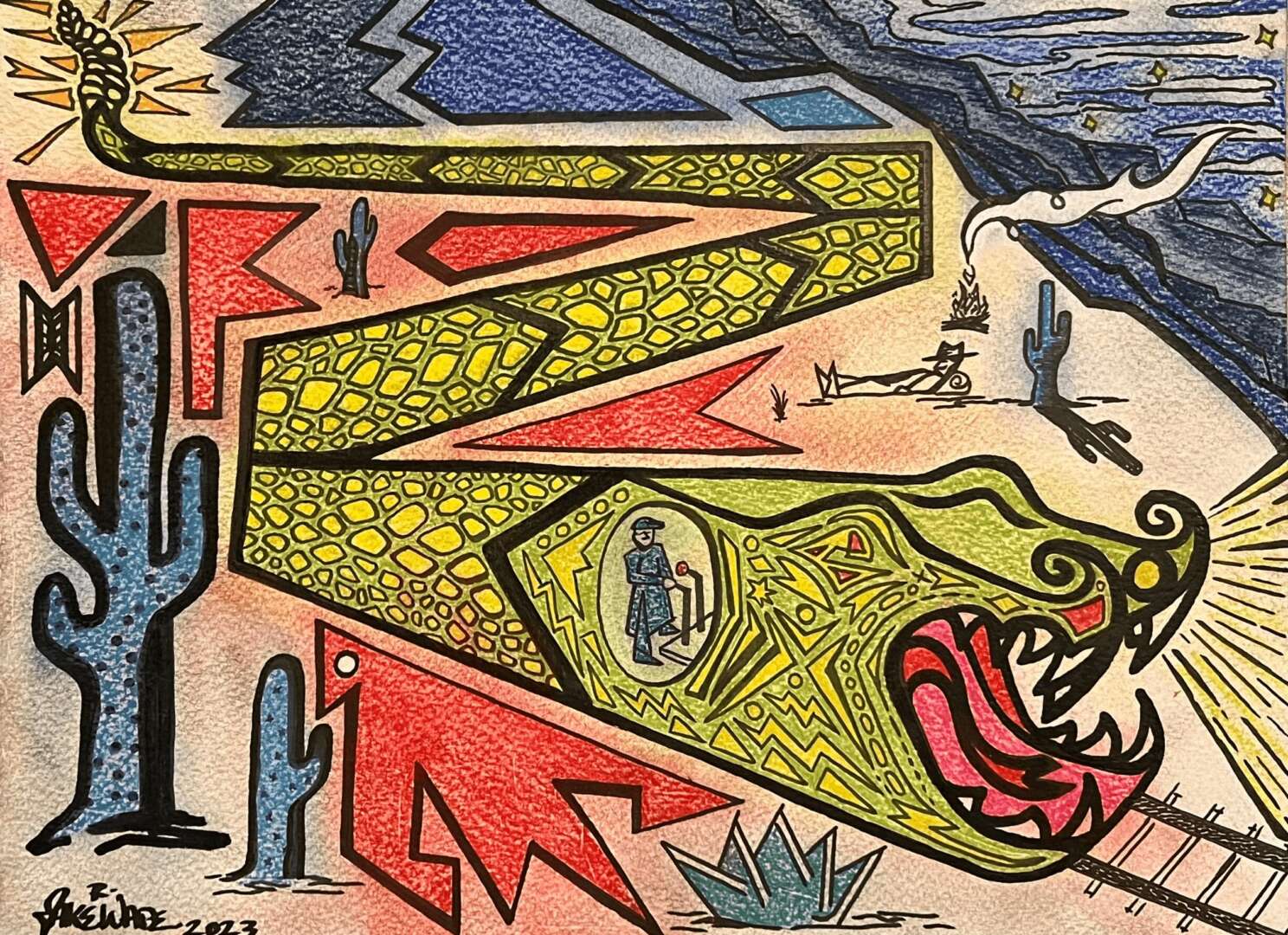
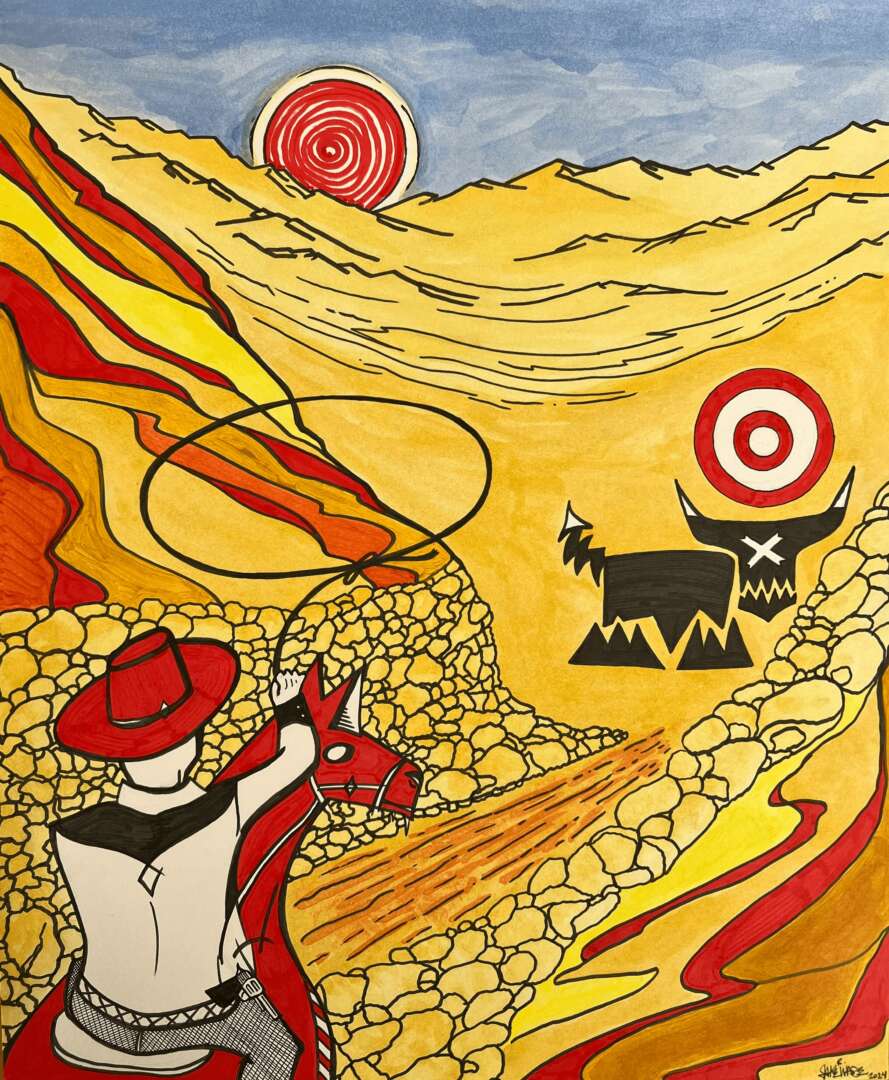
Since finishing the work for the book, I have ventured back into creating color work, which reflects my own rediscovery of the lighter, brighter, and more enjoyable side of life.
Is there a particular goal or mission driving your creative journey?
The power of art and creativity as a healing medium has been largely forgotten in our Western culture. As I mentioned previously, making art was about the only thing keeping my feet on the ground during the darkest trials of my life. Not surprisingly, a lot of my work reflects this feeling. A few years ago when I started sharing some of my early work for the book in DBSA (Depression & Bipolar Support Alliance) meetings, this concept hit me like a ton of bricks. The feedback, and sometimes tears, that my art would generate was powerful. Creating art for myself that feels cathartic is one thing. Sharing work that can stir healing and help others process certain emotions and experiences is something I wasn’t quite prepared for. It was in these meetings that a fellow member suggested I put together this work in a book to share on a larger scale.
So, I’m not sure my goal or mission was to be doing what I’m doing now, but it became apparent over time. On a broader note, my life seems to work better when I let go of my expectations and let the mystery of life steer the ship. I enjoy being of service; “how” I’m being of service shifts over time, and allowing space for creativity to influence that service gives me positive results (most of the time), because it’s coming from an authentic place.
What do you find most rewarding about being a creative?
Creating art is a liberating experience. By default, I’m trying to translate something that transcends language and conventional communication. That’s exciting to me. That is the “juice” behind artistic activity. I have a lot of respect and admiration for beautiful writing, languages, and speaking, but the missing component for me has always been the lack of visual art. I think that’s why we love movies — they blend all forms of storytelling and communication — language, music, visuals, it’s all there. And the product is movement; we’re moved, internally, emotionally, spiritually, by deep storytelling.
The more creative aspects can be utilized in telling a story, sharing a feeling, an idea — the more powerful the message comes through to the person experiencing the art, in general. I love being able to make things that tell stories via the mediums of lines, shapes, colors, negative space, and so forth. Hopefully some of my messages are coming through. I don’t have words for most of them, but I hope people enjoy my work, and it stirs something in them.
Contact Info:
- Website: https://jakefordwade.com
- Instagram: https://www.instagram.com/jakefordwade
- Linkedin: https://www.linkedin.com/in/jake-wade