



Alright – so today we’ve got the honor of introducing you to Jake Spivack. We think you’ll enjoy our conversation, we’ve shared it below.
Alright, Jake thanks for taking the time to share your stories and insights with us today. What do you think Corporate America gets wrong in your industry?
I think Corporate USA places an emphasis on monetary success more so than artistic nuance and depth, which I have noticed from a young age. I actually left the US after University to pursue living in Berlin full-time partly for this reason. As a creative growing up in Los Angeles and New York City, I have always felt inferior to my creative peers and had this inner desire to want to compete and show off my work, even if it was not fine-tuned nor proofread yet. I placed a lot of emphasis on numerical status and not as much on artistic vulnerability. In the age of social media, I find it so easy to compare myself to other peers who appear to have more followers, more projects booked, and more clout than me. It has completely took away my love for art and instead made me feel this inner productivity pressure treadmill that has made it essentially harder to be authentically creative.
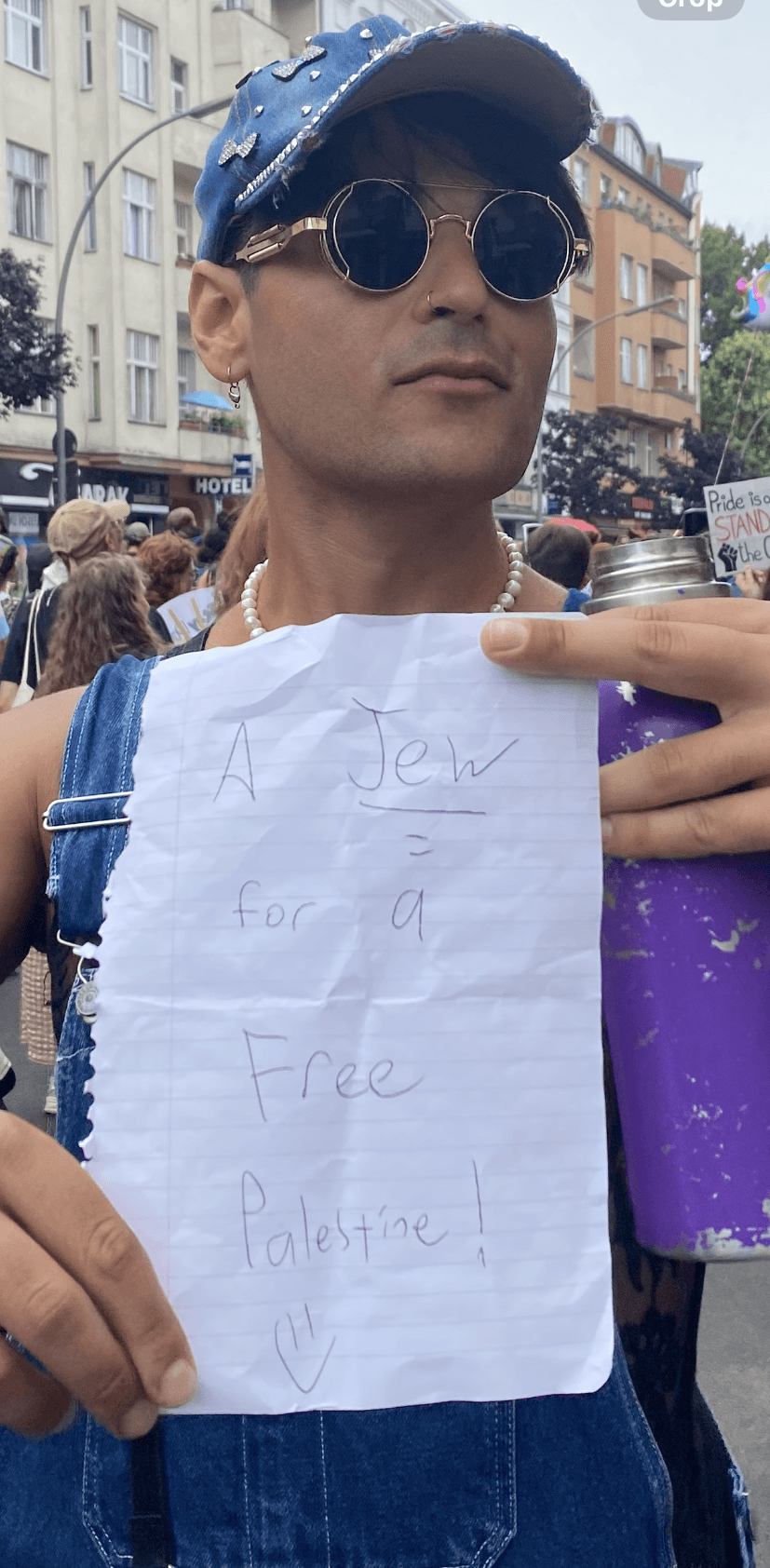
Jake, before we move on to more of these sorts of questions, can you take some time to bring our readers up to speed on you and what you do?
I am in the process of writing a novel, pondering over themes such as queer romance, ancestral connections, hedonism, gender dysphoria, body dysmorphia, digital addiction, Jewish guilt and optimistic nihilism. The work follows the parallels between an autistic Jewish burlesque dancer in Germany’s Weimar Republic and her Jewish autistic grandchild eighty years later, who leaves Trump’s America in 2016 for Merkel´s Germany. The work would aim to highlight three crucial years (1933/2016, 1945/2020, 1967/2023) for both the grandmother and the grandchild, and how both of their experiences are similar in terms of existing in “Verkleidung” (German word for Camouflage).
How about pivoting – can you share the story of a time you’ve had to pivot?
After some years of studying and working in the film and entertainment industry, I experienced a lot of shaming and bullying for my neurodivergence by peers and colleagues. I sometimes find it difficult to follow auditory directions, and would have to ask people I worked with for written out directions multiple times. This would often lead to colleagues thinking I am not present and do not care about my work. Because of this, I pivoted to a career in social work, where I can liaise and communicate with corrupt systems and work with people who are in need of social aid and emotional assistance. In this field, I have also experienced similar power dynamics in work spaces where my neurodivergence often stifled my performance. However, it was a career that allowed me to problem solve in addition to strengthening my listening skills, which I am full of gratitude for.
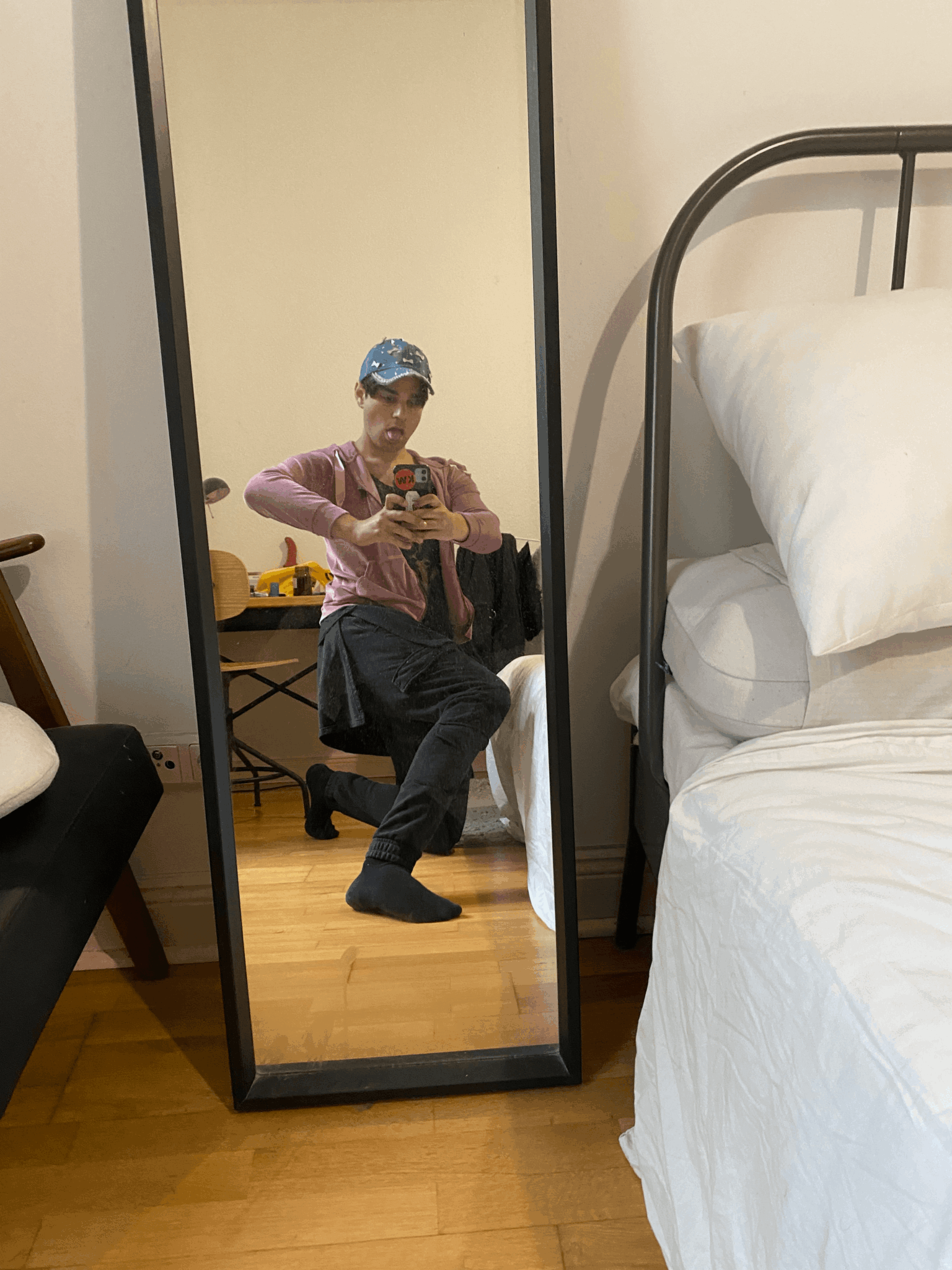
What’s the most rewarding aspect of being a creative in your experience?
Being a creative means utilizing my subconscious and displaying it onto a medium outside my own body. I feel like I can work with my intuitive ideas, concerns, and hopes for the world by turning them into a performance, written work, or film.
Image Credits
Andrew Putschoegl