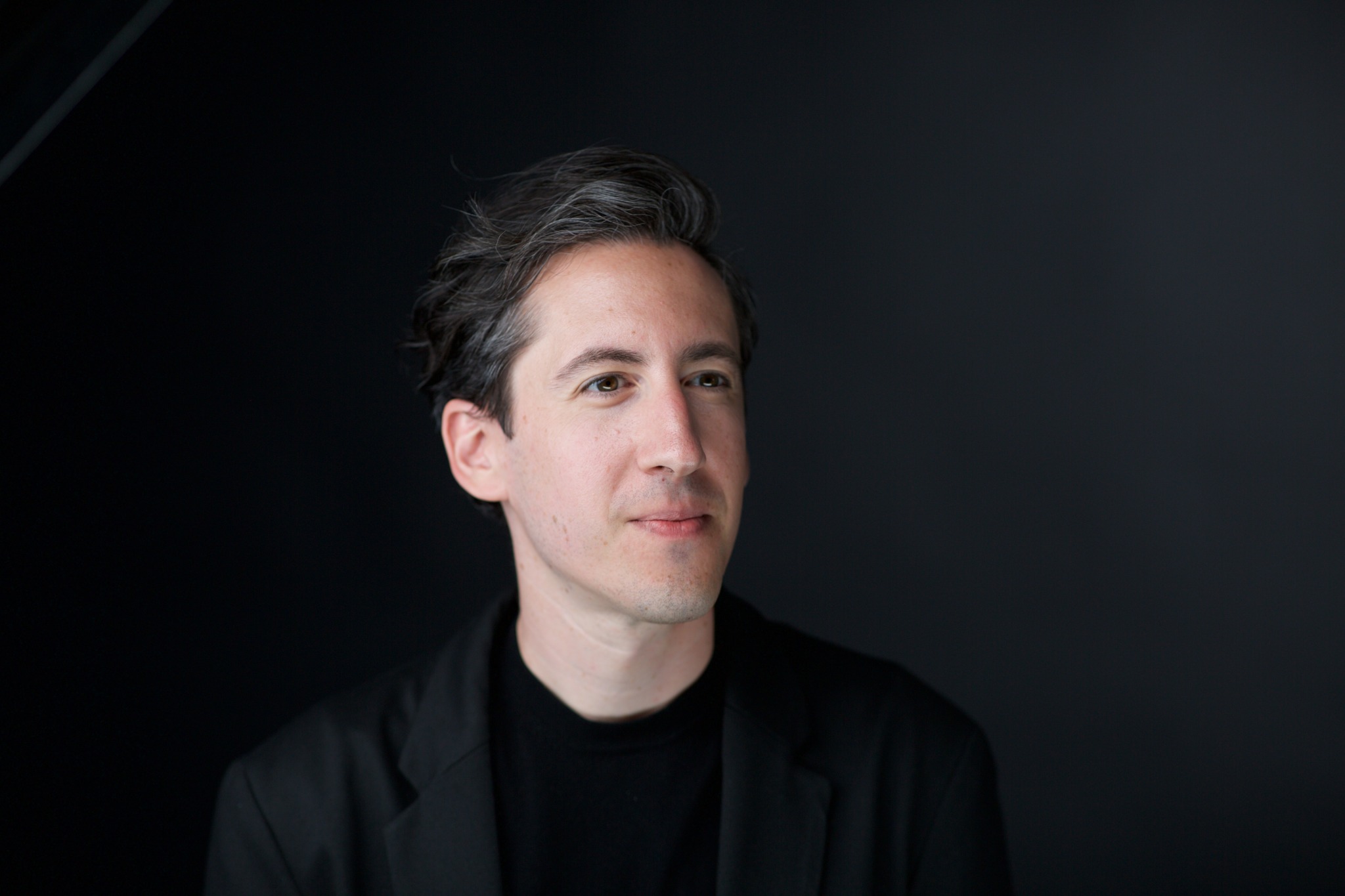

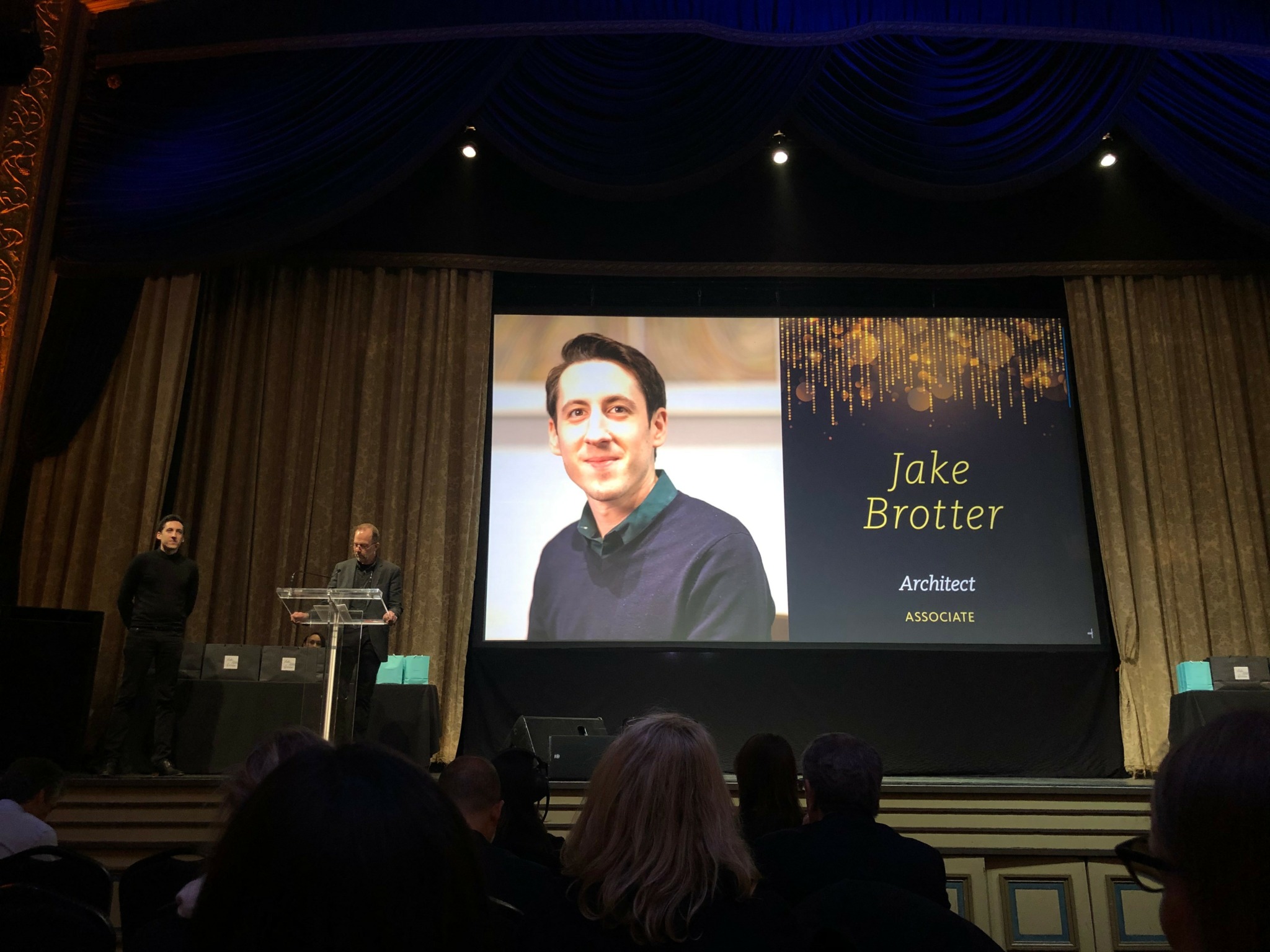
We were lucky to catch up with Jake Brotter recently and have shared our conversation below.
Jake, thanks for joining us, excited to have you contributing your stories and insights. When did you first know you wanted to pursue a creative/artistic path professionally?
From as early as I can remember, I have always been drawn to art, music and science. The field of architecture and design then came into focus when I was 10 years old, and I was given the opportunity to attend an after-school program led by a local architect. I was so enthralled by the experience that after the first session, I literally shook my own hand and made a promise to myself to someday become a professional architect.
Jake, before we move on to more of these sorts of questions, can you take some time to bring our readers up to speed on you and what you do?
I had decided a young age to pursue architecture, so I spent a lot of time exploring tangential skills since there was no formal architectural training in the public school system. I took drawing classes at the Metropolitan Museum of Art and painting classes with a local artist in my town, and began interning with local architect as a model builder when I was 12 years old. I was finally able to formally study architecture and philosophy in college, and went on to pursue dual masters degrees in Architecture and Construction Management.
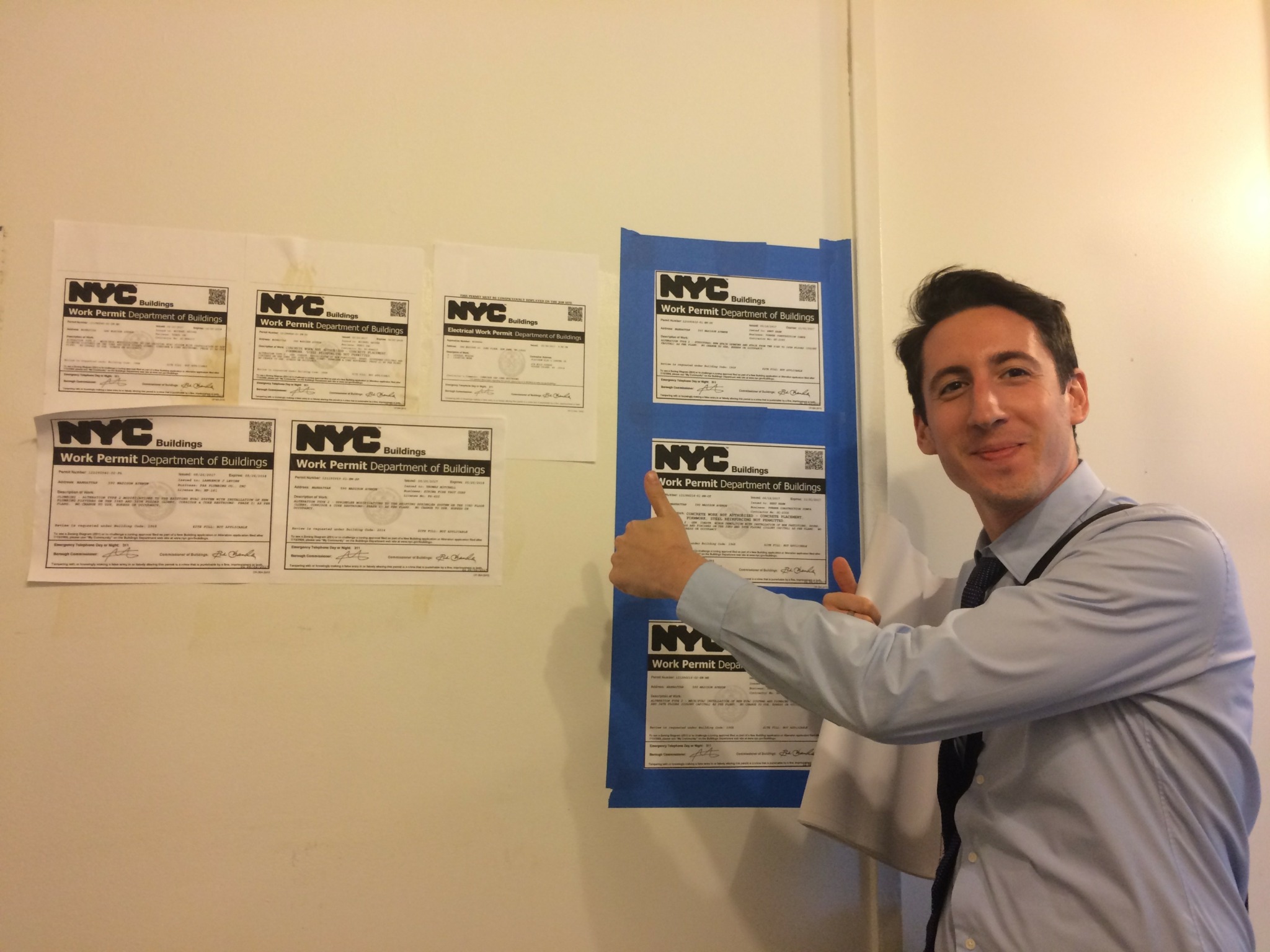
From that point on, my professional experience has been incredibly varied. My portfolio ranges from high-end single-family residential to higher education, performing arts centers, workplace interiors, museums, retail, hospitality and medical offices. So when people ask me what I specialize in, I simply tell them that my specialty is architecture. That said, I’m a native New Yorker and have been doing work in and around the city for decades, so I’m somewhat of an expert in complex DOB filings and approvals.
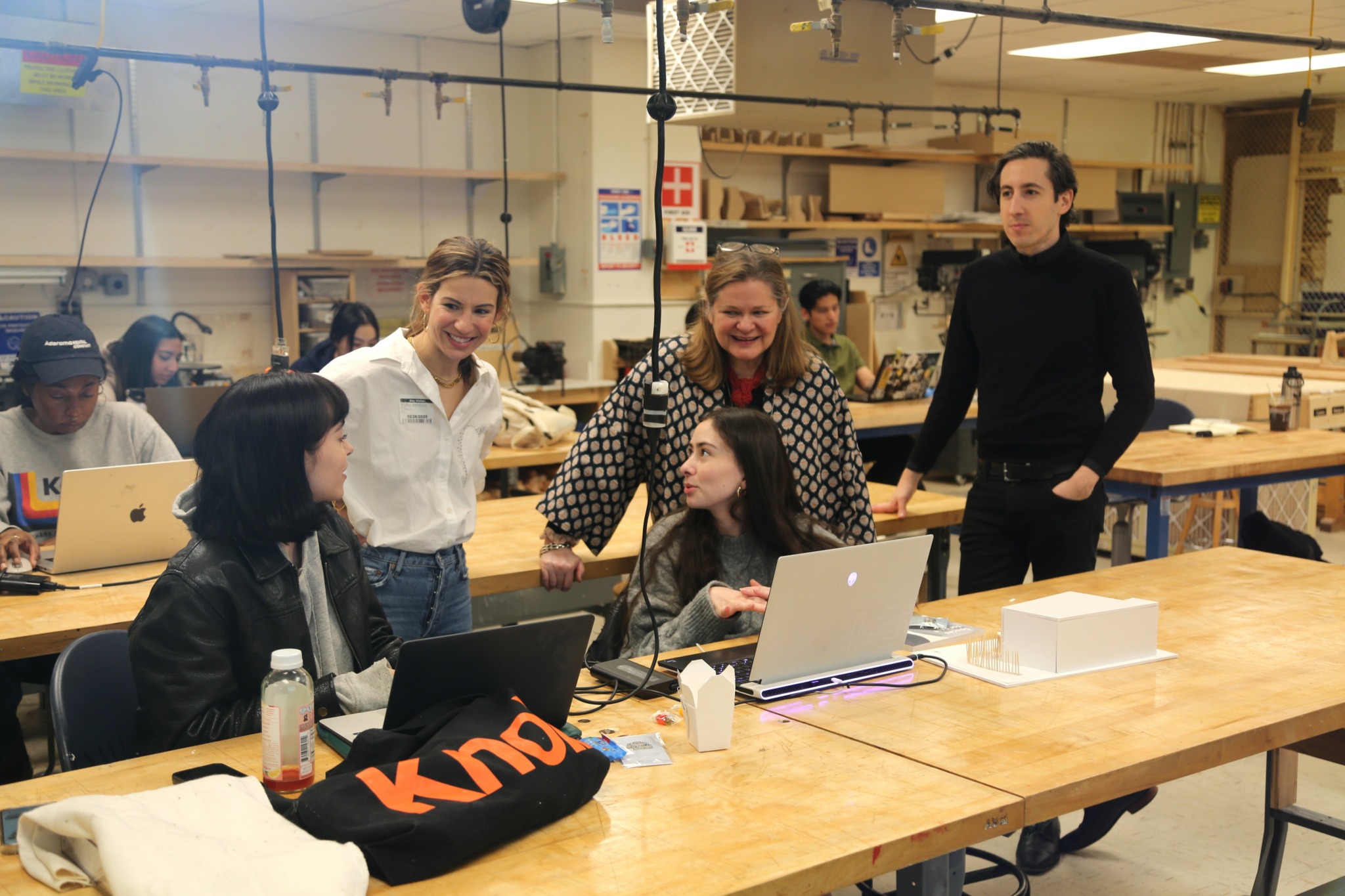
The projects that I’m most proud of are those with the widest public impact. I spent 10 years working at Gensler (the largest architecture and design firm in the world), and had the opportunity to work on a number of performing arts centers and museums. We most recently completed the Jackie Robinson Museum in Hudson Square, which was incredibly rewarding due to its cultural and historical significance. I have since gone on to fulfill my nearly lifelong dream of opening my own architecture studio, and launched Jake J Brotter Architecture & Design in 2024. This has allowed me to pursue my own clients and projects, and begin to chart a new professional path. Starting my own practice has has also led to the opportunity to become a part-time Adjunct Instructor at the Fashion Institute of Technology, where I teach sustainability and furniture design. This past year has been an immensely transformative time both personally and professionally.
What’s the most rewarding aspect of being a creative in your experience?
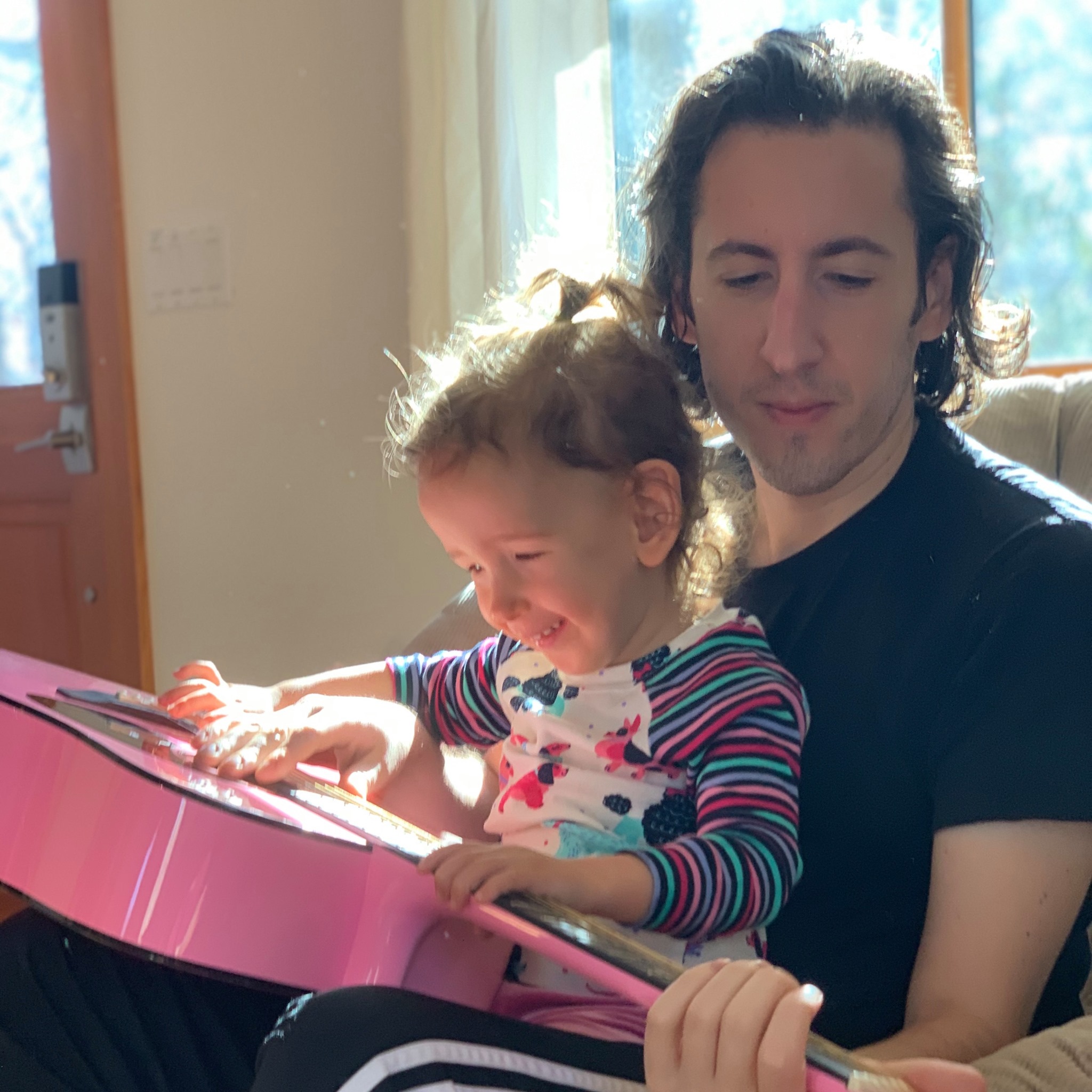
The most rewarding aspect of being in a creative field is to constantly be working on new projects, learning new skills, and drawing on all aspects of life to inspire and fuel creative output. Being a creative person in general means that I don’t have to allow myself to be defined by my job as an architect and designer. I’m also an artist, a musician, a husband, a father, and an educator. To me, these are all creative acts that feed into one another. For example, I don’t generate income from music production, but I work on music every night after work, which allows me to get into a flow state and generate ideas that bleed into my architecture practice the following day. I can’t do one without the other – they are inextricably linked. My wife, Loryn Brantz, is also an incredibly successful artist, author, poet and illustrator, and working alongside her in our home office is inspiring and collaborative even though we’re in wildly different creative fields.
What can society do to ensure an environment that’s helpful to artists and creatives?
Society needs to find ways to value creatives in a non-exploitative way. Creating art is labor. Creating music is labor. Designing a home is labor. Society cannot function without artists, and artists therefore need to be fairly compensated for their time just like any other service profession, regardless of the perceived monetary value of their output. This would require transformative socioeconomic changes, but there are concrete steps that can be taken to help level the playing field, such as subsidized housing for artists. For example, I live next to the Manhattan Plaza apartment complex, which was built as low-rent housing to support the creatives who were working in the nearby Theater District as actors, writers, stagehands, etc. The building remains a pillar of our community, and without it we would not have the thriving Broadway entertainment industry that we have today.
Contact Info:
- Website: https://www.jakejbrotter.com/
- Instagram: https://www.instagram.com/jjb.archdesign/
- Facebook: https://www.facebook.com/jjb.archdesign/
- Linkedin: https://www.linkedin.com/in/jake-j-brotter-aia-ncarb-2098bb13/